Tag Archives: AWAREmed weight loss program

The solution for Osteoporosis is Changing Lifestyle

The solution for Osteoporosis is Changing Lifestyle: Better Bone Health

The solution for Osteoporosis is Changing Lifestyle

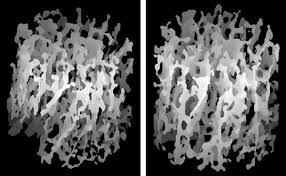
The solution for Osteoporosis is Changing Lifestyle. Good exercise will help increase the density of your bones

We promised in our last article that we are going to continue with the discussion of the five elements which are helpful in changing lifestyle for healthy bones. And if you were with us then you understand where we are coming from. However if you are visiting this link for the first time, then you may want to get to our previous article to get the introduction and the in-depth discussion of the first two life changes you may need to make if you want to have healthy bones. Doctor Dalal Akoury who is an expert in this discipline and also the founder of the health facility called AWAREmed Health and Wellness Resource Center is helping us understand the role of changing lifestyle for the production and maintenance of healthy bones. In other words we are discussing the solution for osteoporosis is changing lifestyle.

  • Calcium and Vitamin D
  • Bone density testing
  • Weight bearing exercise
  • No smoking and moderate Alcohol drinking
  • Doctor’s consultation

Now having understood how calcium and vitamins and bone density testing are beneficial, let us continue in to the discussion by understanding the remaining three.

The solution for Osteoporosis is Changing Lifestyle: Weight-Bearing Exercise

The bones need to be protected consistently if it has to do it functions effectively. Some of the elements that can protect the bone’s health may include both calcium foods and calcium supplements and osteoporosis medications. These are the great defenders of the bones and can stop bone loss which eventually necessitates the bone to rebuild itself. However for this to be done effectively, the body needs encouragement or the incentive to rebuild bone. It therefore means that the skeleton needs to be under stress so that it can get stronger. That’s why doctor Dalal Akoury is recommending regular exercise for the benefits of better bone health. But before you engage in this kind of exercise, it is very important that you seek some expert opinion from your doctor. This kind of exercise may be different from the normal weight loss activities. In this case we are using exercise to gain more bone mass says doctor Akoury. She suggests the following types of exercises for the restoration of your bone health:

Make walking a daily ritual – A simple walking, jogging, and light aerobics make your bones and muscles work contrary to gravity which puts stress on the skeleton, which strengthens bones. Cycling is also good for bones because it offers some resistance thereby improving muscle mass and strengthens bones.

Even though swimming may not be a good bone-booster, it is great and essential for joints particularly for those people who have arthritis. Nonetheless it’s not adding anything for osteoporosis. With swimming, the skeleton is comfortable so it is not working to hold itself up. Now whatever the exercise you settle for, it is important that you purpose to dedicate at least 30 minutes of exercise daily for at least three to five days in a week. This way you will be able to achieve your objective of increasing your bone density.

Core strengthening is critical too – Abdominal exercises, lower back exercises, yoga, Pilates, and tai chi help strengthen the spine. You could make reference about this in our previous article but in the meantime all that stuff is great mainly due to the fact that the most common fractures are often in the spine. Strengthening muscles to the spine gives more support to the spine. The other thing about yoga, Pilates, and tai chi is that they are effective in the improvement of body balance which is very essential in preventing unnecessary falls.

Tell your instructor that you have osteoporosis – For those intending to go for yoga or Pilates, it is very important that your instructor is qualified for the job. Ensure that you verify their certification with the relevant bodies or authorities. This is paramount because in this all arrangement, you will need very close supervision to make sure you don’t harm yourself.

The solution for Osteoporosis is Changing Lifestyle: Don’t Smoke & moderate Alcohol

The way nicotine is toxic to other organs of the body so it is to the bone. Many professionals will confess to their smoking patients that smoking is a big impediment to the health you their bones. Quitting is the way to optimize on the treatment, however this is often very difficult for many and especially the addicted ones. The truth of the matter is that with smoking, there is very little the doctor can do for your bones because this will counteract all medications administered.

Even though moderate alcohol is not bad, keeping it moderate is very challenging to many. What is then considered moderate? The experts recommend only one or two drinks a week. Alcohol in excess causes about 2% bone loss in a year’s time. Nicotine also causes 2% bone loss. If you’re having alcohol and nicotine both in excess, the combined bone loss is actually doubled 8% bone loss.

The solution for Osteoporosis is Changing Lifestyle: Talk to Your Doctor

Many factors affect bone strength. Use of certain medications to treat chronic diseases, for example, is an often-overlooked risk factor for developing osteoporosis. Also, certain medications may cause dizziness, light-headedness, or loss of balance which could put you at risk for a fall. Your doctor can explain your own risk as well as options for preventing and treating bone loss. When you visit your doctor’s office you could ask them some of these questions:

  • How can I best improve my bone health?
  • What is the best calcium to take?
  • What medication can help me?
  • Has this medication been proven to lower risk of fractures of spine and hip?
  • What are the side effects?
  • Do I need special instructions for taking my bone medication?
  • Will the medications affect other drugs that I’m taking for other conditions?
  • How will I know if the treatment is working?
  • How soon will I see a change?
  • How long will I take this medication?
  • Am I taking any medications that put me at risk for a fall?
  • What exercise is safest for me?
  • Are there exercises I should not do?
  • How can I know if I’ve fractured a bone in my spine?
  • How soon should I schedule my next appointment?
  • What should I do to prevent falls?

These questions may not be applicable to you all but they can offer guidance when you meet your doctor. Finally when you meet a challenge that needs professional clarification, then you can schedule for an appointment with the experts at AWAREmed Health and Wellness Resource Center and doctor Dalal Akoury will offer real time solutions for your concerns.

The solution for Osteoporosis is Changing Lifestyle: Better Bone Health


Facebooktwitterpinterestlinkedin

Osteoporosis and Diet

Osteoporosis and Diet: Food elements which are not good for the bones

Osteoporosis and Diet

Osteoporosis and Diet. Not all food can cause osteoporosis, following a good diet is helpful

In our previous article we discussed osteoporosis and nutrition and we note some five food elements which are not good for the good health your bones. Salt and certain beverages were cited as foods which are injurious to the bones causing osteoporosis. We want to further the discussion by looking at three other food items which are equally not good for your bones. But before that a good diet is not bad for your health and only a few food elements may not be healthy for you. Therefore as we get into the discussion of osteoporosis and diet, it is important that we appreciate that not all food items are bad. Now having discussed salt and a sorted beverage, let us now get the professional opinion of experts from AWAREmed Health and Wellness Resource Center under the able leadership of Doctor Akoury’s care. Our focus will be on caffeine, some proteins and soy.

Osteoporosis and Diet: The Cost of Caffeine

Caffeine leaks out calcium from the bones thereby weakening their strength and stability of the bones. As we continue taking in caffeine it is estimated that we lose some 6 milligrams of calcium for every 100 milligrams of caffeine ingested. Even though this is not comparable to the units lost when we take salt, it is still significant. Women are more vulnerable when they take caffeine and fail to get adequate calcium periodically to replace the lost ones out of caffeine intake. However this can be corrected by limiting caffeine intake to sat 300 milligrams a day while getting adequate calcium probably offsets any losses caffeine causes.

In all these efforts of trying to prevent osteoporosis using health food elements, it is important to note that coffee which is preferred by many people is actually the major source of caffeine. For example, a 16-ounce cup of coffee can provide 320 milligrams. High-caffeine sodas can contain up to 80 milligrams per can or more. With this concentration of caffeine in some of your favorite drinks, it would be better if you reduce your consumption of such drinks if you were to keep osteoporosis away from your life. If you are ready, then the following tips will be helpful to you in reducing the intake of caffeine:

  • Wean yourself from coffee by drinking half regular and half-decaf drinks to start
  • Avoid caffeine-laden drinks
  • Reach for decaffeinated iced tea or hot tea
  • Splurge on a decaf, fat-free latte drink and get 450 milligrams of calcium in the bargain

Remember that coffee which is the main source of caffeine is very addictive and eliminating it may not be very easy. If you are meeting any obstacle in slowing down on your coffee, then you can seek for help at AWAREmed Health and Wellness Resource Center and doctor Akoury will be there to help you get over ant concerns you may be having.

Osteoporosis and Diet: Is Protein Problematic for you?

Protein is food and many people often say that animal protein is problematic for bones this is not true. Just quite the opposite because bones are about 50% protein and remember that bone repair needs a steady stream of dietary amino acids which are also the building blocks of body proteins. Note that enough calcium and vitamin D cast a protective net around bones, but protein comes in a close second. Even though many people across the globe are get plenty of protein, it is regrettable that many elderly women and particularly from America fails to get enough protein on a daily basis and this is not doing them any good to their bones. Professionals suggest that daily protein consumption should be on average 0.8 grams of protein per 202 pounds for men and women over 19 years of age. That translates to some 55 grams of protein a day for a 150-pound woman and about 64 grams a day for a 175-pound man.

Osteoporosis and Diet: There’s Something about Soy

Doctor Akoury acknowledges that while soy products like edamame, tofu, tempeh, and soy beverages may be rich in bone-building protein, they contain plant compounds that may hamper calcium absorption. Oxalates in soy can bind up calcium and make it unavailable to the body. Problems may then arise when you eat a lot of soy but don’t complement (eat) with a lot of calcium.

Even though there are mixed opinions about some research findings about whether soy can cause problems with the stability of the bones or not, the primary objective is to be safe irrespective of what the research findings denote. Therefore, it is important that you avoid any risk as possible. Instead be sure to get a lot of calcium in your diet and in particular calcium originating from dairy foods or supplements.

Soy products fortified with calcium may foster a false sense of security. When compared with calcium content and solubility of calcium-added beverages, the experts established that much of the calcium in soy and other beverages sank to the bottom of the container and could not be redistributed throughout the drink, even after vigorous shaking.

Still, fortified soy products, such as tofu processed with calcium, provide a hefty dose of bone-building nutrients and make a good addition to a balanced diet. If your diet is heavy on soy, be sure to also take in at least 1,000 milligrams of calcium every day.

Osteoporosis and Diet: Best Diet to Beat Osteoporosis

Finally diet is generally good for your health in all dimensions. There can be no perfect health with improper diet and therefore when it comes to osteoporosis diet is still good with exemption of the foods we have highlighted above. It is for this reason that such foods should be avoided for the benefit of healthy bones. Doctor Akoury concludes that eating safe is the way to go. And the safest approach is eating a diet that’s low in salt and rich in fresh and minimally processed whole grains, fruits, and vegetables. And don’t forget to include sufficient calcium and vitamin D from foods, and supplements where is necessary. In all this ensure that caffeine and carbonated drinks are limited or omitted completely from your list of choice food.

Osteoporosis and Diet: Food elements which are not good for the bones


Facebooktwitterpinterestlinkedin

Osteoporosis and Nutrition

Osteoporosis and Nutrition: Foods to Avoid

Osteoporosis and Nutrition

Osteoporosis and Nutrition. When you feed on the right food stuff, you can eliminate osteoporosis

The body needs energy to operate effectively and to be healthy. However with many health challengers around us, some of this food may not be ideal particularly if you are experiencesing some health complications like osteoporosis. When we talk about osteoporosis and nutrition does foods like salt, soda and caffeine advisable? Could it be that your daily diet is not working well for you and instead damaging your bones even to the point that it is resulting to osteoporosis? These are some of the questions we want to answer as we learn from the experts at AWAREmed Health and Wellness Resource Center under the able leadership of doctor Dalal Akoury in this article. Ideally getting adequate calcium and vitamin D is essential for warding off osteoporosis. Doctor Dalal Akoury says that your life is the most valuable asset you can ever possess on earth meaning that it must be guarded effectively and by all means. Therefore, for stronger bones, it would be very necessary that you avoid these everyday osteoporosis diet dangers like:


  1. Salt
  2. Some Popular Drinks
  3. The Cost of Caffeine
  4. Certain Problematic Protein
  5. Soy

Osteoporosis and Nutrition: Salt Is Bad for the Bone

Ordinarily salt is needed to add taste to the food we consume. And to many people food without salt is not anything to consider. However salt can pose a great obstacle to a sturdy skeleton. According to some studies, it has been established that postmenopausal women with a high salt intake diet lose more bone minerals than their counterparts of the same age. The salt content of the typical American diet is one of the reasons why calcium requirements are so high. The experts are in agreement that regular table salt and simply sodium causes calcium loss and with time weakens the bones. According to the 2005 Dietary Guidelines for Americans advise limiting sodium to 2,300 milligrams a day which is an equivalent of a teaspoon of salt. Despite this advice many people are still consuming up to least 4,000 milligrams a day. Generally speaking, for every 2,300 milligrams of sodium you take in, about 40 milligrams of calcium is lost in the urine. For stability it is important for people to get the right units of calcium and vitamin D daily to help in offsetting bone loss from the consumption of salt. The following are the recommended units of calcium and vitamin D:

  • Adults up to age 50 require 1,000 milligrams of calcium daily — the equivalent of three 8-ounce glasses of milk.
  • Older adults need 1,200 milligrams of daily calcium – about half a glass more of milk.
  • People need 200 International Units (IU) of vitamin D a day until age 50.
  • Adults need 400 IU of vitamin D from the ages of 51 to 70 years.
  • Seniors need 600 IU of vitamin D a day after age 70.

The best sources of vitamin D should be from natural origins like natural sunlight and from fortified milk, egg yolks, saltwater fish, liver, and supplements.

We may succeed in eliminating salt shakers from our tables and even prepare meals without salt. But this is just a reduction of very negligible portion. It is no wonder that of all the dangers to the bone, salt is one which may be the hardest to eliminate. This is so because all the processed foods including whole grain breads, breakfast cereals, and fast foods are very rich in salt. As a matter of fact these constitute up to 75% of salt we consume. Therefore if you want to reduce the diet danger, take note of some of the highest-salt foods to limit or avoid. Choose no-added salt versions whenever possible.

  • Processed meats, such as deli turkey and ham, and hot dogs
  • Fast food, such as pizza, burgers, tacos, and fries
  • Processed foods, including regular and reduced-calorie frozen meals
  • Regular canned soups and vegetables and vegetable juices
  • Baked products, including breads and breakfast cereals

Scan food labels for sodium content to ensure that you only go for those with the lowest units of sodium for better bones. We appreciate that lowering your salt use may not be very easy and therefore if this describes you situation, then you may opt for plenty of potassium-rich foods like bananas, tomatoes, and orange juice. Potassium may be helpful in decreasing the loss of calcium.

Osteoporosis and Nutrition: Some Popular Drinks

Many soft drinks and certain other carbonated soft drinks contain phosphoric acid, which can increase calcium excretion in your urine. And nearly all soft drinks lack calcium. That combination spells trouble for women at risk of osteoporosis. Excess phosphorus promotes calcium loss from the body when calcium intake is low.

The occasional soda is fine, but many people, particularly women, consume more than an occasional can or glass. To make matters worse, soft drink consumers may also avoid calcium-laden beverages that bolster bones, such as milk, yogurt-based drinks, and calcium and vitamin D fortified orange juice. To prevent osteoporosis, instead desire to use the following drinks:

  • Eight ounces of orange juice fortified with calcium and vitamin D
  • A mixture of fortified orange juice and seltzer or club soda that’s free of phosphoric acid
  • Fruit smoothie: Combine 8 ounces fat-free yogurt, one medium banana or a cup of fresh or frozen berries and 2 ice cubes in a blender or food processor
  • Fat-free plain or chocolate milk

We have just mentioned a very important point about certain habits. Many people go beyond the occasional consumption of these unhealthy drinks. Worse still are that such people will not be comfortable taking calcium rich beverages further complicating the health equation. This is one of the reasons why osteoporosis is nagging in most people’s lives. What does this communicates to you dear reader? We are actually vulnerable to osteoporosis and therefore regular consultation with the experts will be the best option we have. At AWAREmed Health and Wellness Resource Center under the able leadership of doctor Akoury we are aware of your needs and will be able to help you get over it. All you need to do is to schedule for an appointment with doctor Akoury for professional guidance today. In the meantime we are going to continue with the discussion on the remaining everyday osteoporosis diet dangers in our next article, so don’t go too far.

Osteoporosis and Nutrition: Foods to Avoid


Facebooktwitterpinterestlinkedin

Long and Short Term Effects of Heroin

Long and Short Term Effects of Heroin: The Social and Physical Complications

Long and Short Term Effects of Heroin

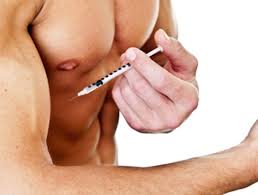
Long and Short Term Effects of Heroin must be dealt with decisively if we have to get rid of the drug injections from our lives.

Drug abuse is not anything you would want to wish away casually. The roots of substance abuse are deeply rooted in most societies and the effects are escalating to economic sabotage. Looking at heroine for example, both long and short term effects of heroin use is and can destroy every aspect of your life. It doesn’t care the genesis or the end. The effects are felt from your physical health to your finances, career and relationships. Surprisingly even with the knowledge of such consequences the intense euphoria and heavy sedation of a heroin high are so addictive that users would not care and are willing to run these risks in order to continue their love affair with the drug. This is happening because of one reason, and that is the drug is addictive. We must therefore take the initiative to address addiction as apriority if we have to bring this to manageable levels.

As professionals and ordinary people we all have a role to play. And as experts at AWAREmed Health and Wellness Resource Center under Doctor Akoury’s care we are in the front lane making corrections where people have failed and if you are struggling with any form of addiction then you can schedule for an appointment with doctor Akoury for professional addiction treatment. However when you take a look at how heroin affect you after sometimes of abuse, you will notice that recovering from addiction to this devastating drug is absolutely worth the effort. And most importantly you will notice that it was well worth it when you decided to enter a top exclusive private rehabilitation center. We want to encourage you to be part of the solution by making such important decisions that brings real life changes in the societies.

Long and Short Term Effects of Heroin: Dependence and Addiction

Tolerance, dependence and addiction may be the greatest dangers of heroin use. Throughout the country, the percentage of heroin users who become physically or psychologically dependent on this drug is disturbing. In most states heroin abuse is one of the most common reasons for drug treatment admissions treatment facilities. This tells you that when you’re abusing a drug, you are simply risking your health and jeopardize your abilities to have a bright and successful future. While appreciating the difficulties in taking that step of quitting addiction, the good news is that with all the difficulties it is still possible for you to stop and quite all together. This is the objective we have to help you get out of this addiction and dependency on drugs for survival. Get in touch with doctor Dalal Akoury for any concerns you may be having in line of addiction. In the meantime this can help you make certain resolutions towards this. Like for instance when you’re dependent on a drug, your body and mind rely on that substance to function. Therefore how do you then know when your addiction has crossed the line into heroin dependence? The following can offer good guidance.

Tolerance – You need more of the drug to get the kind of high you want.

Physical withdrawal – You start to experience heroin withdrawal symptoms nausea, vomiting and sweating, shaking, chills when you can’t use the drug.

Psychological withdrawal – You feel anxious, unfocused or depressed when you can’t use heroin.

Failure to quit – Even if you’re aware of the way heroin is harming your body, mind, relationships and work life, you can’t quit, in spite of repeated attempts to get clean.

Long and Short Term Effects of Heroin: Effects on the Heart and Blood Vessels

Many of the long-term effects of heroin are closely linked with the dangers of intravenous drug use. Although heroin can be injected into muscles, smoked or snorted, users prefer IV injection because it is the fastest way to get that euphoric rush. Just in a few seconds of the injection heroin will be able to meander through the blood and into the brain barrier, where it’s converted into morphine which is a powerful narcotic, by the brain. One of the greatest dangers is that unlike the germ-free solutions and pharmaceuticals that are injected into the veins in a clinical setting, the heroin injection done in the street is obviously not pure or clean. Which is a further risk for health and besides all the users who inject heroin directly into their bloodstream, they are not just doing that but are also passing on substances known as diluents which are primarily responsible for the enhancement of the effects of the drug in question. In one of the study analysis it was established that injectable heroin might contain the following:

  • Caffeine
  • Procaine
  • Starches or sugars
  • Paracetamol
  • Strychnine
  • Fentanyl

Besides that, sharing of needles and other equipment may also be responsible for injecting bacterial contaminants. Bacteria traveling through the bloodstream may cause infections in the circulatory system, including the blood vessels and the heart itself. In heavy heroin users, abscesses and subcutaneous tissue infections (cellulitis) may occur, and veins can become scarred and permanently damaged.

Long and Short Term Effects of Heroin: Exposure to Disease

Like all other drugs the use of heroin for a long period of time is likely to introduce your body to a collection of blood-borne diseases. Like for instance, sharing needles and having unprotected sex while you’re under the influence can expose you to deadly viral infections like hepatitis B, hepatitis C and HIV. Hepatitis can cause permanent damage to your liver, interfering with your body’s ability to metabolize nutrients and eliminate toxic wastes. Hepatitis C, which is becoming increasingly common among IV heroin users, can cause serious long-term complications including:

Long and Short Term Effects of Heroin: Effects on the Lungs

Even though the use of heroin is believed to bring high its addicts, this may not be so when it comes to the central nerve system. Heroin for sure will slow down your central nervous system and suppresses your body’s involuntary processes, like respiration. Besides that it will also suppress the impulse to cough, a healthy reflex that clears all the debris, mucus and harmful organisms from your lungs. If this continues then it causes your lungs to be vulnerable to lung complications like pneumonia and tuberculosis. Of all these concerns, what is very painful is that most long term heroin users often neglect their health and as a result their general health deteriorates thereby worsening the consequences of lung diseases.

Finally in dealing with both the long and short term effects of heroin, it is important to note that all is not lost no matter the state you are in. with good care and professional recovery programs available at AWAREmed Health and Wellness Resource Center, your conditions will be turn around into jubilation if only you can schedule for that very important appointment with doctor Akoury today. If this has taken a toll on you, it will not be easy but it is still not impossible.

Long and Short Term Effects of Heroin: The Social and Physical Complications


Facebooktwitterpinterestlinkedin

How to involve your family in eating healthy

How to involve your family in eating healthy – The role of Parents

Healthy food

We all ore each other the duty of care to bring up healthy families. How to involve your family in eating healthy food will depend on whether you are practicing the same or not

There is a wise saying that state “charity begins at home” and I can bet that you are not hearing it for the first time from me. making refence to this I want us to explore on the possibilities of using family as the first unit of learning and practicing healthy living by adopting healthy feeding habits. Collectively as members of family we ore each other the duty of care to seeing that what we feed on is healthy and beneficial to our wellbeing. The holy book also state in one of the verses that teach a child on the ways to follow and when they grow up they will not depart from it. If you look keenly on the rate of obesity and overweight, you will realize that it is almost becoming out of hand. I ask is it because we were not taught well on healthy living? If so a time has come when we must do things differently and live up to standard with the required weight that will not bring health complications in out health.

Therefore collectively as family irrespective of your position in that family (whether you have a toddler, a teen or adult) we must observe the following strategies to improve nutrition and encourage smart eating habits:

  • Serve a variety of healthy foods and snacks.
  • Be a role model by eating healthy yourself.
  • Have regular family meals.
  • Involve kids in the process.
  • Avoid battles over food.

I am not saying that eating well will be easy the truth is it will be hard because different members of the family schedules are hectic and grab-and-go convenience food is readily available. However busy your household schedule may be try to consider the following strategies:

Family Meals

Family meals are a comforting ritual for both parents and kids. Children like the predictability of family meals and parents get a chance to catch up with their kids at the table. Kids who take part in regular family meals are also:

  • More likely to eat fruits, vegetables, and grains
  • Less likely to snack on unhealthy foods
  • Less likely to smoke, use marijuana, or drink alcohol

The family meals offer the parents an opportunity to introduce their kids to new foods and to be role models for healthy eating.

Parents need to be very careful when handling teens because in many cases they are likely to turn up their noses at the prospect of a family meal not surprising because they’re busy and want to be more independent. Nonetheless studies have established that teens will still want their parents’ advice and counsel, this should be a motivation for parents to use mealtime as a chance to reconnect. You may also want to consider the following tips:

  • Allow your kids to invite a friend to dinner.
  • Involve your child in meal planning and preparation.
  • Keep mealtime calm and friendly no lectures or arguing.

What counts as a family meal? – Whenever you and your family eat together, whether it’s takeout food or a home-cooked meal with all the trimmings. Endeavor for nutritious food and a time when everyone can be there. This may mean re-scheduling time for eating dinner a little later to accommodate a teen who’s at sports practice. It also can mean setting aside time on the weekends when it may be more convenient to gather as a group, such as for Sunday brunch.

Stock Up on Healthy Foods

Kids, especially younger ones, will eat mostly what’s available at home. That’s why it’s important to control the supply lines the foods that you serve for meals and have on hand for snacks. The following basic guidelines may be helpful:

  • Work fruits and vegetables into the daily routine – aiming for the goal of at least five servings a day. Be sure you serve fruit or vegetables at every meal.
  • Make it easy for kids to choose healthy snacks – by keeping fruits and vegetables on hand and ready to eat. Other good snacks include low-fat yogurt, peanut butter and celery, or whole-grain crackers and cheese.
  • Serve lean meats and other good sources of protein – such as fish, eggs, beans, and nuts.
  • Choose whole-grain breads and cereals – so kids get more fiber.
  • Limit fat intake – by avoiding fried foods and choosing healthier cooking methods, such as broiling, grilling, roasting, and steaming. Choose low-fat or nonfat dairy products.
  • Limit fast food and low-nutrient snacks – such as chips and candy. But don’t completely ban favorite snacks from your home. Instead, make them “once-in-a-while” foods, so kids don’t feel deprived.
  • Limit sugary drinks – such as soda and fruit-flavored drinks. Serve water and low-fat milk instead.

Be a Role Model

This brings us to the wise saying and the quote from the holy book stated above. Therefore the best way for you to encourage healthy eating is to eat well yourself. Remember that kids will follow the lead of the adults they see every day. By eating fruits and vegetables and not overindulging in the less nutritious stuff, you’ll be sending the right message hone for your kids.

Another way to be a good role model is to serve appropriate portions and not overeat. Talk about your feelings of fullness, especially with younger children. You might say, “this is delicious, but I’m full, so I’m going to stop eating.” Similarly, parents who are always dieting or complaining about their bodies may foster these same negative feelings in their kids. Try to keep a positive approach about food.

Get Kids Involved
  • Most kids will enjoy deciding what to make for dinner.
  • Talk to them about making choices and planning a balanced meal.
  • Some might even want to help shop for ingredients and prepare the meal.
  • At the store, teach kids to check out food labels to begin understanding what to look for.
  • In the kitchen, select age-appropriate tasks so kids can play a part without getting injured or feeling overwhelmed. And at the end of the meal, don’t forget to praise the chef.
  • School lunches can be another learning lesson for kids. More important, if you can get them thinking about what they eat for lunch, you might be able to help them make positive changes.
  • Brainstorm about what kinds of foods they’d like for lunch or go to the grocery store to shop together for healthy, packable foods.

Doing this may not be easy if you’re are already struggling with your own poor eating habit and so seeking professional help from doctor Dalal Akoury will benefits you greatly. Doctor Akoury is weight loss professional and also an expert in nutrition. She founded AWAREmed Health and Wellness Resource Center a facility in whose sole objective is to transform each individual’s life through increasing awareness about health and wellness and by empowering individuals to find their own inner healing power. Her practice focuses on personalized medicine through healthy lifestyle choices that deal with primary prevention and underlying causes instead of patching up symptoms. You may want to schedule for an appointment with her today for real time solution to all your queries.

How to involve your family in eating healthy – The role of Parents


Facebooktwitterpinterestlinkedin