Tag Archives: AWAREmed weight loss program

Benefits of Gotu kola leaves and the Stems

Benefits of Gotu kola leaves and the Stems: Understanding the Herb Gotu Kola

Benefits of Gotu kola leaves and the Stems

Benefits of Gotu kola leaves and the Stems

Over the years people have often embraced traditional medications for various types of illness. The practice is becoming acceptable even to the mainstream scientific medication. One of the ancient herbs that have been in use for decades is gotu kola and it is going to form part of our focus in this discussion. We want to look at the benefits of Gotu kola leaves and the stems in the treatment of various health conditions we do have today and even in the past. But before that Gotu kola is a swamp plant that originated and grows naturally in Madagascar, India, Sri Lanka, Indonesia, and many parts of South Africa. Its dried leaves and stems are medicinal and are used in herbal remedies. The active compounds in gotu kola are called saponins, or triterpenoids. Gotu kola is also used in Ayurvedic and Chinese medicine to treat skin wounds. It is important to note that Gotu kola is not in any way related to the kola (cola) nut and doesn’t contain caffeine or stimulants.

Some clinical trials have looked at the use of gotu kola and its compounds in people with poor blood flow, usually in the legs. These limited studies suggest that gotu kola may help reduce swelling in the legs and feet, although more scientific studies are needed. Other research that has looked at gotu kola in humans has been limited by small numbers of patients and problems in study methods. Although at least one laboratory study of tumor cells showed reduced cell growth with gotu kola, available scientific evidence does not support claims of its effectiveness for treating cancer or any other disease in humans. Therefore to help us get the answers to some mostly asked questions, we are going to be talking to doctor Dalal Akoury the MD and founder of AWAREmed Health and Wellness Resource Center a facility whose primary objective is to transforms people’s lives through increasing awareness about health and wellness and by empowering individuals to find their own inner healing power. As we progress into the discussion, if you have any concern about your health and the medications you are using whether herbs or scientific, you may want to schedule for an appointment with this great medical professional who has been in practice for over two decades and she will be of great help to you professionally and in confidence.

Benefits of Gotu kola leaves and the Stems: How is Gotu kola promoted for use?

A lot of theories are being used when it come to the application of gotu kola. Some experts who support it use have reported that gotu kola possesses numerous curative qualities. At the same time some physicians maintain that gotu kola eases fever and relieves congestion caused by colds and upper respiratory infections. It is also reported that some women have used gotu kola for birth control, and some herbalists claim that gotu kola is an antidote for poisonous mushrooms and arsenic poisoning. Some believe that it can be applied externally to treat snakebites, herpes, fractures, and sprains. It is evident that gotu kola has several opportunities through which its application is being promoted. Like for instance in some folk medicine traditions, gotu kola is used to treat syphilis, rheumatism, leprosy, mental illness, and epilepsy. It is also used to stimulate urination and to boot out physical and mental exhaustion, high blood pressure, eye diseases, diarrhea, asthma, liver disease, dysentery, urinary tract infections, eczema, inflammation and psoriasis. Some manufacturers of the herbal supplement claim gotu kola can be used to treat cancer as well. That is a testimony of a host of applications opportunities and this introduces us to our next point of concern “what does it involve?”

Benefits of Gotu kola leaves and the Stems: What does it involve?

Over the years this herb has been evolving and each time new development for it applications is being discovered. A lot of improvement has been made on it and today gotu kola is available in capsules, eye drops, extracts, powder, and ointments from health various food stores across the globe and over the online market (Internet). Doctor Dalal Akoury states that dried gotu kola can be made into dust form and be used as tea. She continues to state that if you are purposing to use this herd in whichever form, it would be advisable that you consult with your healthcare provider for advice on the right dosage. This is because the right and recommended dosage depends on the condition being treated and there is no general agreeable dosage. Now that you are up to date with its usage, let us walk you through the history journey of gotu kola herb.

Benefits of Gotu kola leaves and the Stems: What is the history behind it?

Like we have already stated in the introduction, this herb (Gotu kola) has a long history in the folk medicines of India, Indonesia, Sri Lanka, and Madagascar including South Africa and is still widely used in these countries to date. For a very long time this herb has been used for generation to generation in India to promote relaxation, improve memory, and aid meditation. In traditional Chinese medicine, the herb is believed to promote longevity. The Chinese name for gotu kola translates to “fountain of youth.” A Sri Lankan legend says that elephants have long lives because they eat gotu kola. It therefore means that gotu kola has a very rich history and anyone wishing to join the history can do so.

Finally when opting to use gotu kola or any herb for that matter, it is not just enough to get information from the internet and by reading books and without further finding more go ahead and start using these herbs. Majority of herbal medications may not pose any threat but the fact that no tangible scientific evidence has been established about them, makes them only applicable on the instruction of the professional. Therefore I will advise you that before opting for gotu kola, seek for more information with the experts at AWAREmed Health and Wellness Resource Center under the able leadership of Doctor Akoury’s care.

Benefits of Gotu kola leaves and the Stems: Understanding the Herb Gotu Kola


Facebooktwitterpinterestlinkedin

Endocrine Therapy for Postmenopausal Women

Endocrine Therapy for Postmenopausal Women: Positive Early Breast Cancer

Endocrine Therapy for Postmenopausal Women

Endocrine Therapy for Postmenopausal Women

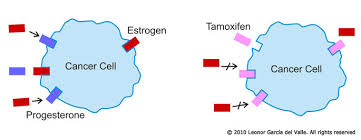
Endocrine therapy is an important systemic treatment for all stages of hormone receptor-positive breast cancer and has seen significant advances since Beatson first made the link between the endocrine system and breast cancer more than 100 years ago. In the past few decades, modern endocrine therapies, such as the orally administered selective estrogen receptor modulator (SERM) tamoxifen, have revolutionized early breast cancer therapy, offering a real improvement in terms of both disease-free (DFS) and overall survival. Treatment guidelines now call for the determination of estrogen and progesterone receptor status in all primary breast tumors and endocrine therapy for postmenopausal women. Nonetheless it is important to note that these therapies are only recommended for women with known hormone receptor-positive disease.

Experts at AWAREmed Health and Wellness Resource Center under the able leadership of Doctor Akoury’s care are stating that unlike advanced disease, early detection of breast cancer is hypothetically curable. However treatment of early breast cancer may involve adjuvant therapy consisting of systemic endocrine therapy, chemotherapy or both. This can be done after initial surgery to remove the tumor to prevent or delay tumor recurrence. The ultimate goal of adjuvant endocrine therapy is to increase the chances of curing invasive early breast cancer, with as low a level of adverse side-effects as possible.

Historically, tamoxifen was the first successful hormonal treatment and became the ‘gold standard’ adjuvant endocrine therapy in postmenopausal women. It has been shown to be more effective than chemotherapy in women of over 50 years of age with hormone receptor-positive early breast cancer. These findings have prompted its investigation as a chemo-preventive agent in women at risk of breast cancer. Bearing in mind that this study had a short follow-up, tamoxifen was found to be associated with almost 50% reduction in new tumors compared with placebo. As a result, Nolvadex™ (tamoxifen citrate) was approved by the US Food and Drug Administration (FDA) for reducing the incidence of breast cancer in women at high risk of developing the disease. However, despite its proven effectiveness, tamoxifen therapy is still linked to a number of serious side-effects including an increased risk of endometrial cancer and sarcoma and thromboembolic disorders all of which are potentially life-threatening. This clearly limits its use both as adjuvant therapy (where it is usually recommended for up to 5 years) and in particular, as a preventative therapy. This shortcoming has prompted the search for, and development of, new agents with equal or improved efficacy and fewer side-effects.

Alternatively postmenopausal women with hormone receptor positive breast cancer may be offered adjuvant therapy with either tamoxifen or with an aromatase inhibitor. Aromatase inhibitors belong to a class of drugs that work by reducing the levels of estrogen in the body. Even if you have stopped menstruating, your body may still produce small amounts of estrogen in the adrenal glands, fat tissue and even breast tissue. These drugs for over two decades have been shown to reduce the risk of breast cancer recurrence in postmenopausal women with early stage breast cancer. Such drugs include anastrozole (Arimidex®), exemestane (Aromasin®) and letrozole (Femara®).

Postmenopausal women with hormone-positive tumors may do just as well or perhaps a bit better with an aromatase inhibitor when compared to tamoxifen. It is not recommended for these women to undergo ovarian suppression as adjuvant treatment since their ovaries are not producing estrogen. Oophorectomy would be considered in this case in women who are BRCA 1 or 2 mutation carriers or have a strong family history of ovarian cancer as a preventive measure. Experts recommend that patients who are diagnosed with early stage non-invasive breast cancer (DCIS) may be given tamoxifen to prevent breast cancer from occurring in the unaffected breast. But in all this, it is important to understand that the use of aromatase inhibitors in postmenopausal women with DCIS is under investigation.

Many women stop menstruating after receiving chemotherapy, often for several months or even a few years. This does not necessarily mean they are postmenopausal. It is possible that these women could still have functioning ovaries and premenopausal hormonal levels despite the absence of their menstrual periods. Also, ovarian function could still return unexpectedly. That said, women who are premenopausal, regardless of whether they experience temporary menopause because of treatments, should not be prescribed aromatase inhibitors (unless they are participating in specific clinical research studies). Aromatase inhibitors are typically reserved for postmenopausal women with breast cancer.

Endocrine Therapy for Postmenopausal Women: Side effects of aromatase inhibitors

Like in all other medications aromatase inhibitors are also having their side effects which are generally mild and well-tolerated. They may include the following:

  • High cholesterol – You may need routine screenings. If cholesterol becomes a problem, you may be asked to reduce your intake of fat from meats and other animal products.
  • Hair thinning
  • Hot flashes
  • Decreased interest in sexual activity
  • Mood swings
  • Joint stiffness and pain, including carpal tunnel symptoms – In a small number of patients, this can be quite severe. If you develop severe symptoms your doctor may recommend that you temporarily stop taking it and then try another kind of aromatase inhibitor or tamoxifen.

Endocrine Therapy for Postmenopausal Women: Complications

The use of aromatase inhibitors may trigger complications where the patient loses the bone density. It is therefore advisable that all women who are considering using aromatase inhibitors to consult with their doctors about having a bone density study (DEXA scan). Besides that such patients should also take at least the minimum recommended daily allowances dose of calcium and vitamin D. and for those patients with some evidence of bone loss, your doctor may recommend that you increase your exercise level or take a calcium supplement. However if you are still experiencing problems with bone loss, a prescription of bone building drugs like a class of medications called bisphosphonates may be recommended. The drug Evista® (raloxifene) is quite similar to tamoxifen and in general should be avoided by women who were previously diagnosed with breast cancer.

Endocrine Therapy for Postmenopausal Women: Positive Early Breast Cancer


Facebooktwitterpinterestlinkedin

Getting active to Solve Heart Disease Problem

Getting active to Solve Heart Disease Problem: There is Health in Exercise

Getting active to Solve Heart Disease Problem

Getting active to Solve Heart Disease Problem is just the starting point. A lot more can be done to prevent since prevention is better than cure

It is always said that there is health in exercise but many people do see it that way. Many people are 50-50 is appreciating this fact and that is why even though they know, they are still not handling matters to do with physical activities with the seriousness it deserve. Looking at the gap and how it impacts to the societies across the globe doctor Dalal Akoury resolved to offer her contribution by establishing a health facility (AWAREmed Health and Wellness Resource Center) which promotes getting active to solve the heart disease problems and many other diseases related to being inactive. Physical activities is applicable to all ages and therefore whatever your age, you’re a candidate of exercise and being active now will make an immediate impact on your health and protect it in the future too.

Being physical active helps control your weight, reduce blood pressure and cholesterol and improve your mental health and thereby helping you to look and feel great. Many health problems can easily be avoided or solved by regular engagement in physical activities. Doctor Akoury says that the importance of being active is full of health and therefore even if you have a physical health problem which you feel interferes with your ability to be active, you must not stop there consoling yourself that because of that health condition you can’t be active. Everybody needs to be actively involved in the physical activities and so it is advisable that you consult with your doctor about your condition. By doing this you doctor will be able to help you recommend the amount and type of activity that is right for you after all there is health in exercise.

And for those who have a heart condition, or are at high risk of developing heart disease for example because you have high blood pressure, you must ensure that you act in speed and consult with the expert at AWAREmed Health and Wellness Resource Center under the able leadership of doctor Dalal Akoury today for immediate action. Remember that since there is health in exercise, you should aim to be active every day and build up to a minimum of 150 minutes of moderate intensity aerobic activity on a weekly basis. And just points of reminder do not forget that every 10 minute counts. Even as you consider starting if you have not been doing so, it is necessary that you begin slowly and gradually, like for instance you may start with sessions of at least ten minutes in a day. From there you can graduate by building up the number of sessions you do each day as you get adopted to the exercise.

Getting active to Solve Heart Disease Problem: Where do I start?

You must have realized that I have already begun responding to this concern, however the benefits of being more active is derived from all kinds of physical activity. Whatever you settle on will add more value to you and the more you increase your time being active the better for your health says doctor Akoury. Back to the question “where do I start?” you could start from anywhere like for instance the traditional activities like swimming, exercise classes or playing a sport all count. Physical activity also includes the normal daily activities or duties you are doing like walking, gardening, climbing stairs and even the household duties like cleaning.

To keep on the objective, it is important that you choose such activities that you enjoy, helping you achieve your goals and keep you motivated. Are you a fun of ballroom dancing, tennis, trampolining, yoga or Pilates a try? You could try them nonetheless you should also do something that helps in strengthening your muscles at least twice a week. This could be exercising with weights, working with resistance bands, heavy gardening or carrying shopping.

Getting active to Solve Heart Disease Problem: Build on what you’re already doing

You might not realize just how active you already are. Can you take a moment and think about the activities you’re already doing and the ones you’d like to do in the future. Download and fill in your own activity diary sheet to find out how much you’re already doing. The easiest way to get active is to build it into your everyday life. It need not be a big change to your daily habits, but it could have a big impact on your health. Just some little tips on what you could incorporate:

  • Walking more each day. You don’t need to dress up in sportswear to get active.
  • Climb the stairs more often.
  • Avoid sitting down for long periods.
  • Meet your friends more regularly. Walk or cycle to and from local places whenever you can.
  • Do more activity in your leisure time. Exercising in a class or with a group is a good way to meet new people and make new friends

Getting active to Solve Heart Disease Problem: Your weight and heart disease

If you are overweight or obese you are more likely to develop coronary heart disease than someone who is having a healthy weight. The heart diseases can be very devastating and the sooner they are dealt with the better. As you consider taking on physical activities to prevent heart conditions, remember to consult with your doctor since not everyone with a heart condition can do exercise the same way. In this regard doctor Dalal Akoury will be very instrumental in advising you professionally if only you can schedule for that much deserving appointment with her today.

Getting active to Solve Heart Disease Problem: How does my weight affect my health?

There is no doubt that being overweight or obese is a serious factor in causes of heart diseases and other health complications. This has been established by the various research findings that being overweight or obese:

Doctor Akoury says that because these are risk factors for coronary heart disease, your weight can have a big impact on your long-term health. Remember that even if you don’t have any of these conditions, it’s still very important to keep to a healthy weight so you don’t develop them in future.

The good news is that if you’re overweight or obese, you can reduce your risk of coronary heart disease by reaching and keeping to a healthy weight. You can make a real difference to your heart health with small lifestyle changes, by eating healthily, keeping active, and being aware of what affects your risk.

Getting active to Solve Heart Disease Problem: There is Health in Exercise


Facebooktwitterpinterestlinkedin

Diabetes and Coronary Heart Disease

Diabetes and Coronary Heart Disease: Understanding the Effects of Diabetes

Diabetes and Coronary Heart Disease

Diabetes and Coronary Heart Disease. The many risks of heart diseases can and must be avoided. Health must come first

Diabetes is a serious factor in causing coronary heart diseases. If you have diabetes for instance, you are more likely to develop coronary heart disease than someone without diabetes. It is therefore very important that you understand the relationship between diabetes and coronary heart disease for you to be able to take the appropriate action in keeping healthy. Experts have established that diabetes causes high levels of glucose in the blood and when this happens, it impacts negatively on the walls of the arteries causing them to be more likely to develop fatty deposits commonly known as atheroma. If this atheroma is allowed to build up in the coronary arteries (the arteries that supply oxygen-rich blood to your heart) the individual affected is likely to develop coronary heart disease which can eventually cause heart attack and angina says doctor Dalal Akoury MD and founder of AWAREmed Health and Wellness Resource Center. Now let us try to understand diabetes better in the context of causing coronary heart disease.

Diabetes and Coronary Heart Disease: Types of diabetes

We have two common types of diabetes the type 1 diabetes and type 2 diabetes. Type 1 diabetes happens when the body lucks the capacity to produce insulin. This type of diabetes is very common with the children and young adults. Type 2 diabetes occurs when your body can’t produce enough insulin or the insulin doesn’t work properly. Type 2 diabetes is more common and tends to develop gradually as people get older usually after the age of 40. This type of diabetes is closely associated with being overweight, being physically inactive and having a family history of diabetes. Like most people in the south Asia origin and African Caribbean are associated with higher rates of diabetes. Nonetheless when diabetes is present, the most important thing is how to eliminate it and reduce the risk of other complications that come with it. Therefore you can effectively reduce your risk of developing diabetes by controlling your weight and doing regular physical activity.

The great news is that doing these things will also make you less likely to develop other cardiovascular diseases such as coronary heart disease and stroke as well as being great for your general mental and physical wellbeing. Whenever we mention engagement in physical activities many people do wonder how and whether they will achieve their set objectives. If this describes you then you need ton to worry for you are not alone. The most important thing to do is to resolve to take the first step of acknowledgement and willingness to lose. When this is done doctor Dalal Akoury will take you through the best and natural weight lose exercises in the most professional way that will leave you much healthier. Remember that by losing weight and being active, you will be succeeding in solving several health complications as already mention.

Diabetes and Coronary Heart Disease: How can I protect my heart if I already have diabetes?

If you have diabetes, it’s very important to make sure that you control your blood sugar, blood pressure and cholesterol levels to help reduce your risk of coronary heart disease and other cardiovascular diseases. To do this you can chose to:

  • To more physical activity
  • Eat a healthy, balanced diet
  • Control your weight, and
  • Stop up smoking.

If you are diagnosed with diabetes, you may also need to take a cholesterol-lowering medicine such as statins to help protect your heart.

Diabetes and Coronary Heart Disease: Family history

If you have a family history of cardiovascular disease, you have an increased risk of developing cardiovascular diseases such as coronary heart disease, angina, heart attack, heart failure and stroke. Ideally you will be considered to have a family history of cardiovascular disease if:

  • Your father or brother was under the age of 55 when they were diagnosed with cardiovascular disease or
  • Your mother or sister was under the age of 65 when they were diagnosed with cardiovascular disease.

Doctor Akoury says that if you have family history of cardiovascular disease, it will be very important that you consult with your doctor in good time for professional evaluation which may include checking on your blood pressure and cholesterol.

Diabetes and Coronary Heart Disease: How does family history affect me?

Genes can pass on the risk of cardiovascular disease, and they can also be responsible for passing on other conditions such as high blood pressure or high cholesterol levels. There’s no single gene that increases your risk of getting heart disease. It’s likely that several genes are responsible. Lifestyle habits, such as smoking or poor diet passed on from one generation to the next can also increase the risk of cardiovascular disease.

Diabetes and Coronary Heart Disease: Can I do anything about my family history?

This is very important but unfortunately there is nothing you can do about your family history. Having a family history of cardiovascular disease is sometimes called a ‘non-modifiable’ risk factor meaning that it’s a risk factor that you can’t change. However, whilst you can’t change your family’s background, you can choose your lifestyle.  So even if you have a family history, you can reduce your risk of getting cardiovascular disease by controlling other risk factors by:

  • Being physically active
  • Eating well
  • Keeping to a healthy weight and body shape
  • Not smoking
  • Managing high blood pressure
  • Managing high cholesterol, and
  • Controlling diabetes, if you have it.

Finally your risk of developing cardiovascular disease also depends on other things including your age. According to the several research findings, it has been established that the older you are, the more likely you are to develop cardiovascular disease. Therefore it is advisable that you be on top of everything when it comes to protecting your health. Talking to the experts is one way of being in the know. I would want to beseech you to call the experts at AWAREmed Health and Wellness Resource Center and schedule for an appointment with doctor Dalal Akoury for a comprehensive review of your health and treatment where is applicable.

Diabetes and Coronary Heart Disease: Understanding the Effects of Diabetes


Facebooktwitterpinterestlinkedin

The Known Dangers of Cardiovascular disease

The Known Dangers of Cardiovascular disease: Smoking as a Risk factor

The Known Dangers of Cardiovascular disease

The Known Dangers of Cardiovascular disease must be addressed in good time even as we look towards investigating the unknown

Cardiovascular disease (CVD) is not any disease that one would even wish for his worst enemy. The disease comes in various ways including all the diseases of the heart and circulation including coronary heart disease, angina, heart attack, congenital heart disease and stroke. It’s also known as heart and circulatory disease. The known dangers of cardiovascular disease are not anything to be happy about but one that needs all our combine effort to eradicate from our societies by all means says doctor Dalal Akoury. Your heart is a very sensitive organ and must not be protected in the best way possible.

The Known Dangers of Cardiovascular disease: How are cardiovascular diseases linked?

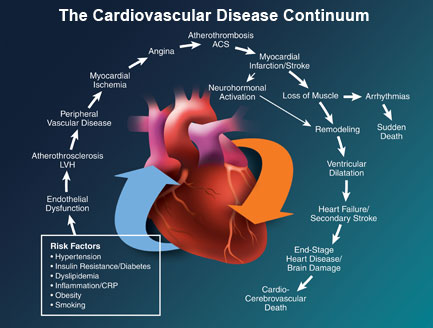
This is a very interesting question one which must be addressed with a lot of openness. Coronary heart disease (angina and heart attack) and stroke may be caused by the same problem which in many cases would be atherosclerosis. This is when your arteries become narrowed by a gradual build-up of fatty material (also known as atheroma) within their walls. In time, your arteries may become so narrow that they cannot deliver enough oxygen rich blood to your heart. This can cause angina a pain or discomfort in your chest.

If a piece of the atheroma in your arteries breaks away it may cause a blood clot to form. If the blood clot blocks your coronary artery and cuts off the supply of oxygen-rich blood to your heart muscle, your heart muscle may become permanently damaged a condition which is known as a heart attack. When a blood clot blocks an artery that carries blood to your brain, it can cut off the blood supply to part of your brain and this will result in a condition known as stroke.

The Known Dangers of Cardiovascular disease: What are the risk factors of cardiovascular disease?

Before we get into the discussion of risk factors, doctor Akoury explains what risk factors really are. She says that a risk factor is something that increases your vulnerability of getting a disease. Doctor Dalal Akoury says that there are several risk factors for CVD, including:

  • Smoking
  • High blood pressure
  • High blood cholesterol
  • Being physically inactive
  • Being overweight or obese
  • Diabetes
  • Family history of heart disease
  • Ethnic background
  • Sex – men are more likely to develop CVD at an earlier age than women.
  • Age – the older you are, the more likely you are to develop CVD.

Besides these she says that how you deal with stress, the amount of alcohol you drink, and the type of job you do may also influence your risk of developing CVD. It is however very important that you get to note that the more risk factors you have, the higher your risk of developing CVD. And even though you can’t change all your risk factors, there is plenty you can do to reduce your risk and help to protect your heart. And for us to understand better these factors, we are going to be looking at them (the risk factors) one by one and find possible solutions of avoiding them so that we may be safe from all the attacks of CVD. In this article, we are going to look at smoking as a factor in this condition while the others we will discuss in our subsequent articles. So you need to keep glued on the link to get the best of health information you need to keep healthy for generations to come.

The Known Dangers of Cardiovascular disease: Smoking

Of all the factors that cause cardiovascular diseases, cigarette smoking is one which contributes the most in the complications of the heart. Therefore if you are struggling with any heart condition and at the same time you are addicted to smoking, the best gift you can give to yourself is quitting smoking. This sing act will reduce the complication significantly and improve on your heart health almost instantly. The health of your heart is pegged on you quitting smoking and living a much healthier lifestyle thereafter says doctor Akoury. By quitting you’ll be improving your own health by dramatically reducing your risk of coronary heart disease, stroke and a variety of cancers. You’ll feel better, and have more money to spend on other things that you enjoy in other words there will be savings in the sense that the resources you ought to have spent in the treatment of heart diseases will now be channeled to other worthy investments.

The Known Dangers of Cardiovascular disease: How does smoking damage your heart?
  • Smoking increases the risk of developing cardiovascular diseases, which includes coronary heart disease and stroke.
  • Smoking damages the lining of your arteries, leading to a buildup of fatty material (atheroma) which narrows the artery. This can cause angina, a heart attack or a stroke.
  • The carbon monoxide in tobacco smoke reduces the amount of oxygen in your blood. This means your heart has to pump harder to supply the body with the oxygen it needs.
  • The nicotine in cigarettes stimulates your body to produce adrenaline, which makes your heart beat faster and raises your blood pressure, making your heart work harder.
  • Your blood is more likely to clot, which increases your risk of having a heart attack or stroke.
The Known Dangers of Cardiovascular disease: Second hand smoke

When non-smokers breathe in second-hand smoke which is also known as passive smoking, it can be harmful. Research shows that exposure to second hand tobacco smoke is a cause of heart disease in non-smokers, which means you could be harming the health of your children, partner and friends.

The Known Dangers of Cardiovascular disease: The dangers of chewing tobacco

Chewing tobacco is not a healthier alternative to smoking; it can increase your risk of mouth cancer, throat cancer and cancer of the esophagus (food pipe). It can also make your teeth more vulnerable to tooth decay and can cause tooth loss. Finally we all appreciate that cigarette smoking is very addictive and quitting may not be easy. That is why doctor Dalal Akoury made a decision to create a medical center (AWAREmed Health and Wellness Resource Center) whose main objective is to transform each individual’s life through increasing awareness about health and wellness and by empowering individuals to find their own inner healing power. This is what we want to help you achieve and progressively you will not have problem quitting. Remember that Dr. Akoury’s practice focuses on personalized medicine through healthy lifestyle choices that deal with primary prevention and underlying causes instead of patching up symptoms. We care for you and all you need to do is to schedule for an appointment with the experts at this facility and you will not regret it all the days of your life.

The Known Dangers of Cardiovascular disease: Smoking as a Risk factor


Facebooktwitterpinterestlinkedin