Tag Archives: Anti-aging skin

Get Healthy Younger Looking Skin Naturally

How to Get Healthy Younger Looking Skin Naturally: The best from the Inside Out

How to Get Healthy Younger Looking Skin Naturally

How to Get Healthy Younger Looking Skin Naturally will involves good dieting and exercise

The quality of our skin and facial appearance can be attributed to the kind of lifestyle we live. The skin complexion is always very radiant, clear and glowing in our childhood. But as we exit our teenage what follows is that your skin starts to communicate in clear sound the kind of lifestyle you have been living. No wonder somebody once said that it is only when at 50 that everyone has the face they deserve. However the truth is that the wear and tear of the skin will start showing long before you get to 50. The changes can be as a result of various factors like gene. Like for instance if your mother was wrinkle free all her life through fifty or so years, then chances are that you and your siblings are likely to have the same experience. However this will greatly depend on how the individual has lived his/her life. In spite of this, how to get healthy younger looking skin naturally is still very body’s concern and that is what we want to dwell on in this article.

We must first appreciate that the skin we have is very delicate and any neglect and ignorance in caring for it can cause serious consequences. Such consequences may not be very easy to handle, and that is why talking to professionals would be very necessary. Doctor Dalal Akoury is passionately involved in bringing hope to people who are losing it because of the state and conditions of the health of their skin. In her over two decades of practice, doctor Akoury has helped many people across the globe and consulting with her would be very helpful for you in many ways. Now as you purpose to schedule for that meeting let us get back into the discussion of our topic.

How to Get Healthy Younger Looking Skin Naturally: Low-Down on Skin Aging and What Happens When we Get Older?

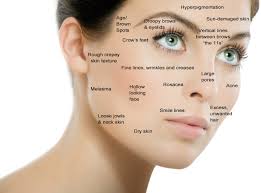
In your teens your skin may battle acne as your hormones run rampant during puberty, but by the time you reach your 20s expression lines from smiling and frowning will begin to surface. It’s around this time that collagen, which contributes to your skin’s firmness, and elastin, which helps your skin’s elasticity, begin to break down as well. This is a phenomenon that will continue through your subsequent years. And by the time you are in your 30s certainly wrinkles caused by radiation may begin forming up though the intensity of their (wrinkle) appearance will begin (sun damage) to surface in late 40s and 5os. In your 40s, your skin may become dry as it loses its ability to retain moisture, and dead skin cells will not be shed as quickly. Those expression lines that started in your 30s will also be more pronounced by this time. And by the time you’re on your 50s and 60s, age spots, spider veins and wrinkles will become more apparent. It is also at this point that fat cells will gradually begin to disappear necessitating the skin to lose it elasticity and begin to sag.
Taking good care of your skin is very important in the sense that, these negative changes in your skin complexion are capable of turning your life round very quickly to the point that you will look aged even if you’re still feeling like a 20-year-old on the inside. This is not only applicable to the dreaded wrinkle, but also of uneven skin tone and discoloration. So far the discussion has been highlighting the grave effects of improper taking care of the skin; this is to bring you up to speed with the real facts and not to scare you. In a midst all these negatives, we are still having plenty of positives. The good news is that there are plenty of steps you can take to get healthier and even beyond your imaginations. You can still redeem your skin to a much younger looking skin without resorting to plastic surgery or chemical peels. Some of the best solutions for healthy skin come from leading a healthy lifestyle and improving your skin’s appearance from the inside out. Let us now take time to explore some of the magic’s we can use for this purpose.

How to Get Healthy Younger Looking Skin Naturally: What to Eat for Healthy Skin

somebody once made a remark that your eyes are the windows to your soul, and if this is anything to go by then you could as well say that your skin is the window to your stomach. I am saying this because what you eat has a direct impact on your skin health. Take for instance the antioxidant-rich foods, especially fruits and vegetables, are leading the list of skin-boosting foods because they help to fight free radicals, which can contribute to signs of aging. Research has shown that the antioxidants in vitamins C and E can protect the skin from sun damage and help reduce damage in skin cells caused by harmful free radicals, which contribute to aging skin.

Similarly, we have long known that the B vitamin biotin is responsible for forming the basis of skin, hair and nail cells, and vitamin A found in many fruits and vegetables also maintains and repairs the skin tissue. Without an adequate supply of these vitamins, you may notice it in the appearance of your skin, hair and nails. Remember that fruits and vegetables are not the only the kinds of foods your skin can benefit from; olive oil and legumes are also beneficial. In one study it was established that a high intake of vegetables, legumes and olive oil could help protect against wrinkles.

Omega-3 fats, which are found in fish and fish oils, walnuts, and flaxseeds, are also important for skin health, as they support healthy cell membranes, which will help keep skin cells hydrated and plump. Besides that Green tea has also emerged as a powerful beverage for skin health. With both antioxidant and immune-enhancing properties, green tea is protective against harmful oxidative stress.

Finally you must not forget that your skin is the largest organ in your body and therefore any food that is good for your body will also be good for your skin. What you eat in very simple term can be the best or the worst thing you can do to protect the health of your skin. We are going to continue with the discussion on how to get healthy younger looking skin naturally in our next article. But for now if you have any concerns relating to the quality of your skin, then you can schedule for an appointment with the experts at AWAREmed Health and Wellness Resource Center under Doctor Akoury’s care for professional remedies.

How to Get Healthy Younger Looking Skin Naturally: The best from the Inside Out


Facebooktwitterpinterestlinkedin

The genesis of Skin Problems

The genesis of Skin Problems: Symptoms of common skin problems

The genesis of Skin Problems

The genesis of Skin Problems and solution for a more healthy and glowing skin

The skin being the largest organ of the body is often very vulnerable to many attacks. It is also less advantageous because of its exposure to the direct attacks from the environment. We may not conclusively address all the skin problems known today, but we are going to highlight some of the genesis of kin problems known to us today. In order to get the best out of this discussion, we are going to be talking to doctor Dalal Akoury who is among other disciplines is a skin care professional of over two decades. In her practice and desire to give to the community her best, she founded AWAREmed Health and Wellness Resource Center where is focusing on personalized medicine through healthy lifestyle choices that deal with primary prevention and underlying causes instead of patching up symptoms. The great and many years of experience give her an upper hand among other professionals in dealing with all matters relating to the protection of the good health of your skin. Therefore as we get into the discussion, if you have any skin condition of whatever level, doctor Akoury will be waiting for your call to schedule for that very important and life changing appointment today.

Now take time to re-evaluate yourself in this order. Is your skin itchy, oozing, or breaking out? In today’s life we have more than 3000 skin problems affecting people of all walks of life. Moles, rashes, hives, and eczema are just a few which doctor Akoury is going to help us understand in this article. Variances like changes in color or texture can result from inflammation, infection, or allergic reactions affecting any part of your body. When dealing with skin disorders, it is important to note that some skin conditions can be minor, temporary, and easily treated while others can be very serious, and even deadly. This is what the experts at AWAREmed Health and Wellness Resource Center is going to help us understand. Now take a little more time and keep reading to be well informed on the possible skin care risks, symptoms and solutions.

The genesis of Skin Problems: Shingles (Herpes Zoster)

Herpes zoster, also known as shingles, is caused by the return of a chickenpox infection from latently infected nerve cells in the spinal cord or brain. It begins as a painful sensation which is often mistaken for a musculoskeletal injury. It is soon followed within one or two days by a red, blistering unilateral (one-sided) rash distributed to the skin supplied by a sensory nerve (a dermatome). Zoster tends to occur most often in the elderly and can be prevented with a vaccination. Treatment with antiviral drugs within two days of the onset of the eruption limits the development of a persistent, severe pain (neuralgia) at the site of the eruption.

The genesis of Skin Problems: Hives (Urticarial)

Hives, also known as urticarial, is a very common allergic skin condition due to antibodies in the bloodstream that recognize foreign chemicals. This eruption appears suddenly anywhere on the body as elevated bumps surrounded by an intensely itchy red rash. There may be many lesions, but each one only exists for eight to 12 hours. As older ones resolve, newer ones may develop. Most of the time, urticarial resolves spontaneously within two months and is treated with oral antihistamines for symptomatic relief.

The genesis of Skin Problems: Psoriasis

Psoriasis is a chronic, inflammatory genetic condition in which patients develop scaling red bumps that coalesce into plaques and typically occur but are not limited to the scalp, elbows, and knees. Psoriasis is not curable; it can come and go by itself. There is a variety of treatments depending on the severity and extent of involvement, which vary from topical creams and ultraviolet light exposure to oral drugs and injectable medications. Patients with psoriasis tend to develop cardiovascular disease, which may be attributable to system-wide inflammation.

The genesis of Skin Problems: Eczema

Atopic dermatitis (called eczema) is a genetic condition that presents in early childhood with a chronic itchy, weeping, oozing dermatitis. It tends to localize to the arm creases opposite the elbow and on the leg opposite the knee. Most patients also have inhalant allergies such as asthma and hay fever. The condition improves with age. In most but not those entire affected allergy to a specific substance does not seem to play a role in flares of the skin rash. Treatment involves the application of emollients to wet skin and occasionally the use of topical steroids.

The genesis of Skin Problems: Rosacea

Rosacea is a chronic inflammatory condition of the face that is characterized by redness, dilated blood vessels, papules, pustules, and occasionally by the overgrowth of nasal connective tissue. It casually resembles teenaged acne, but it happens in adults. Tireless facial flushing is an early sign of the skin’s uncontrolled sensitivity to certain naturally produced inflammatory chemicals. Treatment of rosacea involves topical and oral drugs.

The genesis of Skin Problems: Cold Sores (Fever Blisters)

Herpes labialis (cold sore) is caused by the herpes simplex virus. Cold sores commonly appear on the edge of the lip. This virus exists in a dormant state in the spinal cord nerve cells, and after certain environmental triggers like sunburn or cold, the virus is induced to travel along a peripheral nerve to the same skin site over and over again. The eruption is self-limited to a maximum of 10 days. In this case treatment may be unnecessary unless the eruption becomes too frequent.

The genesis of Skin Problems: Plant Rashes

In allergic individuals, the development of a linear blistering eruption occurs within 1-2 days of exposure to a member of the poison ivy or poison oak family of plants. Since the plant contains highly allergenic chemicals, most people will become allergic after a single priming exposure. The eruption will resolve within three weeks but will occur again the next time the skin comes in contact with the plant.

Treating Plant Rashes

The repeated application of cool wet compresses to the blisters followed by evaporation of the water can be soothing and speed healing. Treatment with steroids creams may be required in severe cases. Once a person is allergic, this is permanent; it is important to avoid this plant family assiduously so this very unpleasant allergic reaction will not recur. Many of those allergic to Toxicodendron are also sensitive to mango skin and cashew nut oil.

The genesis of Skin Problems: Acne

Acne vulgaris is a noninfectious eruption of papules and pustules on the face and occasionally on the chest and back. It occurs in all teenagers as they progress through puberty. Comedones (blackheads) and inflammatory papules and pustules are all present simultaneously. This is not a condition of dirty skin but is mediated by hormones that begin to circulate during puberty. The condition generally resolves around the age of 20 but may produce scarring if severe and left untreated.

Finally we are going to continue with discussion of other skin problems in the next article. Remember they are over 3000 so stay on the link for more information about the genesis of skin problem. However you can seek for help from doctor Akoury by scheduling for an appointment with her today for long and lasting solutions to whatever problem you may be having.

The genesis of Skin Problems: Symptoms of common skin problems


Facebooktwitterpinterestlinkedin

Causes of Face and Skin Wrinkles

Causes of Face and Skin Wrinkles – When to start using the Ant-aging Products

Causes of Face and Skin Wrinkles

Causes of Face and Skin Wrinkles. It is no secret that the most common anti-aging skin care concern for many people is the formation of wrinkles and the need to find the befitting anti-wrinkle treatment solution.

We all get disturbed when wrinkles form on our faces. Even though this concern disturbs us, no skin care product can give you wrinkle-free skin. This may sound harsh but it is the truth. Therefore the first step in finding the right anti-aging products for your skin to minimize wrinkles is to understand causes of face and skin wrinkles. It is no secret that the most common anti-aging skin care concern for many people is the formation of wrinkles and the need to find the befitting anti-wrinkle treatment solution. Nonetheless, the best cream, serum or treatment which is appropriate in reducing fine lines and wrinkles will depend on the cause of your wrinkles. Being aware of this will help you prevent these signs of aging. To help us understand the causes of face and skin wrinkles well, we are going to be talking to the experts at AWAREmed Health and Wellness Resource Center so that you and your loved ones who may be going through the same can find lasting solution to all problems relating to skin care and wrinkles formation. In the meantime, you can schedule for an appointment with doctor Dalal Akoury who is also the founder and C.E.O of this facility and she will be of help to you a great deal. Now to the causes of face and skin winkles.

Causes of Face and Skin Wrinkles – Genetic Aging can cause Wrinkles

It is true that genetic factors can lead to fine lines, wrinkles and even deep lines causing skin health to deteriorate. Many may think that wrinkles only forms in old age this notion is not the correct picture. Wrinkles typically begins as earlier as 20s, it is therefore very important that you start using anti-aging and anti-wrinkle products when you’re younger to prevent the signs of aging and keep your skin youthful-looking. Why we encourage this is because with age the body’s collagen production slows; elastin, the substance that causes skin to be able to get back into place from a furrowed or wrinkled state, begins to lose some of its flexibility and cellular turnover rate decreases. When these changes take place, the skin also gradually loses it ability to battle the harms from UV rays. The combination of these changes cause the skin to sag and looks wavy causing the wrinkles to be more visible.

We appreciate that your genetic makeup can influence to some extent your aging process and frequency, however when we begin using a complete skin care regimen, and adapt a healthy lifestyle, we will be able to effectively address the issues of premature aging. That is why we make emphasis on introducing the anti-wrinkle treatment in the early stages of life. Besides all these it’s a safe bet to take a look at your family primarily to study their aging timelines. If their skin is still smooth at an older age, you likely have a great genetic makeup for younger looking skin. If you do, then it’s about making wise decisions about skin care and lifestyle to preserve the skin that your genes already want to keep looking young.

Causes of Face and Skin Wrinkles – Hormonal Aging Can Cause Wrinkles

The hormonal changes that occur before and during menopause have a significant impact on the skin and contribute to the development of lines and wrinkles on the face and body. That’s true for women who aren’t genetically predisposed to the signs of aging and wrinkles early on, as well as for women who use an effective anti-wrinkle skin care regimen. Estrogen is the key to this process. Estrogen is the hormone that encourages and controls collagen production, which keeps the skin firm, soft and supple. During the years that lead up to menopause (the late 20s to the mid-40s), the body continues to produce skin-enhancing estrogen. However, the production at this time decreases significantly. After menopause, collagen production begins to decrease significantly.

When estrogen decreases and a dramatic drop-off in collagen production accompany it, skin can become more fragile and thin with increased wrinkles and sagging. Acne breakouts and facial hair growth may even occur as a result. Because the face has a high concentration of estrogen receptors, skin changes due to hormonal shifts may be the most visible on the face, primarily in the form of deep creases, dull tone and a “crepe-like” texture. Even though menopause is a natural phenomenon and may not be easily avoided, living a healthy lifestyle and using the products that hydrate and strengthen the skin can help minimize its effects. It is therefore very important that when the signs of hormonal aging begin to show up, applying products that hydrate and firm the skin which is specifically formulated to address the signs of Hormonal Aging would be very ideal.

Environmental Factors and Free Radicals Can Cause Wrinkles

Every day when we go about our daily activities we are often exposed to the various causes of face and skin wrinkles like pollutants and UV rays that form free radicals in our bodies. Free radicals are unstable oxygen molecules that are missing an electron. Because free radicals have only one electron, they scavenge them from other molecules, causing a chain reaction. This fight between free radicals damages cell functions and, more importantly, activate the metalloproteinase that break down collagen. While minimizing exposure to UV rays helps, it’s nearly impossible to avoid free radicals altogether since most of us are exposed to pollution and toxins on a daily basis. But antioxidants like Vitamin C and Vitamin E, which are nature’s warriors against free radicals, can counteract their effects. Eating foods that are rich in antioxidants and using antioxidant infused skin care product scan help fight the impact of environmental aging on the skin.

Causes of Face and Skin Wrinkles – Smoking Can Causes Wrinkles

If there is anything you must avoid by all means is smoking cigarettes. Cigarette smoking is very hazardous to your health on many ways. Just a preview of the effects, besides all the side effects you’ve already heard about it, cigarettes contain over 400 types of toxins that trigger biochemical changes in the body which quicken and increase aging. This is well elaborated in various research findings which show that an average smoker of ten sticks daily for ten years will stand a greater chance of developing deep wrinkles and leathery skin than nonsmokers. It is worth noting that even a little smoking will immensely damage your health. Therefore the best you can do for your self is to quit smoking for the well-being of the health of your skin. We appreciate that smoking is very addictive and quitting will not be easy that is why doctor Dalal Akoury is not just a skin care professional but also a substance abuse control experts. When you schedule for a meeting with her, you will be killing several birds with just a single stone. Go ahead and get your life back from this great professional.

Causes of Face and Skin Wrinkles – Repetitive Facial Patterns Can Cause Wrinkles

A lifetime of making the same facial expressions over and over again can cause lines and wrinkles. Each time you use a facial muscle, a groove forms beneath the surface of the skin. For example, repetitive squinting causes frowning lines on the forehead and crow’s feet around the eyes. As the skin ages and elastin decreases, the skin stops “springing” back to its original, line-free state, and the grooves that were once below the skin become fine lines and wrinkles on the surface of the skin. To minimize wrinkles caused by squinting, wear sunglasses or a hat whenever you’re outside during the day. And be sure to minimize stress which causes frown lines–whenever possible to help prevent your facial expressions from becoming permanent lines and wrinkles.

Causes of Face and Skin Wrinkles – When to start using the Ant-aging Products


Facebooktwitterpinterestlinkedin

Treatment of hyperpigmentation disorders

Treatment of hyperpigmentation disorders – Skin lightening

Treatment of hyperpigmentation disorders

Treatment of hyperpigmentation disorders. Hyperpigmentation is caused by an overproduction of melanin which is the pigment that gives our skin, hair and eyes their natural colour.

When the skin is affected in whichever way an immediate solution needs to be sort out in good time. Failure to do so may lead to serious repercussions to the delicate organ of the body. And because of the environment we leave in today our skin is one of the most vulnerable to several environmental attacks. One of the risks the skin is likely to suffer from is the hyperpigmentation disorders. Before we get into treatment of hyperpigmentation disorders, we need to have a brief understanding of what is the subject matter. Hyperpigmentation is caused by an overproduction of melanin which is the pigment that gives our skin, hair and eyes their natural colour. The overproduction of melanin is likely to be triggered by a variety of factors, but the main ones can be linked to:

It is therefore very important to understand that hyperpigmentation problems can be improved or eliminated all together by a variety of treatments, including topical lightening agents, laser-intense pulsed light, cryotherapy and chemical peels. Treating hypopigmentation may be a greater challenge. Nonetheless hypopigmentation after a burn or similar skin injury may resolve itself over time as melanocytes migrate to the damaged area. Current treatments for vitiligo are of limited effectiveness. For many people, camouflaging hypo-pigmented areas with sunless tanning products represents a viable alternative.

Treatment

Hyperpigmentation treatments include:

  • Topical lightening agents
  • Laser-intense pulsed light
  • Cryotherapy and
  • Chemical peels

None of the methods is optimal for every individual or for every hyperpigmentation problem. We discuss each of the options below.

Treatment of hyperpigmentation disorders – Topical lightening agents

  • These are creams or serums used on the skin to help lighten skin and skin pigmentation problems.
  • They can treat many types of skin pigmentation, including melasma, freckles, sunspots, and post-inflammatory hyperpigmentation (PIH) secondary to lasers, peels and acne.
  • Ideally, lightening agents do not completely remove pigmentation, but do significantly lighten it.
  • Pigmentation issues such as freckles or sunspots can be completely removed with laser in most cases.
  • Topical lightening agents can also be used to prepare the skin for laser treatments. This reduces the risk of post-inflammatory hyperpigmentation (worsening of pigmentation) after laser treatment, especially for olive to dark skin types.
  • The first method of treating skin pigmentation is to prevent its appearance or worsening by daily application of sunscreen as well as sun avoidance. Then a topical lightening agent can be used in conjunction with a good sunscreen.

What are the common topical lightening agents? They may include the following:

Treatment of hyperpigmentation disorders – Hydroquinone

This is the most widely and successfully used skin lightening agent. It is resourceful in sorting out conditions like melasma or chloasma, post-inflammatory hyperpigmentation, and other disorders of pigmentation. Over the counter strengths can go up to 2%, but concentrations higher than this require a prescription from a medical professional. Hydroquinone can be quite irritating to the skin resulting in redness or when it comes in contact with dermatitis when used in higher concentrations.

Treatment of hyperpigmentation disorders – Kojic acid

This is derived from fungus such as Aspergillus and Penicillium. It can be used in concentrations between 1% and 4% and can be compounded with other agents. Nonetheless it can cause skin irritation and therefore, it is not as effective as hydroquinone, but has no chance of rebound pigmentation or ochronosis.

Treatment of hyperpigmentation disorders – Paper mulberry

Paper mulberry extract is isolated from the roots of an ornamental tree, Broussonetia papyrifera. A Korean study compared it to kojic acid and hydroquinone, and found that only 0.396% paper mulberry was required to inhibit the enzyme tyrosinase that produces melanin, in comparison to 5.5% hydroquinone and 10% kojic acid. Skin irritation with paper mulberry is less than other lightening agents such as hydroquinone. Paper mulberry bark can be found in Enlighten from Osmosis.

Treatment of hyperpigmentation disorders – Arbutin

Originating from bearberry, Arbutin helps to lighten the skin by inhibition of the enzymes that help produce melanin. It has less irritation than kojic acid and hydroquinone.

Niacinamide

Niacinamide is a form of vitamin B3. It inhibits the transfer of the pigment forming cells, the melanosomes, to the surface of the skin.

Treatment of hyperpigmentation disorders – Vitamin C

Topical vitamin C also helps interfere with pigment production. An additional benefit of vitamin C is the anti-oxidant effect it has, so it will help prevent skin from environmental damage. Vitamin C also stimulates the production of collagen. Stability of vitamin C is the main problem of most vitamin C products. Cosmedix provides vitamin C in the form of L-ascorbic acid and is highly stable in this form.

Treatment of hyperpigmentation disordersGlycolic acid

This is an alpha-hydroxy acid (AHA) which can have a discohesive effect on the epidermis, or top layer of skin, to help desquamate (exfoliate) the pigmented skin cells. In so doing, it facilitates skin turnover and pigment is lost more rapidly. Glycolic acid is found in varying concentrations in rapid skin care products.

Treatment of hyperpigmentation disorders – Retinoids

These are derived from vitamin A. Retinoids work in a number of ways to help reduce pigmentation. However the actual mechanism of action is not very clear, but it is believed that their depigmenting properties arise from inhibition of the enzymes causing pigmentation, dispersion of pigment granules in the top layer of skin, and also by accelerating skin turnover to help pigmented skin cells shed more quickly. It is also this final property that helps retinoids smooth skin, reduce wrinkles, and active acne. Retinoids can be irritating to the skin and may need to be commenced slowly.

Finally the business of skin care is not just for any one, it needs professionals with the calling to do the job effectively. That is why Dr. Akoury made a decision to create a medical center (AWAREmed Health and Wellness Resource Center) whose main objective is to transform each individual’s life through increasing awareness about health and wellness and by empowering individuals to find their own inner healing power. Dr. Akoury’s practice focuses on personalized medicine through healthy lifestyle choices that deal with primary prevention and underlying causes instead of patching up symptoms. This is the passion am talking about. You can now call the most passionate skin care expert today to schedule for an appointment with her for any skin related concerns.

Treatment of hyperpigmentation disorders – Skin lightening


Facebooktwitterpinterestlinkedin

Low level laser (light) therapy for skin rejuvenation

Low level laser (light) therapy for skin rejuvenation – Stimulating, healing and skin restoration

Low level laser (light) therapy

Low level laser (light) therapy for skin rejuvenation

The business of having a more rejuvenated skin is never ending. Every single day new methods and technologies are being developed to ensure that all forms of premature aging are contained. Low level laser (light) therapy (LLLT) is one of the many treatments methods. It is a fast-growing technology used to treat a variety of health conditions that require stimulation of healing, relief of pain and inflammation, and restoration of function. It is very interesting to note that even though the skin is naturally exposed to light more than any other organ, it still responds well to red and near-infrared wavelengths. The photons are absorbed by mitochondrial chromospheres in skin cells. Consequently, electron transport, adenosine triphosphate nitric oxide release, blood flow, reactive oxygen species increase, and diverse signaling pathways are activated. Stem cells can be activated, allowing increased tissue repair and healing. In dermatology, Low level laser (light) therapy has beneficial effects on;

These benefits may not be very easy to understand how the come and that is why seeking the professional guidance will be very essential. Doctor Akoury a medical expert of more than two decades of experience founded AWAREmed Health and Wellness Resource Center where she has been offering skin care solutions to many people globally. Upon scheduling for an appointment with her she will tell you how Low level laser (light) therapy can be helpful in reducing UV damage both as a treatment and as a prophylactic measure. Like for instance in pigmentary disorders such as vitiligo, Low level laser (light) therapy can increase pigmentation by stimulating melanocyte proliferation and reduce depigmentation by inhibiting autoimmunity. Inflammatory diseases such as psoriasis and acne can also be managed. The noninvasive nature and almost complete absence of side effects encourage further testing in dermatology.

Low level light therapy – remember that biological reaction to light is not something new in this industry. In many times we experience this through our eyes which are obviously photosensitive. The human vision is based upon light hitting our retinas and creating a chemical reaction which allows us to see. Furthermore we experience this with vitamin D synthesis in our skin due to sunlight creating biochemical reactions. We experience this with suntans due to the light of the sun stimulating our melanocytes to proliferate and give us “brown” skin. Light reacts chemically with other things as well. That is why hydrogen peroxide is stored in dark bottles so that light can’t get in and initiate a chemical degradation. Light can photo-chemically affect all things eventually in one way or another.

Low level laser (light) therapy does not induce heating in tissue like surgical or aesthetic lasers. It’s all in the photochemical reactions of certain wavelengths of light with our cell membranes, cellular organelles and enzymes. Compromised cells respond better than healthy cells to photochemical reactions so that brief treatments with low level light on damaged tissue can induce a complex chain of physiological reactions to enhance wound healing and tissue regeneration, reduce acute inflammation, treat chronic pain and even to make our skin look younger and more vibrant.

Red light accelerates hair growth. It has also been shown to biochemically melt fat cells. Low level infrared light has been shown to significantly enhance the recuperation of stroke victims by shining a low level laser that you can’t even see or feel on top of your head for a few minutes at a time. Sounds like magic doesn’t it? Well it is. It’s light and it does seem to have magical properties. The science of this “magic” has become increasingly better explained in recent years and it is apparent that this is a valid therapy for many conditions. In spite of the scientific validity of Low level laser (light) therapy there are still many commercial claims for devices that are not well supported and some are in fact just plain unbelieving. The message to take from this though is to not throw out the baby with the bathwater when confronted with some of the fringe claims of LLLT. It has substantial merit as a valid therapy.

It has been called many names over the years including bio-stimulation, Low level laser (light) therapy, cold laser therapy, and more recently photo-bio-modulation. Low level lasers have been the primary instruments but there are also non-laser light emitting diodes (LED’s) and other light sources that are used.

In the U.S. one sees these low level red, blue, yellow and infrared lights used in sports medicine clinics as part of the physical therapy to enhance healing of joint and soft tissue injuries such as arthritis treatment, carpal tunnel syndrome or athletic sprains and injuries. It has been used prior to radiation therapy in breast cancer to prevent the inflammatory dermatitis which is frequently associated with this.

The devices are employed as one of the therapy options in pain clinics to treat chronic pain, including shingles pain. Some units are even being sold to the home market for general treatment of muscular and joint “aches and pains”. It’s used for things like low back or cervical neck pain, and is good to consider for use in hard to manage problems like fibromyalgia.

As we bring this discussion to an end, it will be necessary that we discuss how cosmetic procedures have for several have impacted on people’s lives. This has been done in two ways using these two main approaches.

The first approach would involve cutting, removing, mechanically readjust or implant something such as:

  • Facelift
  • Tummy tuck
  • Liposuction
  • Injectable fillers
  • Chin implants and many others

The second approach is where you damage the skin in a controlled and limited way and wait, the skin would then remodel itself as it heals, leading to a firmer, smoother texture. This approach may include:

  • Laser or plasma skin resurfacing
  • Radio frequency treatment
  • Fractional resurfacing
  • Ultrasound
  • Chemical peels and others

Like in all other treatment procedures, these two approaches have significant limitations as well.

  • The first tends to be very expensive (as is typical for invasive procedures), often requires prolonged recovery, may produce major side effects and does not improve skin texture.
  • The second one is also rather expensive, often requires some recovery time and not infrequently causes side effects, including significant ones, occasionally leaving the skin worse off than before.

Understandably, people have been searching for effective alternatives with favorable side effect profile yet without high costs and downtime. Finding such alternatives has not been easy. Topical agents may help to stave off the signs of aging and provide modest improvements but their effects tend to be neither quick nor dramatic. However skin needling appears promising and has a comparatively good side effect profile. However, some people find it unpleasant and also its popular DIY version may be less effective than the more aggressive and expensive professionally performed alternative.

Fortunately like we have indicated above, amidst these approaches low level laser (light) therapy seems to be very unique with very minimal side effects, no downtime, reasonable cost and a DIY option. Just for the a voidance of doubt low level laser (light) therapy is based on the ability of certain frequencies of visible and near infrared light to stimulate repair, renewal and remodeling of tissues, including the skin, as well as reduce inflammation and protect from certain types of tissue damage.

The main and best documented applications of low level laser (light) therapy in medicine are for tissue and nerve regeneration, wound healing as well as reducing pain and inflammation. More recently, low level laser (light) therapy has been used for skin rejuvenation. It has been reported to improve wrinkles and skin texture, reduce skin laxity and diminish scars. Some studies have established that it might also improve a number of skin conditions, including:

  • Acne
  • Certain pigmentation disorders
  • Burns and
  • Psoriasis

It is however important that you know that the findings about low level laser (light) therapy for skin rejuvenation and treatment is still under investigation and relatively immature. Besides that it is also important to note that low level laser (light) therapy is performed using either laser light or regular light. Laser light is different from regular light in that it is coherent (i. e. its constituent electromagnetic waves are synchronized) whereas regular light is not. Coherent light in LLLT devices is produced either by classical lasers or by laser diodes (a special type of light-emitting diodes or LED) whereas incoherent light is produced by regular LED. Finally this may look complicated but with the help of doctor Akoury you will be home and dry.

Low level laser (light) therapy for skin rejuvenation – Stimulating, healing and skin restoration


Facebooktwitterpinterestlinkedin