Tag Archives: Alzheimer’s disease

Understanding Leaky Gut Syndrome

Leaky Gut Syndrome

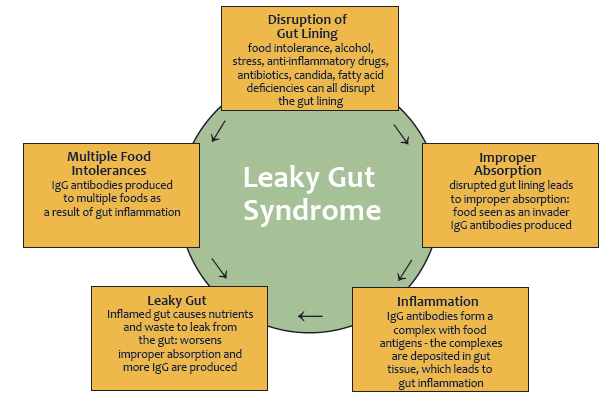
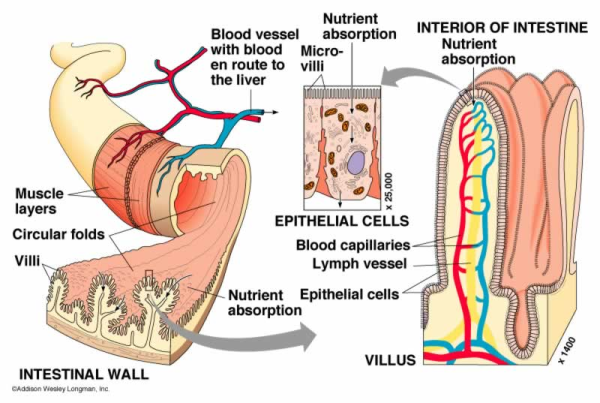
Leaky gut syndrome is a term that is used to describe an abnormally hyperpermeable intestinal walls. This is a condition in which the intestines become more porous therefore leaking the undigested food particles into the blood stream. This creates very many holes that are allowing too much of undigested food particles into the bloodstream causing myriads of problems. Apart from undigested food particles toxins, yeast and other wastes find their way into the blood stream therefore overwhelming the liver which is supposed to be sieving all the unwanted content from the blood.

The biggest problem that is presented by this condition is that the intestine should function as the first sieve as it keeps the unwanted materials from getting into the blood stream but since holes have been created on the lining of the intestines everything finds their way in the blood stream and the body may react by inflaming.

Symptoms of Leaky Gut Syndrome

Food Sensitivities – food sensitivities has been closely linked to leaky gut syndrome. This sis because of the high toxins that are accumulated in the blood, this will force the body to produce very many antibodies which makes them more susceptible to some kind of foods.

Inflammatory Bowel Disease – Researchers from Hungary have recently uncovered that elevated gut permeability is often times localized to the colon in people suffering from irritable bowel syndrome and ulcerative colitis.

Thyroid Problems – leaky gut syndrome causes thyroid problems so if you are experiencing thyroid problems, the leaky gut syndrome may be the culprit.

Malabsorption – the leaky gut syndrome causes poor absorption of food, this is because it causes nutritional deficiencies especially of vitamins and minerals such as magnesium and vitamin B12 that help in digestion of food.
Leaky Gut Syndrome

Causes of Leaky Gut Syndrome

Unhealthy diet- when you eat lots of processed foods, refined sugars and preservatives, they cause high chemical amounts in the body which are considered toxins. The body will begin to fight these toxins but since you are taking more and more of these toxins the system may be overwhelmed and this may cause inflammations. Accumulation of these toxins will cause corrosion on the intestinal walls causing the leaky gut syndrome.

Medications- some medication has Aspirin or Acetaminophen as part of their content. Aspirin and Acetaminophen irritate the intestinal lining and decrease the mucosal levels .this affects the protection offered by the mucus on the walls of the intestine. It may also encourage inflammation which increases permeability of the intestinal wall.

Lack of Zinc- Zinc is a vitamin that is good in maintaining the strength of intestinal walls.  A deficiency of the vitamin can lead to the mucosal lining losing strength and becoming more permeable.  There are studies that show that supplementing with Zinc when it is deficient can dramatically improve intestinal lining integrity. Therefore eating meals that are rich in zinc such as nuts may help prevent against leaky gut syndrome.

Yeast- too much yeast causes candida that may grow roots in the intestinal lining, this results in their tentacles making holes on the lining of the stomach creating entry for non-digested food into the blood stream.

Chronic Stress-Chronic stress almost always results in a suppressed immune system.  A weakened immune system cannot handle doing it’s normal job and gets easily overwhelmed with pathogens very.  This increases overall gut inflammation leading to increased permeability of the intestinal lining.

Inflammation-Any type of inflammation in the gut can lead to leaky gut.  This can be brought on by low stomach acid. Low stomach acid passes undigested food into the small intestine which then causes myriads of digestive problems that may in turn cause the leaky gut syndrome.

Treatment for Leaky Gut Syndrome

Leaky gut syndrome is a mysterious condition that is up to now still not fully understood by the medical fraternity probably because it is not taught as a diagnosable disease. However it is a multifaceted condition that must be tackled by joining really several dots to form a line. Here are some of the approaches that can be used to treat this disease.

Watch what you eat- it is very important to keep away from foods that may lead to accumulation of toxins in your body. Foods that are over processed, high in sugar content should be avoided to alleviate inflammations that make the intestine lining more permeable. When you stop eating these kinds of foods the toxin levels will go down and the yeast will be starved and overgrowth stopped, this will enable the walls to repair and regain normal permeability.
Leaky gut syndrome

Using nutritional supplements- leaky gut syndrome causes nutritional deficiencies therefore the body needs to be supplemented with these nutrients. Some nutrients like zinc are also important in strengthening the intestine lining and hence boost recovery.

Digestive Enzymeseating foods that are rich in digestive enzymes can help you a great lot in fighting leaky gut syndrome. The digestive enzymes are naturally found in the foods that we eat the whole foods that are not over processed. Fruits and vegetables are rich in these digestive enzymes, they work in the intestines helping to break food into finnier particles before they are absorbed to the blood stream. They also remove toxins, bad bacteria and even worn out cells of the intestine lining creating a clean environmental for absorption of digested food particles.

Leaky gut syndrome is a complicated, debilitating condition. But you aren’t on your own: please contact Dr. Dalal Akoury (MD) on 843-213-1480 and tap into her wealth of knowledge and experience.

Understanding Leaky Gut Syndrome


Facebooktwitterpinterestlinkedin

Addiction Treatment for High Executives

Addiction Treatment for High Executives

Drug addiction knows no social classes; anybody in the society is at risk of becoming an addict. Just like people in lower cadre the high class executives may also be addicted to drug use and therefore seek help. The very nature of their life style demand that they be availed certain privileges and luxury even at their time of struggles with drugs. Firstly, they are people who love privacy and acquiring addiction treatment in any public Rehab center with no adequate equipments may not be the best of place for them.

Needless to mention these people have spent their lives developing their careers, putting in the hours and climbing the corporate ladder to increase their success. They’ve worked incredibly hard, often enduring an inconceivable amount of stress in their pursuit of professional advancement.  Therefore it is only logical that they can be assured a conducive environment even in the time of treatment to track the work going on in their organizations, the organizations that view them as indispensable assets due to their long years of experience. Offering them an opportunity to keep in touch with the organization through their personal computers can be a great strategy to enhance the camaraderie with his workmates. This not only helps the organization but helps the patient to cope with the treatment as it reduces his feeling of stress and so eases his travel to recovery.

addiction treatment

Rehabs that provide addiction treatment for high executives knows just how valuable they are to the company staff who might be dependent on their directions and so allows the patients to work in the course of their recovery through their personal computers when they are not on treatment. This helps them to view the situation as normal which is good for a recovering addict. This also limits the chances of their professional setbacks in the course of treatment that may be a course of stress in their lives.

Some of these rehabs that offer addiction treatment to high executives have fully operational business centers that the recovering executives may take full advantage of and communicate with their staff and even conduct researches before or after they have received the treatment of the day. They can also enjoy the privacy of their residences to hold even Skype conferences with their staff teams. The impact of drug addiction on an executive career is clearly understood by these facilities and thus all is done to ensure they maintain climbing their professional ladders while treatment is going on.

Any executive who need help finding a facility that best suits him can do an online search where there are myriads of these facilities and then choose the best judging from services they offer  this will get you started. In most, executive programs differ from non-luxury ones as you might think, though some may not be so evident. You or your family member will have not only the ultimate therapy but a level of one-on-one treatment that can have a sizable impact on your ability to remain addiction-free. You can expect the top-rated amenities, from high-end private rooms, to four-star meals, to massage and acupuncture services. Added attention will be given to your desire for privacy and comfort. These facilities are the best places for high executives as they have even the best professionals who will handle the patients better.

These facilities offer just so much that other public rehab centers cannot offer. They are not focused on healing symptoms alone but go beyond that. Here are some of the benefits that you can reap at a rehab offering addiction treatment for high executives.

Comprehensive Care

Patients can enjoy comprehensive care offered by these facilities. Focusing on the physical and behavioral science of chemical dependency, these facilities offer the best executive addiction treatment to help patients not only heal from the immediate symptoms of their addiction, but also form a comprehensive plan to develop a healthy and functional lifestyle. Many people mistakenly believe that once they successfully complete recovery, they are free and clear with no residual damage. Once they encounter stress or adversity in their regular lives, however, they wind up relapsing and are unclear as to why. With comprehensive treatment chances of relapse are reduced.

The brain is often adversely affected by drug addiction having caused chemical imbalances in both brain and body hence creating impacts on emotions and perception of environment, making it necessary for recovery patients to learn new coping skills. Without these new techniques, chances of successful long-term recovery are drastically diminished. The Executive Addiction Treatment program that these rehabs offer gives patients the skills they need to cope with these changes without the use of drugs or alcohol.

addiction treatment

Experienced and Qualified Experts

These rehabs employ a first-class team of licensed and credentialed addiction treatment professionals. The experts are divided in teams that work synergistically to ensure one common goal which is to help the addict to break off the chains of addiction. The teams include; clinical psychologists, counselors, licensed clinical social workers, spiritual advisers, fitness instructors, and professional detox specialists. These professionals have an intimate understanding of the issues that you will face during and after treatment, and help you develop the strength and independence to stay successful in your recovery.

Drug addiction is a vice that should be fought by all means that is why we at AWAREmed Health and Wellness Resource Center are committed to availing help to addicts and offering them a place to call home. We offer NER Treatment and Amino acid therapy that are the most effective approaches to addiction treatment and recovery. You call on Dr. Dalal Akoury (MD) today and begin your journey to victory against addiction.

Addiction Treatment for High Executives


Facebooktwitterpinterestlinkedin

The Aging Brain and Curcumin

The Aging Brain and Curcumin

As we grow older so does our brain. This is a natural phase of life and everyone goes through it at some point. All human beings tend to develop a reduction in cognitive ability as they continue growing up. In fact, research has shown that these changes start occurring as early as when an individual is in their mid-twenties.curcumin

The changes in brain functioning are characterized with conditions such as forgetfulness, loss of focus or ability to maintain it, a decline in capabilities of problem solving among others. You probably have an older relative or friend and you haven’t failed to notice some of these conditions in them. These changes occur as one grows older and are inevitable although some of them are not normal aging factors.

We all want to remain young forever due to the factors associated with old age. If only that was possible. None of us wants a situation where they start forgetting every little thing that happens or is said to them. That is life and it was meant to happen in stages and old stage is just but one phase of life.

With brain aging often comes serious cognitive conditions such as depression, dementia, stroke and Alzheimer’s disease. On the brighter side, relax; I will show you an easy and natural way of keeping that brain healthy even when you are old. Research has come up with a natural solution to ease and prevent brain aging conditions. The secret is curcumin. It has been shown to be a very good remedy for that aging brain.


So what is Curcumin?

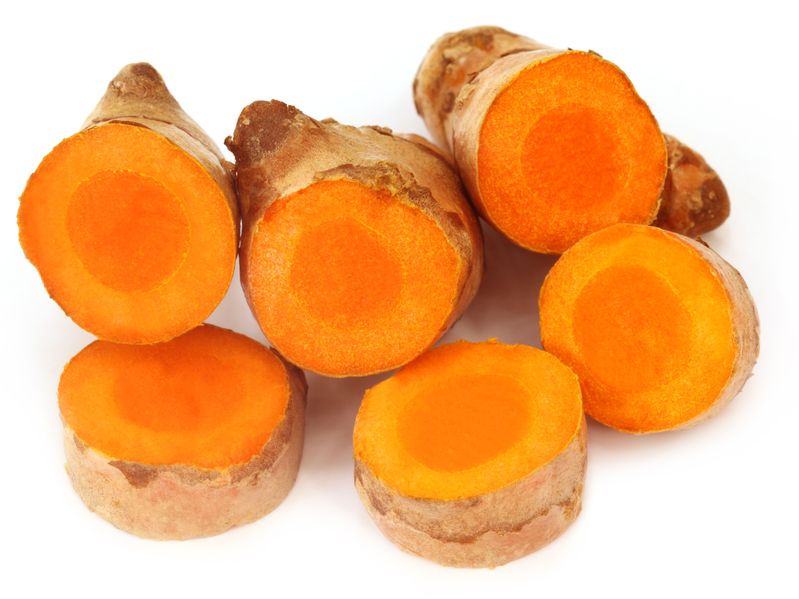
It is basically an active substance found in turmeric and also in limited potions in ginger.  It is responsible for the yellow color of turmeric. Turmeric is a spice most commonly found in Indian foods. It is also part of the main components of curry powder. Past studies have shown that turmeric can help ease symptoms of pain and inflammation in diseases like rheumatoid arthritis and osteoarthritis. Compounds such as curcumin in turmeric have medicinal functions. For one it helps in stopping the growth of certain types of tumors. Some studies have also shown that it can stabilize cancer that was not helped by other forms of treatments. It is therefore not surprising that this active ingredient can help the brain as it is aging.

It would be argued that curcumin is the perfect daily dietary supplement. However, not everyone would enjoy a daily taste of curry in their food. Routine is sometimes boring and people prefer doing different things every day, like not eating the same thing from the beginning of the year to the end. However the healthy benefits of turmeric would encourage you to enjoy that meal spiced with curry on a daily basis. As this is not possible, it is advisable to take small supplements of turmeric either on its own in food as you cook or in the different curry dishes. The good news is that there are now pills containing a small percentage of curcumin. So if you don’t want to eat carry every day, at least take a pill supplement once in a while.

How Curcumin Helps the Aging Brain

The most common known cause of cognitive decline and age related diseases is oxidative stress and inflammation. Naturally the brain consumes about 20% of the oxygen that is used by the whole body. It is therefore very much susceptible to damage due to oxidation stress. As people grow older there is an increase in the level of oxidation damage of lipids and DNA in the brain which leads to the death of neurons in the brain. Oxidative stress has been linked to conditions such as mental impairment and Alzheimer’s disease. This is why such conditions are common as people grow older.

So how does curcumin come in? Various studies conducted show that the active turmeric ingredient protects brain tissues against oxidation stress by enhancing the production of an enzyme called heme oxygenase-1. This enzyme helps protect the tissues from destruction of the neurons that have been exposed to oxidation stress in the brain. Traumatic injury in the brain is also a cause of oxidation stress leading to cognitive inabilities. Curcumin helps reduce this stress in the brain.

Curcumin

Curcumin has also been proved to work as an anti-depressant. The condition is very common as brain ages and it can be quite stressful and in some cases lead to severe brain conditions such as memory loss, decline in decision making and mental dysfunction. Depression is linked with reduced levels of brain activity as well as shrinking of the brain area responsible for memory and learning. Taking turmeric in your food had been proved to boost brain neurotransmitters. This will lead to a reverse of the changes that occur in the brain when one is depressed.

Regular dosage of curcumin will also help the aging brain by lowering the chances of getting dementia.  Dementia leads to a reduction in cognitive ability of an individual. The condition can be so severe that it completely affects the daily functioning of an individual and social life. The most common condition associated with dementia is memory loss. Studies show that loss of memory often begins at the age of 50. However, by the time people hit 80, they have completely fallen into some state of dementia where memory loss is now severe.

When memory loss starts, it may lead to depression as on feels they do not belong. Their life is completely changed and always to the negative. This condition typically affects the elderly but it’s not part of normal aging. It is often in most cases results from the Alzheimer’s disease. Drugs prescribed only improve the symptoms and slow them down but they do not cure dementia. Studies conducted have shown that curcumin works in preventing dementia by protecting aging brains from decline in mental ability.

Often make it a habit to take Curminin in your meals. It’s not only useful for the aged but also necessary as people grow older. Taking it regularly will help your brain as you grow older and you may prevent even those aging symptoms from occurring at all. Take change and remember a small dose of curcumin a day, keeps the brain awake and kicking.

AwareMed is the best place to learn all you need to know about how to manage the aging brain. You will also get more expert opinion about this from Dr. Dalal Akoury who has a wide experience on this and other health matters.

The Aging Brain and Curcumin


Facebooktwitterpinterestlinkedin

Fermented Milk Boosts Skin Health

Fermented Milk Boosts Skin Health

fermented milk The human skin is the largest organ and an essential excretory pathway too. All that biology aside, the skin is the most immediate point of contact with the outside world and a woman for instance would do or give anything just to have a beautiful lustrous skin. Well that is not a strange thing, beauty is such a worthy aspect of humanity.
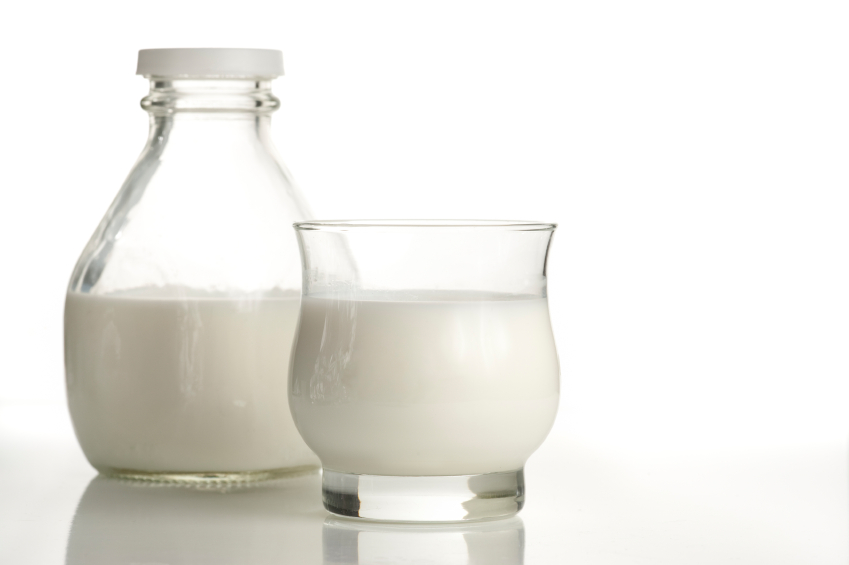
Funny thing, different folks have had their unique ways of approaching the skin health. Some traditional and others contemporary. While the market is flooded with all the lotions and gels with some such as Nivea using the term ‘moisturizing’ as a key selling point, other people, more traditional in their ways, have for a long time depended on milk in various ways to realize some really beautiful glowing skin. There is definitely something in milk, isn’t there?

But the question is, what is this ‘thing’ in milk that these women targeted for the beauty of their skin? Today there is growing evidence indicating that if you consume milk products refined with probiotic bacteria, you can end up with not only a healthy gut, but also a nice healthy skin.

This is not entirely a new idea in the scientific marketplace. Scientists have for a long time suspected that the health of the human skin and gut health are rather interrelated. Simply looked at, the lining of the mammalian gastrointestinal tract is somewhat an extension of the actual skin. In this manner, the bacteria on the skin surface find their way with ease to the surface of the gut.

In terms of immunity and the general health, one mechanism that has been identified by medical practitioners of maintaining the intestinal health involves boosting the probiotics (good bacteria). Good because these bacteria help to keep bad microbes in check as they naturally inhabit the gut.  Bifidobacteria and lactobacilli are examples of these good bacteria and are used for instance in the food industry. Their purpose here is typically to make refined milk products like yogurt.

Unveiling the Gut Phenol Guard

A number of recent studies by a Japanese probiotic milk pioneer has reported evidence indicating the beneficial effects of fermented milk on the general skin health. This was from some test samples containing Bifidobacterium, a bacterium found in fermented milk.

The researchers compared the effects of the fermented milk against those of a non-fermented placebo milk in a clinical test. Two clusters of healthy Japanese women were given the milk and various parameters later measured in those women’s urine, blood and the level of hydration of their skin.

Four weeks later, the women who had been subjected to drinking the placebo milk were having significantly drier skin as compared to their colleagues who drank the fermented milk.

Based on the results of this study, the Japanese scientists deduced that the women who drank the fermented milk had lower levels of phenols in their blood and urine. Phenols are a group of noxious by-products emitted by some gut bacteria during proteins digestion.

Phenols are often absorbed from the gut to some extent, taken through blood circulation and eventually excreted from the body via the urine. In this process though, the phenols may often build in the skin as they are carried along with the blood. Prior studies have shown this happen to the skin of mice. And for the human skin, lab tests have shown that these toxins disturb the skin cells’ production of keratin 10, a major skin protein responsible for strengthening the skin’s barrier function.

People with a troubled gut environment have typically been reported to have high levels of these toxic substances known as phenols. The Japanese scientists associate problems such as skin dryness to high levels of these phenols produced by particular gut bacteria.

Consequently the researchers recommend daily intake of fermented milk rich in probiotics as an antidote to the problem of dry skin. This according to them could help maintain healthy skin by encouraging a conducive gut environment which will suppress the production of the toxins. According to the Food and Agriculture Organization (FAO) and the World Health Organization (WHO), these probiotics (found in fermented milk) are live microorganisms which have the capacity to confer a health benefit to the host when administered in adequate amounts.

fermented milk

Further Skin Health Benefits

Aside from the fight against phenols, fermented milk has been found to have a host of other benefits to the skin. Other studies have indicated that the milk may help assuage dermatitis (inflammation of the skin) while reducing water loss from the skin of the individual.

The fermented milk contains a number of biologically active peptides. Peptides are compounds consisting of two or more amino acids that are linked in a chain. These fermented milk peptides are produced in the process of fermentation. Here a bacterium known as lactobacilli chew down certain milk proteins converting them into the peptides.

Sebum, oily secretion of the sebaceous glands in the skin, has been reported to get stabilized by intake of fermented milk. Taking fermented milk increases the hydration levels of the skin of young women due to increased levels of sebum in the skin.

The studies indicate that the age and hormone levels influence the working of the fermented milk in influencing sebum production. Even better, the milk helps check the effects of sebum that could result in acne if in high amounts. This applies to both men and women. The acne alleviation effect on skin is attributed to a milk protein called lactoferrin.

Given its anti-inflammatory effects on the skin, fermented milk helps in improving g the skin luster making it glossy and radiant. The effect results from combined properties of increased sebum and an acidic skin pH.

At AwareMed, we care about the health of your skin and continue to provide you with these and more health insights for your wellness.

Fermented Milk Boosts Skin Health


Facebooktwitterpinterestlinkedin

Magnesium Depletion and Chronic Diseases

Magnesium Depletion and Chronic Diseases

The metabolism of carbohydrates and fats to produce energy (which includes ATP production) requires numerous magnesium-dependent chemical reactions. Magnesium is also required for a number of steps during DNA and RNA synthesis. Glutathione, an important antioxidant, requires magnesium for its production.

If that makes you think magnesium is such an essential metal then there is a host of more surprises for you. Magnesium is truly an essential mineral that your body requires for maintaining its normal nerve and muscles function. Magnesium helps keep the body’s immune system healthy. It is also essential in maintaining your heart rhythm and is necessary for the building of strong bones.

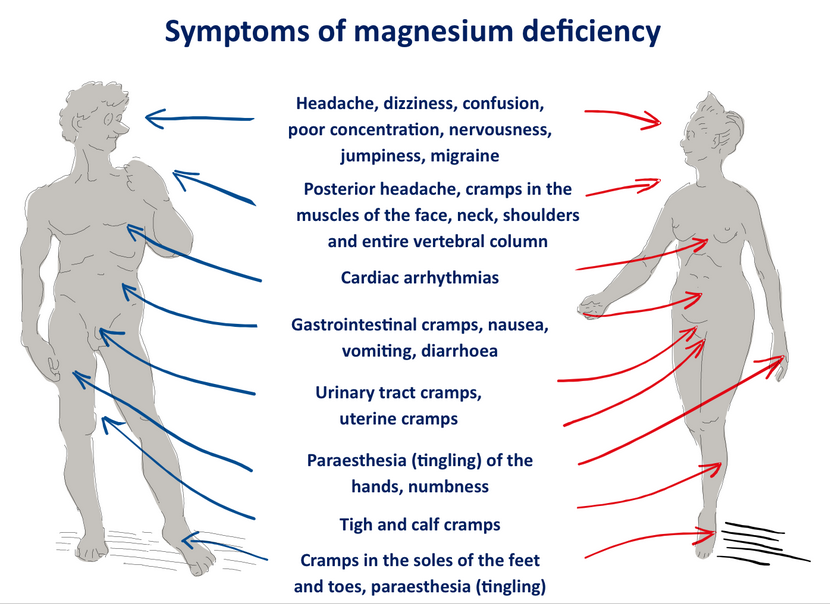
In addition, Magnesium is involved in a minimum of 300 biochemical reactions in the human body. This means that a deficiency in magnesium compound can lead to a wide range of disorders including muscle spasms, diabetes, heart disease, high blood pressure, migraines, anxiety disorders, cerebral infarction and even osteoporosis.

A deficit in magnesium also referred to as magnesium depletion is caused as a result of dysregulation of the state of magnesium in the body. This is the result of dysregulation of the mechanisms that control the metabolism of magnesium. These could occur in the form of a failure of these mechanisms causing magnesium homeostasis. It could also be as a result of intervention of iatrogenic or endogenous factors which eventually disturb the magnesium status.

Some studies observe that this depletion cannot be corrected simply by nutritional supplementation alone. Rather, certain specific dysregulation correction mechanisms are crucial in remedying the condition.

Magnessium_Deficiency

Magnesium depletion should be clearly differentiated from magnesium deficiency in the body. Deficiency is a disorder of magnesium that simply results from an inadequate intake of the mineral in the diet. An oral magnesium supplementation is recommended and is enough to correct the disorder.

High Risk Groups For The Magnesium Disorder

There are certain groups of people that are more vulnerable to the magnesium related disorders given its primacy in a number of body processes. Studies have identified long distance athletes as a potentially high risk group with regard to magnesium deficiency. These are people who conduct strenuous long distance exercise. They tend to lose electrolytes through their sweat and need to replenish their essential minerals such as sodium, phosphorus and potassium, but most particularly magnesium levels.

People who drink a lot of alcohol may also need adequate replenishing of magnesium lost during dehydration. Those who suffer diarrhea as well as others who may be dehydrated through other means also need to replenish their magnesium levels as well as the levels of sodium metal, potassium and phosphorus.

The elderly and those who have poor functioning kidneys may be subject to loss of magnesium through urine. This happens when the kidneys cannot retain the magnesium in the blood or reabsorb it through its tubules resulting in dysregulation of this essential mineral. Consequently the person’s system will not be excreting less magnesium when the mineral stores are low. In addition, the elderly naturally need the mineral since the amount of magnesium absorbed by the body decreases with old age as the amount excreted increases.

If you have any form of gastrointestinal disorders, chances are that your colon will not be able to absorb enough of the mineral. Most magnesium in the gut is often absorbed through the large intestines. This means that people with gastrointestinal disorders such as Crohn’s disease are faced with the risk a possible magnesium deficiency.

The same goes for those who consume high amounts of Fiber. The bodies’ ability to make use of magnesium has been found to be affected by taking in a lot of fiber in the diet. The ratio of this effect is yet to be established through further research. Still on the question of diet, low protein consumption is also said to have an effect on magnesium in the body.

Magnesium Sources

magnesiumMagnesium is found in a number of food products that can be found readily in the market. Foods high in magnesium include nuts, dark leafy greens, seeds, beans, fish, bananas, whole grains, dried fruit, avocados, yogurt and dark chocolate. This is however not the entire list of foods rich in magnesium. There are a lot of other products that contain magnesium in large amounts. These can be found at AwareMed. In fact, AwareMed is the best place where you can purchase magnesium.

Consuming too much magnesium may typically be dangerous and can make you diarrhea. This is why AwareMed emphasizes having the magnesium chelated.

Nuts, dark chocolate, molasses and seeds are high calorie foods and good sources of magnesium. They should thus be eaten in moderate amounts by those who have high body mass index (BMI).

Other sources of magnesium such as almonds, dark chocolate and spinach are rich in oxalates and these inhibit the absorption of some magnesium. The foods are however still good sources of the metal.

Noteworthy is, Brazil nuts are a rich source of selenium. Too much selenium may lead to unfavorable conditions like bad breath, diarrhea and even loss of hair.

The following factors may affect magnesium absorption

Absorption of the mineral may be enhanced by taking diet rich in fermentable carbohydrates such as those found in dairy, grains and fruits. Protein foods also may help with the absorption of magnesium while eating foods that are high in insoluble fiber is likely to deter magnesium absorption.

Grains, vegetables and seeds may contain phyrates that somewhat deter the absorption of magnesium. On the contrary, the soluble fiber as well as the fermentable carbohydrates that are found in the same foods are likely to counter this effect. This makes most plant foods a powerful source of magnesium.

Magnesium Depletion and Chronic Diseases


Facebooktwitterpinterestlinkedin