
Tag Archives: alcoholism and the brain activities

drug-addiction-treatment-1024×682

Brains communication system
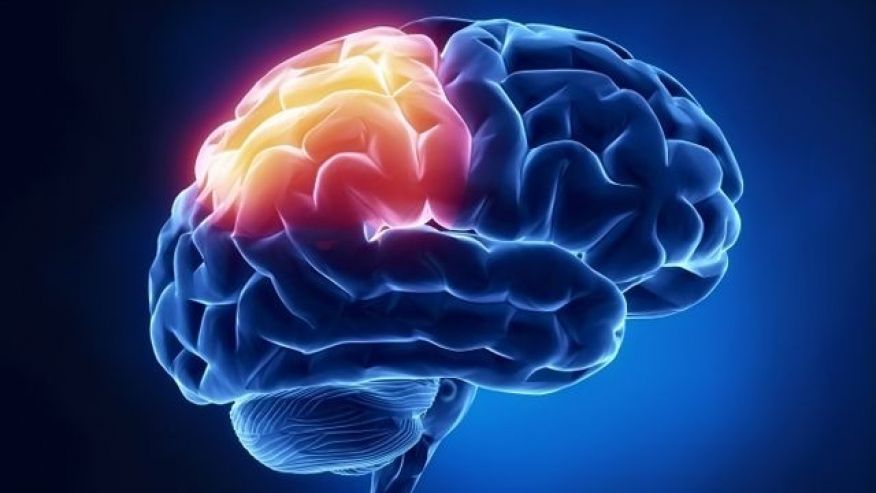
Brains communication system

Brains communication system can be very vulnerable to drug addiction and needs to be free from any substances of abuse

Brains communication system: Addiction chemical alteration to the brains functions

New neural pathways are formed as an addiction develops. This is because addiction chemical alteration to the brain’s communication system takes effect with such intoxications. In other words, when you take drugs away, the brain will revert again to form new neural pathways. Neuroplasticity explains why the initial period of recovery is difficult and uncomfortable. But the good news is that this difficulty is only temporal. Speaking to the experts at AWAREmed Health and Wellness Resource Center about addiction chemical alteration, doctor Akoury MD registers that this piece of information is very helpful to especially when attempting recovery. From our previous illustration where a tree fell on the usual pathway and so you needed to navigate to get through, some difficulties could be experiencedd. In the same way, when undertaking the recovery journey in addiction treatment, it can be difficult and uncomfortable while these new neural pathways are forming. As long as the recovering person does not give up during this initial period of discomfort, new neural pathways will form that support recovery. These new pathways will become more established and better developed over time. As they do, recovery becomes easier and more comfortable thereby defeating any addiction chemical alteration to the functions of the brain.

Brains communication system: Effects of addictive substances

Going by the facts mentioned above about the adaptive and the dynamic qualities of our brains to ensure our survival, I want to be persuaded that you are now somewhere as far as keeping your brain healthy. The next point I want to raise on how addiction changes the brain’s communication pathways may be quite unfortunate. Why do I say so, it is because the brain’s ability to be so adaptive is also at the root of addiction. Doctor Akoury says that the brain has the ability to adapt not only to the harmless substances and activities but also to the strong effects of addictive drugs and activities. And when it does, there will be damaging changes happening in the brain regions which are associated with reward including the memory and emotion, decision-making and stress regulations. These changes to our brain make the repeated use of addictive substances or activities very compelling. The good news is that our brains’ neuroplasticity allows us to correct these changes! Therefore, although addiction chemical alteration leads to structural changes in the brain, we are capable of learning new coping skills. The brain’s plasticity allows these new coping skills to be imprinted.

Finally, we will be discussing these structural changes in the next series of articles and we want to urge you not to go away but to stay with us on the link and where possible invite a friend too. In the meantime having such powerful information about the most sensitive organ in your body the brain is very helpful in keeping you healthy. I am saying so because when you know, you will not do things that will cause harm to your health, and if you have already caused an injury, then you can take measures to remedy the situation by scheduling an appointment with doctor Dalal Akoury to professionally take your through the recovery treatment process today.

Brains communication system: Addiction chemical alteration to the brains functions

http://www.awaremednetwork.com/


Facebooktwitterpinterestlinkedin
alcoholismlsd_main_0309

Clonidine medication for alcoholism

Clonidine medication

Clonidine medication for alcoholism treatment

Clonidine medication for alcoholism: Dealing with withdrawal problems

For effective alcoholism recovery, all the alcoholics must first pass through a period of withdrawals symptoms. According to the experts at AWAREmed health and wellness resource center under the leadership of doctor Dalal Akoury MD, man times these symptoms will be mild. Currently, there are a number of medications that can make the process from addiction to withdrawals pass more comfortably. One of the drugs that can be of value in the treatment of alcohol withdrawals is Clonidine medication. This is not a wonder drug but it can help significantly reduce the experience of some unpleasant symptoms. Clonidine a drug known as a centrally acting alpha-agonist hypotensive agent. It is commonly used in the treatment of high blood pressure (hypertension). It does this by reducing the heart rate and relaxing blood vessels. Clonidine is also known as a sympatholytic drug because it inhibits Postganglionic nerve fibers which in turn alter the functioning of the sympathetic nervous system.

Clonidine medication for alcoholism: Uses of clonidine

Clonidine is used in the treatment of a number of conditions including:

  • Treatment of restlessness
  • Treatment of night sweats
  • Treatment of neuralgia
  • Treatment of menstrual cramps
  • Treatment for Rosacea (chronic facial redness)
  • To reduce tachycardia (high pulse rate)
  • Symptoms associated with menopause such as hot flushes.
  • Restless leg syndrome
  • Post-traumatic stress disorder
  • Local anesthetic
  • It is used in the treatment of addiction withdrawal symptoms.
  • It is used in conjunction with stimulants to treat attention deficit disorder.
  • It can help with insomnia
  • It can be used for the treatment of panic attacks and anxiety disorder.
  • It can be used for dealing with tics associated with Tourette syndrome.
  • It can be used as mild sedative given to people prior to surgery to help them relax.
  • Headaches
  • Antihypertensive – it lowers blood pressure

Clonidine medication for alcoholism: Potential side effects of clonidine

The known potential side effects associated with using Clonidine includes:

  • The individual may experience dizziness.
  • Swelling on the body
  • Some people who use this drug will develop constipation.
  • Problems with breathing
  • Mood changes
  • It may lead to drowsiness.
  • It can lead to episodes of hypotension.
  • It can cause people to develop a dry mouth.
  • Headaches
  • Cold hands and feet
  • Body rashes
  • Allergic reactions

Some of these side effects are rare and most people who take the drug will not experience them.

Clonidine medication for alcoholism: Alcohol withdrawals explained

If people have developed a physical dependence on alcohol they will suffer symptoms should they suddenly stop drinking or significantly reduce their intake. It can even be the case of bad hangover symptoms that some alcoholics experience before the first drink of the day can be the result of these withdrawals. If people decide to enter recovery they are likely to experience some initial symptoms which can include:

  • Nausea and vomiting
  • Upset stomach
  • Feelings of irritability
  • Mood swings
  • Cravings for alcohol
  • A type of mental fuzziness – the person feels like their mental functioning is compromised.
  • Mild symptoms of depression
  • Insomnia
  • When people do fall asleep they may experience intense nightmares.
  • Body aches.
  • Sweating or clammy skin
  • Poor concentration and focus
  • Feelings of anxiety – the individual is easily startled
  • Headaches
  • Changes to blood pressure and pulse.

In some instances, the individual can experience a particularly dangerous form of withdrawal symptom known as delirium tremens (DTs). It is possible for people to die if they enter this level of withdrawal so they need to be medically supervised. Symptoms of DTs include seizures and intense hallucinations and seeking for professional touch with doctor Akoury is what you need now.

Clonidine medication for alcoholism: Dealing with withdrawal problems

http://www.I-AM-I.com/wp-admin

Facebooktwitterpinterestlinkedin
alcoholismlsd_main_03091

Neighborhood drug abuse and alcoholism

Neighborhood drug abuse

Neighborhood drug abuse and alcoholism are ruining our communities ant this is the time to stop addiction

Neighborhood drug abuse and alcoholism: Alcohol the most abused drug

Today it is not easy to miss a drinking joint within the neighborhood. Because of this neighborhood drug abuse and alcoholism is on the rise. Because of the promiscuity to the joints, alcoholism is the order of the day. Moderate alcohol consumption is being encouraged but this has not worked either. From the expert opinion, doctor Dalal Akoury MD President and founder of AWAREmed health and wellness resource center says that when alcohol is consumed disorderly, it can be poisonous to human life in many ways including; traffic accidents, homicides, suicide and rape, adverse effects on social and domestic life ranging from absconding employment duties, spousal and child abuse and crime. Those who take alcohol are likely to experience changes in their bodies immediately the moment moods changes to complete loss of coordination, vision, balance, and speech these changes can be attributed to acute intoxication or just drunkenness. To be safe, the public needs to know that the authorities regard a rate of 0.08% of alcohol in the bloodstream as evidence of intoxication. Anything above this can impair brain function and cause unconsciousness with an extreme overdose being serious alcohol poisoning and can be fatal.

Chronic alcoholism is a potentially fatal disease characterized by continuous craving for amplified tolerance of physical dependence upon and loss of control over alcohol consumption. The physical dependence on alcohol differs with the individual consumer with some chronic alcoholics get very drunk and others exercise enough control to give the appearance of coping with everyday affairs in a near-normal way. Nonetheless, alcoholism can lead to a number of physical ailments, including hypoglycemia, high blood pressure, brain and heart damage, end-stage liver damage, enlarged blood vessels in the skin, pneumonia, tuberculosis, chronic gastritis, and recurrent pancreatitis. Besides it can also cause impotence in men, damage to the fetus in pregnant women, elevated risk of cancer of the larynx, esophagus, liver, breast, stomach, pancreas, and upper gastrointestinal tract. All these explains why you should consult regularly with experts from AWAREmed health center from time to time for timely and professional remedial action.

Neighborhood drug abuse and alcoholism: Causes Alcoholism and symptoms

The cause of alcoholism appears to be a combination of hereditary, physical, mental, ecological, and communal factors fluctuating among individuals. Hereditary factors are considered vital. The risk of one becoming alcoholic could be three to four times higher if the parents were alcoholics. Nonetheless, occasionally children born of alcoholic parents may navigate the genetic pattern and fail drink. If you have to take good precaution to be free from being an alcoholic, you must know the signs and symptoms of alcohol abuse as following:

  • Short-term blackouts or memory loss.
  • Repeated arguments or fights with family members, irritability, depression, or mood swings.
  • Continuing use of alcohol to relax, to cheer up, to sleep, to deal with problems, or to feel “normal.”
  • A headache, anxiety, insomnia, nausea, or other unpleasant symptoms when you stop drinking.
  • Flushed skin and broken capillaries on the face; a husky voice; trembling hands; bloody or black/tarry stools or vomiting blood; chronic diarrhea; and drinking alone, in the mornings, or in secret; these symptoms are specifically associated with alcoholism.

Finally, we must be careful by ensuring that neighborhood drug abuse and alcoholism is eliminated from our societies by impacting positively in the life of our children when they are still young and ready to listen to us.

Neighborhood drug abuse and alcoholism: Alcohol the most Abused drug

http://www.I-AM-I.com/wp-admin

Facebooktwitterpinterestlinkedin
how-to-rebuild-your-life-after-you-stop-drinking

Alcoholism damaging effects on the brain

Alcoholism damaging effects

Alcoholism damaging effects on the brain begins from very simple actions and grows into calamities

Alcoholism damaging effects on the brain: Drug addictiveness

The sensitivity of the brain in human life is one thing that you cannot afford to overlook by all means. When the brain is not functioning normally life is almost brought to a standstill because the brain is the coordinator of all body organs and systems. Alcohol as a substance is not friendly at all the proper functionality of the brain for instance the presence of alcohol in the body reaching the brain through the blood circulation causes difficulties in walking, distorted vision, incoherent speech, slowed reaction times, impaired memory among many other health conditions. With all these it’s very evidently that alcoholism damaging effects on the brain functions must not be ignored and needs to be addressed professionally.

The good news is some of these conditions are easily noticeable after only one or two drinks and swiftly resolve when drinking stops. However the other side gives a different story where one has been into heavy drinking for a long period of time the brain deficits may prolonged even after they achieve sobriety. Currently various research are being carried out on the precise effects of alcohol in the brain and the possibility of reversing the impact of heavy drinking on the brain which has remain a hot topics in alcohol research today. Nonetheless, doctor Dalal Akoury founder and President of AWAREmed health and wellness resource center says that in all this it is evident that heavy drinking has extensive and far–reaching effects on the brain, ranging from simple slips in memory to permanent and devastating conditions that require lifetime custodial care. This is not just on heavy drinking but even moderate drinking leads to short–term impairment as well. There are several factors influencing how and by what extent alcohol affects the brain, these factors may include:

  • The quantity and rate of individual alcohol consumption.
  • The age at which the individual began drinking and how long he or she has been drinking.
  • The individual level of literacy, age, gender, genetic background, and family history of alcoholism.
  • Whether the individual is at risk as a result of prenatal alcohol exposure.
  • The alcohol consumer general health status.

Alcoholism damaging effects on the brain: Blackouts and memory lapses

As mention above alcohol consumption induce noticeable impairment in memory with just a few drinks and as the consumption goes up so does the intensity of impairment. When one rapidly takes alcohol in large quantities on an empty stomach the individual is likely to experience black out or an interval of time for which the intoxicated person cannot recall key details of events, or even entire events. Blackouts are much more common among social drinkers than previously assumed and should be viewed as a potential consequence of acute intoxication regardless of age or whether the consumer is clinically dependent on alcohol or not. When comparing the opposite sexes with a view of determining which gender will quite often experience black out, women are seen to be more vulnerable even if men were to take more alcohol than women the number of women experiencing black out would still be higher.

A woman’s tendency to black out more easily probably results from differences in how men and women metabolize alcohol. Females also may be more susceptible than males to milder forms of alcohol–induced memory impairments, even when men and women consume comparable amounts of alcohol. Finally, and this is important, irrespective of gender, alcohol is a killer substance and the sooner you schedule an appointment with doctor Akoury for professional treatment, the better you and your family.

Alcoholism damaging effects on the brain: Drug addictiveness

http://www.awaremednetwork.com/

Facebooktwitterpinterestlinkedin