
Tag Archives: Alcohol And Drugs

Research Findings on alcohol consumption and cancers

Research Findings on alcohol consumption and cancers: The Experts Opinion
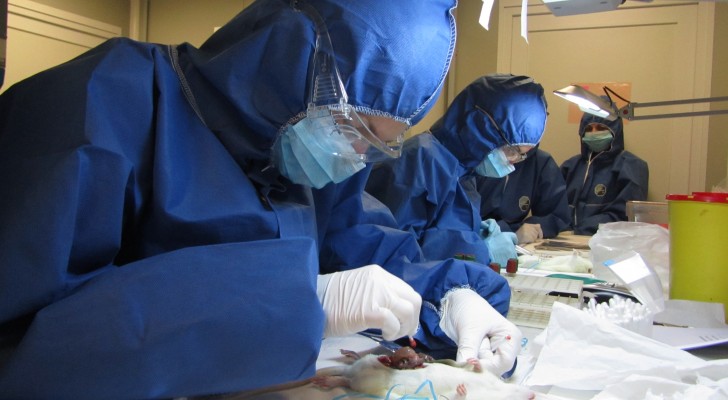
Research Findings on alcohol consumption and cancers

Research Findings on alcohol consumption and cancers indicates that cancer and alcohol abuse are never a good combination and nothing good can come from their association

In our previous article we dealt with the effects of alcohol and cancer risk and in particular we were able to disclose who the use of alcohol increases the risk of contracting head and neck cancer, esophageal cancer, liver cancer and breast cancer. You realize that these are not the only types of cancer that are closely associated with alcohol consumption. In this article we are going to further onto the discussion but this time focusing on the research findings on alcohol consumption and cancer. When research is done, what follows is getting the outcome of that research. In this line of duty a lot of studies have been done primarily to establish if there is any association between alcohol consumption and the risk of cancer. And other than what we discussed previously, the risk is not as evident in other cancers like cancers of the pancreas, ovary, prostate, stomach, uterus, and bladder. Therefore in these cancers cases, studies have not established any close association with alcohol or where there is evidence it was inconsistent.

However, for two cancers renal cell (kidney) cancer and non-Hodgkin lymphoma (NHL) multiple studies have shown that increased alcohol consumption is associated with a decreased risk of cancer. A meta-analysis of the NHL studies (which included 18,759 people with NHL) found a 15 percent lower risk of NHL among alcohol drinkers compared with nondrinkers. The mechanisms by which alcohol consumption would decrease the risks of either renal cell cancer or NHL are not understood.

Research Findings on alcohol consumption and cancers: How does alcohol increase the risk of cancer?

Doctor Akoury in response to this question acknowledges that several studies have in the past established numerous ways through which alcohol consumption may increase the risk of cancer. She shares with as some of them as follows:

  • Metabolizing (breaking down) ethanol in alcoholic drinks to acetaldehyde, which is a toxic chemical and a probable human carcinogen; acetaldehyde can damage both DNA (the genetic material that makes up genes) and proteins
  • Generating reactive oxygen species (chemically reactive molecules that contain oxygen), which can damage DNA, proteins, and lipids (fats) through a process called oxidation
  • Impairing the body’s ability to break down and absorb a variety of nutrients that may be associated with cancer risk, including vitamin A; nutrients in the vitamin B complex, such as folate; vitamin C; vitamin D; vitamin E; and carotenoids
  • Increasing blood levels of estrogen, a sex hormone linked to the risk of breast cancer

Alcoholic beverages may also contain a variety of carcinogenic contaminants that are introduced during fermentation and production, such as nitrosamines, asbestos fibers, phenols, and hydrocarbons.

Research Findings on alcohol consumption and cancers: How does the combination of alcohol and tobacco affect cancer risk?

Epidemiologic research shows that people who use both alcohol and tobacco have much greater risks of developing cancers of the oral cavity, pharynx (throat), larynx, and esophagus than people who use either alcohol or tobacco alone. In fact, for oral and pharyngeal cancers, the risks associated with using both alcohol and tobacco are multiplicative; that is, they are greater than would be expected from adding the individual risks associated with alcohol and tobacco together.

Research Findings on alcohol consumption and cancers: Can a person’s genes affect their risk of alcohol-related cancers?

The answer to this question is yes. It is actually true that a person’s risk of alcohol-related cancers can be influenced by their genes, and specifically when the genes that encode the enzymes is involved in metabolizing that is breaking down of alcohol. For example, one way the body metabolizes alcohol is through the activity of an enzyme called alcohol dehydrogenase, or ADH. Many individuals of Chinese, Korean, and especially Japanese descent carry a version of the gene for ADH that codes for a “super-active” form of the enzyme. This super-active ADH enzyme speeds the conversion of alcohol (ethanol) to toxic acetaldehyde. As a result, when people who have the super-active enzyme drink alcohol, acetaldehyde builds up. Among people of Japanese descent, those who have this super-active ADH have a higher risk of pancreatic cancer than those with the more common form of ADH.

Research Findings on alcohol consumption and cancers: Can drinking red wine help prevent cancer?

Researchers conducting studies using purified proteins, human cells, and laboratory animals have found that certain substances in red wine, such as resveratrol, have anticancer properties. Grapes, raspberries, peanuts, and some other plants also contain resveratrol. However, clinical trials in humans have not provided evidence that resveratrol is effective in preventing or treating cancer. Few epidemiologic studies have looked specifically at the association between red wine consumption and cancer risk in humans.

Research Findings on alcohol consumption and cancers: What happens to cancer risk after a person stops drinking alcohol?

Most of the studies that have examined whether cancer risk declines after a person stops drinking alcohol have focused on head and neck cancers and on esophageal cancer. In general, these studies have found that stopping alcohol consumption is not associated with immediate reductions in cancer risk; instead, it may take years for the risks of cancer to return to those of never drinkers.

For example, a pooled analysis of 13 case-control studies of cancer of the oral cavity and pharynx combined found that alcohol-associated cancer risk did not begin to decrease until at least 10 years after stopping alcohol drinking. Even 16 years after they stopped drinking alcohol, the risk of cancer was still higher for ex-drinkers than for never drinkers.

In several studies, the risk of esophageal cancer was also found to decrease slowly with increasing time since stopping alcohol drinking. A pooled analysis of five case–control studies found that the risk of esophageal cancer did not approach that of never drinkers for at least 15 years after stopping alcohol drinking.

Research Findings on alcohol consumption and cancers: Is it safe for someone to drink alcohol while undergoing cancer chemotherapy?

Cancer is a killer disease and alcohol is equally very bad for your health even if you were not struggling with cancer. What benefit can one get from alcohol especially when you are also on cancer treatment? Certainly nothing good will come out of it. However if you are so much into alcohol and you feel like you cannot get along without drinking, then you must and timely consult with your doctor. Your doctor who has been administering treatment on you will able to advice you professionally on specific issues including whether drinking whether drinking alcohol is safe with particular chemotherapy drugs or other medications prescribed along with chemotherapy. Nonetheless you can also seek for professional help from other medical experts like doctor Dalal Akoury, all you need to do is to call her for an appointment and she will gladly give you her best from her experience of over two decades of practice.

Research Findings on alcohol consumption and cancers: The Experts Opinion


Facebooktwitterpinterestlinkedin

General effects of Alcohol

General effects of Alcohol – Drug Addiction

Alcohol

Whatever the stage of alcohol addiction you’re in there is help and all is not lost. All you need to do is to reach out for it and your alcoholic state will be reversed

It all begins with an introductory simple sip which appears to be very harmless as it is taken then the simplicity gains momentum from the influence of your friends and it is no longer a simple sip but a simple drink and because you want to fit in and be counted, you join in the club of belonging. You are now accepted and you feel well placed and can be counted among your peers. However in doing all these you have just started the journey of health problems and complications which will also start in almost the same way you got into alcohol consumption. Health complications will also start in very simple ways and as you continue drinking they graduated from one level to another. My dear reader alcohol consumption is not good for your health. Don’t listen to what is called responsible drinking. There is nothing like that when it comes to addictive substance like alcohol. The effects of alcohol are very costly and complicated if you are not drinking please stay that way and if you are drinking already then you need to make that bold decision and stop what you call responsible drinking and move to responsible healthy living. Why am I saying all this, let us interrogate some of the effects of alcohol for better understanding of the magnitude.

Heart Disease and Stroke

When people drink moderately there is the possibility of some element of improvement of health by reduction of certain risk factors like increasing HDL i.e. good cholesterol levels. This is only minimal and it is subject to consuming like one or two units of alcohol daily. It is important to understand that this does not in any way indicate that drinking alcohol unilaterally reduce cardiovascular risk because excessive consumption will definitely affect your health negatively. Alcohol being a toxic substance has the ability to damage the heart muscles making heart disease to be the leading cause of death among alcoholics. Alcohol abuse increases levels of triglycerides (unhealthy fats) and increases the risks for high blood pressure, heart failure, and stroke. In addition, the extra calories in alcohol can contribute to obesity, a major risk factor for many heart problems. You can read more in our obesity segment.

Cancer

Alcohol abuse and dependence may increase the risk for certain type of cancers like mouth, throat, esophageal, gastrointestinal, liver, and colorectal, cancers. When it comes to some of these risks there is no safe limits and the dangers are realistic even with very minimal consumption having adverse effects on breast cancer. It is therefore important that alcohol consumption be avoided in totality for attainment of good health.

Effects on the Lungs

Pneumonia – Over time, chronic alcoholism can cause severe reductions in white blood cells, which increase the risk for community-acquired pneumonia i.e. pneumonia acquired outside of hospitals or nursing homes. When patients are inebriated they are also at risk for aspiration of mucus from the airways, causing pneumonia. Patients who abuse alcoholism have a greater risk for developing severe pneumonia. It is therefore advisable that patients with alcohol dependence receive an annual pneumococcal pneumonia vaccination and so when you start seeing signs like high fever, cough, and stabbing chest pains you must consult with your doctor immediately.

Skin, Muscle, and Bone Disorders

Severe alcoholism is associated with osteoporosis i.e. loss of bone density, muscular deterioration, skin sores, and itching. Women often seem to face a higher risk than men for damage to muscles, including muscles of the heart, from the toxic effects of alcohol.

Reproduction and Fetal Development

Sexual Function and Fertility – Alcoholism increases levels of the female hormone estrogen and reduces levels of the male hormone testosterone, factors that possibly contribute to erectile dysfunction and enlarged breasts in men, and infertility in women. Such changes may also be responsible for the higher risks for absent periods and abnormal uterine bleeding in women with alcoholism.

Drinking during Pregnancy and Effects on the Infant – there is no safe drinking when it comes to pregnant mothers. That which you call moderate amounts of alcohol is more than enough to cause damaging effects on the development of the fetus in several ways like low birth weight and an increased risk for miscarriage. High amounts can cause fetal alcohol syndrome a condition that can cause mental and growth retardation. Although there is no specific amount of alcohol intake, the risk of developing the syndrome is increased depending on the time of alcohol exposure during pregnancy, a pattern of drinking (four or more drinks per occasion), and how often alcohol consumption occurs.

Effect on Weight and Diabetes

Moderate alcohol consumption may help protect the hearts of adults with type 2 diabetes. Heavy drinking, however, is associated with obesity, which is a risk factor for this form of diabetes. In addition, alcohol can cause hypoglycemia, a drop in blood sugar, which is especially dangerous for people with diabetes who are taking insulin. Intoxicated diabetics may not be able to recognize symptoms of hypoglycemia.

Effect on Central and Peripheral Nervous System and Mental Functioning

Drinking too much alcohol can cause immediate mild neurologic problems in anyone life including insomnia and headache. Long-term alcohol use can physically affect the brain. Depending on length and severity of alcohol abuse, neurologic damage may not be permanent, and abstinence nearly always leads to eventual recovery of normal mental function.

Effect on Mental Functioning – Recent high alcohol use (within the last 3 months) is associated with some loss of verbal memory and slower reaction times. Over time, chronic alcohol abuse can impair so-called “executive functions,” which include:

  • Problem solving
  • Mental flexibility
  • Short-term memory and
  • Attention.

These problems are usually mild to moderate and can last for weeks or even years after a person quit drinking. In fact, such persistent problems in judgment are possibly one reason for the difficulty in quitting. Alcoholic patients who have co-existing psychiatric or neurologic problems are at particular risk for mental confusion and depression.

Vitamin and Mineral Deficiencies

People with alcoholism should be sure to take vitamin and mineral supplements. Even apparently well-nourished people with alcoholism may be deficient in important nutrients. Luck of vitamin B pose particular health risks in alcoholics. Other vitamin and mineral deficiencies, however, can also cause widespread health problems. The bottom line is that good and proper diet needs to be adhered to at all times.

Folate Deficiencies – Alcohol interferes with the metabolism of folate, a very important B vitamin, called folic acid when used as a supplement. Folate deficiencies can cause severe anemia. Deficiencies during pregnancy can lead to birth defects in the infant.

Wernicke-Korsakoff Syndrome – Wernicke-Korsakoff syndrome is a serious consequence of severe thiamin (vitamin B1) deficiency in alcoholism. Symptoms of this syndrome include severe loss of balance, confusion, and memory loss. Eventually, it can result in permanent brain damage and death. Once the syndrome develops, oral supplements have no effect, and only adequate and rapid intravenous vitamin B1 can help rescue this serious condition.

Peripheral Neuropathy – Vitamin B12 deficiencies can also lead to peripheral neuropathy, a condition that causes pain, tingling, and other abnormal sensations in the arms and legs.

We have listed a number of health conditions critically affected by alcohol consumption and from our introduction, by now you must have realizes how gradual alcohol ruins peoples live. That is why doctor Akoury founded this facility (AWAREmed Health and Wellness Resource Center) to professionally offer the much needed addiction treatment to all addicts. Under Doctor Akoury’s care and her able and experience team you will be treated in the best possible way which will not only be natural but also focus on Neuroendocrine Restoration (NER) to reinstate normality through realization of the oneness of Spirit, Mind, and Body, Unifying the threesome into ONE.

General effects of Alcohol – Drug Addiction


Facebooktwitterpinterestlinkedin
