Tag Archives: Addiction

Overcoming addiction by healing energy

Overcoming addiction by healing energy-Good health for wealth

Energy

In order to overcome addiction, healing energy would be necessary.

Have you ever imagine life without any form of illness? If you picture this and try to visualize it in your mind then what you’re likely to see is what I will call sustainable wealth. If your body is free from any kind of disease then you’re wealthy than anyone ranked in the top 100 of the wealthiest persons in the world. You may be wondering ware I’m heading to with this wealth direction in relation to the title of my article. This is my point, the study of addiction indicate that nearly all things we do, eat or desire in life when not done properly may lead us into becoming addicted to them and eventually cause health complication.

Let us take food for example, we all need food to live and in fact it’s one of the most important basic needs in the globe, yet food can be serious problem to your health and mine. It’s very interesting that our bodies need energy which comes from food to move around yet some of these sources of energy can be harmful to you and me. For this reason, it will be very important that we overcome addiction by all means possible and that includes healing energy.

Addiction is usually the result of a larger problem. Stress, depression, anxiety, low self-esteem and even some mental disorders are usually the underling factor in addiction, which is a symptom and not in itself an illness.

Overcoming addiction by healing energy-Types of Addictions

Chemical addictions and process addictions are two general categories of addiction.  We often assume that because the initial stages of addiction begins with voluntary behavior and is expressed in the form of excess behavior, people should just be able to use self-medication to stop their addictions, and this may not be true. The brain of an addict has been altered by choices they make over a period of time and so you and I need to know some of the common elements of addiction which include the following:

  • Alcohol
  • Tobacco
  • Drugs – cannabis, cocaine, heroin, steroids, etc.
  • Exercise
  • Sex
  • Eating
  • Computers
  • Work
  • Gambling
  • Shopping and many more…

Overcoming addiction by healing energy-Characteristics of Addiction

Addiction has control mechanism to addicts, once addicted you will be under the influence of addiction and not vice versa. You become driven by its forces and you think you cannot live without it.  Boredom, grief, frustration, sadness, rejection and failure are just few emotional issues that you try to escape from with use of your choice of addiction. Addiction is costly and takes your money and time. The more you focus on control it the more you feel your energy is depleted. It often disrupts your social life, family, love, and work life, as well as damages your mental and physical health.  While addiction may bring short term pleasure, it can bring long term harm and therefore must not be taken lightly.

Withdrawal Fear of Addiction

Fear of withdrawal is one of fundamental forces at play in the power of addiction. After long use of choice of addiction, not just brain but body tissue develops dependence. The physical signs and symptoms of withdrawal usually associated with abrupt stop of usage can be: tremors, sleeplessness, diarrhea, anxiety, sweating, loss of appetite, up to hallucinations and seizures in severe cases.

Substance Dependency and Relapse

Trigger-induced craving is one of the most frequent causes of drug use relapses, even after long periods of abstinence. Environmental triggers help explain why re-entry to one’s community can be so difficult for addict leaving the controlled environments of an addiction treatment Centre.

Overcoming addiction by healing energy-How Energy Healing is Beneficial in Addiction?

Energy healing helps to increase the level of energy in the body, and leaves you feeling relaxed, energized and in positive state of mind. It unblocks energy and re-establishes energy flow in internal organs which stimulates, nourish and replenish them. In doing so it improves the state of internal organs, assisting everything from digestion, absorption, blood circulation and energy production activities.

In order to truly help someone who is suffering from addiction, energy healing involves seeking the tools that will help you attract your desires and find your personal power to manifest wellbeing on all levels and help you overcome the underlying problem that is causing addiction. Energy healing is therefore beneficial in addiction control and elimination by executing the following:

  • Increasing feeling of relaxation
  • Reducing intensity of withdrawal symptoms
  • Improving sleep patterns
  • Freeing blocked energy in the body

How Many Treatments Will One Need?

The number of energy healing treatments required to treat addiction will differ between individuals patient.

Overcoming addiction by healing energy-Guided Meditation

There are indications from new research that meditation can help decrease substance use and relapse. Meditation will allow for a reflection on all repressed feelings and events, providing the space for them to come to surface, enabling healing process to take place by shifting brain activities from the stress-prone brain to more calming. Turning off your brain may be hard especially for someone in recovery process. Meditation will be effective when learned from the instructor/teacher than from the book, tape or just sitting and focusing on your breath. By learning to meditate correctly, the increased awareness and mindfulness of meditation helps you avoid thoughts of substance usage, which can surface during recovery. Other benefits of meditation in the treatment of addiction include:

  • Decreased feelings of anxiety
  • Decreased feeling of sadness
  • Decreased moodiness and irritability
  • Heightened concentration levels
  • Enchanting memory
  • Increased feeling of stability
  • Increased feelings of well-being and vitality
  • Increased self-awareness

In making effort to get well you will certainly meet obstacles, it will not be a smooth flow all the way. Nevertheless you need not to worry of the possible challenges since doctor Dalal Akoury who is an expert in addiction and at professional in training trainers (physicians) globally will be of great help for you. I strongly recommend her for you and your relatives and friends who may be going through addiction problem. It doesn’t matter what kind of addiction you may be going through or what stage you’re in, with doctor Akoury you shall have started the meaningful journey to your full recovery and comfort living thereafter.

Overcoming addiction by healing energy-Good health for wealth


Facebooktwitterpinterestlinkedin

Neuroendocrine Restoration: Overcome addiction through Neuroendocrine

Overcome addiction through Neuroendocrine-Restoration of neuroendocrine system

Neuroendocrine system

Neuroendocrine

Restoration of neuroendocrine system helps over come addiction and stress.

The neuroendocrine system is made up of a network of cells that are distributed throughout the body. The word neuroendocrine refers to 2 qualities of these cells: they have a similar structure to nerve cells (neurons) and produce hormones like endocrine cells. Neuroendocrine cells release hormones into the bloodstream in response to chemical signals from other cells or messages from the nervous system. These hormones work like neurotransmitters.

Neurotransmitters are chemicals released by a nerve cell to transmit signals or impulses from one nerve cell to another nerve cell or other specialized cells.

Structure

The neuroendocrine system is formed by the diffuse neuroendocrine system and the endocrine system. It is made up of cells that produce and release hormones.

Overcome addiction through Neuroendocrine-Diffuse neuroendocrine system

The diffuse neuroendocrine system is made up of neuroendocrine cells scattered throughout the body.

  • Neuroendocrine cells in the digestive system regulate intestinal movements and the release of digestive enzymes.
  • Neuroendocrine cells in the respiratory system are believed to play a role in the developmental stages of the respiratory organs. They also regulate respiratory function.
  • There are small neuroendocrine organs, known as paraganglia, along the spinal column. They include the adrenal medulla inside the adrenal gland and paraganglia outside the adrenal gland. They produce the hormones epinephrine and norepinephrine. These hormones control blood pressure and heart rate.
  • Neuroendocrine cells are also found in non-neuroendocrine glands and are scattered in the skin, thymus, prostate and other tissues.

Overcome addiction through Neuroendocrine-Endocrine system

The endocrine system is formed by the endocrine glands, which are ductless glands that secrete hormones directly into the blood or lymph fluid. The actions of these hormones vary according to the gland and specific type of hormone produced.

The endocrine system is made up of pituitary, pineal, thyroid, parathyroid and adrenal glands, pancreatic islet cells (also known as islets of Langerhans) and the ovaries or testicles.

  • The pituitary, pineal and parathyroid glands are neuroendocrine glands.
  • The thyroid gland is not a neuroendocrine gland, but it contains scattered neuroendocrine cells known as C cells.
  • The adrenal glands are made up of a non-neuroendocrine area called the cortex, and a central neuroendocrine gland called the medulla.
  • The pancreas is an exocrine gland, but contains scattered groups of neuroendocrine cells called pancreatic islets.
  • The ovaries and testicles are not neuroendocrine glands, but contain scattered neuroendocrine cells.

Overcome addiction through Neuroendocrine-Function

Neuroendocrine cells are highly specialized nerve-like cells that release hormones in response to a neurological or chemical signal. The hormones released by the cells enter the blood and travel throughout the body to reach their target cells. Each type of hormone binds to a specific receptor on the target cell. The target cell responds to this hormone by changing specific cellular functions, such as metabolism, growth and reproduction. Complex feedback mechanisms involving the nervous system, endocrine system and diffuse neuroendocrine system control the levels of hormones in the body.

Examples of hormones and their action include:

  • Insulin is produced by the pancreatic islet cells. It reduces the sugar levels in the body when they are too high. (Hypoglycemia is too little sugar in the bloodstream. Hyperglycemia is too much sugar in the bloodstream.)
  • Serotonin is released by the neuroendocrine cells of the gastrointestinal tract. It regulates intestinal movement.
  • Growth hormone is produced in the pituitary gland. It stimulates growth of bone and tissue.

It therefore explains why it is important to have a properly functioning neuroendocrine system and if it’s not then a speedy restoration needs to be done for proper control of addiction.
Food, drugs or alcohol or any other substance does not matter.  Addictions can be successfully treated.  And addicts need to be completely treated because despite the feeling that they may be in, some way helping, the truth is, they simply get in our way and need to be pushed aside.  But how do we push them aside? If the complex neuroendocrine systems of the body are well balanced, a state of well-being or fulfillment will be achieved.  If we feel fulfilled and live with a sense of well-being we will adopt behavior patterns which are in sync with internal state.  Addictions will not get in our way and we will achieve growth.

However, if the nervous system is in disequilibrium, especially as it is always when addictions are involved, the resulting loss of fulfillment prompts the desire to restore an experience of greater well-being or happiness.  Chemical dependency represents maladaptive behavior which may arise in a misguided effort to restore well-being. In other words when you take that substance be it alcohol, a drug, or an over-indulgence of food, in order to make yourself feel better. You should know that the substance will only give you a temporary feeling of well-being and happiness by confusing the real problem, you may feel better during the time when the

Substance is in your system but as soon as it is over you pick the Pease’s from where you left.  In other words it is never helpful and does not give lasting fulfillment and well-being, and, in fact, guilt and remorse often follow the addictive behavior.

The mind-body is one seamless energetic system.  Since the mind-body is a whole, any attempt to use will power alone to cure addiction can be a difficult exercise.  Because the neuroendocrine system is out of balance, cravings for the substance become exceedingly powerful and difficult to overcome. It has been said that only a new seed can create a new crop and if you are struggling with addiction I strongly suggest that you work on the restoration of your neuroendocrine system by visiting AWAREmed Health and Wellness Resource Center under Doctor Akoury’s care. At this facility we focus on Neuroendocrine Restoration (NER) to reinstate normality through realization of the oneness of Spirit, Mind, and Body, Unifying the threesome into ONE. With us you will get your life back and live it to the fullest.

Overcome addiction through Neuroendocrine-Restoration of neuroendocrine system


.

Enhanced by Zemanta
Facebooktwitterpinterestlinkedin

None is immune to stress and addiction

None is immune to stress and addiction-All are at risk

.Addiction

Professionals work in very stressful environment and many of them are suffering from addiction secretly

It’s easy to think only the less privilege in the society is the possible candidates for stress and addiction. This school of thought is in the mind of the majority and everyone wants to believe it however this is not always the case. Everybody is at risk of being addicted to any substance or being stressful in any environment. If you go to health institutions you will find medical staff trying to offer treatment to addicts, you may be tempted to believe that they themselves aren’t suffering from the same. Some are, and some definitely aren’t. In fact one out of 10 physicians have problems with alcohol or drugs at some point during their careers.

Those who admit they have an addiction to alcohol or drugs, as well as those who slip up and get reported, usually have to go through an intense substance abuse program before they can practice medicine again. Such physician health programs are pretty effective, helping around 80% of doctors recover from their problems. But these programs raise some ethical questions and I ask.

None is immune to stress and addiction-Is your doctor impaired?

Given that drug- or alcohol-impaired doctors aren’t rare, it’s possible you may come across one someday that is if you haven’t. You might suspect a drug or alcohol problem from your doctor if you notice some of these signs:

  • slurs words
  • stumbles
  • lacks coordination
  • forgets beyond what is reasonable
  • looks unusually disheveled
  • is irritable or easily angered
  • becomes overly emotional

It must be noted that these aren’t specific to drug or alcohol abuse, but they could be the result of drug or alcohol use. They could also be due to many other issues, such as a personal problem (marital difficulty or death of a loved one, among others), a medical illness (such as diabetes or the onset of dementia), or another mental health problem. Keep in mind that doctors, like the rest of us, can be very good about hiding an addiction. This drug problem is not affecting only the medics but it cuts across all professions.

None is immune to stress and addiction-Reporting

What should you do if you think one of your doctors has a drug or alcohol addiction? For your own protection, it would make sense to find a new doctor, though this might be difficult if there aren’t many in your area. If the doctor you are concerned about works in a group practice or a hospital setting, talk with the practice administrator, clinic chief, division head, ombudsman, or other doctor in the practice in an objective and matter-of-fact way. They are obligated to ensure that their colleagues are safe to practice medicine.

If your suspicions are strong enough, and you don’t trust the doctor’s colleagues to take appropriate action, voice your concerns to the state board of medicine. Someone there will then be obliged to do some investigating.

Who is an addict? With addictive tragedies striking every community in the nation – with many millions of Americans addicted to alcohol and drugs alone – legions of scientists are asking: What aspects of psychological makeup contribute to addiction? Are there common threads that weave through all addictions, from hard drugs to cigarettes, from gambling to overeating?

It is part of a much broader effort that has already seen progress in understanding the chemistry of addiction, as biochemists isolate the chemicals and mechanisms by which the brain gives itself pleasure. And the whole panoply of addiction research has led to insights that buttress a profusion of therapies. Though some of them hold great promise, all would benefit from an increased understanding of the addictive personality.

Despite the wide gulf between an addiction to drugs and an addiction to gambling, some mental health experts find it useful to view addiction as including all self-destructive, compulsive behaviors. Some even go so far as to include the relatively benign activity of compulsive television-watching.

In bringing together much of the existing knowledge on the personality’s role in addictions, with an emphasis on drugs and alcohol, a new study prepared for the National Academy of Sciences concludes that there is no single set of psychological characteristics that embrace all addictions. But the study does see common elements from addiction to addiction.

None is immune to stress and addiction-Factors contributing to addiction

The report finds that there are several ”significant personality factors” that can contribute to addiction:

  • Impulsive behavior, difficulty in delaying gratification, an antisocial personality and a disposition toward sensation seeking.
  • A high value on nonconformity combined with a weak commitment to the goals for achievement valued by the society.
  • A sense of social alienation and a general tolerance for deviance.
  • A sense of heightened stress. This may help explain why adolescence and other stressful transition periods are often associated with the most severe drug and alcohol problems.

Professionals believes that the continuing search for the personality traits that play a part in the development of addictions is an essential part of the broader fight against addiction, an opinion shared by others familiar with the field. ”If we can better identify the personality factors, ”they (doctors) can help us devise better treatment and can open up new strategies to intervene and break the patterns of addiction.”

Moreover, it’s believes that the insights provided by this kind of research could lead to much more effective preventive programs than those available today, to be used ”before problems reach the critical stage.” Supplementing the personality factors listed in the academy’s report, other behavioral scientists who have studied addicts point to additional often-found features of personality or background – a lack of self-esteem, marked depression or anxiety, physical or sexual abuse in childhood, and sharply conflicting parental expectations.

The broad approach to addiction is taken by Lawrence J. Hatterer, an associate clinical professor of psychiatry at the Cornell University Medical College who wrote in his book, ”The Pleasure Addicts” (Barnes) that ”Addictive behavior has invaded every aspect of American life today. We all feel the cloud of concern about becoming addictive – preoccupation with weight, smoking, drinking too much, or being caught in an excess of spending, acquiring, gambling, sex or work.”

Among other activities which, done in excess, have been characterized as addictive behavior are caffeine consumption, eating of chocolates or other sugar-laden foods, television watching, playing video games and even running.

None of these activities are considered to be addictions by doctors unless they involve excessive, repetitive use of pleasurable activities to cope with unmanageable internal conflict, pressure and stress. While such activity may begin pleasurably in a person’s life, the process in the addict involves increasing activity to achieve the same effect and eventually results in injury to the person’s health or to his work, family and social relationships. The addicted person typically denies that his activity is detrimentally affecting him. If the addict is forced to stop, he finds he suffers physical or psychological withdrawal pains, and often feels compelled to resume his excessive pattern.

None is immune to stress and addiction-All are at risk


Facebooktwitterpinterestlinkedin

Adrenal fatigue and dysfunction

Adrenal fatigue and dysfunction-Addiction

Adrenal fatigue and dysfunction-Definition

Adrenal

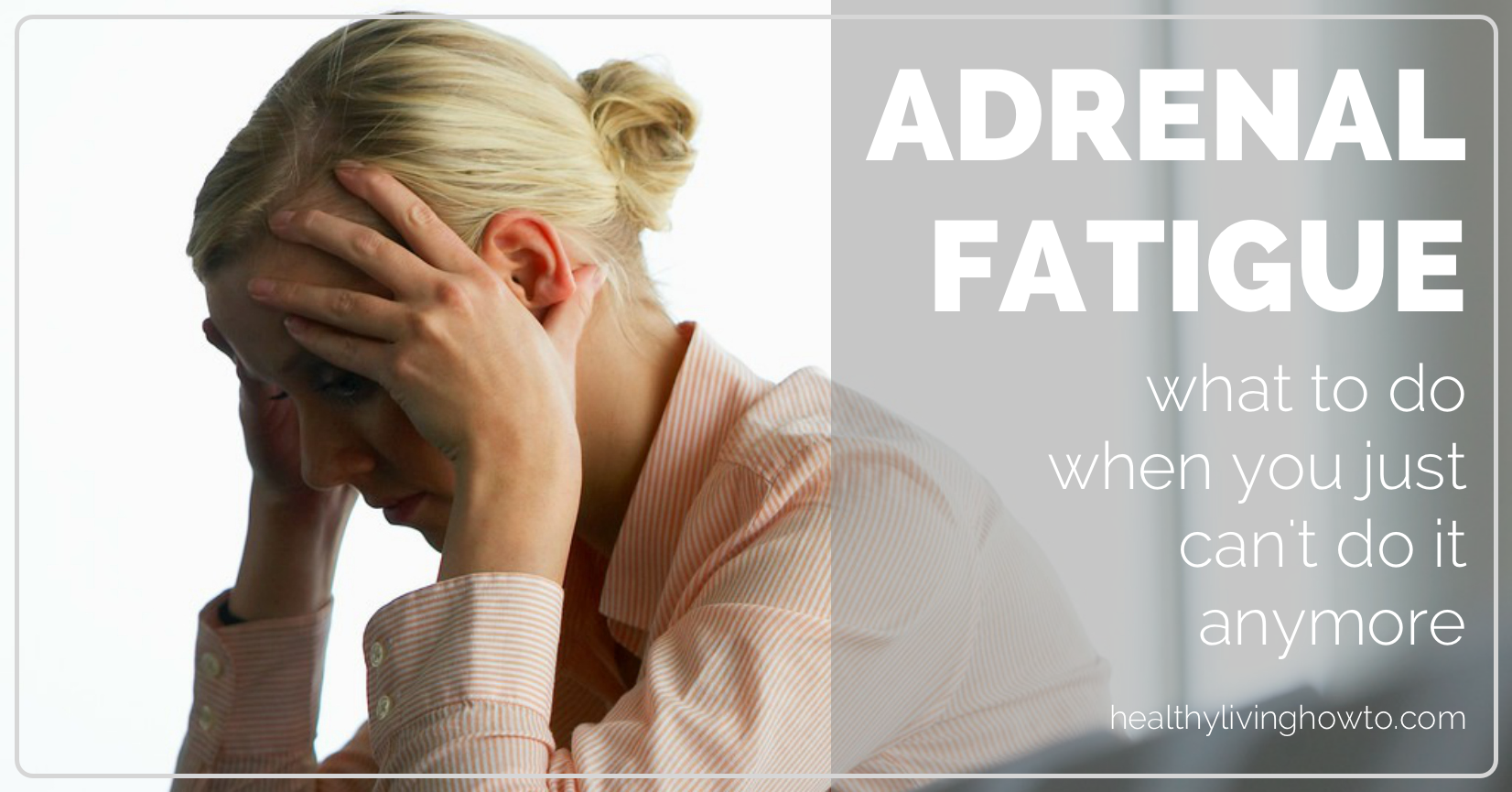
Adrenal fatigue can wreak havoc with your life. In the more serious cases, the activity of the adrenal glands is so diminished that you may have difficulty getting out of bed

Adrenal fatigue is a collection of signs and symptoms, known as a syndrome that results when the adrenal glands function below the required level. Most commonly associated with intense or prolonged stress, it can also arise during or after acute or chronic infections, especially respiratory infections such as influenza, bronchitis or pneumonia. As the name suggests, its paramount symptom is fatigue that is not relieved by sleep but it is not a readily identifiable entity like measles or a growth on the end of your finger. You may look and act relatively normal with adrenal fatigue and may not have any obvious signs of physical illness, yet you live with a general sense of unwellness, tiredness or “gray” feelings. People experiencing adrenal fatigue often have to use coffee, colas and other stimulants to get going in the morning and to prop themselves up during the day.

Adrenal fatigue can wreak havoc with your life. In the more serious cases, the activity of the adrenal glands is so diminished that you may have difficulty getting out of bed for more than a few hours per day. With each increment of reduction in adrenal function, every organ and system in your body is more profoundly affected. Changes occur in your carbohydrate, protein and fat metabolism, fluid and electrolyte balance, heart and cardiovascular system, and even sex drive. Many other alterations take place at the biochemical and cellular levels in response to and to compensate for the decrease in adrenal hormones that occurs with adrenal fatigue. Your body does its best to make up for under-functioning adrenal glands, but it does so at a price.

Some of the personal dramas, poor diet, and physical illness can all contribute to draining the adrenal resources of even the healthiest individual. Those in generally poor health, who often suffer from chronic illness or infections, are more likely to develop the problem. People who endure adverse effects from lifestyle choices such as poor diet, substance abuse, or overwork are just a susceptible.

Despite heavy caffeine intake as a desperate attempt by sufferers to restore their vitality, symptoms of Adrenal Fatigue such as chronic tiredness, depression, and general ill-health are just hard to beat. Though one may appear healthy, the effects of the syndrome may be wreaking havoc on their inner state.

Contrary to common belief, an abundance of sleep does not heal the dysfunction. Often, it only serves to complicate it. Sometimes a sufferer may only be able to be out of bed for a few hours before his dragging state forces him to return.

If the adrenal function is left untreated and continues to falter, even the organs in the body will be negatively affected. Maladies will appear in metabolisms and general body functions. A person’s sex drive will be practically non-existent. At the biochemical and cellular levels, responses to the syndrome are those of compensation. Doing its best to make up for decreases in adrenal hormones and under-functioning adrenal glands, the body is at great risk of over-extending itself. When the output of regulatory hormones has been diminished, optimal homeostasis is lost. If the body’s defenses cannot keep up, a clear case of Adrenal Fatigue will most certainly result.

Obviously, one who suffers from the associated symptoms will find it difficult to become sexually aroused. Sex is often the last thing on their mind. At best, a semi-hard erection can be achieved, often not strong enough for penetration. Besides erectile dysfunction and sexual exhaustion, one may also experience delayed orgasm disorder.

If you are feeling faded or overwhelmed, have difficulty recuperating from stress or illness, experience sexual dysfunction and don’t have energy till you’ve been up most of the day, you may have developed the syndrome. Though adrenal fatigue affects millions of people daily, the specifically-named disorder has yet to be formally recognized by modern medicine. Despite this, remedies and formulas have been developed throughout the years and have proven success in combatting Adrenal Fatigue.

Adrenal fatigue and dysfunction-Alcoholism and Addiction

Adrenal Fatigue can both lead to and result from alcoholism. Adrenal support enhances treatment for alcoholism and other addictions.

For many alcoholics, food and drug addicts, Adrenal Fatigue and the resulting hypoglycemia (low blood sugar) predispose them to a compulsive desire for the abused substance. The adrenals become fatigued by the continual overuse of alcohol, drugs or carbohydrates.

Alcohol is poison for the adrenals that should not be consumed by people suffering from Adrenal Fatigue. It is a naked carbohydrate in an extremely refined form that quickly finds its way into the cells of your body, forcing them to make energy at a rapid rate. This sets off a blood sugar roller coaster and uses a large number of the body’s nutrients that are not replaced by the alcohol.

The craving is driven by the body’s desperate need for quick energy that results from weak adrenals. The alcohol temporarily compensates for the signs and symptoms of hypoadrenia but leads to further Adrenal Fatigue after the effects of the alcohol have worn off, producing a further need for alcohol.

Adrenal fatigue and dysfunction-Allergies

With Adrenal Fatigue there a tendency to experience allergies. People with food and environmental allergies commonly have weak adrenal function. Most allergies involve the release of histamine and other substances that produce inflammation. The more histamine that is released, the more cortisol it takes to control the inflammatory response and the harder the adrenals have to work to produce more cortisol.

Cortisol

It’s one of the primary hormones produced by the adrenal glands, is a strong anti-inflammatory, reducing inflammation. The amount of cortisol circulating in the blood is the key factor in controlling inflammation in the body.

The harder the adrenals have to work, the more fatigued they become and the less cortisol they produce, allowing histamine to inflame the tissues more. The vicious circle leads to progressively deeper Adrenal Fatigue and more allergic reactions.

Eliminating foods from the diet and exposure to substances that cause allergic reactions will help break this cycle and improve adrenal function. Food allergens interfere with daily life and are stress on the adrenals. Eliminate food allergies to restore adrenal health.

Adrenal fatigue and dysfunction-Addiction


Facebooktwitterpinterestlinkedin

Addiction causes sexual dysfunction and aggression

Addiction causes sexual dysfunction and aggression-The truth revealed

Consequences of addiction are very traumatic especially if based on sexual abuse

Sexual dysfunction is defined as a disturbance in or pain during, the sexual response. This problem is more difficult to diagnose and treat in women than it is in men because of the intricacy of the female sexual response. The Sexual Function Health Council of the American Foundation of Urologic Disease recently revised the preexisting definitions and classifications of FSD. Medical risk factors, etiologies, and psychological aspects were classified into four categories of FSD: hypoactive sexual desire, arousal, orgasmic disorders, and sexual pain disorders.

  • Hypoactive sexual desire is the persistent or recurrent deficiency (or absence) of sexual fantasies or thoughts and/or the lack of receptivity to sexual activity.
  • Sexual arousal disorder is the persistent or recurrent inability to achieve or maintain sufficient sexual excitement, expressed as a lack of excitement or a lack of genital or other somatic responses.
  • Orgasmic disorder is the persistent or recurrent difficulty, delay, or absence of attaining orgasm after sufficient sexual stimulation and arousal.
  • Sexual pain disorder includes dyspareunia (genital pain associated with sexual intercourse); vaginismus (involuntary spasm of the vaginal musculature that causes interference with vaginal penetration), and noncoital sexual pain disorder (genital pain induced by noncoital sexual stimulation).

Each of these definitions has three additional subtypes: lifelong versus acquired; generalized versus situational; and of organic, psychogenic, mixed, or unknown causative origin. For the purpose of this article we will be discoussing women generally in relation to addiction and sex

Addiction causes sexual dysfunction and aggression-Women and Sexual Addiction

 Characteristics

Before we look into the problem of female sexual addiction it’s important to note that many women are not comfortable with the shame inducing label of being a female sex addict. Believe me if men are apprehensive to seek treatment because of the shame infested label, then women are twice as much less likely. Look at the expression of this woman, “Why is this called sexual addiction. I hate that label. It’s not about the sex at all. Sex is just what I have to give to be loved, touched and nurtured and the assurance that I’m okay.” Many women would like to see the label of sexual addiction changed to a more accurate phraseology such as “Intimacy Disorder”.

Now the rise of sexual addiction in women is evidenced by the following statistics from various researches:

  • About 9.4 million Women check out adult websites every month and some of those sites include child pornography.
  • The ratio of women to men in chat rooms is two to one. Women are converting these conversations into real life affairs at twice the rate of men.
  • About 13% of women (20% of men) admit to accessing porn while at work.

From these finding, women are catching up to men with online porn addiction. There are no signs of slowing down of the pervasiveness of the problem of women struggling with sexual addiction.

Addiction causes sexual dysfunction and aggression-Symptoms

Someone with a high sex drive is satisfied with sex. For them it’s not about getting a temporary fix or temporary relief. For someone who is addicted, immediately following a climax experience they still feel somewhat empty or somewhat depressed that it didn’t really give them what they were ultimately seeking in the first place, which are a fulfilling, completed, and a genuine intimate experience. For an addict, sex is more of a fix for something.

Let us learn from one lady (Anne) for a behavior to qualify as an addiction, the following components are essential:

Addiction causes sexual dysfunction and aggression-Uncontrolladable compulsion

Feelings of “I can’t stop. I keep doing what I don’t want to do,” pervade the mind of a sex addict. They feel powerless to stop and that it is out of their control. According to Anne, you will always hear an addict say, “I know what I’m doing is wrong; I want to stop, but I can’t.” That was certainly true for her. Raised in a pastor’s home she went to church all of her life. She knew that the multiple affairs she engaged in were wrong due to the incredible shame she felt afterwards. She wanted to stop but simply could not.

Obsessive thoughts

Hooking up with someone is all you think about. Experiencing high of skin on skin contact and the illusion that only sex can bring intimacy consume an inordinate amount of your daily thoughts. A person that is sexually addicted spends an abnormal amount of their time on either being sexual, recovering from being sexual, figuring out how to hide that they’ve been sexual, or rummaging through their mind for a plan for their next sexual encounter. As Anne puts it, “It’s like a little bird sitting on your shoulder; it’s always with you, either as guilt and shame or the planning and preparation. Some part is always with you.”

Continuance of immoral sexual behavior despite adverse consequences

Even though Anne was diagnosed with cervical cancer caused by an STD, almost died because of massive hemorrhaging from a resulting surgery, lost her first marriage because of her illicit affairs, endangered a second marriage through her continued struggle with sexual addiction, and having her two children immensely angry with her for making them a part of an addicted family she still could not stop. Even after all these destructive experiences and consequences she still felt powerless over the disease. When a person continues their destructive behavior in spite of adverse consequences, then that is a clear sign of sexual addiction.

Addiction causes sexual dysfunction and aggression-Tolerance

The ability to tolerate higher levels of something we hadn’t originally been accustomed to occur through a process called “The Law of Diminishing Returns.” When a couple first dates they may venture out and hold hands. It provides somewhat of a thrilling and satisfying experience. After a while, a person may become “ho-hum” with holding hands because it doesn’t return the same thrilling effect it once did so they up the ante and progress towards kissing. After a while, this too has its excitement wear off and behaviors such as heavy petting and eventually intercourse will occur in order to experience the initial “high” that comes with a new experience. An alcoholic experienced the same thing at some point drinking a couple bottles of beers eventually doesn’t return the same pleasure that drinking 3 used to so they have to try 6 or more.

Part of the tolerance effect is based in a purely neurochemical change in the brain. We are essentially fighting our own brain chemistry. This is what makes addicts adrenaline junkies. They are addicted to their own brain’s drugs (chemicals released) that are produced through sexual experiences. So if the high of one kind of behavior isn’t enough, then it will either take more and more of that same kind of behavior or it will take going on to other, higher risk behaviors to get the same effect. This is why some people even engage in more licentious behavior such as threesomes, orgies, and even Level II and Level III illegal behaviors.

Addiction causes sexual dysfunction and aggression-The truth revealed


Facebooktwitterpinterestlinkedin