Tag Archives: Addiction

Social use or an Addiction

Social use or an Addiction-Drug Addiction

Addiction

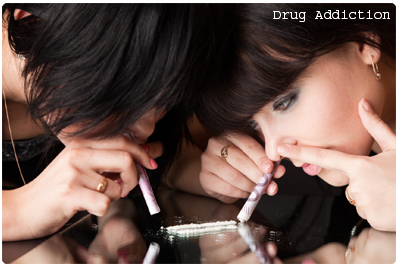
whether you take drugs for social reasons or otherwise drug addiction is real and treatment must follow immediately.

We have been talking about addiction and its effects not just in articles posted online but also in many different forums across the globe. The intensive discussion about this topic is a clear indication that it is no one’s cup of tea. Ironically some of the suspect drugs are not just legally accepted by different authorities but a great source of revenue for major economies. Take for example of alcohol which is believed to be the leading abuse drug globally is used immensely for social purposes and at the same time it is addictive and its addiction is very injurious not just to the alcoholic but to the greater society in many ways, begging the question are drugs for social use or an addiction? It can be difficult deciding between something (drug) which is used on a casual basis or has become an addiction. As difficult as it may be when you look and evaluate the merits of drug use and the demerits, the demerits outnumber the merits greatly.

Social use or an Addiction-A glass of wine or two

There is an old saying that ‘everything in moderation’  still holds true and it is the case that a small amount of something, for example alcohol or a couple of cups of coffee per week is not likely to cause any harm. In fact it may do you some good. One example of this is red wine which is considered to be good for your heart and health in general. Taking this further, there is the case of the ‘French Paradox’. This expression arose from a research study carried out in 1992 which reported upon the fact that the French diet was high in fats yet they had a relatively low rate of heart disease.

Social use or an Addiction-A cup or several cups of coffee a day

Caffeine is another substance which is fine in small amounts but not if taken to excess. It is a stimulant enjoyed by many people who like the fact that it acts as a ‘pick me up’ especially first thing in the morning! But excessive amounts of coffee will have a negative effect on your health. We have discussed in details the effects of caffeine addiction in our earlier posting. A cup of coffee again is used quite often in social places and for social objective however as started in the earlier posting if used excessively then it is addictive and can cause addiction.

Social use or an Addiction-Nicotine and other drug use

Smoking and drugs in general are not considered good for your health irrespective of the dose.

The dangers of smoking are well documented in fact all adverts of cigarette globally are mandatory required to publicly inform the ultimate smoker of the dangers associated with its smoking and its addictiveness and yet nicotine addiction is very difficult to break despite all these information and restrictions aligned to it. Many smokers argue that it helps them to relax justifying the social aspect of its use yet the long term problems associated with it cannot be ignored.

Drugs such as cannabis or cocaine may ‘help’ it consumer in terms of an instant ‘high’ and an escape from reality but they are highly the bottom line is that irrespective of the insignificant social benefits they are addictive and dangerous to your health.

Social use or an Addiction-Performance enhancing drugs

What about substances such as anabolic steroids or other performance enhancing drugs which are taken for purposes of increasing muscularity or athletic performance?

If for instance someone does not use these drugs regularly will it be okay to brand such persons addicts? We know that these drugs have side effects and in some cases, are fatal yet people still and willingly continue to take them. A new trend has recently appeared in which women use drugs such as testosterone in order to boost their assertiveness and confidence at work in the hope of furthering their career. Anyway testosterone is a male hormone which is responsible for muscle mass, lower body fat levels, sex drive, confidence and assertiveness.

This can be tempting to women who are trying to reach the top-the boardroom in male-dominated jobs.

Social use or an Addiction-At what point does casual use turn into an addiction?

If you use a substance on a social basis, are in control and don’t need it to function as a normal human being then it is safe to say you are not addicted. But if you need a particular substance to satisfy cravings, prevent unpleasant withdrawal symptoms or as a means of coping with daily life then you need help.

It is often the case that an addiction develops from casual use. It may be that you have strong enough willpower to stop your addiction but this is easier said than done. Some drugs such as cocaine, heroin or amphetamines are highly addictive and can lead to an addiction the first time they are used even if in small quantity. They are dangerous as well as powerful and it takes more than willpower to stop taking them. The first step is realizing that you have a problem of addiction and then seeking treatment for it.

Finally we may not have the opportunity to put in writing all the social usage of drugs but keep note must be taken when comparing the social benefits and addiction, the open truth is that these drugs are addictive and can cause addiction in no time. Because of their addictive nature Dr. Dalal Akoury, has in the past decades working on the best addiction treatment and she in line with this need Founded of AWAREmed Health and Wellness Resource Center, at this facility she is offering her exclusive NER Recovery Treatment to all people irrespective of their background. Among the beneficiaries here are physicians and health care professionals. Doctor Akoury is passing her experience to people through training, clinical apprenticeships, webinars and seminars. Everybody is welcomed to be a part of this truly successful and fast addiction recovery treatment.

Social use or an Addiction-Drug Addiction


Facebooktwitterpinterestlinkedin

Risk Factors for an Addiction

Risk Factors for an Addiction-Drug Addiction

Addiction

The risk for drug addiction are many and known to many, precaution must be taken early

We all live in an environment where nearly everything is addictive and knowing the root causes and the risk factors that can lead to drug addiction so that we can take early precaution. Nonetheless it is also important to clarify that a risk factor is just an indicator for an addiction and not an actual cause of addiction.

Risk factors are contributors to the likelihood of someone developing an addiction. This doesn’t mean that they will become an addict rather that they are susceptible to doing so. These are used by rehabilitation centers, clinics and online sources as a means of determining the causes of a person’s addiction and planning their treatment.

Risk factors include:

  • Environment
  • Genetics
  • Personality
  • Social isolation
  • Injury, illness or disease
  • Type of substance

Environment

This includes family life, surroundings, friends, education and employment.

Risk Factors for Addiction-Family life/surroundings

If you come from a stable family background then there is probably less chance of you developing an addiction although drug addiction can affect any background. However, if you live in a place where drug addiction is seen as acceptable or happens on a regular basis then this can be a risk factor. Being brought up in a house in which drug addiction is prevalent and seen as the norm may encourage you to think the same.

Risk Factors for Addiction-Friends

Your friends often have a major influence over what you say and do and if they engage in drug taking then there is strong chance that you will do the same. Peer group pressure is difficult to resist and many people find themselves undertaking activities they may never have contemplated in order to be part of the group.

Smoking, drinking or taking drugs are often seen as forms of rebellion, growing up or as means of ‘proving’ yourself. This may be more of an issue for young men who traditionally have consumed large amounts of alcohol as a statement of masculinity. In other words, you are more of a man if you can hold your drink.

However, ‘binge drinking’ has become more of a problem amongst young women with the rise of the ‘ladette’ and the resulting behavior that goes with this tag. Young women are consuming more alcohol than before which may be storing up problems in the future.

Risk Factors for Addiction-Education

Young people like to experiment with drink, drugs or cigarettes but they may also feel compelled to do so especially if their group of friends already does so. Smoking behind the bike sheds was something that many people tried when they were at school but nowadays it is not uncommon for drugs or alcohol to be consumed on school premises. Many pupils will openly smoke on their way to and from school as well as during the day.

Risk Factors for Addiction-Employment

If you are employed in a company where drug use is common amongst employees or the nature of the job results in people using drugs or alcohol as a means of coping then it can be hard to resist. People under extreme stress or who work in physically and emotionally challenging roles can turn to alcohol or drugs as a way of relieving their stress. Ironically, doctors have some of the highest rates of alcohol and drug abuse.

Risk Factors for Addiction-Genetics

It has been suggested that our genetics play in part in whether we will become addicts or not. Experts claim that some people inherit genes which increase their vulnerability to drug addiction or their brain chemistry functions in such a way that they are drawn towards certain substances.

Risk Factors for Addiction-Personality

There are people with a particular type of personality who are more susceptible to addiction than others. This includes people who have a nervous or anxious disposition, lack confidence or find it difficult to control their temper. If you have low self-esteem, find it difficult to make friends or say no then you may be at greater risk.

Social isolation

An addiction such as alcohol or drugs can help someone who is lonely, feels isolated or who has withdrawn themselves from society. In this sense their addiction is seen as a ‘comforter’ or a ‘coping mechanism’ and in their own minds enables them to cope.

Injury, illness or disease

An addiction can develop from legitimate substances such as prescription drugs. These are prescribed to treat an illness or injury but people can become dependent upon these. It is only when the drug is withdrawn or the dose reduced that a problem comes to light.

Risk Factors for Addiction-Type of substance

Some drugs are more addictive than others. Drugs such as cocaine, heroin or nicotine can cause an addiction the first time they are used whereas others will lead to a dependency over a period of time, e.g. prescription drugs. Addiction is often the result of more than one factor. These risk factors plus a vulnerable personality can lead to an addiction. Having known these risk factors we as a society and as a nation extending to the world over must take appropriate measures to ensure that we stop this menace permanently. To effectively do this we need the professional opinion of expert. For instance doctor Dalal Akoury the chief executive and Founder of AWAREmed Health and Wellness Resource Center is one of the best practicing doctor globally that has offered addiction treatment naturally offering her exclusive NER Recovery Treatment to other physicians and health care professionals through training, clinical apprenticeships, webinars and seminars. Anyone suffering for from whatever kind of addiction at whatever stage will get real professional touch from the expert and within no time you will be back on track living your life to the fullest.

Risk Factors for an Addiction-Drug Addiction


Facebooktwitterpinterestlinkedin

Who is addicted to drugs

Who is addicted to drugs-Addiction Discussed?

Addiction

It matters most who is addicted to drugs. Today even very young people are addicts

Everyone would want to be free to enjoy all that life can offer without any unjust limits put to them. This is a worthy desire and failure to grant it would only mean that there is a problem somewhere that needs to be solved for people to live and enjoy life to the fullest. Those problems or hindrances can be physical, emotional or mental. One of those life hindrances is addiction. It can come in so many ways but the bottom line is that when it is present the addicted person and the people around him or her are not happy and so the full life enjoyment is affected. We want to understand this problem by discussing and answering the question who is addicted to drugs.

Many people suffering from addiction are always in self-denial making it difficult to help them and so the most important thing is that of recognizing you have an addiction. How then to you get to know that you are addicted to something? Having an addiction means that you are controlled by your need for a particular substance to satisfy cravings and prevent withdrawal symptoms. When things have got to the point that you are unable to get through the day without for example a drink, a cigarette then you have a problem.

Addiction is not about the quantity of drugs you take, it is not about the amount of cigarettes you smoke, the number of drinks you have it is to do with the effects of taking a particular substance. Basically, if your addiction is the focus of your life then you need to seek treatment.

Who is addicted to drugs-Is dependency the same as an addiction?

Differentiating these two is very tricky as some people see the two terminologies as interchangeable whereas others argue that they are separate conditions.

Addiction occurs when something you do on a casual basis becomes a habit which you are unable to break. So if you enjoy going out for a few drinks a couple of nights in the week but this becomes every night then it can be said that you have developed an addiction.

Dependency then occurs if you feel unable to cope without access to a substance or if you suffer from withdrawal symptoms if you do. This is often the case if your addiction has been present for a long period of time.

Some experts argue that you can be dependent on a substance without becoming an addict. But can one become an addict without having a dependency? This can be confusing sometimes, one explanation is that someone can be taking a prescription drug for a long period of time and have developed a dependency on that drug. In this situation they have been taking a legitimate drug but their body has adapted to the dosage and requires higher doses in order to achieve the same effect. But they do not achieve a ‘high’ or a feeling of elation (‘buzz’) or any other extreme reaction.

Dependency can occur with other activities such as shopping, internet use, chocolate, food, gambling etc. Nonetheless if these are withdrawn then the person concerned doesn’t experience any physical withdrawal symptoms. They might feel peeved or frustrated – for example not being able to indulge their taste for retail therapy, but it will not affect their health.

However, an addiction causes physical and psychological changes in the body and removing the source of this or going without results in withdrawal symptoms such as the shakes, nausea, insomnia, irritability and paranoia. Examples of this include cigarettes, drugs and alcohol. Another aspect is that many people consider an ‘addiction’ to be more severe than dependency.  Many people have a mental image of a ‘drug addict’ as someone who leads a sordid lifestyle, injecting themselves with drugs and generally, at rock bottom. They are often seen as a hopeless case and less worthy of help than someone with a dependency.

Who is addicted to drugs-Addiction v dependency?

If you are still confused between the two then consider this:

  • Do you need that substance to relieve pain due to a chronic illness or injury, e.g. painkillers, prescription drugs etc. This will enable you to function as normal but without any changes in mood or behavior. Or
  • Do you experience physical and mental cravings for that substance which you know will give you a ‘buzz?’ This substance will satisfy your cravings and give you that feeling of euphoria that you cannot do without.

If you considered the first then you could be said to have a dependency. But if you answered the second then you may have an addiction. If you are still wondering then have a look at some of the possible signs of addiction to help you have our question who is addicted answered

Who is addicted to drugs-Signs of addiction?

  • Reduced or loss of appetite
  • Weight loss
  • Headaches
  • Dry mouth
  • Nausea and/or vomiting
  • Tiredness
  • Insomnia
  • Mood swings
  • Anger
  • Irritability and frustration
  • Lack of patience with one’s self and others
  • Lack of concentration
  • Paranoia
  • Neglecting your appearance/poor personal hygiene

These are physical and mental signs of an addiction however there are also social changes to consider such as withdrawing from other people, lack of interest in what they do, not wanting to socialize or mixing with people who you might have considered ‘undesirable’ before now.

If you find that you are spending vast amounts of money on your addiction or other people consider you to have become unreliable or untrustworthy then this also indicates a problem.

Have your colleagues at work noticed a difference in you? Is timekeeping a problem? Do you find that you have trouble concentrating at work or are bad tempered or moody?

Finally, do you feel you are losing control? It is often the case that friends or family members will tell you if they think you have an addiction rather than you recognizing this for yourself. But it is important for you to admit that you have a problem and want to give up. This will be difficult but the first and most important step in the treatment process is realizing that you are an addict – whether that is caffeine, tobacco, alcohol or ‘soft/hard’ drugs. With the first step taken the second will be for the expert to take over and at AWAREmed Health and Wellness Resource Center under Doctor Akoury’s care you will meet not just expert but caring ones who will focus on Neuroendocrine Restoration (NER) to reinstate normality through realization of the oneness of Spirit, Mind, and Body, Unifying the threesome into ONE

Who is addicted to drugs-Addiction Discussed?


Facebooktwitterpinterestlinkedin

Treatments for alcohol addiction, abuse and dependency

Treatments for alcohol addiction, abuse and dependency-Part Three

Addiction

Surely our children can not be victims of alcohol abuse we can together do something

As I said in the last post effective treatment of alcoholism or alcohol addiction starts from within the addict. It is the most important step for the healing process to begin and it can only begin with the alcoholic acknowledging and admitting that they have a problem and that they need help. Once this is done then the next step is help and support and in this area we will bring onboard only real and experienced experts in this field of addiction.  Doctor Akoury has been in this field for over three decades and will be very instrumental is helping you get better the natural way. But before that let us get back to alcohol addiction as a medical condition which requires experts’ attention. Defeating an alcohol addiction is not simple as it may appear, it is a long and painful process which require more than sheer willpower of the patient.

When administering treatment to the alcoholic, it requires the patient to make several adjustments in their lives in nearly every aspect which may not be very easy to many addicts. The good news is that even though these adjustments may not be easy but you can be rest assured that help and support is readily available at AWAREmed Health and Wellness Resource Center under Doctor Akoury’s care. We have to appreciate that treatments for alcohol addiction are quite varied because there are multiple perspectives for the condition itself. For instance those who approach alcoholism as a medical condition or disease recommend differing treatments than those who approach the condition as one of social choice.

Because alcoholism involves multiple factors which encourage victims to continue drinking, an all-inclusive approach must be put in place to address all the underlying factors in order to successfully prevent a relapse. For example detoxification is an ideal method of treatment followed by a combination of supportive therapy, attendance at self-help groups, and ongoing development of coping mechanisms. The treatment community for alcoholism typically supports an abstinence-based zero tolerance approach; however, there are some who promote a harm-reduction approach as well.

Treatments for alcohol addiction, abuse and dependency-Detoxification

Detoxification or ’detox’ for alcoholics is an abrupt stop of alcohol drinking coupled with the substitution of drugs that have similar effects to offset the withdrawal symptoms. Benzodiazepines are the most common family of drugs used for this, followed by barbiturates. Detoxes are performed in multiple ways some of which include:

  • The first takes into consideration the varying degrees of tolerance and in it, a standard dose of the benzodiazepine is given to the patient every half hour until light sedation is reached.
  • Once a baseline dose is determined, the medication is tapered over the ensuing 3-10 days.
  • Another option is to give a standard dose of benzodiazepine based on history and adjust based on withdrawal phenomenon.
  • A third option is to defer treatment until symptoms occur, which is safe only with relatively mild alcohol users.

It must be noted that detoxification only treats the physical effects of prolonged use of alcohol, but does not actually treat alcoholism. After the process of detox is complete, relapse is likely without further treatment. However detoxification may or may not be necessary depending on an individual’s age, medical status, and history of alcohol intake. For example, a young man who binge drinks and seeks treatment one week after his last use of alcohol may not require detoxification before beginning treatment for alcoholism.

Treatments for alcohol addiction, abuse and dependency-Group therapy and psychotherapy for alcohol addiction

The moment detoxification is done group therapy or psychotherapy can be used to deal with underlying psychological issues which are related to alcohol addiction, as well as to provide relapse prevention skills. The mutual-help group-counseling approach is one of the most common ways of helping alcoholics maintain sobriety.

Treatments for alcohol addiction, abuse and dependency-Rationing and moderation for alcohol addiction

Rationing and moderation programs do not mandate complete abstinence. Since one of the effects of alcohol is to reduce a person’s judgment, each drink makes it more difficult to decide that the next drink is a bad idea. Additionally, for those who are predisposed towards alcoholism, drinking in moderation can result in the strengthening of the endorphin-based addiction.

While most alcoholics are unable to limit their drinking in this way, moderate drinking works for some people, and it may avoid the physical, financial, and social costs of other treatments – particularly in the early phase of recovery. Professional help can be sought for rationing from AWAREmed Health and Wellness Resource Center under the able leadership of doctor Akoury

Treatments for alcohol addiction, abuse and dependency-Nutritional therapy for alcohol addiction

Preventative treatment of alcohol complications includes long-term use of multivitamin as well as specific vitamins like B12 and folate.

While nutritional therapy is not a treatment of alcoholism itself, it treats the difficulties that can arise after years of heavy alcohol use. Many alcohol dependents have insulin resistance syndrome, a metabolic disorder where the body’s difficulty in processing sugars causes an unsteady supply to the blood stream. While the disorder can be diminished by a hypoglycemic diet, this can affect behavior and emotions, side-effects often seen among alcohol dependents in treatment. The metabolic aspects of such dependence are often overlooked, causing poor treatment outcomes.

So far we have been discussing the various treatments methods of alcohol addiction for a sober society. All that we have mention above are very essential for treating alcoholics however for they to be properly put into use we will need experts with vast experience in handling matters addiction and especially alcohol addiction. As mention in this article doctor Akoury is an expert who has been offering neuroendocrine restoration (NER) to reinstate normality through realization of oneness of spirit, mind and body unifying the threesome into one. This is a working treatment method that has helped many people globally and your appointment with doctor Akoury will be the best you can do to yourself and loved ones because by the time she is done with you, you will be up on your feet again only that this time you will be sober and fully recovered.

Treatments for alcohol addiction, abuse and dependency-Part Three


Facebooktwitterpinterestlinkedin
64142166_9d8ec6b065

Heroin Addiction, Creating Understanding for Treatment and Recovery

Exploring Heroin Addiction: Basic information and history

heroin Addiction

Victim of heroin addiction abusing the drug

Heroin addiction is on the rise. Heroin can be found as a white or brown powder, or as a black sticky substance. It is classified as an opiate, which stands for drugs that are naturally or synthetically derived from the flowers of the poppy plant. Heroin is synthetically extracted from Morphine, a naturally occurring substance derived from the seedpod of the Asian opium poppy plant.

The street heroin, also known as “black tar heroin”, appears black because of the impurities added to it during its production, known as “cuts”. These are mostly sugar, powdered milk and even poisons such as strychnine. Most of these do not fully dissolve and can cause a clogging of the blood vessels that supply blood to the vital body organs when injected.

Heroin was synthesized to assist the addicts recovering from Morphine, it being a “non-addictive” substance. Unfortunately, it proved to be even more addictive than Morphine.

Heroin has various street names which include; H, Horse, Smack, Brown Sugar, Dope, Skunk, Skag, White Horse, China White, Mexican Black Tar, White Horse, Nose Drops, Hell Dust, Thunder and Junk.

What is Heroin addiction? How Heroin is consumed?

Heroin is normally injected, inhaled by sniffing or snorting and smoked. All of these methods ensure that the Heroin is absorbed into the brain at a very high rate. It is this high rate of absorption by the brain that causes Heroin to make changes in the brain that later result in addiction. The Mexican Black Tar kind of Heroin is mostly injected because of its consistency.

How Heroin addiction affects the Brain

In its independent state, Heroin is a harmless drug. But when it reaches the brain, it is converted back to Morphine. It is then bonded to the molecules in the brain known as opioid receptors. These receptors are normally located in the part of the body involved with pain. This, combined with its analgesic nature, result in the user feeling emotional and physical pain and aches reducing. Also because it is sedative in nature, the users have reported experiencing feeling a warmth, relaxing feeling of detachment and less anxiety. These effects appear very quickly and that is why the users describe feeling a “rush” of euphoria suddenly engulfing them, making them feel “high” and relaxed.

After these initial feelings, the users feel drowsy and experience a clouded brain. These feelings can last for a very long time. Also because opioid receptors are located in the brain stem, which controls the critical processes of life like blood pressure and respiration, users experience a slowing down of the basic body functions like breathing and heartbeat.

Heroin Effects and Heroin Addiction

After the user has experienced the initial surge of emotions, there follows a wide range of body reactions. These include; shortness of breath, constricted of pupils, dry mouth, sudden changes in behavior or actions, droopy appearance, hyperthermia, vomiting, nausea and sedation.

Within hours of these effects fading, the user will crave for more Heroin and if they fail to administer it into their system, they will enter a state known as withdrawal. This state is characterized by symptoms such as restlessness, muscle and bone pain, diarrhea and vomiting, cold flashes with goose bumps known as “cold turkey” and kicking movements known also as “kicking the habit”.

Pregnant Heroin users risk spontaneous abortion, low birth weight and eventually the infant may be born with physically dependent on heroine, suffering from neonatal abstinence syndrome (NAS). This is a disease that infants get infected with, making them withdraw from medicine. Though recent studies have shown treating opioid addicted expectant mothers with buprenorphine which is a medication for opiod dependence can reduce NAS symptoms.

As a result of heroin addiction, a state in which the body cannot function without the drug in its system, and tolerance- a state in which the body requires a higher dosage of the drug in order to function, heroin addicts may develop certain behavioral and physical changes. These include; infection of the heat valve and heart lining, disease of the kidneys, abscesses and skin infections, liver disease, a risk of contracting HIV, constant runny nose, lying among others.

Treatment of a heroin addiction

Heroin addiction can be treated through various ways including therapy and medicinal. In medicinal use, the inpatient program is recommended compared to the outpatient program which should be applied after a patient has completed the inpatient program. Example of medicinal is by use of buprenorphine and methadone. These work by binding to the receptors as heroin though weakly, so a user can slowly reduce dependence on the drug. There is also the use of naltrexone. This blocks the opioid receptors so the drug cannot reach, though patients normally have a hard time using this drug. There is also the use of naloxone albeit during emergency treatment of heroin use.

Where therapy is applied, contingency management is often encouraged and patients can earn voucher points for each negative drug test. These points can be later exchanged for goods.

In cognitive-behavior therapy, the patients are taught stress coping skills and learn to modify addiction.

Getting the right Treatment through experts: Dr. Dalal Akroury

Heroin Addiction expert

Best Addiction Treatment Education – Helping Addicts Recover

Due to the seriousness of heroin addiction cases as a threat to life, it’s of great essence to only choose qualified addiction experts and professionals like Dr, Dalal Akoury of Awaremed Wellness and Resource Center. When all the aspects of addiction is addressed and proper treatment employed, success is eminent. Dr, Dalal’s treatment focuses on the restoration of the body, the mind and the spirit to bring a wholesome transformation of life of the addiction victims.

If you need addiction training that touches on all the genetics and epigenetics of addiction, then Dr. Dalal is the right expert to offer this. Their addiction training also focuses on physicians wanting to become addiction experts.

Exploring Heroin Addiction: Basic information and history

Enhanced by Zemanta
Facebooktwitterpinterestlinkedin