Tag Archives: Addiction

The Psychology of Addiction

The Psychology of Addiction: Key to Addiction Treatment

AddictionAddiction is a subject that up to now is still poorly understood. And researchers have different opinion to what causes addiction. To understand what a causes addiction and much more about addiction the researchers have developed two models. The first model of addiction is known as the disease model of addiction. This model describes an addiction as a disease with biological, neurological, genetic, and environmental sources of origin. The disease model of addiction has been criticized that it encourages stigmatization. The researchers opposed to this school of thought argue that when you label somebody as an addict he will lose self-control of the substance he uses and this will leave them withdrawn and stigmatized. The other model is known as the Choice model of addiction. The addiction is like the choice model with a disorder of genes, a reward, memory, stress, and choice. All these models of addiction result in compulsive behavior.

As known to you, psychology is a science devoted to understanding human behavior. By extension psychology tries to find out why people behave in a certain manner. Psychologists are very important people in the world today as they are devoted to improving the quality of people’s lives and their life satisfaction. Psychologists consider behaviors that promote people’s well-being and life satisfaction adaptive behaviors. Behaviors that serve to limit people’s functioning and diminish life satisfaction are termed maladaptive behaviors. These maladaptive behaviors are harmful not only in the people that possess them but to their environment as well and so should be curbed. Addiction is one of the common maladaptive behaviors that psychologists have put in place psychological models to help in understanding why people become addicted to some substances.

Typically, when an addict experiences pressures that comes with his daily life duties he will go for his drugs to help navigate through the hard time. There is something that triggers his memory and demands that he take his drugs of abuse to help him cope with the pressure. The addict feels that he must just use the drugs to be safe from the pressures. Most addictive drugs are taken for this purpose. Generally the psychology of addiction can be summarized in three crucial elements.

An addict gets a feeling of helplessness before indulging in the addictive act

Before someone goes for an addictive substance he will have a feeling of powerlessness. For example a father who is not able to cater for his family basic needs feels helpless and this feeling may overwhelm him. He therefore will go for a drink to help him view the situation more lightly. The person will feel empowered and in control of his situation after taking alcohol. Emotionally he will be at peace with himself when he is drunk. There are also other non-drug addictive substances that work in this same way. The use of drugs to reverse feelings of powerlessness is referred to as psychological purpose of addiction. However reasons that will make an addict helpless are different to every one of them. The bottom line is that addicts will attempt to solve problems by taking their addictive substances.

Feelings of overwhelming helplessness, such as the feelings that precipitate addictive acts result into a feeling of rage.

When an addict is in a helpless situation he will lose control of himself and the thought that he is out of control of his own life produces rage. The rage is a reaction to the feelings of loss of control and the emotional baggage that comes with the feeling of loss of control of oneself. This rage is the powerful drive behind addiction. The anger that a person gets when he feels helpless has the capacity to overwhelm his judgment while he is in the throes of the rage. It is precisely the presence of this rage at helplessness that gives to addiction its most defining characteristics which include the great intensity with loss of usual judgment and seemingly irrational destructive behavior that are common in addicts.

Addicts express their rage when helpless through substitute behavior

addictionPsychologists opine that if all addicts expressed the cause of their rage directly then there would be no addiction. In most cases addicts will not face their problems head on but will do something to substitute for the head on interaction with their problems. An example here is this. Suppose a man comes back home and his wife begin quarreling him over a past mistake, he ought to sit down and talk about the issue but in case of an addict he may respond by going out for a drink to ease himself. In this place the right act that is to face his wife and talk to her is replaced by an addictive act which is going out for a bottle of alcohol to get drunk and make him feel much more in control of his situation. If he continues to solve his problems through drinking the behavior might become too compulsive to him such that he will never ever solve even a single problem without the help of alcohol and so he becomes dependent on alcohol.

The treatment of addiction requires massive knowledge on the psychology of addiction. Every person has a unique addictive behavior and so it is better to understand an addict and why he is dependent on a particular. The past treatments on addiction have been poor because of the simple reason; poor understanding of psychology of addiction. Dr. Dalal Akoury (MD) of AWAREmed Health and Wellness Resource Center in Myrtle Beach, South Carolina is dedicated in helping all addicts. Visit her at Myrtle Beach, South Carolina for help.

The Psychology of Addiction: Key to Addiction Treatment


Facebooktwitterpinterestlinkedin

Emergency Care


Doctor’s Responsibility in Emergency Care

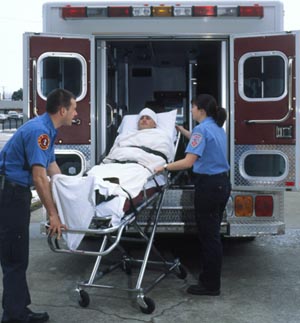
The life of a patient should be respected and there are situations in which a patient must be attended to even if he is not able to pay. Doctors know this and so they strive to give help when these situations pop up. There are different kinds of sicknesses. Even in the context of drug addiction there are people who are seeking help to quit addiction while there are people who are at the verge of losing their lives due to drug overdose. In medical laws any patient who needs an emergency response has a right to be treated and even a drug addict who is at the verge of losing his life as a result of addiction is termed an emergency case and so should be treated just like any other person who might have had a road accident and is bleeding uncontrollably. Any person has a right to treatment at the times of emergency since without treatment the person may become disabled or may die.


Situations like cardiac arrest, heavy bleeding, profound shock, severe head injuries, and acutepsychotic states are some examples of emergencies.  Both public and private hospitals have a duty to administer medical care to a person experiencing an emergency. It is therefore in every doctor’s domain to treat a patient that needs emergency response failure to which he shall be legally responsible for the death of the patient.

If a hospital hasemergency facilities, it is legally required to provide appropriate treatment to a person experiencing an emergency. If the hospital is unableto provide emergency services, it must provide a referral for approriate treatment. Hospitals cannot refuse to treat prospective patients onthe basis of race, religion, or national origin, or refuse to treat someone with HIV or AIDS.

Emergency Medical Treatment and Active Labor Act 

In 1986, Congress passed the Emergency Medical Treatment and Active Labor Act (EMTALA) (42 U.S.C.A. § 1395dd), which establishedcriteria for emergency services and criteria for safe transfer of patients between hospitals. This statute was designed to prevent transferring an undesirable patient to another facility.The law applies to all hospitals receiving federal funds, such asMedicare. The law requires hospitals to provide a screening exam to determine if an emergency condition exists, providestabilizing treatment to any emergency patient or to any woman in active labor before transfer, and continue treatment until a patient can bedischarged or transferred without harm. It also delineates strict guidelines for the transfer of a patient who cannot be stabilized. A hospitalthat negligently or knowingly and willfully violates any of these provisions can be terminated or suspended from Medicare. The physician, the hospital, or both can also be penalized up to $50,000 for each knowing violation of thelaw.

When a patient needs emergency attention he should receive it since if it is delayed there might be a loss of life. Therefore if a doctor is asked to attend to a medical emergency as defined in this statement, he must respond. This is both an ethical and legal obligation and therefore every doctor should abide. However rare there will be times when attending a medical emergency is impossible or unsafe for the doctor or patient. If a doctor chooses not to attend he or she may be required to defend that decision in the event of a charge of professional misconduct or criminal prosecution. The patient who needs medical attention is therefore catered for and should not be ignored.

A doctor is at risk of being professionally or criminally responsible of the death of a patient if he or she fails to render prompt and appropriate medical care to any person whether the patient is a current patient has just came in, in a medical emergency. A doctor who chooses not to attend must have good reason and be able to defend this position at a later time otherwise he will be charged in a court of law for medical negligence.

However there are situations when a doctor, may or should not attend a medical emergency. These scenarios may include;

  • if he or she is already attending another emergency
  • if it is more appropriate for an emergency service to attend (i.e. ambulance or rescue helicopter);
  • the geographical location of the doctor is such that another doctor or medical service can attend more promptly;
  • if he or she is off duty at the time of the call and has been drinking alcohol or taken medication or other substances to a level that may adversely influence the doctor’s level of competence;
  • If attending the emergency places the personal safety of the doctor at risk.
  • The doctor may also not attend to the patient if he is not in the right state of health himself or when he knows he is not competent enough to help the patient.

EmergencyHowever a doctor should be able to take good care of the patient even if he is not able to offer any reasonable help to the patient. He should be able to assist the patient to access another health center where he can be helped. If a doctor fails to attend to emergency because of matters of inconvenience he will be charged and prosecuted.

Medical access is a necessity to everyone that is why we at AWAREmed Health and Wellness Resource Center are committed to availing help to patients by availing the needed information and offering them a place to call home. Just call on Dr. Dalal Akoury (MD) today and begin your journey to victory against addiction, cancer and other diseases.


Doctor’s Responsibility in Emergency Care


Facebooktwitterpinterestlinkedin

Preparing the Brain and Mind For Safe Addiction Treatment

How To Ease The Brain, Calm The Mind Of An Addict To Initiate And Implement Safe Addiction Treatment

Getting the brain to alpha, gamma or delta wave before initiating addiction treatment to prepare the chaotic brain for safe addiction treatment

Recovery is in different steps, starting from the point where one decides to put down the drink or the drugs.it also involves living an honest, responsible and accountable life that is free of drugs and alcohol. Activities such as sex addictions and gambling can also harm a person. Drugs also alter the structure and functioning of the brain.

Addiction Treatment

Addiction is a complex disorder and each drug has different physical effects although they have one effect in common which is altering the brain’s functions. Taking recreational drugs causes a surge in the levels of dopamine in the brain which trigger feelings of pleasure. The brain remembers the feelings and wants them repeatedly. When one becomes addicted, the substance of addiction takes the same role as other behaviors that enable us to survive such as eating and drinking.

These changes in the brain affect one’s ability to think clearly, make sound judgments, control behavior and also affect the ability of one to feel normal without drugs. So, for one to be treated and hit the road to recovery, he should be put in a good frame of mind for results to be positive. The first step to recovery is acceptance. Recognizing that one has a problem is a key step to recovery.

A well planned intervention is designed to be of benefit to the addict, as well as his family. Interventions by professionals are controlled, organized and very effective. Preparing for a drug intervention involves bringing together close family members and friends that the person’s addiction has had an impact on. The meeting should be beforehand so as to plan on the best approach and to determine what is to be said.to help the addict, family members and friends should be positive in their tone. They should be loving and not attack the addict with words.

Action should then be taken immediately because any kind of delay can give the addict a chance to back out or have a change of mind.

Brain waves of addicts may be abnormal to some extent, and these abnormal brain waves may be the reason they got addicted in the first place. Therapists claim that they can use neurofeedback technique to help normalize brainwaves. Through participation in therapy, the addicts can retrain their brains to behave normally and by doing so reduce their compulsion to drug use.an example is a study which revealed that cocaine addicts were able to change their brain wave activity by using the neurofeedback technique. After the therapy, they showed a lesser craving for the drug, even when they were showed pictures of cocaine. But before the therapy, the pictures could have triggered their cravings.

Neurofeedback is a form of brain training and it takes one a lot of time to get used to.it involves the addict looking at a screen and being instructed by a therapist. When the user pulls his or her brainwaves into a proper alignment, the screen might show colors or music might be played. But as soon as the patient spins out of control, no feedback is given from the screen. After a while, the person can learn how to think in a way that he is more likely to be rewarded.

The good thing about neurofeedback is that it does not use drugs or needles and there are no tests involved in it. However, using neurofeedback takes long for one to see results, meaning that a lot of sessions are involved.

Addiction Treatment

Changes in brain function due to drug use can also have many behavioral effects, like the inability to control the urge to use drugs. This can be corrected by use of motivational enhancement therapy. This is a counselling approach whose aim is to initiate behavioral changes.it employs strategies aimed at evoking rapid and internally motivated change. This therapy starts by the therapist providing feedback to the initial assessment and simulating discussion about personal substance use and eliciting self-motivational statements. Motivational interviewing principles act to strengthen motivation and build a plan for reform. Therapists suggest ways of coping and adapting for risky situations and in the following sessions, the therapist monitors change as well as reviewing cessation strategies that have been put in place and continues to encourage commitment to sustained abstinence from drugs. Addicts sometimes bring their partners to the therapy. Research has shown that the effects of this therapy depends on the type of drug the patients used and the aim of the intervention. Doctors use this therapy successfully with alcoholics to improve their treatment engagement and reductions in problem drinking. Adults who are hooked on bhang make progress in recovery when using motivational enhancement therapies in combination with cognitive behavioral therapy. Patients using other drugs like heroin, cocaine, nicotine and for those who tend to use multiple drugs show mixed outcomes when undergoing motivational enhancement therapies. This therapy is more effective by engaging drug users in treatment than for producing changes in drug use.

Whether you need help on balancing adrenals or you are an addict who is looking for a natural way of gradually recovering from an addiction, Awaremed Resource And Wellness Center is your perfect solution. You are free to call us, for more go to www.awaremednetwork.com

How To Ease The Brain, Calm The Mind Of An Addict To Initiate And Implement Safe Addiction Treatment

Related articles

Facebooktwitterpinterestlinkedin

IV Amino Acid Therapy For Addiction Treatment

Addiction Treatment With IV Amino Acid Therapy

Amino acids are the building blocks of human proteins and it is these proteins that the body uses to build and repair all kinds of human tissues. Amino acid therapy is a very effective way and a detox strategy for assisting those addicted to drugs and even alcohol. This treatment started with an American doctor who was investigating how amino acids could be used to provide neurotransmitter balance in the brains of those suffering from certain mental disorders.

Drug and alcohol addiction is shown to result from neurotransmitter imbalance which can be corrected by administering amino acids. This kind of treatment is not appropriate for everyone but has helped in various cases. What alcohol and drugs does is that it alters the required balance among neurotransmitters in the brain and the amino acid therapy restores the original balance. Neurotransmitters are the chemicals that carry electrical impulses throughout the brain and also to and from the central nervous system. When the neurotransmitters get out of balance, due to alcohol or drug use, larger quantities are needed in order for the addicted patient to achieve the same pleasurable effect, a situation known as tolerance.

IV Amino Acid Therapy

During detox, the addicted patient experiences cravings and many other side effects as a result of the neurotransmitters imbalance. Amino acids treatment helps many addicts by restoring the neurotransmitters balance. The detox process involves the intravenous supply of amino acids and other essential vitamins and minerals to the addict. This method has shown success rates of about 80% within the United States and the United Kingdom.

The patient is normally hooked intravenously to a constant stream of amino acids, vitamins and minerals. Other medications are usually not administered with the amino acids so as to reduce the withdrawal symptoms as other medications can interfere with the work done by these amino acids.as the withdrawal symptoms begin, the intravenous solution is injected through the veins and goes directly to the brain through blood. Reaching the brain directly stimulates it to rebalance itself as soon as withdrawal occurs.

This treatment is rapid compared to the medicated detox which involves use of drugs such as opiates and takes weeks or months. Amino acids is faster and leads to recovery completely within a span of between five to seven days. For one to get the best results out of this therapy, it has to be combined with both mental and emotional aspects of addiction. Amino acids works as a substitute by giving the brain what it craves from the substance of abuse. Amino acids also eliminate most of the symptoms expected from a withdrawal.

This therapy has been found to be effective in neutralizing brain and body toxins involved, restoring brain function and balance, minimizing withdrawal symptoms and cravings, reducing potential for relapse and supporting the brain and nervous system. Amino acids are also essential for nourishing the brain that is recovering from addiction.

This kind of treatment is normally tailored to the individual but typical therapy cocktails include vitamin c, magnesium, vitamin b, zinc, selenium and amino acids. Intravenous amino acid is better because oral administration is hard on the stomach and intestines and less effective. This therapy is a biological shortcut that is fast and bypass intestinal absorption and liver metabolism. Using amino acids, brain chemistry can be changed to help normalize and restore deficiencies in the neurotransmitters that spur cravings

Examples of supplements given during the Intravenous therapy include:

  • D-Phenylalanine or DL-Phenylalanine which restores brain chemicals called enkephalins and endorphins which are depleted as a result of heroin, alcohol, marijuana, sweets, starches ,chocolate and tobacco use. The amino acid deficiency symptoms are sensitive to physical and emotional pain.it makes one to crave for comfort and pleasure, desire certain foods or drugs. The supplements Reward stimulation, prevent craving, and depression. Mild improved energy and focus, pain relief and increased pleasure are the effects of this amino acid supplement.
  • L-Phenylalanine or L-Tyrosine which restores Norepinephrine and Dopamine. These nutrients are depleted as a result of Caffeine, Speed, Cocaine, Marijuana, Aspartame, Chocolate, Alcohol, Tobacco, Sweets and Starches. The deficiency of these nutrients causes Depression, low energy, Lack of focus and concentration and Attention-deficit disorder. These supplements prevent craving, depression and provide increased energy as well as improved mental focus.

Amino Acid Therapy

  • L-Tryptophan or 5 hydroxytryptophan (5HTP) which restores Serotonin. Deficiency is brought about by Sweets, Alcohol, Starch, Ecstasy, Marijuana, Chocolate and Tobacco. The effects to the patient include bringing about low self-esteem, obsessive as well as compulsive behaviors, rage, difficulty in sleeping, cravings in the afternoons or evenings, negativity, heat intolerance and fibromyalgia. This supplement is an anti-craving, anti-depression and anti-insomnia.it gives improved appetite, mood and corrects other serotonin deficiency symptoms.
  • GABA (Gamma-amino butyric acid) restores GABA.GABA is depleted as a result of Valium, Alcohol, Marijuana, Tobacco, Sweets and Starches use. The negative effects for the nutrient’s lack includes Feeling of being stressed-out, Nervousness, Tense muscles and Trouble relaxing. The supplement Promotes calmness as well as relaxation.
  • L-Glutamine restores GABA (mild enhancement) and acts as a Fuel source for the entire brain. The deficiency causes Stress, Mood swings and Hypoglycemia.it is brought about by sweets, starches and alcohol. The supplement acts as an Anti-craving agent and anti-stress.it also Levels blood sugar and mood.

To assist in amino-acid nutritional therapy, the use of a multi-vitamin and mineral formula is highly recommended. Many vitamins and minerals serve as co-factors and serve to restore general balance, vitality and well-being to the patient who typically is in a state of poor nutritional health.

Whether you need help on balancing adrenals or you are an addict who is looking for a natural way of gradually recovering from an addiction, Awaremed Resource And Wellness Center is your perfect solution. You are free to call us, for more go to www.awaremednetwork.com.

Addiction Treatment With IV Amino Acid Therapy

Facebooktwitterpinterestlinkedin

Sex Addiction and Substance Abuse

Sex Addiction and Substance Abuse – Chemical changes in the Brain

Sex Addiction and Substance Abuse when the two are put together there will be the danger of broken relationship and even unpleasant sex life.

The rate at which sex addiction is growing in our societies today is worrying and the moral fabric is under serious threat of decaying each passing hour. Today with the accessibility of internet nearly every ware the growing speed of sex addiction and other illicit activities is almost getting out of hand. Little controls is being put to safe guard this and many are falling victims of thanks to the advancement in technology. Because of internet accessibility in many different forms sex and porn addicts receives their drugs of choice in the comfort of their leaving rooms, kitchen and bathroom let alone in their bed rooms.

Sex Addiction and Substance Abuse – Sex Changes Brain Chemistry

There is no difference between drug addicts with sex addicts; both are dependent on the chemical changes in the brain which create a euphoric feeling. Having an orgasm facilitates a neurochemical change in the limbic system of the brain which is responsible for:

  • Emotions
  • Drives
  • Impulses
  • Desires
  • Decision making
  • Happiness
  • Survival

Dopamine is the primary neurochemical that triggers your reward circuitry which is normally released through various activities including sex, eating, taking risks and even drinking water. Once the reward activity is stopped, dopamine activates cravings for it. For instance dopamine will create the urge for taking chocolate cake because consuming chocolate cake activates natural opiods found in the brain producing “feel good” sensations. It is important to note that dopamine will not be satisfied and will continue to crave opiods. Nevertheless when it comes to sex, dopamine drives the desire for an orgasm even though it is opioids that are responsible for the production of the orgasm.

It is important knowing that all substances and any addictive activities will have great influence and increase dopamine levels unnaturally. Deregulation of dopamine levels happens through various activities such as:

  • Cocaine intake
  • Meeting extremely attractive casino hostesses or attendant
  • Searching through the porn links
  • Consumption of junk food filled with fat and sugar

The consistent indulgence in activities which can trigger dopamine together with the feelings that come along with it can cause an individual who is defendant or an addict to progressively engage in self-defeating activities. With this tolerance builds as a result of repetitive behavior and the addict needs to increase the rate of behavior to realize the desired euphoric effect. The cycle of addiction is prolonged by the physical and psychological cravings produced by the addiction.

Sex Addiction and Substance Abuse – Sexual Addiction

Ideally sex is a good thing meant for good pleasurable feelings, it is never addictive however when the chemical changes that takes place in the brain during sexual intercourse are highly addictive then the desire for this change in the brain chemistry is what drives an addict to do things that would ordinarily be considered out of character and unacceptable. Such unacceptable behaviors may include the following:

  • Unsafe and unwanted sex
  • Consistent use of pornography and any related porn literature
  • Use of prostitutes and/or escorts for sexual pleasures
  • Use of dating ads for sexual hookups
  • Sexualizing all conversations even when it is not necessary
  • Crossing sexual boundaries with coworkers, friends and acquaintances

It may not take you long to identify a sex addict in your midst, for instance one such indicator that will expose that an underlying sexual addiction may be present is when someone is willing to continue engaging in known risky behaviors that have negative consequences. To understand this better let us take this illustration of a husband who will lie to his wife in order to get a free moment to meet an escort for sex even if it is for just one hour and after the act, he feels tremendous shame, guilt and remorse about his behavior. Over time, the negative feelings decrease and he repeats the same act out again and again not because he wants to sleep with other women, but just to satisfy the dopamine cravings for excitement, risk and satisfaction of sexual urges. At this point the husband is not looking to have an affairs but he is simply seeking for sex. Therefore sex addicts are not looking to have a relationship with the individual they are acting out with but are often making impulsive decisions based on insatiable urges that are very similar to drug or alcohol cravings. The consequences of impulsive decisions related to sex addiction are far reaching and may include:

  • Loss of job
  • Loss of relationships
  • Contraction of sexually transmitted diseases
  • Sexual dysfunction.

In many occasions most sex addicts will also use drugs or alcohol to escape from uncomfortable feelings and the reality of dealing with the consequences of their addiction which further compounds the whole addiction problem.  It is at this moment that you will need to seek the help of a professional to help you recover from these multiples of addictions. At AWAREmed Health and Wellness Resource Center under Doctor Akoury’s care you will not only get to recover from drug addiction but doctor Akoury will also help you even with your sexual problems in the most natural way while focusing on Neuroendocrine Restoration (NER) to reinstate normality through realization of the oneness of Spirit, Mind, and Body, Unifying the threesome into ONE all you have to do is to call and begin the recovery journey right away.

Sex Addiction and Substance Abuse – Warning signs of sex and drug/alcohol addiction are:

  • When use of drugs, alcohol and sex increases over time
  • Behavior is self-destructive
  • Excessive use of drugs, alcohol and/or sex affects the person’s physical health
  • Addiction negatively effects relationships
  • Behavior causes harm to others
  • Drugs, alcohol and/or sex are used to alter moods
  • An individual is unable to be satisfied by the behavior
  • Attempts to stop or end the behavior are made but are not successful

In conclusion there is nothing good about being an addict of any substance, matters could be complicated if you have multiples of addiction like sex addiction and drug or alcohol addiction. This will for sure have an unfriendly impact on each other.  For instance if a sex addict will indulge in use drugs and alcohol to cope with underlying painful feelings related to their behaviors and on the other hand, an alcoholic or drug addict who is trying to quit using may turn to sex or masturbation as a way to elicit euphoric feelings without the use of addictive substances. These conditions are incompatible and it is very important that you call doctor Akoury right now to book an appointment with her. She will evaluate both your addiction conditions and help you overcome all these frustrating conditions using painless natural methods to bring you back to life in a very short time.

Sex Addiction and Substance Abuse – Chemical changes in the Brain


Facebooktwitterpinterestlinkedin