Tag Archives: Addiction

Addictions and the Internet

The Potential of Web 2.0 Internet Technologies in Enhancing Treatment for Alcohol/Other Drug use Problems

Addiction and the internetOver the past decade there has been proliferation of e-health applications across disease categories. With the emergence of the next generation of Internet-based applications, Web 2.0, there are increasing opportunities for integrating these technologies into treatment approaches for alcohol/other drug use problems, in a way that engages and empowers like never before. No evidence currently exists to demonstrate the benefits of Web 2.0 applications, such as social networking and social media, on alcohol/other drug use problems. However, social learning and influence theories point to the possible mechanisms of action and effectiveness. More research is urgently required to examine the potential of Web 2.0 applications on alcohol/other drug use problems.

The internet has become very useful today. All information is sought online and medical information is no exception. As is evident the social platforms that came with the digital age are not only used to chat and catch up on social issues but have become a very valid platform through which professionals seek ideas and debate on crucial issues that are very important to their careers. The internet has become unequalled hub of information where professionals seek information and share ideas. Likewise patients have also found the internet a good place to air their concern and this has been boosted by the fact that you can be anonymous and still have your problems solved by professionals who may question and answer columns on their websites or blogs. The internet has the advantage of speed, unlike looking for information in a library full of books where you have to go through table of contents of many books to find what you want you just write the keywords on the search pane on the search engines like Google, Bing or Yandex and then the information will be brought within seconds. Even with many choices to select from you can still refine your search by keying in specific keywords that will make your search more local hence very effective. Today most internet users seek health information from the internet, it is estimated that 80% of internet users in America seek health information from the internet and 59% of them are adults.

The youth form the majority of the internet users, it is estimated that 71% of these youths seek health information online. Right now apart from email and search engines use, health information searching is the most popular activity for adults. There are also many forums that are created on online communities like Facebook and twitter that people use to access health information. On these sites people of like mind come together discuss their health problems and find solutions to their problems and drug addicts are no exception. The internet is a platform for seeking information but as it stands right now drug and alcohol addicts can get computerized treatments. Research testing the efficacy of computerized psychological treatments for alcohol and drugs addiction revealed that when coupled with weekly therapist support the computer-delivered alcohol and drugs treatment can be as effective as face to face treatment. With technology based for depression, it has been found that coupled with guidance it works twice better.

The web 2.0 technology

The emergence of web 2.0 technology may find the best solution that incorporates all the convenience and efficacy to the internet based treatment delivery while providing a platform for the development and maintenance of social connectedness and support which is key in achieving effectiveness in online computer-delivered treatments. However as stated earlier there is still little research reports that have been published on the subject of alcohol and other drug use and how they can be treated. But scientists opine that the web 2.0 has applications such as the social influence tool that can be useful in alcohol and other drugs use and treatment. This application allow individuals to learn in a more social context with changes in opinions, feelings , attitudes, thoughts and behavior as a result of group discussion. Interacting with like-minded individuals in the group helps in educating a person more on the issues of alcohol and other drugs abuse and how they can be treated.

internet
This application will help individuals to know more about drugs and alcohol before they begin using them. It is a known fact that most people who are now addicted to alcohol and other drugs of abuse were exposed to environments where these drugs were used, having a social forum where adolescents can seek information and learn about the dangers of alcohol and other drugs abuse they will stay away from the abuse of alcohol and other drugs. Many youths now stuck in the use of drugs began using the drugs when they were cajoled by friends who told them that using drugs of abuse is ‘cool’ and so they knew all the good things associated with drug abuse but no one ever told them the dangers of these drugs on friendly and in social context as they will learn on the web 2.0 applications. It is a known fact that adolescents listen to their peers more than they do to their parents and therefore the adolescents are led into using these drugs by their peers. The internet therefore presents an alternative interactive platform where these adolescents can seek information and guidance from health practitioners.

Finally, We at AWAREmed Health and Wellness Resource Center are committed to availing help to addicts by availing some of the most integrative approaches to healing an addict. We advocate for natural healing to all kinds of addiction. Call on Dr. Dalal Akoury (MD) at Myrtle Beach, South Carolina for help.

The Potential of Web 2.0 Internet Technologies in Enhancing Treatment for Alcohol/Other Drug use Problems


Facebooktwitterpinterestlinkedin

Intoxication, Reward and Tolerance

Neurobiology of Intoxication, Reward and Tolerance

RewardAs stated earlier, neurobiology is the study of cells of the nervous system and how these cells are organized of these cells into functional circuits that process information and influence behavior. Neurobiology is a sub unit of both biology and neuroscience. Neuroscience is much broader as a scientific study of the nervous system than neurobiology. Neurobiology helps us to understand how the neurons are affected by whatever we ingest. The neurons as you and me now know are very crucial as they are the chemical messengers that transmit signals to initiate certain crucial responses. However these neurons are often affected by drugs of abuse that in most cases depletes them rendering them incapable to function normally. As studied earlier in our brain there are different neurotransmitters that perform different purposes to ensure that all functions of the brain are well attended to. There are inhibitory neurotransmitters as well as excitatory neurotransmitters and the balance between these neurotransmitters must be achieved for better functioning of the brain but these drugs of abuse interferes with these balance by causing depletion of certain neurotransmitters creating an imbalance between the different categories of the neurotransmitters in the brain. In this article we try to find out how intoxication, reward and tolerance come about to users of alcohol and other drugs.

Intoxication

According to World Health Organization (WHO) intoxication is a condition that follows the administration of a psychoactive substance and results in disturbances in the level of consciousness, cognition, perception, judgment, affect, or behavior, or other psychophysiological functions and responses. The disturbances are related to the acute pharmacological effects of, and learned responses to, the substance and resolve with time, with complete recovery, except where tissue damage or other complications have arisen. They further explain that the term intoxication is a term that is commonly used in alcoholism and is the same in meaning to the common term drunkenness. Alcohol intoxication manifests in such symptoms as slurred speech, unsteady gait, disorderly conduct, impaired judgment, slowed reactions, loss of memory, vomiting, euphoria and insensibility among others. Alcohol has contents of ethanol among other fermented stuff. When taken ethanol will produce its depressive effects on certain areas of the brain resulting in physical and mental impairments. These problems will continue as the level of alcohol consumption is increased, therefore more alcohol means more intoxication.

Here is what happens in the brain

When alcohol is taken it increases the effect of the body’s naturally occurring neurotransmitter gamma amino butyric acid (GABA). As I mentioned earlier neurotransmitters are substances that chemically connect the signals from one nerve to the next allowing a signal to flow along a neural pathway. An inhibitory neurotransmitter (alcohol) reduces this signal flow in the brain. This explains how alcohol depresses both a person’s mental and physical activities. When you take alcohol 20% of ethanol will be absorbed into the bloodstream from the stomach while 80% is absorbed from the small intestines. However the more the ethanol stays in the stomach the slower it is absorbed into the bloodstream and the lower the peak in blood alcohol concentration. This is why when a person takes alcohol with empty stomach he will be intoxicated within such a short time. The food in the stomach normally slows the rate of alcohol absorption lowering the peak in blood alcohol concentration.

The reward system

The reward system is mainly dominated by the excitatory neurotransmitter known as dopamine. This hormone gives the brain its ‘high’, the euphoric feelings that is commonly sought by people who use drugs of recreation. Close to all addictive drugs directly or indirectly target the brain’s reward system by flooding the circuit with dopamine. Dopamine is a neurotransmitter present in regions of the brain that regulate movement, emotion, cognition, motivation, and feelings of pleasure. The overstimulation of this system, which rewards our natural behaviors, produces the euphoric effects sought by people who use drugs and teaches them to repeat the behavior. The persistent release of dopamine during chronic drug use progressively recruits limbic brain regions and the prefrontal cortex, embedding drug cues into the amygdala through glutaminergic mechanisms and involving the amygdala, anterior cingulate, orbitofrontal cortex, and dorsolateral prefrontal cortex in the obsessive craving for drugs Despite dopamine being the dominant neurotransmitter in the reward system there are also other neurotransmitters that work to modulate both the reward system and the psychomotor effects of addictive drugs. However there is still little literature to support this and so dopaminergic system is still the biggest consideration when reward system is to be tamed. Naturally the balance between the excitatory neurotransmitter and the inhibitory neurotransmitters enables proper functioning of the brain but with drugs the drugs will suppress the inhibitory neurotransmitters flooding the brain with dopamine which is the fuel behind reward.

RewardUnderstanding tolerance

Tolerance refers to a situation when a person ceases to react to a drug in initial doses and therefore higher dosage is needed for the effects to be achieved. This normally happens when a person has been using the drugs for a long time. This is common in the use of opioids in pain management, the patient will cease to respond to initial dosages and therefore need higher dosages to calm the pain. For example, morphine is often used for pain. It works by binding to opiate receptors where it triggers the inhibition of an enzyme called adenylate cyclase that orchestrates several chemicals in the cell to maintain the firing of impulses. After repeated activation of the opiate receptor by morphine, the enzyme adapts so that the morphine can no longer cause changes in cell firing. Therefore higher dosages will have to be administered for the pain to be calmed.

Finally, Dr. Dalal Akoury (MD) of AWAREmed Health and Wellness Resource Center is committed to helping all people trapped in drug addiction. Call on her today at Myrtle Beach, South Carolina for help.

Neurobiology of Intoxication, Reward and Tolerance


Facebooktwitterpinterestlinkedin

SBIRT and Its Benefits

Screening and Brief Intervention and Referral for Treatment

SBIRTWhat is SBIRT?

SBIRT is an abbreviation that stands screening, brief Intervention and Referral for Treatment. It is an evidence-based approach to identifying patients who use alcohol and other drugs at risky levels with the goal of reducing and preventing related health consequences, disease, accidents and injuries. Risky substance use is a health issue and often goes undetected. Screening, brief intervention and referral for treatment helps detect these health issues

It is a comprehensive, integrated, public health approach that provides opportunities for early intervention before more severe consequences occur of drug use occurs. There are tools that that have been approved to be effective in identifying people with or are at risk of a Substance Use Disorder that must be used in this procedure. Based on implementation of this model nationally, of 459,599 patients screened, 22.7 percent screened positive for a spectrum of use (risky/problematic, abuse/addiction). Of those who screened positive 15.9 percent were recommended for a brief intervention with a smaller percentage recommended for brief treatment (3.2 percent) or referral to specialty treatment (3.7 percent).

Why is Screening, brief intervention and referral for treatment Important?

SBIRT has been found to be effective in dealing with addiction. Apart from screening, SBIRT is an effective tool for identifying risk behaviors and providing appropriate intervention. Healthcare providers can use evidence-based brief interventions focusing on health and other consequences, preventing future problems by simply screening for high risk behavior.

The main objective of SBIRT is to identify and effectively intervene with those who are at moderate or high risk for psychosocial or health care problems related to their substance use so as to formulate strategies to help them evade the dire consequences associated with drug use.

Research Demonstrates Effectiveness

All studies that have been done on this subject have shown that SBIRT is an effective approach to dealing with issues associated with drug addiction. It has been found to be very cost effective yet has very positive outcomes. Several research findings show that SBIRT is an effective way to reduce drinking and substance abuse problems.

SBIRT incorporates screening for all types of substance use with brief, tailored feedback and advice. It can also be done in different settings. Screening does not have to be performed by a physician. Research shows that Simple feedback on risky behavior can be one of the most important influences on patient behavior and change.

Through research it has been found that:

Brief interventions are cost effective and yield positive results. Brief interventions are most effective among persons with less severe problems. In a report of a study done for U.S. Preventive Services Task Force in 2004 it is quoted that; “Brief interventions are feasible and highly effective components of an overall public health approach to reducing alcohol misuse.”

Based on many researches that have been done on the subject there is substantial evidence for the effectiveness of brief interventions for harmful drinking. There is a growing body of literature showing the effectiveness of SBIRT for risky drug use.

Since 2003, SAMHSA has supported SBIRT programs, with more than 1.5 million persons screened. Out of these people, 40 percent showed a reduction in harmful use of alcohol by those drinking at risky levels and a 55 percent reduction in negative social consequences. The data also showed positive benefits for reduced illicit substance use. The evidence of this is in a review of SBIRT GPRA data (2003−2011).

Brief Intervention

Brief Intervention refers to a brief motivational and awareness-raising intervention given to risky or problematic substance users. There are steps involved in brief intervention.

Steps involved in Brief Intervention

  1. Build rapport– here begin with a general conversation to avoid tension and create a good relationship with the patient. Ask the patient to allow you to speak about alcohol and drugs, whichever he may be subject to. When the conversation is going on discuss the advantages and disadvantages of using alcohol, let him tell you these points.
  2. Provide feedback- ask the patient to allow you to give your feedback on the issue, discuss your screening findings with him and link any substance use behaviors to any known consequences.
  3. Build readiness to change- Create the urge to change in the patient, talk to the patient and let him know that you really have to know how much he is interested in making a change. You know how bad he wants the change by using a scale of 1-10. Ask him this question: On a scale from 1 to 10, 1 being not ready at all and 10 being completely ready, how ready are you to make any changes in your substance use?
  4. Negotiate a Plan for Change

SBIRTAfter knowing where his interest lies on the scale you will give him the opportunity to choose which way to take between the available options. Whether to choose a plan for reducing alcohol use to low risk levels or to go continue with receiving specialty treatment services.

What are the benefits of SBIRT?

This approach to treatment of alcohol and addiction to other drugs has been found to be very beneficial. Some of its benefits include: It prevents disease, accidents and injuries related to substance use, resulting in better patient outcomes. It also reduces the cost of healthcare needless to mention SBIRT is reimbursable, billing codes are available in New York State.

Finally, Here at AWAREmed Health and Wellness Resource Center we are committed to availing help to addicts by availing some of the most integrative approaches to healing an addict. We advocate for natural healing to all kinds of addiction. Call on Dr. Dalal Akoury (MD) at Myrtle Beach, South Carolina for help.

Screening and Brief Intervention and Referral for Treatment


Facebooktwitterpinterestlinkedin

Understanding withdrawal


Neurobiology of withdrawal

WithdrawalThe biggest challenge to all addicts that makes it hard for them to quite using drugs is withdrawal. Most addicts are not using the drugs because the like using the drugs but rather because they are enslaved to the drugs in such a way that whenever they try to boycott the drug the withdrawal symptoms will be too overwhelming to deal with and so they end up succumbing to the intense craving of their drug of abuse, some choose to go back to their old life where drugs matter simply because they want an instant relief from the withdrawal symptoms. The instant relief will be achieved but this will escalate the problem even further as the patient will be following the same tradition.

To walk with everybody, we need to understand this whole topic, the term withdrawal is not new as it has been defined in previous articles. However we need to define neurobiology so that we all are on one ground.

What is Neurobiology?

Neurobiology is the study of cells of the nervous system and how these cells are organized of these cells into functional circuits that process information and influence behavior. Neurobiology is a sub unit of both biology and neuroscience. Neuroscience is much broader as a scientific study of the nervous system than neurobiology.

It is crucial to understand the functions of the neurons. Firstly, the neurons are cells that are specialized to receive, propagate, and transmit electrochemical impulses to initiate certain responses that are critical for proper functioning of the body. The brain of a human being has more than a hundred billion neurons. These neurons however are diverse in morphology and function.

The nervous system is very important owing to its many function, it is therefore good to note that it should be healthy at all times since any slight effect on the neurotransmitters goes a long way in affected not only the health of a person but also his behavior. Illnesses that affect the nervous system are known as neurobiological disorders. These neurobiological disorders are often caused by genetic, metabolic and other biological factors. Most of the illnesses termed as psychiatric disorders are neurobiological. These may include; bipolar disorders, obsessive-compulsive disorders, autism, Tourette syndrome and even schizophrenia. To avoid most of the neurobiological disorders, it is good to maintain a good nutrition and avoid substances that may deplete the neurons and interfere with the proper functioning of the nervous system. In this article we will explore what happens to the nervous system that causes withdrawal.

What causes withdrawal symptoms?

A person using any type of recreational drug risks suffering from its severe withdrawal symptoms and each drug of abuse has its own unique withdrawal symptoms that those who depend on the drug have to suffer. However it is good to note that you cannot suffer any withdrawal symptom however long you use a drug until you become dependent on the drug. You first have to depend on the drug to suffer its withdrawal symptoms. Without dependence there is no withdrawal.

Neurotransmitters are naturally synthesized in the cell body and migrate down the axon to the presynaptic terminals. Here they are stored in little packets called vesicles which fuse with the synaptic membrane. When a depolarizing current is received, these vesicles release their contents into the synaptic cleft. These happen naturally without dependence on any drug.

The neurotransmitters relay signals between nerve cells, called neurons. The brain uses neurotransmitters to tell your heart to beat, your lungs to breathe, and your stomach to digest. They can also affect mood, sleep, concentration, weight, and can cause adverse symptoms when they are out of balance. However neurotransmitter levels can be depleted many ways. One of the biggest contribution to the depletion of the neurotransmitters is the use of drugs both prescription and recreational.

When you use drugs, especially the recreational drugs for a long time there are neurotransmitters that are affected. The neurotransmitters in the brain have specific purposes that together ensure the right balance in the brain for proper functioning of the neurotransmitters. There are both inhibitory and excitatory neurotransmitters in the brain. There must be balance between these neurotransmitters if the brain is to work normally. However when a person has become dependent on drugs, the balance between these neurotransmitters is interfered with. The inhibitory hormones include:


Serotonin- this neurotransmitter is anti-stimulant. It suppresses all the effects of drugs recreation that works to stimulate the brain. It should be available in good levels to ensure balance in moods too. When you become dependent on recreation drugs serotonin becomes depleted and so the ‘highs’ of the brain will be unregulated making the brain dependent on the drugs. Any attempt to stop using the drug will cause withdrawal. Plus it is serotonin that controls cravings for carbohydrates and even responsible for sleep cycles when it’s depleted the withdrawal symptoms become inevitable.

WithdrawalGABA –this also regulates the excitatory neurotransmitter firing to the brain, however when drugs of recreation are used for a long time this neurotransmitter becomes depleted further creating an imbalance in the brain.

Just like inhibitory neurotransmitter excitatory Neurotransmitters are also very important but are also affected by drugs of abuse. These include;

Norepinephrine- is an excitatory neurotransmitter that is responsible for stimulatory processes in the body. Norepinephrine helps to make epinephrine as well. Drugs suppress your brain’s production of neurotransmitters like noradrenaline. When you stop using drugs or alcohol it’s like taking the weight off the brain, and your brain rebounds by producing a surge of adrenaline that causes withdrawal symptoms. Plus when the levels of inhibitory neurotransmitters are low it means the levels of excitatory neurotransmitters are increased and this causes anxiety and low moods which are common symptoms of withdrawal. Other excitatory hormones that are subject to drug abuse include dopamine and epinephrine. The imbalance between the excitatory and inhibitory neurotransmitters is responsible for withdrawal in drug users. We at AWAREmed Health and Wellness Resource Center are committed to availing help to addicts by availing some of the most integrative approaches to healing an addict. We advocate for natural healing to all kinds of addiction. Call on Dr. Dalal Akoury (MD) at Myrtle Beach, South Carolina for help.

Neurobiology of withdrawal


Facebooktwitterpinterestlinkedin

Shared Medical Appointment: An Innovative Practice Model

Shared Medical Appointment: An Innovative Practice Model

A visit to a physician can always be such a tense moment. This is often characterized with a lot of anxiety and high expectations on the part of the patient. As a patient you want to get well. Yet you are also torn between the desire to get well and the fear of negative outcomes. It is usually worse with chronic conditions such as diabetes, heart conditions, asthma and ulcers.

It is based on such considerations and a hoard of others that it becomes necessary for the medical practitioner to adopt a method or initiate one that is more likely to make the medical appointment a less excruciating experience.

If the practitioner is able to turn the tension of the moment into a fun filled experience then it is a definite straight up success. It is not just the victim who enjoys the benefit of the experience with the medic, rather, the medical expert also stands to derive considerable gratification from handling a satisfied patient. No palm wetting, no forehead sweats; just a cool and non-tense exchange between a medic and his or her patient.

Impetus for the shared medical appointment approach

The shared medical appointment can be said to be resulting from the above line of considerations, to make the experience a natural process.

This shared medical appointment model, also referred to as group visits, cluster visits or problem solving drop-in group medical appointments (DIGMA) has been orchestrated with the core objective of inspiring the medical practitioner to come up with, implement and appraise shared medical appointments chiefly for patients with diabetes.

The model is basically an innovative approach that has a distinctly different methodology as opposed to the usual diabetes education classes. It involves a group of 12 to 16 patients meeting up with a doctor, medical assistant, behaviorist, nurse, and dedicated documenter for a time period of one and a half hours.

The traditional diabetic classes on the other hand usually address self-management techniques, the question of exercise and recommended nutrition for these patients. The group visits provide medical evaluation, the coordination and provision of precautionary services, mechanisms of adjusting medication, all which often miss in the ordinary diabetic classes.

The model succeeds in its conception as being innovative since it is found to improve the care offered to conventional patients of chronic disorders which primarily include diabetes as well as asthma, coronary disease, and urological conditions by aiding the use of available resources far more efficiently.

shared-Medical-appointments

The majority of successful shared medical appointment programs have included an element of case management and between-visit care coordination. The program is traditionally headed by a nurse, a physician or nurse practitioner.

If you set up a limited component of care management for group of patients who attend the programs of these cluster visits the program can be quite a useful step toward a wider use of care coordination within your field of practice.

A patient of diabetes may use these shared medical appointment programs in the place of a primary care or they can as well alternate the two sets of care arrangements: group visits and the one-on-one care units.

Other than the group education services typically offered in group visits, collective problem-solving, focused secluded or partially private health evaluations which allow for personalized medication adjustment; the programs may also involve ordering of referrals and preemptive services.

The sessions may always vary. They may go from one hour to even several hours depending with the physician-patient arrangements. Each session may have a varied number of attendees, with the typical maximum being 20 persons.

Benefits of the Group Visits Model

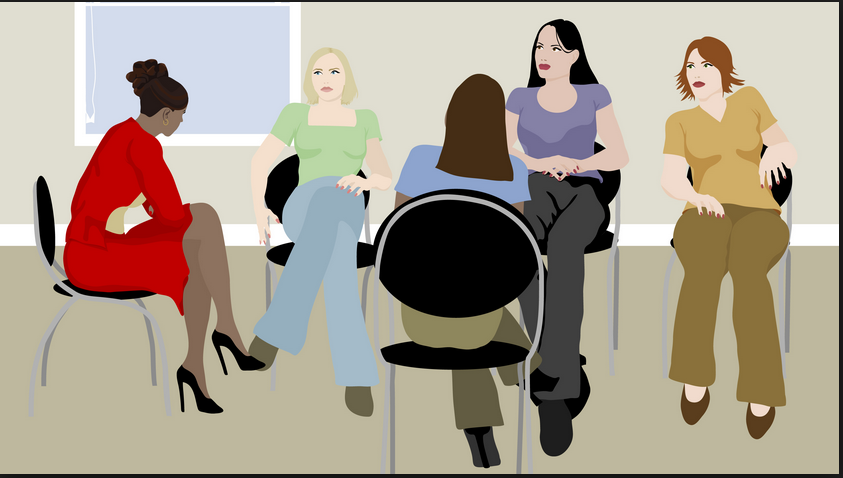
shared-medical-appointment Past medical records have indicated that patients generally enjoy interacting in a shared form of environment. There are less cases of tension associated with medical situations and this can always provide a lot of encouragement to those who attend the sessions while providing them with essential tips that may not be received in a short medical visit.

Physicians also benefit from the change of pace typical of these programs and have a chance to innovatively and much more thoroughly attend to the matters presented by chronic disorders which are common in most of the primary care circumstances.

Evaluations of the shared medical appointments have also reported a general increase in satisfaction levels of the patients and clinicians along with improved quality of care offered in the cluster situations. There have also been a reduction in the aggregate emergency section and specialist visits by these patients. This indicates a general possibility of increased perfection in following the directions provided during the sessions.

What makes the cluster visits even more beneficial is the communal environment created by the group approaches. Patients are able to share experiences freely and feel relieved by the existence of certain critical but shared experiences. It is human nature that you feel better when you know that you are not alone in your situation. Just the environment alone, the sight of many people supposedly in for the same course is enough to relax a patient’s nerves.

The patients attending the sessions are able to share their concerns collectively and get responses. This may help in two different ways. A patient who is either shy or simply unwilling to ask a pressing question may benefit from another patient asking the same. Secondly, a patient may get response to a question that he or she might have forgotten to ask the nurse or the physician in attendance. In general, the patients learn from the healthcare team in session, from one another as well as from the environment itself.

About the doctor

Dr. Dalal Akouri has years or experience attending to patients with various life threatening chronic illnesses and is proud to have improved the lives of such patients. You too can join this vast community of patients who have seen the fruits of her work by contacting het today.

Shared Medical Appointment: An Innovative Practice Model

Related articles

Facebooktwitterpinterestlinkedin