Tag Archives: Addiction

Understanding Bulimia in relation to Addiction

What is the relationship between Bulimia and Addiction?

For better understanding bulimia nervosa is an eating disorder that has a lot in common with drug and alcohol addiction. Overlapping behaviors of substance abuse and eating disorders are well-known; according to the National Center on Addiction and Substance Abuse, approximately 35% of all women suffering from alcoholism also suffer from some form of an eating disorder.

There are many factors that can explain the connection between addiction and bulimia.

  • Genetics are one of the factors. The percent of the phenotype connection between bulimia nervosa and substance abuse is very high: 83%. Biology and genetics of a person directly determine their vulnerability to developing drug addiction, an eating disorder, or both.
  • Environmental factors such as childhood abuse, trauma, life transitions (moving to college, the death of a loved one, experiencing a divorce, etc.) or family history can influence the vulnerability of an individual. A person is more likely to abuse drugs or to suffer from eating disorders if a family member had the same problem and similar behaviors.

Therefore understanding bulimia nervosa in relation to addiction lays in common behaviors and characteristics. Compulsivity (purging, excessive exercise, drinking, etc.), obsessive preoccupation (any obsession: with food, activity, or substance), ritualistic behaviors, social isolation and impulsive choices are behaviors connecting bulimia and addictions.

Psychological connection between bulimia and addiction includes low self-esteem, anxiety, and depression. This can be an enchanted circle of co-morbid conditions and suffering from bulimia, and a drug addiction can be devastating and too much to handle. All of the consequences can be destructive to both the individual and those around him who love and care about him/her.

Addictions have much in common. Integrated Addiction Conference has a lot to offer to those who are looking to learn more about different addictions, connections between them and treatments. Visit the official website and register http://regenerativepotential.com/integrativeaddictionconference/

Bulimia and addiction (drug addiction more than others) often have in common the underlying cause and consequences. Researches show that bulimia comes first, and drug addictions follow this eating disorder. Some drugs like methamphetamine reduce hunger while other drugs and alcohol “help” vomiting.  Once again, researchers show that majority of people suffering from bulimia are young women. Why is this so? Bulimia has much to do with self-image and self-esteem. Wrong picture young woman get of their bodies lead them into torturing their body and vomiting after meals, to avoid consuming calories. TV shows, advertisement, social networks and the internet are promoting wrong ideals that people look up to; this leads to various disorders and addictions or a combination of these two.

People suffering from Bulimia nervosa often opt for marijuana to relax and calm down a bit. Their lives are stressful, and their psychical state requires professional help. Instead of admitting they have a problem, people usually turn their head and look for things to ease the pain or to keep their thoughts away from the problem.
Understanding Bulimia

Understanding Bulimia in relation to Addiction paves the way for meaningful treatment

Bulimia and addiction have much in common, and they can be treated at the same time. Like mentioned, there is usually the same cause underlying and by detecting the reason for addiction/bulimia, professionals will be able to help the patient and start the treatment with enough information.

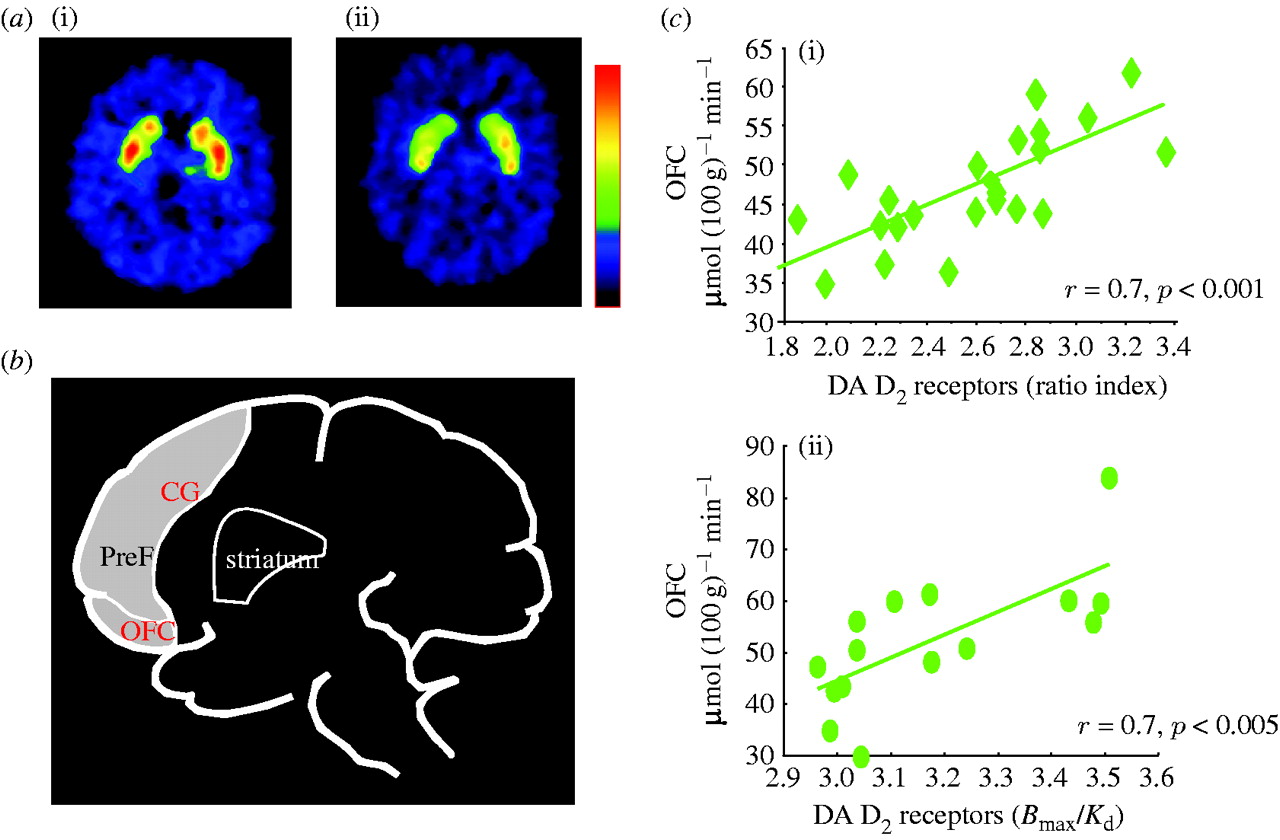
Columbia University conducted a new study that shows the connection between bulimia and addictions from a different, biological angle. The study shows that people suffering from bulimia have similar dopamine hormone abnormalities in their brain, just like cocaine or alcohol addicts have. Also, craving for drugs/alcohol and feeling the urge to activate same parts of the brain. For more information, visit the Integrate Addiction Conference and find out more biological connections between bulimia nervosa and addictions. At the official website of the Conference, you will find more details about registration and speakers who will educate you more on these topics. Visit http://regenerativepotential.com/integrativeaddictionconference/ and learn from experts about the connection between bulimia and addictions and how to treat them.


Check out our Integrative Addiction Conference 2016 being held in Austin, Texas

Understanding Bulimia in relation to Addiction: Therapy

Treating Bulimia Nervosa and addictions (drug addiction or alcohol addiction) can be treated at the same time, due to their similarity. Most common ways are psychotherapy therapies (both group and individual) and cognitive-behavioral therapy. These therapies focus on the psyche of the patient and try to reach deeper to the cause of the problem. Group therapies are a good choice because they show patient they are not the only ones suffering from eating disorder and addictions. They will socialize and see the problem from a different angle, once they hear other people’s stories.

Now that we are understanding bulimia and addiction to have a very strong connection, it is important that we look for lasting solutions to this problem. Usually, there is one place to look at to find out the cause of these disorders. Professional help is required because these states can severely damage individual’s health and life quality, as well as the life of people who love them. Educate yourself more at http://regenerativepotential.com/integrativeaddictionconference/ and explore the connection between bulimia nervosa and addictions at the Conference.


 

Facebooktwitterpinterestlinkedin
Increasing sex performance

Understanding addiction objectively

Understanding addiction objectively and elaborately: What is Addiction? Perspective

Understanding addiction

Knowing when to seek treatment for alcoholism and other drugs complications will be possible with understanding addiction objectively.

Do we really understand what addiction is? Amides the confusion spread around about this vice are you taking any initiative to be on the know? If you don’t, we are. From the expert point of view, addictive behaviors are characterized confusion and very complex patterns in human daily activity. Talking of the behaviors they may include a collection of drugs and alcohol abuse, eating syndromes or disorders, compulsive and pathological gambling, extreme undesirable sexual behaviors and many other behaviors in the same concept and patterns. According to the experts from AWAREmed Health and Wellness Resource Center under the able leadership of its founder doctor Dalal Akoury MD, These and many other behaviors have totally disregarded explanation from time immemorial. A lot is still being done to bring clarity in this matter but for the purpose of this discussion, doctor Akoury and her team of experts are going to help us in understanding addiction objectively and elaborately for you and the general public to come to the realization of what we are dealing with.

Addiction is quite elaborate and comes in different varieties including medication, psychology and psychiatry all these and many other fields have impacted on our understanding of addictive behaviors. Currently and to help us in understanding addiction objectively, the biological descriptions of addiction has become quite prevalent. Like for instance it is seeking to understand alcoholism by identifying its genetic and neurochemical complications attached. Doctor Akoury explains that as we comprehend the biology approach in handling addiction, the social and cultural influences are also sprouting as a force. For example, not everyone who is inclined genetically to drunkenness ends up with the disorder. Some people who are not susceptible bio-genetically to drunkenness or other addictions but will still acquire the condition. Therefore, the point we are passing across is that both social and psychological elements will remain important factors in ascertaining who does and who does not develop addictive behaviors says doctor Akoury.

Understanding addiction objectively and elaborately: Are drugs addictive?

It is true that every time addiction is mentioned, our minds loop to drugs because that is what we know from the teachings we were brought up with. Every time adverts are made about such substances, we are warned be careful alcohol or cigarette smoking is harmful to your health and so we are made aware of the consequences of using such elements. And because of that we think or do I say that we are sure that heroin and cocaine are addictive but the truth is that addiction is not just a property of drugs, yes it is a fact that drugs are highly connected with addiction, but it is important to note that addiction as a condition results from the relationship between a individual and the substance of their addiction. In understanding addiction objectively, there is no doubt that drugs will definitely have the capacity to introduce physical dependence and an abstinence syndrome in people’s lives like through neuroadaptation. And in fact new research findings has suggested that neuroadaptation also results from addictive behaviors that do not require ingesting psychoactive substances like gambling for instance.

Although neuroadaptation (i.e., tolerance and withdrawal) can result from a variety of repetitive behaviors it is not the same as addiction. It therefore means that if in any case neuroadaptation and its common manifestation of physical dependence were the same as addiction, then it would be improper to reflect pathological gambling as an addictive behavior. In the same way it will be erroneous to contemplate talking about sex and love addiction and their victims. Many people who use narcotics as post-operative pain medications never display addictive behavior even though they have become dependent physically on these psychoactive substances. Stopping drug abuse will not end addiction, since addictive behavior patterns (e.g., gambling) can exist in the absence of drug abuse. Addiction is not simply a qualitative shift in experience it is a quantitative change in behavior patterns: things that once had priority become less important and less frequent behaviors become dominant. Addiction represents an intemperate relationship with an activity that has adverse biological, social, or psychological consequences for the person engaging in these behaviors.

Understanding addiction objectively and elaborately: Integrative Addiction Conference

Because we understand that you are disturbed with this endless addiction condition, we want to help you get the best to solve your problems. Being well informed about addiction is paramount if you are to shed off any attachment that comes with being addicted to any given substance or activity? For that reason doctor Dalal Akoury and AWAREmed Health and Wellness Resource Center, have resolve to hold annual addiction conference workshops that adopt the partnership and dialog among integrative Medical experts in nurturing, empowering, motivating, cozy atmosphere. This year 2016 we are having our second Annual Integrative Addiction Conference Workshops at Austin Texas: Doubletree by Hilton Austin. This conference is an opportunity for you to make a difference in your career and also to rejuvenate your income in your clinic. You can get in touch with us at 6505 Interstate Highway-35 North Austin, TX 78752 telephone number: 512-454-3737 Fax: 512-419-0102.

Finally as an individual it will be very important for you to make a point of attending this conference so that together we can put this problem behind us. And as you consider doing that we appreciate that understanding addiction objectively more so if you are already struggling with it may not be easy and that is why doctor Akoury and her team of experts at AWAREmed Health and Wellness Resource Center have their doors open for you. All you need to do is to pick that phone and call them to schedule for an appointment that will not only make you have your life back but also make you a true ambassador of change in your community. Kindly waste no time and make that life changing phone call now because somebody is on the line waiting to help you right away.

http://regenerativepotential.com/integrativeaddictionconference/


Facebooktwitterpinterestlinkedin
addiction-overlap

Obesity and Addiction: Food and Drug Reward Overlap in Brain

Obesity and Addiction:  Food and Drug Reward Overlapping Circuits in Human

Obesity can be a consequence of hormone imbalance, genetic mutations, and other diseases, but obesity can also be a direct result of eating disorder – food addiction. What do food and drugs have in common? They can both make you addicted and have adverse effects on your life and do severe damage to your health. Food and drug reward overlapping circuits prove our body is amazing work of art: there are millions and millions of processes going on, and our brain can develop good or bad habits, depending on many different factors. Finding the similarities between obesity and addiction helps treat the disorder more efficiently and proves everything can be normalized once the real cause of the problem is detected.

food and drug reward overlapHow food and drug reward circuits overlap?

The key word to this question is dopamine. This hormone plays an essential role in both food and drug addictions. Overeating is the first signal of addiction. Any other consumption of food other than eating from hunger is driven by reward properties that affect mesolimbic dopamine (DA) pathways. Although food and drugs activate DA pathways differently, the result is the same: our body produces hormone of happiness as if we did something good and got rewarded for it. Just like Pavlov’s dog, our body produces dopamine even before the food is consumed, making changes in our brain and causing the circle of addiction. Our brain tricks us and makes us think this food will do us good and that we need to eat it: we see food, our brain sends the signal of happiness and desire to eat it; we eat it because we want this dopamine hormone to increase; we connect food consumption to the feeling of pleasure, and we practically become addicted to dopamine caused by food consumption. This is the reward cycle which is pretty much similar to drug addiction.

How is addiction born?

If this action of consuming food when not hungry repeats over time, supraphysiological DA is repeatedly stimulated and this causes plastic changes in the brain. This means we will react the same way over and over again because our brain is used to perceiving food as a reward. Vulnerable individuals are more likely to develop food addiction and to have “plastic changes in brain”. If you want to learn more about addictions, how and why they appear and how different addictions are treated, register for Integrative Addiction Conference (http://integrativeaddictionconference.com ). Educated professionals will share their knowledge, latest researches in science and their experience with you.

What kind of cycles exists?

Proper functioning of neuronal circuits is required to gain the ability to resist the urge for drugs or food. Six of those circuits are important for addiction: reward/saliency, inhibitory control/executive function, conditioning/habits, motivation/drive and interoception and aversion avoidance/stress reactivity. What maintains the overconsumption of foods or the taking of drugs is the discrepancy between the blunted neurophysiological effects and the expectation for the food/drug effects (conditioned responses).

Drug addicted and obese individuals have more in common than impairments in dopaminergic pathways. These pathways regulate the neuronal system, which can be associated with more than reward sensitivity. Conditioning (learning/memory), stress reactivity, impulse control and interoceptive awareness are also controlled by the neuronal system and are affected by dopaminergic pathways. Dopamine controls all these and is the key to both drug addiction and obesity.

According to neuroimaging studies, the middle insula plays a critical role in cravings for cocaine, cigarettes and – food. Individuals with damage in this region are more likely to stop with their addictions without experiencing relapse or cravings. The insula has another important role: it is a primary gustatory area. This area participates in many aspects of eating behavior, for example in taste. On the other side, the rostral insula (which is connected to primary taste cortex) processes and represents the pleasantness or reward value of the food one is about to eat. Insular is involved in the interceptive sense of the body, in motivation, in emotion and emotional awareness; therefore, a contribution of insular impairment in obesity is expected.

addiction overlapIntegrative Addiction Conference is the place where you can find much more about the connection between drug addiction and obesity and the way the brain works. Visit our website and register for this incredible educational experience:  http://integrativeaddictionconference.com/

Although obesity and addiction overlap in the brain circuits, there is still a difference: food intake behavior regulation is much more complex than the regulation of drugs. Drug intake is mediated by rewarding effects of drugs while food intake is controlled not only by hedonic factors (rewarding factors) but also by multiple peripheral and central factors; these factors are the so-called homeostatic factors; they sense the nutrient requirements of the body necessary for survival). Science is discovering more and more evidence that homeostatic factors (insulin, leptin, ghrelin…) modulate food intake; homeostatic factors increase and decrease the sensitivity of brain reward circuits to food stimuli.

Overall, the rewarding cycle is present in both food overconsumption and drug abuse; there are many more overlapping points of two circuits. You can find out more at the conference. Professionals will give you any information you need and remove your doubts. Visit the website and register for education: http://integrativeaddictionconference.com/


Facebooktwitterpinterestlinkedin
drugs at workplace

Solving stress complications and substance abuse

Solving stress complications and substance abuse: Providence of temporary relief from stress

Solving stress complications

Solving stress complications and substance abuse is a must if one is to live a much comfortable life. The tow conditions doesn’t complement one another and must be addressed individually and even collectively.

If there is anything that is causing us sleepless night in our daily activities, then it must be stress. In all sectors of life there will be something stressful and worrying. Certain stress can be very demanding positively while others can be very chronic in nature. In all these we have a duty of taking care of ourselves and being free from any danger caused by stress. Many people are not able to be good managers of their stressful situations and this article is going to interrogate a few points about stress to help you pick up portions that can help you be safe. Therefore our point of focus is going to be on solving stress complications and substance abuse in our daily lives. Talking to the experts at AWAREmed Health and Wellness Resource Center, it is very evident that the effects of stress can cause harm to people’s mental and physical well-being. The experts at this facility are agreeing that the situation may not be all that bad, but the inability of people to deal with it effectively is the born of contention. Many at times people often choose the wrong ways in dealing with stress. Like for instance, many have attempted to manage their stress by indulging in alcohol or drugs. This is what worries experts the most and doctor Dalal Akoury MD, President and founder of AWAREmed Health and Wellness Resource Center is making emphasis that it is this type of self-medication often offer a misleading temporary relief, and hence people run to alcohol and other illicit substances which are self-defeating. The understanding of that point is that an individual while under the influence of their choice drugs may feel better but the moment sobriety sets in, they pick up the pieces and often become even more stressful than they were before. Currently we have several ways of managing stress which doctor Akoury is going to share with us in a short while but in the meantime, let us understand the definition of stress clearly.

Solving stress complications and substance abuse: Definition of stress

Stress is known to everybody yet giving clear definition to this (stress) has proven very difficult to many. All that people often do while defining stress is to give details of a long of consequences of stress and some of the examples of what stress does. However in simple terms stress can simply be defined as the extent through which the human body attend and address life prevailing circumstances and demands. It does this by releasing different chemicals in the body so that it is prepared to take action. The fight or flight response is produced by the body when there is a sense of danger. Because of what stress is, we can allude to two significant elements that is bad reputation which is very essential for survival too. Why is this so? Listen to this suppose people were not reactive to the external events, they would certainly be in danger. On the other hand stress can be of some benefits take for example like for instance when one is preparing to sit an examination, there is always some pressures that come with ensuring that the student sits and pass the exam. It is stress that will cause the student to remains focus lets they fail to meet their objectives of doing well in the exams.

Stressors and triggers of stress response

Anything that triggers the stress response is referred to as a stressor. The most common stressors include:

  • The dangers of chronic stress
  • Substance abuse as a self-medication for stress
  • The dangers of using alcohol and other substances

Solving stress complications and substance abuse: The Dangers of chronic stress

If people spend a lot of time feeling stressed it can begin to cause damage both physically and mentally. This is because the chemicals associated with the stress response are only meant to be in the bloodstream for short periods. Those who are chronically stressed will have such chemicals working overtime and the dangers of such chronic stress may include:

  • Chronic stress causes the immune system to become less effective. This is because stress forces the immune system to release chemicals so that they end up being overused. Instead of helping people fight off infections, these chemicals begin to damage the individual’s own organs. This can increase the risk of heart disease and diabetes.
  • Chronic stress leads to fatigue and depression. Those who are dealing with a lot of stress in their lives will have poor mental health.
  • It can increase the risk of developing ulcers and digestive problems.
  • Many people who are dealing with chronic stress will turn to substance abuse.

Substance abuse as self-medication for stress

We have already sited self-medication as a situation where people resort to using alcohol or drugs as tools of managing their stressful moments. These substances are just but depressants. Take for example a depressant like alcohol produce a calming effect on the body, and by so doing so, the individual will feel like they have escaped their difficulties. Because of this they may start to take these substances more and more as a way to manage their stress levels. This is dangerous because the cure can be far more damaging then the initial symptoms.

The dangers of using alcohol and drugs to deal with stress

Finally dear reader, indulging in alcohol and drug usage life is a short lived solution. This can be very dangerous because of the following:

  • It can lead to addiction. If this happens then the individual may find it difficult to stop. Addicts can end up losing everything including their possessions, health, friends, family, and self-respect.
  • Substance abuse only masks the problem and doesn’t solve it. It will be almost impossible for the individual to learn better ways of managing stress while they are still abusing alcohol or drugs.
  • Substance abuse increases the amount of stress in people’s lives. It makes it difficult to be effective at work, and it damages people’s ability to form meaningful relationships. The longer a person abuses these substances the more things they will have in their lives to feel stressed about. The whole exercise will then be repeated again and again causing the individual to be deeply rooted into drugs thereby causing then to be prisoners of substances and failing to escape the stress that is being caused by their substance abuse.

You can however escape this tragedy by scheduling for an appointment with doctor Dalal Akoury today for a more professional treatment that will bring back your life to its best.

Solving stress complications and substance abuse: Symptoms of Stress

Facebooktwitterpinterestlinkedin
Sexting

Understanding computer addiction a silent killer

Understanding computer addiction as a silent killer: The negative impact of computer addiction

Understanding computer addiction

Understanding computer addiction as a silent killer is the starting point of the long journey of recovery

The title of this discussion may cause jittery and leave you asking so many question like how, why and since when is computer addiction became a silent killer? If these are your concern, then you are at the right place because in a little while we are going to help you understand even as we dig deep into understanding computer addiction as a silent killer. The negative impact comes in the sense that while some people are using computers, their usage soon develops into something compulsive which can either be online or offline thereby inhibiting their daily routines, relationships, activities and the general well-being of an individual. Besides that it has also been established that computer addiction may also come as a result of compulsive online gambling, online shopping problem, web surfing or even obsessive computer programming says doctor Dalal Akoury MD, President and founder of AWAREmed Health and Wellness Resource Center a facility where all addiction related complications are professionally corrected. But then again even as we get to the definition of computer addiction, we must get certain facts right. Like for instance it is not all about the hours you take before a computer makes you addicted to it that school of thought may not be 100% correct. Nonetheless experts are agreeing that even though not all people gets addicted to computers by staying on for more hours, the time factor is a serious variable of consideration. Therefore what is really computer addiction?

Understanding computer addiction as a silent killer: What is computer addiction?

Like it is with other forms of addiction, this addiction is characterized by the extreme desire and subsequent use of the internet or the computer to the extent that it causes certain significant negativity socially, financially, physically, emotionally to the users. Any excess preoccupation with computers can injure any stable relationship; bring problems with productivity or problems with self-care and hygiene. It is therefore very important to recognize that not all people who spend hours each day on the computer are considered addicted. However and like we had indicated above, there are many people who spend more time using computers and the internet on a daily basis but are still not be considered to be addicts. This is because individual situation is different meaning that, there is no set number of hours that is (or is not) considered a potential for computer addiction. Therefore if this is the case, then what are the indicators of computer addiction?

Understanding computer addiction as a silent killer: How do you identify the signs of computer addiction?

There are many ways through which individuals may recognize if they or someone they love is actually addicted to the computer. Doctor Akoury says that even though there is no specific physical dependence that can evolve from the excessive usage of computers, we do have a number of emotional or psychological issues that can be present. It will therefore means that we have to be attentive to the possible signs of computer addiction so that we can make informed decisions about the signs of computer addiction early enough and seek for help immediately. The following are some of the indicators of this problem:

  • Any evidence of preoccupation with the computer either online or offline
  • Consistent feelings of a burning desire to go online or to use the computer to play a game, to socialize or to develop programming codes
  • Ignoring important family functions like special events or other activities that you were once happy to be a part of in favor of spending time on the computer.
  • Telling lies to your family about the activities that you perform while on the computer, like for instance you could be saying that you are working on writing a proposal when you are actually playing a game.
  • Having anxious feelings when you want to use the computer, know you will be able to use the computer or know that your use of the computer will be limited
  • Mood swings or irritability when you are not allowed to spend as much time on the computer as you would like to or if your computer time is interrupted
  • Telling yourself that you will get off the computer at a certain time and fails to keep your own promise.

The list above can continue to be long because people are affected differently and that brings us to our next point. What are some of the effects of computer addiction?

Understanding computer addiction as a silent killer: Effects of computer addiction

If you don’t appreciate wise saying (too much of something is dangerous) then you may not think that using the computer excessively can have a negative impact on your life. Nonetheless too much use of computers or compulsive use as it is also known can actually lead to a number of lasting consequences at your work station, home and social life. Therefore if you or someone you know is struggling with computer addiction, then you or your friend may be experiencing any of the following effects of compulsive computer use:

  • Poor self-hygiene because you are too “busy” with your involvement with the computer to take time out to shower, eat, brush your teeth and hair or otherwise take care of yourself
  • Loss of a job due to a lack of productivity because time was spent on the computer performing other tasks that provided you with satisfaction
  • Loss of relationships due to spending too much time on the computer and not enough time with a friend or loved one
  • Giving up career goals in an effort to spend more time on the computer
  • Lack of productivity on school assignment because you are distracted by your desire to use the computer
  • Poor self-esteem because you feel socially inept
  • Inability to experience pleasure when performing tasks that are not done on a computer. You may not feel relief or gratification unless you are taking part in a task that involves using a computer
  • Overspending on hardware, software or other computer items
  • Inability to interact socially except when on the computer such as online in chat groups or social networking sites
  • Feelings of failure because you have tried to control your computer usage and despite your efforts have failed at your attempts

Finally even though the consequences of computer addiction can cause life’s frustration in an individual’s life social, financially and emotionally, the good news is that this problem has remedies. Many of the complications we have outlined above are treatable and can be easily reversed with time. For instance, while you may lose a relationship when you are addicted to the computer, getting the treatment you need to overcome the addiction can lead to the building of new, lasting relationships or the re-building of a past relationship that suffered as a result of your addiction. I am persuaded that this is what you are looking for and that you are purposing to redeem your lost time with your loved ones. If this description suits your case, then schedule for an appointment with doctor Dalal Akoury today and you will certainly be on the right truck of recovery.

http://regenerativepotential.com/integrativeaddictionconference/

Facebooktwitterpinterestlinkedin