Category Archives: Normal weight

weight loss tips

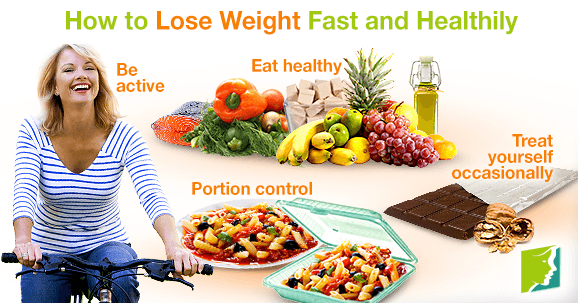
Losing weight objectively needs good planning

Losing weight objectively

Losing weight objectively needs good planning if any meaningful result is to be realized

Losing weight objectively needs good planning: What to have in mind?

Obesity and being overweight is now a global problem and each person gas a role to play. That is to say, losing weight objectively will need proper planning. Many have lost hope in losing weight because they failed to plan and that is why the US is seen to be leading in overweight population to the point of being more familiar with specific measurements related to health like cholesterol levels and blood pressure readings. According to the experts from AWAREmed health and wellness resource center, to be safe from all weight-related health complications, it is very necessary that we consider the following fundamentals:

  • Your actual weight in pounds
  • Your Body Mass Index, or BMI
  • Your waist measurement.

Your BMI is based on your height and weight which is the most weight measurement method preferred by many doctors than actual weight in pounds. It important to note that the medical terms for overweight and obesity are based on BMI values. For instance, BMI between 25 and 30 is overweight and when it exceeds 30 it is defined as obese. The individual’s risk of acquiring weight related illness like type 2 diabetes and heart complications is great with a high BMI value.

Losing weight objectively needs good planning: Waist circumference

Body fat that gathers in the stomach area commonly known as abdominal obesity is more of a health risk than body fat that builds up in the buttocks and thigh areas and that is why your waistline make available very important information about your risk for heart disease, high blood pressure, high cholesterol and type 2 diabetes. Medical professionals consider a waist circumference to be too high when it is 40 inches or more in men and 35 inches or more in women. Therefore you will be lowering your risk of contracting these illnesses if you keep your waist circumference with the medically desired range.

Seeking expert’s opinions

It is important that you consult with your doctor periodically about your eating habits and physical activities since these are essential in helping you lose weight, improve your fitness and decreases your chances of developing heart disease, high blood pressure and type 2 diabetes, you should also ensure that you set realistic goals and you will be surprised how small changes can make a significant difference in your health. Your doctor can offer practical suggestions that do not require a complete overhaul of your current way of life. In some cases, your physician may refer you to a nutrition specialist, like a registered dietitian, for in-depth counseling about food choices. And when at your doctor’s office, doctor Akoury advice that you should ask some of the following:

  • Ask for any educational materials e.g. brochures on topics such as eating habits, counting calories or physical activity.
  • Request to have your BMI measured and ask what it means with regard to your health status.
  • Have your waist circumference measured and discuss the significance of the measurement with your doctor
  • Be prepared to describe your current diet and activity level and what changes might promote better health

Remember these are just but guidelines, and for a more in-depth expert’s advice, you can schedule an appointment with doctor Dalal Akoury today.

Losing weight objectively needs good planning: What to have in mind?

http://www.I-AM-I.com/wp-admin

Facebooktwitterpinterestlinkedin
Cancer and weight

Exercise factor in weight gain prevention

Exercise factor

Exercise factor in weight gain prevention is effective done either as a group or individual

Exercise factor in weight gain prevention: Units of activities needed to prevent weight gain

Because weight gain increases the risk of heart disease, diabetes and many other chronic conditions we all have a duty of ensuring that this is stopped. And to help in doing this, we spoke to doctor Dalal Akoury MD and founder of AWAREmed health and wellness resource center and in her professional opinion, she is sighting the exercise factor in weight gain prevention which is very instrumental not only in the prevention but also losing the already excess weight. Besides that, being physically active also helps in keeping you younger and keeping your weight. That then can only mean that the more sedentary the more likely you are to gain weight over time and unfortunately, that is the common practice of many today bringing us to the next concern, how much activities is needed to lose weight?

Exercise factor in weight gain prevention: How much activity do people need to lose weight?

Away from the prevention element, how do we lose if one is already experiencing weight problem? Good exercise and proper calorie diet are very essential. In a study where all study volunteers were asked to stick to their usual diets and after six months, it was established, those assigned to the high-intensity regimen lost abdominal fat, whereas those assigned to the low- and medium-intensity exercise regimens had no change in abdominal fat signifying that exercise is very effective in weight loss. Experts believe that physical activity prevents obesity in multiple ways for example:

  • Physical activity increases people’s total energy disbursement, which can help them stay in energy balance or even lose weight, as long as they don’t eat more to pay off for the extra calories they burn.
  • Physical activity reduces fat around the waist and total body fat, slackening the development of abdominal obesity.
  • Weight lifting, push-ups, and other muscle-strengthening activities build muscle mass, aggregating the energy that the body burns throughout the day even when it’s at rest and making it easier to control weight.
  • Physical activity reduces depression and anxiety, and this mood boost may motivate people to stick with their exercise regimens over time.

Finally, to achieve this purpose, you must have it in your mind that staying active is not purely an individual choice. The built environment buildings, neighborhoods, transportation systems, and other man-made elements of the landscape influences how active people may be. We are more prone to be active, if we live near parks or playgrounds, in neighborhoods with sidewalks or bike paths, or close enough to work, school, or shopping to safely travel by bike or on foot. People are less likely to be active if they live in sprawling suburbs designed for driving or in neighborhoods without recreation opportunities. But in all these, whether your surrounding is favorable for exercise or not you may want to consult the experts to help you in your weight condition. Seeking the services of doctor Akoury will be the best thing you can do for yourself because together with her team of experts, they will focus on Neuroendocrine Restoration (NER) to reinstate normality through realization of the oneness of Spirit, Mind, and Body, Unifying the threesome into ONE and your life will never be the same again.

Exercise factor in weight gain prevention: Units of activities needed to prevent weight gain

http://regenerativepotential.com/wp-admin

Facebooktwitterpinterestlinkedin
lose weight faster

Overweight regulation and obese prevention

Overweight regulation

Overweight regulation and obese prevention is a condition that simple exercise can solve

Overweight regulation and obese prevention: The exercise factor in delivery

Being physically active is one of the most used ways of controlling weight gain and the prevalence of obesity globally. The consequences of obesity are so daring that when proper measures are not taken in good time by ensuring effective overweight regulation and obese prevention, things may get out of hand. Generally, obesity results from energy imbalance meaning that very little calories are being burned. Speaking to the experts’ at AWAREmed health and wellness resource center, doctor Dalal Akoury who is also the founder of this facility reiterates that, the burning of calories is influenced by a number of factors including body size, age, and gene. Nonetheless, the most noticeable one is the quantity of physical activity people need to get health on a daily basis.

Being physically active helps people to stay at a healthy weight gain or loss and significantly reduces the risk of heart disease, diabetes, stroke, high blood pressure, osteoporosis, and certain cancers, as well as reduce stress and boost mood while living an inactive (sedentary) lifestyles do just the opposite. What is surprising is that even with this knowledge people are not keen on being physically active and this cuts across the globe. On a daily basis the levels of activities at work, homes are getting down because people are comfortable with things around them. It is estimated that about one in every three gets very little that is if any of the physical activity further increasing the level of decline. And it’s evident that this decline in physical activity is a major contributor to the global obesity epidemic, and in turn, the rising rates of chronic diseases everywhere. In this article, I will be defining physical activity and explains how it is measured, reviews the trends, and discusses the role of physical activity in weight control in fighting obesity progressively.

Overweight regulation and obese prevention: Physical activities and exercise

The two terms associated with activities are often taken to have the same definition which is not true. I am talking about physical activities and exercise they are all used in reference to the same thing but have different meanings as follows:

Physical activity – refers to any body movement that burns calories, whether it’s for work or play, daily chores, or the daily commuting so long as some calories are burned during that particular body movement.

Exercise -is a sub-category of physical activity referring to planned, structured, and repetitive activities aimed at improving physical fitness and health of an individual?

Moderate-intensity physical activity – these refer to those activities which are strenuous enough to burn three to six times as much energy per minute as an individual would burn when sitting quietly or 3 to 6 METs. However, Vigorous-intensity activities will burn more than 6 METs.

Measurement

Experts measure the intensity of physical activity in metabolic equivalents (METs). One MET is defined as the calories burned while an individual sits quietly for a minute. For the average adult, this is about one calorie per every 2.2 pounds of body weight per hour; someone who weighs 160 pounds would burn approximately 70 calories an hour while sitting or sleeping. This is not all about measurement and for more on this and many others, you can call doctor Akoury now and you will have all your concerns addressed professionally.

Overweight regulation and obese prevention: The exercise factor in delivery

http://www.awaremednetwork.com/

Facebooktwitterpinterestlinkedin
motor neuron cells

Neurotransmitters effects

Neurotransmitters effects

Neurotransmitters effects alongside the proteins, minerals, vitamins, carbohydrates, and fats are the essential nutrients that make up your body.

Neurotransmitters effects: Available support supplement

Proteins, minerals, vitamins, carbohydrates, and fats are the essential nutrients that make up your body. Proteins are the essential components of muscle tissue, organs, blood, enzymes, antibodies, and neurotransmitters in the brain. Your brain needs the proper nutrients every day in order to manufacture proper levels of the neurotransmitters that regulate your mood. The following are some of the neurotransmitters effects as denoted by the experts from the AWAREmed health and wellness resource center under the leadership of doctor Dalal Akoury MD:

  • Control the appetite center of the brain.
  • Stimulates Corticotrophin Releasing Factor, Adrenocorticotropic Hormone, & Cortisol.
  • Regulate male and female sex hormone.
  • Regulates sleep.
  • Modulate mood and thought processes.
  • Controls ability to focus, concentrate, and remember things.
  • The Mind Body Connection.
  • The chemistry of our bodies can alter, and be altered by our every thought and feeling. Our bodies and our minds are truly interconnected; the health of one depends on the health of the other.

There are many biochemical neurotransmitter imbalances that result in mental health symptoms such as:

  • Adrenal dysfunction
  • Blood sugar imbalance
  • Food and Chemical allergy
  • Heavy Metal Toxicity
  • Hormone imbalance
  • Nutritional Deficiency
  • Serotonin/Dopamine/Noradrenalin imbalance
  • Stimulant and drug intoxication
  • Under or overactive thyroid

Neurotransmitters effects: Neurotransmitter Imbalances

Disrupted communication between the brain and the body can have serious effects on one’s health both physically and mentally. Depression, anxiety and other mood disorders are thought to be directly related to imbalances with neurotransmitters. The four major neurotransmitters that regulate mood are Serotonin, Dopamine, GABA and Norepinephrine.

The Inhibitory System

This is the brain’s braking system, it prevents the signal from continuing. The inhibitory system slows things down. Serotonin and GABA are examples of inhibitory neurotransmitters.

GABA (Gamma amino butyric acid)

GABA is the major inhibitory neurotransmitter in the central nervous system. It helps the neurons recover after transmission, reduces anxiety and stress. It regulates norepinephrine, adrenaline, dopamine, and serotonin; it is a significant mood modulator.

Serotonin imbalance

This is one of the most common contributors to mood problems. Some feel it is a virtual epidemic in the United States. Serotonin is key to our feelings of happiness and very important for our emotions because it helps defend against both anxiety and depression. You may have a shortage of serotonin if you have a sad depressed mood, anxiety, panic attacks, low energy, migraines, sleeping problems, obsession or compulsions, feel tense and irritable, crave sweets, and have a reduced interest in sex.

Additionally, your hormones and Estrogen levels can affect serotonin levels and this may explain why some women have premenstrual and menopausal mood problems. Moreover, daily stress can greatly reduce your serotonin supplies.

The Excitatory Neurotransmitter System

This can be related to your car’s accelerator. It allows the signal to go. When the excitatory neurotransmitter system is in drive your system gets all raved up for action. Without a functioning inhibitory system to put on the brakes, things (like your mood) can get out of control. Among other things, the following should be in place to restore neurotransmitters in an attempt to achieve weight loss:

  • Epinephrine
  • Dopamine
  • Glutamate
  • Neurotransmitter Levels

Finally, we will be looking at the four in details in our next article but in the meantime, we want to appeal to you to stay on the link and learn more. However for any immediate concerns, you can always call on doctor Akoury with all your questions and they will be addressed professionally.

Neurotransmitters effects: Available support supplement

http://www.awaremednetwork.com/

Facebooktwitterpinterestlinkedin
weight loss

Mitochondrial dysfunction and obesity

Mitochondrial dysfunction

Mitochondrial dysfunction and obesity has a way of weakening the functions of the body systems

Mitochondrial dysfunction and obesity: Symptoms of mitochondrial malfunction

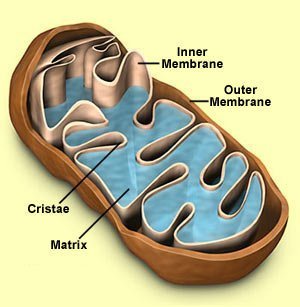
When the body is under pain, there must be some valid reasons including malfunction or dysfunction of some systems within the body. That is to say a dysfunction occurs when something is not working or functioning in the correct way. We are going to be discussing about the mitochondrial dysfunction which refers to a situation where the mitochondria are not working properly. Professionally doctor Dalal Akoury MD, President, and founder of AWAREmed health and wellness resource center registers that mitochondrial diseases comes as a result of failures of the mitochondria, specialized compartments present in every cell of the body except red blood cells. Mitochondria are responsible for creating more than 90% of the energy needed by the body to sustain life and support growth. This failures results in less production of energy with the cell and this can cause injury to the cell and eventual death of the cell. If this is not corrected, the victim’s body system will fail and the individual’s life/health becomes compromised.

The disease primarily affects children, but adult onset is becoming more and more common. Depending on which cells are affected, symptoms may include loss of motor control, muscle weakness and pain, gastro-intestinal disorders and swallowing difficulties, poor growth, cardiac disease, liver disease, diabetes, respiratory complications, seizures, visual/hearing problems, lactic acidosis, developmental delays and susceptibility to infection

Mitochondrial dysfunction and obesity: Approaches to resuscitate aging mitochondria

Understanding the proposed mechanisms by which mitochondrial dysfunction can contribute to aging and aging related diseases suggests several potential interventions which may include the following:

  • Maintenance of optimal Krebs cycle and respiratory chain efficiency.
  • Restoration of mitochondrial membrane fluidity.
  • Reduction in deleterious free radical activity.

Mitochondrial dysfunction and obesity: CoQ10

Coenzyme Q10 is probably the most widely used cofactor for treating mitochondrial-related diseases. CoQ10 functions as the electron carrier in the inner mitochondrial membrane, transferring electrons from complexes I and II to complex III. In addition to increasing biosynthesis of ATP (the universal energy molecule), and acting as a potent free radical scavenger, CoQ10 also reduces lactic acid levels, improves muscle strength, and decreases muscle fatigability. Now having appreciated the importance of mitochondrial, it is important that your body system is not in luck of this vital chromosome because if that is to happen, your body will be deprived of energy which can be very disastrous.

Finally, for the sustainability of this DNA chromosome in your body system, a lot needs to be done professionally. Remember this article is all about your health and because of the weight of medical terminologies involved, we want to encourage you to schedule an appointment with doctor Dalal Akoury today for further professional guidance. And as we conclude this discussion, it will interest you to note that doctor Akoury made a passionate decision of creating a health center to primarily transform each individual’s life through increasing awareness about health and wellness and by empowering individuals to find their own inner healing power. This is what you need in situations like this when your mitochondrial are going down. Doctor Akoury is just a phone call away on telephone number 843 213 1480 for the appointment.

Mitochondrial dysfunction and obesity

http://regenerativepotential.com/wp-admin

Facebooktwitterpinterestlinkedin