Category Archives: Good weight management

hormones and weight gain

Understanding female hormones and weight loss
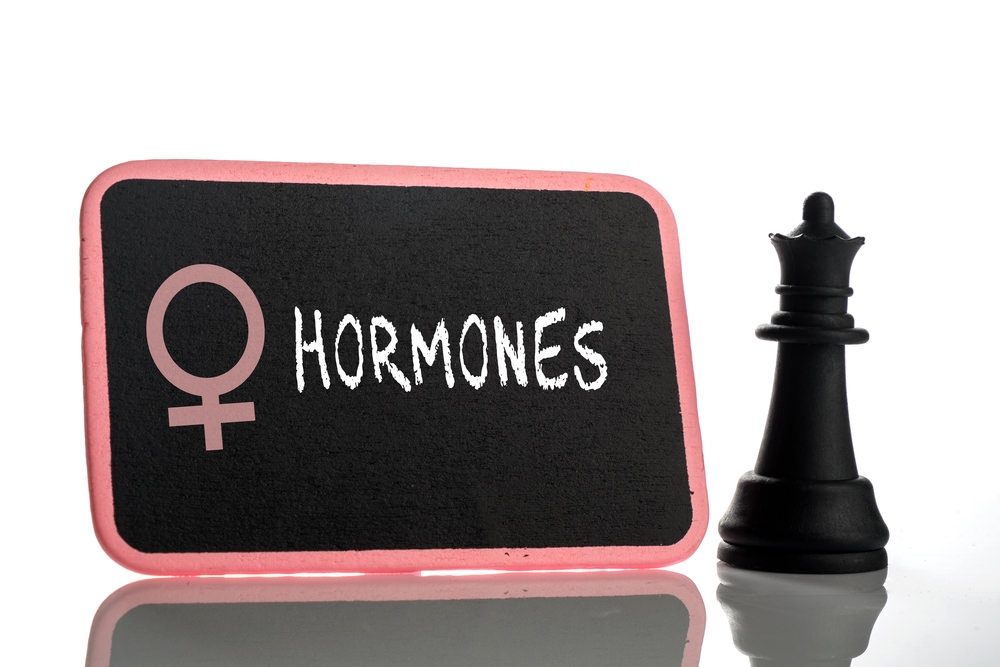
    Understanding female hormones

Understanding female hormones and weight loss where Estrogen and progesterone are key factors of consideration

Understanding female hormones and weight loss: Diet and exercise for fat loss

Even before understanding female hormones and weight loss, just by taking a quick face value observation at a male figure and a female body will tell you right away the obvious differences. Ironically, while we reorganize these, we often ignore them when addressing issues about diet and exercise for fat loss say doctor Dalal Akoury MD, President, and founder of AWAREmed health and wellness resource center. The standard health and fitness advice of eat less and exercise more in many instances does not work once people get out of their twenties and begins to approach their sunset days and beyond with women being the most casualties. And that brings us to the question “what are the differences between men and women and what determines where women store fat, and what can women do to address the fitness and fat loss issues that are unique to them? Keep reading and be the first to know.

Understanding female hormones and weight loss: The differences between men and women

Women usually have smaller waists and more fat storage on the hips, thighs, and breasts. Estrogen and progesterone have much to do with this. Estrogen is largely responsible for greater fat storage around the hips and thighs while both estrogen and progesterone impact larger breasts. Because women experience monthly hormone fluctuations through the menstrual cycle, they know from experience that hormones impact how they feel, function, and look. They seem to intuitively get the fact that hormones play a role in determining whether they store fat or burn fat and where on the body it is lost or gained. To understand why women are so different, you have to understand their hormones.

Understanding female hormones and weight loss: Brief review of the menstrual cycle

No discussion of female fat loss can take place without understanding the normal female menstrual cycle. The first day of bleeding for a woman represents day one of the menstrual cycle. The menstrual cycle can then be divided into two phases, the follicular phase (named for the maturing of the ovarian follicle) and the luteal phase (named for the corpeus luteum which ovarian follicles become after ovulation). Ovulation, the release of an egg from the ovaries separates these two parts of the cycle. The follicular phase is associated with higher estrogen levels compared to progesterone, while the luteal phase is the reverse. The relative ratios of these two hormones can have an impact on female related fat loss and health. Finally, we will continue with this discussion for a better understanding of the female hormones and their effects on weight gain in our subsequent articles. But in the meantime, irrespective of the roles of female hormones, being overweight is a time bomb and needs to be addressed professionally.

And for that reason, your timely action on this is very crucial if we want to be safe from all the health complications associated with being overweight. Your health is a priority and because of that doctor, Akoury founded AWAREmed health center primarily to transform each individual’s life through increasing awareness about health and wellness and by empowering individuals to find their own inner healing power. You can schedule an appointment with her on telephone number 843 213 1480 for quick solutions.

Understanding female hormones and weight loss: Diet and exercise for fat loss

http://www.I-AM-I.com/wp-admin

Facebooktwitterpinterestlinkedin
Obesity-medical-poster-design-37231081

Cellular body inflammation causes obesity

Cellular body inflammation

Cellular body inflammation causes obesity can all be addressed beginning with change of life style

Cellular body inflammation causes obesity: Health complications attached

A common theme that links many diseases and chronic illness is uncontrolled cellular body inflammation. It is a factor with most diseases including cardiovascular disease, diabetes, cancer, arthritis and many autoimmune-related conditions. And from the expert desk at AWAREmed health and wellness resource center under the leadership of doctor Dalal Akoury MD, it will interest you to note that recently obesity has recently been added to this group of diseases because it is equally presenting a low grade inflammatory response within many of the body’s tissues, which cause deleterious effects leading to the development of cardiovascular and metabolic disease.

It is well known that being overweight is detrimental to one’s health, but until recently the known mechanisms were limited. Scientists over the last decade have started to unravel the mystery of why obesity leads to premature death. Although there is still much to learn, it is valuable to comprehend the known effects of chronic inflammation, as the prevalence of obesity continues to be a rising problem among the American population, particularly in children.

Cellular body inflammation causes obesity: Chronic Inflammation

Inflammation is, by design, a protective response leading to the repair of tissue. When inflammation becomes chronic, as is the case with obesity, chemical mediators, derived from different cellular activities, change in dynamics causing a progressive state of decline. Fat cells are now considered an immune organ that secretes numerous immune modulating chemicals. Visceral fat, in particular, is associated with the low grade inflammation that seems to be a contributing pathologic feature for metabolic disease through insulin resistance and the promotion of atherosclerotic build-up in circulatory vessels.

When high levels of visceral fat are combined with physical inactivity, over nutrition, and advancement in age, the effect becomes more pronounced. Visceral fat is highly metabolic and contributes to cytokine hyperactivity. Adipokines secreted from fat tissue influence the metabolic process and contribute to proper function. The consequent low grade inflammation associated with obesity causes disturbance in the secretion and function of adipokines. Research has identified changes in adiponectin, leptin, and resisting that exhibit harmful effects upon the body in obese individuals.  Adiponectin is an antiatherogenic agent, meaning it helps prevent the development of atheroschlerotic plaque in blood vessels and slows the progression of atherosclerosis in coronary vessels. It does this by acting directly upon the vessel wall, inhibiting adhesive molecules from contributing to plaque formation and acts as a blocking agent to the formation of foam cells.

Finally, take note that in the skeletal muscle and the liver, adiponectin serves to promote insulin sensitivity and a positive blood lipid profile. Visceral adiposity reduces adiponectin concentrations. Lowering the adiponectin concentrations lessens the cardio protective effect, leading to increased cardiovascular risk. You may have realized that in this discussion of cellular body inflammation and how it causes obesity, a lot of medical terminologies are applied which may not make sense to many lay people. In appreciating that fact and to help you take good precautions about obesity and overweight, we want to encourage you to schedule an appointment with doctor Dalal Akoury not for a one on one simplicity discussions that will address all your concerns and have then addressed professionally.

Cellular body inflammation causes obesity: Health complications attached

http://www.awaremednetwork.com/

Facebooktwitterpinterestlinkedin
lose weight

Discriminating obese and overweight people

Discriminating obese

Discriminating obese and overweight people is wrong and we must join forces to stop it

Discriminating obese and overweight people: How it affect both men and women

It is regrettable that at this point of time people are still living under certain siege of discrimination because of some health conditions that could be avoided like weight gain and obesity. Discriminating obese and overweight people a serious illegality which is very common the world over with the US taking the lead. I will be discussing some of the effects of this uncalled for habit and offer you solutions so that you can live your life freely and void of any discrimination. According to the experts from AWAREmed health and wellness resource center under the leadership of doctor Dalal Akoury MD, people who are affected by excess weight or obesity experience discrimination across a wide variety of settings, including healthcare, employment, schools, public transport sector, social amenities joints and interpersonal relationships.

Discriminating obese and overweight people: Social discrimination

Let us consider the employment settings, job seekers who are affected by excess weight are often less likely to secure job opportunities or even be recommended for promotion compared to their slimmer colleagues and in the very extreme they are also faced with lower remunerations and increased risk of job insecurity based on their weight alone.

In healthcare settings, obese patients often experience prejudice, apathy and lower quality of care from medical professionals, which may result in patients choosing to delay or forgo crucial preventative care to avoid additional humiliation.

Students also face weight-based victimization in educational sector from their peers, teachers and even parents, which may interfere with social support and educational achievement.

Weight stigma is even present in interpersonal relationships with friends, family and romantic partners, such that negative judgment invades almost all areas of the lives of people affected by obesity.

Discriminating obese and overweight people: Gender differences in weight gain stigma

Although both men and women are vulnerable to weight discrimination, their experiences may differ with respect to how much discrimination they are exposed to and the forms that it takes. Most notably, women seem to experience higher levels of weight stigmatization than men, even at lower levels of excess weight. Research suggests that women, especially those who are middle aged or with lower levels of education, experience weight discrimination at significantly higher rates than male peers. Moreover, women report weight discrimination at lower levels of excess weight than men. For example, men tend to report considerable stigmatization at a Body Mass Index (BMI) of 35 or higher, whereas women report experiencing notable increases in weight discrimination at a lower BMI of only 27.

North American ideals of physical attractiveness, which emphasize thinness as central to feminine beauty, may account for some of these differences. Women whose bodies deviate, even slightly, from physical beauty standards may be vulnerable to weight stigmatization. Given that thinness ideals have become deeply ingrained into our society and are heavily promoted by the mass media, diet industry and fashion industry, it’s not surprising to see widespread weight stigmatization toward women, even if they are not “obese.” For women, weight discrimination has been associated with poorer body image, low self-esteem, depression, anxiety, and a range of unhealthy eating behaviors, including binge eating. We must get out of this madness and scheduling an appointment with AWAREmed health center should be the starting point to getting a leaner body weight.

Discriminating obese and overweight people: How it affect both men and women

http://regenerativepotential.com/wp-admin

Facebooktwitterpinterestlinkedin
weight loss tips

Depression characteristics and obesity

Depression characteristics

Depression characteristics and obesity put together will not give you the desired body structure

Depression characteristics and obesity: Healthcare concerns in weight gain

The rate at which obesity and weight-related complications are growing is troubling the healthcare providers globally. Much as it is a health condition that can be avoided our lifestyle has betrayed us in putting the proper control to this health condition. Professionally doctor Dalal Akoury MD and President, of AWAREmed health and wellness resource center says that if you have a considerable high body mass index which is significantly more than what is considered healthy for your body height then you are probably increasing the risk of many serious health conditions in your body. alongside the depression characteristics of weight-related problems, the following are some of the health conditions associated with obesity and overweight may include:

  • Hypertension
  • Heart disease
  • Stroke
  • Type 2 diabetes
  • Gallbladder disease
  • Chronic fatigue
  • Asthma
  • Sleep apnea and
  • Some forms of cancer.

For women, obesity can lead to problems in the reproductive system. And studies show that severe cases of obesity can reduce your life expectancy, particularly if you are a young adult. The causes of obesity are rarely limited to genetic factors, prolonged overeating or a sedentary lifestyle. What we do and don’t do often results from how we think and feel. For example, feelings of sadness, anxiety or stress often lead people to eat more than usual. Unless you act to address these emotions, however, these short-term coping strategies can lead to long-term problems.

Depression characteristics and obesity: Emotional interactions

In most cases obesity comes along side depression, when these two conditions are put together, they can influence and trigger each other resulting to further complications. Although women are slightly more at risk for having an unhealthy BMI than men, they are much more vulnerable to the obesity-depression cycle. In one study, obesity in women was associated with a 37 percent increase in major depression. There is also a strong relationship between women with a high BMI and more frequent thoughts of suicide.

Depression is very dangerous because in many cases it results in stressful life, and when stress is allowed in one’s life, it may bring alterations in your social life and feeding habits. Many people who have difficulty recovering from sudden or emotionally draining events (like the demise of a loved one, relationship difficulties, losing a job or facing a serious medical problem) unknowingly begin eating too much food (normally junk food) and forget about engagement in physical activities. With this kind of change of habit, it becomes very difficult to change the new trend and more weight is gained and eventually, obesity settles in.

Binge eating, a behavior associated with both obesity and other conditions such as anorexia nervosa, is also a symptom of depression. In a recent study of obese people with binge eating problems it was established that about 51% of the participant in the study had a history of major depression and yet in another study it was evident that obese women with binge eating disorder but who had suffered bullying and discrimination about their body size developed body dissatisfaction and depression. These are serious ingredients that impact badly on your health and that is why you need to consult with the experts at AWAREmed health center today for professional assistance.

Depression characteristics and obesity: Healthcare concerns in weight gain

http://www.integrativeaddictionconference.com/wp-admin

Facebooktwitterpinterestlinkedin
weight loss tips

Holiday dieting and weight management techniques

Holiday dieting

Holiday dieting and weight management techniques are no magic you can do it

Holiday dieting and weight management techniques: Portion sizes

One of the weight loss control, particularly during vacations, is loaded in what professionals at AWAREmed health and wellness resource center call holiday dieting. Doctor Dalal Akoury MD, advises that for effectiveness in weight management, all holiday revelers should be motivated in staying on diet over the holiday period. Remember that to stay focus to the role of the energy balance of losing body fat, you must consume fewer calories than you burn up each day. The law of energy balance has two major components:

  • A caloric surplus gets stored as fat even with healthy food.
  • Small amounts of any food including junk food will not get stored as fat if you stay in a calorie deficit.

There’s no reason to deprive yourself of things you enjoy. Only ensure you don’t overdo. As long as you enjoy your favorite foods in reasonableness, and you keep working out, it won’t end up around your waistline.

Holiday dieting and weight management techniques: Focus on your own standards and expectations

Keep your standards high, but don’t expect other people’s standards to be as high as yours. Remember that most people have already planned in advance to fail at fitness over the holidays. You’re different because you’ve decided to stay strong and never let any negative influence drag you. For example, when you set standards of drinking like taking only two bottles of beer, say a polite No up on reaching this when your friends induce you to drink more. Instead turn to water or nonalcoholic or caloric drinks.

Make the best choices possible in every situation.

It is interesting how the unhealthiest foods are dressed during holiday’s dinners. Tables are dressed with dips, chips, liquor, and candies and on but remember that on every table, there will also be a collection of some healthy foods like cauliflower, carrot sticks, celery and many others. Remember that you will always have a choice and ensure that you only make the good ones. In your option of choices, remember that you’re staying on diet over the holiday and so chances are that there will be something healthy on the menu at every holiday gathering and only go for the vegetables in there, and go easy on the desserts.

Holiday dieting and weight management techniques: Drink alcohol in moderation

If you enjoy having a few drinks on special occasions, then go ahead and have a drink or two. But if you’re serious about your fitness goals, then drink infrequently and in moderation. Alcohol puts fat oxidation on hold while providing a lot of calories. When there’s alcohol in your bloodstream, you’re not in fat burning mode. Finally having said that, you must have realized that there’s no reason why your exercise and nutrition program should spoil your holidays, and at the same time you have no reason to let your holidays spoil your exercise and nutrition program with the guidelines given in this article and constant consultation with doctor Dalal Akoury of AWAREmed health center for professional input, staying on diet over the holiday will not be stressful.

Holiday dieting and weight management techniques: Portion sizes

http://regenerativepotential.com/wp-admin


Facebooktwitterpinterestlinkedin