Category Archives: Dr. Dalal Akoury

How Chronic Insomnia Destroys Skin Health

How Chronic Insomnia Destroys Skin Health – The importance of Sleep

How Chronic Insomnia Destroys Skin Health

How Chronic Insomnia Destroys Skin Health

You may take sleep for grunted because of the economic situations around you. Things like tight work schedule and deadlines will not let you have adequate sleep as you would want. And because these deadlines are there on a monthly basis you are becoming used to sleeping for fewer hours. How chronic insomnia destroys skin health is what we want to discuss in this article. It is true that majority of us have witnessed the adverse cosmetic impact on the face caused by just one night of sleep deprivation. When this happens you wake up frowning, tired and exhausted throughout the day. In the process a very young person may look a decade older in response to stress-induced changes in facial tissues that often accompany insomnia. How chronic insomnia destroys skin health is one of the many skin care issues professionally addressed at AWAREmed Health and Wellness Resource Center under the able leadership of doctor Akoury’s care. Therefore if these articles are describing your situation, then all is not lost for you because a phone call to the home of skin experts (AWAREmed Health and Wellness Resource Center) will be the beginning of your freedom to all skin complications you may be having.

How Chronic Insomnia Destroys Skin Health – The skin tissues

Not very many people are aware of the consequences of chronic insomnia actually chronic insomnia inflicts significant damage to skin tissues ranging from premature aging to disorders like eczema, psoriasis, and atopic dermatitis. Throughout this article we will look at the various natural methodologies that can help you get a full night’s sleep and enjoy refreshed, healthy-looking skin. In spite of your work schedule and employment demands, it is still very important to maintain healthy, youthful-looking skin. Doctor Akoury an expert in skin care and insomnia recommends that you get at least 7 to 8 hours of restful sleep each night. We appreciate that in today’s hectic, stressful world that may be very difficult for most people to do. However failure to do so will take heavy toll on skin health and overall health as in the long run.

Numerous studies have established that stress-induced sleep debt (insomnia) can dramatically impair skin function and integrity. This single condition will come with other skin health problems like inflammatory skin conditions as eczema and psoriasis; sleep deprivation can exacerbate both allergic and irritant contact dermatitis. Unfortunately, many victims of these sleep liability related health conditions don’t take the right action to treat them because they don’t recognize the real source of their problem.

Poor sleep quality often accompanies normal aging. Fortunately, scientists have identified some of the underlying mechanisms that interfere with healthy sleep patterns as humans mature. For instance, insufficient or poor-quality sleep has been associated with elevated stress-hormone (cortisol) levels and increased mortality from all causes. A decline in the body’s melatonin production is a well-known underlying factor for sleep problems in older adults. This is often accompanied by other health conditions.

How Chronic Insomnia Destroys Skin Health – Collagen

This is one of the skin’s primary components which play a key role in its structure and integrity and healthy elasticity and youthful appearance. Sleep deficit can affect the optimal process of the skin’s collagen formation.

A crucial function of the skin is to maintain a barrier that prevents excessive water loss and blocks entry of toxic foreign substances. The cascade of events that occurs during the process of collagen formation is highly dependent on immune synchronization that is initiated during restful nights of sleep.

How Chronic Insomnia Destroys Skin Health – Insidious Link between Sleep Debt and Skin Aging

Numerous studies have established that stress-induced insomnia can dramatically impair skin function and precipitate numerous skin disorders. Sleep researchers have found that animals subjected to prolonged sleep deprivation develop ulcerous lesions on their legs and suffer increased risk of bacterial invasion through the skin owing to a breakdown in skin membrane integrity.

In humans, sleep debt and stress have been definitively linked to skin disorders so much so that an entire sub-specialty of dermatology has developed over the past two decades called psychodermatology. It emerged after an abundance of published studies revealed that many skin conditions respond well to antidepressants and anti-anxiety medications, in addition to traditional dermatologic interventions.

Scientists attribute the link between chronic insomnia and skin disorders to the immune-modulatory or immune-altering effects induced by the release of excess glucocorticoids triggered by sleep debt and stress. As the name suggests, this class of hormones regulates the metabolism of glucose. Every cell in the human body possesses receptors for glucocorticoids. Glucocorticoids also happen to play a central role in immune function. (Cortisol is the most important of the glucocorticoids.) Excess glucocorticoid production has been shown to negatively affect nearly every tissue in the body and accelerate the aging process.

In terms of skin health, the sequence of events involved in the formation of collagen is highly dependent on the immune-balancing processes initiated during restful nights of sleep. As the major structural component of your skin and other bodily tissues, collagen protects against UV damage and bacterial infection, maintains your skin’s elasticity, seals in moisture, and preserves its youthful, healthy appearance.

This nighttime balancing process is disrupted in the presence of excess glucocorticoids (cortisol in particular). Sleeplessness ultimately has a cumulative immunosuppressant effect. Of particular significance for skin health are reduced levels of interleukin-1 (IL-1) observed in insomnia sufferers. At healthy levels, this protein triggers increased white blood cell production in response to foreign invaders and plays a central role in the production of collagen. Therefore when levels of IL-1 are too low, collagen formation deteriorates. This is how chronic insomnia can cause skin disorders related to immune dysfunction. In addition to inducing such inflammatory skin conditions as eczema and psoriasis, sleep deprivation has been shown to aggravate both allergic and irritant contact dermatitis.

Finally learning from this article and even others posted on this link will only be meaningful to you if you make another step of practicing what you are learning. Remember that how chronic insomnia destroys skin health can be very wide and elaborate. You must not allow these worthy pieces of information about protecting your skin go in vain. Get the experts at AWAREmed Health and Wellness Resource Center involved in every step you take. This way doctor Akoury and her team of experts will help you revamp the beauty of your skin giving it a new lease of life for a very long time.

How Chronic Insomnia Destroys Skin Health – The importance of Sleep


Facebooktwitterpinterestlinkedin

Environmental Toxins and Skin Aging

Environmental Toxins and Skin Aging – Combating Skin Aging

Environmental Toxins and Skin Aging

Environmental Toxins and Skin Aging. Being the visual organ, the skin must be protected at all cost

The beauty of our skin is seriously under threat from the very things around us. Substances like tobacco use are a major factor that contributes to many chronic diseases and reduced life expectancy. Surprisingly the dangers of cigarette smoking is well known by those who uses them yet because of its addictive nature they are just not bale to quit smoking. Studies have established that environmental toxins and skin aging factors causes major skin disintegrations. It has also been confirmed that smoking tobacco damages the skin via multiple mechanisms as well. From this point you realize that being addicted to tobacco smoking is not good for your skin and therefore when dealing with environmental toxins and skin aging problems, the need to have the expert’s opinion is very important. We are going to be talking to doctor Akoury who is the CEO and founder of AWAREmed Health and Wellness Resource Center. Doctor Akoury founded this facility up on realizing the rising needs of skin care and the luck of expertise to offer lasting solutions. Therefore this is the place to be if you or any of your loved ones is having any environmental toxins and skin aging related concerns by scheduling for an appointment with her today.

Nonetheless on the molecular level, tobacco smoke produces oxidative stress, impairs circulation, and triggers DNA damaging reactions these effects and many others causes the skin to be more vulnerable to disease and aging. Realistically if you look at the facial appearance of smoker’s they are majorly characterized by;

  • Increased lines and wrinkles
  • Uneven tone
  • Dehydration
  • Dull and frail skin

The good news is that quitting smoking delivers almost immediate and dramatic improvements in the visual appeal of skin, and a more youthful skin appearance in just a few month of post-smoking cessation. In addition to UV radiation and smoking, pollution is a factor in premature skin aging. The epidemiological studies have correlated pollution levels with poor health status. And to be more specific, recent studies have related particler pollution to advanced skin aging. Most notably, skin hyperpigmentation and sluggish skin cell renewal has been observed in both human and animal studies.

Environmental Toxins and Skin Aging – Combating Skin Aging

The skin being the visual organ, the beauty industry’s primary objective is to improve the appearance of skin with sophisticated topical treatments and interventions. However, often overlooked is the need support the health and beauty of skin from within through proper nutrition. In addition to the well-documented role of a wholesome, plant-based diet in maintaining the youthful vivacity of the skin, modern nutritional science is elucidating the relationship between specific nutrients and optimal skin health.

Environmental Toxins and Skin Aging – Macronutrient Composition and Glycemic Load

We have a problem with the kinds of food we eat in most parts of the world today. Like in many other places North American diet contains excessive amounts of simple carbohydrates and saturated fats. This kind of dietary pattern is associated with an increased appearance of skin wrinkles. The glycemic index measures how rapidly and significantly foods cause blood sugar elevations following consumption. It is therefore believed that a high glycemic diet may contribute to inflammatory skin conditions such as acne, rosacea, psoriasis, and eczema as well.

Insulin resistance and inflammation disrupt sebum production, cause collagen malformation, and excite the epidermal growth factor receptor, which is involved in tissue renewal, but can also stimulate inflammatory reactions in the skin cells.

When sugar comes in contact with collagen (a protein), a devastating reaction, called glycation, occurs resulting in the formation of tissue-destroying advanced glycation end products (AGES,). Even though glycation occurs in all tissues of the body, it is also accelerated by a high sugar diet and, within the skin, excessive sun exposure. Remember that protein glycation and AGE formation are accompanied by increased free radical activity in skin collagen, which accelerates skin aging. All of these changes create an environment within the skin that favors degradation of collagen, compromising the integrity and regeneration of skin tissue.

Environmental Toxins and Skin Aging – Fatty acid composition

Within the skin, fatty acids make up an integral component of cell walls (membranes) that help maintain cell structure and function. Clincial studies show that the healthy balance of fatty acids in skin dramatically decreases with aging and increased oxidative stress, such as that caused by chronic sun exposure. Therefore obtaining the right amount (and type) of fats through diet or supplementation is critical to maintain healthy skin as we age. Traditional and non-Westernized diets offer a more balanced intake of omega-6 to omega-3 fatty acids. Excessive amounts of the omega-6 fat arachidonic acid, found in relatively high quantities in egg yolks, poultry skin, and organ meats from animals fed corn-based diets have a pro-inflammatory effect in the body (including the skin). Conversely, fish oil rich in the omega-3 oils eicosapentaenoic and docosahexaenoic acids (EPA and DHA) inhibit the production of inflammatory metabolites. Due to their ability to modulate inflammation, long-chain omega-3 fatty acids are effective in the management of inflammatory skin conditions, such as acne, psoriasis, eczema, and rosacea.

Environmental Toxins and Skin Aging – Sodium and Hypertension

The fact that many peoples’ diet relies heavily on over-processed, salty foods, the expert’s opinion is that high sodium intake increases the risk of developing hypertension. It has also been established that those with borderline and established hypertension have significantly lower skin capillary densities than non-hypertensive subjects. Recently in a trial it was proved that by reducing sodium intake in hypertensive subjects, even modestly, microcirculation and capillary densities in the skin can be improved.

Environmental Toxins and Skin Aging – Caloric Intake

Data indicate that calorie restriction (CR) promotes longevity through improving body composition and optimizing metabolic function. Caloric restriction may promote healthier skin aging due to improved skin cell renewal and repair mechanisms as well.

Environmental Toxins and Skin Aging – Optimal Diet for Skin Health

Studies indicate that the Mediterranean diet is linked with improved health and longevity. The Mediterranean dietary pattern centers upon fruits, vegetables, whole grains, legumes, monounsaturated fats like those found in olive oil and a healthy ratio of omega-3 to omega-6 polyunsaturated fatty acids.

It is important to note that the Mediterranean diet has been associated with improved cardiovascular, cognitive, and metabolic health. These unique properties of diet are also of particular interest for the skin. The Mediterranean diet may exert an anti-inflammatory effect due in part to its emphasis on extra virgin olive oil, which is high in compounds that modulate oxidative stress and quell inflammatory reactions. Interestingly, olive oil compound is oleocanthal. This compound has recently been shown to possess anti-inflammatory actions similar to ibuprofen. Finally the environmental effects can be controlled effectively if preclusions are taken in good time. Therefore if you are in anyway suffering from any kind of skin condition, remember to schedule for an appointment with doctor Akoury today and get the best treatment and care from the most experienced professional today.

Environmental Toxins and Skin Aging – Combating Skin Aging


Facebooktwitterpinterestlinkedin

The stress cycle and impact on beauty

The stress cycle and impact on beauty – How Stress Can Wreak Havoc on Your Hair and Skin

The stress cycle and impact on beauty

The stress cycle and impact on beauty is real since stress also widens blood vessels, which causes redness and aggravates rosacea

It is very ironical that beauty is sort by everyone across the globe yet one of the biggest enemies of beauty is stress which is also a common problem to everybody globally today. While we all want to look radiant composed and beautiful, managing situations which stresses us is an uphill task in our daily lives. In the process of juggling with beauty and stress we find ourselves compromising in most cases and the stress cycle and impact on beauty continuous. To overcome this stress cycle, we need to get the experience opinions of the experts at AWAREmed Health and Wellness Resource Center under the able leadership of Doctor Akoury’s care. Doctor Akoury founded this facility to offer her expertise help to many people who are struggling with the health of their skin. It has been established that stress is one of the major obstacle to attaining optimum beauty and this is what is being addressed professionally at this facility. Therefore for ultimate beauty, you can call doctor Akoury today to schedule for an appointment to commence treatment right away. In the meantime, we want to further look into ways and means through which stress is becoming an impediment of beautiful skin.

There is a lot of science behind the stress and its effects to the skin.

  • Actually the way stress affects your skin is that when you’re anxious, your brain releases cortisol, a stress hormone, into your bloodstream.
  • This then communicates to the oil glands to ramp up production, leading to breakouts.
  • Stress also widens blood vessels, which causes redness and aggravates rosacea.
  • Another side effect is that the skin becomes dehydrated, sensitive, and more susceptible to damage.
  • Besides causing lines from furrowing your brow, stress also makes you look markedly older.

Ordinarily the human body loses one percent of its skin’s collagen supply every year at the age 20, however with stress this can be accelerated further. It is therefore proper to say that majority of younger women are visiting many skin care professionals to have their wrinkles eliminated while much older ones are also struggling with acne. These issues are caused in large part because majority of the people seeking for such treatments are more stressed out than they were even five or a few years ago. Some triggers of stress may include: relationships, money, work, and family among many others. Nonetheless we are also seeing a considerable rise in cultural stress i.e. the feeling that women expect perfection from themselves in all areas at all times. While appreciating that stress is radically unhealthy for your major body organs like the heart and the brain, it is also very important to take note of the damage it causes to the skin which is also the largest organ of the body. The effect of stress on the skin is not something one should take lightly and so we want to look further on the stress cycle and impact on beauty.

The stress cycle and impact on beauty – How Stress affects Your Hair and Skin

Much as we may not agree with it, stress is not just an irritating byproduct of everyday life but it is also a major health and beauty trespasser. A simple lack of sleep, dehydration, and junk food cravings often go hand-in-hand with stress, which trickles down to poor hair and skin health. You’d be surprised to know that stress could actually be the root of these six beauty issues.

It weakens overall skin and hair health – Stress can interrupt sleep patterns a key component for skin and body repair. Coupled with stress, skimping on sleep weakens the immune system and puts the body’s chemicals out of smack, often leaving you with lackluster skin and dull eyes.

It promotes skin irritants – Stress also causes you to release certain hormones, which can trigger your body into channeling blood away from the skin toward muscles and other organs. In particular, chronic stress deprives your skin of oxygen and essential nutrients and without adequate amounts of them you get skin conditions like acne.

It dries out everything – The negative effects of stress can present themselves on the skin with extreme dehydration that results in:

It must be remembered that when the stress cycle and impact on beauty exceeds the limit, the dead cell layer on the surface of the skin becomes thin and develops microscopic holes, which cannot provide sufficient defense against aging and ultraviolet rays. Again not only can stress cause breakouts, but it also creates tiny perforations in cell membranes that allow water to leak from cells and dehydrate the skin. That’s when fine lines and a lackluster skin tone begin to appear.

It gives you wrinkles – Stress hormones increase blood pressure, raise pulse rates and constrict blood vessels, which in turn redirect blood away from the skin towards other organs. The result is that our muscles tense, our skin loses that rosy glow, and wrinkles begin to form.

It causes hair loss – As stress causes the blood vessels to constrict, hair follicles are then deprived of the oxygen, minerals, and vitamins they need for healthy hair growth. Therefore when you’re feeling so frazzled, your body burns more energy and directs the vitamins and nutrients to those body parts that it needs for survival like the heart, lungs, and brain. This would then means that your scalp will not get the benefit of these essential nutrients.

Over the years it has become easy to spot clients who are dealing with a lot of stress. Signs like hair loss, hair thinning, and an overall lack of shine and luster are common. In extreme cases, patients start to suffer from ailments such as Alopecia and Psoriasis, both of which contribute to weak and fragile hair that breaks easily.

It leads to bad beauty habits – Sometimes severe stress can lead to formation of nasty habits like hair twirling or twisting or nail biting which become almost subconscious. All that twisting can result in chronic trauma to the hair in some areas, leading to broken hair and even hair loss.

The stress cycle and impact on beauty – How Stress Can Wreak Havoc on Your Hair and Skin


Facebooktwitterpinterestlinkedin

Chronic Stress Can Affect the Aging Process

Chronic Stress Can Affect the Aging Process – Aging and Stress

Chronic stress

Chronic Stress Can Affect the Aging Process. The solution is to stop trying to do too many things at once

Stress is almost becoming part of life in the current society we are living in today. It is a condition that cut across all ages and gender indiscriminately. This is happening because of the life situations people go through to make ends meet. Like for instance the young are struggling to establish a career, achieve financial security as they juggle between employment and family demands. While the young are going through these, the old are equally feeling the impact of chronic stress due to failing health, deteriorating finances and to add salt to injury, the body defense mechanisms against stress gradually break down as age sets in. in a midst these difficult situations, it is still important to note that chronic stress can easily facilitate the aging process in your life. Now as the days turn into months and months into years stress will always form part of our lives. This may sound like finding yourself between a rock and a hard place but the good news is that there is hope at AWAREmed Health and Wellness Resource Center under Doctor Akoury’s care.

Doctor Akoury is a medical professional of over two decades and has been of help to many people across the globe. Many people of all walks of life visit this facility and are taking activities tailored to ensure that stress in brought to a manageable level and eventually eradicated altogether. Some other useful things helpful in managing stress may include the following:

  • Being physically active
  • Staying connected to friends and family members
  • Have adequate sleep

Chronic Stress Can Affect the Aging Process – The stress alarm

Besides the above, stress comes in two basic flavors, physical and emotional and both can be especially taxing for older people. The impacts of physical stress are clear. As people approach their sunset days, the healing process of wounds slows down and colds become harder to shake. A 75-year-old heart can be slow to respond to the demands of exercise. And when an 80-year-old walks into a chilly room, it will take an extra-long time for her body temperature to adjust.

Emotional stress is more subtle, but if it’s chronic, the eventual consequences can be as harmful. At any age, stressed-out brains sound an alarm that releases potentially harmful hormones such as cortisol and adrenaline. Ideally, the brain turns down the alarm when stress hormones get too high.

Stress hormones provide energy and focus in the short term, but too much stress over too many years can throw a person’s system off-balance. Overloads of stress hormones have been linked to many health problems, including heart disease, high blood pressure, and weakened immune function. For older people already at heightened risk for these illnesses, managing stress is particularly important.

Over time, the brain can slowly lose its skills at regulating hormone levels. As a result, older people who feel worried or anxious tend to produce larger amounts of stress hormones, and the alarm doesn’t shut down as quickly. The flow of stress hormones can be especially hard on older brains in general.

Chronic Stress Can Affect the Aging Process – Speeding up the clock

Stress doesn’t just make a person feel older. In a very realistic sense, it can speed up aging. Several studies have established that stress can add years to the age of individual immune system cells.

Chronic Stress management – The real fountain of youth

The good news is that we can put what we know about stress and aging to work for us. Learn to manage and reduce your stress load and you have a better chance to live a long, healthy life.

Maintaining a positive outlook is one key for people who feel good about themselves as they get older live about seven and a half years longer than “glass half empty” types. Researchers say the people with more positive attitudes may also deal with stress better and have a stronger will to live.

Staying close to friends and family is an excellent way to cut down on stress. It is important to remember that social support can help prevent stress and stress-related diseases. The benefits of friends and family can be especially striking for seniors. According to an article published in the American Journal of Health Promotion it was noted that social support can slow down the flow of stress hormones in seniors and, not coincidentally, increase longevity. Other studies have found that social interactions can help older people stay mentally sharp and may reduce the risk of Alzheimer’s.

Exercise, a proven stress-buster for people of all ages, may be especially valuable in later years. Regular walks, bike rides, or water aerobics can do more than keep a person strong and independent; exercise can actually help block the effects of aging on cortisol levels. A recent study it was established that physically fit women in their mid-60s had essentially the same response to stress as a group of unfit women in their late 20s. In contrast, women in their mid-60s who weren’t physically fit released much larger amounts of cortisol in response to stress.

In the end, anything that reduces unnecessary stress will make the later years more enjoyable and youthful. Different people will respond differently toward managing chronic stress with a view of keeping the glowing appearance. Like for instance:

  • Some people simply need to stop trying to do too many things at once.
  • Others may want to try breathing exercises or other relaxation techniques.
  • Still others may need to talk to a psychologist to find a new perspective on their lives.

Finally whatever the approach you settle on, fighting stress overload is worth the effort. Experts are in agreement that reducing stress in later years can help prevent disabilities and frequent trips to the hospital. And if people end up feeling younger, healthier, and happier, that’s could be the best gift that one can give to him or herself. Like I had said before managing chronic stress is very important for your youthful skin. We know that this may not be very easy to do on your own and that is why doctor Akoury is readily available just on a phone call and you will be able to get an opportunity to get all the solutions about the effects of chronic stress to your skin and beauty in general.

Chronic Stress Can Affect the Aging Process – Aging and Stress


Facebooktwitterpinterestlinkedin

Treatment of hyperpigmentation disorders

Treatment of hyperpigmentation disorders – Skin lightening

Treatment of hyperpigmentation disorders

Treatment of hyperpigmentation disorders. Hyperpigmentation is caused by an overproduction of melanin which is the pigment that gives our skin, hair and eyes their natural colour.

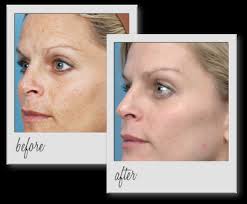
When the skin is affected in whichever way an immediate solution needs to be sort out in good time. Failure to do so may lead to serious repercussions to the delicate organ of the body. And because of the environment we leave in today our skin is one of the most vulnerable to several environmental attacks. One of the risks the skin is likely to suffer from is the hyperpigmentation disorders. Before we get into treatment of hyperpigmentation disorders, we need to have a brief understanding of what is the subject matter. Hyperpigmentation is caused by an overproduction of melanin which is the pigment that gives our skin, hair and eyes their natural colour. The overproduction of melanin is likely to be triggered by a variety of factors, but the main ones can be linked to:

It is therefore very important to understand that hyperpigmentation problems can be improved or eliminated all together by a variety of treatments, including topical lightening agents, laser-intense pulsed light, cryotherapy and chemical peels. Treating hypopigmentation may be a greater challenge. Nonetheless hypopigmentation after a burn or similar skin injury may resolve itself over time as melanocytes migrate to the damaged area. Current treatments for vitiligo are of limited effectiveness. For many people, camouflaging hypo-pigmented areas with sunless tanning products represents a viable alternative.

Treatment

Hyperpigmentation treatments include:

  • Topical lightening agents
  • Laser-intense pulsed light
  • Cryotherapy and
  • Chemical peels

None of the methods is optimal for every individual or for every hyperpigmentation problem. We discuss each of the options below.

Treatment of hyperpigmentation disorders – Topical lightening agents

  • These are creams or serums used on the skin to help lighten skin and skin pigmentation problems.
  • They can treat many types of skin pigmentation, including melasma, freckles, sunspots, and post-inflammatory hyperpigmentation (PIH) secondary to lasers, peels and acne.
  • Ideally, lightening agents do not completely remove pigmentation, but do significantly lighten it.
  • Pigmentation issues such as freckles or sunspots can be completely removed with laser in most cases.
  • Topical lightening agents can also be used to prepare the skin for laser treatments. This reduces the risk of post-inflammatory hyperpigmentation (worsening of pigmentation) after laser treatment, especially for olive to dark skin types.
  • The first method of treating skin pigmentation is to prevent its appearance or worsening by daily application of sunscreen as well as sun avoidance. Then a topical lightening agent can be used in conjunction with a good sunscreen.

What are the common topical lightening agents? They may include the following:

Treatment of hyperpigmentation disorders – Hydroquinone

This is the most widely and successfully used skin lightening agent. It is resourceful in sorting out conditions like melasma or chloasma, post-inflammatory hyperpigmentation, and other disorders of pigmentation. Over the counter strengths can go up to 2%, but concentrations higher than this require a prescription from a medical professional. Hydroquinone can be quite irritating to the skin resulting in redness or when it comes in contact with dermatitis when used in higher concentrations.

Treatment of hyperpigmentation disorders – Kojic acid

This is derived from fungus such as Aspergillus and Penicillium. It can be used in concentrations between 1% and 4% and can be compounded with other agents. Nonetheless it can cause skin irritation and therefore, it is not as effective as hydroquinone, but has no chance of rebound pigmentation or ochronosis.

Treatment of hyperpigmentation disorders – Paper mulberry

Paper mulberry extract is isolated from the roots of an ornamental tree, Broussonetia papyrifera. A Korean study compared it to kojic acid and hydroquinone, and found that only 0.396% paper mulberry was required to inhibit the enzyme tyrosinase that produces melanin, in comparison to 5.5% hydroquinone and 10% kojic acid. Skin irritation with paper mulberry is less than other lightening agents such as hydroquinone. Paper mulberry bark can be found in Enlighten from Osmosis.

Treatment of hyperpigmentation disorders – Arbutin

Originating from bearberry, Arbutin helps to lighten the skin by inhibition of the enzymes that help produce melanin. It has less irritation than kojic acid and hydroquinone.

Niacinamide

Niacinamide is a form of vitamin B3. It inhibits the transfer of the pigment forming cells, the melanosomes, to the surface of the skin.

Treatment of hyperpigmentation disorders – Vitamin C

Topical vitamin C also helps interfere with pigment production. An additional benefit of vitamin C is the anti-oxidant effect it has, so it will help prevent skin from environmental damage. Vitamin C also stimulates the production of collagen. Stability of vitamin C is the main problem of most vitamin C products. Cosmedix provides vitamin C in the form of L-ascorbic acid and is highly stable in this form.

Treatment of hyperpigmentation disordersGlycolic acid

This is an alpha-hydroxy acid (AHA) which can have a discohesive effect on the epidermis, or top layer of skin, to help desquamate (exfoliate) the pigmented skin cells. In so doing, it facilitates skin turnover and pigment is lost more rapidly. Glycolic acid is found in varying concentrations in rapid skin care products.

Treatment of hyperpigmentation disorders – Retinoids

These are derived from vitamin A. Retinoids work in a number of ways to help reduce pigmentation. However the actual mechanism of action is not very clear, but it is believed that their depigmenting properties arise from inhibition of the enzymes causing pigmentation, dispersion of pigment granules in the top layer of skin, and also by accelerating skin turnover to help pigmented skin cells shed more quickly. It is also this final property that helps retinoids smooth skin, reduce wrinkles, and active acne. Retinoids can be irritating to the skin and may need to be commenced slowly.

Finally the business of skin care is not just for any one, it needs professionals with the calling to do the job effectively. That is why Dr. Akoury made a decision to create a medical center (AWAREmed Health and Wellness Resource Center) whose main objective is to transform each individual’s life through increasing awareness about health and wellness and by empowering individuals to find their own inner healing power. Dr. Akoury’s practice focuses on personalized medicine through healthy lifestyle choices that deal with primary prevention and underlying causes instead of patching up symptoms. This is the passion am talking about. You can now call the most passionate skin care expert today to schedule for an appointment with her for any skin related concerns.

Treatment of hyperpigmentation disorders – Skin lightening


Facebooktwitterpinterestlinkedin