
Category Archives: Dr. Dalal Akoury

The crucial role of Sulfur in health and glutathione

The crucial role of Sulfur in health and glutathione: Understanding the effectiveness of sulfur
The crucial role of Sulfur in health and glutathione

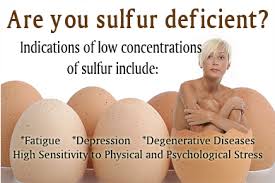
The crucial role of Sulfur in health and glutathione must be taught across the board. indication of low sulfer include depression and fatigue.

In our daily effort in ensuring that our body is duly protected from the various attacks of the environment and other sources, the application of sulfur becomes very important. We all have a duty to keep healthy and that is why discussion about the crucial role of sulfur in health and glutathione becomes necessary. To start us off doctor Dalal Akoury a medical professional and founder of AWAREmed Health and Wellness Resource Center brings us up to speed about certain benefits of sulfur. She says that sulfur plays an important role in the formation of proteins. These protein chains are held together by peptide (disulfide) bonds provided by sulfur amino acid cysteine. And because our bodies are held together with proteins in all the connective tissues, without sulfur we would literally turn into a splash of cells and spread over the floor. Not forgetting that enzymes which are proteins are charged with the regulation and enhancement of most biochemical processes in our bodies but for this to be done effectively, the supply of sulfur is very necessary that will also include the glutathione enzymes.

The crucial nature of sulfur is that it enables the collagen which is the main constituent of cartilage that keeps our joints working properly.

Sulfur is the main constituent of protein keratin that our hair, nails and skin are made of. Sulfur is what gives them their shape, flexibility and strength.

As for the beauty of the skin, sulfur is responsible for keeping the skin cells flexible and permeable, thereby enabling our skin to serve certain roles of the kidneys as many toxins exit the body with sweat.

Sulfur is one of the raw materials, alongside amino acids and vitamins, necessary to create healthy new cells with flexible walls. This flexibility allows fluids to flow freely through the tissues in response to changes in atmospheric pressure. This reduces cell inflammation and pain sensations.

Sulfur is a component of insulin. A diet rich in sulfur containing foods may enhance the body’s ability to produce insulin and lower the dependency on injections in diabetic patients.

Sulfur and MSM (Methylsulfonylmethane) promote healthy digestive function by boosting digestive enzyme activity, building healthy lining tissue and promoting bowel activity.

Protein is the main structural component of myelin sheaths, the protective layer covering the nerves. Insufficient sulfur may cause demyelination to occur, especially in the presence of elevated oxidative stress or exposure to toxins that may trigger the onset of neurodegenerative diseases and peripheral neuropathy.

Sulfur is a component of vitamins B1 (thiamin), B5 (pantothenic acid that converts to coenzyme A) and B7 (biotin) required for the metabolism of fats, carbohydrates and glucose.

Sulfur is required for manufacturing of alpha lipoic acid in the body, an important antioxidant and a glutathione cofactor that has been shown to elevate glutathione levels.

MSM, an endogenous cellular metabolite that acts as sulfur donor in many trans-methylation reactions, is also able to act as an antioxidant and free radical scavenger.

And last but not least – sulfur is a critically active component in the reduced (active) form of a glutathione molecule (GSH). Sulfur sulfhydryl group is represented by “SH” in the common abbreviation for glutathione (GSH). It is the sulfur containing amino acid cysteine, the most crucial building block for glutathione that contributes sulfur to it. At low levels of intake cysteine is preferentially incorporated into proteins rather than glutathione. Thus, the availability of cysteine determines how much glutathione and how fast a cell can produce in response to a threat.

Sulfur is also what is responsible for glutathione’s antioxidant and detoxifying powers – free radicals, toxins, heavy metals, etc. “stick” to sulfur to be eliminated from the body.

Organic sulfur as sulfur containing amino acids can also increase the
synthesis of S-adenosylmethionine (SAMe) in the body. SAMe is a form of methionine partially converted to cysteine that cells can use in the synthesis of glutathione. Synthetic SAMe is also a pharmaceutical drug that is used in the treatment of liver diseases and in Europe as a mood stabilizing medication.

The crucial role of Sulfur in health and glutathione: Methylsulfonylmethane

It was reported that MSM may also be used as a precursor for the synthesis of methionine and cysteine, and act as a source of sulfur which may induce new GSH synthesis. Methyl Sulfonyl Methane, better known as MSM, is a naturally occurring sulphur compound that may play a role in the synthesis of glutathione (GSH), one of the most important intracellular antioxidants, through its transulfuration pathway.

As we continue into the discussion, it is important to note that sulfur amino acid insufficiency compromises glutathione synthesis, to a greater extent than hepatic protein synthesis, in the presence and absence of an inflammatory stimulus. The resulting effect may be compromised antioxidant defenses. Functioning of T cells is dependent on intracellular glutathione concentrations and may also be affected by sulfur amino acid insufficiency. And finally on this is that part of MSM’s action is to improve your body’s ability to make its own antioxidants.

The crucial role of Sulfur in health and glutathione: Who may benefit from taking MSM supplement?

Vegetarians and vegans may be at high risk of sulfur deficiencies because of the lack of sulfur-rich animal foods in their diet and the normal processing of plant foods that destroys MSM, although cysteine and methionine are present in some plants. Those who favor these eating styles may benefit from taking MSM supplement.

People who do not consume sufficient amounts of sulfur rich foods and eat mostly processed foods will benefit from taking supplemental MSM.

MSM supplement may be beneficial to those on a protein restricted diet, for example due to kidney disease.

MSM has been used extensively to relieve arthritic pain, joint pain, back pain, migraines, skin conditions, allergies, autoimmune diseases, digestive issues, and to promote the healing of burns and scars. It may be beneficial for people with these health conditions.

Athletes, both professional and amateur, may find MSM supplement helpful in the process of healing sports related joint injuries and for faster recovery. Research also indicates that insufficient intakes of sulfur amino acids during training may promote inflammation.

MSM supplement may help maintain glutathione levels by improving alpha lipoic acid levels, by helping decrease inflammation and oxidative stress, by participating in the metabolism of cysteine and methionine, and by contributing the continuous supply of sulfur for many vital processes in the body. This supplement may be useful to those interested in optimizing their glutathione levels.

The crucial role of Sulfur in health and glutathione: Dosages for the MSM supplement

Finally for a typical maintenance dose of supplemental MSM is 1,000-3,000 mg a day. However the MSM supplements will always come in capsules and in powder form, the latter being more cost-efficient for larger doses. The effectiveness of a dose depends on the severity of a condition and the length of time the MSM supplement is taken. It may take up to 2 months of daily use to notice any health benefits. For further needs you may want to schedule for an appointment with doctor Akoury today.

The crucial role of Sulfur in health and glutathione: Understanding the effectiveness of sulfur


Facebooktwitterpinterestlinkedin

Stem Cell Therapy for Addiction Treatment

Adipose Derived Stem Cell Therapy for Integrative Addiction Treatment

Addiction treatmentAddiction was, is and will continue to be a problem in the society. Today addiction stands as one of the most complicated diseases of the human race. It is not very easy to heal from addiction and many factors contribute to this. One of the factors is that after a prolonged use of drugs a person’s neurotransmitters are damaged and therefore the communication between the nerves is altered. The nervous system is the most affected system of the body after a prolonged drug use with neurotransmitter such as dopamine, GABA and serotonin being the most affected neurotransmitters. After a long term use of certain drugs, the level of GABA will be depleted to a point where it will be at an all-time low. This will lead to myriad of complications as the nerve impulses will be unregulated. This will lead to such problems as anxiety, depression, cognitive impairment and seizures among other diseases. Without restoring the level of GABA to healthy limits, any attempt to treat an addict will be ineffective. Dopamine levels will also be low and this will lead to depression and anxiety which are major symptoms of addiction. The use of drugs of abuse affects the neurotransmitters adversely and therefore there is need to restore the health of the neurotransmitters in order to do away with the addicted brain. This can be achieved through integrative addiction treatment which involves using both orthodox ways of addiction treatment and recovery as well as other alternative addiction treatments that have been hailed for effectiveness. One of the alternative addiction treatments that have been targeted by many researchers is the use of adipose derived stem cell therapy.

Why adipose derived stem cell therapy?

By now you know that the stem cells possess a rare ability to differentiate into different cells and therefore are capable to be used in replacing worn tissues cells and part of organs that are damaged as a result of prolonged drug use.

The stem cells can be derived from the adipose tissues where they are available in large quantities. having been derived from the adipose tissues the stem cells can thereafter be supplemented into areas where they are mostly needed to help correct the damages caused by addiction. After a prolonged use of drugs the brain chemistry becomes altered and this causes imbalances between the excitatory neurotransmitters like the dopamine and the inhibitory neurotransmitters like the GABA. When this happens the addict will continue using the drug to normalize the situation by heightening the falling dopamine level as opposed to initial use of the drug to heighten the dopamine level in order to induce feelings of euphoria. This explains why some people who have used drugs for a long time are always at their ‘ lows’. With the stem cell therapy this defect can be corrected and the balance in the brain chemistry can be achieved.

The use of stem cell therapy in treating of illnesses is not new, it is has since become a vital component of regenerative medicine and its application in integrative addiction treatment should not raise eyebrows. As it is used in treatment of other diseases to create living and functional tissues, regenerate and repair tissue and organs in the body that are damaged due to age, disease and congenital defects it can be used in addicts to correct defects in the brain chemistry and restore the balance. Stem cells have the power to go to these damaged areas and regenerate new cells and tissues by performing a repair and a renewal process, restoring functionality.

Using adipose derived stem cell therapy for addiction

Current research has found Stem cell therapies to be effective in treating genetic diseases such as alcoholism and drug addiction at their source. Being the basic cells in the body that are charged with a responsibility of rebuilding and healing dysfunction and disorder. The stem cells can be used to create healthy cells in situations where genetic pre-dispositions cause destruction. This can be done by taking healthy stem cells and transplanting them into the infected area. Through this doctors can cause changes in brain and body chemical compositions that offer a key to healing problems such as alcoholism and drug addiction.

Addiction TreatmentThe healthy stem cells are capable of changing the chemical composition of our brains and how the brain works. When healthy stem cells are transplanted into the damaged brain area. In the case of drugs; the area of the brain that controls impulses and chemical reactions to substances they begin to rebuild that area without the previous cellular dysfunction. This means that brain functions that facilitate addiction will be done with.

As known the body cells die while some are born replacing the worn out cells. Typically due to mutation, mutated cells will give rise to malfunctioning cells just like they and this will affect the whole body leading to rise of diseases. Stem cells are the best remedy as they are new and have no mutations that therefore restore the affected areas to equilibrium and facilitating whole-body healing of the addict.

In conclusion, the health of neurotransmitters matters a lot and now that it is known that some drugs depletes these neurotransmitters there is need for treatment of addiction in a manner that restores the functions of the entire nervous system. This is why here at AWAREmed we are dedicated to finding the best solutions to addiction and dependence on substances. Dr. Dalal Akoury (MD) is always in the mood of helping any patient to be addiction free. Call on her for help.

Adipose Derived Stem Cell Therapy for Integrative Addiction Treatment


Facebooktwitterpinterestlinkedin

The Right medications for Osteoporosis

The Right medications for Osteoporosis: What to go for Healthy bones

The Right medications for Osteoporosis

The Right medications for Osteoporosis are many and can be confusing, however you must have the picture of how the osteoporosis affected bone will look like.

In the most immediate article where we were looking at identifying the right osteoporosis medication, we dealt with one type of medication and now we want to further the discussion into other types of medications available. The right medication for osteoporosis besides what we have already discussed may include the following:

  • Evista
  • Forteo
  • Denosumab
  • Calcitonin
  • Estrogen Hormone

Doctor Dalal Akoury who is an expert in various medical disciplines founded a health facility known as AWAREmed Health and Wellness Resource Center whose main objective is to transform each individual’s life through increasing awareness about health and wellness and by empowering individuals to find their own inner healing power. I believe that you are that individual and we want to be of help to you to prevent or treat osteoporosis professionally. Actually Dr. Akoury’s practice focuses on personalized medicine through healthy lifestyle choices that deal with primary prevention and underlying causes instead of patching up symptoms. This is the kind of professional you need for problems of this magnitude. You can therefore schedule for an appointment with her today and the health of your bones will never be the same again. If you are already struggling with osteoporosis then doctor Akoury suggest the usage of the following medications:

The Right medications for Osteoporosis: Evista

This is ideally best for breast Cancer and Osteoporosis prevention. Remember that prevention is the best approach, better than offering treatment. For women with osteopenia which is the low bone density but not yet osteoporosis, or who have difficult GI problems taking bisphosphonates this (Evista) has become an option. Evista is a selective estrogen receptor modulator, or SERM, used to treat breast cancer. It is also approved by the FDA to prevent and treat osteoporosis.

The drug binds with estrogen receptors throughout the body to produce some estrogen-like effects including prevention of bone loss. In this case Evista helps prevent spine fracture and not hip fracture. Evista is not as potent as estrogen therapy or bisphosphonates on bone. Nonetheless the FDA has approved it for osteoporosis, and to reduce risk of breast cancer. Women can get those extra benefits from Evista.

The Right medications for Osteoporosis: Forteo

When we talk of forteo, what comes into your mind is its ability to build the strong bones. For those struggling with severe osteoporosis, forteo would offer the solution. This is a parathyroid hormone which increases the bone density and bone strength to prevent fractures. Forteo stimulates bone-forming cells called osteoblasts to build bone. This osteoporosis medicine has a dramatic effect on bone density in the spine and reduces fracture by up to 90%.

Forteo is a daily injectable medication administered particularly to those patients who have severe osteoporosis or those who have had more than two fractures. The good news about this medication is that you can inject it yourself on you or request someone to do it for you. Whereas other drugs may be effective in breaking of bones, forteo does the exact opposite that is to say, it build up the bones. It is therefore recommended for women who have severe osteoporosis because it is much stronger than the other family of drugs for the bone health. And just like in all drugs osteoporosis also has some side effects including feeling light headed, fast heartbeats, vomiting, nausea, weakness of the muscles and constipation.

The Right medications for Osteoporosis: Denosumab

Like Forteo, this osteoporosis treatment also builds bone. Phase 3 trials showed a decreased rate of vertebral and hip fractures. The drug activates bone-building osteoblasts by a different mechanism than Forteo does. This new osteoporosis drug is injected, but women may need injections just a few times a year. It will interest you to note that the preliminary information on denosumab looks good and that can only mean that patients who may have not tolerated or benefited from other drugs may find it useful.

The Right medications for Osteoporosis: Calcitonin

Calcitonin is one of the oldest drugs for treating osteoporosis with is approval coming in 1984 this drug is still being used periodically. It is a hormone made from salmon calcitonin, and helps to slow bone loss, increases bone density, and may relieve bone pain. It works by binding with damaging cells called osteoclasts, preventing bone loss. Calcitonin’s key benefit is reducing risk of spinal fractures. Calcitonin is often used as an additional osteoporosis medicine or when someone cannot tolerate a bisphosphonate. It may be given as an injection. Its side effects include loss of appetite, diarrhea, increased urination and flushing of face or hands.

The Right medications for Osteoporosis: Estrogen Hormone Therapy

Remember what doctor Akoury stated in the introduction about prevention. Actually estrogen hormone therapy is a powerful tool of prevention of hot flashes and osteoporosis. Most ideal for women who want to get rid of hot flashes and prevent osteoporosis hormone replacement therapy (HRT) is an option. However, it is important to note that when using this tool of treatment, it comes with certain risks of heart disease, stroke, and blood clots in the lungs. Besides that there is also an increased risk of breast cancer and possibly other cancers. Such risk will eventually cease the moment women also cease from taking HRT this is according to the new research findings. And even though this is so, doctors can still prescribe the lowest possible dose of HRT for the shortest amount of time for women who have bothersome hot flashes. The bone-building benefits of HRT are a plus as it is known to preserve bone and prevent fractures.

Finally the good health of the bone is very paramount for everyone. Remember that it is the bone that carries the weight of the body and also gives the body the frame work through which we are able to see and admire a given physical appearance of the body. I may not know what you are going through in relation to the health of your bones. But everyone is at risk because we are all growing old and are bound to face this complication someday. However doctor Akoury says that you can change this by seeking professional guidance from your healthcare giver. You can also opt for an appointment with doctor Akoury today by scheduling for an appointment with her and your story will change for the good.

The Right medications for Osteoporosis: What to go for Healthy bones


Facebooktwitterpinterestlinkedin

Facial Rejuvenation

Adipose Derived Stem Cell Therapy for Facial Rejuvenation

Facial RejuvenationBeauty is in the eye. I’d rather stop it at that rather than completing the common say. Women know this better than men do and this is why they invest so much in their appearance. Their faces ought to be at their best, glistening, moistened and generally healthy. To every woman beauty is an important factor that not only determines how she is perceived but also how she will interact with people herself. When a woman knows that she is beautiful her level of confidence is heightened, she believes in her abilities and will not be deterred by any other factor. Despite our women doing much to enhance their beauty, there is more that they can’t easily handle by themselves and needs medical assistance. There are hormones that are very essential to ensure that women are in good shape and appearance, these hormones has much to do with their weight, the glowing of the skin and their flawlessness. However as women approach 50 years of age a lot will change about them. This is because the production of these hormones will be low or will stop and their input in ensuring that women’s beauty is maintained will no longer be attended to. He names estrogen and progesterone are not new to anybody and their contributions in beauty are known. Today we are looking at another factor that can be utilized so as to help achieve beauty by rejuvenating the face: the stem cells.

Why stem cells for facial rejuvenation?

The face is exposed to all sorts of danger ranging from sunburn to degenerative diseases. As a person is growing old it has always been seen that their faces will tend to lose their lusture and flawlessness, the face will become rough, dried and discolored. This is evidence that some cells are maimed and have malfunctioned or worse still have died. The stem cells’ most popular characteristic is that they have the ability to become any type of cell in the body and so can be used to replace cells that have died or have malfunctioned and this will help restore the face leaving it beautiful and rejuvenated. Therefore ways of supplementing stem cells into the affected tissues can be utilized to ensure that the stem cells are in optimum levels so as to take care of the damaged tissues.

The adult stem cells especially the mesenchymal stem cells are good for this procedure; these stem cells can be collected from the adipose tissues of the patient. When the stem cells are withdrawn from the individual on whom they are used again, it is referred to as autologous stem cell therapy. The best thing with autologous stem cell therapy is that you do not need any donor and secondly the stem cells are from the same individual and so there are no chances of the body rejecting them. There is no risk of any dangerous reaction that may occur when the antibodies begin fighting the stem cells supplemented as foreign bodies. The stem cells are from you and can never be foreign.

Facial rejuvenation with adipose Derived stem cells does not require surgery. The procedure is safe as it avoids any incision in its quest to rejuvenate the face and leave the skin healthy. The stem cell therapy will not only replace the worn out or dead cells on the face just to restore its youthful contours but will also help in restoring the shape of the face. As mentioned earlier, aging interferes or rather degrades the skin quality, exposure to sunlight will also lead to ‘cooking of the face’ a condition known to many as sunburn, with adipose stem cells therapy, the quality of the skin can be restored and is the color irregularities that are caused by exposure to sun and other environmental factors.

facial rejuvenationAnother advantage that a patient can get when she has undergone facial rejuvenation with stem cells therapy is that she will not need some of the frequently used maintenance procedures like the botulinum toxin and cosmetic filler injections. the stem cells ability to rejuvenate the face is owed to the regenerative capacity of the mesenchymal stem cells that divide many times giving rise to highly differentiated cells of different types. Due to their importance in the regenerative medicine, of all the trillion cells in the body, the stem cells have since been regarded as the most important category of cells. They are among the few cells in the body that are specialized and have the potential to become a particular cell type and replace worn and damage cells.

The adipose or fat tissues contain large numbers of the stem cells and several studies have shown that these stem cells can be used to heal degenerative diseases as they can survive when removed from the adipose tissues and planted into affected areas where they will work by either correcting the defects in the cells or replacing the worn out cells all together. Stem cell therapy is a safe and effective approach to facial rejuvenation. When transplanted into the affected areas the adipose Derived stem cells help to restore lost fats, enhancing the volume of the face, and skin elements which would improve both the quality and texture of the skin hence improving health of the skin and beauty.

Finally, the pursuit of beauty has seen many women suffer when they chose to go for some dangerous surgeries; by choosing stem cell therapy you are choosing a safer approach. Dr. Dalal Akoury (MD), founder of the AWAREmed Health and Wellness Resource Center Located at Myrtle Beach, North Caroline is an expert in the treatment of degenerative diseases. Call on her for help.

Adipose Derived Stem Cell Therapy for Facial Rejuvenation


Facebooktwitterpinterestlinkedin

Stem Cell for Cancer Reconstruction

Adipose Stem Cell in Cancer Reconstruction

Stem CellCancer is a multi-faceted disease that has to be approached with myriads of treatments to be won. Before the invention of various effective therapies that can now be used in treatment of cancers, patients had no option but to rely on three main treatments, which are the chemotherapy, radiation therapy and surgery. These are the most commonly used cancer treatments in the mainstream medicine. They have been used for years and have been thought as the most effective because they all target the damaged cells or other the cancerous cells. However every patient who has gone through these treatments will attests to the fact that with these treatments it takes longer to be the person you used to be before the invasion of the disease. Even after being discharged there are signs that will always remind of the agony that you went through when dealing with cancer. All types of cancer are known for the pain they cause, the breast cancer is one of the most common cancers that have seen many women lose their breasts that had to be chopped to stop the cancerous cells from affecting the neighboring tissues and spreading farthest making it harder to contain. after the surgery which when done well and succeeds the spread of cancer can be contained and the cancer patients can be free from the disease, there are marks that are left on the patient, there also living cells that are also affected as a result of damage caused when the surgery was taking place, it is therefore prudent to get a cancer patient through a recovery and reconstruction phase. This phase takes place after cancer treatment and is aimed at retaining the appearance and the optimal health and wellness that the patient had before the invasion of the disease. Recently different researchers have been proposing the use of the adult stem cells to help in the cancer reconstruction phase.

The adipose tissues are a home of millions of mesenchymal stem cells that have been hailed for their ability in healing degenerative diseases. Recently, fat graft was proposed for breast reconstruction in post-surgery cancer patients achieving good aesthetic results and tissues regeneration. In spite of the known medicinal abilities of the stem cells, there have been speculations that have since been backed up by findings that adipose derived stem cells may have a role in cancer recurrence. These findings have since raised concerns over the safety of using the stem cells in cancer reconstruction.

Adipose stem cells may favor cancer recurrence in breast cancer reconstruction

To verify these findings a group of researchers namely; Eterno V, Zambelli A, Pavesi L, Villani L, Zanini V, Petrolo G, Manera S, Tuscano A and Amato A. did a research which involved establishing a model where autologous ASCs were combined with primary normal or cancer cells from breast of human donors, in order to evaluate potential effects of their interactions, in vitro and in vivo.

In the recent past autologous fat graft has been used as filler for breast reconstruction in cancer patients after conservative surgery. The past reports have shown that adipose derived mesenchymal stem cells have great capability in several medical fields such as plastic, orthopedic, cardiac, oral/maxillofacial and breast surgery. Autologous fat grafts were used to correct irregularities and, surprisingly they showed to promote a local tissue repair as a result of a new microenvironment, where Adipose Stem Cells favor healing processes], as it was shown for tissue damaged by radiotherapy in post-surgery breast cancer patients. However, it has been found that the mesenchymal stem cells that are essential for proper tissues development and homeostasis as described for mammary gland also have a role to play in cancer recurrence. The mesenchymal stem cells have been found to favor epithelial growth toward a tumorigenic development in breast cancer. They do this since the mesenchymal stem cells can secrete cytokines, chemokines and growth factors essential for development and maintenance of an inflammatory state, improving physiological tissue regeneration after injury but also at the same time the inflammatory state favors the growth of tumors.

In their research, Eterno V et al found that a well-orchestrated inflammatory response supports tumorigenesis, creating an optimal microenvironment where cancer cells are continuously stimulated to proliferate, also by recruitment of several cell types able to promote tumor neoangiogenesis. Besides, inflammation contributes to metastasis favoring homing of disseminated tumor cells in new tissues . This theory is feasible since the breast tumor cells also produce cytokines and growth factors, and express their cognate receptors which could be activated both in a paracrine and autocrine fashion.

stem cellIn this study it was also found that the mesenchymal stem cells encourages growth of tumors by influencing breast cancer phenotype, in terms of aggressiveness and invasive capability, such as supporting Epithelial-Mesenchymal Transition (EMT) which has been reported to lead tumor cell dissemination and metastasis. The study established a model where autologous ASCs and primary breast cancer cells from human donors were combined in order to evaluate potential effects of their interactions, in vitro and in vivo.

The cultured breast cancer cells showed an increase in proliferation rate and invasive capabilities, acquiring a metastatic signature in Vitro while in Vivo simultaneous co-injection of primary breast cancer cells and Adipose Stem Cells into nude mice suggested adipose stem cells did not differentiate into adipocytes but instead integrated into the tumor stroma, aggravating tumorigenicity of primary breast cancer cells. The study however found that adipose stem cells were not tumorigenic per sè, as they were not able to induce a neoplastic transformation in normal mammary cells, which failed to form tumors in vivo.

Finally, cancer is a serious disease that ought to be approached integratively, Dr. Dalal Akoury (MD) is an expert in integrative and regenerative medicine will be able to help. Visit us at AWAREmed Health and Wellness Resource Centre at Myrtle Beach, South Carolina.

Adipose Stem Cell in Cancer Reconstruction


Facebooktwitterpinterestlinkedin
