Category Archives: Dr. Dalal Akoury

Handling Anxiety and Fear by Cancer Patients

Handling Anxiety and Fear by Cancer Patients: Panic attacks and cancer
Handling Anxiety and Fear by Cancer Patients

Handling Anxiety and Fear by Cancer Patients will go along way in offering lasting solutions to cancer treatment

Every time we are faced with any life threatening situation, we become depressed, fearful and our anxiety level goes up. This is common with people because it is inbuilt. The problem often becomes more complicated when we fail to be calm and panic in the process. Like for instance, the news about cancer infection can be very lethal on the part of the patient especially when they were not prepared of the possibilities of being cancerous. The luck of preparedness is the major cause of the greatest portion of fear and anxiety. Besides this, the fear of treatment, frequent visit to the doctor’s clinic and tests might also cause apprehension. Because of the impact attributed to these feelings, we want to discuss the best ways of handling anxiety and fear by cancer patients in the present generation.

According the experts at AWAREmed Health and Wellness Resource Center under the leadership of doctor Dalal Akoury’s care, it’s normal to feel afraid and scared when you’re sick. Like for instance people may be afraid of hysterical pain, dying, or the aftermath of death, including what might happen to loved ones. These same feelings may be experienced by family members and friends as well. It is therefore very important that we are aware of what signs that will indicate the presence of such fears and anxieties. The following are some of the signs and symptoms of fear and anxiety

  • Portraying anxious facial expression
  • Hysterical worry
  • Difficulties in solving problems and focusing thoughts
  • Muscle tension
  • Quivering or trembling
  • Restlessness, may feel keyed up or on edge
  • Dehydrated mouth
  • Irritability or angry outbursts

Doctor Akoury recommends that when an individual is showing majority of these signs daily, and they are causing interference with their lives, then at this point a mental health evaluation could be helpful. Under these circumstances you can be very instrumental in advising the patients by observing the following.

Handling Anxiety and Fear by Cancer Patients: What to do

  • Polite encouragement to share the experience.
  • Share feelings and fears that you or the anxious person may be having.
  • Listen carefully to each other’s feelings. Offer support, but don’t deny or discount feelings.
  • Remember that it’s OK to feel sad and frustrated.
  • Get help through counseling and from support groups.
  • Use meditation, prayer, or other types of spiritual support if it helps.
  • Embrace deep breathing and relaxation exercises. Close your eyes, breathe deeply, focus on each body part and relax it, start with your toes and work up to your head. When relaxed try to think of a pleasant place such as a beach in the morning or a sunny field on a spring day.
  • Talk with a doctor about using anti-anxiety or anti-depressant medicines.

Handling Anxiety and Fear by Cancer Patients: Do not

  • Make effort to argue with a person whose fears and anxieties are severe instead consult with a doctor on the kind of medications to help.
  • Keep feelings inside.
  • Persuade one who is not willing to open up and talk to do so.
  • Blame yourself or another person for feeling fearful or anxious.

Handling Anxiety and Fear by Cancer Patients: Panic attacks

Panic attacks can be an alarming symptom of anxiety. Panic attacks happen very suddenly and often reach their worst in just about 10 minutes. The victim may seem fine between the attacks but is usually very afraid that they will happen again. The following are some of the symptoms of panic attack.

Handling Anxiety and Fear by Cancer Patients: Symptoms of a panic attack
  • Shortness of breath or a feeling of being smothered
  • Running heart
  • Feelings of dizziness, unstable, lightheaded, or faint
  • Chest pain or discomfort
  • Feeling as if they’re choking
  • Quivering or trembling
  • Sweating
  • Fear of losing control or “going crazy”
  • An urge to escape
  • Impassiveness or tingling sensations
  • Feeling “unreal” or “detached” from themselves
  • Chills (shaking or shivering) or hot flashes (may involve sweating or facial reddening)

If a person is having any of the first 5 symptoms or any five for that matter, it can mean an urgent or life-threatening condition. In this case the presence of a doctor would be required right away to attend to the patient if someone unexpectedly has any of these. It is also very important to note that these symptoms can be signs of other, more serious problems such as shock, heart attack, blood chemistry imbalance, collapsed lung, allergic reaction and many other chronic conditions. Therefore it’s not safe to make an assumption that they are panic-related until are diagnosed and confirmed by a doctor.

Handling Anxiety and Fear by Cancer Patients: What to do
  • Check with the doctor to be sure that the symptoms are caused by panic and not another medical problem.
  • Stay calm and speak softly during a panic attack.
  • Sit with the person during panic attacks until he or she is feeling better.
  • Call for help if needed.
  • After the panic attack is over, encourage the person to get treatment for the panic attacks.
  • Provide transportation to treatment if needed. The person may be afraid that a panic attack will happen while driving.
  • The ideas listed under “What to do” in the section “Anxiety and Fear” may also be helpful.

Handling Anxiety and Fear by Cancer Patients: Do not

  • Minimize or make light of the person’s terror or fear.
  • Judge the person for feeling scared and acting strangely.
  • Try to talk the person out of their fear or other feelings.
  • Hesitate to call the doctor if you have questions about what’s happening.

Finally for us to win the good health back, we must ensure that we change our attitude towards anxiety and fear more so when it comes to handling cancer patients. Everything we do will matter a lot in the healing process of the cancer patients. Therefore seeking for treatment in good time and from experience and qualified doctors will be the best you can do for yourself. Doctor Dalal Akoury is one of such professionals you can contact for any health conditions you have that is cancerous. Make the best decision today and schedule for an appointment with doctor Akoury for a life changing treatment that will give you your life back enjoying it to the fullest.

Handling Anxiety and Fear by Cancer Patients: Panic attacks and cancer


Facebooktwitterpinterestlinkedin

How Cancer affects your emotional health

How Cancer affects your emotional health: Depression and cancer

How Cancer affects your emotional health

How Cancer affects your emotional health is one thing you can avoid by being physically active

It is never fun to be told that you are suffering from cancer. When such news is broken to the patients, devastation, pain and anguish sets in not just to the patient but even to the relatives and loved ones. For sure most patients, families, and caregivers expresses some degree of depression, anxiety, and fear when cancer becomes part of their lives. These feelings are normal responses to this life-changing experience. We want to settle into the discussion of how cancer affects your emotional health and what you can do to help. We will be guided by the help of doctor Dalal Akoury who is also the founder of AWAREmed Health and Wellness Resource Center where a lot of cancer preventive treatment are done. You can also be part of the many experiencing life transformation with the professionalism approach doctor Akoury is applying in the treatment of her clients.

Like I have just mention cancer is life threatening and people struggling with cancer will have the feelings expressed above which can be caused by many things, including changes in their families’ roles and even assignment at their work stations. A cancer patient is likely to feel the loss of control over life events, and bear the burden of dealing with changes in their body image. They might feel grief at the losses and changes in their lives that cancer brings. There may be fear of the eventualities like death, suffering, pain, or all the unknown elements that lie ahead. This may not be limited to the patients only but even the family members and caregivers may have these feelings too. It is possible that they will be afraid of losing their loved one. Anger of knowing that cancer is affecting their loved ones will be another concern especially with the knowledge that cancer is genetically inherited. This will in many ways cause both the patient and their loved ones frustration and stress that they are either not doing enough to help or that they have to do more at home.

In all these, it’s important to remember that people with cancer, as well as their friends and family, can feel distress about these things at any time after a cancer diagnosis, even many years after the cancer is treated. And as the cancer situation changes, they all must cope with new stressors along with the old, and their feelings often change, too. For instance, people dealing with cancer that’s spread and is making the person feel worse may have more emotional distress than those dealing with early-stage cancers.

People who have physical symptoms such as pain, nausea, or extreme tiredness (fatigue) also seem more likely to have emotional distress. Most of the time, physical symptoms can be controlled with medicines but it could take more than one try to find the right drug or combination of drugs. Doctor Akoury emphasizes that because of this, patient must keep consulting closely with their doctors and with their cancer team. This way they can help with these kinds of symptoms before you feel overwhelmed.

Take note that this link is tailored to equip you with health information that can help your families, friends, and caregivers to know what feelings and behaviors they might expect from their loved one who has been diagnosed with cancer. It is also to help you understand what isn’t normal and when more needs to be done like getting outside help. Besides, it can also help you recognize when you or others need outside help. Remember that everybody is vulnerable to cancer and all these things can happen to anyone including your caregivers, friends, and family members too. Anyone affected by cancer theirs or a loved one will need help in dealing with the emotions that result.

How Cancer affects your emotional health: Depression and cancer

It’s normal to grieve over the changes that cancer brings to a person’s life. The future, which may have seemed so sure before, now becomes uncertain. Some dreams and plans may be lost forever. But if a person has been sad for a long time or is having trouble carrying out day-to-day activities, that person may have clinical depression. In fact, up to 1 in 4 people with cancer have clinical depression. The effects of clinical depression is alluded to great distress, impairs functioning, and might even make the person with cancer less able to follow their cancer treatment plan. In all these, there is still hope and the good news is that clinical depression can be treated. Therefore if you know of anyone who has symptoms of clinical depression, you can be their link to the much help they need, encourage them to get help from the experts at AWAREmed Health and Wellness Resource Center. There are many ways to treat clinical depression including medicines, counseling, or a combination of both. With good and timely treatments, you can reduce your rate of suffering and improve the quality of your life.

How Cancer affects your emotional health: Symptoms of clinical depression

  • Loss of interest or pleasure in almost all activities most of the time
  • Being slowed down or restless and agitated almost every day, enough for others to notice
  • Frequent thoughts of death or suicide (not just fear of death), suicide plans or attempts
  • Continues sadness, hopeless, or “empty” mood for most of the day
  • Extreme tiredness (fatigue) or loss of energy
  • Trouble focusing thoughts, remembering, or making decisions
  • Feeling guilty, worthless, or helpless
  • Major weight loss (when not dieting) or weight gain
  • Trouble sleeping with early waking, sleeping too much, or not being able to sleep

Remember, some of these symptoms, such as weight changes, fatigue, or even forgetfulness can be caused by cancer and its treatment. However when five or more of these symptoms happen consistently daily for 2 weeks or more, or are severe enough to interfere with normal activities, it might be assign of depression. If this description fits your situation, then you need to be checked for clinical depression by a qualified health or mental health professional. If the person tries to hurt him- or herself, or has a plan to do so, get help right away.

How Cancer affects your emotional health: What to do

  • Promote physical activity, especially mild exercise such as daily walks.
  • Reassure the person that with time and treatment, he or she will start to feel better – and although changes to the treatment plan are sometimes needed, it’s important to be patient.
  • Help make appointments for mental health treatment, if needed.
  • Provide transportation for treatment, if needed.
  • Remember that it’s OK to feel sad and grieve over the losses that cancer has brought to their lives, and to yours.
  • Realize that being pessimistic and thinking everything is hopeless are symptoms of depression and should get better with treatment.
  • Engage the person in conversation and activities they enjoy.
  • Encourage the depressed person to continue treatment until symptoms improve, or to talk to the doctor about different treatment if there’s no improvement after 2 or 3 weeks.

If you suspect you may be depressed, schedule for an appointment with doctor Akoury today.

How Cancer affects your emotional health: Depression and cancer


Facebooktwitterpinterestlinkedin

Depression in Women with Breast Cancer

Depression in Women with Breast Cancer: The most talk about type of cancer

Depression in Women with Breast Cancer

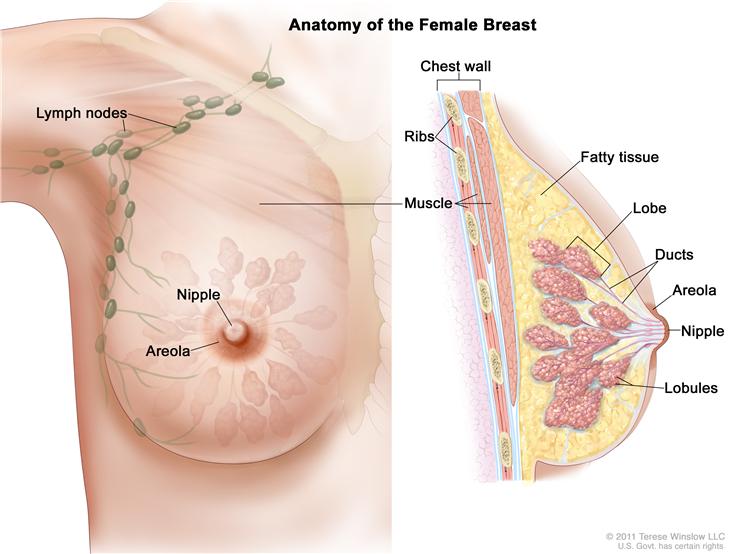
Depression in Women with Breast Cancer is realistic and must be addressed timely if we have to keep the beauty and health of our loved ones breast.

Of all the cancer types, breast cancer is the one most studied more so when it comes to the psychosocial effects. It therefore goes without mention that of all the studies done, most of them are focusing on women and breast cancer. This is what the experts at AWAREmed Health and Wellness Resource Center under the able leadership of doctor Dalal Akoury are going to help us understand. Remember that doctor Akoury is also the founder of this facility and ever since she has been of great help to many people across the globe. You can be among the many that have been treated and are now enjoying their lives to the fullest by seeking an audience with her today through a phone call and you will not regret it. In the meantime, let us settle into the discussion focusing on the depression in women with breast cancer.

Depression in Women with Breast Cancer: Longitudinal studies of depression in women with breast cancer

Like I had said before, this has become a great point of concern to researchers and a lot is being done in this direction. Like for instance and according to one of the prospective study where 160 women with breast cancer and were schedule for breast surgery, it was established that about 22% prevalence of depression in women who had a mastectomy for breast cancer. In relation to those with initial stages of cancer this prevalence was consistent for two years. During this period a 30% rate of anxiety in a study of 58 ambulatory women who were 5 years post treatment for breast cancer. Nonetheless women who had partial mastectomy followed by radiation had better body image but similar amount of anxiety and depression symptoms and fear of recurrence as did women who had modified radical mastectomy.

Depression in Women with Breast Cancer: Depression in breast cancer patients by surgical procedure

Of the many studies conducted, when the specialist were analyzing the various findings and in comparison with the psychological outcomes of the women undergoing different surgical procedures, it was established some low levels of depression but higher levels of anxiety in 133 ambulatory breast cancer patients receiving radiotherapy after mastectomy or lumpectomy. The end result of this study shows clear evidence that in a cutoff score of 10 on HADS only two mastectomy patients were considered significantly depressed. And on the other hand if a HADS cutoff score of 8 was applied, then 6.7% were depressed. In contrast, in a study of 123 women with breast cancer, there was a clear evidence of high prevalence of depression (50% in mastectomy, 50% in lumpectomy with radiation versus 41% in lumpectomy only). These high percentages may have resulted from a use of a self-report depression scale (Center for Epidemiology Self-report Depression Scale [CES-D]) rather than a DSM-IIIR criteria-based clinical interview.

Depression in Women with Breast Cancer: Prior History of Depression in Women with Breast Cancer

Few researchers have noted the time of onset of depression or correlated patients’ history of depression with current depression or functioning. Notably, researchers reported findings on a homogenous sample of 79 women evaluated with the Diagnostic Interview Schedule and CES-D 3–7 months after their diagnosis of breast cancer. Nearly 18% of this sample had a past or current history of depression according to DSM-IIIR criteria. Women with elevated depressive symptoms had more physical symptom distress and more impaired functioning than subjects with depressive disorders and without depression.

In a cross-sectional study of 303 relatively young (mean age 46 years) women with early (stage I or II) breast cancer at 3 months after breast surgery using the European Organization for Research and Treatment of Cancer Quality of Life Questionnaire and HADS, it was again established that a past history of depression was associated with depression. It was also noted that women with few psychological symptoms and good emotional adjustment to cancer may have refused participation in this study because these women were also being recruited into an intervention study.

Depression in Women with Breast Cancer: Hormones and Depression in Women with Breast Cancer

In one of the studies involving 257 women with lymph node-negative breast cancer, 155 of who were treated with tamoxifen and 102 who were not. On the basis of clinical interview, 15% of the tamoxifen-treated group had depression compared with 3% of those not taking tamoxifen. Of the 23 women with depression, eight had mild symptoms and no change in tamoxifen dose was made, eight had significant depression requiring a dose reduction to relieve symptoms, and seven had to discontinue tamoxifen secondary to depression.

Depression in Women with Breast Cancer: Prevalence of Depression in Women with Advanced Breast Cancer

Studies evaluating the correlation of depression with disease progression in women with breast cancer have shown inconsistent results. Experts have found less depression in women with advanced breast cancer (4.5%) than in those with recurrent disease (15%). Physical disability did not relate to emotional disturbance. And yet in another study experts reported that ambulatory advanced breast cancer patients had a 20% depression prevalence in one study and 9% depression in another. Still again other studies found a 32% prevalence of depression in 22 women with local recurrence comparable with rates found with mastectomy. And in yet another research experts found a 13% prevalence of depression in advanced breast cancer patients (N = 139); increased levels of depression were found in those with lowest socioeconomic status, poorest performance status, and closer proximity to death.

In view of all these studies, researches and their findings it is becoming clearer that depression in women with breast cancer is realistically a problem that we cannot just wish away. It will take a consolidated effort from all us (medical professionals, government authorities, the general public and all interested parties) to pool together in the fight against these life threatening conditions. On her part as a medical expert, doctor Akoury made a decision to create a medical center (AWAREmed Health and Wellness Resource Center) whose main objective is to transform each individual’s life through increasing awareness about health and wellness and by empowering individuals to find their own inner healing power. Dr. Akoury’s practice focuses on personalized medicine through healthy lifestyle choices that deal with primary prevention and underlying causes instead of patching up symptoms. I strongly believe that you want your life to be transformed for the best of the very best. If this describes your interest, then you can schedule for an appointment with doctor Akoury today and being the life transformation journey with the best in the medical practice.

Depression in Women with Breast Cancer: The most talk about type of cancer


Facebooktwitterpinterestlinkedin

The Prevalence of Depression in Cancer Patients

The Prevalence of Depression in Cancer Patients: Depression and Cancer

The Prevalence of Depression in Cancer Patients

The Prevalence of Depression in Cancer Patients is the concern of everybody. Even the medics are victims of the two health conditions

The impact of depression in cancer patients has of late been receiving much attention. This is because of the health risks that are involved when the two conditions marry together in an individuals’ life. It is no wonder that depression is actually seen as the psychiatric syndrome that has received the most attention in persons struggling with cancer. Nonetheless the study of depression has equally had a host of challenges due to the symptoms that associates with it on a broad spectrum that ranges from sadness to major effective disorder. The prevalence of depression in cancer patients is further put to test because of the changes in moods are often very difficult to evaluate more so when the patients in question is also receiving treatment of cancer and continuous threats of stress, fatigue and the pain they experience.

Doctor Akoury agrees that even though many research groups have assessed depression in cancer patients for several decades in the past, the reported prevalence varies significantly because of varying conceptualizations of depression, and in fact the definition of depression is not standard and different principles use for the definition of depression. Some of the differences may include the methodological approaches to the measurement of depression, and even the different populations studied. Depression is highly associated with oropharyngeal, pancreatic, breast, and lung cancers. A less high prevalence of depression is reported in patients with other cancers, such as colon, gynecological, and lymphoma. In this discussion we are going to make certain reviews on the prevalence of depression in cancer patients even as we desire to get the perfect links between the two health conditions.

Depression affects 121 million people and is among the leading causes of disability worldwide. If not treated in time depression can lead to personal suffering and increased mortality. Although the prevalence of depression varies considerably globally, the most common symptoms of depression may include:

Looking at gender, women are the most vulnerable to be depressed than men. Even though the available estimates shows that major depression are common with people in their late twenties, research findings puts children also at risk where in every ten children, one will have periodic feelings of sadness. This has been seen as one of the greatest indicators of depression says doctor Dalal Akoury. Experts also put the prevalence of depression in pre-pubertal children ranges from 1% to 3% and from 3% to 9% in adolescents; however, the lifetime prevalence through adolescence is estimated to be as high as 20%. Although there is no difference in the prevalence rate between sexes before puberty, females are at higher risk after puberty. Depression in children negatively affects a child’s development and often manifests as behavioral problems or somatic complaints.

The Prevalence of Depression in Cancer Patients: The Coexistence of Depression

Depression is not alone ranger and it is commonly coexisting with other syndromes and symptoms, like for instance the anxiety disorders posttraumatic stress disorder, panic disorder, generalized anxiety disorder and pain. The National Comorbidity Survey data show that in a 12-month period, 51% of patients with major depressive disorders are diagnosed with an additional anxiety disorder. Patients with comorbid depression and anxiety disorders experience more severe symptoms, have a longer time to recovery, use more healthcare resources, and have poorer outcome than do those with a single disorder.

The symptoms of depression and personal suffering resulting from this disorder have been well described. The complex biological underpinnings result from disturbances in neurotransmitters and hypothalamic-pituitary-gonadal axis dis-regulation. The last two decades have produced exciting science and advances in the understanding of the neurobiology and pathophysiology of depression. Electro-physiologic studies, neuroimaging techniques i.e., magnetic resonance imaging; computed tomography; single photon emission computed tomography; positron emission tomography; functional magnetic resonance imaging and neuropsychological studies are providing information about the neuroanatomical substrate of depression as we are learning more about how systemic disease effects vulnerability to depression.

The Prevalence of Depression in Cancer Patients: Early Studies of Depression in Cancer Patients

When a significant number of mental health professionals began working in oncology settings, they asked oncologists to describe their perceptions of the prevalence of psychiatric disorders in cancer patients. They were able to find common responses ranging from “everyone is depressed which is very true because they have cancer” to “no one is depressed; these are just normal people” and likely were a reflection of the respondent’s mood and coping style.

One of the first efforts in psycho-oncology was to obtain objective data on the type and frequency of psychological problems in cancer patients. Using criteria from the Diagnostic and Statistical Manual of Mental DisordersThird Edition (DSM-III) classification of psychiatric disorders, the Psychosocial Collaborative Oncology Group determined the psychiatric disorders in 215 randomly selected hospitalized and ambulatory adult cancer patients in three cancer centers by structured clinical interview. Although 53% of the patients evaluated were adjusting normally to stress, the remainder (47%) had clinically apparently psychiatric disorders. Of this 47% with psychiatric disorders, more than two-thirds had adjustment disorders with depressed or anxious mood, 13% had a major depression, 8% had an organic mental disorder, 7% had a personality disorder and 4% had a preexisting anxiety disorder. The authors concluded that nearly 90% of the psychiatric disorders observed were reactions to or manifestations of disease or treatment. Personality and anxiety disorders can complicate cancer treatment and were described as antecedent to the cancer diagnosis. The finding of 4% anxiety disorders was far below what would have been expected in the general population.

Thirty-nine percent of those who received a psychiatric diagnosis experienced significant pain. In contrast, only 19% of patients who did not receive a psychiatric diagnosis had significant pain. The psychiatric diagnosis of the patients with pain was predominately adjustment disorder with depressed or mixed mood (69%), but of note, 15% of patients with significant pain had symptoms of a major depression. Finally in whichever way you look at depression and cancer, these two conditions put together in an individual’s live can be very dangerous. We must therefore do all within our reach to keep distance from all these complications. One of the most important things you must keep in mind is the consistent consultation with the experts for professional advice. Doctor Akoury and her team of experts at AWAREmed Health and Wellness Resource Center will handle your situation with great confidentiality and most importantly offer you lasting solutions professionally. Your health should come first and therefore, schedule for that appointment today.

The Prevalence of Depression in Cancer Patients: Depression and Cancer


Facebooktwitterpinterestlinkedin

Understanding the Emotional Side Effects of Cancer

Understanding the Emotional Side Effects of Cancer: Ask questions

Understanding the Emotional Side Effects of Cancer

Understanding the Emotional Side Effects of Cancer marks the beginning point towards successful cancer treatment

It is always said that it is the sick that needs the doctor and not the other way round. This statement is very significant in the quest to finding all the information you need to make the best decision about your cancer treatment. Understanding the emotional side effects of cancer will only be possible when you ask question. This way you will be getting answers to all your concerns and avoiding making mistakes. Says doctor Dalal Akoury. Doctors and nurses are professionals making them to be the best sources of information when you have medical questions. Therefore, before you book for that appointment with doctor Akoury in her office at AWAREmed Health and Wellness Resource center, and for memory purposes, write down all the questions you may have about things disease. The questions may include: your type of cancer, treatment, side effects, and limits on activity you might have during treatment. Remember that other members of your health care team, like pharmacists, dietitians, social workers, physical therapists, and radiation therapists are also experts in their different areas of discipline and can also help you with your questions. Doctor Akoury emphases that it is your life we are talking about and therefore you need not to be afraid to ask those questions.

Asking questions shows you want to learn and take an active role in your treatment. If a health care team member doesn’t have time to answer all of your questions, and don’t be surprised about that because it do happens due to their schedule of work. You can ask when a good time for them is so that you would be to finish your conversation or ask about other ways to get the answers you need. Besides the known questions you have off head, you can also research on the other questions to ask from various sources like going online so that you can find more conclusive list of questions to ask your doctor. The objective of this is starting right; therefore no question is too small or too silly to ask. I encourage patients never to be afraid to call the doctors or other medical staffs with questions about anything including even questions about their bills and insurance. If you were to visit our facility (AWAREmed Health and Wellness Resource Center) it will interest you to find out that our doctors and his staffs are all trained and experienced professionals who will be willing to answer any question you may ask. You can also have an opportunity to speak to our pharmacist who will help you in making special arrangements when we needed to get prescriptions, especially pain medicine, filled after our regular business hours.

Understanding the Emotional Side Effects of Cancer: Know how to reach your doctor any time

In the quest to understanding the emotional side effects of cancer, consistency is very important. People with cancer must know when they need to call their doctor. Ask which side effects or unusual problems that needs to be reported right away. Some things can wait until the next office visit, or until regular office hours when you can call and speak to a nurse. But if you’re having severe or unexpected side effects, you need to know how to reach a doctor even when the regular office hour is closed. In this case, patients’ needs to be sure that they have a hot line phone number and that your loved ones have it, too. Nonetheless if your doctor isn’t available after hours, find out what you should do if you have problems.

And because it is a collective responsibility, some family members may also wish to speak with members of your health care team. This is very important as it can help them get answers to their questions and find support to deal with their feelings as well. Remember that by doing all these you are not in any way disturbing. Your health care team is bound by law to keep information about your health confidential. They will not discuss your health with family members and friends unless you give your permission for them to do so. Let your doctors and nurses know which family members and friends may be contacting them and with whom they can share information. You may have to sign forms giving your permission for these discussions.

Understanding the Emotional Side Effects of Cancer: Feel comfortable with your health care team

It is a common practice across the globe that all health care professionals would be patient, understanding and have all the time in the world to answer questions, and know how to explain things to you so you could easily understand. This is and will always be the practice as it is entailed in the ethical guidelines. However, these professionals are also humans and occasionally finding all of these qualities in one person is rare. Even if you find some little discomfort it is still worth it for you to trust your doctor and other members of the health care team. Nonetheless if you feel growing discomfort and that lack of trust and open communication is keeping you from getting good medical care, you are at liberty to ask for a referral to another doctor with whom you feel more comfortable. Also, don’t be afraid to ask your doctor for a referral for a second opinion. You need to be an active member of your health care team. As an active team member, you will need to do things like keep your scheduled appointments, take medicines as prescribed, and report side effects timely.

Finally with determination there is not obstacle that you cannot overcome. With the right experts and professionals around you, you will be on top of your health and beating all the obstacles as they may come. One of the ways of eliminating those obstacles is by consistently being in touch with the experts at AWAREmed Health and Wellness Resource Center. Doctor Akoury who is also the founder of the facility will handle your individual case professionally and with a lot of confidentiality. So don’t be afraid go ahead and schedule for that appointment today.

Understanding the Emotional Side Effects of Cancer: Ask questions


Facebooktwitterpinterestlinkedin