
Category Archives: Dr. Dalal Akoury

Stroke

Stroke: Saving The Penumbra
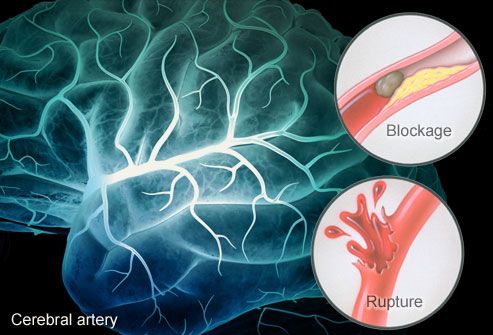
strokeStroke is one of the most dreaded life threatening and altering health conditions affecting the world’s population. Fear of stroke is majorly due to its lasting effects on surviving victims like paralysis. It is also feared due to the fact that it can cause death if not treated immediately and properly. Actually almost quarter of stroke victims always die. According to a 2004 research conducted by American Heart Association, about 700,000 new or recurrent cases of stroke occur yearly in the United States of America. According to the same study, about 4.9 million stroke survivors live today. The same research also estimates the direct and indirect costs of stroke to be about 53.6 billion American dollars. The 30 year projection by the study shows that these numbers will increase and as such outpace the overall population growth.

Available statistics is a pointer to the devastating effects that stroke has on the victims as well as o family and friends. Imagine your spouse, parent, child, brother/sister or your closest friend permanently paralyzed after a stroke. Now you have to spoon feed them, wash them and move them around on wheelchairs. Majority of survivors of stroke lose their jobs because of paralysis that renders them unable to perform at work.

The effects of stroke could be social, economic, physical and emotional.

Emotional effects of stroke

When a stroke victim is hospitalized, it affects their emotions due to the strange environment in the hospital. The change in routine and lack of ability to take in what is happening to them is a serious blow to their emotions.

Physical effects of stoke

Onset of stroke causes loss of power in the muscles of the face, trunk, arm and leg on one side of the body. The power however gradually returns in most cases. However, the limbs need to be put through a range of movements and placed in the right position lest they stiffen and become useless even with the return of power. Survivors may in such cases need to move around on wheel chairs and be assisted with their daily physical activities

Financial effects of stroke

Hospitalization bills, loss of employment and the cost of assistance that a stroke survivor would need are some of the financial implications of stroke.

Social effects of a stroke

After an attack by stroke, the life of the survivor greatly changes not only for them but for people close to them too.

What really is stroke?

It would not make sense to discuss stroke without giving its scientific definition and explaining how it occurs.

Stroke, also referred to as cerebro-vascular accident (CVA) is a medical condition resulting from cut-off of blood supply to part of the brain. Brain tissues in the affected area are damaged and eventually die off. This is because the interrupted blood supply deprives the tissues of oxygen and nutrients which they require to function always supplied in blood.

Depending on what causes the cut-off of blood supply to the tissues, there are two kinds of stroke:

  1. Ischemic stroke occurs when a blood clot interrupts the supply of blood to the brain tissues in the affected area. This kind accounts for about 85% of all stroke cases.
  2. Hemorrhagic stroke results when blood vessels in the brain rapture and bleed thus interrupting supply of blood to the tissues of the affected area.

In the affected area, there are two major zones of injury:

  1. The core ischemic zone is the zone of severe ischemia with blood flow as low as 10 to 25%. This leads to loss of oxygen and nutrients thus energy stores are rapidly depleted. The result of this is death of neurons and supporting cellular elements
  2. Ischemic penumbra zone is a thin layer of tissues that are found between the core ischemic zone and the normally perfused area. Cells in this zone may remain viable for several hours since arteries anastomosing with branches of the blocked vascular tree supply blood to them. This supply is however not sufficient enough to sustain the neural nutrient and oxygen demand indefinitely. The cells of the penumbra will thus eventually die unless there is reestablishment of reperfusion during the early stages of stroke.

Saving the penumbra

StrokePharmacological interventions are most effective in the penumbra zone. All acute stroke therapies aim at saving the penumbra.

The only approved treatment for acute ischemic stroke to date is intravenous tissue plasminogen activator (IV t-PA). The aim of this treatment is to restore the patency of the artery and increase blood flow. This has the effect of reducing the amount of cerebral damage and in effect reduces functional deficits. Its use is limited to 3-4.5 hours after the onset of stroke. This is because chances of it causing a cerebral hemorrhage drastically increase after several hours.

Another treatment called Neurothrombectomy is approved in US for use in removing blood clots in a time span of 8 hours from the onset of stroke. It requires the services of an experienced invasive neurologist.

There exists an unmet need to develop more treatments of acute ischemic stroke.

For more information about bone marrow transplant and stem cell transplantation, visit www.awaremednetwork.com. Dr. Dalal Okoury has years of experience in integrative medicine and will be of assistance.

While at it, visit http://www.integrativeaddiction2015.com to learn about the upcoming integrative addiction conference 2015. The conference will deliver unique approaches to telling symptoms of addiction and how to assist patients of addiction.

Stroke: Saving The Penumbra


Facebooktwitterpinterestlinkedin

Parkinson’s Disease

Parkinson’s: An Argument for Periodic Treatment

Parkinson's DiseaseParkinson’s disease is one of the most common neurodegenerative disorders that have affected many people around the world and is still doing what it does best; debilitating its victims. The treatments that many patients have been subjected to only target the symptoms of the disease, some of which are eradicated but as for others the patients have to go for the treatments periodically to suppress the pain and severity of the symptoms of PD. There are various ways of treating those suffering from Parkinson’s disease; however it is recommended that a person should begin treatment as soon as he or she is diagnosed with the disease, lest it becomes a hard nut to crack. The tremors may become too severe if treatment is begun too late.

As opposed to other diseases whose causes are still a mystery, the cause of this disease is now known. Parkinson’s disease is caused by the continued loss of dopamine-producing cells in the brain. Dopamine is an essential brain chemical that helps to regulate movement and emotional responses among other cognitive functions.

Dopamine deficiency is the salient feature of those suffering from Parkinson’s disease. The disease kills the dopamine producing nerve cells in the substantia nigra. The disease affects the substantia nigra in a way that it elicits the problems associated with reasoning, movement, sleeping and motivation. This disease is also linked to the formation of alpha-synuclein- these are clumps of proteins in the brain. These clumps of proteins only worsen the condition of the patient. It is the continuous death of the nerve cells in the substantia nigra that results in the patients developing tremors and rigidity as well as slowed movements. Other symptoms include; dementia, depression, insomnia, constipation and loss of balance. Dementia is usually suffered at later stages, a critical stage in which the damage has spread to the rest of the body.

Treatment of Parkinson’s disease with dopamine boosting drugs

As stated earlier the cause of PD is depletion of dopamine at the substantia nigra. Owing to this fact, doctors have been treating those suffering from PD with dopamine boosting drugs. These drugs help in elevating the levels of dopamine in the brain and so make up for the depleted dopamine. The most common of all the dopamine level boosting drugs is the levodopa. This drugs works in a way that it boosts level of dopamine as it turns into dopamine while in the body. It crosses the blood-brain barrier and is considered the most effective drug for PD. however this drug may not work efficiently without an enzyme inhibitor known as carbidopa as it will be broken down by blood enzymes before it reaches the brain. The enzyme inhibitor also prevents levodopa from being metabolized in the gastroinstenal tract, liver and other tissues thus more of it reaches the brain.

When used alongside carbidopa, the dosage needed to treat symptoms will be reduced and is the side effects like vomiting and nausea that are mostly suffered as a side effect of the drug. It will in turn reduce stiffness, tremors and slowness among other symptoms. It is however important to note that levodopa only addresses the symptoms but neither restores the normal release of dopamine nor slows the progression of the disease.

Levodopa never heals the damaged neurons but rather stands for the dopamine lost, it is therefore not targeted to heal the patient but rather to mitigate on the effects of the disease. therefore other therapies that may help ease the side effects of the drug as well as promote healing should be given due considerations by the patients and their doctors. Dieting may help improve dopamine levels in the brain naturally. There are scenarios when a patient will have to undergo surgery which may include deep stimulation with implanted electrodes.

Need for a lasting cure

Parkinson,s DiseaseJust like other neurodegenerative diseases the need for proper treatment must involve a therapy that will focus more on healing the damaged nerves and neurons as opposed to simply mitigating on the symptoms. Drugs or treatments that mitigate on the symptoms become a part of a person’s life as they have to undergo treatment periodically. In the end the use of levodopa may even result in a condition known as Dyskinesia. Doctors have been working on the viability of stem cell therapy in treatment of this disease. The treatment will targets the special features and abilities of the stem cells to form all cells of the body, the stem cells can be used to help in repairing the damage on the neurons producing dopamine and restore the normal levels of dopamine in the brain.

There are research findings that have elicited hope for those suffering from this disease as there has never been a treatment that fully heals those suffering the disease, it is hoped that the stem cell therapy is going to be a lasting solution.

For more information on viability of stem cell therapy in treatment of neurodegenerative diseases, visit www.awaremednetwork.com Dr. Dalal Akoury, an expert in integrative medicine will be of help. You can also check: http://www.integrativeaddiction2015.com to be up to date with the upcoming Integrative Addiction Conference 2015. The conference will equip you with knowledge on the unique approaches of telling addiction symptoms as well as how to help addicts.

Parkinson’s: An Argument for Periodic Treatment


Facebooktwitterpinterestlinkedin

Exploring Spinal Cord Injuries

The Evolving Science Of Spinal Cord Injuries

Spinal cord InjuryThe most important structure that plays the role of a link between the body and the brain is the spinal cord. It extends from the medulla oblongata of the brain through to the level of the first lumbar vertebrae. It is a cylindrical structure of nervous tissue that is composed of white and grey matter. On each of its sides, two consecutive rows of nerve roots emerge. These roots distally join forming the 31 pairs of spinal nerves. It is housed within the vertebral column. The spinal cord makes up approximately only 2% of the central nervous system but has very vital functions.

A spinal cord injury refers to any damage to any part of the spinal cord or damage of nerves at the spinal canal’s end. Below the site of the injury, there often occur permanent changes in sensation, strength and other body functions.

The subject of spinal cord injuries is not a new one. Many people are familiar with it and understand its financial implications. Many families have had to put up with hefty hospital bills after a spinal cord injury of a member. Special equipment like wheelchairs have had to be purchased to assist victims of spinal cord injury. Some victims even lose their jobs after a spinal cord injury due to inability to perform their tasks at the work place. This is a very serious financial blow to them considering the fact that they require large amounts of money to lead a normal life.

There is a complete relationship between the physical, financial, emotional and social implications of spinal cord injuries. For example when one suffers a spinal cord injury, they get paralyzed which calls for the purchase of special equipment. In some cases paralysis may lead to loss of a job. When one loses a job, they become emotionally affected and thus their social life is also greatly affected.

Spinal cord injuries are of different levels and seriousness depending on the site of injury. The vertebrae that make up the spinal column are grouped into sections. Since spinal injuries affect body functions below the site of injury, the higher the sight of injury, the more severe the dysfunction that results.

Spinal cord injury cure has been the focus of science for so long. New strategies are being developed and old strategies are being revised to make them better and improve their efficacy.

Regenerative strategies

The last two decades have witnessed tremendous efforts in attempt to enhance regeneration of spinal cord axon though many techniques. These techniques include neutralization of neurite inhibition, synthetic channel implantation, various cell transplantation and administration of neurotrophic factors. Some of these strategies have been applied to animal models and they have been so promising to the extent that their potential human application is being explored by clinicians. The main factor limiting recovery from a spinal cord injury has been attributed to the failure of the central nervous system to regenerate. All these strategies aim at making it possible for the axons in the central nervous system to regenerate. Expectations become high with the identification of growth inhibitory molecules in the central nervous system. It was thought that neutralizing these factors would allow for functional axonal regeneration in the central nervous system. But as happens to most seemingly bright researches, the dark side finally showed in this. There exist mixed results of therapeutic approaches that were based on this assumption. Neurons are suggested to differ in their regenerative abilities through similar extracellular environments by recent data. These neurons have also been shown by recent data to undergo a developmental loss of intrinsic regenerative ability. Intrinsic regenerative abilities are mediated by factors that include expression of:

  • Cytoskeletal proteins mediating the axon growth mechanics
  • Receptors for inhibitory molecules
  • Molecules in the intracellular signaling cascades mediating response to chemoattractive and chemorepulsive cues.
  • Surface molecules permitting adhesion of axon to cells in the growth path

Sharply contrasting to axon development, its regeneration involves internal protrusive forces. Micro tubules generate these forces either by transporting other skeletal elements like neurofilaments to the tip of the axon or through their own elongation. It is the complexity of the regeneration program that casts a dark shadow on the progress.

Multi- cell therapy

Spinal cord injuryTransplantation of cells replaces the damaged neural tissues and restores function after spinal cord injury. Successful results have been obtained with different cell types including adult neural stem cells, mesenchymal stem cells, fetal tissue, embryonic stem cells and myelin producing cells.

In transplants of fetal tissue combined with neurotrophic factors, axonal growth has been seen. Transplanting polymer guiding channels with Schwann’s cells also helps in achieving novel axonal growth towards a cell transplant.

It is important to note that enough immune suppression is needed lest the cell transplant will be rejected. Attention is currently focused on mesenchymal stem cells to try and circumvent this immunological rejection of transplanted cells. After transplantation, they differentiate into desired cells.

Even though multiple studies have shown success of these multi-cell strategies, it is still not clearly understood what mechanisms lead to functional improvement following transplant.

For more information about bone marrow transplant and stem cell transplantation, visit www.awaremednetwork.com. Dr. Dalal Akoury has years of experience in integrative medicine and will be of assistance.

While at it, visit http://www.integrativeaddiction2015.com to learn about the upcoming integrative addiction conference 2015. The conference will deliver unique approaches to telling symptoms of addiction and how to assist patients of addiction.

The Evolving Science Of Spinal Cord Injuries


Facebooktwitterpinterestlinkedin

Benefits of A Healthy Microenvironment

The Importance Of A Healthy Microenvironment

MicroenvironmentThe environment is one of the most important factors of influence in the disease triad. The environment can be defined as the biological and physical factors and the chemical interactions that influence the life of a living organism. In the case of human beings like you and I, our environment refers to all the living and non living things we interact with and the chemical interactions that influence our lives. The living component of the environment includes all our neighbors, our domesticated plants and animals and the wild animals and how we interact with them. The physical component of the environment includes all non living things that influence our life like rainfall, sun, rocks and many more.

It is therefore clear that the environment which is our surrounding has a direct bearing on our lives. Just how does our environment influence diseases that attack us? In order to effectively answer this question, we need to remember the components of the environment and consider them as possible risk factors for a disease. We are exposed to several risk factors of diseases that are physical, chemical or biological components of the environment. For better understanding, consider an environment with poisonous gas, constant flooding and mosquito infestation. In this risky environment, the chemical component that is a risk factor for disease is the poisonous gas. The physical component that poses risk is the flood and the biological component that is a risk factor to disease is the mosquitoes. The environment also influences alterations in the way we behave in response to the risk factors to which we are exposed.

What is a healthy microenvironment?

An organism exists in a larger environment whose definition is given above. This larger environment is sometimes referred to as macro environment. However at times interest may be only on the immediate surrounding which is relatively small, effectively isolated and characteristically differs from the larger environment. For example if we are to consider a family living in a city environment, the conditions of their house could be different from that of the surrounding. Individual members of the family might wear clothing of different levels of cleanliness. All this makes the micro environment.

At the lowest level microenvironment would refer to the environment in and around the calls that make up our bodies. At the cellular level, our bodies carry out billions and billions of chemical reactions that are aimed at maintaining life. These reactions alter the composition of the environment within and around the cells of the body. Even in spite of all these reactions, the body has to maintain internal conditions that are relatively constant and stable. The body therefore undergoes a process of self regulation that helps it to restore the balance after it is shifted by normal biochemical reactions and daily stresses. A healthy microenvironment is thus one in which the body’s self regulating capabilities function well and thus the environment in and around the cells is well balanced thereby discouraging disease from taking hold.

Maintaining a healthy microenvironment

It is of very great importance for every individual to maintain a healthy microenvironment in order to prevent and control diseases. So as to make this importance stand out, we need to answer the question of how disease takes hold in our bodies.

Disease occurs in our body due to the failure of the body’s self regulating mechanisms due to physical, chemical and emotional strains and stresses pushing this system out of balance.

Some of these stresses include toxicity and poor nutrient intake. A naturally balanced and healthy microenvironment is very hostile to disease factors.

Maintaining a healthy microenvironment not only helps in preventing diseases but also helps in controlling diseases that have already taken hold.

An example of a micro environment in our body is that of bacteria in our gastro intestinal tract. These bacteria benefit us in several ways. They metabolize nutrients that we cannot digest and convert them to important end products. They also control the assembly of gut associated lymphoid tissue, they modulate proliferation and differentiation of the gastrointestinal tract lineages, they train the immune system, and they regulate angiogenesis and modify the activity of the enteric nervous system. Owing to the vast important physiological and immunological roles of these microorganisms, it becomes clear that maintaining a healthy microenvironment within the gastrointestinal tract could go a long way in improving their function and thus boosting the body’s ability to fight disease.

MicroenvironmentAnother example of microenvironment is that of antimicrobials in the mucosal surfaces of the female reproductive system. This microenvironment is effective in protecting the body against bacteria, viruses and fungi. Maintaining a healthy microenvironment in the female reproductive system would thus go a long way in solving the problem of sexually transmitted diseases that have been world’s worst nightmare.

It is therefore evidently possible to control and prevent majority of diseases of mankind through maintaining a healthy microenvironment that boosts the body’s immunological functions. To achieve this, we need to feed on unadultered nutrient rich foods, breath oxygen rich air and drink purified water which will help in providing the needed elements and clearing toxins and thus maintain the body’s microenvironment in a state that prevents disease from taking hold.

For more information about bone marrow transplant and stem cell transplantation, visit www.awaremednetwork.com. Dr. Dalal Okoury has years of experience in integrative medicine and will be of assistance.

Integrative Addiction Conference 2015

While at it, visit http://www.integrativeaddiction2015.com to learn about the upcoming integrative addiction conference 2015. The conference will deliver unique approaches to telling symptoms of addiction and how to assist patients of addiction.

The Importance Of A Healthy Microenvironment


Facebooktwitterpinterestlinkedin

Why alcohol should be your foremost enemy

Why alcohol should be your foremost enemy: There is nothing like moderate drinking

Why alcohol should be your foremost enemy

Why alcohol should be your foremost enemy. Treating this substance as an enemy will make you take treatment precautions in good time.

It may be there in paper that men and women should drink up to a certain minimum daily. This is a written proclamation that has been proven to be very difficult to apply owing to the complexity and addictiveness of the substance in question. Doctor Akoury says that the seriousness of drug addiction or miss use of alcohol is seen in the attachment they have with other chronic health conditions that are life threatening and damages nearly all the vital body organs and that explains why alcohol should be your foremost enemy. Over the years in her professional practice, doctor Dalal Akoury has been of great help to very many people across the globe transforming lives and giving back lost hopes to the victims. Together with her team of experienced experts, doctor Akoury founded a health facility (AWAREmed Health and Wellness Resource Center) where she is administering treatment not just for the ailing public but she also offers NAD treatment for addiction and besides that doctor Akoury is also offering lectures to all medical professional including Physicians, doctors, nurses and others on how to treat addiction naturally, safely, effectively and safely professionally. If you are looking for an opportunity to mover your practice to the next level then this is the place to so that you can learn from the expert.

In the meantime this coming August 2015 doctor Akoury and her team of experts at AWAREmed Health and Wellness Resource Center, a renowned collection of brains in matters addiction and one of the leading pioneers in natural and holistic addiction treatment, will be conducting their first ever Educational, Functional and Integrative Addiction conference for doctors, counselors, nurses and addiction therapists. This conference is tailored just for medical professionals across the globe at Myrtle Beach, South Carolina. It is important to note that this new frontier in Addiction Medicine will be conducted by the most and highly influential group of leading visionaries specializing in the latest advances in natural and integrative addiction medicine, under the theme “The Future of Integrative Addiction”. This is something yo doesn’t want to miss and for more information even as we get back into the discussion you can consult with or make reference to the following event website:

www.integrativeaddiction2015.com or email sharon@integrativeaddiction2015.com.

For more information about Integrative Addiction 2015:

Sharon Phillips

Event Planner

Tel: 954 540 1896

sharon@integrativeaddiction2015.com

www.integrativeaddiction2015.com

For more information about Integrative Addiction Treatment:

Dalal Akoury, M.D.

AWAREMed

Tel: 843 213 1480

Email: dollyanis@hotmail.com

www.awaremednetwork.com

http://www.youtube.com/watch?v=ILBEhjYkwKQ

Besides that a must attend conference, drug addiction is and will never be good for any human life, in fact as we move from one generation to another, the complications of addiction also moves to greater levels. If you were to study the impact of substance abuse in the last three decades, you will come to appreciate that the complexity of addiction is also evolving with the changes we have in our day today lifestyle. This is one thing that we must by all means fight and defeat. The lives of our future generation depend heavily on the good choices we are going to make today. That is why doctor Akoury is taking very seriously the effects of alcohol addiction and all other drug related problems. In this article, we are going to look at the effects of alcohol abuse on heart diseases and stroke alongside cancer. Therefore keep reading and get the best medical information about addiction for your own health protection.


Why alcohol should be your foremost enemy: Effect on Heart Disease and Stroke

It is often said that moderate amounts (one to two drinks a day) of alcohol can improve some heart disease risk factors, such as increasing HDL (“good cholesterol”) levels. However, at this time there is no definitive scientific evidence or proof that moderate drinking improves overall health says doctor Dalal Akoury an expert of over two decades. The luck of proper authentication about this hypothesis explains why bodies like the American Heart Association have not recommended drinking alcoholic beverages solely to reduce cardiovascular risk.

Excessive drinking clearly has negative effects on heart health. Alcohol is a toxin that damages the heart muscle. In fact, heart disease is one of the leading causes of death for alcoholics. Alcohol abuse increases levels of triglycerides (unhealthy fats) and increases the risks for high blood pressure, heart failure, and stroke. In addition, the extra calories in alcohol can contribute to obesity, a major risk factor for many heart problems.

Why alcohol should be your foremost enemy: Cancer

Experts across the globe are in agreement that alcohol abuse and dependence may increase the risk for certain type of cancers. In particular, heavy alcohol use appears to increase the risks for mouth, throat, esophageal, gastrointestinal, liver, and colorectal, cancers. Even moderate drinking can increase the risk of breast cancer. Although the additional risk is small, women who are at high risk for breast cancer should consider not drinking at all. But most importantly to continually consult with their doctors for a more professional treatment approach.

Why alcohol should be your foremost enemy: Effects on the Lungs

Pneumonia – Over time, chronic alcoholism can cause severe reductions in white blood cells, which increase the risk for community acquired pneumonia (pneumonia acquired outside of hospitals or nursing homes). When patients are inebriated they are also at risk for aspiration of mucus from the airways, causing pneumonia. Patients who abuse alcoholism have a greater risk for developing severe pneumonia. Doctors recommend that patients with alcohol dependence receive an annual pneumococcal pneumonia vaccination. Therefore it is important that everybody should be well informed of the initial signs of pneumococcal pneumonia which include the following high fever, cough and stabbing chest pains. When these signs are noted then that calls for an immediate appointment with your doctor. Remember that under normal circumstances prevention is always the best but now that we have some signs treatment becomes necessary and that is why scheduling for an appointment with doctor Dalal Akoury becomes the better option and for you the professionals, attending the August Integrative Addiction Conference 2015 is a great opportunity to shine in your career, the contact details is as stipulated above.

Why alcohol should be your foremost enemy: There is nothing like moderate drinking


Facebooktwitterpinterestlinkedin
