Category Archives: Dr. Dalal Akoury

Food that inspire food addiction

Food that inspire food addiction-They cause physical and emotional dependencies

Food

mind much a bout the kind of food you eat, you may be feeding on food that cause addiction

In many cases overweight people are often seen or believed to be either lazy or just don’t have the will power to actively operate normally. The choice of food you eat, when you eat and frequencies of exercise you do affect your weight significantly. The previously ignored element may be food addiction; this does not necessarily mean that we are desperate for a candy bar. By the way some of the food that causes addiction are:

  • Chocolate
  • Sugar
  • Cheese
  • Milk
  • Meat

Food that inspire food addiction-Chocolate

Experts have found out that chocolate stimulates the same part of the brain that opiate drugs do, that is to say chocolate acts like a drug producing food addiction which causes us to crave for more and more of it.

Before we know, we are on the road to being addicted to chocolate. Emphasis should be made to the public that food addiction is not a laughing matter. Chocolate as food contains other stimulant drugs like caffeine, theobromine and pheylethylamine, according to expert’s chocolate is not just a drug but a whole drug store wrapped up in one.

Food that inspire food addiction-Cheese

But chocolate’s not the only food addiction studies have established that when people who were consuming meat and other dairy products are stopped from consuming the same, the yearning for cheese was described as a “deep seated craving” that stayed with them much longer than their compulsion for other foods. Researchers also found a chemical in cow’s milk similar to morphine, and after testing it repeatedly, they discovered that it was, in fact, morphine. It was only a trace amount, and not all the samples contained the chemical in recognizable levels, but there was indeed a small amount of morphine in cow’s milk.

Assuming that the morphine must have come from the cows’ diets, they were shocked to find that the cows actually made traces of it within their bodies, along with codeine and other opiates that were produced in their livers. They were also surprised to learn that cow’s milk (and the milk of any species) contains the protein, casein that breaks down during the digestion process, and releases other opiate-like compounds called casomorphins. What does this have to with cheese? Casein is concentrated in cheese. So we have the makings of another possible food addiction.

Food that inspire food addiction-Milk

Why are there traces of morphine in milk? (Actually, it’s not some environmental problem.) Scientists believe that the mother’s milk has a relaxing effect on the baby, and this drug-like effect on the brain is responsible for the bonding that is necessary, for the baby to get the nutrition he needs. Researchers gave volunteers yogurt and skim milk, and found that the casein (milk opiates) not only acted within the digestive tract, but some of the fragments actually entered the bloodstream, with direct access to the brain. The effect was greatest about 40 minutes after eating. As mentioned before, cheese has more casein than other dairy products. (Recent studies have found that meat also stimulates the brain’s pleasure centers.) To further prove their theory, researchers found that when volunteers were given naloxone, (a drug that blocks opiates, used in the treatment of heroin and morphine overdoses), their desire for cheese, meat, chocolate, and other addictive foods was greatly decreased.

Food that inspire food addiction-Sugar

In addition, scientists have discovered that fast foods, like hamburgers and fries, may also be responsible for food addictions. The high fat and carbohydrate content causes changes in the brain that are normally correlated with drug addiction, (and the result is food addiction.) Sugar and fat stimulates the release of natural opiates in the brain, and may be triggering the same response as heroin. After giving rats a diet that was one quarter sugar, he abruptly withdrew the sugar, and the rats went into high anxiety mode, experiencing trembling and teeth chattering, similar to the effects that occur during morphine or nicotine withdrawal. So, in review, the sugar produced the same withdrawal effects that highly addictive drugs do.

Food addiction plays an enormous role in our eating habits, when we’re depressed, tired, lonely, anxious, worried, fearful, etc. We run to the addictive food of choice. For me many people, it is chocolate and sugar, with carbohydrates following close behind, which is particularly bad and that explains why diabetic is rising. Certain foods act as drugs, because our body responds to the natural opiates in them, just as it would to drug opiates. As we experience these effects over and over, we may develop a food addiction.

Medical scans have even been able to document these findings about food addiction. Researchers compared the brain scans of drug addicts with chronic over-eaters, and found startling similarities. If you think about it, many of the behaviors are the same–the obsession, compulsion, and preoccupation with drugs, is often also experienced with food. The overwhelming guilt, the tendency to use drugs to relieve emotional problems, and even the secrecy that is often involved in drug use, is also a part of compulsive overeating. While none of the researchers are suggesting that the physical and emotional drive is as strong with food, as it is with heroin, what they have found is that some of the previously mentioned food addictions are a part of the overall problem of obesity or overeating. Food addiction is real, according to scientific research.

So how do we kick the habit of food addiction? Interesting unlike coming off of drugs, we can’t just stop eating. Nutritionist suggests starting your day with a good breakfast that will help you keep food cravings at a minimum. Try to keep blood sugar levels normal by staying away from white sugar, white flour, white bread, and other starchy foods such as white potatoes, rice, and pasta. Instead substitute low-fat protein, vegetables, beans, low-sugar fruits, and whole grains. Eat enough healthy foods to satisfy your hunger, and don’t go on starvation diets. You’ll just end up binging sooner or later, because your body feels so deprived.

Take a break from some of the more addictive foods, and you will soon experience less of a craving for them. Food addictions are just one component of overeating, and obesity. There are often metabolic issues, genetic variables, and complex physical and emotional reasons why we overeat. But learning about the addictive nature of some foods, can enable us to understand the powerful cravings that we sometimes experience, and help us on our path to healthy food choices.

Food that inspire food addiction-They cause physical and emotional dependencies


Facebooktwitterpinterestlinkedin

Prefrontal cortex in addiction: The Executive Brain

Prefrontal cortex in addiction-Effect of Right and Left PFC

The Prefrontal cortex in addiction

Studies around problems in the brains prefrontal cortex have been associated with Impulsive action; a trait of addictive behavior.

The prefrontal cortex in addiction (PFC) is that portion of the brain located in the very front of the brain, just behind the forehead. It’s in charge of abstract thinking and thought analysis it is also responsible for regulating behavior. This includes mediating conflicting thoughts, making choices between right and wrong, and predicting the possible outcomes of actions or events. This brain area also governs social control, such as suppressing emotional or sexual urges. Since the prefrontal cortex is the brain center responsible for taking in data through the body’s senses and deciding on actions, it is most strongly implicated in human qualities like consciousness, general intelligence, and personality

Prefrontal cortex in addiction-Function

This vital region of the brain regulates thought in terms of both short-term and long-term decision making. It allows humans to plan ahead and create strategies, and also to adjust actions or reactions in changing situations. Additionally, the PFC helps to focus thoughts, which enables people to pay attention, learn, and concentrate on goals. This area is also the part of the brain that allows humans to consider several different yet related lines of thinking when learning or evaluating complex concepts or tasks. The prefrontal cortex in addiction also houses active, working memory.

The Prefrontal Cortex in Addiction

Chemical addiction is classified as a mental illness, such that addiction changes the brain in fundamental ways. An addiction disturbs a person’s normal hierarchy of needs and desires and substitutes new priorities connected with using drugs or alcohol. The resulting compulsive behaviors that override the ability to control impulses despite the consequences are similar to hallmarks of other mental illnesses.

Prefrontal cortex in addiction-Signs of Prefrontal Cortex Damage

  • Studies around problems in the brains prefrontal cortex have been associated with Impulsive action; a trait of addictive behavior.
  • Lack of dopamine in the prefrontal cortex is also associated with Attention Deficit Disorder (ADD).
  • Lack of serotonin is a common problem with juveniles who lash out.

Some believe that impulsive behavior says more about an addicts approach to their addiction rather than the addiction itself. If one asked, “Why would anyone use drugs knowing that they lead to suffering?”  The impulsiveness argument is a good answer, because it suggests that the thinking person is not in control, which reinforces the argument that the addict is powerless.

Prefrontal cortex in addiction-Signs of Addictive Behavior
  • Addicts differ in their capacity to exercise judgment and inhibit impulses.
  • The brain’s prefrontal cortex helps to determine the adaptive value of pleasure recorded by the nucleus accumbens and checks the urge to take the drug when it would be unwise.
  • If the prefrontal cortex is not functioning properly, an addictive drug has more power to monopolize the reward circuit.
Prefrontal cortex in addiction-Depression

Though depression involves an overall reduction in brain activity, some parts of the brain are more affected than others. In brain-imaging studies using PET scans, depressed people display abnormally low activity in the prefrontal cortex in addiction, and more specifically in its lateral, orbitofrontal, and ventromedial regions. And the severity of the depression often correlates with the extent of the decline in activity in the prefrontal cortex.

  1. Orbitofrontal cortex
  2. Lateral prefrontal cortex
  3. Ventromedial cortex
  4. Limbic system

The prefrontal cortex in addiction is known not only to be involved in emotional responses, but also to have numerous connections with other parts of the brain that are responsible for controlling dopamine, norepinephrine, and serotonin, three neurotransmitters that are important in mood regulation. More specifically, the lateral prefrontal cortex seems to help us choose a course of behavior by letting us assess the various alternatives mentally. The orbitofrontal cortex seems to let us defer certain immediate gratifications and suppress certain emotions in order to obtain greater long-term benefits. And the ventromedial cortex is thought to be one of the sites in the brain where we experience emotions and the meanings of things.

The two halves of the prefrontal cortex in addiction also seem to have specialized functions, with the left half being involved in establishing positive feelings and the right half in establishing negative ones. And indeed, in depressed people, it is the left prefrontal cortex that shows the greatest signs of weakness. In other words, when people are depressed, they find it very hard not only to set goals in order to obtain rewards, but also to believe that such goals can be achieved.

In healthy people, the left prefrontal cortex might also help to inhibit the negative emotions generated by limbic structures such as the amygdalae, which show abnormally high activity in depressed patients. In patients who respond positively to antidepressants, this over activity is reduced. And when the amygdalae remain highly hyperactive despite antidepressant treatment, the likelihood of a patient’s relapsing into depression is high.

It is also interesting to note that when someone’s left prefrontal cortex is operating at full capacity, the levels of glucocorticoids in their blood are generally very low. This follows logically, considering the harmful effects that high levels of glucocorticoids have on mood.

Brain-imaging studies have also shown that in patients with severe depression, the volume of the two hippocampi is reduced. This atrophy may be due to a loss of neurons that is also induced by the toxic effects of the high levels of glucocorticoids associated with recurrent episodes of depression. The extent of atrophy in the hippocampus even seems to be proportional to the sum of the durations of the episodes of depression, and depressions that are treated rapidly do not seem to lead to this reduction in hippocampal volume

Prefrontal cortex in addiction-Effect of Right and Left PFC


Enhanced by Zemanta
Facebooktwitterpinterestlinkedin

Neuroendocrine Restoration: Overcome addiction through Neuroendocrine

Overcome addiction through Neuroendocrine-Restoration of neuroendocrine system

Neuroendocrine system

Neuroendocrine

Restoration of neuroendocrine system helps over come addiction and stress.

The neuroendocrine system is made up of a network of cells that are distributed throughout the body. The word neuroendocrine refers to 2 qualities of these cells: they have a similar structure to nerve cells (neurons) and produce hormones like endocrine cells. Neuroendocrine cells release hormones into the bloodstream in response to chemical signals from other cells or messages from the nervous system. These hormones work like neurotransmitters.

Neurotransmitters are chemicals released by a nerve cell to transmit signals or impulses from one nerve cell to another nerve cell or other specialized cells.

Structure

The neuroendocrine system is formed by the diffuse neuroendocrine system and the endocrine system. It is made up of cells that produce and release hormones.

Overcome addiction through Neuroendocrine-Diffuse neuroendocrine system

The diffuse neuroendocrine system is made up of neuroendocrine cells scattered throughout the body.

  • Neuroendocrine cells in the digestive system regulate intestinal movements and the release of digestive enzymes.
  • Neuroendocrine cells in the respiratory system are believed to play a role in the developmental stages of the respiratory organs. They also regulate respiratory function.
  • There are small neuroendocrine organs, known as paraganglia, along the spinal column. They include the adrenal medulla inside the adrenal gland and paraganglia outside the adrenal gland. They produce the hormones epinephrine and norepinephrine. These hormones control blood pressure and heart rate.
  • Neuroendocrine cells are also found in non-neuroendocrine glands and are scattered in the skin, thymus, prostate and other tissues.

Overcome addiction through Neuroendocrine-Endocrine system

The endocrine system is formed by the endocrine glands, which are ductless glands that secrete hormones directly into the blood or lymph fluid. The actions of these hormones vary according to the gland and specific type of hormone produced.

The endocrine system is made up of pituitary, pineal, thyroid, parathyroid and adrenal glands, pancreatic islet cells (also known as islets of Langerhans) and the ovaries or testicles.

  • The pituitary, pineal and parathyroid glands are neuroendocrine glands.
  • The thyroid gland is not a neuroendocrine gland, but it contains scattered neuroendocrine cells known as C cells.
  • The adrenal glands are made up of a non-neuroendocrine area called the cortex, and a central neuroendocrine gland called the medulla.
  • The pancreas is an exocrine gland, but contains scattered groups of neuroendocrine cells called pancreatic islets.
  • The ovaries and testicles are not neuroendocrine glands, but contain scattered neuroendocrine cells.

Overcome addiction through Neuroendocrine-Function

Neuroendocrine cells are highly specialized nerve-like cells that release hormones in response to a neurological or chemical signal. The hormones released by the cells enter the blood and travel throughout the body to reach their target cells. Each type of hormone binds to a specific receptor on the target cell. The target cell responds to this hormone by changing specific cellular functions, such as metabolism, growth and reproduction. Complex feedback mechanisms involving the nervous system, endocrine system and diffuse neuroendocrine system control the levels of hormones in the body.

Examples of hormones and their action include:

  • Insulin is produced by the pancreatic islet cells. It reduces the sugar levels in the body when they are too high. (Hypoglycemia is too little sugar in the bloodstream. Hyperglycemia is too much sugar in the bloodstream.)
  • Serotonin is released by the neuroendocrine cells of the gastrointestinal tract. It regulates intestinal movement.
  • Growth hormone is produced in the pituitary gland. It stimulates growth of bone and tissue.

It therefore explains why it is important to have a properly functioning neuroendocrine system and if it’s not then a speedy restoration needs to be done for proper control of addiction.
Food, drugs or alcohol or any other substance does not matter.  Addictions can be successfully treated.  And addicts need to be completely treated because despite the feeling that they may be in, some way helping, the truth is, they simply get in our way and need to be pushed aside.  But how do we push them aside? If the complex neuroendocrine systems of the body are well balanced, a state of well-being or fulfillment will be achieved.  If we feel fulfilled and live with a sense of well-being we will adopt behavior patterns which are in sync with internal state.  Addictions will not get in our way and we will achieve growth.

However, if the nervous system is in disequilibrium, especially as it is always when addictions are involved, the resulting loss of fulfillment prompts the desire to restore an experience of greater well-being or happiness.  Chemical dependency represents maladaptive behavior which may arise in a misguided effort to restore well-being. In other words when you take that substance be it alcohol, a drug, or an over-indulgence of food, in order to make yourself feel better. You should know that the substance will only give you a temporary feeling of well-being and happiness by confusing the real problem, you may feel better during the time when the

Substance is in your system but as soon as it is over you pick the Pease’s from where you left.  In other words it is never helpful and does not give lasting fulfillment and well-being, and, in fact, guilt and remorse often follow the addictive behavior.

The mind-body is one seamless energetic system.  Since the mind-body is a whole, any attempt to use will power alone to cure addiction can be a difficult exercise.  Because the neuroendocrine system is out of balance, cravings for the substance become exceedingly powerful and difficult to overcome. It has been said that only a new seed can create a new crop and if you are struggling with addiction I strongly suggest that you work on the restoration of your neuroendocrine system by visiting AWAREmed Health and Wellness Resource Center under Doctor Akoury’s care. At this facility we focus on Neuroendocrine Restoration (NER) to reinstate normality through realization of the oneness of Spirit, Mind, and Body, Unifying the threesome into ONE. With us you will get your life back and live it to the fullest.

Overcome addiction through Neuroendocrine-Restoration of neuroendocrine system


.

Enhanced by Zemanta
Facebooktwitterpinterestlinkedin

None is immune to stress and addiction

None is immune to stress and addiction-All are at risk

.Addiction

Professionals work in very stressful environment and many of them are suffering from addiction secretly

It’s easy to think only the less privilege in the society is the possible candidates for stress and addiction. This school of thought is in the mind of the majority and everyone wants to believe it however this is not always the case. Everybody is at risk of being addicted to any substance or being stressful in any environment. If you go to health institutions you will find medical staff trying to offer treatment to addicts, you may be tempted to believe that they themselves aren’t suffering from the same. Some are, and some definitely aren’t. In fact one out of 10 physicians have problems with alcohol or drugs at some point during their careers.

Those who admit they have an addiction to alcohol or drugs, as well as those who slip up and get reported, usually have to go through an intense substance abuse program before they can practice medicine again. Such physician health programs are pretty effective, helping around 80% of doctors recover from their problems. But these programs raise some ethical questions and I ask.

None is immune to stress and addiction-Is your doctor impaired?

Given that drug- or alcohol-impaired doctors aren’t rare, it’s possible you may come across one someday that is if you haven’t. You might suspect a drug or alcohol problem from your doctor if you notice some of these signs:

  • slurs words
  • stumbles
  • lacks coordination
  • forgets beyond what is reasonable
  • looks unusually disheveled
  • is irritable or easily angered
  • becomes overly emotional

It must be noted that these aren’t specific to drug or alcohol abuse, but they could be the result of drug or alcohol use. They could also be due to many other issues, such as a personal problem (marital difficulty or death of a loved one, among others), a medical illness (such as diabetes or the onset of dementia), or another mental health problem. Keep in mind that doctors, like the rest of us, can be very good about hiding an addiction. This drug problem is not affecting only the medics but it cuts across all professions.

None is immune to stress and addiction-Reporting

What should you do if you think one of your doctors has a drug or alcohol addiction? For your own protection, it would make sense to find a new doctor, though this might be difficult if there aren’t many in your area. If the doctor you are concerned about works in a group practice or a hospital setting, talk with the practice administrator, clinic chief, division head, ombudsman, or other doctor in the practice in an objective and matter-of-fact way. They are obligated to ensure that their colleagues are safe to practice medicine.

If your suspicions are strong enough, and you don’t trust the doctor’s colleagues to take appropriate action, voice your concerns to the state board of medicine. Someone there will then be obliged to do some investigating.

Who is an addict? With addictive tragedies striking every community in the nation – with many millions of Americans addicted to alcohol and drugs alone – legions of scientists are asking: What aspects of psychological makeup contribute to addiction? Are there common threads that weave through all addictions, from hard drugs to cigarettes, from gambling to overeating?

It is part of a much broader effort that has already seen progress in understanding the chemistry of addiction, as biochemists isolate the chemicals and mechanisms by which the brain gives itself pleasure. And the whole panoply of addiction research has led to insights that buttress a profusion of therapies. Though some of them hold great promise, all would benefit from an increased understanding of the addictive personality.

Despite the wide gulf between an addiction to drugs and an addiction to gambling, some mental health experts find it useful to view addiction as including all self-destructive, compulsive behaviors. Some even go so far as to include the relatively benign activity of compulsive television-watching.

In bringing together much of the existing knowledge on the personality’s role in addictions, with an emphasis on drugs and alcohol, a new study prepared for the National Academy of Sciences concludes that there is no single set of psychological characteristics that embrace all addictions. But the study does see common elements from addiction to addiction.

None is immune to stress and addiction-Factors contributing to addiction

The report finds that there are several ”significant personality factors” that can contribute to addiction:

  • Impulsive behavior, difficulty in delaying gratification, an antisocial personality and a disposition toward sensation seeking.
  • A high value on nonconformity combined with a weak commitment to the goals for achievement valued by the society.
  • A sense of social alienation and a general tolerance for deviance.
  • A sense of heightened stress. This may help explain why adolescence and other stressful transition periods are often associated with the most severe drug and alcohol problems.

Professionals believes that the continuing search for the personality traits that play a part in the development of addictions is an essential part of the broader fight against addiction, an opinion shared by others familiar with the field. ”If we can better identify the personality factors, ”they (doctors) can help us devise better treatment and can open up new strategies to intervene and break the patterns of addiction.”

Moreover, it’s believes that the insights provided by this kind of research could lead to much more effective preventive programs than those available today, to be used ”before problems reach the critical stage.” Supplementing the personality factors listed in the academy’s report, other behavioral scientists who have studied addicts point to additional often-found features of personality or background – a lack of self-esteem, marked depression or anxiety, physical or sexual abuse in childhood, and sharply conflicting parental expectations.

The broad approach to addiction is taken by Lawrence J. Hatterer, an associate clinical professor of psychiatry at the Cornell University Medical College who wrote in his book, ”The Pleasure Addicts” (Barnes) that ”Addictive behavior has invaded every aspect of American life today. We all feel the cloud of concern about becoming addictive – preoccupation with weight, smoking, drinking too much, or being caught in an excess of spending, acquiring, gambling, sex or work.”

Among other activities which, done in excess, have been characterized as addictive behavior are caffeine consumption, eating of chocolates or other sugar-laden foods, television watching, playing video games and even running.

None of these activities are considered to be addictions by doctors unless they involve excessive, repetitive use of pleasurable activities to cope with unmanageable internal conflict, pressure and stress. While such activity may begin pleasurably in a person’s life, the process in the addict involves increasing activity to achieve the same effect and eventually results in injury to the person’s health or to his work, family and social relationships. The addicted person typically denies that his activity is detrimentally affecting him. If the addict is forced to stop, he finds he suffers physical or psychological withdrawal pains, and often feels compelled to resume his excessive pattern.

None is immune to stress and addiction-All are at risk


Facebooktwitterpinterestlinkedin

Adrenal fatigue and dysfunction

Adrenal fatigue and dysfunction-Addiction

Adrenal fatigue and dysfunction-Definition

Adrenal

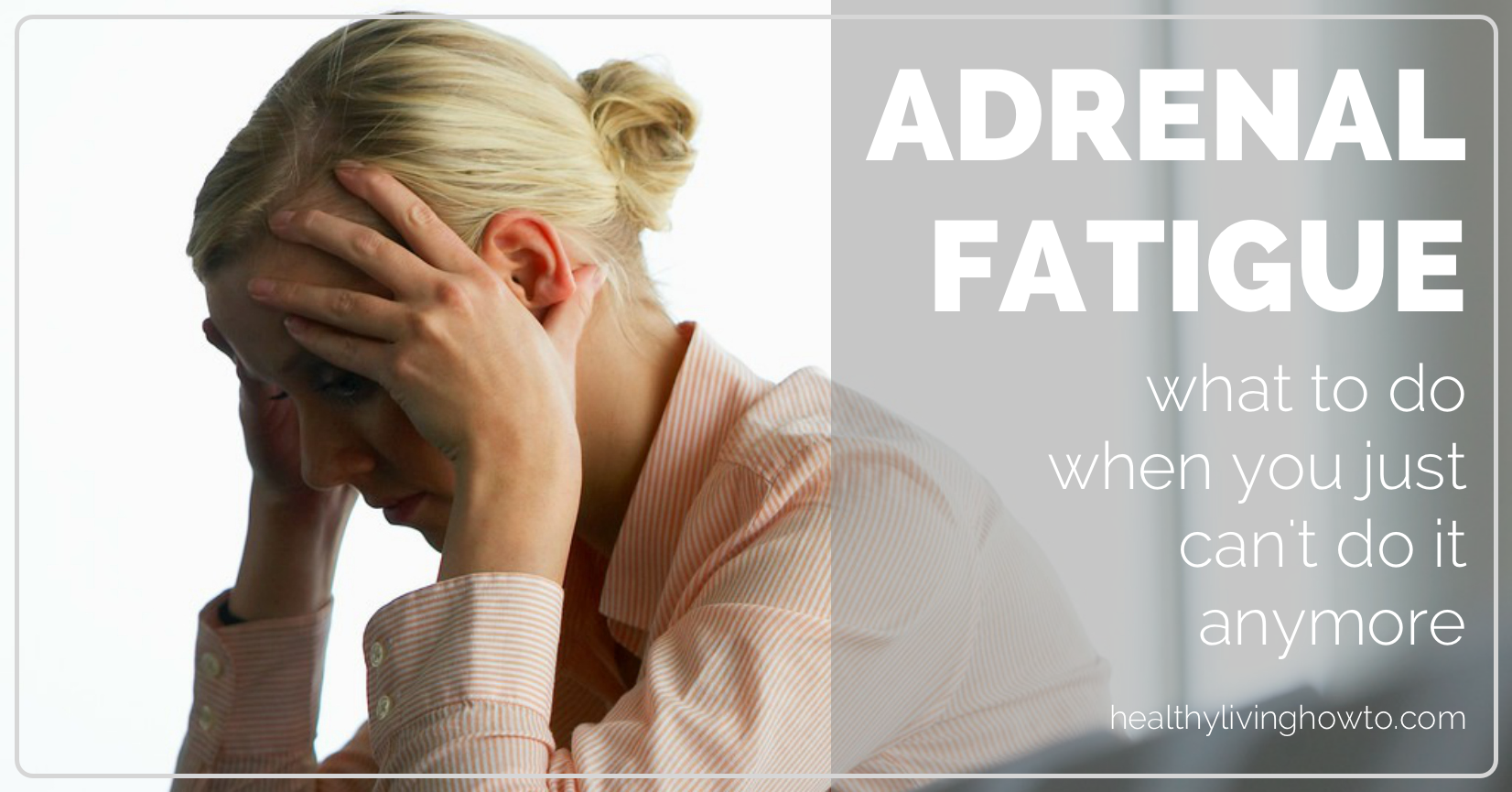
Adrenal fatigue can wreak havoc with your life. In the more serious cases, the activity of the adrenal glands is so diminished that you may have difficulty getting out of bed

Adrenal fatigue is a collection of signs and symptoms, known as a syndrome that results when the adrenal glands function below the required level. Most commonly associated with intense or prolonged stress, it can also arise during or after acute or chronic infections, especially respiratory infections such as influenza, bronchitis or pneumonia. As the name suggests, its paramount symptom is fatigue that is not relieved by sleep but it is not a readily identifiable entity like measles or a growth on the end of your finger. You may look and act relatively normal with adrenal fatigue and may not have any obvious signs of physical illness, yet you live with a general sense of unwellness, tiredness or “gray” feelings. People experiencing adrenal fatigue often have to use coffee, colas and other stimulants to get going in the morning and to prop themselves up during the day.

Adrenal fatigue can wreak havoc with your life. In the more serious cases, the activity of the adrenal glands is so diminished that you may have difficulty getting out of bed for more than a few hours per day. With each increment of reduction in adrenal function, every organ and system in your body is more profoundly affected. Changes occur in your carbohydrate, protein and fat metabolism, fluid and electrolyte balance, heart and cardiovascular system, and even sex drive. Many other alterations take place at the biochemical and cellular levels in response to and to compensate for the decrease in adrenal hormones that occurs with adrenal fatigue. Your body does its best to make up for under-functioning adrenal glands, but it does so at a price.

Some of the personal dramas, poor diet, and physical illness can all contribute to draining the adrenal resources of even the healthiest individual. Those in generally poor health, who often suffer from chronic illness or infections, are more likely to develop the problem. People who endure adverse effects from lifestyle choices such as poor diet, substance abuse, or overwork are just a susceptible.

Despite heavy caffeine intake as a desperate attempt by sufferers to restore their vitality, symptoms of Adrenal Fatigue such as chronic tiredness, depression, and general ill-health are just hard to beat. Though one may appear healthy, the effects of the syndrome may be wreaking havoc on their inner state.

Contrary to common belief, an abundance of sleep does not heal the dysfunction. Often, it only serves to complicate it. Sometimes a sufferer may only be able to be out of bed for a few hours before his dragging state forces him to return.

If the adrenal function is left untreated and continues to falter, even the organs in the body will be negatively affected. Maladies will appear in metabolisms and general body functions. A person’s sex drive will be practically non-existent. At the biochemical and cellular levels, responses to the syndrome are those of compensation. Doing its best to make up for decreases in adrenal hormones and under-functioning adrenal glands, the body is at great risk of over-extending itself. When the output of regulatory hormones has been diminished, optimal homeostasis is lost. If the body’s defenses cannot keep up, a clear case of Adrenal Fatigue will most certainly result.

Obviously, one who suffers from the associated symptoms will find it difficult to become sexually aroused. Sex is often the last thing on their mind. At best, a semi-hard erection can be achieved, often not strong enough for penetration. Besides erectile dysfunction and sexual exhaustion, one may also experience delayed orgasm disorder.

If you are feeling faded or overwhelmed, have difficulty recuperating from stress or illness, experience sexual dysfunction and don’t have energy till you’ve been up most of the day, you may have developed the syndrome. Though adrenal fatigue affects millions of people daily, the specifically-named disorder has yet to be formally recognized by modern medicine. Despite this, remedies and formulas have been developed throughout the years and have proven success in combatting Adrenal Fatigue.

Adrenal fatigue and dysfunction-Alcoholism and Addiction

Adrenal Fatigue can both lead to and result from alcoholism. Adrenal support enhances treatment for alcoholism and other addictions.

For many alcoholics, food and drug addicts, Adrenal Fatigue and the resulting hypoglycemia (low blood sugar) predispose them to a compulsive desire for the abused substance. The adrenals become fatigued by the continual overuse of alcohol, drugs or carbohydrates.

Alcohol is poison for the adrenals that should not be consumed by people suffering from Adrenal Fatigue. It is a naked carbohydrate in an extremely refined form that quickly finds its way into the cells of your body, forcing them to make energy at a rapid rate. This sets off a blood sugar roller coaster and uses a large number of the body’s nutrients that are not replaced by the alcohol.

The craving is driven by the body’s desperate need for quick energy that results from weak adrenals. The alcohol temporarily compensates for the signs and symptoms of hypoadrenia but leads to further Adrenal Fatigue after the effects of the alcohol have worn off, producing a further need for alcohol.

Adrenal fatigue and dysfunction-Allergies

With Adrenal Fatigue there a tendency to experience allergies. People with food and environmental allergies commonly have weak adrenal function. Most allergies involve the release of histamine and other substances that produce inflammation. The more histamine that is released, the more cortisol it takes to control the inflammatory response and the harder the adrenals have to work to produce more cortisol.

Cortisol

It’s one of the primary hormones produced by the adrenal glands, is a strong anti-inflammatory, reducing inflammation. The amount of cortisol circulating in the blood is the key factor in controlling inflammation in the body.

The harder the adrenals have to work, the more fatigued they become and the less cortisol they produce, allowing histamine to inflame the tissues more. The vicious circle leads to progressively deeper Adrenal Fatigue and more allergic reactions.

Eliminating foods from the diet and exposure to substances that cause allergic reactions will help break this cycle and improve adrenal function. Food allergens interfere with daily life and are stress on the adrenals. Eliminate food allergies to restore adrenal health.

Adrenal fatigue and dysfunction-Addiction


Facebooktwitterpinterestlinkedin