Category Archives: Dr. Dalal Akoury

The Magical Power of Vitamin A in Cancer Management

Vitamin A Transforms Pre-Cancerous Cells Back to Healthy Cells
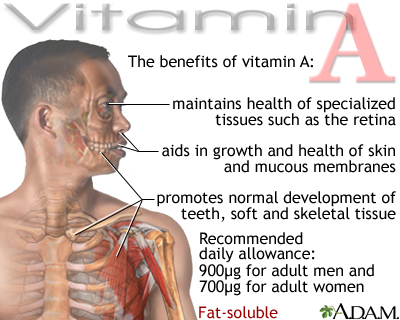
Vitamin APrecancerous cells are a term that hurt very many years as to most people it means that you are on your way to the dangerous cancer infection. However this is not always the case as not all precancerous cells turn cancerous. In fact most of the precancerous cells do not turn cancerous. Precancerous cells are the abnormal cells also known as the malignant cells that may turn cancerous but are not invasive on their own, meaning they cannot spread to other body parts and multiply in other regions.

During pap smears many women are found with precancerous cells in the uterine cervix. Precancerous cells can also be found in every other part of the body such as the breast, the skin, the colon, the liver and even in the prostate. Many people do not much about precancerous cells and this has caused fears in many women when they are notified of existence of the precancerous cell in their breasts and cervix.

In the past it was believed that when a cell has become precancerous then it could not be reversed back to normal and had to grow into a cancerous cell but today researchers have proved that other factors come to play to determine whether the precancerous cell is reversed to normal cell or becomes cancerous. Such factors include carcinogens, hormones’ activities and body stress levels. All these factors work together to determine what is created from the precancerous cell.

The precancerous cells however can coexist with the cancerous cells. A fact that has increased fears in many people as they think that the cells share same structures and so will obviously turn cancerous.  The precancerous cells can be found even right within the tumors where both cell malignant and precancerous can coexist. However malignant cells do nothing to induce the premalignant cells to turn cancerous.

Classes of precancerous cells

The precancerous can be classified into the following three groups depending on their degree of abnormality. Some of the precancerous cells may just be ‘Slightly spoilt’ hence can easily reverse into healthy cell while others are severely abnormal hence can easily turn cancerous.

  • Mild dysplasia 

Dysplasia is a term that is used to refer to precancerous cell. In the case of a mild dysplasia, it means that the cell is slightly abnormal and may not turn cancerous. At Mild dysplasia the cells rarely turns cancerous.

  • Moderate dysplasia 

At moderate dysplasia, the cells are moderately abnormal and have higher chances of turning into cancerous cells. These cells need to be treated to avoid the disease.

  • Severe dysplasia 

This is the stage where the precancerous cells are just about to be cancerous. It has the highest possibility of becoming cancerous

When precancerous cells are found in a person it is advisable that necessary measures be taken to help the situation. Without intervention to turn the precancerous cells into healthy cells, even the mild dysplasia type cells can easily turn cancerous.

Vitamin A component turns precancerous cells back to healthy cells

A research headed by V. Fernandez, Ph.D., assistant research professor of medical oncology at Thomas Jefferson University on the effect of retinoic acid on four different types of cells the normal cells, the precancerous cells, the cancerous cells and the fully blown cancer cells. The found out that the retinoic acid was very effective in turning precancerous cells back to normal healthy cells. The retinoic acid changed the genetic composition of the precancerous cells to that of the normal cells completely doing away with the possibility of the precancerous cells turning cancerous.

Vitamin A

However the vitamin A component, Retinoic acid failed to make any change on the cancerous cells. Therefore Vitamin A can only help in fighting cancer at one stage; at the precancerous stage. The study also found out that the most effective concentration of the retinoic acid in fighting cancer is about 1 micro molar. Lower concentrations do not produce any positive change. Higher concentrations are also not effective in this course.

Vitamin A is abundantly found in carrots and sweet potatoes. Eating these vegetables may help you in keeping away from cancer as they contain retinoic acid that has been proved to turn precancerous cells back to healthy cells limiting your chances of getting cancer.

Symptoms of precancerous cells

Precancerous cells do not normally show any signs and so it is not easy to know whether there are precancerous cells in your system until screening is done. However in some cases there may be symptoms of the presence of the precancerous cells but these are influenced by the exact place they inhabit.  In case the precancerous cells are available in the cervix, the cells may begin to slough easily, a condition that may lead to uncontrolled uterine bleeding.

Precancerous cells can be treated naturally by eating those foods that are rich in vitamin A which contains retinoic acid that helps in restoring precancerous cells back to healthy normal cells by altering their DNA. Precancerous cells can also be treated by cryotherapy which involves freezing of the cells. Removal of precancerous cells can also be done by surgery, cutting body tissues that contain the abnormal cells.  However doctors warn that even after surgery, if the root cause of precancerous cells in not tackled then they may reoccur.

To be able to live a cancer free life you need to get empowered on how you can keep away from the unhealthy habits that may put you at risk. You also need to know the better alternatives to cancer treatment therefore contact Dr. Dalal  Akoury(MD) who is dedicated to availing vital information about cancer to all those who seek them. Check her website for regular updates.

Vitamin A Transforms Pre-Cancerous Cells Back to Healthy Cells

Facebooktwitterpinterestlinkedin

Minors and College Drinking

Minors and College Drinking – Drug Addiction

Addiction

We have a duty to protect our young people from living wasteful life in alcohol and drug addiction by pooling together for a better society.

By now if you have been with us on this link you must be aware that alcohol is widely available and aggressively marketed throughout society across the globe.  It is the most frequently used and abused drug among youth in the United States and the world over compared to tobacco and other illicit drugs and although drinking by persons under the age of 21 is illegal, people as young as aged 12 to 20 consume about 11% of all alcohol consumed in the United States for example. The available statistics is worrying notwithstanding the consequences of early use of alcohol. We are experiencing lots of problems with minors drinking and records indicate that about 5000 young people below age 21 die as a result of underage drinking including some 1600 homicides, 1900 from motor vehicle accidents and other like suicide, burns and many others.

According to NCADD (National Council on Alcoholism and Drug Dependence) an estimated 600000 college students are accidentally injured while under the influence of alcohol, 700000 are assaulted by their drunk colleagues and a further 100000 students are victims of alcohol-related sexual assault and date rape. Yet over 11,000 teens in the United States try using alcohol for the first time every day and more than four million drink alcohols in any given month. When I said that the statistic is worrying I believe you now understand the magnitude.

Minors and College Drinking – Why do young people drink alcohol

Parents are a worried lot if these statistics are anything to go by. The question I beg you to answer is “is your child enclosed in the bracket of these finding?” like their seniors young people also drink for various reasons however it is very difficult comprehending the feelings behind their reasons. For instance:

  • Some young people often drink to forget about the family problems or issues with school performance.
  • Loneliness, low self–esteem, depression, anxiety disorder and other mental health issues lead many young people to drink alcohol
  • Young people turn to alcohol to deal with the pressures of everyday social situations
  • Young people may drink for a sense of belonging or to fit in when moving to a new school or town
  • Young people may drink to gain confidence or lose inhibitions
  • Young people are more likely to start experimenting with alcohol if they have parents who drink and if they do not get parental guidance about alcohol consumption.

Minors and College Drinking – What are the Risks

Irrespective of how they get into drinking the risks are dare once they start drinking they will be subjected to various health and safety risk like:

  • Young people who drink are more likely to be sexually active and to have unsafe, unprotected sex.
  • They are more likely to be involved in a fight, commit violent crimes, fail at school, use other drugs, and experience verbal, physical, or sexual violence.
  • Those who start drinking before age 15 are five times more likely to develop alcoholism later in life than those who begin drinking at age 21

Minors and College Drinking – Preventing Underage Drinking

This is very dynamic and requires a comprehensive and collective approach by all stakeholders. Currently there are three basic approaches which have been applied and are yielding positive results in prevention of the problem:

  • Controlling the availability of alcohol;
  • Consistent enforcement of existing laws and regulations; and
  • Changing norms and behaviors through education.

The enforcement of these three is working well in attempting to bring this problem into manageable levels.

Minors and College Drinking – Alcohol Poisoning

Many people die each year from acute alcohol intoxication known as alcohol poisoning or alcohol overdose with other thousands of others are being admitted to emergency rooms in various health facilities. Alcohol poisoning is becoming rampant in high schools and on college campuses. These are all explained by young people drinking too much and too fast.

Minors and College Drinking – Alcohol poisoning is a medical emergency

Alcohol is a depressant drug, once ingested it works to slow down some of the body’s functions like heart rate, blood pressure and breathing.  When the vital centers have been depressed enough by alcohol, unconsciousness occurs. The amount of alcohol that it takes to produce unconsciousness is precariously close to a lethal dose.  People who endure alcohol poisoning sometimes suffer irreversible brain damage.

Many students are surprised to learn that death can occur from acute intoxication. Most think the worst that can happen is they’ll pass out and have a hang-over the next day therefore knowing the signs and symptoms of acute alcohol intoxication and the proper action to take can help you avoid a tragedy.

 Minors and College Drinking – Signs and Symptoms of Alcohol Poisoning

  • Unconsciousness or semi-consciousness
  • Slow respirations (breaths) of eight or less per minute, or lapses between respirations of more than eight seconds.
  • Cold, clammy, pale, or bluish skin.
  • In the event of alcohol poisoning, these signs and symptoms will most likely be accompanied by a strong odor of alcohol.
  • While these are obvious signs of alcohol poisoning, the list is certainly not all inclusive.

In an attempt to bringing alcohol and drug addiction Dr. Dalal Akoury founded AWAREmed Health and Wellness Resource Center a facility in which she administer addiction treatment by offering exclusive NER Recovery Treatment to addicts the world over. Doctor Akoury is an expert who has been in this addiction discipline for two decades now and together with her team of experts they are also offering addiction treatment to other physicians and health care professionals through training, clinical apprenticeships, webinars and seminars. This is the place of choice for anyone suffering from addiction of any kind therefore any qualified professional can now be a part of this truly successful and fast addiction recovery treatment.

Minors and College Drinking – Drug Addiction


Facebooktwitterpinterestlinkedin

Guidlines for Prevention of Substance Use

Guidelines for Prevention of Substance Use – Drug Addiction

Alcohol

Giving goo guidelines to your children on matters relating to substance abuse and drugs go along way in shaping their future.

When one has grown to the age where they can on their own will chose to indulge in substance abuse then we can comfortably say that such individuals are able to make positive decisions of stopping the indulgence. Often young people are faced with a number of challenges in life but of all these challenges much as they have some effects on you they can never be any ware close to the effects of experience when one uses alcohol or drugs. The decision you take about alcohol and drugs will influence your health, school performance, your job, career or your relationship and freedom. The effects of alcohol and drug abuse are fatal and life threatening. Because of the seriousness consequences it is important to know that as an individual young or old you first ore yourself the duty of care to be responsible for your own well-being and then to others around you.  When discussing the guidelines for substance abuse prevention and especially in our young ones we must take note of these two very important factors:

  • At what age do you first use alcohol and drugs?
  • Family history of alcoholism and drug addiction.

Guidelines for Prevention of Substance Use – Age of First Use of Alcohol and Drugs

Indulgence in alcohol consumption and drugs use at attender age when the brain is still developing and has not fully matured will definitely increase your risk of being an addict in the future for alcoholism and drugs. When you begin using drugs or consuming alcohol early say 15 years of age, because of the state of your brain at this time you will be more likely increase your risk to develop alcohol abuse or dependence compared to those making their first taste of the same at the age of 21 or more. This theory has been confirmed by several researches done of late.

Guidelines for Prevention of Substance Use – Family History of Alcoholism or Drug Addiction

Normally the choices individuals make to use alcohol or drugs are often influenced by their surroundings, peer, family and the availability of the drug in question. The moment an individual begins using these substances whether they are illicit or not their risk of developing alcoholism and drug dependence is largely influenced by genetics. It is necessary to note that alcoholism and drug dependence are not moral issues and therefore they are not based on choices or lack of willpower. Plain and simple, some people’s bodies respond to the effects of alcohol and drugs differently.  If you have a family history of alcoholism or addiction, you are four times more likely to develop a problem. 

Therefore as young people it is only necessary that you take measures to protect yourself and reduce the risk of alcohol and drug abuse. The following are some of the guidelines you may use:

Be confidence to Say No – don’t just do thing because the majority is doing it. Chose only to do what is right regardless of what your friend may be encouraging you to do. Be principled and stand with your decision even if you are the only one. If someone is pressuring you to do something that’s not right for you, you have the right to say no, the right not to give a reason why, and the right to just walk away.

Associate with Your Friends but Avoid Negative Peer Pressure – choose your friend very carefully avoiding those that are likely to be of bad influence like the company of smokers and alcohol abusers. It is said that birds of the same feathers flock together. Associate with people whom even if you were to mimic their behaviors there will be no harm or risk of being addicted to drugs.

Make Connections With Your Parents or Other Adults – as you grow up, having people you can rely on, people you can talk to about life, life’s challenges and your decisions about alcohol and drugs is very important. The opportunity to benefit from someone else’s life experiences can help put things in perspective and can be invaluable.

Enjoy Life and Do What You Love but Don’t Add Alcohol and Drugs – Learn how to enjoy the satisfactions of life and the people in your life, without compromising on alcohol or drugs.  Alcohol and drugs can damage who you are, limit your potential and complicate your life.  Whenever you are bored get out and engage in an active in school and community activities such as music, sports, arts or a part-time job.

Follow the Family Rules about Alcohol and Drugs – as you grow up and want to assume more control over your life, having the trust and respect of your parents is very important.  Don’t let alcohol and drugs come between you and your parents. Talking with mom and dad about alcohol and drugs can be very helpful.

Get Educated about Alcohol and Drugs – you cannot rely on the myths and misunderstandings that are out there floating around among your friends and on the internet. Your ability to make the right decisions includes being educated.

Be a Role Model and Set a Positive Example – Don’t forget actions speaks louder than words and your actions will be setting the foundation and direction for your life and where are you heading to.

Plan Ahead – as you make plans for the party or going out with friends you need to plan ahead. You need to protect yourself and be smart. Don’t become a victim of someone else’s alcohol or drug use.  Make sure that there is someone you can call, day or night, no matter what, if you need them and do the same for your friends remember we are pooling together.

Speak Out, Speak Up, Take Control – take responsibility for your life, your health and your safety. Speak freely about what alcohol and drugs are doing to your friends, your community and encourage others to do the same.

Get Help – if you or someone you know is in trouble with alcohol or drugs, look for AWAREmed Health and Wellness Resource Center under Doctor Akoury who is an addiction professional of many decades and together with her team of experts she will help you bet better in many natural ways but still focus on Neuroendocrine Restoration (NER) to reinstate normality through realization of the oneness of Spirit, Mind, and Body, Unifying the threesome into ONE and remember you are not alone.

Guidelines for Prevention of Substance Use – Drug Addiction


Facebooktwitterpinterestlinkedin

Indicators of Alcoholism

Indicators of Alcoholism – Drug Addiction

Alcohol

Alcoholism indicators. It is very frustrating to the families seeing their loved ones being messed up by alcohol abuse and addiction.

If there is anything you do not want for your children is them being associated with people addicted to any drug of any kind. The grave dangers of being in a state of addiction will not allow anyone in the right state of mind to have their children go through the problems related to substance abuse. One of the commonly abused drug is alcohol, a substance whose consumption is legal and is used freely the world over. Parents have a duty to watch over their children and bring them up in total safety of any harm of addiction. This is an enormous role to do and especially in this time of work commitment where there is very little time parents spend with their children. But even in the middle of all these busy schedule parents must be very observant and ensure safety of the children from all manner of addictions. Therefore as a parent do you suspect that your child is abusing alcohol or using drugs? Are you worried in anyway? Have you noticed some changes with your child? As a parent, it is usual to be concerned and this is what we want to discuss in this article.

Indicators of Alcoholism – How Are Parents Affected?

Being knowledgeable about alcoholism and drug addiction is very instrumental to helping your children. You will need to begin with yourself and access the degree to which you’re affected by their use of alcohol or drugs. Being knowledgeable and your capability to being helpful to them will rest on your understanding of alcohol and drugs and who your children’s abuse has affected you individually. By the way the most important step you may take into helping your children is to commit to sourcing for help and support for yourself. You can do this by answering these questions as follows: As for alcohol find out if you are easily trouble bus someone’s and for drugs ask yourself if you will need help. With this in mind let us progress to the warning sings.

Indicators of Alcoholism – Warning Signs

The use and abuse of alcohol and drugs are serious issues that should not be ignored or minimized and we should not sit back and hope they just go away.  If left untreated they can develop into drug dependence or alcoholism.  As a result, it is important to identify the signs and symptoms of alcohol and drug abuse early.  If you’re worried that your child might be abusing alcohol or drugs, here are some of the indicators to look for:

Indicators of Alcoholism – Physical and health warning signs of drug abuse

  • Eyes that are bloodshot or pupils that are smaller or larger than normal.
  • Frequent nosebleeds could be related to snorted drugs like meth or cocaine.
  • Changes in appetite or sleep patterns. Sudden weight loss or weight gain.
  • Seizures without a history of epilepsy
  • Declining personal grooming or physical appearance.
  • Impaired coordination, injuries, accidents, bruises that they won’t or can’t tell you about that is to say they can explain how they got hurt
  • Unusual smells on breath, body, or clothing.
  • Shakes, tremors, incoherent or slurred speech, impaired or unstable coordination.
Indicators of Alcoholism – Behavioral signs of alcohol or drug abuse
  • Missing class, falling grades, getting in trouble at school
  • Drop in attendance and performance at work-  loss of interest in extracurricular activities, hobbies, sports or exercise-  decreased motivation
  • Complaints from colleagues, supervisors, teachers or classmates
  • Missing money, valuables, prescription or prescription drugs, borrowing and stealing money
  • Acting isolated, silent, withdrawn, engaging in secretive or suspicious behaviors
  • Clashes with family values and beliefs
  • Preoccupation with alcohol and drug-related lifestyle in music, clothing and posters
  • Demanding more privacy, locking doors and avoiding eye contact
  • Sudden change in relationships, friends, favorite hangouts, and hobbies.
  • Frequently getting into trouble (arguments, fights, accidents, illegal activities)
  • Using incense, perfume, air freshener to hide smell of smoke or drugs
  • Using eye-drops to mask bloodshot eyes and dilated pupils
Indicators of Alcoholism – Psychological warning signs of alcohol or drug abuse
  • Unexplained, confusing change in personality and/or attitude.
  • Sudden mood changes, irritability, angry outbursts or laughing at nothing.
  • Periods of unusual hyperactivity or agitation.
  • Lack of motivation; inability to focus, appears lethargic or “spaced out.”
  • Appears fearful, withdrawn, anxious, or paranoid, with no apparent reason.

Signs and symptoms of alcoholism and drug dependence

Alcoholism involves all the symptoms of alcohol abuse, but also involves another set of elements i.e. Physical dependence e.g. tolerance and withdrawal. 

Tolerance – Tolerance means that, over period of time you will need more of alcohol to feel the same effect you use to feel at minimal quantity.  Ask yourself if you drink more than you used to? Or drink more than other people without showing obvious signs of intoxication?

Withdrawal – As the effect of the alcohol wears off you may experience withdrawal symptoms like anxiety or jumpiness, shakiness or trembling; sweating, nausea and vomiting, insomnia, depression, irritability, fatigue or loss of appetite and headaches. Do you drink to steady the nerves, stop the shakes in the morning?  Drinking to relieve or avoid withdrawal symptoms is a sign of alcoholism and addiction.

In serious cases, withdrawal from alcohol can be life-threatening and may involve hallucinations, confusion, seizures, fever, and agitation.  These symptoms can be dangerous and should be managed by a physician specifically trained and experienced in dealing with alcoholism and addiction like Dr. Dalal Akoury, Founder of AWAREmed Health and Wellness Resource Center. She is having over two decades of experience in offering exclusive NER Recovery Treatment to other physicians and health care professionals through training, clinical apprenticeships, webinars and seminars globally and anyone or qualified professional can now be a part of this truly successful and fast addiction recovery treatment.

Loss of Control – Drinking more than you wanted to, for longer than you intended, or despite promising yourself that you will not do it this time.

Desire to Stop but Can’t – You have a persistent desire to cut down or stop your alcohol use, but all efforts to stop and stay stopped, have been unsuccessful.

Neglecting Other Activities – You are spending less time on activities that used to be important to you (hanging out with family and friends, exercising- going to the gym, pursuing your hobbies or other interests) because of the use of alcohol.

Alcohol Takes up Greater Time, Energy and Focus – You spend a lot of time drinking, thinking about it, or recovering from its effects.  You have few, if any, interests, social or community involvements that don’t revolve around the use of alcohol.

Continued Use Despite Negative Consequences – You drink in full knowledge that it’s causing problems.  As an example, you realize that your alcohol use is interfering with your ability to do your job, is damaging your marriage, making your problems worse, or causing health problems, but you continue to drink.

Indicators of Alcoholism – Drug Addiction


Facebooktwitterpinterestlinkedin

Infection In Cancer Patients And Biofilm Formation

Infection In Cancer Patients And Biofilm Formation Treatment With
Silver And Ozone

Cancer patients are at higher risk of getting serious infection thus it is important for everyone to learn and gain more information about the infections to reduce and prevent the occurrence of the problem. Fungi and infection is caused by harmful bacteria and viruses. When they invade the body, the immune system may not be able to destroy them as fast as required hence the likely hood of a person to developing cancer.

Cancer patients are more vulnerable since cancer treatment is known to weaken the body’s immune system making it vulnerable to infections. The white blood cells (leukocytes) are the body soldiers known to fight infections. The cells are produced in the bone narrow and thus when the born marrow is unable to produce enough of the white blood cells, it leads to a condition referred to leucopenia. The body is then not able to fight the infection.  The white blood cells referred to as neutrophils can destroy fungi and any harmful bacteria in the body as soon as the infection is detected.  When the level of the cells is low, it increases the chances of one contracting bacterial infections.

Biofilm Formation

People with cancer neutropenia are exposed and easily develop infections because the immune system is low. The infections could attack any part of the body including the skin, the mouth, the rectum, urinary tract and the genital area.

Some of the signs and symptoms include;

  • Fever with temperature rising up to 100.50
  • Sweating or chills
  • Tooth ache , sore throat and sores in the mouth
  • When urinating, one may feel some burning or may be forced to increase the frequency of urinating.
  • Pain in the abdomen
  • Pain in the anal area
  • Sores around the anus and diarrhea
  • Short breath and coughs
  • Swelling, pain, wound or redness of parts of the body.
  • Unusual  virginal  discharge

Relieving side effect (palliative care)

This is also referred to as symptom management which is an important cancer care and treatment. This care leads to infections that could be life threatening although such infections are easily treated.

  • Causes

Treatment of cancer can lead to poor sleep, poor dieting, and stress. This may weaken the body and the immune system making it exposed to infections.

Chemotherapy lowers the production of white blood cells in the bone marrow hence increase the chances of infection. Radiation therapy harms the bone marrow especially if administered in areas such as the legs, the chest, the pelvis or the abdomen.

Leukemia and lymphoma are cancers that may attack the bone marrow. They overwhelm the bone marrow cells and reduce the production of the white blood cells.

  • Treatment

There are some preventive treatments for infections. Patients who are at risk of developing infections because of chemotherapy treatment or radiation can be exposed to prophylactic antibiotics and antifungal medications. In a case where the infection has already developed, one may be treated with antibiotics or antifungal medication. If the neutropenia is accompanied with some fever, referred to as neutropenia fever, such a patient must be hospitalized so as to receive the intravenous TV antibiotics.  If you already have the neutropenia fever or   you are at a higher risk of developing neutropenia fever, the doctor may prescribe colony –stimulating factors or white blood cell growth factors.  This are the drugs designed to make the body to make more neutrophils and other types of white blood cells.  It reduces the risks of infections such as Neulasta (pegilgrastin), Sagramostim (Leukine or prokine).  It is worth noting that the doctors may not prescribe this treatment if the patient has neutropenia but does not have fever.

Biofilm formation may occur when free floating microorganisms attach themselves on the skin or any surface and secrete extracellular polymers. The biofilms may protect the bacteria and hence they are a serious health risk. A fully developed biofilm contains many layers and a matrix of EPS and a conditioning film as well as a vertical film.  The vertical structures may consist of microorganisms which may come in the form of towers or mushrooms separated by interstitial spaces. These interstitial spaces allow biofilm to take in nutrients from the surrounding liquid and at the same time move the byproduct away from the biofilm.

Biofilm Formation

Ozone treatment

The ozone treatment could be used in managing biofilms. The treatment targets extracellular polysaccharides that are found on the surface and cleaves them.  The ozone cuts through the biofilm and dissolves them to harmless microscopic fragments. Ozone works well because of it’s a strong oxidant and is more powerful than any other disinfectant.  That is why it is used to purify water in spa and pools industry.

Silver treatment

Dr. Becker, discovered that silver ions can cause cells to dedifferentiate making them to revert back to normal cells.  Studies show that when large amount of silver is taken on daily basis it is able to revert cancer symptoms. Silver generated ions kill’s bacterium by making them to differentiate and this makes them heal the wounds.  Further research shows that silver effectively kills cancer cells just as chemotherapy does but has fewer side effects.  Silver is better compared to Cisplatin which is currently being used to treat a variety of cancer ailments but comes with numerous side effects such as nausea and vomiting which can damage the kidney.

Infection In Cancer Patients And Biofilm Formation Treatment With Silver And Ozone

Facebooktwitterpinterestlinkedin