Category Archives: Dr. Dalal Akoury

Mechanisms of Inflammation in Aging

Mechanisms of Inflammation in Aging – The redox stress hypothesis

Mechanisms of Inflammation in Aging

Mechanisms of Inflammation in Aging. Numerous complex inter-related mechanisms contribute to age-related inflammation. The redox stress hypothesis of aging is based on age-related changes in cellular redox balance.

We have just introduced the effects of inflammation in aging in our pervious article and now we want to progress with the discussion focusing on the mechanisms of inflammation in aging. If you are joining us for the first time in this life changing site, I would recommend that you get to the introduction for a better flow of information on this worthy topic. Numerous complex inter-related mechanisms contribute to age-related inflammation. The redox stress hypothesis of aging for example is based on age-related changes in cellular redox balance supplemented by age-related deregulation of the immune system. However other processes like endocrino-senescence and declining levels of sex hormones also likely contribute to high inflammation in older age. In addition, a number of diseases, especially age-related diseases such as atherosclerosis and dementia, have strong inflammatory components. Meanwhile in view of the experts at AWAREmed Health and Wellness Resource Center under Doctor Akoury’s care, the following are some of the components that are likely to affect your skin into premature aging.

  • Redox stress
  • Mitochondrial damage
  • Immunosenescence
  • Endocrino-senescence
  • Epigenetic modifications and
  • Age-related diseases

With the help of experienced experts at this facility founded by doctor Akoury, we will make certain emphasis about each of the above mechanisms of inflammation in aging as follows.

Mechanisms of Inflammation in Aging – The Redox stress

Endogenous reactive oxygen species (ROS) are hypothesized which play a key role in molecular, cellular, and structural damage of your skin over time. Under normal physiological conditions, reactive oxygen species like hydrogen peroxide (H2O2) have vital roles in signal transduction cascades and function to reversibly oxidize or reduce protein cysteine thiol groups as molecular on/off switches. However, age-associated increases in reactive oxygen species may lead to over-oxidation and irreversible changes in protein structure and function. The biological process to remove these accumulated damaged proteins stimulates inflammatory responses leading to a chronic inflammatory state.

Mechanisms of Inflammation in Aging – The Mitochondrial damage

Mitochondria, the primary sites for chemical energy (ATP) production, are essential for normal cell function and maintenance of redox homeostasis as well as regulating programmed cell death. Mitochondria are the main source for reactive oxygen species therefore; they are key components in redox stress. The mitochondrial free radical theory of aging is based on oxidative damage to mitochondrial DNA (mtDNA) due to overproduction of reactive oxygen species. This damage results in dysregulation of cell and organ function leading to the overall system decline recognized as aging. mtDNA alterations have been reported to accumulate with age; the ensuing loss of energy production likely underlies sarcopenia. Other tissues affected by age-related mtDNA alterations include ovary, testis, and adrenal organs with noted loss of function with age. In addition, apoptosis, or programmed cell death, is a highly regulated process that leads to cell death without stimulation of the inflammation response and damage to surrounding tissue. With age, mismanagement of apoptosis due to mitochondrial dysfunction results in increased inflammation and tissue injury.

Mechanisms of Inflammation in AgingImmunosenescence

Oxidative stress and energy dysregulation are also hypothesized to play a key role in immunosenescence, the gradual decline of the immune system with age. Immunosenescence results from the accumulation of molecular and cellular defects due to oxidative damage and thymic involution the age-related reduction in thymus size and activity, and hyper stimulation of both the innate and adaptive immune systems. The ultimate result of these processes is increased exposure to diseases and increased morbidity and mortality due to infections and other age-associated diseases.

Thymic involution results in significantly reduced levels of naive T cells at older ages. While the adaptive immune response to previously seen antigens dependent on memory T cells remains functional, although in a reduced capacity, the ability to respond to new infectious agents, requiring naive T cells, is severely impaired. Poor immune function combined with continued exposure to antigens, results in chronic activation of macrophages and other pro-inflammatory cells and contributes to chronic low level inflammation common in older age. In addition, senescent cells demonstrate significant increases in production and secretion of many pro-inflammatory cytokines. Chronic inflammation, therefore, not only results from, but also drives immunosenescence.

Mechanisms of Inflammation in Aging – Endocrino-senescence

In addition to immunosenescence, the endocrine system also experiences age-related declines in function (endocrinosenescence) most notably affecting sex steroid production. Levels of growth hormone and dehydroepiandrosterone (DHEA) and its primary circulating form dehydroepiandrosterone sulfate (DHEAS) decrease with age as well. However, cortisol production is increased due to over-stimulation of the hypothalamic-pituitary-adrenal (HPA) axis.

Chronic over-stimulation of the hypothalamic-pituitary-adrenal axis leads to immune dysregulation and contributes to immunosenescence. Decreased levels of DHEA and growth hormone also likely play a role in immunosenescence. Both DHEA and growth hormone enhance the proliferation and activity of cellular mediators of immunity and DHEA reduces inflammatory cytokine production. Reduction in levels of these hormones and increasing levels of cortisol with age would therefore lead to increased.

Sex hormones also modulate the production of inflammatory cytokines. Studies indicate that interleukin-6 gene transcription and secretion are inhibited by both estrogen and androgen. Many studies show an increase in interleukin-6 and other pro-inflammatory cytokines in women subsequent to menopause. Similar inverse relationships have been reported for testosterone levels and inflammatory markers in older men. As levels of these steroid hormones decrease with age, levels of inflammatory cytokines are increased contributing to chronic inflammation, cellular senescence, and other age-related diseases.

Mechanisms of Inflammation in Aging – Epigenetic modifications

Epigenetic modifications are modifications to phenotypes or gene expression resulting from changes other than changes in the underlying DNA sequence. These changes may be retained by the cell throughout its lifespan and, for germ line cells, may be passed to future generations. DNA methylation is one of the most well characterized epigenetic changes.

DNA methylation is essential for normal development and survival. During aging, however, the DNA methylation pattern can change resulting in a global decrease in methylation with hyper methylation of some promoter regions, most notably promoters of several tumor repressor genes. Histone modifications lead to both gene activation and suppression. Histone modifications and changes in DNA methylation near telomeric regions correlate with telomere attrition and cellular senescence. In addition, these epigenetic changes are associated not only with activation of inflammatory genes, but also with cancer, dementia, atherosclerosis, and a number of other diseases.

Finally this article is very fertile with strong medical terms which may not sound clear to the ordinary man’s understanding. While appreciating the need for more clear view of the effects of mechanisms of inflammation in aging, the writings still had to be the way they are. However in a one on one with doctor Akoury in her office, you will be able to get clarity in all of your concerns. Remember that our target is to deliver beauty to you in the most professional way. Therefore on your part, what you need to do is to schedule for an appointment with the experts at AWAREmed Health and Wellness Resource Center under Doctor Akoury’s care and all your beauty concerns will be professionally addressed.

Mechanisms of Inflammation in Aging – The redox stress hypothesis


Facebooktwitterpinterestlinkedin

Erectile Dysfunction: Causes and Cure

Erectile Dysfunction, Causes and Cure

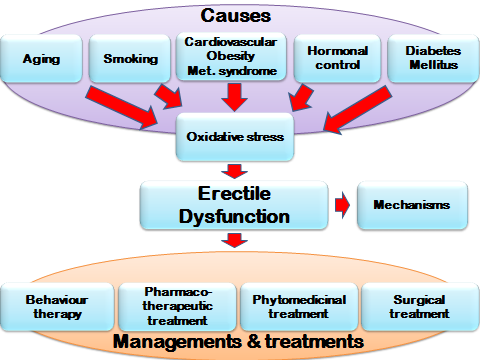
Erectile dysfunction is one problem that has seen even the most masculine men wet pillows with tears behind closed doors. This is a problem that will continue to haunt men if they fail to seek immediate help. Erectile dysfunction also known as impotence refers to a situation when a man can no longer get or keep an erection firm enough for sexual intercourse. Having an erection trouble once in a while is not necessarily a cause for alarm but if erectile dysfunction is an ongoing problem, it will not only cause stress and depression but will also cause relationship problems as well as affect your self-confidence. Erectile dysfunction sounds like failure or weakness to many men. It gives them a feel of inferiority and may go a long way in affecting their way of expressing themselves. Erectile dysfunction affects men even beyond the boundaries of the bedroom as it lowers their self-esteem leaving them with an inferiority disease. In most cases erectile dysfunction is caused by deficiency in the testosterone hormone. Testosterone hormone is majorly produced in the testes and is the hormone that is entirely responsible for sexual drive in a man. Without this hormone any man will not be able to have the urge to have sexual intercourse and even if he was to have sex just out of responsibility he will not be able to achieve an erection that can last long enough to optimally perform the sexual intercourse act. The levels of this hormone however vary with age. As one is aging the levels of this hormone will go down and this is just normal however incase the levels of this hormone are flooring at an early age it can be solved by going for testosterone therapy which may help to restore the normal testosterone levels in a man.

Erectile Dysfunction

Causes of Erectile Dysfunction

To achieve an effective erection that can last long enough to satisfy a woman or long enough for procreation several factors come to play. Male arousal is a very complex process. Here are some of the causes of Erectile Dysfunction.

Stress- this is one of the psychological factors that has been found to cause erectile dysfunction. Sex begins in the brain and so when the brain is worked up clogged by stress then it may become very difficult achieving an erection. Other psychological factors that may cause erectile dysfunction include anxiety and depression.

Low Testosterone Levels

Testosterone is a major cause of hypogonadism. Testosterone is the necessity for a man to be sexually active. When levels of testosterone decline the urge to have sex declines and so is the ability of an erection to last long enough to perform satisfactory sex. Low testosterone levels also causes dump moods which may not have very good effects on a man’s ability to erect. However there are natural ways that can be employed to help restore testosterone levels and resolve the whole problem of erectile dysfunction. One of the ways through which an erectile dysfunction caused by low testosterone levels be solved is going for testosterone replacement therapy.

Other causes of erectile dysfunction include;

  • Certain prescription medications
  • Tobacco use
  • Alcoholism and other forms of substance abuse
  • Treatments for prostate cancer or enlarged prostate
  • Heart disease
  • Clogged blood vessels (atherosclerosis)
  • High cholesterol
  • High blood pressure
  • Diabetes
  • Obesity
  • Parkinson’s disease
  • Multiple sclerosis
  • Wounds in the penis

Erectile Dysfunction Testing

There are very many causes of erectile dysfunction and therefore it is important for tests to be done to reveal the cause of the disease before giving any therapy. There are also very many tests that can be done to show the cause and the state of your erectile dysfunction. Some of the tests that can be done include;

Urinalysis-Analysis of urine can provide lots of information, including information on protein, sugar and testosterone levels. Abnormal measurements of these substances can indicate diabetes, kidney disease or a testosterone deficiency, all which can cause ED.

Penile biothesiometry– This test involves the use of electromagnetic vibration to determine sensitivity and nerve function. A decreased sensitivity to these vibrations may indicate nerve damage.

Vasoactive injection– During this test, an erection is produced by injecting special solutions that cause the blood vessels to dilate allowing blood to enter the penis.

Dynamic infusion cavernosometry– This test is used for men with ED who have a venous leak. During this test, fluid is pumped into the penis at a predetermined rate. By measuring the rate at which fluid must be pumped to attain a rigid erection, doctors can determine the severity of the venous leak.

Erectile Dysfunction

Erectile Dysfunction Treatment  

Just like there are several causes of erectile dysfunction so are the treatments available. However the biggest challenge in treating erectile dysfunction is that most men are ashamed to discuss this issue with their doctors. When that is done the doctor may avail you the best treatment for your situation.

Here are some of treatments;

Penile Implants- penis implants offer a permanent solution to erectile dysfunction. There are more types than you may think. Your doctor will help you choose the best for you.

Erectile Dysfunction Surgery– though not so popular a surgery can help fight erectile dysfunction as it improves the blood flow to the penis hence improving erections.

Nutritional Supplements– there are some nutrients that must be available in the body at good levels so as to make erection last. These minerals may include zinc and calcium. These minerals can be supplemented to help save the situation.

BHRTBio-identical hormone replacement therapy can help men regain their youthfulness and sex drive of their 30’s through BHRT. Bio identical Hormone Replacement Therapy restores hormones to physiological levels to support brain, nerves, heart, vessels, skin, bones, and other body’s systems functions for all have hormone receptors.

Find help

Erectile dysfunction can damage your confidence and your relationship. If you are troubled by ED Low testosterone may be the cause, and BHRT may be the cure. To get started with testosterone replacement therapy, please call (843) 213-1480 or contact Dr. Dalal Akoury.


Erectile Dysfunction: Causes and Cure


Facebooktwitterpinterestlinkedin

Coffee Enema and It’s Role in Cancer Treatment

Coffee Enema’s Role in Cancer

The liver is an essential body part that aids in body detoxification. Through this process the liver gets rid of toxins in the body. This in turn enables the body to normally perform essential internal functions. In the case of cancer, the liver loses it functioning. For this reason, detoxification does not occur.

It is common knowledge that cancer is characterized by an over growth of cells. The body loses its control functions and the cells begin to grow uncontrollably. This leads to the formation of cancerous tumors. The cells forming the tumor end up releasing toxins into the host tissues mass. These toxins are associated with cancer pains.

In a cancer patient, the liver does not perform its detoxification functions. Toxins end up accumulating in the body and this causes a lot of pain. Cancer cells continue to multiply and more toxins are released in the body. The patient is therefore in a lot of pain.

The main treatment for cancer is removal of the cancerous tumor through surgery. Other methods such as chemo therapy and radiation therapy are applied to kill the cancerous cells and prevent them from multiplying. Others include such things as immune therapy, stem cell transplant e.g. bone marrow transplant, gene therapy among others.

Coffee Enema

Coffee Enema’s Role in Detoxification

Coffee enema is an internal cleansing purification of the liver that involves the detoxification of the liver. It also involves the cleansing of blood in general. This allows the liver to go back to its initial function of detoxifying the body. When the liver is healthy then the whole body is healthy.

Coffee enema has been used for years as an alternative for not only cancer therapy but also constipation. It works in cancer patients by detoxifying the liver by aiding the removal of wastes. This activates the cancer reversing process.

Most people feel indifferent about coffee enema process because it involves the anus. Many individuals prefer sipping their coffee than taking it through the rectum. What you did not know is that you might reap maximum benefits from the rectum process. The benefits of this process are high and complications area very rare. So why not go with it?

It is applied in the Gerson therapy where cancer patients are given about five coffee enemas in a day. Coffee enema assists the liver in detoxification process. Coffee Enema assists it in the removal of toxic substances to enable the body go back to its normal functioning.

When toxins accumulate in the body, to some of us our bodies are unable to fight these toxins. The liver is bombarded with so many functions that its effectiveness goes down drastically. It is unable to remove toxics and this translates to a lot of pain especially in cancer patients.

When a patient is put on the coffee enema therapy, juices, food and medication combine to form an effective fighting mechanism. This strengthens the immune system to be able to attack the tumor. The cancer cells surrounding the tumor are killed in the process. The process also flushes out the toxins that have accumulated in the body tissues. If the detoxification does not take place, the liver stands the risk of being overburdened and this could lead to its poisoning. This is extremely dangerous as it means a complete failure of the body processes. The liver is an important organ for detoxification. If it is poisoned it means that the toxins in the body accumulate and poison other organs. This could lead to a complete shutdown of the body leading to death.

The coffee enema is an important therapy as it ensures that the liver remains in top gear. It is able to detoxify the body and rid it of toxic substances that could poison it. In a cancer patient the liver is already damaged and is unable to carry out its functions. This therapy detoxifies the liver and it is able to go back to its functions.

Coffee Enema

Coffee Enema for cancer cure

The therapy works by opening up bile ducts and this helps the liver to release the accumulated waste products. Waste product accumulate for years from taking in of bad water, food additives and chemicals, poor air, viruses, toxic substances and germs. When they accumulate they form toxics in the body. In the case of cancer, the liver in itself is not able to detoxify the body and this therapy helps in getting rid of some toxins. The liver is thereby not overloaded with toxics and pain is reduced.


The Coffee Enema Therapy

The coffee enema therapy is cheap and can be done at home. All you need is to prepare the coffee just like you do with the one you drink. Pour the coffee in a bucket when it has cooled at room temperature. When done insert the tube into the bucket clamp it until the solution begins to fill up. Then insert it into the anus when lying down, open the clamp to allow the solution to flow and monitor the amount of coffee that goes in.

The bucket should be placed in a higher place to ensure the solution flows under pressure. In order to retain the coffee inside remain in that lying position for about 15 minutes. This will ensure that the solution is retained for long inside in order to reap maximum benefits. This therapy may be difficult for a first timer so ensure you consult with your medical practitioner before doing anything.

At AWAREmed Health and Wellness Resource Center we provide you with the necessary health and wellness tips. Dr. Dalal Akoury is experienced in cancer matters. She will provide more expert opinion about coffee enema and cancer treatment.

Curing Cancer: Coffee Enema’s Role in Cancer


Facebooktwitterpinterestlinkedin

Inflammation Control to Slow Premature Aging

Inflammation Control to Slow Premature Aging – Mechanisms of Inflammation in Aging

Inflammation

Inflammation control to slow premature aging is the way to go if you are to be in-charge of the aging process especially the premature aging

In our desire to keep the beautiful skin that everyone will admire, we are consistently faced with several challenges. Some of the challengers can be very devastating and will require the professionals to be involved if permanent solution is to be found. For this reason, we are going to be consulting with doctor Dalal Akoury from time to time as we progress into the discussion about calming chronic inflammation and slow premature aging. Just for the record, doctor Akoury is one of the few professionals with more than two decades experience in beauty and skincare management. She is also the founder of a health facility known as AWAREmed Health and Wellness Resource Center where we focus is on Neuroendocrine Restoration (NER) to reinstate normality through realization of the oneness of Spirit, Mind, and Body, Unifying the threesome into ONE.

With that brief introduction, let’s get into the discussion. Chronic inflammation can destructively affect your health and even accelerate your skin’s aging. Therefore inflammation is a critical part of the body’s healing process: It occurs at the cellular level when the immune system tries to fight off disease causing germs and repair injured tissue. Inflammation can be invisible (if your body is battling an infection internally) or visible: Rashes or pimples, for example, occur when blood vessels widen near the skin’s surface to increase blood flow, which in turn expedites healing.

Redness, heat and swelling can also occur alongside inflammation. When the fight is over, the army of inflammation-triggering substances is supposed to withdraw, however in many cases they don’t. Besides that studies have implicated chronic inflammation with heart disease, diabetes, cancer and many more of such diseases. When it attacks the skin, it can accelerate fine lines, wrinkles and enlarged pores, as well as puffiness, sagging, blotchiness or reddening of the skin. All this impacts negatively on the health of the skin and the end result is premature aging. Therefore aging is a progressive degenerative process tightly integrated with inflammation. However the cause and effect are not very clear though a number of theories have been developed that attempt to define the role of chronic inflammation in aging including:

  • Redox stress
  • Mitochondrial damage
  • Immune-senescence
  • Endocrino-senescence
  • Epigenetic modifications and
  • Age-related diseases

We are going to discuss each of this aspects as we progress on but nonetheless, no single theory explains all aspects of aging, it is likely that multiple processes contribute and that all are entangled with inflammatory responses. Take for example human immunodeficiency virus (HIV)-infected individuals experiences premature aging phenomenon this may provide indicators to better explain the nature of inflammation in aging. Environmental and lifestyle effectors of inflammation may also contribute to variation of both inflammation and age-related dysfunction.

Inflammation Control to Slow Premature Aging – Inflammation and Aging

It must be noted that aging itself is not a disease. However it results from the accumulation over time of detrimental changes at the molecular and cellular levels, and ultimately at the level of tissues and organs, resulting in disease and increased risk of morbidity and mortality. Traditionally, robust immune and inflammatory responses allowed early humans to endure to reproductive age. However, these same response mechanisms lead to a variety of lethal consequences now that humans routinely endure to older age. In a highly elaborate process, organs lose functionality and structural integrity both deriving from and leading to age-related diseases like atherosclerosis, dementia, and cancer. While the etiology of the aging process is not fully understood, inflammation clearly plays a major role, inseparably linking inflammation and aging.

Nonetheless it is not clear whether inflammation causes age-related processes, results from these processes or both. For the purpose of this article we will concentrate on current theories about the nature of chronic inflammation associated with aging including the causes and effects of inflammation with a focus on the highly entangled nature of aging and inflammation and potential interventions to moderate the effects of inflammation in aging.

Inflammation Control to Slow Premature Aging – Chronic Inflammation

Subsequent to trauma or infection, the inflammatory response is initiated at a local, cellular level. A number of cellular mediators such as macrophages and monocytes are activated. These cells release cytokines like tumor necrosis factor-α and interleukin-6 which act as molecular mediators and are responsible for the progression of the response to a systemic level encompassing multiple organs. The inflammatory cascade is designed to:

  • Destroy microbial pathogens
  • Initiate tissue repair processes and
  • Promote a return to physiological homeostasis

Remember that at an acute level, this process is marked by easily discernible heat, swelling, redness, and pain. However, in terms of aging and age-related diseases, the inflammation response is a chronic, low level, subclinical process mediated by the same effectors, but opposing significantly in degree Inflammation as a function of age has been well characterized in numerous epidemiologic studies. Levels of inflammatory mediators typically increase with age even in the absence of acute infection or other physiologic stress. While levels are still in the sub-acute range, this chronic inflammation underlies many aging-related conditions. However, a key question remains. Is inflammation a cause of the aging process or an effect? We are going to be answering this question in our next article when we handle Mechanisms of Inflammation in Aging. You don’t want to miss this and so I asked you to stay on the link for a while as we unlock the truth about inflammation.

Meanwhile as I had mention in the introduction, this is not just any topic about healthcare. We are looking at the real issues that bring about premature aging. If you want to remain young even if you’re not, engage the experts at AWAREmed Health and Wellness Resource Center under the able leadership of Doctor Akoury’s care. Schedule for that appointment today and get to know your position with the effects of inflammation. You may never know until you get the experts opinion. It doesn’t matter where you are or what you do, our concern is to help you keep that glamorous appearance for a very long time. Give us an opportunity to help you keep that youthful look by calling doctor Akoury today.

Inflammation Control to Slow Premature Aging – Mechanisms of Inflammation in Aging


Facebooktwitterpinterestlinkedin

Are Herbicides Leading to Cancer

Herbicides and Cancer Risk

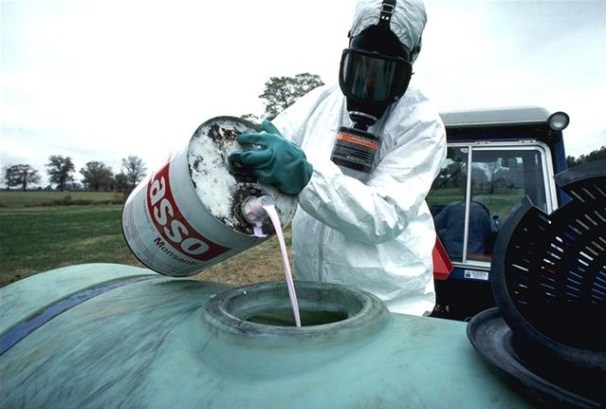
Herbicides are a class of chemicals used in agriculture. Most products containing herbicides are used in our farms and homes to control weeds and pests. These chemicals can find their way into our water and foods. When herbicides are used in plants, they end up remaining in the plant and are consumed in the food when we eat it.

Herbicides are used in all agricultural settings. It is therefore hard to do away with them if your crops are to remain healthy and yield expected results. However, there are crops that are grown without the application of herbicides.

Biotech agriculture has spread rapidly. Farmers are widely dependant on chemicals to increase yields. These chemicals have been linked to health conditions such as cancer. One of the causative factors for cancer is chemicals found in agricultural chemicals.

Most of the foods that we consume if not genetically modified is grown from chemicals such as herbicides and pesticides. These chemicals find their way into our body metabolism. This causes them to alter our body function which has been shown to greatly contribute to diseases such as cancer.

herbicides-and-cancer

Cancer is referred to as a lifestyle disease. The food you chose to eat defines your lifestyle. If your diet is mostly composed of chemical induced foods then the more likely you are at the risk of getting terminal illnesses. Refusing to regularly take exercises defines your lifestyle as well.

Exposure to herbicides occurs repeatedly and unknowingly. They are applied in different settings. Herbicides are sprayed on crops where they remain and are ingested finally in the food when we eat it. The chemicals in herbicides can also find their way into our homes through water. They are often not filtered out from our water and we end up drinking them.

Facts about Cancer

One of the factors that have been linked to cancer is chemicals. Others include, diet, lack of enough exercise, inheritance of cancer genes and infections. Cancers refer to uncontrollably growing cells in the body. This occurs when the cells are destroyed by things like chemicals. This causes cells to lose their control functions.

Cells then begin to grow uncontrollably and this leads to development of lump tissues called tumors. These tumors become toxic and end up affecting the body functioning. The cancer cells starve normal cells of energy as they consume a valuable amount of it. They grow very rapidly that they render normal cells useless.

They then start spreading to other parts of the body. They produce toxics that harm normal cells and this translates to the severe pain experienced by cancer patients.

The most common management of cancer is through surgery. Surgery is conducted on the patient to remove the cancerous tumors before they spread to other parts. If this does not work other methods such as radiation or chemo therapy are applied to kill the cancer cells and stop their growth. Others include immune therapy, stem cells transplant and many others.

How Herbicides Increase Cancer Risks

Chemicals in herbicides act as oestrogen. In normal conditions oestrogen is very important in the body. Aside from the role it plays in the reproductive cycle, it also increases essential cholesterol, maintains elasticity of blood vessels and strengthens bones for calcium absorption.

However accumulation of too much oestrogen can cause untold problems to cells by increasing their growth as well as multiplication. Increasing number of cells end up forming tumors. For this reason oestrogen is linked to breast cancer in females.

There are very many kinds of oestrogens. The natural body oestrogen is known as strong oestrogen while that found in plant foods is called weak oestrogen. Weak oestriogen counterbalances strong oestrogens and they both circulate in the body.

Herbicides causing cancer

There is also chemical oestrogen that is found in herbicides and pesticides which act like body oestrogens. All types of oestrogens work by locking onto cell receptors. High level of oestrogen in the body increases your risk of cancer.

Herbicides are continually used in agricultural setting to kill weeds and pests. The chemicals in the herbicides remain in the plant and they are ingested. Continually ingesting food grown with pesticides increases the amount of chemical oestrogen in the body. This then alters normal cell functioning leading then to grow rapidly and out of control.

In this way, chemicals found in pesticides can increase your potential for cancer. When the cells over grow they form tumors which can be cancerous. Washing vegetables and fruits well can be a remedy against consuming these chemicals found in herbicides.

Dr. Dalal Akoury has been in the medical practice for many years. She has a wide experience with cancer patients and most of them owe their health improvements to her. You too can be a part of the AwareMed community.

Can Herbicide Cause Cancer


Facebooktwitterpinterestlinkedin