Category Archives: Breast Cancer

call-now

Distressful cancer treatment period
Distressful cancer treatment

Distressful cancer treatment period alongside tolerance can cause jittery in the treatment process

Distressful cancer treatment period: Cancer surgery

The distressful cancer treatment period can be very disturbing. Like for instance the waiting for surgery is another time of major concern. People often worry about the operation itself, but also about whether the cancer is growing while they wait. Fears about the changes that surgery will cause can be a major source of distress, too. Then there are concerns about work and home life and how they may change. Insurance and financial issues often add to the worries. For some people, one of the hardest times is after cancer treatment. Rather than feeling happy that treatment is over, they feel even greater distress. One patient put it this way: “I’m on my own now and I’m just waiting to see what will happen next.” From that statement you notice that this patient is very distress even though treatment has been concluded.

Seeing the oncologist (cancer doctor) after treatment can feel quite scary. Nearly everyone has some fear the cancer will come back (recur). This is normal, too. “Every time I have aches and pains, I’m convinced it’s the cancer coming back even if it’s a pain in my big toe,” one patient said.

Distressful cancer treatment period: Everything about cancer is stressful

Dealing with the side effects of treatment such as tiredness (fatigue), hair loss, weight changes, and how disrupted your life seems is also stressful. In fact, everything about having cancer is stressful. Being upset and worried are part of it, so a certain amount of distress is expected when you find you have cancer. But sometimes distress can go from the expected level to one that interferes with your treatment, makes it hard for you to cope with the illness, and affects all parts of your life.

It’s not a sign of weakness that you become so distressed that it interferes with your ability to do your usual activities. When you visit us at AWAREmed Health and Wellness Resource Center, our team of experts will explain for you the range of distress from what is considered normal to very high and offer some ideas about how to handle your feelings in ways that will be helpful. The very first thing you need to do in coping with distress is consulting with your doctors and cancer support team. Talking to them about how you feel will make you feel much safer. Their purpose is to help you get better and if they notice something that needs to be addressed, then they will direct you to the help you need. Remember that these people are only here to help you not just for the cancer treatment, but they are also counting on you to tell them how you are doing and what you are feeling. This is one assignment that you are the only one that can do and no one else.

Finally when addressing distress of cancer patients, the scope is not just limited to them but it is also applies to their loved ones. These people are a strong source of support, and their well-being is important, too in the delivery of successful treatment. Therefore if you are a loved one and feel distressed, it’s OK to let the cancer care team knows that you need help. You can also schedule for an appointment with doctor Dalal Akoury for much more professional assistance.

Distressful cancer treatment period: Cancer surgery


Facebooktwitterpinterestlinkedin
timthumb

Cancerous chronic nature and effect of cocaine

Cancerous chronic nature

Understanding Cancerous chronic nature and effect of cocaine.

Cancerous chronic nature and effect of cocaine: Long and short term effects

There is no doubt that cocaine is very addictive substance. Its power of addictiveness makes it to be very unpredictable and thus users may not be able to tell or control the extent to which they will continue to want or use the drug. Doctor Akoury says that with these characteristics, if one is to become addicted, the risk for relapse will be very high even after long periods of abstinence. Some studies have established that during periods of abstinence, the memory of the cocaine experience or exposure to cues associated with drug use can trigger tremendous craving and relapse to drug use. It is this craving element that will necessitate the long and short term effects of cocaine which is going to form the basis of this discussion.

Cocaine causes a short-lived, intense high that is immediately followed by the opposite intense depression, edginess and a craving for more of the drug. Users of cocaine often don’t eat or sleep properly. They can experience greatly increased heart rate, muscle spasms and convulsions. The drug can make them feel paranoid, angry, hostile and anxious even when they are just sober and not high. Doctor Akoury says that irrespective of the quantity of drugs used or frequency with which it is used, cocaine increases the vulnerability of addicts into contracting chronic diseases like heart attack, stroke, seizure or respiratory (breathing) failure. These conditions can be life threatening and any of them can result in sudden death.

Cancerous chronic nature and effect of cocaine: Long term effects

When people abuse cocaine over a period of time, a lot of things can happen in the lives of such individuals. Some of those health implications may include the following:

  • Permanent damage to blood vessels of the heart and the brain
  • High blood pressure that will occasionally leads to other chronic health conditions including heart attacks, strokes and even death
  • The damage of vital organs like the liver, kidney and the lungs
  • Damages of the nose tissues especially when sneezing
  • Respiratory failure if smoked
  • Infectious diseases and abscesses if injected
  • Malnutrition, weight loss

The point we have highlighted may not be conclusive as far as the long term effects is concern. It would be better if you are up to date will all health information surrounding this substance abuse. Such information in their conclusiveness is available at AWAREmed Health and Wellness Resource Center. All you need to do is to seek for help by scheduling for an appointment with doctor Dalal Akoury any your condition will be professionally addressed timely leaving you to enjoy life to the fullest.

Cancerous chronic nature and effect of cocaine: Short term effects

  • Loss of appetite causing the addict not to feed properly
  • Intense drug craving
  • Bizarre, erratic, sometimes violent behavior
  • Convulsions, seizures and sudden death from high doses (even one time)
  • Tactile hallucination that creates the illusion of bugs burrowing under the skin
  • Increased heart rate, blood pressure, body temperature
  • Contracted blood vessels
  • Dilated pupils
  • Disturbed sleep patterns

Finally it is not just enough to know the long and short term effects of cocaine but it is equally very important that you learn from the past people who had gone through the same experience. And I want to conclude this discussion with a testimony from one former addict who is now sober and he says “don’t touch cocaine. I had to spend four years behind bars just because of this drug (cocaine). And when I got out he continues, life was so hard and unbearable. I started taking the drug again. In this drug business, I have known 10 girls who were full of life but who became prostitutes because of cocaine. It’s much more extreme and degrading than we believe. At the time we don’t realize to what degree it destroys us he concludes.” Choose life and seek for help doctor Akoury will be waiting for your call.

Cancerous chronic nature and effect of cocaine: Long and short term effects


Facebooktwitterpinterestlinkedin
weight loss diet

Gaging antioxidant in cancer prevention

Gaging antioxidant

Gaging antioxidant in cancer prevention to reduce the toxic elements and their threats

Gaging antioxidant in cancer prevention: Who should use antioxidants?

The question that lingers in everybody’s mind is “how effective is gaging antioxidant in cancer prevention?” Considerable laboratory evidence from chemical, cell culture, and animal studies indicates that antioxidants may slow or possibly prevent the development of cancer. However, the findings according to recent clinical trials were non-committal. Which then brings us to the next point of concern and that is “should people already diagnosed with cancer take antioxidant supplements?

Should people already diagnosed with cancer use antioxidant supplement?

Experts in several randomized controlled trials have investigated whether taking antioxidant supplements during cancer treatment alters the effectiveness or reduces the toxicity of specific therapies. Even though their findings were not consistent, there was evidence that people who took the antioxidant supplements during cancer therapy had worse outcomes. This result was very evident especially with those patients who were smoking. With the inconsistency it leaves room for more studies to be done to get the clear scientific evidence about the potential benefits or harms of taking antioxidant supplements during cancer treatment. In the meantime patients opting for the use of antioxidant supplement needs to consult with their doctors for direction.

Gaging antioxidant in cancer prevention: Foods rich in antioxidants

As a matter of guidance, it is very important that you are aware of some of the food stuff that is rich in antioxidants. Most of such food stuff are in various kinds of fruits and vegetables besides other foods like nuts, grains and some meats, poultry and fish. The following are just but a small collection of such food:

Beta-carotene is found in many foods that are orange in color, including sweet potatoes, carrots, cantaloupe, squash, apricots, pumpkin, and mangos. Some green leafy vegetables including collard greens, spinach, and kale are also rich in beta-carotene.

Lutein, best known for its association with healthy eyes, is abundant in green, leafy vegetables such as collard greens, spinach, and kale.

Lycopene is a potent antioxidant found in tomatoes, watermelon, guava, papaya, apricots, pink grapefruit, blood oranges, and other foods. Estimates suggest 85 percent of American dietary intake of lycopene comes from tomatoes and tomato products.

Selenium is a mineral, not an antioxidant nutrient. However, it is a component of antioxidant enzymes. Plant foods like rice and wheat are the major dietary sources of selenium in most countries. The amount of selenium in soil, which varies by region, determines the amount of selenium in the foods grown in that soil. Animals that eat grains or plants grown in selenium-rich soil have higher levels of selenium in their muscle. In the United States, meats and bread are common sources of dietary selenium. Brazil nuts also contain large quantities of selenium.

Vitamin A is found in three main forms: retinol (Vitamin A1), 3, 4-didehydroretinol (Vitamin A2), and 3-hydroxy-retinol (Vitamin A3). Foods rich in vitamin A include liver, sweet potatoes, carrots, milk, egg yolks and mozzarella cheese.

Vitamin C is also called ascorbic acid, and can be found in high abundance in many fruits and vegetables and is also found in cereals, beef, poultry and fish.

Vitamin E, also known as alpha-tocopherol, is found in almonds, in many oils including wheat germ, safflower, corn and soybean oils, and also found in mangos, nuts, broccoli and other foods.

Finally cancer is not a disease you would want anywhere near you by all means. If you have never gone for checkup for cancer it is never too late to do it right now. Your health is worth the effort and for any pending concern you may have, you can call doctor Akoury today for assistance.

Gaging antioxidant in cancer prevention: Who should use antioxidants?


Facebooktwitterpinterestlinkedin
Healthy foods

Double health complications from cancer and stress

Double health complications

Double health complications from cancer and stress. in fact cancer is a killer disease which must be addressed professionally.

Double health complications from cancer and stress: The questions to address

When dealing with dealing with health issues today, be rest assured that quite often you will be addressing multiple or double health complications from various health complications including cancer and stress which are very good friends as far as health issues are concern. The following questions are going to help us understand the double health complications. Doctor Dalal Akoury MD and also the founder of the same is going to be taking us through this process.

  • How does stress affect the way cancer progress?
  • How can I protect myself against the effects of stress?
  • How does support work?

Double health complications from cancer and stress: How does stress affect the way cancer progress?

The effects of stress may stem from how your body responds to it. When you’re stressed, your body makes certain so-called “stress” hormones to deal with it. In many cancer patients, these hormones bind with cancer cells. That can make the cells more invasive and help protect them as they move from one part of the body to another. This makes it easier for the tumor to grow and the cancer to spread. Nonetheless being stressful can also trigger negativity to your immune system which is the body basic defender from external and internal aggression. It has been established that, stress can interferes with the way certain cells in your immune system work. In particular, it affects cells that find and that kill emerging cancer cells.

How can I protect myself against the effects of stress?

People with better support tend to have better functioning immune systems. They also tend to have lower levels of certain stress hormones. This makes it less likely that stress will cause changes in the way a tumor grows. Some studies also show that people with more support have lower levels of chemicals that promote new cell growth and make tumors more aggressive.

Double health complications from cancer and stress: How does support work?

Support makes it easier to develop qualities you need to deal with stress. For example, it can help you develop more active coping skills. A strong support network can reduce the effects of stress in several ways including the following:

  • It can lessen the magnitude of the problem and help you see that event as less stressful. That will lessen your body’s response to it.
  • It can improve your management levels and how you cope by providing advice, problem solving techniques and resources for help when you need it.
  • It can help enhance positive health behaviors such as exercise and proper nutrition.
  • It can provide support that makes it easier to adhere to your medical treatment plan.

A number of recent studies have also shown that, in addition to a support network, there are potential benefits from programs that help you learn how to manage stress. Such programs include:

  • Cognitive behavioral therapy
  • Mindfulness
  • Yoga
  • Alternative therapies such as Healing Touch
  • Medication

It is important to appreciate that such programs can not only help you in dealing with the stress that comes from having cancer, but the stress that can come from treatments such as chemotherapy and radiation as well. Therefore cancer and stress must not be allowed to ruin your health. There is always something you can do to be safe. You can talk to the experts at AWAREmed Health and Wellness Resource Center under the able leadership of Doctor Akoury’s care for professional assistance today by scheduling for an appointment with her.

Double health complications from cancer and stress: The questions to address


Facebooktwitterpinterestlinkedin
weight loss diet

Comprehensive cancer disease impacts on obese patient

Comprehensive cancer disease

Comprehensive cancer disease impacts on obese patient however this could be addressed by loosing weight effectively

Comprehensive cancer disease impacts on obese patient: The risk of cancer patients being obese

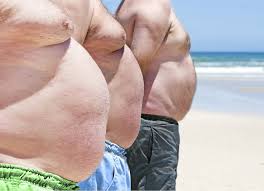
Obesity is a condition where an individual person or persons has an abnormal high and unhealthy proportion of body fat. The measurement of obesity is often done using the BMI scale. This is believed to provide a more reliable and accurate measure of obesity or overweight as oppose to the use of weight alone. Now of what interest do we have in the ascertainment of peoples’ weight? This is because the prevalence of obesity and overweight is growing into a catastrophic situation and people’s health is at risk. National Health and Nutrition Examination Survey (NHANES) is giving an estimation of about 68% in US alone as the adult population age 20 and above to be struggling with either obesity or overweight. With this impact and the complications that come with being obese or overweight, it has become necessary that both the professionals and the laymen take a position in fighting the scourge. With the help of experts from AWAREMED Health and Wellness Resource Center under the leadership of doctor Dalal Akoury MD, we want to understand how the comprehensive cancer disease impacts on obese people with a view of creating awareness to the society to be on the look out of the consequences that are attached to these two conditions.

Comprehensive cancer disease impacts on obese patient: Various types of cancer associated with being obese

Experts have established that obesity is closely associated with increased risks of various types of cancer including the following among many others:

  • Esophagus
  • Pancreas
  • Colon and rectum
  • Breast (after menopause)
  • Endometrium (lining of the uterus)
  • Kidney
  • Thyroid
  • Gallbladder

Speaking to doctor Dalal Akoury about these disturbing facts she adds that several possible mechanisms have been suggested in the past to explain the association of obesity with increased risk of certain cancers making reference to the following suggestions:

  • Fat tissue produces excess amounts of estrogen, high levels of which have been associated with the risk of breast, endometrial, and some other cancers.
  • Obese people often have increased levels of insulin and insulin-like growth factor-1 (IGF-1) in their blood (a condition known as hyperinsulinemia or insulin resistance), which may promote the development of certain tumors.
  • Fat cells produce hormones, called adipokines that may stimulate or inhibit cell growth. For example, leptin, which is more abundant in obese people, seems to promote cell proliferation, whereas adiponectin, which is less abundant in obese people, may have anti-proliferative effects.
  • Fat cells may also have direct and indirect effects on other tumor growth regulators, including mammalian target of rapamycin (mTOR) and AMP-activated protein kinase.
  • Obese people often have chronic low-level, or “sub-acute,” inflammation, which has been associated with increased cancer risk.

Other possible mechanisms include altered immune responses, effects on the nuclear factor kappa beta system, and oxidative stress. With that it becomes clear that obesity can really complicate what is already complicating your health. We can be safe from this problem by choosing to live a healthy lifestyle all round. Doctor Akoury can be of great help to you in all matters pertaining weight management if only you can schedule for an appointment with her today.

Comprehensive cancer disease impacts on obese patient: The risk of cancer patients being obese


Facebooktwitterpinterestlinkedin