Category Archives: Brain Health

Nutrition benefits

Nutritional benefits enjoyed by recovering addicts

Nutritional benefits enjoyed by recovering addicts: Doing the right thing to escape addiction

Nutritional benefits

What do you drink? and what flows in your glass? Whatever the answer remember that there are numerous nutritional benefits enjoyed by recovering addicts if you feed well.

Previously while we were exploring on the good nutrition and diet for recovering people with addiction we noted that there are applicable factors which when applied with the guidance of addiction experts, real time solutions can be realized. Those factors included exercise, relaxation, spirituality and adaptation of a balanced living. We were however able to discuss the exercise portion and now while focusing on the nutritional benefits enjoyed by recovering addicts, we are going to look at the remaining three, and with the help of professionals from AWAREmed Health and Wellness Resource Center under the able leadership of doctor Dalal Akoury who is also the MD founder and president of AWAREmed Health and Wellness Resource Center, we are going to give to details all that you need to know about these three factors and so stay tuned and invite a friend to the link so that we move together as a committed team in the elimination of drug addiction by all means.

Nutritional benefits enjoyed by recovering addicts: Relaxation

Relaxation is very crucial and actually there are several things you can do to readily reduce or escape the stress you feel. Doctor Akoury is registering that when you are unable to change a situation or to better cope with the stress of everyday living some of the applicable solutions are very simple and very common such that people often ignore the power behind them. Take for example simple things like laughing, playing, listening to music, storytelling, fantasizing, reading and massage are some methods of natural stress reduction yet we often ignore them. Besides that deep relaxation can be a way of relaxing the body and mind. The objective of this is to reduce stress and produce a sense of well-being. Deep relaxation rebalances the body and reduces the production of stress hormones. What happens when you relax is the opposite of the “fight or flight” reaction. When you relax, your muscles become heavy, your body temperature rises and your breathing and heart rate slow down. Remember that tension hinders muscle relaxation and that is why it is impossible to maintain tension while physically relaxing. A visit to the home of solutions (AWAREmed Health and Wellness Resource Center) will equip you with all the needed techniques which will allow your body to relax effectively. You can therefore schedule for an appointment with doctor Akoury for further professional direction on the relaxation modalities. And even as you do that it is important to note that the distress resulting from thought process impairments, emotional process impairments, memory impairments, and stress sensitivity can be reduced or relieved through proper use of relaxation. There are a variety of relaxation exercises that you can use including:

  • You can get a book that will offer you a selection of exercises or you can purchase tape-recorded exercises.
  • You can close your eyes in a comfortable position and repeat a pleasant word over and over to yourself.
  • You can imagine yourself in a soothing environment such as by a quiet lake or in a green meadow.

Pick a method that is relaxing to you and use it often. The experience will be very productive since you will find it a helpful aid for reducing stress and creating peace of mind and serenity.

Nutritional benefits enjoyed by recovering addicts: Spirituality

Spirituality can be defined as “an active relationship with a power greater than yourself that gives your life meaning and purpose.” When you work a spiritual program, you consciously, actively attempt to become a part of something bigger, greater, and more powerful than yourself. The effectiveness of this is that believing in a Higher Power will take you out of the center of your universe and offers peace of mind and serenity by awareness that there is a power that is not restricted by your weaknesses and limitations. Through spiritual development you can develop new confidence in your own abilities and develop a new sense of hope. It is through a spiritual program that you can reach with hope and a positive attitude toward the future.

In working on your spirituality it is important for you to use the principles of the AA/NA program. AA/NA provides guidelines for “increasing your conscious contact with your higher power.” You do not have to have any one image of your higher power to increase your conscious contact. You do have to be open to the possibility of a Higher Power and be willing to experiment with communicating with that Power. It is important to structure your life in such a way as to spend time alone each day to interact with your Higher Power. It is important to examine your values and look within yourself to determine whether your life is in harmony with those values. And take note that spiritual discipline is a consciously chosen course of action. Discipline is uncomfortable for many recovering addicts. They have lived lives of immediate gratification, and discipline is the reverse of that. The purpose of spiritual discipline is freedom from the slavery of self-indulgence. Spiritual discipline includes prayer and meditation, spiritual fellowship, and regular inventory of your spiritual growth.

Nutritional benefits enjoyed by recovering addicts: Balanced living

Balanced living can be defined in several ways including:

  • Balanced living means that there is bio-psycho-social-spiritual harmony in your life.
  • It means that you are healthy physically and psychologically and that you have healthy relationships.
  • It means that you are spiritually whole.
  • It means that you are no longer focused on one aspect of your life.
  • It means you are living responsibly, giving yourself time for your job, your family, and your friends as well as time for your own growth and recovery.
  • It means allowing a Higher Power to work in your life. It means wholesome living.
  • It means having a balance between work and play, between fulfilling your responsibilities to other people and your need for self-fulfillment.
  • It means functioning as nearly as possible at your optimum stress level, maintaining enough stress to keep you functioning in a healthy way and not overloading yourself with stress so that it becomes counterproductive.

Finally a balanced living requires proper health care so that the body is functioning well. Nutrition, rest, and exercise all receive the proper focus in your life to provide energy, manage stress, allow freedom from illness and pain, combat fatigue, and rebuild a damaged body. Freedom from physical distress allows psychological growth. When you feel good it is easier to think about your attitudes and values and to work on eliminating denial, guilt, and anger. Balanced living requires doing things to develop self-confidence and self-esteem and learning to feel good about your-self. All these factors are geared towards ensuring total elimination of addiction by putting aside all triggers of addiction and you can get more information on this and other nutritional benefits enjoyed by recovering addicts by visiting AWAREmed Health and Wellness Resource Center and all your concerns will be addressed professionally.

Nutritional benefits enjoyed by recovering addicts: Doing the right thing to escape addiction


Facebooktwitterpinterestlinkedin
Oxycontin

Oxycontin the addictive pain killer of all ages

Oxycontin the addictive pain killer of all ages: What is oxycontin and why is it so addictive?

Oxycontin the addictive pain killer

Oxycontin the addictive pain killer is often misused by its users to attain certain high which makes it quite addictive for health

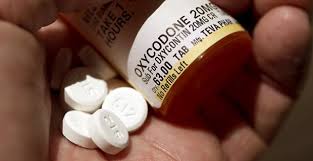
The need to eradicate pain from our life has made us to be very innovative and a lot of drugs are being produced daily into the market. Some of these drugs are available across the counter while another set can only be issued on the doctor’s advice. However, the world is suffering from substance abuse, some of which are prescription drugs which have not helped either. When they are prescribed to us for use, sometimes we often miss use them thereby causing further addiction related complications to us. In that regard, we want to narrow this discussion to one of the drugs available in the market under the topic “Oxycontin the addictive pain killer of all ages.” Experts from AWAREmed Health and Wellness Resource Center under the able leadership of doctor Dalal Akoury MD and the president of the facility says that OxyContin is a type of medication that can actually relieve pain. It is commonly prescribed to patients by doctors and this prescription is not just to any patient but to those who have severe injuries, arthritis or cancer. Doctor Akoury registers that this is a morphine-like drug which is classified under schedule II controlled substance, which means that people need a prescription to obtain it. She adds that in relation to other painkillers, OxyContin has a long-acting formula and it works well for those who need round-the-clock relief.

The other problem with pain killer drugs like Aspirin and Tylenol is that they are not strong enough to help people who are suffering from moderate to severe pain and as a result of that users will often opt for opioids to make the pain more bearable. Unfortunately, the effectiveness of oxycontin is what makes it to be a popular street drug. Even though the allowed mode of administration of this drug is through oral consumption, miss use has always led to many people to abuse OxyContin by either crushing the tablets so that they can swallow or snort them or sometimes, they even dilute the tablets in water to for a solution which they then inject into their veins. These methods destroy the time-release mechanism, which allows the user to experience the drug’s full effect immediately.

Oxycontin the addictive pain killer of all ages: The dangers of oxycontin addiction

Like with other drugs, if the procedure is not followed dully on acquisition, it becomes a major problem to the drug enforcement officials. It therefore means that if this drug (oxycontin) is obtained illegally it will be a major issue for drug enforcement officials. This drug is commonly known in the street as Kicker, OC and Hillbilly Heroin. The danger of an addiction to OxyContin is that it will make its users feel like they can tolerate more. Remember that too much use of this drug can lead to respiratory failure and the drug can become even more dangerous when people combine it with alcohol or benzodiazepines. And besides that just like with other opiates users can develop a tolerance if they use OxyContin on a regular basis. And once they develop a tolerance for the drug, they will require larger doses to elicit the drug’s euphoric effects. Besides taking larger doses, the users also need to take the drug more often to stay high. Over time, users begin to develop a dangerous OxyContin prescription addiction which causes them to become more and more addicted each time they use the drug.

Doctor Dalal Akoury also registers that it is important to appreciate that OxyContin addiction also occurs when people use the drug in a way that the manufacturer did not intend. Like for example, those who snort or inject the drug are likely to become addicted since this is not the proper ways of administration of this drug. When people snort or inject the tablets, they feel an intense high right away. The high that people experience while abusing OxyContin is similar to the euphoria that heroin users also feel. Once they experience an intense high, their body starts to crave more of the drug. Those who abuse OxyContin regularly are likely to need to professional help.

Oxycontin the addictive pain killer of all ages: Who is vulnerable to oxycontin addiction?

When it comes to vulnerability, it is worth noting that anyone who uses OxyContin can develop an addiction indiscriminately however, in most cases it often affects those who are prone to addictive behaviors in their lifestyle. Doctor Akoury is reiterating that OxyContin drug addiction is particularly prevalent among young adults in the rural areas in relation to their counterparts in the urban centers. This is so because in some cases those who have a legal prescription often resell the tablets to other people for a profit thereby making the drug easily available to the wrong people. Alongside with that it is emerging that some people also acquire the drug by visiting multiple doctors to have more than one prescription written out so that they are in possession of enough to distribute to their illegal clients.

Many chronic pain patients worry when their doctor increases their dosage of OxyContin, but this worry need not to be there because they are under medical supervision. Nonetheless it is worth noting that the body can develop a tolerance for the drug over time. It is therefore necessary that all patients take OxyContin as directed by their physicians so that they do not get a high from using it. Finally we must also note that those who worry about becoming addicted can suffer needlessly if they refuse to take painkillers. That is why doctors always examine each patient’s history before implementing a treatment plan and if the patient has a history of drug abuse, then the doctor is likely to prescribe something other than OxyContin. Abuse of oxycontin is risky and users risk respiratory failure since the drug depresses the respiration which may lead to slowness of breath beside causing users to feel weak, tired and dizzy. In conclusion it is always very important that when it comes to addiction, everyone needs to be in close touch with addiction professionals so that any emerging problem can be addressed in good time. And for that reason, I want to encourage you that if you have any point that you need to be clarified, then you can schedule for an appointment with doctor Dalal Akoury for a professional direction.

Oxycontin the addictive pain killer of all ages: What is oxycontin and why is it so addictive?

Facebooktwitterpinterestlinkedin
alcohol problem

Helping addicted colleagues professionally to recover

Helping addicted colleagues professionally to recover: Taking action sooner that latter to help

Helping addicted colleagues

Helping addicted colleagues struggling with substance abuse is a step in the right direction to solving the bigger problem of addiction

When it comes to helping addicted colleagues professionally to recover, you may be mistaken for trying to fix your coworker for your own selfish reasons. This is highly possible because in many institutions drug abuse is a violation of rules and summery dismissal is the ultimate remedy. Because of this many may choose just to watch their colleague sink into destruction. However, is this really the best you can do? Certainly no, because there are actually better ways of approaching issues of this magnitude and those are some of the points we want the experts from AWAREmed Health and Wellness Resource Center to help us address as we progress into the discussion. From the expert point of view, doctor Dalal Akoury who is the founder of this facility registers that anyone who has ever observed and is knowledgeable of whether a friend is addicted to drugs or not, will definitely know that a person who is struggling with drug abuse or is addicted to drugs will often manifest certain behaviors in the workplace that indicate the existence of a looming problem. The signs may be diverse and many including consistent absenteeism at work or being late, not getting work done, being belligerent or a wide range of other behavioral issues. Having the knowledge of some of these behaviors is very important if you were to impact positively in the life of your colleague. Therefore some of those behaviors may include hyperactive or manic activity, slurring speech, neglect of personal hygiene, acting paranoid, overreacting to correction or suggestions, ignoring others and confusion.

Besides these issues if you have a coworker who is also a drug addict, there is great danger not just for himself or herself but also to the fellow colleagues at the work station since such a colleague is up to five times more likely to cause an accident at work station than one who is not using any drug. Doctor Akoury agrees that from the available statistics there are many effects of drug abuse on society and drugs play a role in an estimated 40% of all on-the-job worker fatalities. These statistics communicates is that it is very important to recognize potential co-worker drug abuse to protect the safety of everyone who works with him or her. It therefore means that the fear of keeping quiet on account of your friend being sacked because that (drug use at work station) is a violation of the organizations policies can be very disastrous because the consequences may be very fatal. In line of that, let us get to some specific action points if you have a coworker who is a drug addict. The question you should first address would be how should you respond in such circumstances? And what are some of the options do you have when you believe co-worker drug abuse is occurring? Stay tuned and invite a friend on the link as we explore on these facts together so that we can deliver safety in all our work stations and beyond.

Helping addicted colleagues professionally to recover: Responding to a co-worker drug abuse problem

Responding to a co-worker drug addiction problem must be done with a lot of sobriety and without any element of malice. Remember that the intention is to help and not to victimize with a view of being punished. We must therefore be very sober when we want to respond to such situations otherwise we may only succeed in escalating the problem than it is right now. Why are we emphasizing on sobriety and honesty in this, it is because this colleague is sick and sick people needs help not punishment. If this any rush decision is taken and the staff is fired, he will get stressed, depressed and become even more vulnerable to use more of the substance in question. With that in mind if you have any reason to believe that you are working with a coworker who is struggling with drug addiction, the very first thing to do is to approach your immediate boss or supervisor with this issue. This is a good idea even if you are the person’s supervisor. Be open with your boss and share freely all your concerns with the supervisor in charge and explain to them your observations as to why you have these feeling about your colleague. Be as direct to the point as possible and point out very specific instances which is making you believe that the individual was displaying potential drug-related behavior. As we had said before, this is a health issue and not an offence that will subject your colleague to some disciplinary action. You must therefore show utmost concern rather than simply making accusations says doctor Dalal Akoury the MD and President of AWAREmed Health and Wellness Resource Center.

After this communication to your seniors, the next point of action now lies with your bosses. And like we have already mentioned, the objective is to help by offering treatment that will deliver sobriety in good time. The supervisor will analyze the details of the information given privately and professionally before making any decision. If in their own wisdom the supervisors agrees that there is some element of a developing addiction or the staff is already fully addicted to the substance meaning that there is cause for legitimate concern, then and only then should the individual be confronted in private by his or her immediate supervisor and one or two others. Remember that this confrontation is going to be a cordial one in line with the main objective of saving lives. It is therefore very important to demonstrate a supportive rather than threatening attitude in order to encourage the worker to be forthright about a potential problem and seek drug addiction treatment.

Doctor Akoury is stressing that getting a breakthrough will depend highly on the approach you give on breaking the news to the victim. At this point a lot of support will be needed to help the addicted colleague come to terms with this news. This is so because in many instances they themselves are not even aware that they have a problem and therefore the prospect of denial may be very high. Nonetheless when you succeed in helping addicted colleagues professionally to recover by first coming into terms with their new development, the next hurdle will be co convince him or her to consent for treatment. Many people often don’t see the need for treatment. However when that is achieved it is important to note that most companies have clearly-defined responses to co-worker drug abuse. The guidelines may offer a leave of absence to get treatment or help in paying for the treatment. The key is to address the issue and encourage the person who may have the problem to seek the drug abuse treatment that is now readily available at the home of addiction solutions at AWAREmed Health and Wellness Resource Center. You can reach this facility by scheduling for an appointment with doctor Dalal Akoury today for further clarifications on all the pending concerns you may be having.

Helping addicted colleagues professionally to recover: Taking action sooner that latter to help


Facebooktwitterpinterestlinkedin
Resisting insulin

Drug addiction treatment approaches that works

Drug addiction treatment approaches that works: How it should be done?

Effective approaches for drug addiction treatment

Effective approaches for drug addiction treatment are essential in delivering a drug free society

Because of the nature and complications of addiction, it is always very important to be very careful with the way one choses to handle the recovery process. Professionally doctor Dalal Akoury MD and addiction expert of several decades is registering that the effective approaches for drug addiction treatment should include and is not limited to medication and behavioral therapy, especially when combined. It is important to appreciate that these are very important elements of an overall therapeutic process that often begins with detoxification, followed by treatment and relapse prevention. Bringing the withdrawal symptoms complications to manageable levels can be very important in the commencement of treatment. And besides that, preventing relapse is also very necessary for maintaining the effects of treatment. And according to the experts at AWAREmed Health and Wellness Resource Center under the able leadership of doctor Dalal Akoury, it is important to note that sometimes just as with other chronic conditions, incidents of relapse may require a return to the prior treatment components. A variety of care and services that includes a customized treatment regimen addressing all aspects of an individual’s life, including medical and mental health services and follow up options like for instance, community or family based recovery support systems can be crucial to a patient’s success in achieving and maintaining a drug free lifestyle says doctor Akoury.

Drug addiction treatment approaches that works: Medications

Medications can be used to help with different aspects of the treatment process including:

Withdrawal – From the past experience it is worth noting that medications is very essential as it facilitates the process of suppressing withdrawal symptoms during detoxification. And besides that it is also important to note that, medically assisted detoxification is not in itself treatment of an addiction, as a matter of fact, it is only the first step in the treatment process. It therefore means that patients who go through medically assisted withdrawal and fail to go for any further treatment show drug abuse patterns similar to those who were never treated.

Treatment – Medications can be used to help re-establish normal brain function and to prevent relapse and diminish cravings. Currently, we have medications for opioids which may include heroin and morphine, tobacco, (nicotine), and alcohol addiction. Efforts are also being made in developing others for treatment of stimulant e.g. cocaine, methamphetamine etc. and cannabis (marijuana) addiction. Most people with severe addiction problems, however, are poly-drug users meaning that they are using more than one drug at the sometime. Such people will definitely require treatment for all of the substances that they abuse like for instance:

  1. Opioids: Methadone, buprenorphine and, for some individuals, naltrexone are effective medications for the treatment of opiate addiction. Acting on the same targets in the brain as heroin and morphine, methadone and buprenorphine suppress withdrawal symptoms and relieve cravings. Naltrexone works by blocking the effects of heroin or other opioids at their receptor sites and should only be used in patients who have already been detoxified. All medications help patients disengage from drug seeking and related criminal behavior and become more receptive to behavioral treatments.
  2. Tobacco: A selection of preparations of nicotine replacement therapies now exist including the patch, spray, gum, and lozenges that are available over the counter. In addition, two prescription medications have been FDA–approved for tobacco addiction: bupropion and varenicline. They have different mechanisms of action in the brain, but both help prevent relapse in people trying to quit. Each of the above medications is recommended for use in combination with behavioral treatments, including group and individual therapies.
  3. Alcohol: Three medications have been approved by FDA for treating alcohol dependence: naltrexone, acamprosate and disulfiram.
  • Naltrexone blocks opioid receptors that are involved in the rewarding effects of drinking and in the craving for alcohol. It reduces relapse to heavy drinking and is highly effective in some but not all patients—this is likely related to genetic differences.
  • Acamprosate is thought to reduce symptoms of protracted withdrawal, such as insomnia, anxiety, restlessness, and
  • Dysphoria (an unpleasant or uncomfortable emotional state, such as depression, anxiety, or irritability). It may be more effective in patients with severe dependence.
  • Disulfiram interferes with the degradation of alcohol, resulting in the accumulation of acetaldehyde, which, in turn, produces a very unpleasant reaction that includes flushing, nausea, and palpitations if the patient drinks alcohol.

Compliance can be a problem, but among patients who are highly motivated, disulfiram can be very effective.

Drug addiction treatment approaches that works: Behavioral Treatments

Behavioral treatments help patients engage in the treatment process by modifying their attitudes and behaviors related to drug abuse besides increasing healthy life skills. These treatments can also enhance the effectiveness of medications and help people stay in treatment longer. Treatment for drug abuse and addiction can be delivered in many different settings using a variety of behavioral approaches.

Outpatient behavioral treatment encompasses a wide variety of programs for patients. Most of the programs available involve individual or group drug counseling. Some programs also offer other forms of behavioral treatment such as:

  • Cognitive–behavioral therapy, which seeks to help patients recognize, avoid and cope with the situations in which they are most likely to abuse drugs
  • Multidimensional family therapy, which is targeting adolescents with drug abuse problems alongside their families. It addresses a range of influences on their drug abuse patterns and is designed to improve overall family functioning
  • Motivational interviewing, which capitalizes on the readiness of individuals to change their behavior and enter treatment
  • Motivational incentives also known as contingency management, which uses positive reinforcement to encourage abstinence from drugs

Residential treatment programs can also be very effective, especially for those with more severe problems. For example, therapeutic communities (TCs) are highly structured programs in which patients remain at a residence, typically for 6 to 12 months. TCs differ from other treatment approaches principally in their use of the community treatment staff and those in recovery as a key agent of change to influence patient attitudes, perceptions, and behaviors associated with drug use.

Drug addiction treatment approaches that works: Treatment within the criminal justice system

We conclude with the treatment in a criminal justice setting which is tailored into succeeding in preventing an offender’s return to criminal behavior, particularly when treatment continues as the person transitions back into the community. Finally with these effective approaches for drug addiction treatment, you can call on doctor Akoury for professional help by scheduling for an appointment so that your concerns can be addressed effectively and professionally.

Drug addiction treatment approaches that works: How it should be done?


Facebooktwitterpinterestlinkedin
stop drinking

Confronting friends struggling with drug addiction

Confronting friends struggling with drug addiction: The best ways of approach

Confronting friends

Confronting friends struggling with drug addiction can be quite challenging. However, it is the right thing to do and very necessary more so in helping solve the problem

The best thing you can do to your friend who is struggling with an addiction is to give moral support and advice on the need to seeking professional treatment from experienced qualified addiction experts. This may seems easy by word of mouth but in reality there are very many obstacles that can make you keep distance even if there is the willingness to help. Fear is always the biggest obstacle and many at times confronting friends who are struggling with addiction becomes difficult thereby causing our loved ones to suffer because we are afraid of facing them with their addictive habits and lifestyle. The purpose of this article is to help you in understanding certain tips you can apply in confronting a friend with a drug addiction problem. Doctor Dalal Akoury MD and President of AWAREmed Health and Wellness Resource Center is a veteran addiction expert of several decades and she is sharing with us in this article that if you have a friend who may need drug intervention help, you must never choose to keep quite with that. Remember that substance abuse can be life threatening if not addressed in good time. Therefore we want to share with you some of the valuable tips that you can use to have a breakthrough in helping your friend consent to treatment without feeling embarrassed or intimidated. Before confronting friends struggling with drug addiction, doctor Akoury says that there are things you can do to prepare for your talk with the friend as well as specific practices to carry out when you talk to them. Remember that you have one very powerful tool (friendship) with you to break the silence, and because you are the friend the first step to recovery is getting your friend to the position of admitting that they have a problem, and getting them into a drug treatment program. This is always the greatest challenge because many addicts do not want to acknowledge that they have a problem which needs to be fixed. Denial is very rampant with most addicts and any breakthrough on this will be a great achievement. Here are some basic drug addiction intervention guidelines that have been proven to be effective with other patients in the past.

Confronting friends struggling with drug addiction: Intervention tips for before you talk with the friend

Like we have said before that, confronting a friend with a drug addiction problem is such an uphill task and so when considering this journey you must be very well prepared for it. For your objective not to fail it is important to be prepared for your encounter with the friend. Remember that you want to help and therefore you must be well informed of various consequences of addiction, your approach must not be intimidating or provocative, you are on a mission and you must show them that you are supportive and committed to helping. Achieving this will not be anyone’s cup of tea and be ready for rejection and formulate ways of handling that when it comes so that you are not demoralized in the process. These tips may not be conclusive, but they will help you make some progress in winning your friends mind into acknowledgement of the problem they are going through and enrolling into a treatment program.

  • Because of the mission ahead of you, it is important that you learn more about drug abuse to have a better understanding of what your friend is dealing with. This way you will be more competent to respond to them if they ask you any challenging question.
  • Before you get to your friend, it is important that you put down in writing a list of all the issues you believe have been a result of the person’s drug use. There are very may indicator you can think of including noting down systematically the times the person missed an appointment, relationship issues, unusual behavior you’ve noticed such as losing interest in hobbies, no longer paying attention to hygiene or dressing or antisocial or argumentative behavior. Take note that these are your observations and so you must be able to display to your friend both the present and the past. What they used to do then which they are not doing now or they are doing but in a funny way.
  • The place of your first meeting is very important in this mission and therefore you must plan in advance to meet the person in a location that will be private, neutral and free from distractions. It should be a place where you believe you’ll have their attention. Always avoid places that will trigger them into craving for the drug.
  • Another very fundamental factor of consideration is the meeting time. It is therefore necessary that your choice of time is accommodative more so to your friend. Remember that the time should also be when the person is not under the influence of drugs if at all possible. They might be more open to listening to you when they are sober than when under the influence of their drugs of choice.
  • Being smart is an asset in this mission. In other words you should be armed with possible solutions to offer when that point comes up. For this reason you should be informed about steps the person can take to get help. We appreciate that this can be challenging but for you to succeed you may want to contact your local community health office for more information before embarking on the mission.

Confronting friends struggling with drug addiction: Confronting a friend about drug addiction

These intervention tips will help you be most effective when talking to the friend about your concerns.

  • Let the friend know that your friendship is important and that they mean a lot to you, that your concern grows out of the fact you care about them.
  • Be straightforward. Share what you’ve seen and why you think it’s a problem. Be rational rather than emotional. The more specific you can be the better.
  • Be supportive rather than condemning or condescending.
  • Point out, again, without condemnation, the differences you see in the person when they are sober and when they are under the influence.
  • Don’t argue with the person. Just state your facts and perceptions and let them sink in. Repeat them if necessary, but not in an argumentative tone.
  • Make a distinction between the person and their behavior. Say, “you’re a great person, but when you’re on drugs, you don’t seem to care about your life, your goals or your friends.”
  • Encourage the person to seek help, and encourage them that effective treatment is readily available to those who want to overcome drug addiction.
  • Share with them the pertinent information about where to seek this help.
  • Assure them that you’ll be supportive of them if they seek help. Let them know you’ll stand beside them.

Finally use this drug intervention help to tell your friend what you see. He or she probably knows that their drug use is out of control, and hearing it from someone who shows care and concern as well as offers help. The encounter could be a turning point in their life. You may not be able to force someone into rehab, but helping them discover the truth about themselves may help them do it on their own by scheduling for an appointment with doctor Dalal Akoury for timely professional treatment.

Confronting friends struggling with drug addiction: The best ways of approach


Facebooktwitterpinterestlinkedin