Category Archives: Brain Health

smoking 1

Smokeless tobacco different to cigarette addiction dangers

Smokeless tobacco

Smokeless tobacco dangers are different from cigarette addiction dangers

Smokeless tobacco dangers no different to cigarette addiction dangers

Comparing the different modes of administration of tobacco into the body does not make it friendlier to human health. Whether you smoke or chew or dip snuff, it is still tobacco and not something else. Both are loaded with nicotine which is highly addictive and health hazardous. As a matter of fact smokeless tobacco dangers are real and risky to human health in all dimensions. Chewing or dipping are equally risky and are commonly associated with complications like cancer of the mouth, tooth roots decay, weak gums including white patches/red sores in the mouth which are likely to be cancerous in the long run. According to doctor Dalal Akoury MD, President and founder of AWAREmed Health and Wellness Resource Center, smokeless tobacco dangers are even worse than the normal cigarette smoking.

It is therefore important that timely action is taken to redeem the situation before it escalate into something more dangerous. The establishment of AWAREmed Health and Wellness Resource Center, is to primarily make a difference in the lives of people, particularly those struggling with substance abuse including cigarette smoking as well as smokeless tobacco. With this establishment, smokeless tobacco dangers shouldn’t be a problem to you. We have a team of addiction experts under the leadership of doctor Dalal Akoury who has been in this discipline for more than two decades now offering real time solutions to substance abuse patients globally. She is currently practicing in Myrtle Beach, SC 29577 and can easily be reached on Telephone number 843 213 1480 for a one on one consultation.

Other health problems associated with smokeless tobacco

Leukoplakia in the mouth. This is mostly affecting that part of the mouth where the chew or dip normally rest. If you are wondering, leukoplakia is a gray/white patch in the mouth of smokeless tobacco users. This condition can be come cancerous if not corrected in good time. Even though these sores as they are commonly known are painless, they can easily cause cancer if not treated. The best treatment for leukoplakia is to stop using tobacco.

Tobacco also causes bad breath, stained teeth and weak gum tissues. Regular use of tobacco increases the infections associated with gum diseases, cavities, scratching, bad breath and even loss of bones around the teeth. The danger of this is not any one cup of tea as it can cause the patient to lose all their teeth.

These therefore are not health condition to be given room to thrive in anyone’s life. Because nicotine is that addictive, people struggling with tobacco use whether smokeless or otherwise needs immediate medical solution. That is why doctor Dalal Akoury and her team of experts are ever available waiting for you to schedule an appointment with them. Help is only a phone call away and the sooner you make that decision the better for you and your loved ones.

Facebooktwitterpinterestlinkedin
Withdrawal

Brain structures impairment prompted by addiction

Brain structures impairment prompted by addiction: The cerebral cortex
Brain structures

Brain structures impairment caused by drug addiction and misuse of alcohol

It is said that life stop the moment the brain stops functioning. The brain is therefore a very sensitive organ in the body that needs to be natured well for it to operate optimally. As we progress into the discussion, it is important to note that the brain is composed of many different parts otherwise known as regions and structures. Therefore the brain structures and regions main role is that of transmitting effective communications to various parts of the body. The transmission of communication enables the various regions and brain structures to coordinate their activities effectively say’s Doctor Dalal Akoury. Each of these regions and structures are independent and serves different purposes. One of the biggest enemies to these regions and structures is the problem of misuse of alcohol and drug addiction. This condition can alter these regions and structures.

Besides that, addictions can also alter the way brain regions function. And for that reason as we progress into this discussion, we are going to discuss the regions and structures which are affected by the addictive process. It is therefore very important to appreciate that complications of addiction can change the brain structures and their functions in very many ways. And for us to get these facts accurately, we are going to be speaking to the expert from AWAREmed Health and Wellness Resource Center under the able leadership of doctor Dalal Akoury to help us in reviewing the brain’s role in some of the commonly observed problems associated with addiction which may include the following: Drug-seeking and cravings, Habit formation, craving, withdrawal effects, and relapse triggers, Impaired decision-making, impulsivity, and compulsivity and Stress control and withdrawal.

Impaired Decision-making, Impulsivity, and Compulsivity

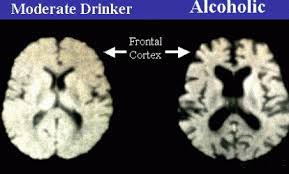
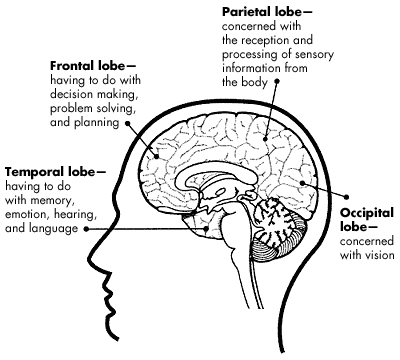
The cerebral cortex is the outer most layer of the brain. The cerebral cortex is further divided into four areas. These four areas are: the frontal lobe (or frontal cortex), parietal lobes (left and right), temporal lobes (left and right), and occipital lobes (left and right). Each area is associated with certain brain functions: One area of the frontal cortex is called the prefrontal cortex. It has a vital role in higher-order functions. These functions include language, spatial learning, conscious thought, judgment, and decision-making. The process of addiction can negatively affect this area and alter its proper functionalities.

 The prefrontal cortex

This enables us to make rational, sound decisions. It also helps us to override impulsive urges. If acted upon, these impulses urges can cause us to act without thinking. This is usually not in our best interest. For instance, suppose I’ve had a bad day at work. I may have an impulsive urge to tell my boss exactly what I think of her. To act on this impulse is not in my best interest. Fortunately, my prefrontal cortex is functioning quite well. I still have my job!

Obviously, this ability to inhibit impulses is very helpful. It enables us to function well in society. It protects us from harm by allowing us to consider the consequences of our actions. However, when the pre-frontal cortex is not functioning correctly, the opposite occurs. Addiction causes changes to the prefrontal cortex. These changes account for two characteristics of addiction: impulsivity and compulsivity.

Impulsivity is the inclination to act upon sudden urges or desires without considering potential consequences. Sometimes people describe impulsivity as living in the present moment without regard to the future. On the other hand, compulsivity is a behavior that an individual feels driven to perform to relieve anxiety. Once a person performs the compulsive behavior, the anxiety goes away and restores comfort. Thus, the presence of these behavioral characteristics in addicted persons indicates that changes to the prefrontal cortex have occurred. Unfortunately, these changes also make the discontinuation of drug use more difficult.

When we talk of addiction changes brain structure and their functions, the message being delivered is that an addiction is a process that coordinates the transition from impulsive to compulsive behavior. Impulsivity occurs during the early stages of addiction. During this phase, people impulsively act on powerful urges to experience the pleasure of their addiction. Anxiety is not associated with the urges during these early stages. Instead, addiction reflects acting on impulsive desire to receive immediate pleasure from the drug or activity. People are not considering the future consequences.

Brain structures impairment prompted by addiction: Shifting progress of addiction

As addiction progresses a shift begins to occur. At this point, the compulsive aspect of addiction takes hold. When this shift occurs, people are no longer pursuing their addiction solely for pleasure. The compulsions compel them to participate in their addiction to relieve anxious, uncomfortable feelings. These may arise at the mere thought of stopping the addiction for any reason. At this later compulsive stage, “pleasure” comes in the form of relief from these anxious, uncomfortable feelings. Thus, despite the negative consequences of addiction, the addictive behavior continues in a compulsive manner.

Another way to describe the pre-frontal cortex is to think of it as a braking system. The pre-frontal cortex acts as the brain’s brakes. It sends out signals to inhibit particular behaviors or actions. When addiction damages this brain area, it limits the brain’s ability to control other behavioral systems as well. Imagine how difficult it would be to operate a car without brakes. At this point, we might say the brain is “high-jacked” by the addiction. The prefrontal cortex also projects to other brain regions associated with addictive problems. These include the reward system; memory and emotion; and stress regulation centers of the brain. Therefore, damage to the prefrontal cortex may further interfere with the functioning of these other brain regions as well.

Although addiction damages the brain’s brakes (pre-frontal cortex) this is not to say there is a complete loss of control. We are not slaves to our biology. We have a tremendous amount of control over our actions. This is true even when impulsive and compulsive forces are operating. This recognition is vitally important if someone wishes to recover from addiction. When a person consciously decides the costs of addiction outweigh its benefits, they become motivated and are able to stop. This allows them to actively counter the effects of addiction on the frontal cortex and other brain regions. Therefore if this description suits your situation, then you are in the right path and calling doctor Akoury today will go a long way in helping you solve all the addiction problems you may be struggling with.

Brain structures impairment prompted by addiction: Cerebral Cortex

http://regenerativepotential.com/integrativeaddictionconference/


Facebooktwitterpinterestlinkedin
brain

Brain Coordination and The Reward System

Food, abused drugs and sexual interests share a common pathway within our brains’ survival and reward systems

Brain CoordinationStudies indicate that food, abused drugs and sexual interests share a common pathway within our brains’ survival and reward systems. This pathway leads into the area of the brain responsible for our higher thinking, rational thought and judgment. When an addict’s brain takes over that survival and reward pathway, it tells the person that having illicit sex and inappropriate thoughts are good for them the same way the brain tells a normal person that food is require when he is hungry. These changes in brain’s reward pathway translate into a sex addict’s obsession with sex and of other related activities such as obligatory sexual behavior despite understanding the ill effect of this behavior on oneself. This lack of sense of self harm is also followed my failed attempts to limit of completely terminated such sexual activities.

The idea that a person can be addicted to food has recently gotten more support from science. It is even perfectly fine to say that over eating and eating disorders are a form of addiction, obesity is not a life style, if it’s a food related obesity problem then it’s the outcome of addiction to over eating. Addiction plays weird games with our reward system; scientists have discovered that for some people the same reward system is activated through food (especially eatables rich in sugar and fat) which is generally activated by the consumption of addictive drugs such as heroin or cocaine. Like these addictive drugs, for these people certain foods trigger feel-good feelings resulting in the release a dopamine; a hormone that is associated with pleasure through reward system. The pleasures they get from high levels of dopamine make them feel the need to eat again and again to gain the same form of satisfaction.

Now comes drug addiction, many of us fail to understand how people get addicted to drugs, it’s a common misconception that drug addicts lack moral principles and will power because otherwise they could simply choose to change their behavior. That’s not how drug addiction works; drug addiction is a complex disease and quitting requires much more than a strong will power to change this behavior. In reality many of drug addicts really want to quit but they simply can’t. It is because of the change drugs have brought in their brain’s reward system that forces them to even commit compulsive drug abuse. It’s an established fact that the initial decision of taking drugs in most of the cases is voluntary but the later consequences and changes in brain that occur over period of time severely  compromises a person’s self control and hamper his ability to resist the strong urges of taking drugs.

Sexual addiction somehow follows the same patterns of addiction as food and drugs. It fools ones reward system into thinking that this is the ultimate pleasure and without this, survival is impossible. A sexual addict’s brain start making a person believe that sex is as important as food, just like a normal person have to eat three or more time a day, a sex addict has to do or plan such activities as many times to survive. What he fails to recognize is the lack of balance and control. Even eating more than necessary is detrimental to health, having sexual urges more than required are devastating for the addict as well as the society.

All of these forms of addictions manifest themselves in similar fashion however the mechanism and factor behind how a person gets addicted to food and sex and how the reward system is being changed are not very clear. In the case of drugs it’s comparatively easier to explain how our brain gets affected by drugs. Drugs contain certain chemicals that alter the brain’s communication system and interrupt the ways in which our nerve cells send, receive and process information signals. There are two major ways through which drugs can disrupt normal brain function. Firstly by mimicking the brain’s natural chemical messengers and secondly by over stimulation of our brain’s reward circuit.

Some drugs have similar structures like our chemical messengers called neurotransmitters. These neurotransmitters are naturally produced in the brain and are key role players in our chemical signaling pathways. The similarity of drugs allows them to fool brain receptors and stimulate nerve cells to send abnormal messages. Other drugs, such as cocaine have the ability to cause the nerve cells to release strangely hefty quantities of natural neurotransmitters such as dopamine. These signals also hinder the regular recycling of these brain chemicals, which is required to shut off the signaling between neurons. The result is a brain drenched in dopamine, which is present in those regions of brain that control movement, emotion, motivation, and feelings of pleasure. Due to the over activation of this reward system (normally responding to natural behaviors associated with survival such as eating and spending time with loved ones) certain euphoric effects are produced in response to psychoactive drugs. This reaction ensures a recurring pattern that teaches people to repeat the rewarding behavior of abusing drugs.

It is evident from the researches addictions apart from drugs, such as food and sexual, are caused by a greater tendency of impulsivity. Those individuals, who have been more impulsive easily fall prey to addiction. Once the addiction successfully alters the reward and survival pathways, the manifestation of addiction becomes exactly like someone is addicted to a substance. There is a pressing need of understanding these addictions and formulating integrated solutions that can counter addiction and related symptoms in more efficient way. For this purpose we are organizing a “Integrative Addiction Conference” whose sole focus is on addiction and its integrative solutions. If you are a health professional, a professor, a practicing psychologist or even a student, this conference is a great opportunity to contribute in these fields of knowledge. Our main topics deal with the same niche as of this article, so register right away and get maximum benefits through our link below

http://integrativeaddictionconference.com/


Facebooktwitterpinterestlinkedin
SUDs

Nutritional Intervention For Substance Use Disorder (SUDs)

Evidence-based nutritional treatment interventions should be initiated for all patients referred to specialty care treatment of SUDs

SUDsSubstance Use Disorders (SUDs) alternatively called drug addiction has long kept the focus of scientists and other medical practitioners. Once a person has been become an addict, quitting addiction become s are really difficult decision to make. Surprisingly many of the drug addicts for once in their life time do gather the courage and will power to quit substance abuse. Once a decision is undertaken, choosing the right addiction option is really important. These individuals have mostly got only one shot at recovery because there is no guarantee that they will be able to have such high motivation to quit again ever in their life. Unfortunately it has been seen that people have tried quitting but they ended up with a treatment option that wasn’t suitable for their needs. That’s where Evidence based treatments come into play.

The foremost requirement for people in order to make the best choice for addiction treatment is their access to reliable information. Specifically they should be provided with some evidence that how a treatment performs, and how it had helped people having similar symptoms and severity of addiction. They also need to know if the treatment had worked for people who were addicted to one type of substance or multiple drugs. This is exactly what evidence based substance abuse treatment refers to. Every addict is different so are their treatment requirements, in evidence based treatment an addiction specialist tailors a treatment option to make sure that his client gets the best available resources present at their disposal. Despite noteworthy advancement in improving the evidence base for SUDs treatments, only a portion of the spectrum of care for SUDs is validated by the most thorough evidence in the current scientific literature.

Evidence for substance use treatment (SUD) can be divided into different levels which include:

  • Level 1: The evidence that is gained through true experimental design such as clinical trials that includes some randomization.
  • Level 2: This evidence comes from a quasi experimental design that does not include randomization.
  • Level 3: This level indicates those treatments that have been decided on the basis of consensus between most of the professional community.
  • Level 4: Evidence gained through literature reviews and publications.
  • Level 5: The last level of evidence based treatment includes personal experiences by other addicts related to a certain treatment option.

Evidence based treatment is an integrative approach; it does not only rely on medication or only behavioral counseling. This integrates multiple aspects of medication, psychotherapy and even nutrition. It is a great misconception that medication and psychotherapy is enough of a treatment combination for substance use disorders neglecting the fact that how important a role nutrition plays in over all wellbeing of an individual. It is now stressed upon at most forums that evidence-based nutritional treatment interventions should be initiated for all patients referred to specialty care treatment of SUDs. It is important to get a nutritionist on the panel while treating SUDs and the role played by dietician in treating substance abuse is very important but often had been eliminated from the patient’s long term recovery process. Nutrition therapy is a complex procedure as the risks vary considering the substance of choice and some negative overall conditions such as poor support from the family, other co occurring mental disorders and sometimes financial instability.

Proper balanced diet and hydration are tantamount to the substance abuse healing process because they help in restoring physical and mental health and improve the chance of recovery. While a person is suffering from SUDs, their eating habits are usually disturbed, they often eat a lot or too less and even if they eat well enough, their diet lack certain nutrients that are required for proper functionality of human body. Another explanation for lack of these nutrients is that they are depleted from the body due to drug abuse. These macro- and micronutrient deficiencies can directly lead to symptoms of depression, anxiety, and low energy, all of which can force someone who already has a tendency for addiction to start using drugs or alcohol or trigger a relapse.

There are multiple programs and courses that aim at substance abuse prevention and concentrate on nutrition as well because a healthful lifestyle can promote mental health and that too for people who have been involved in substance abuse over a number of years prior to treatment. For those who are fighting substance abuse, diet tends to play the same important role in sustaining recovery while also improving the resulting health conditions and deficiencies.

Nutrition can help an addict in many ways. Substance abuse leads to vitamin and other essential mineral deficiencies that damage physical and mental health, vital organs, nervous system, and also been known to decrease immunity. Drugs and other psychoactive substances have been found to have detrimental and toxic effects on brain’s chemistry; this toxicity could lead to psychiatric problems. Balanced diet having enough carbohydrates can greatly remediate the damage that has been done to the reward and survival pathway of the patient. A stable blood sugar can also help avoid craving and irritability.

There are innumerous other benefits an evidence based nutritional intervention can offer to a substance abuser. It is safe to say that excluding nutrition therapy from treatment options can greatly reduce the treatment efficiency. There are multiple other aspects of this integrative approach that require further discussion. We are proud to announce that we have tried to bring health professionals, psychologists, and other stake holder in this area over one platform through our “Integrative Addiction Conference”. If you are somehow affected by any of the consequences of the above mentioned addictions or you are an expert on evidence based treatments of addiction, we warmly invite you to register with us on the link below and share your valuable views with us thus helping us build an integrative approach towards addiction treatments. The link is as follows: http://integrativeaddictionconference.com/

Facebooktwitterpinterestlinkedin
gut-microbiota

Brain Signalling and Coordination

Bidirectional signalling between the gastrointestinal tract and the brain is regulated at neural, hormonal, and immunological levels

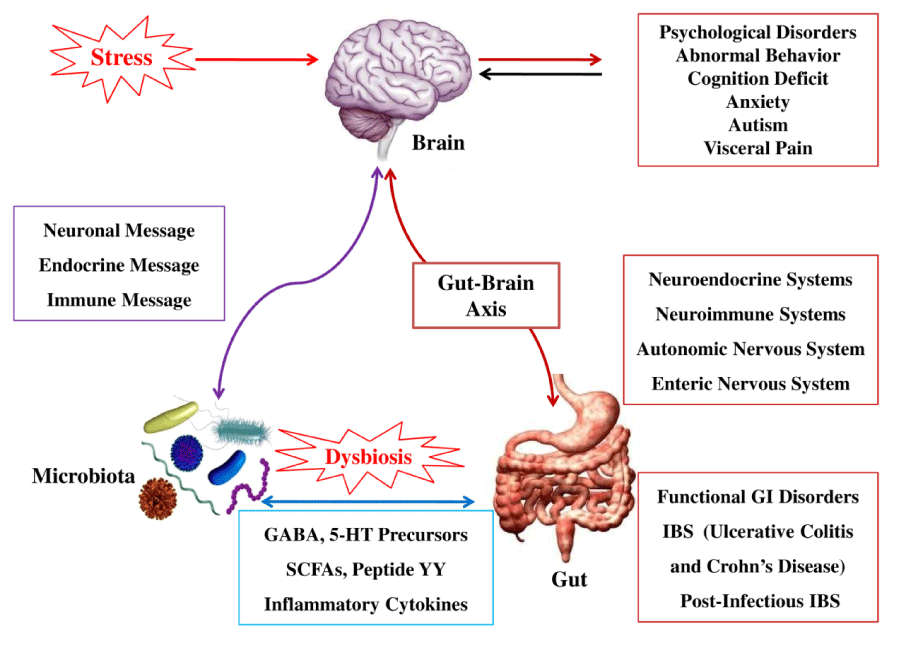
Brain CoordinationAn exciting new concept is emerging in health and disease is the capability of microbiota in the gut to establish communication with the human brain and alter its behaviour. This can introduce a new arena, that when people make decisions, whether they are influenced by the microbiota of their gut or not. The bidirectional communication between the brain and the gastrointestinal tract is essential for keeping homeostasis. This signalling is regulated at hormonal, neural (both enteric and central nervous systems) and immunological levels. Disturbing these systems leads to modifications in stress levels and general behaviour. There is an elevated co-morbidity noted between anxiety and other psychiatrically-related symptoms and various gastrointestinal disorders, like irritable bowel disorder (IBS). This is why it is essential to learn the exact mechanism of this communication.

One of the approaches used to research the connection between microbiota of gut and brain is by using experimental animal models. Germ free mice which completely lack contamination from any sort of gut bacteria offer great possibilities for research. Female germ-free mice were used to show the lack of conventional microbiota leads to anxiety level being reduced in one study while the other showed that there was increased responsiveness to stress with male mice that were free of germs. The reasons for the results being different are not familiar at the moment, but it is presumed that gender might play a role when it comes to these effects. One more important aspect to consider regarding the recent data is that male animals suffered some endocrine and neurochemical effects of growing up in an environment free of germs, but there were no noted immune effects. Of course, this doesn’t mean that this could exactly be the real situation with humans, but the researchers did generate some insightful data on whether microbiota can change one’s behaviour or not.

Probiotics

Probiotics are important and can help in the treatment of various gastrointestinal disorders such as Irritable bowel syndrome (IBS). There are clinical studies that show that using probiotics causes the IBS patients to be in a better mood and reduces their anxiety. The mechanism of action remains unclear, but it is determined that certain probiotics have the possibility to lower inflammatory cytokines; enhance the nutritional status and lower oxidative stress. It is clear that there are probiotic agents that can alter certain aspects of the microbiota-gut-brain axis and, therefore, influence the brain and behaviour.

Antibiotics

Intervention with antibiotics has been known to cause the reduction of biodiversity of the fecal microbiota, postponing the colonization by some probiotic agents. Use of antibiotics was the most convenient artificial way to create dysbiosis of the intestines with animals used in experiments. After allowing antibiotics to disturb the microbiota for a period of 7 days, mice have shown either anxiety reduction as well as an enhancement in locomotor behaviour. There are also studies that showed that rats induced with stress during early life expose signs of modified behaviour and modifications of fecal microbiota in their adult life.

Infection

There are studies that observed animal behavior after having an infection but failed to show a clear way the gut is communicating with the brain, offering a solution that there are multiple routes. Mice that were infected with Citrobacter rodentium showed some increase in behavior similar to anxiety after 7 or 8 hours from getting infected, but there was no influence on their behavior after two weeks or a whole month. The infection and the psychological stress can jointly affect the CNS, but since no overt inflammation was noticed and an increase in neuronal activation didn’t happen in vagal ganglia, it is thought that the signaling between the gut and the brain is done through the vagus nerve.

Another study that showed the involvement of the vagus nerve to communicate from the gastrointestinal tract to CNS was when a Salmonella Typhimurium was used for an infection. The results once again showed that vagus plays a role of huge matter in signaling immune information from gut to brain, as well as in homeostasis related with the immune system. However, there were other studies, such as the one where Campylobacter jejuni was used in mice, which showed some implications of the vagal nerve in the effect of communicating this pathogen and its effects to the brain.

Many studies were conducted in the recent years and that shows that the need for understanding cellular, molecular and physiological foundation of communication between enteric microbiome gut and brain is essential. This is something that remains to be discovered and future studies. This issue will also be a topic at the Awaremed’s Network Integrative Addiction Conference, which can be a great opportunity to meet fellow professionals and share your opinions and experiences. If you want to sign up for the conference, you can do it here.

Facebooktwitterpinterestlinkedin