Category Archives: Brain Health

drug abuse

Addiction chemical alteration to the brains functions
Addiction chemical alteration

Addiction chemical alteration to the brains functions a great danger for health

Addiction chemical alteration to the brains functions: The brains communication system

New neural pathways are formed as addiction develops. This is because addiction chemical alteration to the brain’s communication system takes effect with such intoxications. In other words when you take drugs away, the brain will revert again to form new neural pathways. Neuroplasticity explains why the initial period of recovery is difficult and uncomfortable. But the good news is that, this difficulty is only temporal. Speaking to the experts at AWAREmed Health and Wellness Resource Center about addiction chemical alteration, doctor Akoury MD registers that this piece of information is very helpful to especially when attempting recovery. From our previous illustration where a tree fell on the usual path way and so you needed to navigate to get through, some difficulties could be experience. In the same way when undertaking the recovery journey in addiction treatment, it can be difficult and uncomfortable while these new neural pathways are forming. As long as the recovering person does not give up during this initial period of discomfort, new neural pathways will form that support recovery. These new pathways will become more established and better developed over time. As they do, recovery becomes easier and more comfortable thereby defeating any addiction chemical alteration to the functions of the brain.

Addiction chemical alteration to the brains functions: Effects of addictive substances on the brain

Going by the facts mentioned above about the adaptive and the dynamic qualities of our brains to ensure our survival, I want to be persuaded that you are now somewhere as far as keeping your brain healthy. The next point I want to raise on how addiction changes the brains communication pathways may be quite unfortunate. Why do I say so, it is because the brain’s ability to be so adaptive is also at the root of addiction. Doctor Akoury says that the brain has the ability to adapt not only to the harmless substances and activities but also to the strong effects of addictive drugs and activities. And when it does, there will be damaging changes happening in the brain regions which are associated with reward including the memory and emotion, decision-making and stress regulations. These changes to our brain make the repeated use of addictive substances or activities very compelling. The good news is that our brains’ neuroplasticity allows us to correct these changes! Therefore, although addiction chemical alteration leads to structural changes in the brain, we are capable of learning new coping skills. The brain’s plasticity allows these new coping skills to be imprinted.

Finally we will be discussing these structural changes in the next series of articles and we want to urge you not to go away but to stay with us on the link and where possible invite a friend too. In the meantime having such powerful information about the most sensitive organ in your body the brain is very helpful in keeping you healthy. I am saying so because when you know, you will not do things that will cause harm to your health, and if you have already caused an injury, then you can take measures to remedy the situation by scheduling for an appointment with doctor Dalal Akoury to professionally take your through the recovery treatment process today.

Addiction chemical alteration to the brains functions: The brains communication system

http://www.integrativeaddictionconference.com/wp-admin

Facebooktwitterpinterestlinkedin
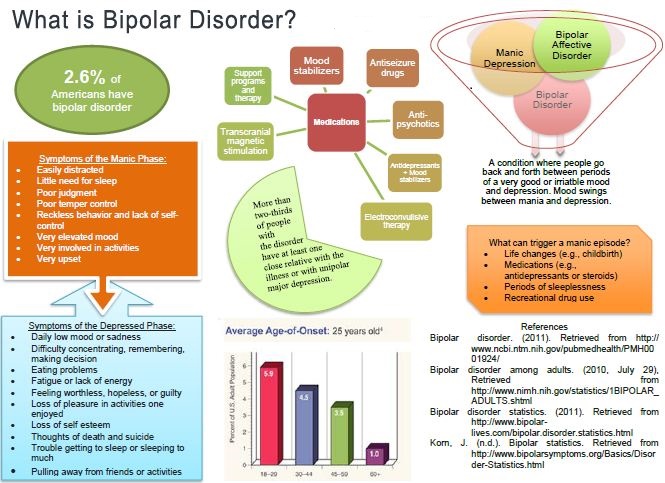
what-is-bipolar-disorder-1

Brain communication pathways and the role of addiction

Brain communication pathways

Brain communication pathways and the role of addiction. Mental health problems and substance abuse

Brain communication pathways and the role of addiction: Neuronal

The study of some of the elements that cause health problems in our life can be very interesting. Understanding the brains functions and how it can be affected by addiction and various substances is very important. The brain communication pathways are always the biggest casualties whenever there is an attack by the abuse of substances. The brain’s electro-chemical communication system is a communication system that sends information through a vast network of interconnecting neurons. Through this the brain communication pathways begins to develop a preferred or standard conduit of sending signals between neurons (neural pathways). Experts at AWAREmed Health and Wellness Resource Center under the able leadership of doctor Dalal Akoury MD and founder of the facility can now confirm that in the past it was believed that the brain’s neural pathways will be completely formed by the time we reached adulthood.

Brain communication pathways and the role of addiction: Neurons ability of adapting to changing circumstances

Progressively the scientific findings have established that this is a continuous process and in fact the human brain continues to create new neurons and form neural pathways throughout our entire lifespan. That is why neurons are seen as dynamic cells that are constantly adapting to changing circumstances. It therefore means that if an injury or damages happens to an individual’s brain (such as a stroke or injury) the neurons will make new communication route around the damaged area. Scientifically doctor Akoury says that this ability of recreation of neurons is known as neuronal plasticity.

Brain communication pathways and the role of addiction: Neuronal plasticity

Doctor Akoury says that neuroplasticity is responsible for the regulation of our learning processes and this enables us to adapt to our surroundings conveniently. To better understand neuroplasticity let us consider using this illustration. The brain forms neural pathways in a way that is similar to the formation of a demarcated hiking pathway. The more we travel a path, the faster, easier, and more familiar that path becomes. As the routine continues it becomes more visible, smoother, and easier to travel on. And with time this becomes a preferred route for many. This is also how neural pathways are formed. With time the brain forms familiar neural pathways which then become habitual routes. And in the event that the familiar route is blocked the brain responds swiftly by forming a new route around the blockage.

From the illustration, suppose you walk through the bush each day to visit a friend. You use the same trail each time and one day as you travel along your familiar path, you discover a huge tree has fallen over. It’s blocking your passage. You will need to forge a new path to go around the tree. At first, this new path will be narrow, difficult, and slow. It might even be uncomfortable. However with time, it will become a well-worn, comfortable path. It will be just as easy as the original path.

Brain communication pathways and the role of addiction: Neuronal

http://www.I-AM-I.com/wp-admin


Facebooktwitterpinterestlinkedin

Understanding stressors and their triggers

Understanding stressors

Understanding stressors and their triggers marks the beginning of lasting solution. Whether is is your weight, work, drugs or any other.

Understanding stressors and their triggers

There are very many reasons why people do get stressed up. Some of these reasons impacts negatively to people’s health. That is why it is very important that we explore this topic of discussion “understanding stressors and their triggers’ expeditiously. To put this to perspective, we spoke to doctor Dalal Akoury MD a renowned addiction expert of over two decades and also the founder of AWAREmed Health and Wellness Resource Center about this. From her professional point of view anything that triggers the stress response is referred to as a stressor. There are very many stressors today but the most common ones may include:

  • Chronic stress
  • Drug abuse as a self-medication for stress
  • Alcohol and other drugs

Understanding stressors and their triggers: Chronic stress

Stress causes damage both physical and mental harm more so if it becomes persistent in an individual. Ideally the chemicals that are associated with the stress response are only meant to be in the bloodstream for short periods. That can only means that those who are chronically stressed will have such chemicals stretching and when that happens the following are likely to happen:

  • The immune system to become less effective since stress will force the immune system to release chemicals so that they end up being overused. Instead of helping people fight off infections, these chemicals begin to damage the individual’s own organs including risk of heart disease and diabetes.
  • Chronic stress leads to fatigue and depression.
  • It can increase the risk of developing ulcers and digestive problems.
  • Many people who are dealing with chronic stress will turn to substance abuse.

Understanding stressors and their triggers: Drug abuse used for self-medication for stress

Substances that are often used for self-medications are depressant in nature. Like for instance a depressant like alcohol produces a calming effect on the body, and by so doing so, the individual will feel like they have solved their problems. And as they continue using this method they become addicted to these substances all in the name of managing their stress. This is dangerous because the cure can be far more damaging then the initial symptoms.

Understanding stressors and their triggers: Alcohol and drugs

Finally, it is important to note that, the indulgence in alcohol and drugs only offers a temporal solution which is very dangerous because of the following:

  • It can lead to addiction to the drug of choice.
  • Substance abuse only masks the problem and doesn’t solve it.
  • Substance abuse increases the amount of stress in people’s lives. It makes it difficult to be effective at work, and it damages people’s ability to form meaningful relationships.


You can however escape this tragedy by making the right and conscious decision of seeking for help from the right professionals. Doctor Dalal Akoury and her team of experts is all you need to have this problem addressed professionally. You can scheduling for an appointment with doctor Dalal Akoury today for a more professional treatment that will bring back your life to its best.

Understanding stressors and their triggers


Facebooktwitterpinterestlinkedin
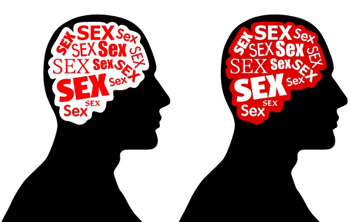
sex-addiction

Erectile dysfunctions diagnosis

Erectile dysfunctions diagnosis

Erectile dysfunctions diagnosis is important as it will facilitate timely treatment for lasting solutions

Erectile dysfunctions diagnosis: Stem cell therapy

When one is not able to perform his sexual duties in bed because of illness the psychological weight that comes with it can be very disturbing. Many men are suffering in silence because of impotency or erectile dysfunctions as it is commonly referred to. This problem is further made complicated due to the fact that many victims often feel embarrassed to come out for treatment. As experts from AWAREmed Health and Wellness Resource Center under the able leadership of doctor Dalal Akoury, MD, we want to pass this communication that erectile dysfunctions diagnosis will help you get back to normality and so you need not to be embarrassed in anyway. This is a health condition like any other and therefore people need not to feel otherwise.

As a way of finding solution, AWAREmed Health and Wellness Resource Center has developed integrated modern method of sexual function improvement and restoration which has been tested and proven to be very effective and successful. It will interest you to note that this method is designed to make corrections in the hormonal, vascular and neurologic mechanisms of sexual capacity and body regeneration stimulation with fetal stem cells. Once erectile dysfunction diagnosis is properly done, treatment can then follow professionally.

Erectile dysfunctions diagnosis: Causes of erectile dysfunction

Erectile dysfunction is the individual’s inability to maintain erection sufficient for a sexual intercourse. It can be caused by both psychological and somatic problems like urologic, endocrine, vascular and neurologic diseases factors. When timely actions is taken through the application of fetal stem cell therapy, the benefits are enormous which may include the following:

  • Psycho-emotional and general health improvement
  • Better sleep
  • Hormonal balance
  • Improvement of artery wall quality and vasomotor tone
  • Immune system regulation
  • Body regeneration potential stimulation
  • Better tissue quality

Fetal stem cell therapy ensures optimal condition for sexual activity and libido improvement. Nonetheless it is important to note that in order to solve the problem in the most effective way, collaboration of the patient and the doctors is very essential. That is to say that only sincere and straight talk about all the problems will help medical experts to make necessary medical adjustments and clinical protocol to meet all the patient’s needs. That is why being embarrassed is not an option. You will have to open up to your doctor if any meaningful results is to be realized. In the meantime the erectile dysfunction diagnosis procedures may include:

  • History collection and study
  • Filling the forms
  • Examination
  • Laboratory tests (testosterone, lipid profile, blood sugar etc.)
  • Instrumental examination
  • Specific examinations

When you visit this facility, our diagnostic and treatment program will be done professionally and for effective delivery of good result we are likely to carry out some of the following:

  • Laboratory tests and instrumental examinations.
  • Multidisciplinary case management team meeting for treatment strategy development.
  • Medicinal correction of metabolic, hormonal, vascular, sleep etc. problems.
  • Sexual function stimulation through physical therapy.
  • Administration of fetal cell suspensions.
  • Final recommendations of multidisciplinary case management team.
  • Follow-up after the treatment.

Finally available statistics indicate that the integrated method of erectile dysfunction treatment results in normal sexual life in 83% of men within 3 months after the treatment.  35% of them do not use additional medications, and 48% use minimal doses of medicines. Whatever the case may be talk to us and we will help you professionally.

Erectile dysfunctions diagnosis: Stem cell therapy


Facebooktwitterpinterestlinkedin
Mental health healing

Detoxification goals in addiction recovery

Detoxification goals

Detoxification goals in addiction recovery. Understanding drug overdose and its remedies.

Detoxification goals in addiction recovery: The second treatment step

The major detoxification goals in addiction recovery is primary to remove any physical dependency of the drug(s) that you were using before. This is very essential because after the assessment (discussed in the previous article), the next step is often the most physically demanding. The greater demand is necessitate because it is at this point that your body needs to go through a detoxification process says doctor Dalal Akoury. It is important to take note that the process of detoxification can vary greatly depending on the drug you are detoxing from and how severe your usage is.

It is further important to note that depending on the outcome of the assessment process, our team of experts up on analyzing and evaluating your assessment feedback may decide whether or not we recommend inpatient detox or detoxing at home. That is to say that if you are suffering from a severe addiction then you are likely to get a recommendation to go through a residential detox which is entirely for your own good. Besides that in certain cases you may be prescribed for additional medication in order to help you come down off of your drug. Again, these decisions are made by the medical professionals within your recovery team.

Detoxification goals in addiction recovery: Withdrawal symptoms

Withdrawal symptoms can vary from one drug to another. However, because many drugs target the same neurological processes and influence the production of the same brain chemicals, withdrawal symptoms are often similar. Withdrawal symptoms are never guaranteed to carry the same severity as another persons’ that’s in recovery, as the severity of these symptoms are dependent upon a number of things including:

  • The drug(s) abused
  • The length of the addiction
  • The amount of the substance ingested during each use
  • Family history
  • Mental health condition

While withdrawal symptoms can differ depending on the above criteria, they also occur in different forms – emotional and physical. While emotional symptoms are bound to transpire no matter the abused drug, physical symptoms tend to be more selective towards those that abuse alcohol and opiates. Take note that common withdrawal symptoms can range from depression, irritability, insomnia, sweating, and an array of other symptoms.

Detoxification goals in addiction recovery: The key to success in detoxification

Finally the main key to success in this treatment phase is simply grit. Getting through withdrawal without relapsing is physically demanding and difficult work. You will be tempted to give in and give up. You might feel that the pain isn’t worth it, and that going back to your addiction is the best answer. This is often a point where one can easily loose on all the efforts that have been made. Doctor Akoury advices that patients’ needs to  keep in mind that any experience of extreme withdrawal symptoms are only temporary and patients need not to lose focus because in no time the experience will be long gone and you will be back on your feet again ready to overcome your addiction ghost.

Detoxification goals in addiction recovery: The second treatment step

http://www.integrativeaddictionconference.com/wp-admin



Facebooktwitterpinterestlinkedin