Category Archives: Brain Health

lose weight

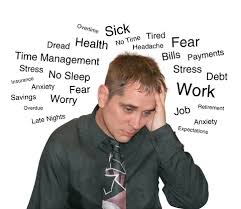
Different effects of stress in human health

Different effects of stress

Different effects of stress in human health are many. Being stressful can lead you into drugs

Different effects of stress in human health: When it heart the most

Stress affects sexual function in very many ways as we have mentioned before on this link. It is also worth noting that sexual arousal is a parasympathetic nervous system response, whereas orgasm and ejaculation are a sympathetic nervous system response. According to doctor Dalal Akoury MD and founder of AWAREmed Health and Wellness Resource Center, when you have high stress, this stimulates the sympathetic nervous system, decreasing stimulation of the parasympathetic nervous system and not allowing arousal to take place. Insulin is the only hormone that lowers blood sugar, whereas cortisol, epinephrine, norepinephrine, glucagon and growth hormone all raise blood sugar. Cortisol, epinephrine and norepinephrine are all stress hormones. This is how different effects of stress in human health will increase blood sugar, causing insulin levels to rise, to lower the blood sugar and ultimately causing insulin resistance.

Different effects of stress in human health: Gastrointestinal tract

Stress will also have effects on the gastrointestinal tract. It will decrease hydrochloric acid (stomach acid) and mucus production, slow the motility of the small intestine and increase the motility of the large intestine. When you have a decrease in stomach acid and mucus production, this will decrease the amount of gastric protection of the stomach. The high cortisol levels from stress will decrease immune function, therefore making it a favorable environment for Helicobacter Pylori to proliferate, and causing a gastric ulcer. If the small intestine is slower to recover from stress the motility is impaired and constipation results. When the large intestine is slower to recover from stress, motility is increased and diarrhea results.

Different effects of stress in human health: Threats of cardiac unrest

Stress will increase cardiac risk in many ways. It will increase blood pressure. It can increase cholesterol for production of the stress hormones as already mention. The stress hormones (catacholamines) are detoxified through methylation this could decrease the methylation capacity to detoxify homo-cysteine. High levels of homo-cysteine are very toxic to the cardiovascular system. As stated earlier, cortisol, epinephrine and norepinphrine raise glucose levels. The higher blood sugar level will cause the release of insulin. Insulin will increase cholesterol, LDL, triglycerides and decrease HDL. The increase in body fat caused by stress as already mentioned is another cardiac risk factor.

Cortisol has a half-life of 100 minutes meaning that if you are under stress and have a cortisol release, in 100 minutes you will have 50% of that cortisol still in your system, after 200 minutes 25% and so on. If you are under constant stress you will continuously have high cortisol levels and have the physiological responses of that cortisol. Finally and like had indicated that it will not matter the kind of stress that affects you. All have the same effects and the body response to them in the same way. If you are under any kind of stress, it would be very important that you look for immediate solutions to prevent other illnesses that may be triggered by stress itself. In this case, scheduling for an appointment with doctor Dalal Akoury would be the first step you can take towards getting lasting solutions for a better health thereafter.

Different effects of stress in human health: When it heart the most


Facebooktwitterpinterestlinkedin
Stress

Understanding chronic stress as it is

Understanding chronic stress

Understanding chronic stress as it is becomes the first step towards finding lasting solution to it.

Understanding chronic stress as it is: Acute stress

We all live with it but what exactly is stress? In this article, we want to focus on the understanding chronic stress as it is exactly since it affects us individually and collectively. Our reference is going to be from the experts at AWAREmed Health and Wellness Resource Center a medical facility which was founded by doctor Dalal Akoury primarily to offer health solutions to the suffering public. Doctor Akoury says that stress can come in many forms including:

  • Emotional stress
  • Chemical stress (toxicity)
  • Electromagnetic stress
  • Physical stress or anything else that elicits a stress response in the body

When stress set in an individual’s life, it wills not matter the kind of stress it is since the body understands stress in the same way irrespective of the type. How then does stress affect the body? The effects of stress are many and may include the following:

  • It can lower your immune system
  • Increase your cholesterol
  • Blood sugar and blood pressure
  • It can cause sexual dysfunctions
  • Arthritis’s
  • Heart disease
  • Weight gain
  • Irritable bowel syndrome
  • Ulcers
  • Cancer as well as lower thyroid function and metabolism

Normally when a person is under stress the body will switch into a fight or flight mode.

  • This will then trigger several physiological responses and you will have a decrease of all noncritical processes.
  • Your energy will be mobilized to your muscle.
  • Digestion will be turned off (50 percent of people have digestive complaints)
  • Detoxification will be impaired
  • You will have a decrease in cellular repair
  • You will be placed in a catabolic (breaking down) state. This catabolic state will weaken all your systems.

Understanding chronic stress as it is: Different states of stress

  • You can be in a sick state– This is when your stress levels are higher than your resistance levels.
  • You can be in an average state of health – This is when your stress levels and resistance levels are about equal. These are the people who feel good until something stressful happens then they get symptoms.
  • The last is a state of good health – This is when your resistance is much higher than your stress levels. This leaves you with two choices; reduce stress, or increase resistance. The easiest one to do is to decrease stress. Unfortunately some people are unable to do this, therefore we must increase resistance. This means you need to support your hypothalamic pituitary adrenal axis.

Finally, it is obvious that stress and sex hormones are all derived from cholesterol. It therefore means that if you are under constant stress, you will produce more stress hormones, and therefore you will need more cholesterol to make those hormones. This is how stress can lead to elevated cholesterol. When you’re continuously making stress hormones your body will decrease in production of sex hormones, as well as aldosterone, this is called cortisol steal. Lower sex hormones will lead to hormonal imbalances such as irregular menstrual cycles, infertility and low libido. Lower aldosterone levels will prevent your kidneys from absorbing sodium and therefore spilling sodium into the bladder. Wherever sodium goes, water follows. This will cause dilute urine and frequent urination, as well as the craving of salt. You can always learn more with doctor Akoury any time any day.

Understanding chronic stress as it is: Acute stress


Facebooktwitterpinterestlinkedin
brain

Managing anxiety and fear by cancer patients

Alternative cancer treatments

Managing anxiety and fear by cancer patients can effectively be done by offering alternative cancer treatments

Managing anxiety and fear by cancer patients: Panic attacks and cancer

Every time we are faced with any life threatening situation, we become depressed, fearful and our anxiety level goes up. This is common with people because it is inbuilt. The problem often becomes more complicated when we fail to be calm and panic in the process. Like for instance, the news about cancer infection can be very lethal on the part of the patient especially when they were not prepared of the possibilities of being cancerous. The luck of preparedness is the major cause of the greatest portion of fear and anxiety. Besides this, the fear of treatment, frequent visit to the doctor’s clinic and tests might also cause apprehension. Because of the impact attributed to these feelings, we want to discuss the best ways of managing anxiety and fear by cancer patients in the present generation.

According the experts at AWAREmed Health and Wellness Resource Center under the leadership of doctor Dalal Akoury’s care, it’s normal to feel afraid and scared when you’re sick. Like for instance people may be afraid of hysterical pain, dying, or the aftermath of death, including what might happen to loved ones. These same feelings may be experienced by family members and friends as well. It is therefore very important that we are aware of what signs that will indicate the presence of such fears and anxieties. The following are some of the signs and symptoms of fear and anxiety

  • Portraying anxious facial expression
  • Hysterical worry
  • Difficulties in solving problems and focusing thoughts
  • Muscle tension
  • Quivering or trembling
  • Restlessness, may feel keyed up or on edge
  • Dehydrated mouth
  • Irritability or angry outbursts

Doctor Akoury recommends that when an individual is showing majority of these signs daily, and they are causing interference with their lives, then at this point a mental health evaluation could be helpful. Under these circumstances you can be very instrumental in advising the patients by observing the following.

Managing anxiety and fear by cancer patients: What to do

  • Polite encouragement to share the experience.
  • Share feelings and fears that you or the anxious person may be having.
  • Listen carefully to each other’s feelings. Offer support, but don’t deny or discount feelings.
  • Remember that it’s OK to feel sad and frustrated.
  • Get help through counseling and from support groups.
  • Use meditation, prayer, or other types of spiritual support if it helps.
  • Embrace deep breathing and relaxation exercises. Close your eyes, breathe deeply, focus on each body part and relax it, start with your toes and work up to your head. When relaxed try to think of a pleasant place such as a beach in the morning or a sunny field on a spring day.
  • Talk with a doctor about using anti-anxiety or anti-depressant medicines.

Managing anxiety and fear by cancer patients: Do not

  • Make effort to argue with a person whose fears and anxieties are severe instead consult with a doctor on the kind of medications to help.
  • Keep feelings inside.
  • Persuade one who is not willing to open up and talk to do so.
  • Blame yourself or another person for feeling fearful or anxious.

Managing anxiety and fear by cancer patients: Panic attacks and cancer

Facebooktwitterpinterestlinkedin
Overweight solution

Postmenopausal breast cancer and obesity

Postmenopausal breast cancer

Postmenopausal breast cancer and obesity causes bodily harms which are often as a result of excess calories in the body

Postmenopausal breast cancer and obesity: Obesity and breast cancer

Many studies have shown that overweight and obesity are associated with an overbearing increase in risk of postmenopausal breast cancer. This higher risk is seen mainly in women who have never used menopausal hormone therapy (MHT) and for tumors that express both estrogen and progesterone receptors. According to the experts from AWAREmed Health and Wellness Resource Center under the able leadership of doctor Dalal Akoury MD, overweight and obesity have by contrast, been found to be associated with a reduced risk of premenopausal breast cancer in some studies.

However the relationship between obesity and breast cancer may be affected by the stage of life in which a woman gains weight and becomes obese. Epidemiologists are actively working to address this question. Weight gain during adult life, most often from about age 18 to between the ages of 50 and 60, has been consistently associated with risk of breast cancer after menopause. The increased risk of postmenopausal breast cancer is thought to be due to increased levels of estrogen in obese women. After menopause, when the ovaries stop producing hormones, fat tissue becomes the most important source of estrogen. Because obese women have more fat tissue, their estrogen levels are higher, potentially leading to more rapid growth of estrogen-responsive breast tumors.

The relationship between obesity and breast cancer risk may also vary by race and ethnicity. However, there is limited evidence that the risk associated with overweight and obesity may be less among African American and Hispanic women than among white women.

Postmenopausal breast cancer and obesity: Endometrial cancer

Overweight and obesity have been consistently associated with endometrial cancer. This is the cancer of the lining of the uterus. Obese and overweight women have two to four times the risk of developing this disease than women of a normal weight, regardless of menopausal status. A number of studies have also found that the risk of endometrial cancer increases with increasing weight gain in adulthood, particularly among women who have never used MHT.

Finally although it has not yet been determined why obesity is a risk factor for endometrial cancer, some evidence points to a role for diabetes, possibly in combination with low levels of physical activity. High levels of estrogen produced by fat tissue are also likely to play a role. In conclusion to part with the prevalence of obesity and all the relationships we are observing with different kinds of cancers, we all have a duty to perform in the realization of good health. It begins with the mutual acknowledgement that these two conditions are a threat to our health. Up on that we can begin to talk to the experts both at AWAREmed Health and Wellness Resource Center and other institution where professionalism is practiced in offering treatment of the same. You can schedule for an appointment with doctor Dalal Akoury today and she will be there to help you overcome whatever challenge you may be having.

Postmenopausal breast cancer and obesity: Obesity and breast cancer


Facebooktwitterpinterestlinkedin
Excess sugar consumption

Direct impact obese children face out of their situation

Direct impact obese children face

Direct impact obese children face out of their situation. Family meal policy for healthy weight loss goes beyond to include lifestyle

Direct impact obese children face out of their situation: Bullying and obesity

The prevalence of obesity is at alarming level and everyone is either affected directly or indirectly. The most worrying part of it all is that children are equally in danger of the overweight complications. The problem of obesity in children is closely associated with several elements that negatively affect the child’s normal upbringing. It is the duty of every parent to ensure that their children are safe from all kinds of danger whether health wise or otherwise. The focus of this article is therefore going to help you in understanding of bullying and obesity in children by all means. The available statistics indicate that three times as many children are actually overweight or obese compared to a few decades ago.  And as a matter of fact many states today are a host of over 20% obese children thereby adding to the number of children suffering from many complications including psychological problems like bullying, poor self-esteem and isolation.

Besides such short-time problems, doctor Akoury says that there are so many long-term physical problems which can affects the heart, bones, hormones and reproductive organs of overweight and obese children. Most concerning are the links to early onset of type 2 diabetes and heart diseases which are leading causes of death in globally. Children who are overweight or obese are also more likely to be of poorer socio-economic status in future as adults. Research findings have also established that being overweight as a child is a strong predictor of obesity in adulthood. Listening to these life threatening conditions, we all need to collectively and individually be on top of everything to keep our children and the future generation form these sufferings. If you know of anybody whose child is suffering from the problems of weight related complications, you can talk to doctor Dalal Akoury MD and founder of AWAREmed Health and Wellness Resource Center a facility whose primary focus is to restore life through increasing awareness about health and wellness and by empowering individuals to find their own inner healing power. Therefore this is the place to be, schedule for that appointment and start your journey to health and safety with the experts.

Direct impact obese children face out of their situation: The link between bullying and obesity

Being overweight or obese is in itself a factor of being bullied and molestation of obese children by the peers. This has been established by several studies across the globe. Overweight or obese children are more likely to be teased by other children either verbally by name-calling, physically bullied in boys or have difficulty because other children stopping an associating with them or begin spreading rumors about them. Other children often judge overweight kids with a negative stereotype and associate them with being lazy, careless, and selfish and mean because of the way that they look. Both boys and girls who are overweight or obese are more likely to be bullied at primary school because they do not fit into the normal physical stereotype. Obese children are also more likely to be the perpetrators of verbal bullying to other children. By bullying other kids however, overweight or obese children can divert attention away from being bullied themselves. In boys particularly it is presumed this is because they are physically bigger than other children, and therefore can be physically dominant (i.e. pushing). In girls however, there is no advantage in being physically bigger than other children because most bullying is by name-calling (verbal) and relationship bullying.

Direct impact obese children face out of their situation: Bullying and obesity


Facebooktwitterpinterestlinkedin