Category Archives: Brain Health

relapse-prevention

Containing triggers and cravings in patients life

Containing triggers

Containing triggers and cravings in patients life involves very many activities including being physically active

Containing triggers and cravings in patients life: The quest of finding addiction solution

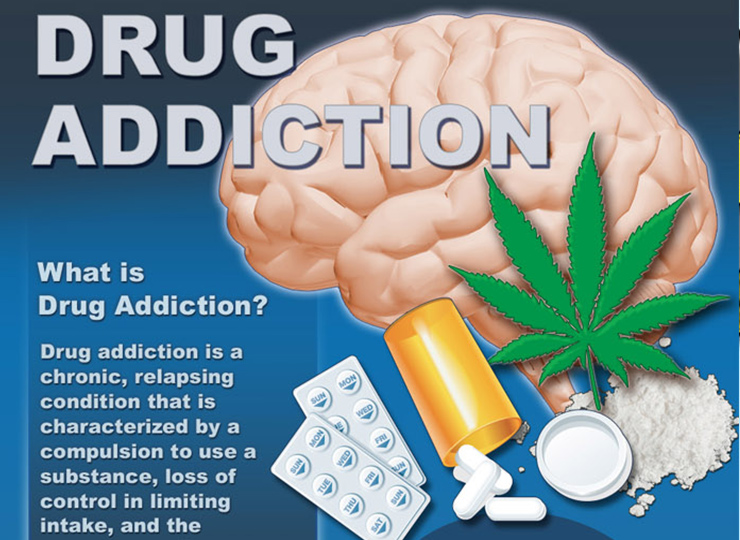
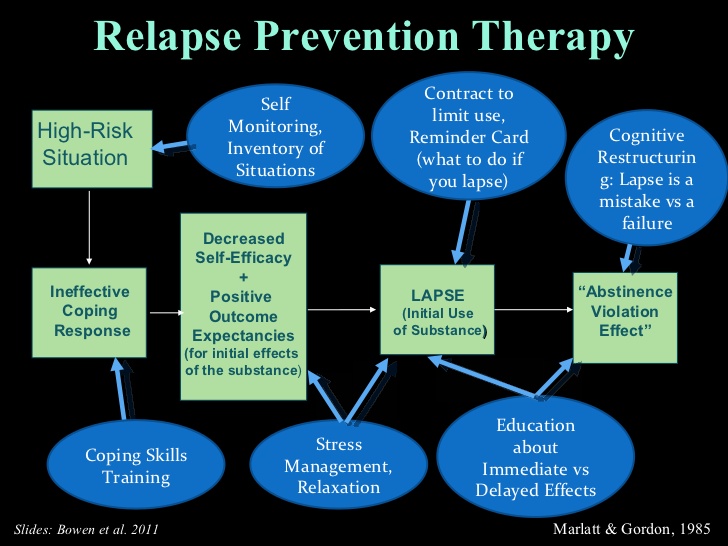
From the several studies professionally done on the subject addiction, it has been established that in the quest of finding solutions to drug addiction, two problems are the most outstanding obstacles. At the initial stages the first obstacle is that of denial. Many people are living in denial and they are not willing to acknowledge that they have a problem that needs to be fixed. In the process the intensity of their addiction to the substances increases such that by the time treatment commences, it becomes sometimes become very difficult to help. Besides the hurdles faced at the initial stages, the other technicality comes at the end of the process when the patient is either progressing well with their recovery program or are fully recovered from their addiction. That is why containing triggers and cravings is very important and must be included as part of the treatment process.

In this discipline, doctor Akoury registers that “while getting sober from drugs is an important first step, it’s only the beginning of the recovery process.” She says that once sobriety is achieved, the next step is to allow the brain to recover and rebuild connections that have changed while addicted. This is likely to take some time and it is during this time that the drug cravings can be so intense to the point of getting out of hand overwhelmingly. Doctor Akoury gives several measures that an individual can take to contain the situation and she advises that at this point you can support your continued sobriety by making a conscious effort to avoid people, places, and situations that trigger the urge to use as follows:

Containing triggers and cravings in patients life: Seek to find new friends and make a break from old drug friends

For you to see the fruits of your recovery it is important that you don’t make the mistake of hanging out with old friends who are still doing drugs. They will cause you a lot of harm and before you know it you will be back to your old habits. Therefore it is necessary that you surround yourself with people who support your sobriety, not those who tempt and tice you to slip back into old, destructive habits.

Avoid bars and clubs

Alcohol is very addictive and therefore even if you don’t have a problem with alcohol any more, don’t feel that you are strong and can resist the temptation to sip when meeting friends, in other words keep serious distance to social places like bars and clubs where alcoholic beverages are sold. Remember that drinking lowers inhibitions and impairs judgment, which can easily lead to relapse. Drugs are often readily available and the temptation to use can be overpowering. And besides that it is also important that you avoid any other environments and situations that you associate with drug use.

Be up front about your history of drug use when seeking medical treatment 

This is very important says doctor Akoury that anytime you are due or you are in need of a medical or dental procedure done on you, be open and discuss freely with your physician all you know about your history and most importantly find a provider who will work with you in either prescribing alternatives or the absolute minimum medication necessary. Take note of this that this is not the time for you to be ashamed or feel humiliated about your previous drug use. The more you open up to your health provider the better help you will get from them. So don’t withhold open up and allow yourself to be helped.

Use caution with prescription drugs  

Finally stay away from prescription drugs with the potential for abuse or use only when necessary and with extreme caution. Drugs with a high abuse potential include painkillers, sleeping pills, and anti-anxiety medication. For more information about containing triggers and cravings you can call doctor Akoury on telephone number 843 213 1480 today.

Containing triggers and cravings in patients life: The quest of finding addiction solution

http://www.awaremednetwork.com/


Facebooktwitterpinterestlinkedin
addiction

Brain pleasurable principle and drug addiction

Brain pleasurable principle

Brain pleasurable principle and drug addiction needs to be distinguished for proper treatment

Brain pleasurable principle and drug addiction: Neurotransmitter

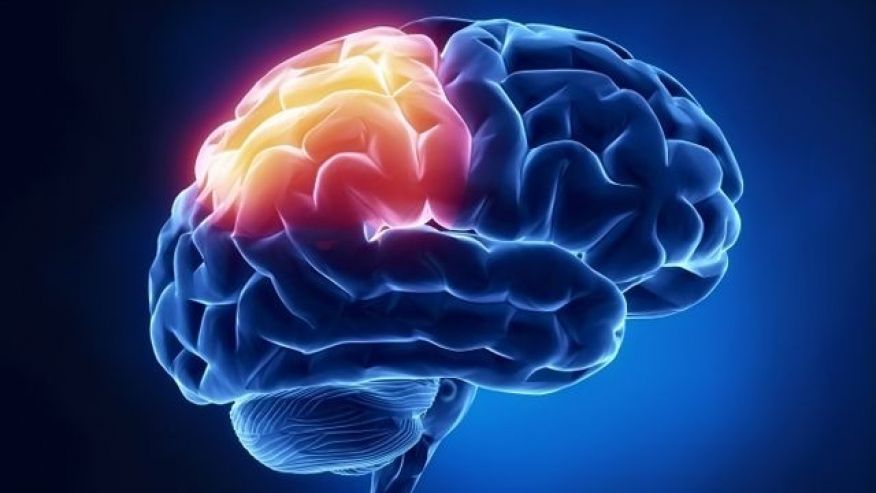
One of the functions of the brain is to registers all pleasures as they happen and in the same way, irrespective of their origin. That is whether they are associated with a psychoactive drug, a monetary reward, a sexual encounter, or a satisfying meal. The fact is in the brain pleasurable priniciple has a distinct role which is the release of the neurotransmitter dopamine in the nucleus accumbens, a cluster of nerve cells lying underneath the cerebral cortex. Dopamine release in the nucleus accumbens is so consistently tied with pleasure that neuroscientists refer to the region as the brain’s pleasure center.

All drugs of abuse, from nicotine to heroin, cause a particularly powerful surge of dopamine in the nucleus accumbens. The likelihood that the use of a drug or participation in a rewarding activity will lead to addiction is directly linked to the speed with which it promotes dopamine release, the intensity of that release, and the reliability of that release. Therefore addictive drugs provide a shortcut to the brain’s reward system by flooding the nucleus accumbens with dopamine. The hippocampus lays down memories of this rapid sense of satisfaction, and the amygdala creates a conditioned response to certain stimuli.

Brain pleasurable principle and drug addiction: Learning the process

Previously it was believed that an experience of pleasure alone was enough to compel people in to consistent seeking of addictive elements or activities. However new research findings indicates that the situation may be more complicated. This is because dopamine’s are not only responsible for the experience of pleasure but are also playing a role in learning and memory which are the two key elements in the transition from liking something to being addicted to it. Currently the philosophy about addiction is that dopamine interacts with another neurotransmitter, glutamate to take over the brains system of reward related learning. Remember that this system has an important role in sustaining life because it links activities needed for human survival (such as eating and sex) with pleasure and reward.

Finally, it may interest you to note that the reward circuit in the brain may include areas involved with motivation and memory as well as with pleasure. Addictive substances and behaviors stimulate the same circuit and then overload it. And therefore repeated misuse of any addictive substances or behavior will cause nerve cells in the nucleus accumbens and the prefrontal cortex (the area of the brain involved in planning and executing tasks) to communicate in a way that couples liking something with wanting it, in turn driving us to go after it. That is, this process motivates us to take action to seek out the source of pleasure. This can be very unhealthy more so if the source of pleasure is drugs. Many often run to drugs for pleasure and as such, the prevalence of drug abuse is on the rise. We can choose individually and collectively to correct this by scheduling for an appointment with doctor Dalal Akoury MD, who is a veteran addiction expert and also the founder of AWAREmed Health and Wellness Resource Center for help today.

Brain pleasurable principle and drug addiction: Neurotransmitter

http://www.awaremednetwork.com/


Facebooktwitterpinterestlinkedin
alcohol-addiction

Social problems caused by alcohol abuse

Social problems

the social problems caused by alcohol abuse can be life threatening if not addressed

Social problems caused by alcohol abuse: Seeking for help in good time

With so many social problems caused by alcohol abuse, it is only healthy that we all pool together into finding lasting solutions. From the expert desk at AWAREmed Health and Wellness Resource Center under the able leadership of doctor Dalal Akoury MD, it is evident that all these social problems will continues, even if you’re able to succeed at work or hold your marriage together. This is because with alcohol, you can’t escape the effects that alcoholism and alcohol abuse has on your personal relationships. Drinking problems put an enormous strain on the people closest to you. Often, family members and close friends feel obligated to cover for the person with the drinking problem. So they take on the burden of cleaning up your messes, lying for you, or working more to make ends meet. Pretending that nothing is wrong and hiding away all of their fears and resentments can take an enormous toll. Children are especially sensitive and can suffer long-lasting emotional trauma when a parent or caretaker is an alcoholic or heavy drinker.

Social problems caused by alcohol abuse: Taking alcoholism head on

The best way of facing the problem of alcoholism and alcohol abuse is by facing it squarely without any element of denial and blame games. And like we had mentioned that, denial is always the biggest impediment in seeking for help. It therefore means that for any meaningful treatment to take place, the victim must take the very first step of acceptance. Therefore if you’re ready to admit that you have a drinking problem, be rest assured that you’ve already taken the first step of defeating the power of denial. Remember that it always takes tremendous strength and courage to face alcohol abuse and alcoholism head on. Upon doing that, the second approach would be that of reaching out for support either externally or internally from your family, relatives and friends.

Social problems caused by alcohol abuse: Never underestimate the power of support

As you embark on this journey of recovery, it is important to appreciate that irrespective of your choice of treatment i.e. whether you choose to go to rehab, rely on self-help programs, get therapy, or take a self-directed treatment approach, support is still very essential and must never be over looked. Recovering from alcohol addiction is much easier when you have people you can lean on for encouragement, comfort, and guidance. Without support, it’s easy to fall back into old patterns when things get tough.

Doctor Akoury reiterates that your continued recovery depends on continuing mental health treatment, learning healthier coping strategies, and making better decisions when dealing with life’s challenges. In order to stay alcohol-free for the long term, you’ll also have to face the underlying problems that led to your alcoholism or alcohol abuse in the first place. Those problems could be depression, an inability to manage stress, an unresolved trauma from your childhood, or any number of mental health issues. Such problems may become more prominent when you’re no longer using alcohol to cover them up. But you will be in a healthier position to finally address them and seek the help you need from the experts at AWAREmed Health and Wellness Resource Center today.

Social problems caused by alcohol abuse: Seeking for help in good time

http://www.awaremednetwork.com/



Facebooktwitterpinterestlinkedin
stop drinking

Digestions complications and alcohol consumption

Digestions complications

Digestions complications and alcohol consumption. Take note that alcohol consumption malnutrition contribution is real since alcohol in major content is water and calories

Digestions complications and alcohol consumption: Malnutrition problems

Alcohol consumption, particularly at heavy drinking levels, not only influences the drinker’s diet but also affects the metabolism of those nutrients that are consumed. Thus, even if the user takes in sufficient proteins, fats, vitamins, and minerals, deficiencies may still develop if those nutrients are not adequately absorbed from the gastrointestinal tract into the blood, meaning that they are not broken down properly or are not used effectively by the body’s cells a factor that is likely to cause digestion complications. There are two classes of nutrients for which such problems occur are proteins and vitamins.

Digestions complications and alcohol consumption: Amino acid and proteins

Proteins are essential components of all cells. They help maintain the cell’s structure, transport certain substances in and out of cells, and act as enzymes that mediate almost all biochemical reactions occurring in the cells. Proteins are composed of approximately 20 different building blocks called amino acids. Many of these amino acids can be produced by the body itself from various precursors or are recycled when proteins that are damaged or are no longer needed are broken down or degraded. Other amino acids however, must be acquired through diet. Alcohol can interfere with the uptake of these essential amino acids.

Patients with chronic liver failure also exhibit a number of defects in protein metabolism. These include decreased production of proteins in the liver that are secreted into the blood decreased urea synthesis, and decreased metabolism of a group of amino acids called aromatic amino acids. These defects have important clinical consequences:

Digestions complications and alcohol consumption: Vitamins

Vitamins are molecules that are present in small amounts in various foods and are essential for normal metabolism; insufficient vitamin levels in the body can lead to serious diseases. Alcoholics, even without liver disease, tend to have clinical and/or laboratory signs of deficiencies in certain vitamins, particularly vitamins B1 (thiamine), B2 (riboflavin), B6 (pyridoxine), and C (ascorbic acid), as well as folic acid. The severity of these deficiencies correlates with the amount of alcohol consumed and with the corresponding decrease in vitamin intake.

Digestions complications and alcohol consumption: Individual’s nutrition affects the functions of the liver

Malnutrition, regardless of its causes, can lead to liver damage and impaired liver function. For example, children in underdeveloped countries whose diets do not contain enough protein can develop a disease called kwashiorkor. One symptom of this disorder is the accumulation of fat in the liver, a condition known as fatty liver. Studies performed during and after World War II indicated that severe malnutrition also could lead to liver injury in adults. However, in these cases other factors, including exposure to certain toxins or parasites that are prevalent in war–ravaged or underdeveloped countries, may have exacerbated the relationship between liver injury and poor nutrition.

Doctor Akoury registers that because malnutrition also is common in alcoholics, clinicians initially thought that malnutrition, rather than alcohol itself, was responsible for alcohol–induced liver injury. Over the past decades, however, a more balanced view has evolved. Studies in humans, primates, and rodents have established that alcohol can cause liver damage even in well–nourished people.

In conclusion, doctor Akoury reports that it is becoming clear that nutritional effects and the toxic effects of alcohol often are intertwined at the biochemical level. Like for instance, alcohol induces the MEOS to break down alcohol. Similarly, alcohol promotes the breakdown of nutrients such as vitamin A, of which alcoholics may already consume too little with their diet. Therefore for us to be safe from all these malnutrition, our starting point should be the elimination of drug addiction from our societies and life system and that is where doctor Dalal Akoury a well-respected addiction expert of several decades come in. if this describes your situation, then it is important that you call doctor Akoury today to schedule or an appointment with her for the commencement of your addiction recovery treatment program today.

Digestions complications and alcohol consumption: Malnutrition problems

http://www.awaremednetwork.com/



Facebooktwitterpinterestlinkedin
drug addiction treatment

Understanding gambling consequences

Understanding gambling

Understanding gambling consequences start from the brain where the fun and addiction rest

Understanding gambling consequences: Why taming gambling is necessary

Like any other addiction problem, understanding gambling consequences is very important. This is so because pathological gambling addiction will also come with some personality changes in system of values. Many gamblers will often lose interest in their career, family welfare, children’s success and other common recreation. All these every day duties, interests, responsibilities are suppressed by the need to feel the game trance. The patient becomes focused on personal feelings, is getting closed, irritable, manipulative. Diminished moral standards inevitably result in loss of job, family, other people`s trust, in permanent conflicts, accusations, in endless promises that nobody believes. Man eventually becomes a pariah.

Understanding gambling consequences: Psychological changes of pathological gambling

Continued stress leads to nervousness, irritability, severe depression. Bad gambling can provoke aggressiveness to level of uncontrollable, violent behavior victims of which can be slot machines or other people. Panic attacks, sleeping problems, nightmares and unpaid debts, lack of volitional mechanisms, de-socialization and suicide thoughts are chasing the pathological gambler. However, at the first opportunity he starts gambling again and nobody and nothing can stop him.

Main psychological changes may include the following: irregular meals, insomnia, drug abuse, alcohol, uncontrolled use of sedatives and other psychoactive substances lead to cardiovascular problems, metabolic disorders, immune system deficit, and hormonal imbalance, physical and emotional exhaustion.

Pathological gambler becomes unable to carry out his office, family, social duties. He isn’t able to focus on doing his work. He abuses office money, neglects discipline, and eventually loses the job. He poses a constant danger to his loved ones who have to share his debts. He isn’t engaged in household chores, parenting. By his addictive behavior he makes his love ones so upset that eventually after numerous unsuccessful attempts to keep him away from gambling they prefer to leave him rather than tolerate his abusive behavior any longer.

Finally listening to the discussion above it is very clear that gambling addiction is as injurious as other forms of addiction and must be addressed with a lot of professionalism and that is why Dr. Akoury made a decision to create a medical center (AWAREmed Health and Wellness Resource Center) whose main objective is to transform each individual’s life through increasing awareness about health and wellness and by empowering individuals to find their own inner healing power. Gambling is a serious threat to the wellbeing of the society and must be given the right attention it deserves. If you want to live your life free of gambling, then talking professionals like doctor Akoury (on telephone number 843 213 1480) whose practices focuses on personalized medicine through healthy lifestyle choices that deal with primary prevention and underlying causes instead of patching up symptoms should be your starting point and your life will never be the same again.

Understanding gambling consequences: Why taming gambling is necessary

http://www.integrativeaddictionconference.com/wp-admin


Facebooktwitterpinterestlinkedin