Category Archives: Brain Health

Behavioral Addiction and Brain Function

Neurons signals and addiction

Neurons signals

Neurons signals and addiction. In fact, neurons are the primary communication unit of the brain and must not be contaminated with drugs

Neurons signals and addiction: The brain chemistry

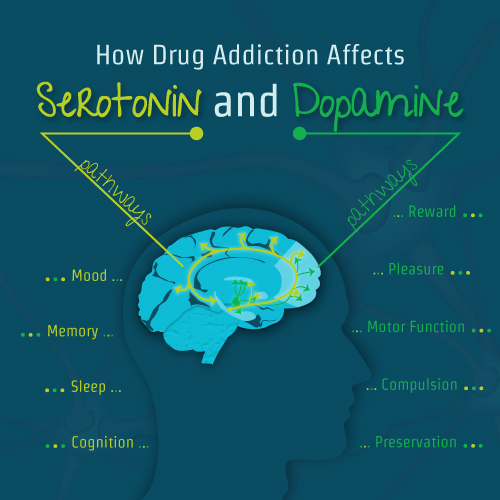
The neuron is the primary unit of communication within the brain. A single neuron is extremely tiny. Experts are estimating that there are over 100 billion neurons in the human brain. With that, you can imagine just how complex and distinct your brain is from the person next to you. And because good communication is of two ways where we both listen (receive information) and at the same time we also speak (send information). The same is applicable to the brain’s communication system with the neurons having the ability to both send and receive communication signals. The dendrite is the portion of neuron signals that typically receives information (listens) while the axon is a portion of the neuron signals that sends out information (speaks).

Neurons signals and addiction: Neurotransmitters

When humans communicate with each other, we typically use words and gestures. The different parts of the brain communicate with each other using electrical signals. Neurons use electrical pulses to send their communication signals. These electrical impulses are called action potentials. When neuron fire, the action potential travels down the neuron’s axon where it ends. At the end of the axon is the axon terminal or pre-synapse. In this area, special chemical messengers called neurotransmitters and neuromodulators lay in wait. These are stored in specialized capsules called vesicles. The action potential causes the release of these chemical messengers into an open space between one neuron’s axon and the next neurons’ dendrites. This open space is the synaptic cleft. At the other side of the synaptic cleft is the post-synapse that is formed by the dendrites of connecting neurons. In the post-synapse, there are special receptors that receive the neurotransmitters.

Receptors and neurotransmitters function in a way that is similar to a keyhole and key. Receptors are like keyholes and neurotransmitters are like the keys. When neurotransmitters fit into the receptors it is called binding. Once a neurotransmitter is bound to a receptor, the key turns the lock. Once the lock opens, it communicates with the receiving neuron’s dendrites. In the post-synapse, there may be many different receptors (many different shaped keyholes). However, a particular neurotransmitter may be able to fit into (bind to) several different receptors types. This is similar to the way a single key can open several different locks. The particular receptor type determines the type of signal that is transmitted. Thus, the receptor type is often more critical to the communication than the particular neurotransmitter.

It may be easiest to visualize this communication as a single chain of events: First, a neuron sends an electrical impulse (action potential) down the axon. Next, the electrical impulse causes chemicals (neurotransmitters and neuromodulators) to be released into space between two neurons. Then these chemicals can signal the next neuron to send an electrical impulse and so on. This electrochemical process forms the brain’s communication system. In conclusion, it is evident that the functions of the brain in communication are very sensitive and any alteration caused by drugs addiction can have far-reaching effects. Therefore before we get there, we must do all it takes to prevent or correct as soon as it is necessary. For this reason, it will be prudent that you schedule an appointment with doctor Dalal Akoury MD a veteran addiction expert who is also the founder of AWAREmed Health and Wellness Resource Center for the commencement of your addiction recovery process.

Neurons signals and addiction: The brain chemistry

http://regenerativepotential.com/wp-admin


Facebooktwitterpinterestlinkedin
sex-addiction1

Overweight obstructs sex drive

Overweight obstructs sex drive

Overweight obstructs sex drive and the sooner you get into a weight loss program the better

Overweight obstructs sex drive: Better sex with healthy weight

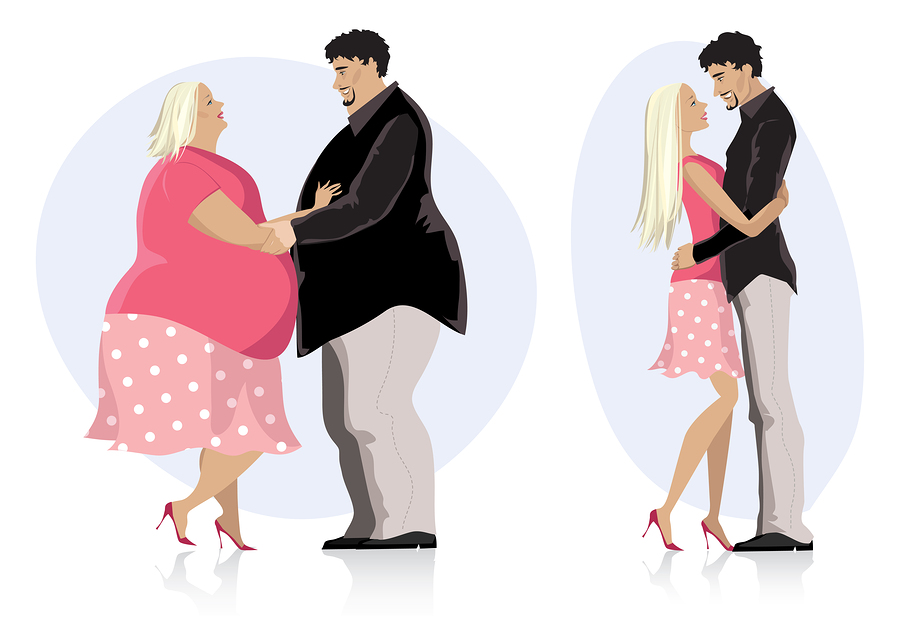
Sex is a good thing in any relationship and needs to be enjoyable. However, many things are coming on the way of this enjoyment. We’re talking about how being overweight obstructs sex drive in many unions. If this is affecting your relationship? We have good news for you. You can schedule an appointment with experts at AWAREmed Health and Wellness Resource Center under the able leadership of doctor Dalal Akoury MD for a solution. Doctor Akoury agrees with the research findings has since established that up to 30% of obese people seeking help controlling their weight sighted problems with sex drive, desire, performance, or all three.

Other studies have also shown that these problems can be traced to physical conditions that co-exist with obesity. Remember that medical conditions high cholesterol and insulin resistance have the ability to impact negatively on sexual performance particularly in men. And because both conditions can cause the tiny arteries in the penis to shut down when vessel-clogging fatty deposits begin to form impotence or erectile dysfunction is often the result.

A man who has problems having an erection is going to lose his desire for sex in not too long time. Men aren’t alone with sex problems caused by poor blood flow. Research shows overweight women’s sex drive and desire is affected by the same problem. We are beginning to see that the width of the blood vessels leading to the clitoris which is the area of the vagina most closely related to sexual response in women are affected by the same kind of blockages that impact blood flow to the penis. When this happens, a woman’s body is far less responsive, and a drop in desire is not far behind.

Complicating matters further for both sexes: The more body fat you have, the higher your levels of a natural chemical known as SHBG (short for sex hormone binding globulin). It’s aptly named because it binds to the sex hormone testosterone. Doctors theorize that the more testosterone that is bound to SHBG, the less there is available to stimulate desire.

Overweight obstructs sex drive: Think sexy and you’ll be sexy

Finally, what goes on in your mind can be the reason why you have inabilities to deliver sexually like for instance, for some people, getting physical problems under control is all they need to trigger up the flames of desire. Yet for others, it’s still not quite enough. Experts believe that one of the biggest obstacles to enjoying sex at any size is poor body image. They caution that the inability to accept your weight and your size can leave you sleeping single in a double bed. There is this idea out there that if you accept your body and your weight that it’s somehow going to take away your motivation to change the way you look in a way, society almost tells us that you have to hate your body before you can improve it.

Overweight obstructs sex drive: Better sex with healthy weight

http://www.awaremednetwork.com/


Facebooktwitterpinterestlinkedin
drug-abuse

Substance abuse manipulations in the brain

Substance abuse manipulations

Substance abuse manipulations in the brain takes effect immediately traces of substances reached the brain

Substance abuse manipulations in the brain: The brain influence of drugs

Without perfection in the brain’s health, we cannot be sure of our health. The brain being the coordinator of all body functions must be protected from all the harms of substance abuse manipulations. With a well-functioning brain, we can competently say that we are healthy. Any negative effect on the brain affects human health adversely. This is because the brain is the engine that drives human body meaning that if the brain is healthy, it will process and transmit healthy information to various parts of the body. However, when the brain is contaminated, all the processed information will be contaminated too. That is why we need to understand, protect and maintain the brain in perfect health if we want to get full optimum from it. The brain must be cared for well and kept safe from all the substance abuse flow which are likely to bring damage to it.

Substance abuse manipulations in the brain: The brain’s adaptation to the environment

Because of the sensitivity of the brain functions, I am persuaded that you to find out how to protect it from any known harms. Therefore, it will do you good to keep on the link to find out more from the experts at AWAREmed Health and Wellness Resource Center under the able leadership of doctor Dalal Akoury. According to these experts, the proper functionality of the brain delivers quality assurance of our very survival. Doctor Akoury says that when the brains function well, we are constantly adapting or adjusting to our environment changes well. What many may not know is that this smooth adaptation is the work of our brain. And ironically, it is the brain’s ability to be so adaptive that contributes to the formation of all manner of addictions. From the various studies conducted by researchers across the globe, it has been established that addiction has a direct effect on the brain and that it causes changes in the brain in at least four fundamental ways:

  • Addiction causes changes to the brain’s natural balance (homeostasis).
  • Addiction alters brain chemistry.
  • Addiction changes the brain’s communication patterns.
  • Addiction causes changes to brain structures and their functioning.

The findings listed above will help us understand the importance of the brain and why we must protect it from the effects of drug addiction which has been sighted as one of the main course of damage to this very vital organ. Doctor Dalal Akoury and her team of experts from AWAREmed Health and Wellness Resource Center are going to be very resourceful even as we discuss each of these fundamental changes that come with the effects of addiction to the brain progressively. You certainly don’t want to miss this and so we invite you to stay with us on the link and be enriched with this worthy health information. But in the meantime, if you are struggling with any kind of addiction, you may want to consult with doctor Akoury for a more professional undertaking today.

Substance abuse manipulations in the brain: The brain influence of drugs

http://www.integrativeaddictionconference.com/wp-admin


Facebooktwitterpinterestlinkedin
The pain of addiction

Depressing pain impediments

Depressing pain impediments

Depressing pain impediments is like a chain that holds you down and cause everything around you to stop

Depressing pain impediments: Chronic pain and depression

Understanding depressing pain impediments is worthy of every ones attention. If this does not concern you for whatever reasons, something is not right. People who are struggling with both chronic pain and depression will tell you that such are pain that you would not wish for your enemies. Nonetheless, it will interest you to note that depression is a common psychological issue facing people who are suffering from chronic pain. This problem if not addressed timely can really complicates the patient’s conditions and treatment. The most worrying thing is that prevalence of these problems is escalating on a daily basis. Like for instance according to the American Pain Foundation, they have registered that about 32 million people in the U.S. alone have had pain lasting longer than one year. And about one quarter to more than half of all the population that complain to their doctors registering depression. And on average up to 65% of those depressed individuals are also complaining of pain and yet again those people whose pain limits their independence are especially likely to get depressed. These statistics are a reflection of how depression and pain are a serious threat globally. It has now become an epidemic that must be addressed from all quarters if we want to enjoy comfort in life.

Depressing pain impediments: Is there a cycle of depression and pain?

One would not be punished for saying that pain is a trigger of depression. In fact it has been established from various studies that pain can provoke an emotional response in everyone. Like for instance if you are struggling with some pain, you may also have high anxiety, irritability, and agitation. These are very normal accompaniment feelings when you are hurting. Even though this is so, the good news about all this process or relations is that under normal circumstances, as pain subsides, so does the stressful response. However with chronic pain, you are likely to constantly feel tense and stressed. That is to say, with time, the constant stress can result in different emotional problems associated with depression. And according to doctor Dalal Akoury MD a veteran addiction expert and founder of AWAREmed Health and Wellness Resource Center, if you are suffering from these chronic pains and depression, it is possible that behind such feelings, you are likely to experience some of the following problems: Altered mood, work issues, fatigue, physical deconditioning, financial concerns, chronic anxiety, weigh gain or weight loss, anger, social sleep disturbances, isolation, legal issues, confused thinking, family stress, reduced sexual activities, fear of injury, decreased self-esteem and irritability.

Finally, looking at the list above, it is obvious these are not health experiences one should go through. You can therefore make wise decisions today to be safe from all these by scheduling an appointment with doctor Akoury for a one on one professional advice and treatment that will help you have your life reinstated to normalcy.

Depressing pain impediments: Chronic pain and depression

http://regenerativepotential.com/wp-admin



Facebooktwitterpinterestlinkedin
addiction-treatment-modern-designer-drugs-require-complete-rehab-methods

Discouraging stress for health

Discouraging stress

Discouraging stress for health will give you the freedom you need

Discouraging stress for health: Stress risk and anxiety

It is only by discouraging stress from our daily lives that we can begin to say that we are moving towards the right direction of living a healthy life. The effects of addictions stress risk, depression, and anxiety in relation to substance abuse and we were able to look at certain health conditions including, cancer, heart diseases, stroke and the effect of these problems on immunity. From the various studies conducted so far, it has been established that stress is a very long bridge that connects the body to various illnesses. Without leaving any stone unturned, we want to progress on that discussion sighting the dangers of stress and anxiety in addition. Our focus is going to be on the following health conditions:

  • Gastrointestinal Problems
  • Eating and Stress
  • Diabetes
  • Pain
  • Sleep Disturbances
  • Sexual and Reproductive Dysfunction
  • Memory, Concentration, and Learning

These are not conditions that anyone would wish to associate with more so when the individual is also struggling with drug addiction of any level. I know that a lot is being done to salvage the situation and the prevalence of addiction, but even as those efforts are being made, what are your individual contribution to those efforts? If you put substance abuse aside for a while you realize that these listed health conditions are not friendly to humanity yet they are much more resonated by stress, depression, anxiety and drug addiction. On our part as professionals from AWAREmed Health and Wellness Resource Center under the able leadership of doctor Dalal Akoury, we are working with like-minded people in this fight against the scourge of addiction. We would wish that if we are to win this fight, then we all need to pool together and join forces to deliver the much-needed victory to ourselves, families and the society. Therefore if you are struggling with any of the conditions named, you may want to start the journey by scheduling an appointment with doctor Dalal Akoury today for the commencement of your recovery.

Addictions stress risk and anxiety: Gastrointestinal problem

The brain and intestines are closely related and are controlled by many of the same hormones and parts of the nervous system. Indeed, some research suggests that the gut itself has features of a primitive brain. It is not surprising then that prolonged stress can disrupt the digestive system, irritating the large intestine and causing diarrhea, constipation, cramping, and bloating. Excessive production of digestive acids in the stomach may cause a painful burning.

Irritable Bowel Syndrome – Irritable bowel syndrome (or spastic colon) is strongly related to stress. With this condition, the large intestine becomes irritated, and its muscular contractions are spastic rather than smooth and wave-like. The abdomen is bloated, and the patient experiences cramping and alternating periods of constipation and diarrhea. Sleep disturbances due to stress can make irritable bowel syndrome even worse.

Peptic Ulcers – It is now well established that most peptic ulcers are caused by H. pylori bacteria or the use of non-steroidal anti-inflammatory (NSAID) medications (such as aspirin and ibuprofen). Nevertheless, studies still suggest that stress may predispose a person with H. pylori to ulcers.

Inflammatory Bowel Disease – Although stress is not a cause of inflammatory bowel disease (Crohn’s disease or ulcerative colitis), there are reports of an association between stress and symptom flare-ups.

Addictions stress risk and anxiety: Discouraging the association of stress and addiction

http://regenerativepotential.com/wp-admin


Facebooktwitterpinterestlinkedin