Category Archives: Brain Health

smoking 1

Safeguarding life from tobacco addiction

Safeguarding life

Safeguarding life from tobacco addiction by quitting smoking

Safeguarding life from tobacco addiction: The duty of care we owe one another

While the authorities who’re charged with the duty of safeguarding life from the effects of tobacco and cigarette addiction are busy licensing more manufacturing firms and their distributors in the market, very innocent consumers of the substances continue to suffer disease and sickness across the globe. For how long shall we be in this bondage of addiction? Must we out of our actions be introducing our children to the drug by sending them to the shops for our supplies? Is it fair for our mothers to intoxicate their unborn children with nicotine while still in the womb? What about the association we have husbands and wife where one is smoking and the other is not should we be intimate, by way of kissing and risk contracting complications out of secondhand smoke? Ideally, there are very fundamental questions that we must address boldly by taking health precautions against the effects of tobacco addiction in the current generation.

How then should we begin? We sought the expert opinion of professionals from the home of addiction solutions at AWAREmed Health and Wellness Resource Center under the able leadership of doctor Dalal Akoury (MD) and also the founder of the facility. Doctor Akoury says that when it comes to all addictive substances and particularly the cigarette addiction, the only way to fully protect yourself and your loved ones from the dangerous chemicals in both the actual cigarette smoking and secondhand smoke is through embracing100% smoke-free environments. In one of the forums when lecturing some clients, one of them asked, how possible is that? From an addict point of view this could be a challenge, however professionally this is possible you could start by opening the windows for easy circulation of air; sitting in a separate area with smokers and avoiding designated area for smoking; or using ventilation, air conditioning, or a fan these strategies, however, will only succeed in reducing the concentration of the cigarette smoke but may not necessarily eliminate secondhand smoke exposure completely. It, therefore, means that if you are a smoker, the single best way to protect your family is to quit smoking.

Safeguarding life from tobacco addiction: Latest research findings

Addiction is a developmental disorder that begins in adolescence, and sometimes as early as childhood. Recent advances have provided more insight into why teens put themselves at risk for addiction through risk-taking and thrill-seeking behaviors. These behaviors are likely to happen due to the fact that the part of the brain responsible for judgment, decision-making, and control of emotional responses the prefrontal cortex is the last area of the brain to mature. But there may be other factors. Dr. Dalal Akoury and her team of experts have established that a chemical in tobacco smoke, acetaldehyde, may play a role in addicting adolescents to smoking. In the study, adolescent laboratory rats increased their intake of nicotine when it was combined with acetaldehyde while the adult rats did not. That is just a hint of why health precautions against the effects of tobacco use are very important. You may want to consult further with doctor Akoury in any other pending concerns you have.

Safeguarding life from tobacco addiction: The duty of care we owe one another


Facebooktwitterpinterestlinkedin
over the counter drug abuse

Cocaine addiction sensitivity

Cocaine addiction sensitivity

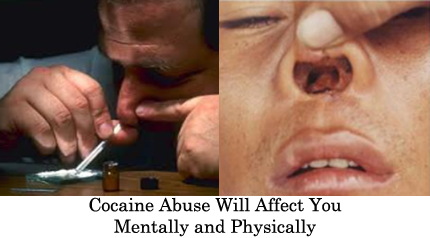
Cocaine addiction sensitivity. This affects not just the brain but also the whole body organs including the skin

Cocaine addiction sensitivity: Cocaine craving

In the long journey of addressing drug addiction complications, one of the biggest obstacles when it comes to solving the problem of addiction is drug cravings. This is so because of the way the brain works. Like with all substances, cocaine addiction sensitivity to the mind is a worrying concern. Many craves for the drug and so are not able to remain focus to treatment that is why our team of experts from the home of addiction solutions (AWAREmed Health and Wellness Resource Center) under the able leadership of doctor Dalal Akoury who is also the founder of the facility, we want to explore on the possibilities of dealing with the mindset sensitivity about cocaine addiction with a view of finding lasting solutions to the scourge.

  • Describing craving
  • Identifying triggers
  • Avoiding cues
  • Coping with craving

Cocaine addiction sensitivity: Describing craving

Having understood what cravings is our next point would be to get the essential sense of the patients’ experience of craving. This can be very broad and may include having the knowledge about the following information.

What is craving like for you? – Doctor Akoury says that cravings or urges as it is commonly known are experienced in much different of ways by different patients. Like for instance an individual could say, the experience is primarily somatic that is to say, a patient would just get a feeling in the stomach or the heart races or just start smelling the element being craved for. For others, craving is experienced more cognitively; like for example one would say that “I need it now” or “I can’t get it out of my head” or “It calls on me.” Or it may be experienced effectively; for example, “I get nervous” or “I’m bored.” Depending on your individual experience, it is important that when seeking for help, you let your therapist know your experience with craving, this way they will be able to get to the roots of the problem and offer solutions effectively.

Are you bothered by craving? – There is tremendous variability in the level and intensity of craving reported by patients. For some, achieving and maintaining control over craving will be a principal treatment goal and take several weeks to achieve. Other patients deny they experience any craving. Gentle exploration with patients who deny any craving especially those who continue to use cocaine often reveals that they misinterpret a variety of experiences or simply ignore craving when it occurs until they suddenly find themselves using. Other, abstinent patients, who deny they experience any craving often when asked, admit to intense fears about relapsing.

How long does craving last for you? – In this journey doctor Akoury says that to make the point about the duration and nature of craving, it is often very important for professionals to point out to their patients that they have rarely let themselves experience an episode of craving without giving in to it.

How do you try to cope with it? – Getting a sense of the coping strategies used by patients will help the therapist identify their characteristic coping styles and select appropriate coping strategies. Of course, it is not going to be a walk on the path and that is why the help of professionals from AWAREmed Health and Wellness Resource Center is all you need along the way.

Cocaine addiction sensitivity: Cocaine craving


Facebooktwitterpinterestlinkedin
brain

Cocaine addiction triggers

Cocaine addiction triggers

Cocaine addiction triggers must be avoided if we have to succeed in bringing this problem to manageable levels

Cocaine addiction triggers: Mindset sensitivity about cocaine addiction

From the mindset sensitivity of cocaine addiction the next point to focus on would be the identifying triggers to the substance of abuse and for our case, we are talking about cocaine addiction triggers. It is important that therapists should work very closely with their patients to develop a comprehensive list of their own triggers. Some patients become overwhelmed when asked to identify cues. From experience doctor, Akoury says that when handling addicts, you will notice that someone may even associate breathing with cocaine use. Again, it may be most helpful therefore to concentrate on identifying the craving and cues that have been most problematic to the patient in recent weeks. This should commence immediately during the therapy session and this should include self-monitoring of craving so that patients can begin to identify new and more subtle cues as they arise.

Cocaine addiction triggers: Avoiding cues

When considering the avoidance of cues, it is always advisable that you keep in mind the general strategy of “recognize, avoid, and cope.” These strategies are particularly applicable to the craving for all substances and not necessarily cocaine. Doctor Akoury says that real experts would first identify the patients’ most problematic cues then make an exploration of the degree to which some of those could be avoided. This will come with certain sacrifices including breaking ties or reducing contact with individuals who use or supply you with cocaine, getting rid of paraphernalia, staying out of bars or other places where cocaine is used, or no longer carry money, as in the following example:

Finally, in dealing with the perception of the mind about cocaine addiction one needs not to let any stone unturned. I am saying this because we are all aware that cocaine is an illegal substance but other substances like alcohol which are legal can form a perfect avenue for the consumption of cocaine without being noticed. Besides that, the ability to pay for the substance is another point of consideration. When the financial strength allows users to access cocaine could easily form a solution in an alcoholic drink. Therefore experts from AWAREmed Health and Wellness Resource Center recommends that for any meaningful treatment to be realized, therapists and other professionals in the line of substance abuse must spend considerable time exploring the relationship between alcohol and cocaine with patients who use them together to such an extent that alcohol becomes a powerful cocaine cue. Specific strategies to reduce, or preferably, stop alcohol use should be explored. We appreciate that doing this may not be easy for many people and that is why doctor Akoury will be readily available on call for you to schedule an appointment so that any pending or unclear issues relating to addiction can be attended to professionally.

Cocaine addiction triggers: Mindset sensitivity about cocaine addiction


Facebooktwitterpinterestlinkedin
addiction

Brains explicit roles in fighting addiction

Brains explicit roles

Brains explicit roles in fighting addiction will only be effective when the brain is in good health

Brains explicit roles in fighting addiction: To fight addiction, feed your brains

The brain being the nerve center and engine of human life, its importance cannot be overlooked. Nothing will happen in the body without it being registered in or from the brain. The brain plays an integral function in effective communication to various parts of the body. Because of this, we have certain brains explicit roles including those that support the fight against substance abuse. Having said that, the next question is how possible is it and what do we know about the brain, addiction and effects of addiction to the brain? To help us get the answers, we sought the professional opinion of experts from AWAREmed Health and Wellness Resource Center under the able leadership of doctor Dalal Akoury (MD) and founder of the same. Doctor Akoury shares with us her personal experience with her clients over the years as follows.

Brains explicit roles in fighting addiction: Denial and denying the brain the essential fats

Denial is the biggest problem we face when dealing with addiction. This is evident in most patients who visit our facility and at one point I was attending to a client who for purposes of confidentiality I will refer to as Miss Agnes. Ideally if you met her, you might presume she had everything to live for. And just to share briefly, in her early thirties she was doing well as a junior executive who was married with two young children. Yet when Agnes opened up as she sat on my couch during a session, she narrated how her troubles at home and work had brought her, more than once, to put a killer knife at her wrist and imagine ending her emotional pain forever.

For over a decade Miss Agnes disorderly drank bottles of wine every night and regularly smoked marijuana alongside taking pain killers. Even though she knew her actions she denied it first to herself, her family and to me (her doctor) that substance abuse was a part of her problem. “I’m not an alcoholic,” she said with a lot of confidence. Because she was such a long way from even addressing her addictions, I inquired about what else she was ingesting and so I ask “What did you eat for breakfast?” That question revealed to me that she wasn’t just intoxicating her brain but she was also starving it of the essential nutrients. It was almost a routine for her skipping breakfast most days and when she took it will be only a cup of coffee or glass of juice once in a while. According to her, she put soy milk in her coffee because she thought that all dairy and meat products were unhealthy. She also avoided fat in all her foods because she believed fat would make her fat. What she didn’t know is, the brains rely on healthy fats for their functioning and for that reason two fats, EPA and DHA, are known for their mood-boosting qualities. By avoiding any fats she was literally avoiding foods that would provide her brain with these natural essentials and therapeutic molecules.

Doctor Akoury continues that realizing all these she asked her to go to a local lab for some blood test. We talked about her making some dietary changes, especially the merits of nutrient-rich brain foods, such as eggs and fish. She admitted in a guilty whisper, “I’ve been craving a hamburger” and you will agree with me that wasn’t really surprising. Like a good number of other women of reproductive age, there was great deficiency of iron in her blood further explaining what was lucking in her body to function well. With this deficiency she actually felt listless; she lacked the energy to cope with her demanding job and a family as well. Many are following the steps of Agnes and even as we continue with Agnes’s story, if you are in the same position, you can talk to doctor Akoury for professional advice today.

Brains explicit roles in fighting addiction: To fight addiction, feed your brains


Facebooktwitterpinterestlinkedin
alcoholism

Alcohol addiction relationship with criminality

Alcohol addiction relationship

Alcohol addiction relationship with criminality is no doubt being evident when you see people drinking disorderly and are not able to drive safely.

Alcohol addiction relationship with criminality: The best treatment approach

Time and again lives are lost on our roads globally and people get sentenced to imprisonment because of various crimes. Studies have revealed that this could be reduced if we pay less attention to the problem of alcohol and drug abuse in our societies. Speaking to the experts at AWAREmed Health and Wellness Resource Center under the leadership of Doctor Dalal Akoury about alcohol addiction relationship and association with crime, the dangers of drunk driving are shocking. Even though drunk driving has received great public attention, the relationship between alcohol and crime for both offenders and victims is yet to receive the same level of public attention yet that is where it pains the most. Ideally, the association between alcohol and crimes is significantly wide and affects all sectors of our lives including domestic violence, underage drinking, robbery and sexual assault are just but a few we are documenting for the purpose of this article.

Studies have revealed that up to 5.3 million adults representing about 36% of those under correctional supervision were actually drinking at the time of their conviction offense. Meaning that close to half of all convicts ended up in prison because of the close association with alcohol. Many alcohol users are wreaking havoc in our communities because of their crimes which are motivated with their indulgence in alcohol. Parents are living in fear because their children who are drinking disorderly and have become possible targets for radicalization into terrorism. Even though alcohol is a legally consumable substance, its effects are more dangerous than we can ever imagine. We are going to be sharing with you some figures as we progress into the discussion, but in the meantime, we must pull together so that we can defeat this scourge.

We may not know what you are going through right now, but if you are reading this article and you feel like the content is describing your situation, the time for solutions to those feelings is now and here with the professionals from AWAREmed Health and Wellness Resource Center. All you need to do is to call doctor Dalal Akoury on telephone number 843 213 1480 and schedule for an appointment with her so that a thorough and professional evaluation can be done so that you can be put in the right recovery program that will help you in regaining your life back and live it to the fullest thereafter.

Alcohol addiction relationship with criminality: Excessive drinking leads to criminal behavior

From the introduction, we mentioned the significance of alcohol in the global market but we can narrow it down to specific states you will realize that the problem is deeply rooted in our homes and villages, cities and towns, everyone is affected. Take for instance, according to the US Department of Justice (DOJ), it is estimated that a majority of criminal offenders in jail were actually under the influence of alcohol alone when they committed their crimes. Besides that, the Federal research also shows that for the 40% of convicted murderers being held in either jail or State prison, alcohol use was a factor in the homicide. What does that communicate to you? To find out, we are going consider some facts about alcohol consumption and its association with crime progressively in our subsequent posting. It is going to be informative so keep reading and be the first to know.

Alcohol addiction relationship with criminality: The best treatment approach


Facebooktwitterpinterestlinkedin