Category Archives: Bipolar disorder treatment

addiction-treatment-modern-designer-drugs-require-complete-rehab-methods

Discouraging stress for health

Discouraging stress

Discouraging stress for health will give you the freedom you need

Discouraging stress for health: Stress risk and anxiety

It is only by discouraging stress from our daily lives that we can begin to say that we are moving towards the right direction of living a healthy life. The effects of addictions stress risk, depression, and anxiety in relation to substance abuse and we were able to look at certain health conditions including, cancer, heart diseases, stroke and the effect of these problems on immunity. From the various studies conducted so far, it has been established that stress is a very long bridge that connects the body to various illnesses. Without leaving any stone unturned, we want to progress on that discussion sighting the dangers of stress and anxiety in addition. Our focus is going to be on the following health conditions:

  • Gastrointestinal Problems
  • Eating and Stress
  • Diabetes
  • Pain
  • Sleep Disturbances
  • Sexual and Reproductive Dysfunction
  • Memory, Concentration, and Learning

These are not conditions that anyone would wish to associate with more so when the individual is also struggling with drug addiction of any level. I know that a lot is being done to salvage the situation and the prevalence of addiction, but even as those efforts are being made, what are your individual contribution to those efforts? If you put substance abuse aside for a while you realize that these listed health conditions are not friendly to humanity yet they are much more resonated by stress, depression, anxiety and drug addiction. On our part as professionals from AWAREmed Health and Wellness Resource Center under the able leadership of doctor Dalal Akoury, we are working with like-minded people in this fight against the scourge of addiction. We would wish that if we are to win this fight, then we all need to pool together and join forces to deliver the much-needed victory to ourselves, families and the society. Therefore if you are struggling with any of the conditions named, you may want to start the journey by scheduling an appointment with doctor Dalal Akoury today for the commencement of your recovery.

Addictions stress risk and anxiety: Gastrointestinal problem

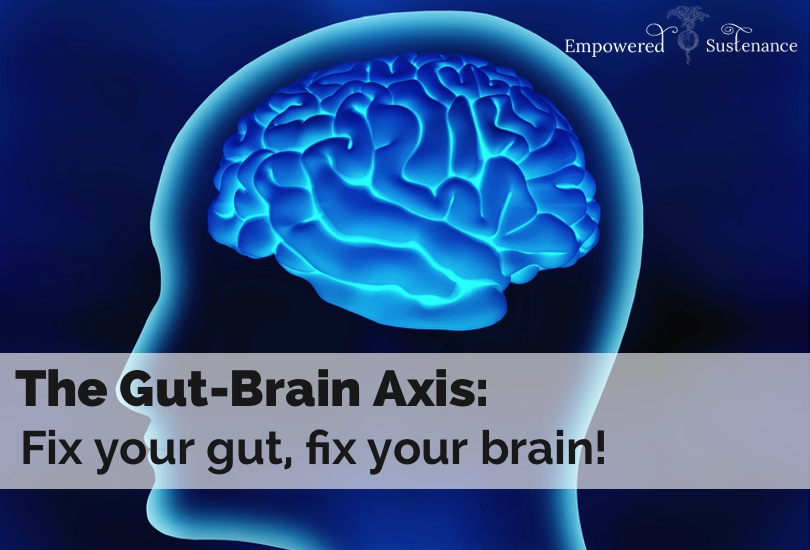
The brain and intestines are closely related and are controlled by many of the same hormones and parts of the nervous system. Indeed, some research suggests that the gut itself has features of a primitive brain. It is not surprising then that prolonged stress can disrupt the digestive system, irritating the large intestine and causing diarrhea, constipation, cramping, and bloating. Excessive production of digestive acids in the stomach may cause a painful burning.

Irritable Bowel Syndrome – Irritable bowel syndrome (or spastic colon) is strongly related to stress. With this condition, the large intestine becomes irritated, and its muscular contractions are spastic rather than smooth and wave-like. The abdomen is bloated, and the patient experiences cramping and alternating periods of constipation and diarrhea. Sleep disturbances due to stress can make irritable bowel syndrome even worse.

Peptic Ulcers – It is now well established that most peptic ulcers are caused by H. pylori bacteria or the use of non-steroidal anti-inflammatory (NSAID) medications (such as aspirin and ibuprofen). Nevertheless, studies still suggest that stress may predispose a person with H. pylori to ulcers.

Inflammatory Bowel Disease – Although stress is not a cause of inflammatory bowel disease (Crohn’s disease or ulcerative colitis), there are reports of an association between stress and symptom flare-ups.

Addictions stress risk and anxiety: Discouraging the association of stress and addiction

http://regenerativepotential.com/wp-admin


Facebooktwitterpinterestlinkedin
cocaine-addiction1

Heroin withdrawal syndrome

Heroin withdrawal syndrome

Heroin withdrawal syndrome. When one is addicted to heroin, the brain suffers the most

Heroin withdrawal syndrome: Coping strategies

Heroin withdrawal syndrome effects and coping strategies are some of the most disturbing fears most addicts sight as reasons of their unwillingness to enroll for treatment in various health facilities for the timely recovery process. With this attitude, treatment becomes very difficult because one has to begin by first addressing the issues of denial. Making such patients come to terms with their health situation is often very difficult. Some of the pertinent questions we should be asking ourselves now that we are aware that heroin withdrawal syndrome and coping strategies are the problems may include the following: what are the actual effects of these heroin withdrawal symptoms – and how do they impact the long-term health and well-being of the individual patients?

As an institution (AWAREmed Health and Wellness Resource Center under the able leadership of Doctor Dalal Akoury’s care) we are on top of things and our objective is to kick out all manner of addictions from our societies. That is why we only post worthy health articles tailored at helping our clients/patients get the much-needed health solutions. Therefore in this article, we have particularly designed it to convey health information in the simplest language to help in shedding some light on the impact of heroin withdrawal syndrome and also to help those who are going through the process en route to their recovery whether you are directly or indirectly affected.

Heroin withdrawal syndrome: Withdrawal from heroin can cause some discomfort

There are a number of uncomfortable side effects that accompany heroin withdrawal. These symptoms are not all that life threatening as is always the general rule, but all the same, they are the leading reason why individuals relapse or add urgency to their search for that “next fix.” Some of the uncomfortable heroin withdrawal symptoms include:

  • Anxiety
  • Chills
  • Fever
  • Restlessness
  • Sleeplessness
  • Sweating
  • Twitching

Heroin withdrawal syndrome: Withdrawal can also cause emotional issues

Besides the known physical discomfort that goes hand in hand with heroin withdrawal, doctor Akoury says that there are a number of mental health issues that the individual may experience as well, such may include the following:

  • Depression
  • Anxiety
  • Suicidal thoughts
  • Sudden mood swings
  • Irritability

Heroin withdrawal syndrome: Relapse

Finally, doctor Akoury agrees that the most serious effect of heroin withdrawal syndrome is relapsed. Because individual addicts are not able to live with the discomfort of withdrawal they often go back to their old habits. To escape from this discomforting experience in many instances they will turn to the only thing they know best that can provide relief which is more heroin even though they are struggling to stop their addiction to the drug itself. This is the reason why most if not all heroin rehab programs insist that the individuals must first complete the heroin detox process before they can be allowed to moving on into the main population of the facility. The risk of relapse is, therefore, inevitable in most cases. However when it happens, it will not be a sign of failure, you can always pick up the pieces and get back to the recovery process and defeat the problem. You may want to call doctor Akoury for further guidelines over this whole issues of withdrawal syndrome and coping strategies for a much better performance on your part.

Heroin withdrawal syndrome: Coping strategies Coping strategies


Facebooktwitterpinterestlinkedin
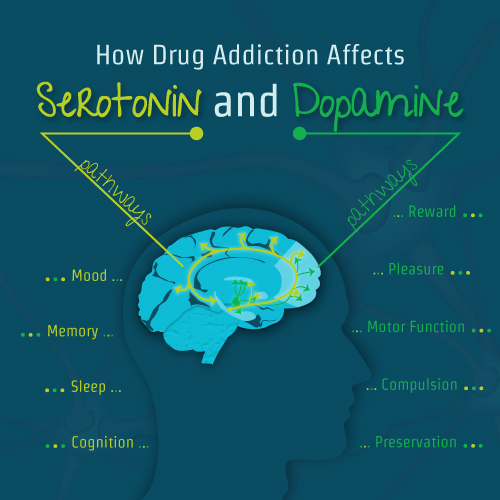
How-Drug-Addiction-Affects-Serotonin-And-Dopamine

Resilient stimulant and central nervous system

Resilient stimulant

Resilient stimulant and central nervous system

Resilient stimulant and central nervous system: Crack cocaine

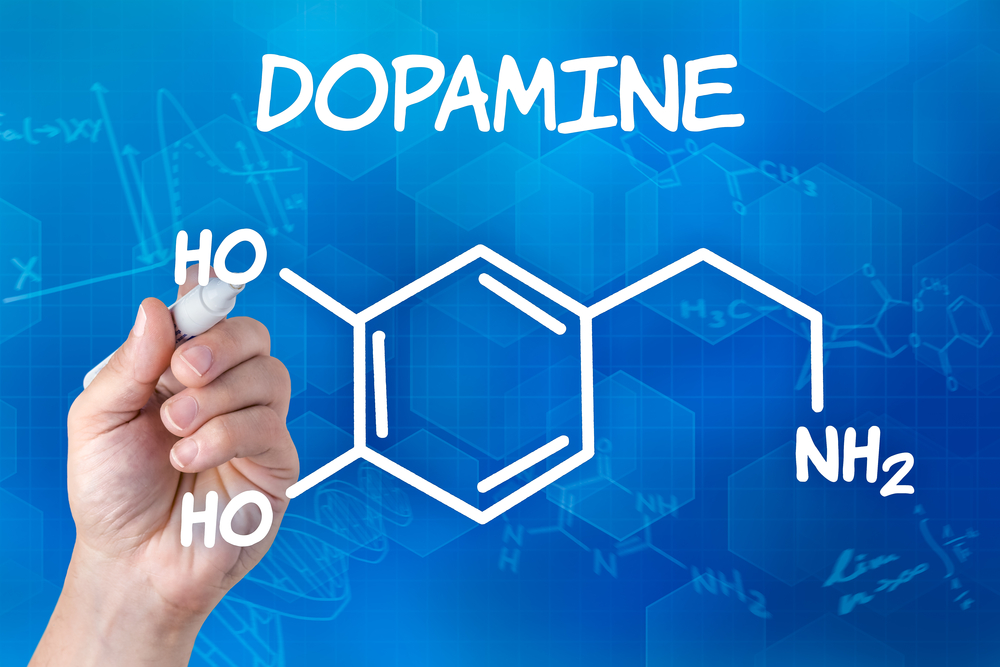
Without missing the words, cocaine is a strong and resilient stimulant that raises the levels of dopamine. Doctor Dalal Akoury MD, President, and founder of AWAREmed Health and Wellness Resource Center explains that this is a brain chemical which is associated with pleasure and movement, in the brain’s reward circuit. And since dopamine facilitates communication in some brain cell commonly known as neurons, which are released by neurons to respond to signals like the smell or taste of good food and then it is recycled back into the cell that releases it which in return will shut off the signal between neurons.

Cocaine prevents dopamine from being recycled, causing excessive amounts of dopamine to build up, amplifying the message, and ultimately disrupting normal communication. It is this excess of dopamine that is responsible for cocaine’s euphoric effects. With repeated use, cocaine can cause long-term changes in the brain’s reward system and in other brain systems as well, which may eventually lead to addiction.

Resilient stimulant and central nervous system: Health consequences

The negative effects of cocaine on human health cannot be disputed. From experience, doctor Akoury explains that among many other consequences, the following are outstanding:

  • Blood pressure
  • Cocaine compresses blood vessels
  • Dilates eye pupils
  • Heart rate
  • Increased body temperature

As a central nervous system stimulant, it can also cause headaches and gastrointestinal complications like abdominal pain and nausea. And because cocaine tends to decrease appetite, chronic users can become malnourished too.

Resilient stimulant and central nervous system: Effects concerning mode of administration

Even though the dangers remain the same, the modes of administering cocaine like smoking, snorting, and injection can produce different adverse effects including:

  • Regularly snorting cocaine, can lead to loss of the sense of smell, nose bleeding, problems with swallowing, hoarseness and a chronically runny nose.
  • Ingesting cocaine can cause severe bowel gangrene as a result of reduced blood flow.
  • Injecting cocaine can bring about severe allergic reactions and increased risk of contracting HIV and other blood-borne diseases.
  • Binge patterns of use may lead to irritability, restlessness, anxiety, and paranoia.
  • Cocaine abusers can suffer a temporary state of full-blown paranoid psychosis, in which they lose touch with reality and experience auditory hallucinations.

Finally, it may not matter how it is administered or the frequency use, users will still experience acute cardiovascular or cerebrovascular emergencies, like heart attack, stroke, which can cause sudden death. Most cocaine-related deaths are as result of cardiac arrest or seizure followed by respiratory arrest. All these can be brought to manageable levels if we all pool together and begin doing the right things. You may not know conclusively what to do and that is why doctor Akoury founded this health facility to help you stay healthy. You can schedule an appointment with doctor Akoury and together with her team of experts, they will professionally offer lasting solution to your individual conditions.

Resilient stimulant and central nervous system: Crack cocaine

http://www.I-AM-I.com/wp-admin


Facebooktwitterpinterestlinkedin
gut-brain-axis (1)

Heroin overdose menace

Heroin overdose menace

Heroin overdose menace a problem in most communities that needs urgent professional attention

Heroin overdose menace: Reasons for drug abuse

The easy accessibility of many illicit substances is blamed for the rising of drug addiction. Heroin overdose menace is as a result of this causing drug addiction management to be possible yet far from being done. Experts across the globe are concern about this practice and in fact heroin overdose is on the rise further complicating the efforts being made in managing drug abuse. Speaking to the experts from AWAREmed Health and Wellness Resource Center under the leadership of doctor Dalal Akoury MD we want to help you understand some points you need to know about the impact of heroin overdose in our societies today. And as we turn our focus on this, we are going to primarily look at the heroin overdose and drug abuse management, what are the available options we have in the fight a against drug abuse. Doctor Dalal Akoury MD is going to highlight on what we need to know about this problem. The following are some of the points for consideration:

  • Many heroin users started with prescription drugs.
  • Quitting heroin is easy but staying off is tasking.
  • The greatest risk of overdose in quitting.
  • We could stop people from dying of overdose, except we can’t find them.

Heroin overdose menace: Many heroin users start with prescription drugs

Heroin users like any other drug abuser are not really copying this practice from their favorite rock musicians. Currently the available statistics indicates that more than three quarters of new heroin users are enticed into the drug after becoming addicted to the prescription pain medication. Due to a new medical focus on treating pain alongside false advertising by pharmaceutical companies, opiate painkiller prescriptions exploded from 76 million in 1991 to 219 million in 2011. The translation of this is that almost one for every American adult. This has necessitated the authorities to begin responding to the growing addiction and heroin overdose among other drugs by cracking down on prescription excess and fraudulent pill mills. With the intervention of the authorities, those patients who found themselves addicted when their prescriptions ran out of supply, resorted to the cheap accessible pills on the street. Many switched from $50 Oxycontin pills to $10 doses of heroin. That is why it is essential that government agencies and medical professionals should keep working together to reduce over reliance on opiate painkillers.

Finally, with this kind of stringent regulation, many opiate-addicted patients are cut off from their legal supply, and will certainly turn to heroin further complicating the drug abuse management. It is time to address our society’s heroin problem from the front line collectively and individually. Expert experiences will be very vital along the way and should you be in need, doctor Dalal Akoury will be waiting to help you professionally. All you need to do is to schedule an appointment now and you will be walking on the highway of regaining your full life potential.

Heroin overdose menace: Reasons for drug abuse

http://www.integrativeaddictionconference.com/wp-admin


Facebooktwitterpinterestlinkedin
stem cell therapy for dogs

Type 2 diabetes disease and overweight

Type 2 diabetes disease

Type 2 diabetes disease and overweight are challenges that come with poor lifestyle

Type 2 diabetes disease and overweight: Dealing with obesity to offer solution

The many risk factors for type 2 diabetes disease include age, race, pregnancy, stress, certain medications, genetics or family history, high cholesterol, and obesity. Nonetheless, the single best predictor of type 2 diabetes is overweight or obesity. Experts at AWAREmed Health and Wellness Resource Center under the leadership of doctor Dalal Akoury MD are estimating that up to 90% of people living with type 2 diabetes are overweight or have obesity. What that communicates is that people who are overweight or have obesity have added pressure on their body’s ability to use insulin to properly control blood sugar levels, and are therefore more likely to develop diabetes. One study has indicated that the number of diabetes cases among American adults increased by a third during the 1990s, and additional increases are expected. This rapid increase in the occurrence of diabetes is mostly attributed to the growing prevalence of obesity in the United States.

Type 2 diabetes disease and overweight: Prevention of diabetes

From an expert point of view, doctor Akoury agrees that type 2 diabetes can easily be prevented. And in fact, studies have established that lifestyle changes and small amounts of weight loss in the range of 5-10% can prevent or delay the development of type 2 diabetes among high-risk adults. Lifestyle interventions including diet and moderate to intense physical activity (such as walking for 150 minutes per week) can be very effective in weight loss. Preventing weight gain, increasing activity levels and working toward small amounts of weight loss if you are overweight can have a big impact on the likelihood that you will develop diabetes in the future. Thus far, weight management is the best thing you can do to prevent the development of diabetes says doctor Akoury.

Type 2 diabetes disease and overweight: Working remedies if struggling with diabetes

According to doctor Akoury, there are several you can do to have a positive influence on your blood sugar and your overall health. You will need to make the right decisions by choosing foods wisely, exercising regularly, reducing your stress levels, making modest lifestyle changes and using medications to lower blood glucose levels. Type 1 diabetic patients must have insulin exogenously applied to maintain healthy blood glucose levels. Type 2 diabetic patients, however, can use insulin or drugs that sensitize their bodies to insulin, which work quite well in lowering blood glucose levels. Unfortunately, these drugs are not without risk as they, as well as the exogenous application of insulin, can often cause diabetic patients to suffer from low blood glucose levels (hypoglycemia) if taken improperly, which may result in seizures, unconsciousness, or death.

Small amounts of weight loss (losing 10 pounds or more) can decrease the amounts of these medications needed to keep your blood sugar levels within a healthy range by lowering your blood glucose levels, which furthermore reduces the risk of diabetic complications. Ultimately, better nutrition increased physical activity, and control of blood glucose levels can delay the progression of diabetes and help prevent the complications associated with the disease.

Type 2 diabetes disease and overweight: Dealing with obesity to offer solution

http://www.I-AM-I.com/wp-admin 


Facebooktwitterpinterestlinkedin