Category Archives: Healthy Aging

women-sexual

Understanding sexual arousal and Orgasm

Understanding sexual arousal

Understanding sexual arousal and Orgasm with a view of taking corrective measures is essential in finding lasting solutions

Understanding sexual arousal and Orgasm: How do elections work?

Have you ever asked yourself what happens to your body when it gets triggered sexually? Understanding sexual arousal and orgasm facts become very important and that is what we want to help you understand in this article professionally. Speaking to the experts at AWAREmed health and wellness resource center under the able leadership of doctor Dalal Akoury MD, it is very evident that first and foremost, having an understanding of how your own body works, including the sexual aspects is very important. This way, you can be comfortable with the way your body responds as you get sexually excited and you will also have better ideas in case something wrong happens necessitating the need of seeking for your doctor’s professional advice.

Nevertheless, even though, people are not the same in the way they respond sexually, knowing what happens to the male and female body during the process of sexual arousal and orgasm will give you some idea of how a sexual partner’s body responds when he or she is sexually excited. Having a basic understanding of your own body’s sexual response and your partner’s sexual response can be an important building block for a mutually satisfying sexual relationship. This may be challenging and so talking to the experts and qualified professionals from AWAREmed Health and Wellness Resource Center will be vital to help you have the facts right.

Sexual arousal usually begins in the brain. Meaning, your brain responds to a sexy thought or image or having a feeling of closeness or affection toward a partner, or the touch of a partner by sending signals to the rest of your body, especially the genital area. For both men and women, one of the major components of physical sexual arousal is increased blood flow to the genital area causing the clitoris to swell and harden in women and the penis to become erect in men. Also, for both women and men, the heart beats faster, blood pressure increases, and breathing becomes more rapid. So in some basic respects, the process of male and female sexual response is quite similar. But because males and females have different reproductive organs we need to look at how sexual arousal affects the genital area separately.

Understanding sexual arousal and Orgasm: Women

For women, a number of things happen as sexual arousal triggered in the brain increases blood flow to the genital area. The vagina becomes lubricated with fluid that seeps through the walls of the vagina. Due to the increased blood flow, the clitoris swells slightly and hardens, becoming more visible and sensitive to touch. As sexual arousal continues and increases, the outer third of the vagina tightens and the opening becomes a little smaller. As a woman gets close to having an orgasm, the clitoris retractions become a little less visible. However for most women, having an orgasm requires some form of stimulation of the clitoris or clitoral area. The orgasm consists of a series of 3 to 15 contractions of the muscles around the vagina. The first few contractions are the most intense, coming about a second apart, and then they become weaker and farther apart. During the orgasm, the woman’s uterus and anus may also rhythmically contract.

Understanding sexual arousal and Orgasm: How do elections work?

http://www.integrativeaddictionconference.com/wp-admin

Facebooktwitterpinterestlinkedin
Weight loss

Health risks attachment to obesity and weight gain

Health risks attachment

Health risks attachment to obesity and weight gain can easily be eliminated through group weight loss

Health risks attachment to obesity and weight gain: Understanding why we must have leaner weight

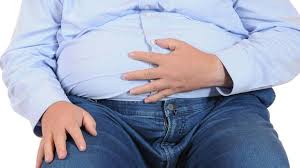
The problems of obesity and in particular the health risk attachment it has are not new. This is not just a family or a nation problem but a global one. Experts from AWAREmed health and wellness resource center agrees that the epidemic of obesity cuts across all ages both children and adults in equal measure. The danger of this health condition is closely associated with other numerous co-morbidities like heart diseases (cardiovascular diseases), type 2 diabetes, hypertension, certain cancers, and sleep apnea or sleep-disordered breathing. The risks of obesity more so in relation to cardiovascular diseases (CVD) have been discussed in different forums and also documented in obese children cardiovascular diseases (CVD), it is also associated with reduced life expectancy.

Health risks attachment to obesity and weight gain: Cardiac structure and functions

A very important fact to note is that a variety of adaptations or alterations in cardiac structure and function do happen in the individual as adipose tissue accrues in excess volume. Therefore the general observation is that, overweight or obesity predisposes or is associated with numerous cardiac complications such as coronary heart disease, heart failure, and sudden death through its impact on the cardiovascular system. Having seen the over view of being overweight, we can observed that there is reasonable cause to worry that adult obesity is indeed associated with a wide range of health problems, and for the purpose of this article I will be making some brief highlight torching on some of the health conditions inclined with obesity to help you make your own self-evaluation and take the most appropriate action timely.

As we progress into the discussion, it is important that if you are struggling with overweight or obesity, your need for immediate medical attention is not just an option but a must. This must be done professionally with the experts and not just from your own imagination. You can therefore schedule an appointment with doctor Dalal Akoury for proper treatment. And as you consider doing that, it will interest you to note that, doctor Akoury practice focuses on personalized medicine through healthy lifestyle choices that deal with primary prevention and underlying causes instead of patching up symptoms making her best option for all your weight loss needs. Now let us consider some of the health complication associated with overweight.

  • Circulatory system
  • Respiratory problems
  • Musculoskeletal system
  • Non-alcoholic fatty liver disease
  • Cancer
  • Reproductive and urological problems
  • Gastrointestinal disease
  • Psychological and social problems
  • Metabolic and endocrine systems

Finally, the list above is just a preview of what obesity can do you your body system and we are going to study each condition progressively in our subsequent postings. In the meantime, for all your weight loss concerns, you can schedule an appointment with doctor Akoury for a one on one professional deliberations.

Health risks attachment to obesity and weight gain: Understanding why we must have leaner weight

http://www.awaremednetwork.com/

Facebooktwitterpinterestlinkedin
Obesity-medical-poster-design-37231081

Important diets eating skills for fighting obesity

Important diets

Important diets eating skills for fighting obesity delivers result

Important diets eating skills for fighting obesity: Assessing your eating habits

When it comes to weight management, people are always very first at pointing fingers at diet and physical activities. Of course, these are good elements when it comes to weight management but they are other things that need to be carried along the way. We spoke to doctor Dalal Akoury MD, President, and founder of AWAREmed health and wellness resource center and it was evident that besides having a well-balanced diet, the way you consume your meals is equally very important. Professionally doctor Akoury suggestion on how well we should conduct ourselves while eating. Like for instance:

  • Eat slowly.
  • Be careful that your food portion sizes are not too big but proportional.
  • Avoid second helpings when you are already full.
  • Switch unhealthy snacks and desserts to healthy ones.
  • Don’t skip meals.
  • Plan your meals ahead of time so that you can acquaint yourself with what you will be eating next.

Be selective on what you drink

Why are health officers insisting that we should be careful with the drinks we take? It is because many people use very unhealthy drinks full of calories to quench their thirst. While their thirst is being attended to, they are reciprocating that with adding more sugar. Many people may not know that sugary drinks like cola, tea, and coffee with milk and sugar, milk and alcoholic drinks, all contain calories and one of the best, economical and easiest ways to cut back on calories is simply by way of drinking water as your main drink say doctor Akoury.

Important diets eating skills for fighting obesity: Increase your physical activity levels

We had mentioned about being physically active and for sure, it is recommended that all adults should aim for 150 minutes of exercise a week.

  • One way to do this is to do 30 minutes of moderate-intensity exercise in bouts of 10 minutes for five days of the week.
  • Another method is to do 75 minutes of vigorous-intensity activity spread throughout the week or a combination of moderate and vigorous activity.

Remember that moderate physical activity includes:

  • Brisk walking
  • Jogging
  • Dancing
  • Swimming
  • Badminton
  • Tennis etc.
  • It is equally important that besides the list above try to do more in your daily routines. For example, use stairs instead of lifts, walk or cycle to work or school, etc.
  • Avoid sitting for too long in front of the television or a computer screen. Take regular breaks whilst working.
  • The good news is that you don’t have to do this physical activity all in one chunk.
  • You can break it up into blocks of 10-15 minutes. See separate leaflet called Physical Activity for Health, which gives more details.
  • Build your exercise levels up gradually. If you are not used to physical activity, try starting with a 30-minute brisk walk every day and then building up from there.

Finally, we are aware that being consistent with exercise is not always easy for many people owing to the kind of lifestyle they live. But facts will always remain that inactive people are politely inviting obesity in their lives and the consequences are well known. To avert that you can schedule an appointment with doctor Akoury for further professional guidance.

Important diets eating skills for fighting obesity: Assessing your eating habits

http://regenerativepotential.com/wp-admin

Facebooktwitterpinterestlinkedin
weight loss program

Essential diets for fighting obesity and weight gain

Essential diets

Essential diets for fighting obesity and weight gain is all about change in lifestyle

Essential diets for fighting obesity and weight gain: Aim at eating a healthy balanced diet

When we talk about essential diets for fighting obesity, it is different with what is commonly known as special diets which are very common in our media advertisement. Essential diets are all-inclusive and involve total change of lifestyle and not just a one-week activity but a lifetime experience. The special diets are not consistent because after losing weight, your old eating habits remain and because of that, you begin restocking the lost pounds again and again. That is why experts at AWAREmed health and wellness resources center under the leadership of doctor Dalal Akoury MD, reiterates that it is usually not a special diet needed but changing to a healthy essential balanced diet, for a lifetime.

Essential diets for fighting obesity and weight gain: What is a healthy diet?

Understanding the meaning of what a healthy diet is very important if you are to use it as a means of eradicating obesity in your life. You may want to consider the following points as the possible meaning of a healthy diet:

  • Making up a third of most meals with starch-based foods (such as cereals, bread, potatoes, rice, pasta etc.). Wholegrain starch-based foods are preferable.
  • Eating plenty of fiber in your diet. Foods rich in fiber include whole grain bread, brown rice, and pasta, oats, peas, lentils, grain, beans, fruit, vegetables and seeds.
  • Having at least five portions, or ideally 7-9 portions, of a variety of fruit and vegetables per day. These should be in place of foods higher in fat and calories. For example, fruit makes a good, healthy snack if you feel hungry.
  • Limiting fatty food such as fatty meats, cheeses, full-cream milk, fried foods, butter, etc. Use low-fat options where possible. Examples are:
    1. Skimmed or semi-skimmed instead of full-cream milk.
    2. Using low-fat, monounsaturated or polyunsaturated spreads instead of butter.
    3. When feeding on meat it is necessary that you consume lean meat or poultry like chicken.
    4. Try to grill, bake or steam rather than fry food. When using dry food, select vegetable oil like grapeseed, olive or sunflower.
  • Discourage use of sugary drinks and sugary foods like biscuits, chocolate, cakes, sweets etc.
  • Reduce use of other foods likely to be high in fat or sugar like some takeaway or fast foods.
  • Eating three meals a day and not skipping meals. Always have breakfast. Eat each meal slowly. Skipping meals will just make you feel more hungry, make you think more about food and make you more likely to overeat in the evening or snack between meals.
  • Trying not to add salt to food and avoiding foods that are salty.
  • Including 2-3 portions of fish per week, at least two of which should be ‘oily’ (such as herring, mackerel, sardines, kippers, pilchards, salmon, or fresh tuna).

Even as we conclude this discussion in this article, a lot is still at stake and we are going to be exhausting them in the coming articles. We want therefore to request you to stay with us on the link and learn more with the experts. In the meantime, all your concerns about weight management, you can call doctor Akoury for further guidelines.

Essential diets for fighting obesity and weight gain: Aim at eating a healthy balanced diet

http://www.integrativeaddictionconference.com/wp-admin

Facebooktwitterpinterestlinkedin
Cancer and weight

Heart functions and the threat of obesity

Heart functions

Heart functions and the threat of obesity demands that we must make all efforts of kicking obesity out of our lives

Heart functions and the threat of obesity: Overweight and Obesity

The heart is such a special organ in the body which needs lots of care. Anything affecting the heart leaves a scar and scare not just to the individual victim, but to the whole family. When this happens, the heart functions are hindered and the family programs equally come to a halt at times. Our focus in this article is going to be on poor weight management as a tool that can affect the heart functions badly. We are going to be seeking the professional input of doctor Dalal Akoury MD, President, and founder of AWAREmed health and wellness resource center over this so that we are precise and professional. We are all alive because we bear some weight. Weight is a component in life that we cannot ignore but like in any other good thing under the earth, when its application is done in excess it becomes dangerous. In the same way as human beings we must have the certain degree of weight from all the good reason however when weight is in excess, it becomes a problem to the human body and hence the saying “too much of something is dangerous”.

Like we have said the heart is such an important organ in the body and its functions must be perfect, regular and consistent all the times. Let’s, therefore, acquaint ourselves with the definitions of certain terms for a better understanding of our point of discussion. The terms “overweight” and “obesity” refer to body weight that’s beyond what is considered healthy for a given height. It is believed that in America alone, more than two-thirds of the adult population are overweight with about one-third of these adults being obese. Overweight and obesity are measured by the use of body mass index (BMI). For an adult, the normal weight is a BMI of 18.5 to 24.9 anything 25 to 29.9 is considered overweight while a BMI of 30 and more is obese.

Heart functions and the threat of obesity: Health risk involved

Being overweight or obese can raise your risk of CHD and heart attack. This is mainly because when it comes to the relationship between obesity and heart failure it’s always very complicated. Obesity is intimately interwoven with multiple health conditions that underlie cardiovascular disease including:

  • High blood pressure
  • Diabetes and
  • Abnormal blood cholesterol

Away from all this, being overweight is a common consequence of heart-damaging lifestyles like lack of exercise and a fat-laden diet. For some time now, scientists have suspected that excess fat tissue, especially around the waist, has a direct effect on heart structure and function, even without the association of other heart disease risks. In pursuing this philosophy, researchers evaluated some 950 older individuals of different weights for signs of left ventricular (LV) diastolic dysfunction a condition characterized by changes in the structure of the heart’s main pumping chamber (left ventricle), which prevent it from filling sufficiently between beats. Although LV diastolic dysfunction can be symptomless, it reliably predicts future heart failure. (Heart failure occurs when the heart muscle weakens or stiffens to the extent that it can no longer meet the body’s needs for blood and oxygen.)

In this study, the subjects were separated into three weight groups that are normal, overweight, and obese based on their body-mass index (BMI). Each subject underwent a noninvasive echocardiogram exam to measure the dimensions of the heart, muscle thickness and filling capacity of the left ventricle. It was then established that the overweight and obese participants were more prone to abnormal diastolic function than the normal weight individuals. Nonetheless when the researchers controlled for the effects of the other risks, the overweight, and obese subject still had up to a 60% higher chance of having LV diastolic dysfunction. It also made a difference how much extra body fat the person carried. The risk of abnormal heart function went up 4% for each point increase in BMI measurement. Looking at the dangers attached, timely professional help is highly recommended and scheduling an appointment with doctor Akoury should be your starting point.

Heart functions and the threat of obesity: Overweight and Obesity

http://regenerativepotential.com/wp-admin

Facebooktwitterpinterestlinkedin