Category Archives: Healthy Aging

Obesity 2

Mitochondrial restorations and weight loss
Mitochondrial restorations

Mitochondrial restorations and weight loss and benefits of kicking out obesity by being physically active

Mitochondrial restorations and weight loss: Mitochondrial dysfunction

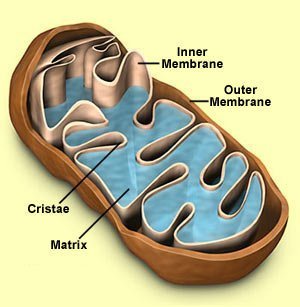
The role of your metabolism is to take the oxygen we breathe and the food we eat and process it to make energy, the fuel for life. (The fuel for your car is called gas. The fuel for your body is called ATP and it is produced from the combustion of food and oxygen.) When they are not working properly, you suffer all the symptoms of low energy: fatigue, memory loss, pain, rapid aging, and more. Along the way, many things can go wrong that may impede your metabolism, make it run less efficiently, or practically shut it down. Fatigue is the most common symptom of poorly functioning mitochondria. We need to keep them in top shape. Therefore mitochondrial restorations will be essential even as we move close to our old age and that explains why we poop out as we age because we have constantly insulted and injured our mitochondria.

Did you know that we have over 100,000 trillion of these powerhouses in our body, and each one contains 17,000 little assembly lines for making ATP, our major fuel? They use over ninety percent of the oxygen we breathe. They take up forty percent of the space inside the heart cells. The only problem is they are very sensitive to damage. And the injury is from uncontrolled oxidative stress, which results from toxic insults, infections, allergens, stress, and just eating too much poor quality food.

Mitochondrial restorations and weight loss: Exercise and the mitochondria

  • Getting rid of toxins in the body will give you more energy. So here’s another reason to exercise: Exercise accelerates the detoxification process.
  • Exercise pushes the blood to circulate more efficiently through the body, allowing nutrients to move easily to reach all the organs and muscles.
  • Exercise helps lymph fluids circulate through the body, which removes toxins and other harmful materials. When you exercise, you naturally take in more oxygen; to make room for the added oxygen, your cells kick out toxins that are taking up space. When you exercise properly, your build up a sweat and toxins are released through the pores of the skin.
  • Playing at anaerobic levels is a great way to get in peak shape. It doesn’t do anything for longevity, or probably for overall health, but it’s great for vim, vigor and pure fitness.
  • Regular exercise is one of the most important things you can do for health. Participation in physical activity improves several body functions. These include: weight control, decreased the risk of cardiovascular disease, decreased risk of diabetes, reduced risk of cancer, improved strength of bones and muscle, enhanced emotional status, decreases the natural degenerative changes that come with aging, and increases your chances to live longer.
  • That said, being consistently active can actually cause degeneration. Rest and recovery periods are essential as these periods allow the body to repair and rebuild itself.

Finally, there are lots of benefits in being physically active. Doctor Dalal Akoury MD, President, and founder of AWAREmed health and wellness resource center reiterated that this is a virtue. Nonetheless, we’ve to distinguish between consistent exercising which can lead to overuse injury and regular exercising. You must be sure to discern between consistently exercising and regular exercise and for more professional input over this, you can schedule an appointment with her by calling her now.

Mitochondrial restorations and weight loss: Mitochondrial dysfunction

http://www.awaremednetwork.com/


Facebooktwitterpinterestlinkedin
weight loss

Mitochondrial dysfunction and obesity

Mitochondrial dysfunction

Mitochondrial dysfunction and obesity has a way of weakening the functions of the body systems

Mitochondrial dysfunction and obesity: Symptoms of mitochondrial malfunction

When the body is under pain, there must be some valid reasons including malfunction or dysfunction of some systems within the body. That is to say a dysfunction occurs when something is not working or functioning in the correct way. We are going to be discussing about the mitochondrial dysfunction which refers to a situation where the mitochondria are not working properly. Professionally doctor Dalal Akoury MD, President, and founder of AWAREmed health and wellness resource center registers that mitochondrial diseases comes as a result of failures of the mitochondria, specialized compartments present in every cell of the body except red blood cells. Mitochondria are responsible for creating more than 90% of the energy needed by the body to sustain life and support growth. This failures results in less production of energy with the cell and this can cause injury to the cell and eventual death of the cell. If this is not corrected, the victim’s body system will fail and the individual’s life/health becomes compromised.

The disease primarily affects children, but adult onset is becoming more and more common. Depending on which cells are affected, symptoms may include loss of motor control, muscle weakness and pain, gastro-intestinal disorders and swallowing difficulties, poor growth, cardiac disease, liver disease, diabetes, respiratory complications, seizures, visual/hearing problems, lactic acidosis, developmental delays and susceptibility to infection

Mitochondrial dysfunction and obesity: Approaches to resuscitate aging mitochondria

Understanding the proposed mechanisms by which mitochondrial dysfunction can contribute to aging and aging related diseases suggests several potential interventions which may include the following:

  • Maintenance of optimal Krebs cycle and respiratory chain efficiency.
  • Restoration of mitochondrial membrane fluidity.
  • Reduction in deleterious free radical activity.

Mitochondrial dysfunction and obesity: CoQ10

Coenzyme Q10 is probably the most widely used cofactor for treating mitochondrial-related diseases. CoQ10 functions as the electron carrier in the inner mitochondrial membrane, transferring electrons from complexes I and II to complex III. In addition to increasing biosynthesis of ATP (the universal energy molecule), and acting as a potent free radical scavenger, CoQ10 also reduces lactic acid levels, improves muscle strength, and decreases muscle fatigability. Now having appreciated the importance of mitochondrial, it is important that your body system is not in luck of this vital chromosome because if that is to happen, your body will be deprived of energy which can be very disastrous.

Finally, for the sustainability of this DNA chromosome in your body system, a lot needs to be done professionally. Remember this article is all about your health and because of the weight of medical terminologies involved, we want to encourage you to schedule an appointment with doctor Dalal Akoury today for further professional guidance. And as we conclude this discussion, it will interest you to note that doctor Akoury made a passionate decision of creating a health center to primarily transform each individual’s life through increasing awareness about health and wellness and by empowering individuals to find their own inner healing power. This is what you need in situations like this when your mitochondrial are going down. Doctor Akoury is just a phone call away on telephone number 843 213 1480 for the appointment.

Mitochondrial dysfunction and obesity

http://regenerativepotential.com/wp-admin

Facebooktwitterpinterestlinkedin
Why medical detox is necessary to addicts

Self destructive addiction and obesity

Self destructive addiction

Self destructive addiction and obesity can be installed in the life of children without them knowing the consequences ahead.

Self destructive addiction and obesity: Turning to food to cope with low self-worth

Addiction is a dependence on a substance that the affected individual feels powerless to stop. Millions around the world have addictions problems, and food addiction is among one of the most common. From the expert’s desk at AWAREmed health and wellness resource center under the able leadership of doctor Dalal Akoury MD, research has over the years established that nearly 80% of gastric bypass pre-surgical patients suffer from food addiction. These studies, along with those of other investigators, have also found that the behavioral biochemical causes and effects underlying food addiction are nearly identical to those of other self-destructive addictions. One of the most common behavioral characteristics of individuals suffering from self-destructive addictions is a feeling of not being good enough. Feelings of low self-worth may cause a poor self-image, low self-esteem, depression, anxiety, a need to overachieve and an intense and chronic fear of failure.

Professionals who study addictions believe that society contributes to the development of addictions by establishing unreasonable or unreachable criteria for worthiness. The “addict” not only has negative feelings regarding self but also has failed to develop appropriate stress coping strategies. Instead of confronting life stressors directly or finding healthier ways to manage emotions such as through exercise, journaling, relaxation, spiritual care, therapy etc., the “addict” seeks to avoid unpleasant feelings by eating, drinking alcohol, smoking, using drugs, gambling and various other ways of escaping from reality.

One collaborative study found that more than 90% of pre-surgical morbidly obese patients use avoidance stress coping behavior to handle emotions, seeking comfort from negative feelings and stressful situations through the use and sometimes the abuse of food. There are strong associations between avoidance coping behavior, food addiction and lack of control over eating. With most food addicts feeling that they have no control over their addiction in spite of having complete knowledge of its negative social and health consequences. They recognize the adverse effects addiction has on friends, family, and self, but feel powerless over such behavior. This generates feelings of guilt and remorse thereby worsening the addictions and setting in motion a vicious cycle of avoidance and abuse.

Self destructive addiction and obesity: The body’s stress response

When individuals are confronted with stressful situations, specific hormones are produced, which help the body to cope with the situation. One of the body’s stress response pathways, known as the limbic-hypothalamic-pituitary-adrenal (LHPA) axis, generates a series of brain hormones that eventually lead to the production of cortisol by the adrenal gland. Cortisol helps to make available more sugar to the brain and other parts of the body to help cope with the stressful event. And remember that elevated cortisol levels on an ongoing basis are not only harmful to health but also harmful to mood. It can cause depression, affects mood by interfering with the actions of one of the brain’s major messengers, serotonin. Serotonin defects cause depression and anxiety. Many drug addicts and obese individuals suffer from depression and anxiety. Finally, all these addictions and weight related problems are never friendly for your health. Nonetheless, we have good news for you that doctor Akoury and her team of experts at AWAREmed health center are experienced professionals whose treatment focuses on personalized medicine through healthy lifestyle choices that deal with primary prevention and underlying causes instead of patching up symptoms making them the best to address all your addiction and weight-related concerns.

Self destructive addiction and obesity: Turning to food to cope with low self-worth

http://www.integrativeaddictionconference.com/wp-admin

Facebooktwitterpinterestlinkedin
over the counter weight loss pills

Female hormone changes

Female hormone changes

Female hormone changes quantifying weight loss benefits essentially to ensure that nothing is left unattended.

Female hormone changes: Age, lifestyle, and the environment

The demand for losing weight in the female gender is increasingly competing for the female hormones changes which are also a key factor in female weight loss. There are a lot of misleading information out in the market in relations to weight management and many women have been duped into believing in many such theories including the application of low-calorie diet and aerobic exercise myth. Professionally, doctor Dalal Akoury MD, President, and founder of AWAREmed health and wellness resource center, reiterates that this approach of weight loss rarely works and often creates damage to their (women) body as a consequence. As a woman ages, as a consequence of stress, or because of environmental estrogen mimicking compounds several things begin to occur. The ovaries decrease their production of estrogen and progesterone. This exacerbates estrogen and progesterone balance, further pushing the body more towards estrogen dominance.

There are also many estrogen mimickers in our food and environment. At the same time, fat cells continue to produce estrogen through an enzyme called aromatase present in fat cells. This also leads the estrogen/progesterone balance to shift more towards estrogen. At the same time slimming and muscle building hormones, like human growth hormone (HGH) and DHEA, decline. Together this creates the perfect storm for female related fat gain and most of it occurs in the mid-section.

DHEA, HGH, and progesterone are all hormones that act to keep a woman lean and block the storage of fat in the middle of her body. The tricky part is that a low-calorie diet and a focus on aerobic exercise makes this worse because they do nothing to restore these powerful hormones and may actually worsen the estrogen-progesterone imbalance in the long run.

Female hormone changes: Lasting solutions to the problem

Women should be focused on eating more of the right things and exercising smarter. This means eating higher amounts of vegetables and “estrogen-free protein as well as engaging in weight training over cardio. There are only three ways to reliably restore HGH in the body: sleep, adequate protein, and intense exercise using weights. Finally, women training is perhaps the most important aspect of this and is critical for female health especially to stop the belly fat that accumulates during aging. HGH is to women what testosterone is to men. It keeps them looking young, lean, and firm. Once progesterone levels fall due to stress, menopause, or other factors, HGH is all that is left to keep belly fat in check

The other are of concern is the fact that women falsely believe less intense exercise like walking and yoga will give them the desired “look” of their younger years. I don’t have anything against these activities because for sure they are exceedingly healthy, however, they are and will not be adequate to generate the hormonal effect needed to raise HGH, meaning that, they will work synergistically with more intense exercise to lower the negative impact of cortisol. That is why you need to have professionals from time to time to help you through your weight loss journey. And to help you with that, you can always schedule an appointment with doctor Akoury now for the commencement of your recovery program.

Female hormone changes: Age, lifestyle, and the environment

http://regenerativepotential.com/wp-admin


Facebooktwitterpinterestlinkedin
Hormones imbalances

Female hormonal weight loss factor

Female hormonal

Female hormonal weight loss factor where Leptin hormonal fat regulates weight for better physical health

Female hormonal weight loss factor: Estrogen and progesterone balance

One of the female hormonal weight loss or weight gain factor in women is the estrogen and progesterone balance and how those hormones interact with other hormones like cortisol or insulin. Bigger hips and thighs on women suggest greater estrogen levels relative to progesterone. The reverse of that, larger breasts and smaller hips and thighs, may indicate the opposite balance of these hormones. The menstrual cycle is another key indicator of hormone balance. Since the time just before menses is usually a progesterone dominant time, PMS is a strong indication there is a progesterone deficiency relative to estrogen.

Nonetheless, doctor Dalal Akoury MD, President, and founder of AWAREmed health and wellness resource center acknowledges that a woman can have higher than normal progesterone levels but still have a relative deficiency if estrogen levels are much higher. Many women with low progesterone relative to estrogen will report feelings like a completely different person before ovulation (the first two weeks of cycle) vs. after ovulation (last two weeks of cycle), where they feel much worse. This ill feeling usually manifests as depression, breast tenderness, moodiness, fatigue, lack of motivation, bloating, and other complaints.

Female hormonal weight loss factor: Female fat distributions

Progesterone & estrogen both play a role in keeping the waist of women smaller. This is because estrogen works against the action of insulin (and testosterone a belly fat storing hormone in women) while both estrogen and progesterone oppose the action of cortisol. Insulin and cortisol, together with testosterone and low estrogen, are implicated in belly fat deposition in women.

Estrogen is the biggest factor in increasing fat storage at the hips and thighs providing the hour-glass shape. Progesterone with estrogen halts the storage of fat around the waist, but stress can have more of a negative impact on progesterone’s action. High stress has been shown to negatively impact progesterone, so women who see fat accumulating around the waist may want to work to reduce stress and raise progesterone.

Estrogen is a little different. Its role is to increase fat storage by up-regulating what is known as alpha-adrenergic receptors in female fat depots around the hips and thighs. Adrenergic receptors are like the gas and brake pedals on your car and work to accelerate or decrease fat usage. Beta-adrenergic receptors increase fat burning while alpha adrenergic receptors block it. The hips and thighs of a woman have higher amounts of alpha adrenergic receptors compared to men. This is also the major reason it is so difficult for some women to lose fat from the hips and thighs.

It is interesting to note here that one of the best ways to decrease the action of these alpha receptors is by using a low carb diet. This is why many women find fantastic results when they switch from the standard high carb diets and adopt lower carb eating patterns. Many women have plenty of fat to spare in the hips and thighs but instead of burning it, they will become smaller in the torso and breast first and remain bigger on the bottom. Estrogen increases alpha-adrenergic receptor numbers while progesterone decreases it. Progesterone, like testosterone in men, may increase beta-adrenergic receptors. In this way, estrogen and progesterone work to influence the ability to burn fat and determine from which areas it will be taken from. This is an issue of hormone balance, not calories and for you to be on top of the game, seeking professional input from doctor Akoury should be your priority.

Female hormonal weight loss factor: Estrogen and progesterone balance

http://www.awaremednetwork.com/

Facebooktwitterpinterestlinkedin