Category Archives: Healthy Aging

consequences of alcohol

Breaking obesity and stress cycle

Breaking obesity

Breaking obesity and stress cycle by way of exercising

Breaking obesity and stress cycle: Biochemical changes and health

Through the years, experts across the globe have been conducting research tailored at finding solutions about weight gain. A lot of ground has been covered and many are people enjoying the benefits. Nonetheless, a lot more still needs to be done and that is why experts at AWAREmed health and wellness resource center under the leadership of doctor Dalal Akoury MD are not sitting back but are breaking obesity and stress cycle for prosperity. Therefore, doctor Akoury advice that if we’re wired to seek out unhealthy foods when we are under stress, how do we avoid gaining weight when times get tough? The following can be helpful:

Don’t allow yourself to become too hungry – When you get irritated on an empty stomach you get a drop in your blood sugar. It’s very hard to think rationally when your blood sugar levels are that low you’ll be motivated to eat anything and to avoid this scenario, be sure you’re not skipping meals.

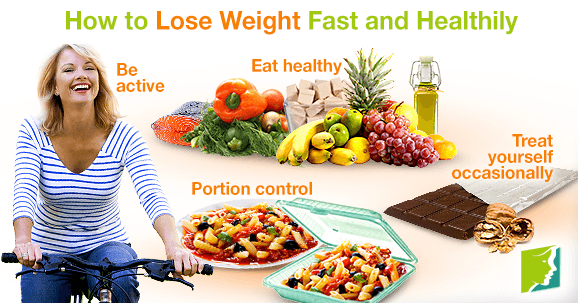
Keep portion size in mind – when people are stressed out they are likely to care less about what they are feeding on and to what quantity. It is important to note that smaller portions can help keep your total calorie intake under control.

Eat healthy snacks – it is advisable to take those snacks combine with protein and carbohydrates because the body digests them more slowly allowing you to feel for longer duration, for example, you may want to feed on almond butter and whole-grain crackers, or cheese and a piece of whole-grain bread but by all means avoid snacks high in fat and sugar.

Breaking obesity and stress cycle: Think about what you’re eating and deal with your stress

Often when people are really stressed, they tend to think that paying attention to their diet will cause more stress. Never forget that food is fuel for your body and your brain and when you eat well, you’re just fueling your body to fight stress besides, it may not be easy, but all the same you must find better ways of managing your stress for your overall health. You may choose trying yoga, tai chi, or meditation and in all these ensure regular exercise and avoid isolation desire spending time with friends, seek to counsel and reduce the number of stressors in your life. If you find yourself reaching for high-fat, sugary snacks when you’re feeling stressed, know that you’re not alone. Fortunately, though, you can break this cycle. Find ways to minimize stress in your life and focus on making better food choices. Stress may be a part of life, but it doesn’t have to lead you to weight gain.

Finally take note of what I have just said and I repeat “Stress may be a part of life, but it doesn’t have to lead to weight gain” The phenomenon of obesity being among chronic diseases makes Dr. Akoury be very resourceful for you. She will help you achieve optimal weight loss in the most natural way possible if only you can schedule an appointment with her today by calling her on telephone number 843 213 1480 for the commencement of your recovery process.

Breaking obesity and stress cycle: Biochemical changes and health

http://www.integrativeaddictionconference.com/wp-admin


Facebooktwitterpinterestlinkedin
How-Drug-Addiction-Affects-Serotonin-And-Dopamine

Biochemical changes and health matters

Biochemical changes

Biochemical changes and health matters a lot in the establishment of a health weight

Biochemical changes and health matters: Linking stress and obesity

Over the past decades, many people have alleged without any scientific evidence that stress and obesity are linked together closely. This has been the running hypothesis for a very long time but, now scientific research is confirming by bringing forth proofs and evidence supporting this connection. Explicit biochemical changes appear to help in explaining this link and, the medical professionals understands these reasons better and are in a better position to address the prevalence of obesity epidemic facing U.S and beyond in the global space. However, doctor Dalal Akoury MD who is also the founder of AWAREmed health and wellness resource center agrees that the most disturbing aspect of the link between stress and obesity is that, it tends to be self-reinforcing. That is to say, very often, when people are stressed they may eat improperly and that may cause them to gain weight which can cause more stress thereby leading to even weight gain which you’re trying to fight off.

Biochemical changes and health matters: The biological connections

If you have been keen you must have realized that each time you’re stressed it is always a common practice that you will tend to crave comfort foods which are high in fat or sugar and researchers have established that specific hormones may play a role in this process.

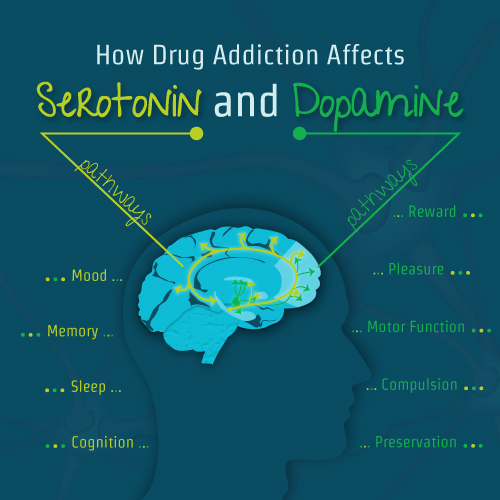
Serotonin – reaching for fattening comfort foods during stressful times may be an attempt to offer self-medication. Consuming carbohydrates raises the body’s serotonin level and serotonin is the body’s feel-good chemical. It makes you feel better. Under normal circumstances, people under stress don’t make smart or healthy food choices. Very often their choices of carbohydrates are rich in fat, like muffins, pastries, doughnuts, and cookies which are not necessarily healthy foods.

Cortisolresearchers have also discovered that chronic stress can cause the body to release excess cortisol, a hormone critical in managing fat storage and energy use in the human body. Cortisol is known to increase appetite and may encourage cravings for sugary or fatty foods.

Neuropeptide Y.recent studies also have established that the human body processes food differently when under stress. One study established that lab mice fed a diet high in fat and sugar added significant amounts of body fat when placed under stressful conditions while those mice fed a normal diet didn’t add as much weight despite the stress. This finding has been linked the phenomenon to a molecule called neuropeptide Y which is released from nerve cells during stress and encourages fat accumulation. A diet high in fat and sugar appears to further promote the release of neuropeptide Y.

Finally, from the facts listed above, there is no doubt that all the biochemical changes matter a lot in weight management and as a society, we have a duty to bring some serenity in the weight loss management. To that effect, doctor Akoury made a decision of establishing this medical center to help in transforming each individual’s life through increasing awareness about health and wellness and by empowering individuals to find their own inner healing power. Efforts like this are essential in containing weight gain prevalence and you can benefit from it by scheduling an appointment with her today for the commencement of your recovery program.

Biochemical changes and health matters: Linking stress and obesity

http://www.integrativeaddictionconference.com/wp-admin

Facebooktwitterpinterestlinkedin
Cancer and weight

Exercise factor in weight gain prevention

Exercise factor

Exercise factor in weight gain prevention is effective done either as a group or individual

Exercise factor in weight gain prevention: Units of activities needed to prevent weight gain

Because weight gain increases the risk of heart disease, diabetes and many other chronic conditions we all have a duty of ensuring that this is stopped. And to help in doing this, we spoke to doctor Dalal Akoury MD and founder of AWAREmed health and wellness resource center and in her professional opinion, she is sighting the exercise factor in weight gain prevention which is very instrumental not only in the prevention but also losing the already excess weight. Besides that, being physically active also helps in keeping you younger and keeping your weight. That then can only mean that the more sedentary the more likely you are to gain weight over time and unfortunately, that is the common practice of many today bringing us to the next concern, how much activities is needed to lose weight?

Exercise factor in weight gain prevention: How much activity do people need to lose weight?

Away from the prevention element, how do we lose if one is already experiencing weight problem? Good exercise and proper calorie diet are very essential. In a study where all study volunteers were asked to stick to their usual diets and after six months, it was established, those assigned to the high-intensity regimen lost abdominal fat, whereas those assigned to the low- and medium-intensity exercise regimens had no change in abdominal fat signifying that exercise is very effective in weight loss. Experts believe that physical activity prevents obesity in multiple ways for example:

  • Physical activity increases people’s total energy disbursement, which can help them stay in energy balance or even lose weight, as long as they don’t eat more to pay off for the extra calories they burn.
  • Physical activity reduces fat around the waist and total body fat, slackening the development of abdominal obesity.
  • Weight lifting, push-ups, and other muscle-strengthening activities build muscle mass, aggregating the energy that the body burns throughout the day even when it’s at rest and making it easier to control weight.
  • Physical activity reduces depression and anxiety, and this mood boost may motivate people to stick with their exercise regimens over time.

Finally, to achieve this purpose, you must have it in your mind that staying active is not purely an individual choice. The built environment buildings, neighborhoods, transportation systems, and other man-made elements of the landscape influences how active people may be. We are more prone to be active, if we live near parks or playgrounds, in neighborhoods with sidewalks or bike paths, or close enough to work, school, or shopping to safely travel by bike or on foot. People are less likely to be active if they live in sprawling suburbs designed for driving or in neighborhoods without recreation opportunities. But in all these, whether your surrounding is favorable for exercise or not you may want to consult the experts to help you in your weight condition. Seeking the services of doctor Akoury will be the best thing you can do for yourself because together with her team of experts, they will focus on Neuroendocrine Restoration (NER) to reinstate normality through realization of the oneness of Spirit, Mind, and Body, Unifying the threesome into ONE and your life will never be the same again.

Exercise factor in weight gain prevention: Units of activities needed to prevent weight gain

http://regenerativepotential.com/wp-admin

Facebooktwitterpinterestlinkedin
weight loss diet

Effective weight loss that sustains health

Effective weight loss

Effective weight loss that sustains health is derived from exercise and good nutrition

Effective weight loss that sustains health: Metabolic syndrome

For an effective weight loss plan that sustains health to be realized, certain factors need to be considered. Previously we mentioned that healthy weight should have a BMI not exceeding 25 and waistline not exceeding 40 and 35 inches for men and women respectively. And to further on that, doctor Dalal Akoury MD and President of AWAREmed health and wellness resource center say that a high waist circumference can be an indication of a condition called metabolic syndrome. Although most people have not heard of it, this is a common syndrome affecting one out of every four adults in the United States. Metabolic syndrome often progresses to type 2 diabetes and treating the syndrome can help prevent this form of diabetes. Which is why you need to schedule an appointment with doctor Akoury as early as now to have what can be prevented, prevented.

Engaging in regular physical activity has been shown to help prevent several health complications like heart disease, type 2 diabetes, osteoporosis and other chronic conditions. Maintaining good health in all adults and children is essential irrespective of whether your weight is a problem or not. Lifestyle changes do not have to be drastic to be effective. Simple measures applied every day can make a significant difference over time, for instance, you may consider:

  • Increasing whatever physical activity you are currently doing by adding 10 minutes a day, or increase the intensity from low to moderate.
  • Limit time spent online, watching TV and playing video games to less than two hours total per day.
  • Take the stairs instead of the elevator.
  • Park at the far end of the parking lot and walk to your destination, rather than parking as close as possible. You can also get off the bus one stop earlier and walk the rest of the way.
  • Do more household chores (such as dusting, vacuuming or weeding).
  • Walk or run with the dog or the kids.
  • Use an exercise machine (such as a treadmill or bike) while watching TV.
  • Take “active” vacations go hiking or ride bicycles.
  • Walk to do errands such as to the grocery store or post office instead of driving.
  • Buy a pedometer, which measures how many steps you take each day. Gradually increase your daily number of steps.
  • Don’t be embarrassed about exercising.

Effective weight loss that sustains health: Can diet pills and supplement help?

Although diet drugs may help you lose weight at first, they usually don’t help you keep the weight off and may have damaging side effects. Most diet pills have not been tested by the Food and Drug Administration, which means you can’t be sure if the drugs are safe. Taking drugs also does not help you learn how to change your eating and exercise habits. Making lasting changes in these habits is the way to lose weight and keep it off. You can always seek for more expertise from AWAREmed Health and Wellness Resource Center under the leadership of doctor Dalal Akoury who is a veteran addiction expert of more than two decades and together with her team they will help you get better in the most natural and convenient way that will not only address your weight related problems professionally but at a fordable cost.

Effective weight loss that sustains health: Metabolic syndrome

http://www.awaremednetwork.com/

Facebooktwitterpinterestlinkedin
lose weight faster

Overweight regulation and obese prevention

Overweight regulation

Overweight regulation and obese prevention is a condition that simple exercise can solve

Overweight regulation and obese prevention: The exercise factor in delivery

Being physically active is one of the most used ways of controlling weight gain and the prevalence of obesity globally. The consequences of obesity are so daring that when proper measures are not taken in good time by ensuring effective overweight regulation and obese prevention, things may get out of hand. Generally, obesity results from energy imbalance meaning that very little calories are being burned. Speaking to the experts’ at AWAREmed health and wellness resource center, doctor Dalal Akoury who is also the founder of this facility reiterates that, the burning of calories is influenced by a number of factors including body size, age, and gene. Nonetheless, the most noticeable one is the quantity of physical activity people need to get health on a daily basis.

Being physically active helps people to stay at a healthy weight gain or loss and significantly reduces the risk of heart disease, diabetes, stroke, high blood pressure, osteoporosis, and certain cancers, as well as reduce stress and boost mood while living an inactive (sedentary) lifestyles do just the opposite. What is surprising is that even with this knowledge people are not keen on being physically active and this cuts across the globe. On a daily basis the levels of activities at work, homes are getting down because people are comfortable with things around them. It is estimated that about one in every three gets very little that is if any of the physical activity further increasing the level of decline. And it’s evident that this decline in physical activity is a major contributor to the global obesity epidemic, and in turn, the rising rates of chronic diseases everywhere. In this article, I will be defining physical activity and explains how it is measured, reviews the trends, and discusses the role of physical activity in weight control in fighting obesity progressively.

Overweight regulation and obese prevention: Physical activities and exercise

The two terms associated with activities are often taken to have the same definition which is not true. I am talking about physical activities and exercise they are all used in reference to the same thing but have different meanings as follows:

Physical activity – refers to any body movement that burns calories, whether it’s for work or play, daily chores, or the daily commuting so long as some calories are burned during that particular body movement.

Exercise -is a sub-category of physical activity referring to planned, structured, and repetitive activities aimed at improving physical fitness and health of an individual?

Moderate-intensity physical activity – these refer to those activities which are strenuous enough to burn three to six times as much energy per minute as an individual would burn when sitting quietly or 3 to 6 METs. However, Vigorous-intensity activities will burn more than 6 METs.

Measurement

Experts measure the intensity of physical activity in metabolic equivalents (METs). One MET is defined as the calories burned while an individual sits quietly for a minute. For the average adult, this is about one calorie per every 2.2 pounds of body weight per hour; someone who weighs 160 pounds would burn approximately 70 calories an hour while sitting or sleeping. This is not all about measurement and for more on this and many others, you can call doctor Akoury now and you will have all your concerns addressed professionally.

Overweight regulation and obese prevention: The exercise factor in delivery

http://www.awaremednetwork.com/

Facebooktwitterpinterestlinkedin