Category Archives: Healthy Aging

Obesity an addiction

Adrenaline stress and Obesity
Adrenaline stress

Adrenaline stress and Obesity have their solution in healthy living

Adrenaline stress and Obesity: All you need to know

The prevalence of obesity has increased dramatically in the last several decades. Obesity, particularly upper body obesity (UBO), is associated with type 2 diabetes (T2DM), dyslipidemia, and hypertension. These associations describe the metabolic syndrome, a clustering of symptoms with insulin resistance as a core cause. Currently, adrenaline stress and the prevalence of obesity and metabolic syndrome is above average deeming both conditions important public health issues, requiring immediate efforts to understand these diseases and reduce their occurrences. And therefore, as we progress into the discussion, doctor Dalal Akoury MD President and founder of AWAREmed health and wellness resource center will be helping us to some of these to perspective.

Adrenaline stress and obesity: Stress response

Stress is a challenge to the natural homeostasis of an organism. Animals react to stress by producing a physiological stress response to regain equilibrium lost by the stressor. The stress response is characterized by acute behavioral and physical adaptations, including increased cognition, analgesia, gluconeogenesis, lipolysis, and inhibition of reproduction. There are two major components of the stress response: the autonomic nervous system (ANS), which encompasses the sympathetic and parasympathetic nervous system, and the HPA axis. These systems work centrally and peripherally to produce several responses. The ‘fight or flight response’ is an active reaction to either confront the stressor or escape confrontation. The ‘defeat response’ is when the individual does not engage in either the fight or flight response and ultimately ‘loses’ the confrontation; this is the primary stress response in modern society and is associated with HPA axis changes. Although the ANS is a key element of the stress response, the purpose of this review is to discuss the role of the HPA axis in obesity and metabolic disease.

Stress can be caused by external stressors such as employment or social strains or by intrinsic stressors such as sleep deprivation. Although an acute short-term stress response is necessary for homeostasis recovery, chronic or prolonged stress responses can be harmful and may cause several disease states. A study on women reported that history of depression was associated with hyperactivity of the HPA axis and decreased bone mineral density. In the past three decades, numerous studies has shown that obesity and other metabolic risk factors are associated with lower socioeconomic status, job strain, sleep deprivation, and depression

Hypothalamic–pituitary–adrenal axis

The HPA axis is one of two major neuroendocrine systems associated with the stress response. Corticotrophin-releasing hormone (CRH), secreted from the Para-ventricular nucleus (PVN) of the hypothalamus, stimulates the synthesis of adrenocorticotropic (ACTH) from the anterior pituitary gland. Physical stressors such as hypoglycemia, hemorrhage, and immune stimuli activate PVN neurons expressing arginine vasopressin and CRH. ACTH stimulates cortisol production from the adrenal cortex.

The first evidence that cortisol levels may be related to obesity and metabolic disease was based on clinical observations of Cushing’s syndrome; the pathological hypercortisolemia in Cushing’s syndrome is associated with UBO, glucose intolerance [impaired glucose tolerance (IGT)], and hypertension. Adrenalectomy in Cushing’s syndrome patients reverses IGT and obesity.Studies in the field of obesity research in the past 10 years have demonstrated that obesity and metabolic syndrome are characterized by chronic inflammation. This may sound technical, but you can schedule an appointment with doctor Akoury for more professional clarity.

Adrenaline stress and obesity: All you need to know

http://www.integrativeaddictionconference.com/wp-admin

Facebooktwitterpinterestlinkedin
weight loss

Weight loss pitfalls and dieting

Weight loss pitfalls

Weight loss pitfalls and dieting. Any good success in losing weight will lean more on Organic foods diet

Weight loss pitfalls and dieting: Why dieting is not the answer to losing weight?

Even the most dedicated dieter, one who can battle the desire to go to the drive-thru or deviate from a set eating plan, cannot avoid another common pitfall of trying to lose weight by dieting: a lack of energy from eating too few calories. While reducing calorie intake leads to weight loss, trying to reduce weight more quickly by consuming a much lower number of calories than one is used to does nothing but make one feel groggy, sluggish, and miserable. This lack of energy can make it difficult to get through the day. At times like these, dieters tend to crave high-carbohydrate, high-sugar snacks for a boost of energy, and while eating a chocolate bar or drinking a soda might help one get through a long afternoon; neither will help with long-term weight loss and that explains the basis of our discussion weight loss pitfalls.

Weight loss pitfalls and dieting: Natural options for losing weight

If all of these factors make dieting so fruitless, how is one supposed to lose weight? Fortunately, there are alternative options for cutting back on unhealthy foods and burning extra calories. Making a few lifestyle changes at a time can lead to gradual, sustained weight loss.

Begin each week with a new healthy lifestyle goal like drinking two liters of water each day, eliminating soda, or taking the stairs instead of the elevator. Focus on that one goal for the week, and by Sunday evening, it will have become habit. Hold on to the previous week’s changes in each subsequent week, and before long, healthy habits like drinking water and walking more will have become second nature.

Adding more intense exercise can bolster a weight loss program, too. Walking is the easiest form of exercise for most people to do, and even going for just a ten-minute walk can burn several dozen calories. Building up slowly from ten minutes of walking a few times a day to longer walks or even full-afternoon hikes can support steady, gradual weight loss, and once walking has become easy, fitness jogging or running can provide ways to burn calories even more quickly.

Lifting weights will strengthen and tone a healthy new physique, and getting outside on a nice afternoon will inspire more fun activities like playing games or sports or going for a swim. The combination of lifestyle changes and exercise benefits will support and maintain gradual, healthy weight loss and prevent the problems that cause traditional diets to fail.

Instead of trying to get rid of unhealthy foods all at once, focus on small, maintainable changes and get ready to see big results. Dieting to lose weight does not work in the long run, but picking up healthy habits and exercising can help one to achieve and maintain a healthy weight for years to come.

Weight loss pitfalls and dieting: Why dieting is not the answer to losing weight?

http://regenerativepotential.com/wp-admin

Facebooktwitterpinterestlinkedin
weight loss tips

Essential weight loss and dieting

Essential weight loss

Essential weight loss and dieting that enables everyone keep lean and active

Essential weight loss and dieting: Why dieting is not the answer to losing weight?

There are many weight loss avenues tailored towards helping obese people lose some weight. These are essential weight loss programs that benefits many today. We are aware that many people have resorted to dieting as a weight loss tool. But the question is “how effective is this?” there is no doubt that many people who are struggling with weight management have sought solace in dieting objectively to lose some extra pounds. However, dieting does not provide the best way to lose excess weight and maintain a slimmer, healthier body. Even if eliminating certain problem foods like sweets or high-fat items leads to temporary weight loss, most dieters end up re-gaining whatever weight they have lost for a few reasons. Traditional diet plans drastically reduce some of the foods that people enjoy eating and cause the dieter to feel deprived of all delicious treats.

Eating the same low-calorie meals each day leads to boredom, at which point giving up and going back to eating unhealthy foods becomes tempting. While a low-calorie diet will bring about quick weight loss, it often comes at the cost of low energy, making it difficult to get through the day. These factors explain why dieting is not the best answer to losing weight, and they do not offer a better alternative. Making small changes to promote an overall healthier lifestyle and incorporating both cardiovascular and weight-bearing exercise promote weight loss better than a traditional, restrictive diet.

Diets tend to emphasize on eliminating high-fat and high-sugar foods like fast food hamburgers and packaged cakes and cookies, but there is a simple reason why people prefer eating them that is to say: they taste great! While healthier foods like fresh fruits and vegetables can also tempt ones taste buds, packaged, processed foods tend to be convenient, inexpensive, and readily available. It takes more time to prepare a healthy, low-calorie meal than it does to pick up a sandwich and a soda from a drive-thru, and with most people working full-time jobs, it can be much easier to grab lunch and dinner from a restaurant than to go to the grocery store, pick out fresh food, and then spend part of one’s leisure time cooking it.

Essential weight loss and dieting: Distracting habits

Drive-thru windows provide cheap, ready-to-eat food and are so common that even the most well-intentioned dieter can become distracted on his/her way home and decide that spending a few dollars on fast food is faster and more convenient than having to cook. Instead of losing weight, the dieter may find him or herself staying exactly the same or even gaining a few pounds.

Food manufacturers and diet programs have noticed the desire for quick, easy meals and have responded by producing a wide variety of low-fat and/or low-calorie meal options. These options include traditional frozen TV dinners like those first made popular in the 1950s as well as newer choices like instant soups or packaged, pre-measured portions of tuna or pasta. Some diet programs even deliver prepared meals directly to the dieter’s home, eliminating the need to spend time at the grocery store. While pre-portioned, packaged meals are convenient and can provide healthier options than the fast food drive-thru, dieters often fall into the habit of eating the same foods every day. This may seem satisfying for a few days or weeks at a time, but before long, the thought of eating exactly the same lunch every single day feels boring and temptation sets in. The desire for a treat sets in and most dieters will find themselves succumbing to the temptation of chips, soda, or a piece of cake, and as one taste often leads to three or four, what started out as just a bite can turn into complete diet sabotage.

Essential weight loss and dieting: Why dieting is not the answer to losing weight?

http://www.integrativeaddictionconference.com/wp-admin

Facebooktwitterpinterestlinkedin
Cancer and weight

Leaky gut syndrome causes and inflammation

Leaky gut syndrome

Leaky gut syndrome causes and inflammation, and in fact it is not just about Leaky Gut definition, finding lasting solution requires real professional to help you through. Contact AWAREMED today.

Leaky gut syndrome causes and inflammation: Weight management impossibilities

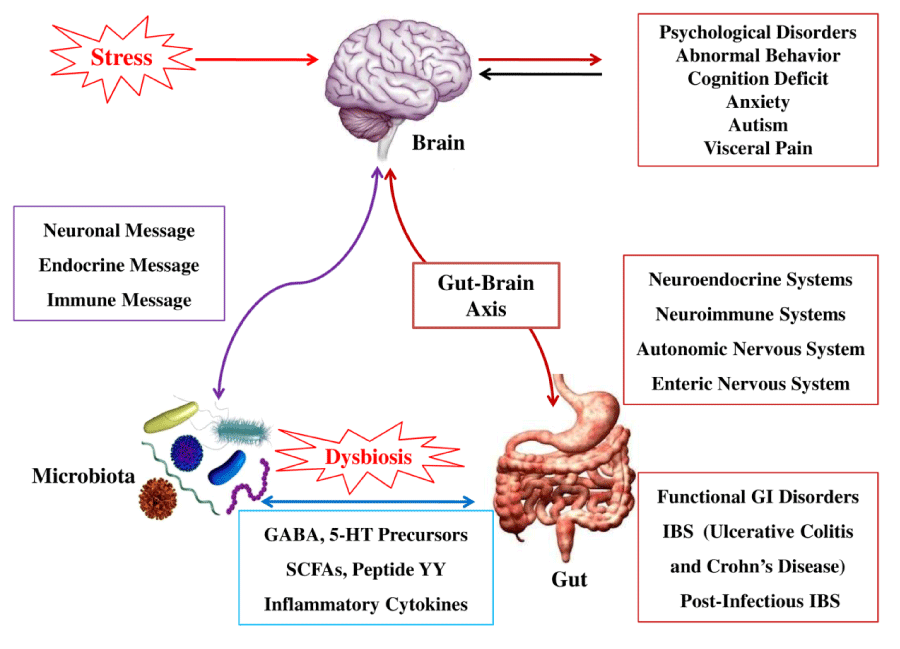
So what causes increased intestinal permeability? There’s still much to be learned, but diet, chronic stress, certain medications and bacterial imbalance seem to play important roles. Eating a diet high in refined sugar can lead to overgrowth of yeast species, which has been associated with leaky gut syndrome. Preservatives and chemicals in processed foods can damage the lining, and so can consumption of gluten a protein found in wheat, rice and barley. Having understood that, doctor Dalal Akoury MD President and founder of AWAREmed health and wellness resource center is reiterating that, chronic stress can lead to a weakened immune system, affecting your ability to fight off invading bacteria and viruses and worsening the symptoms of leaky gut.

Medications like aspirin and non-steroidal anti-inflammatory (NSAIDs) that can damage the lining of your gut, as well as antibiotics that kill off your essential good bacteria are also associated with increased intestinal permeability. In fact, an imbalance between beneficial and harmful species in your gut called symbiosis is one of the leading theories about what causes increased intestinal permeability. Excessive alcohol consumption, infection with parasites, radiation and chemotherapy can damage the lining of the intestine and are also risk factors. In addition to bloating and digestive distress, a lot of the patients I see with leaky gut have a combination of other symptoms like food allergies, chronic sinus infections, achy joints, fatigue, brain fog or unexplained rashes. This can bring feelings of hopelessness and despair, because the symptoms seem so unrelated. With all these infections cropping, it becomes clear that the body becomes sick and as a result weight loss becomes practically impossible.

Leaky gut syndrome causes and inflammation: Finding lasting solutions

There’s no miracle cure for treating leaky gut, but there are things you can do that can help in healing inflammation and restore the integrity of your gut lining. An anti-inflammatory diet that eliminates refined sugars, dairy, gluten, alcohol and artificial sweeteners some of the biggest offenders when it comes to inflammation can be very helpful. Consuming lots of anti-inflammatory essential fatty acids in fish and nuts, and filling up on green leafy vegetables, high-fiber and fermented foods that help to promote the growth of good bacteria is also crucial. A robust probiotic that contains large amounts of good bacteria can help heal a damaged intestinal lining by restoring balance in the gut flora. Supplements like glutamine have been shown in some studies to help with intestinal injury after chemotherapy and radiation and may be beneficial in leaky gut.

Most people will notice improvement within 6 weeks, although it may take several months and even years to heal a damaged intestinal lining in extreme cases of leaky gut. Many of the treatment guidelines are drawn more from anecdotal observation than from rigorous scientific studies. But they’re sensible recommendations that can lead to improvements in your overall health, whether or not you have increased intestinal permeability. Leaky gut is one of those diagnoses that bridges the gap between conventional and alternative medicine, between what we can see and touch and what we can feel in our bodies. I refuse to believe that the hundreds of patients I see in my office with unusual and seemingly unrelated complaints are crazy, or just stressed out. If am addressing your situation now, you can schedule an appointment with us for more professional undertaking on your individual condition.

Leaky gut syndrome causes and inflammation: Weight management impossibilities

http://regenerativepotential.com/wp-admin

Facebooktwitterpinterestlinkedin
HORMONES AND WEIGHT GAIN

Leaky gut disorder and inflammation

Leaky gut disorder

Leaky gut disorder and inflammation can ruin ones health if not addressed promptly

Leaky gut disorder and inflammation: How will they make weight loss impossible?

Leaky gut can be a difficult diagnosis to establish for a number of reasons: It’s associated with a wide range of seemingly unconnected symptoms; it has a lot of different causes; there’s no specific test to confirm it; and evidence tying it to other conditions can be murky. As a result, there’s a fair amount of skepticism in the mainstream medical community about the legitimacy of leaky gut as a diagnosis. But as the evidence that this is indeed a real and recognizable condition grows, opinions are slowly changing. Nonetheless, according to the experts at AWAREmed health and wellness resource center under the leadership of doctor Dalal Akoury MD that’s a good thing, because leaky gut disorder is likely to emerge as one of the most significant medical concepts of our time.

Leaky gut disorder and inflammation: How leaky gut affects you

The digestive lining serves is an important barrier function. It’s like a sieve with very tiny holes allowing only small substances to go through, while keeping out larger undesirable particles. With leaky gut, also known as increased intestinal permeability, the net becomes damaged, resulting in bigger holes that allow more things to pass through that ordinarily couldn’t. doctor Akoury reiterates that when the barrier function becomes compromised, bacteria, viruses, undigested food particles and toxic waste products can leak from the inside of your intestines through the damaged digestive lining into your bloodstream, where they’re transported throughout your body and can trigger your immune system to react. The end result is inflammation in various parts of your body, leading to a wide variety of symptoms like bloating, cramps, fatigue, food sensitivities, flushing, achy joints, headache and rashes.

Remember that with leaky gut, not only is the digestive lining more porous and less selective about what can get in, but normal absorption can also be affected. Nutritional deficiencies may develop as a result of damage to the villi – the finger-like projections in the small intestine that are responsible for absorbing nutrients. Multiple food sensitivities are another hallmark of leaky gut, because partially digested particles of protein and fat may leak through the intestinal wall into the bloodstream and cause an allergic response. Increased intestinal permeability may potentially cause or worsen a number of other conditions, including Celiac disease, inflammatory bowel disease (IBD, which includes Crohn’s disease and ulcerative colitis), irritable bowel syndrome (IBS), arthritis, psoriasis, eczema and asthma.

Finally, even as we get to the end of this discussion, you good health is our priority as experts from AWAREmed health center. To that effect, we will be discussing the causes shortly in our next article and this is going to be very informative. You definitely don’t want to miss this, stay tuned and be well informed about leaky gut disorder and inflammation and their effect on weight management. But in the meantime, if you have any concern about leaky gut disorder or syndrome and inflammation, you can schedule an appointment with doctor Akoury now for more professional insight.

Leaky gut disorder and inflammation: How will they make weight loss impossible?

http://regenerativepotential.com/wp-admin

Facebooktwitterpinterestlinkedin