Category Archives: Healthy Aging

Neurons and Neurotransmitters

Neurons and Neurotransmitters-The Brains of the Nervous System

Neurotransmitters

Neurotransmitters neuron is a specialized nerve cell that receives, processes, and transmits information to other cells in the body.

The body of a human being is presumed dead when the brain stops functioning. This is because all the functions of the body are controlled by the various segments of the brain. Majorly the nervous system is responsible for the body’s control and communication network. While discharging this function in humans, they do so in three ways and that is to say that they:

  • Senses changes both in and outside the body-the sensory function.
  • Interprets and explains the changes-the integrative function.
  • Responds to the interpretation by making muscles interact and glands secrete hormones or other chemicals into the bloodstream-the motor function.

The nervous system itself has two main parts:

The central nervous system includes the brain and spinal cord which acts as a control center.

The peripheral nervous system includes all other nerve elements. All these elements connect the brain and spinal cord to muscles and glands.

Neurons power their functions

It is important to note that the body of a human being is made up of billions of cells which are ordinarily the basic unit of all living things. This also applies to the single-celled organisms like the bacteria which can perform the basic functions needed to sustain life. These basic functions may include gathering energy from food, reproducing and producing waste materials. Looking at the cells, nearly all of them have three parts which are:

  • An outer wall also known as membrane
  • A nucleus that contains essential chemicals
  • A body of clear fluid called the cytoplasm

Plants, animals and human beings are multicellular meaning creatures with many-cells. Of these cells billions of them are specialize in certain specific functions. For example, some cells would become:

  • Part of muscle tissue and help us to move.
  • Other cells make up organs, glands, blood, veins, arteries, and bones.

Neurotransmitters cross the gaps between neurons

For it to effectively serve its three functions, the nervous systems which includes the vast circuits of delicate cells which are very much elaborately interconnected and in fact the brain, spinal cord and nerves all over the body are all made up of one kind of cell. These are the nerves cells and they are also known as neurons and as had been indicated that the brain of human beings has billions of neurons.  Now the question you need to ask yourselves is does your spinal cord and all the nerves that fan out from the spinal cord to your glands, organs, and muscles.

The specific functions of the neurons are to allow your brain to learn reason and be able to remember things. Through these activities the body responds and adjusts to changes in the environment. These changes are also called stimuli, they will set off impulses in our sense organs like: the eye, the ear and other organs of taste and smell and sensory receptors located in the skin joins, muscles and other parts of the body. Now having listened to all these it is important to note that every time you feel something including the effects of a drug, know that millions of neurons are firing messages to form one another.

Each neuron may have thousands of branches that connect it to other neurons and these branches are called dendrites or axons. Dendrites carry messages towards the cell body while axons carry messages away from the cell body to another neuron. Axons can extend as long as four feet in humans and in some animals even longer.

In the beginning it was believed that axons and dendrites simply run through the body continuously like a wire but letter on a space was discovered between each axon and dendrite. This space in known as a synaptic gap or synapse and it is the space between the axon of one neuron and the dendrite of the next neuron in a nerve pathway. This gap is negligibly small and it is about one millionth of an inch, it is that small.

Research finding originally believed that electrical impulses jumped these gaps like electricity does across the gap in spark plug but this theory has been ruled out as it is now known that this was never true. It is the chemicals which travel across the gap and not electrical impulses and these chemicals are also neurotransmitters.

A number of chemical building blocks for neurotransmitters such as amino acids come from the kinds of food we eat meaning that our bodies have the ability to manufacture or produce neurotransmitters. Neurons offer a storage package for neurotransmitters known as vesicles which are located very close to the endings of each axon. They (neurons) synthesize some neurotransmitters right in the vesicle while other neurotransmitters are synthesized in the body of the cell and transported to the vesicle. Most of the addictive substances have the ability to change the effects of neurotransmitters on neurons. We will be able to better comprehend how these substances work when we get to know about neurotransmitters and how they act as chemical messengers

Neurotransmitters meet three criteria

Neurotransmitters are molecules-groups of atoms joined by a chemical bond which act as a unit. For them to be called neurotransmitters a molecule must meet the following three criteria:

  • The molecule must be present and evenly distributed in the brain meaning that the molecules must not just concentrate in one segment but must spread out among different types of neurons and across all segments of the brain that have different functions.
  • Chemical criteria that is to say the enzymes which help in creating the neurotransmitter must be available in the brain. An enzyme is a catalyst protein which speeds up chemical reactions within the body. It is also important that these enzymes be available in areas where the neurotransmitters are found.
  • The criterion of mimicry assuming that we inject directly a neurotransmitter into a section of the brain known to contain certain neurons, this injection should be able to imitate the effects of electrically stimulating the same neurons.

Neurons and Neurotransmitters-The Brains of the Nervous System


Facebooktwitterpinterestlinkedin

Leaky Gut Syndrome

Leaky gut syndrome-Alcohol abuse and Drug addiction

Leaky gut syndrome

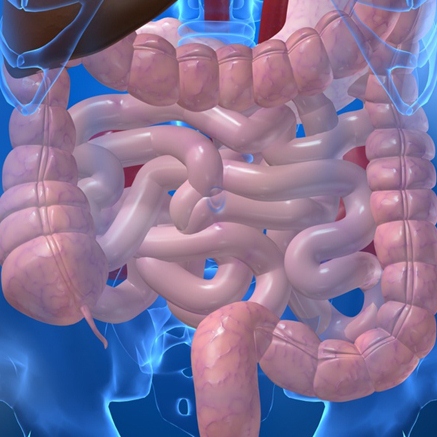
Leaky gut syndrome is term used to describe a collection of symptoms that center on damage in the lining of the large intestine.

Leaky gut syndrome is an unofficial term used to describe a collection of symptoms that center on damage in the lining of the large intestine. This damage apparently gives undigested food particles and toxins access to the bloodstream by producing minute gaps in the intestinal wall. While there is controversy regarding some of the purported effects of leaky gut syndrome, most doctors believe that unusual permeability in the large intestine can cause real health problems. People who abuse alcohol commonly experience significant changes in their intestinal function. These changes can potentially support the onset of leaky gut syndrome, or worsen its effects once it appears.

Leaky Gut Syndrome Basics

When looking at these terms medically there is great difference between syndromes and diseases. The difference is that diseases portray specific collections of symptoms with unique and distinguishable underlying causes while syndromes portrays symptoms which normally appears at the same time and have a number of potential known or unknown underlying causes. The symptoms associated with the presence of leaky gut syndrome include:

  • Diarrhea
  • Excessive flatulence
  • Unexplained fatigue
  • Unexplained fever
  • Heartburn
  • Ongoing or recurrent abdominal pain
  • Recurrent bladder infections
  • Hemorrhoids, food allergies
  • Frequent hunger
  • Joint pain
  • Muscle cramps
  • Lymph gland swelling
  • Psychological problems such as memory impairment and depression.

Normally, the bowel wall is sealed tight with the help of cell structures called desmosomes, which overlap the cells in the wall and stop them from tearing. Under certain circumstances, irritation or damage in the desmosomes can loosen their grip on the bowel wall and lead to the formation of tiny gaps that make the wall abnormally porous or permeable. The development of leaky gut syndrome begins when materials pass through these gaps and enter the bloodstream. Since these materials don’t belong in the bloodstream, immune system cells identify them as invaders and attack them. In turn, this immune response can produce increasing levels of inflammation that further damage the bowel wall, and thereby provide passage for larger molecules of undigested food and various toxins.

Leaky gut syndrome-Alcohol’s Effects

Alcohol consumption damages normal function in the intestinal tract in one of two ways:

  • The presence of alcohol appears to reduce the level of activity in key substances in the body called prostaglandins. Among their many functions, these substances help the body control the amount of inflammation that occurs at the site of any injury. Alcohol-related suppression of prostaglandins essentially allows inflammation to increase in an uncontrolled manner. While the effects of any single drinking session will produce only a temporary suppressing effect on prostaglandin levels, the type of habitual, heavy drinking commonly associated with alcohol abuse can produce ongoing prostaglandin suppression that contributes significantly to inflammation in the large intestine (and other areas of the body). In turn, this inflammation can trigger or support the development of leaky gut syndrome.
  • Heavy alcohol consumption also damages the body’s ability to pull nutrients from food and digest them in the small intestine. Ways in which this damage occurs include a reduction in the output of substances, called enzymes, required for digestion of certain types of nutrients; direct impairment of the cells in the small intestine responsible for absorbing nutrients into the bloodstream; and the creation of nutritional deficiencies that further disrupt the absorption of important nutrients. In people with preexisting cases of leaky gut syndrome, nutritional deficiencies and lack of effective nutrient processing can contribute to a worsening of the syndrome’s symptoms.

Leaky gut syndrome-More Women Affected

Women who abuse alcohol may develop more leaky gut-related problems than men. Part of this disparity stems from the fact that, compared to men, women have relatively small amounts of an enzyme called alcohol dehydrogenase, which is required for the breakdown and elimination of alcohol. This means that alcohol tends to stay in women’s bodies longer because of this deficiency. Women also have a reduced ability to effectively process alcohol during certain portions of the menstrual cycle.

Leaky gut syndrome may play a role in the onset or worsening of recognized gastrointestinal ailments such as irritable bowel syndrome, Crohn’s disease, and celiac disease, as well as a number of other ailments. Some alternative medical practitioners make unsubstantiated claims for the syndrome’s role in illnesses such as autism and multiple sclerosis. Since leaky gut syndrome is not a distinct, recognized medical disorder, physicians don’t diagnose the condition in their patients; instead, they usually consider its symptoms in a larger medical context as they work toward diagnosis of a recognized disorder.

Finally leaky gut syndrome has a way of making one’s life uncomfortable irrespective of gender. It is everyone’s desire to be healthy and be comfortable this is the reason why Dr. Dalal Akoury founded AWAREmed Health and Wellness Resource Center, is offering exclusive NER Recovery Treatment to other physicians and health care professionals through training, clinical apprenticeships, webinars and seminars.  This program is also open to any other qualified professional nonetheless individual are also not left out if you or any of your friends or colleague is suffering from any kind of addiction or you just want to get the detailed information about addiction treatment, preventions and control then this is the place to be. You will be attended to by a team of experts lead by doctor Dalal Akoury in administering treatment to your condition in a more natural way with majorly natural means to get you recovered completely and have your life back and live it to the fullest.

Leaky gut syndrome-Alcohol abuse and Drug addiction


Facebooktwitterpinterestlinkedin

Alcohol addiction on the Brain

Alcohol addiction on the Brain-Specific Effects on the Brain

Alcohol

Addiction and especially alcohol addiction affects the brain nerve system

The most sensitive organs of the body is the brain it controls the whole functions of the body and when it stops life also stops and the bearer dies. Because of its sensitivity it must be protected and defended from any harm to that may come to it either internally or externally. It is because of this background that we want to discuss how certain substances can affect the brain and the possible precautions to keep it in its perfect operational state.    Alcohol and specifically ethanol is a central nervous system depressant that has a range of side effects on the body and brain.

We are focusing on the brain because while other cells within the human body has the ability to regenerate, brain cell do not regenerate. Alcohol affects the brain in many ways some include:

  • Excessive alcohol consumption over period of time can lead to problems with cognition and memory.
  • Alcohol contracts the brain tissue and depresses the central nervous system.
  • Alcohol destroys the brain cells.
  • When alcohol reaches the brain, it interferes with communication between nerve cells by interacting with cell receptors.
  • The alcohol suppresses excitable nerve pathway activity.
  • Among other actions, alcohol enhances the effects of the inhibitory neurotransmitter GABA, thus causing a person to become sluggish.
  • Alcohol weakens the excitable neurotransmitter glutamine, which adds to sluggish tendencies.

Alcohol addiction on the Brain-Effects of Alcohol on the Cerebral Cortex

I believe that you have come across somebody who has drunk alcohol and that you can a test to the fact that under the influence of alcohol such a person’s brain functions shifts dramatically. It is the cerebral cortex that senses shift of thought and initiate voluntary muscle movements. Alcohol will then affects the cerebral cortex in many ways like:

  • Negative effect on thoughts or thinking processes which in many times lead to poor judgment by the victim.
  • Lowers inhibitions. When this happens the victim becomes too talkative, portrays false sense of confidence that can only last while still under the influence of alcohol and disappears as soon as the consumer is sober.
  • With increasing blood alcohol levels (BAC), all of the above become increasingly pronounced

Alcohol addiction on the Brain-Effects of Alcohol on the Limbic System

Limbic system primary function is majorly to control memory and state of emotion. There is always serious memory lose among most people consuming alcohol alongside the experience of an exaggerated state of emotion. It should be noted that limbic system consists of the hippocampus and the septal regions which are the easy targets of alcohol.

Alcohol addiction on the Brain-Effects of Alcohol on the Cerebellum

  • The primary function of cerebellum is the coordination of muscle movement which is a soft spot for alcohol abuse.
  • The excessive consumption of alcohol reduces the effective coordination of the muscles and motor skills are reduced.
  • In most cases when the coordination of muscles is affected then the individual may lose balance and can even fall down.
  • The difference between cortex and cerebellum is that cortex initiates muscle movement while cerebellum creates nerve impulses which control ones balance and body movements.
  • Additional parts of the brain affected by alcohol are the hypothalamus and the pituitary gland.
  • Increased alcohol consumption can cause increased sexual desires.
  • Alcohol depresses the nerve centers in the hypothalamus that determine sexual arousal and performance so despite this increased sexual desire, the consumer actual sexual performance may decline.
  • It infiltrates the pituitary gland by inhibiting secretion of anti-diuretic hormone (ADH), which effects urine excretion.
  • ADH works with the kidneys to reabsorb toxins in the body. When inhibited, ADH levels drop and reduce the kidney’s ability to reabsorb water necessary to produce a healthy amount of urine. This malady can cause problems on a sexual level.
Alcohol addiction on the Brain-Effects of Alcohol on the Hypothalamus and Pituitary Gland
  • Additional parts of the brain affected by alcohol are the hypothalamus and the pituitary gland.
  • Increased alcohol consumption can cause increased sexual desires.
  • Alcohol depresses the nerve centers in the hypothalamus that determine sexual arousal and performance so despite this increased sexual desire, the consumer actual sexual performance may decline.
  • It infiltrates the pituitary gland by inhibiting secretion of anti-diuretic hormone (ADH), which effects urine excretion.

ADH works with the kidneys to reabsorb toxins in the body. When inhibited, ADH levels drop and reduce the kidney’s ability to reabsorb water necessary to produce a healthy amount of urine. This malady can cause problems on a sexual level

Alcohol addiction on the Brain-Effects of Alcohol on the Medulla

  • This is the part of the brain that influences the functions of the body that takes place automatically like the heartbeat, body temperature and breathing.
  • Alcohol will affect this section by causing the person to feel sleepy.
  • Excessive consumption of alcohol will not only cause the person to be unconscious but can also be very fatal.

Alcohol addiction on the Brain-Long-Term Effects of Alcohol Consumption

Most side effects from alcohol occur after drinking just one time. Unfortunately, alcohol consumption practiced in excess over an extended period of time can create much more serious problems for the brain than minor infractions. For example, if an individual develops an addiction to alcohol, their chances of developing a thiamine deficiency are doubled. In more severe or advanced cases of alcohol dependency, a brain disorder called Wernicke-Korsakoff syndrome (WKS), also known as “wet brain”, may develop. WKS is a disease that consists of two different syndromes. The first is a short-lived and severe condition called Wernicke’s encephalopathy and the second is a long-lasting critical condition known as Korsakoff’s psychosis. Symptoms of Wernicke’s encephalopathy include mental confusion, paralysis of nerves behind the eyeballs, and decreased motor function.

In addition to Wernicke’s encephalopathy it is believed that approximately 80 to 90 percent of alcoholics will also develop Korsakoff’s psychosis, a chronic and debilitating syndrome characterized by persistent learning and memory problems. Patients suffering from Korsakoff’s psychosis are forgetful, quickly frustrated and have difficulty with walking and coordination. Despite having difficulty remembering information from the alcoholic’s past, it is their struggle retaining new information that is most striking. For example, an individual may be able to discuss an event in their lives with great detail, but an hour later forgets ever having the conversation.

In conclusion alcohol is a toxin that destructs the human body in high doses and over time. It has a risk of addiction or dependency. It impairs judgment and shifts the body’s originating physicality caution should be exercised when and if consumption of alcoholic beverages is involved. You now know the consequences of alcohol addiction and more so to the brain. Do not let this bring you down if it is already a problem in your life there is help around you at AWAREmed Health and Wellness Resource Center under Doctor Akoury’s care where focus is on Neuroendocrine Restoration (NER) to reinstate normality through realization of the oneness of Spirit, Mind, and Body, Unifying the threesome into ONE. You need your brain to live and alcohol cannot be the reasons why you’re losing it reach out for help and from the experts.

Alcohol addiction on the Brain-Specific Effects on the Brain


Facebooktwitterpinterestlinkedin

Major effects of Addiction

Major effects of Addiction-Psychological and Physical

Addiction

Don’t let drug addiction break your family. The effects can be very painful not just for you but to the children as well.

Like many problems people go through addiction is one that has been associated to humanity for as long as you can imagine. It is interesting to note that addiction has no limit on whom it affects and does not choose when to strike. Anytime can be said to be appropriate for one to be addicted to anything that is addictive, because of this untimeliness of addiction we must make efforts to be ready when it comes and most importantly prevent its effects on us. We will be discussing the major effects of addiction in this article and for this reason we will categorize then into two segments:

  • Psychological effects of drug addiction
  • Physical effects of drug addiction

Major effects of Addiction-Psychological effects of drug addiction

While it is true that in both cases the specific physical and psychological effects of drug abuse and addiction is not consistent and varies based on the particular addictive substance involved, the general effects of drug abuse or addiction to any drug can be devastating.

Psychologically, intoxication with or withdrawal from a substance can cause everything from euphoria as with alcohol, Ecstasy, or inhalant intoxication, to paranoia with marijuana or steroid intoxication, to severe depression or suicidal thoughts with cocaine or amphetamine withdrawal. An individual who has been living with a condition of drug addiction for some period of time may begin to experience a number of serious psychological problems as a result of their dependence on the drugs. As mention these conditions can range from mild to serious but the common denominator is that all of them will impact to the life of the addicted person in a negative manner. Let us now take a look at some of the most common long-term psychological effects of drug addictions as mention above:

Depression

As an individual develops a tolerance to drugs, it will take ever-increasing amounts of the substance to get high. When the individual is unable to achieve their desired state of euphoria, they may become depressed. Chronic depression also occurs as the drug addict feels shame and remorse about their condition. This creates a cycle of addiction; the more depressed they feel, the more likely they are to continue using drugs.

Paranoia

People suffering from a cocaine or marijuana addiction often report a feeling of paranoia over the course of their dependence. The feeling that “everyone is out to get them” is heightened by the fact that buying or using drugs is illegal and the belief that law enforcement is waiting around every corner. Over time, drug addicts tend to get more and more paranoid.

Anxiety

Drug addicts get their supply from time to time and the waiting period of the next dose of supply causes many of the addicts to begin feeling anxious or unsettled. During this moment of anxiety it will be noticeable to the society that these people have a problem and do not stay focus to their activities. When one is not focused a lot of people are affected for instance the family members will feel neglected. The negative effects on their relationship can be very devastating because it can break a family. Besides this drug induced anxieties and lack of focus can cause them to fail in their employment responsibilities and become less productive which can cause them to lose their source of livelihood. The effects of anxiety can be many and these are just but a few.

Major effects of Addiction-Physical effects of Drug addiction

In terms of effects on the body, intoxication with a substance can cause physical effects that range from marked sleepiness and slowed breathing as with intoxication with heroin or sedative hypnotic drugs, to the rapid heart rate of cocaine intoxication, or the tremors to seizures of alcohol withdrawal. In addition to the numerous mental health issues that spring up as a result of long-term drug addiction, there are also a number of issues affecting the physical health of the person who is has been living with a dependence problem for many years. Some of the known physical effects include:

The kidneys

The human kidney can be damaged by habitual drug use over a period of time. Several studies have established that kidney failure is very much associated with long-time of drug abuse. Users of crystal meth, heroin and other dangerous drugs are a common testimony of this.

The liver

Liver failure is a well-known consequence of alcoholism but it can also be triggered by other substances like using vicodin and OxyContin over a period of time possibly years.

The heart

Drug addicts and in particular Cocaine addicts and stimulant users are doing causing damage to their heart each time they use these drugs. The most common conditions among drug addicts are heart disease and heart failure.

The lungs

Any individual who smokes the drug to which they are addicted is putting the proper functionality of their lungs in jeopardy. Smoking crack cocaine or crystal meth causes great damages to the lungs with a ferocity that rivals or resembles long-term nicotine habits. Besides all these regular use of marijuana also causes damage to the lungs. When one uses drugs over a long period of time they not only become drug addicts but will also begin to build a tolerance to drugs they use. Tolerance is dangerous as it causes the individual to use more and more of the drug in order to achieve the desired euphoric or stimulated state. This puts the individual at a constant risk for overdose and even death.

Major effects of Addiction-Conclusion

In conclusion we are privileged to live this life and we can only do so once. What you do with your life can either make you see many years ahead or shorten them. You need not to be in dilemma on this there is help around you and all you need is to get in touch with doctor Dalal Akoury who is an expert in addiction and has helped many people globally over the past decades is also the founder of AWAREmed Health and Wellness Resource Center where addiction and obesity are treated in a friendly way by focusing on Neuroendocrine Restoration (NER) to reinstate normality through realization of the oneness of Spirit, Mind, and Body, Unifying the threesome into ONE. This is what you need my dear reader like I said we live this life only once take that step and call and live life to the fullest.

Major effects of Addiction-Psychological and Physical


Facebooktwitterpinterestlinkedin

Kinds of Addictive Substances

Kinds of Addictive Substances-Their effects discussed

Addictive substance

All kinds of addictive substances cause addiction and their effects on humans life is dangerous

When we talk of addiction it is more likely that you will think of an illegality, crime and use of drugs disorderly. Addiction has been associated with all manner of negativity and suspicion. But in all these suspicion it is important to note that substance abuse is characterized by a pattern of use that causes significant impairment or distress, in addition to any one of these additional diagnostic criteria: using substances in situations where it endangers the user; a failure to fulfill major obligations at work, school or home; having multiple drug-related legal problems; or continuing to use substances regardless of the problems it causes in the user’s life. The different types of substance abuse have various features depending on the type of drug abused and for the purpose of this article we will categorize the addictive substances into five major units:

  • Stimulant abuse
  • Depressant abuse
  • Psychedelic Abuse
  • Marijuana Abuse
  • Alcohol Abuse

Kinds of Addictive Substances-Stimulant Abuse

As the name suggests, stimulants increase alertness, attention, and energy, as well as elevate blood pressure, heart rate, and respiration. Stimulants historically were used to treat asthma and other respiratory problems, obesity, neurological disorders, and a variety of other ailments. But as their potential for abuse and addiction became apparent, the medical use of stimulants began to wane. Now, stimulants are prescribed to treat only a few health conditions, including ADHD, narcolepsy, and occasionally depression in those who have not responded to other treatments.

Stimulants include illegal drugs such as cocaine and methamphetamine, as well as legal substances such as nicotine, caffeine and over-the-counter stimulants. Physical and Mental Effects of Psychoactive Drugs,” stimulant use causes the release of the neurotransmitters dopamine and norepinephrine, stimulating the brain’s reward and pleasure center. This stimulation reinforces the drugs’ abuse, as users attempt to feel good through increases of dopamine and norepinephrine and to avoid the “crash,” medically known as dysphoria that occurs after stimulant use depletes the levels of these neurotransmitters in the brain. Abuse of stimulants depletes energy and creates intense drug cravings and withdrawal symptoms. It can also induce paranoia, irritability, restlessness, insomnia, aggression, violence and psychosis. Stimulant abuse and addiction develop quickly.

Kinds of Addictive Substances-Depressant Abuse

Depressants include opiates such as heroin, morphine and opium, as well as sedative-hypnotic medications such as Xanax, Ativan and Valium. Depressant has the characteristic of slowing down the central nervous system, diminish inhibitions, create relaxation and decrease pain.

Opiate abuse carries a high risk of overdose and addiction, as well as health problems. Abuse of sedative-hypnotic drugs easily creates psychological and physical dependence as well. Abuse of these drugs in combination with alcohol can be lethal. Indeed, multiple drug abuse is common with abusers of this class of drug, as users combine various depressants throughout a day or week to try to achieve an optimal psychological and physiological state.

Kinds of Addictive Substances-Psychedelic Abuse

  • Psychedelic abuse includes using in dole psychedelics such as LSD and psilocybin mushrooms; phenylalkylamine psychedelics including mescaline; and other types of psychedelics such as ketamine, or “Special K,” and PCP, notes “Uppers, Downers, All-Arounders.”
  • Psychedelics, called hallucinogens in the medical literature, distort the user’s perceptions, thoughts and sensations.
  • Abusers who have underlying mental health issues face particular risks as these substances can trigger latent mental health problems.

    These drugs vary dramatically in potency. Because intensive research has not been done on them as has been with other substances their effects of abuse are not very clear (less well known).

  • MDMA abuse may cause lasting damage to the serotonin-producing neurons in the brain, in addition to depression and serious health risks.
  • Ketamine abuse can lead to convulsions and coma.
  • LSD abuse causes such impaired judgment and reasoning that serious injury and death can result even at low doses. Acute anxiety reactions can also occur.
Kinds of Addictive Substances-Marijuana Abuse

The most commonly abused illegal drug, marijuana induces short-term euphoria, physical relaxation, distorted perception and thought, increased appetite, and impairment of memory and physical coordination. According to the National Institute on Drug Abuse, users of more potent marijuana may experience giddiness, illusions and hallucinations. Because of the impairment in coordination and thinking, driving and other activities while under the influence pose a risk. Tolerance quickly develops so that those abusing marijuana need higher doses to achieve the same high. Long-term marijuana abuse may cause respiratory problems and immune system suppression. Alongside that longer-term abuse may also stunt emotional maturity and learning, and it can increase anxiety and even cause temporary psychosis.

Kinds of Addictive Substances-Alcohol Abuse

  • Alcohol is the most abused drug and it affects every organ in the body, and it is the oldest and most widely used psychoactive substance.
  • Alcohol abuse includes binge drinking and other problematic patterns of drinking which fall short of addiction but meet the criteria for abuse.
  • Alcohol abuse is linked to increases in aggression, impaired judgment, diminished inhibitions, mood problems such as depression and anxiety, health problems, sexual dysfunction and relationship problems.
  • Alcohol abuse differs from alcoholism primarily in the lack of withdrawal symptoms when an alcohol abuser stops drinking. However, alcohol abuse creates significant distress or impairment in the abuser’s life.

All addictions problems are as a result of these addictive substances it is important that we make efforts to keep distance from elements that can lure us to addiction. Talking to addiction experts is important as it helps you get information about the safety precautions. Doctor Akoury the founder and chief executive of AWAREmed Health and Wellness Resource Center is an expert of vast experience that can be of great help to you. Under her care you will be put real time medication focusing on Neuroendocrine Restoration (NER) to reinstate normality through realization of the oneness of Spirit, Mind, and Body, Unifying the threesome into ONE. This way you will in no time get your life back and live it to the fullest.

Kinds of Addictive Substances-Their effects discussed


Facebooktwitterpinterestlinkedin