Category Archives: Healthy Aging

Low Dose Chemo and Cancer Treatment

 Low dose chemo is an effective alternative cancer treatment approach

cancer treatmentInsulin potentiation therapy (IPT) is the utilization of low doses of chemotherapy and insulin in treatment of cancer. The insulin potentiation therapy may also be used in treatment of other chronic diseases. The use of low dose chemotherapy is safer as compared to conventional chemotherapy that leave patients with many life threatening side effects. The conventional chemotherapy does not only kill the cancerous cells but also kill the healthy cells in the patient’s body leading to a period of intense pain, loss of appetite, loss of hair, weakness, fatigue and even weight loss. The ability of coping with the side effects of conventional chemotherapy varies from patient to patient but generally the experience is not for those faint at heart. These inconveniences have led the patients to look for other safer alternatives in cancer treatment and doctors as well as other medical researchers have been looking for alternatives that can help the cancer patients to be treated more effectively with less severe side effects.

The history of Insulin potentiation therapy (IPT) can be traced back to the early 1920s when insulin was first used in the attempt to treat patients with schizophrenia. Dr. Donato Perez Garcia, Sr. developed IPT and used it to put cancer patients to coma in an attempt to treat them of cancer. His sons took the practice a head and today very many doctors now recommend the use of IPT in treatment of cancer, Needless to mention several publications have been made to avail information in support of this approach to cancer treatment.

Insulin and Cancer

Insulin is the hormone charged with the responsibility of transporting glucose through the bloodstream to the cells to provide energy. This glucose is needed by  both healthy cells and the cancerous cells to survive.

One of the notable difference between cancer cells and healthy cells is that cancer cells depend entirely on sugar and glutamine which is a form of amino acids found in highly concentrated animal proteins. The cancer cells will therefore use all the sugar (glucose) that is found in the bloodstream leaving the healthy cells with inadequate sources of energy to survive on. The healthy cells having no glucose left to utilize become starved and this explains why most cancer patients are always weak and rapidly lose weight.

The amount of insulin used to transport the glucose into the cancer cells is much higher as compared to the amount of insulin hormone used to transport glucose into the healthy cells. Averagely the cancer cells need 16 times more insulin hormones to feed its cells with the glucose.

The cancer cells are very fast in grabbing the glucose available in the blood and that is the basis through which PET scan works. During PET scan a radioactive agent is introduced into the bloodstream within a glucose molecule and since the cancerous cells are the first to race for sugar, they become visible through the scan.

IPT works in the same way as the PET scan, the low doses of chemotherapy drugs are administered in the bloodstream within the glucose molecules and so the cancer cells come scrambling as they are faster in response to glucose than the healthy cells. They utilize the ‘poisoned’ glucose and get killed sparing the healthy cells. In IPT healthy cells are not killed as it happens in the conventional chemotherapy where both the cancerous and the healthy cells are killed. This explains why patients on low dose chemotherapy do not suffer severe side effects as common with patients undergoing conventional chemotherapy.

Potentiation in the IPT is an English word derived from a verb ‘potentiate’ which means to give more power or other to make more potent. In this therapy insulin is used to make conventional chemotherapy more powerful and effective in killing the cancerous cells.

A study that was done at the George Washington University in 1981 revealed that when insulin is mixed with a chemotherapy drug, methotrexate, its strength in killing the cancerous cells improved greatly. With that high potency, patients no longer needed to be given so many drugs to kill the cancerous cells. This combination not only made cancer treatment more effective but also gave convenience to patients as they did not have to use too many drugs to keep healthy.

In numerous ways insulin can help in treatment of cancer patients. Being a hormone that encourages growth, it will trigger cell multiplication by dividing. This allows healthy cells to be more while it puts the cancer cells in a more vulnerable state to be killed by the poisoned glucose molecule in that as the cell divides, it becomes more exposed to the chemotherapy drug in the glucose molecules speeding their death frequency.

Low Dose Chemo

IPT is surely a clever way to kill the cancer cells. You see, Insulin is also known to promote detoxification process as it makes the cells more permeable. This makes it easy for the toxins to be removed from the cells. Detoxification is a crucial procedure in cancer treatment and can be highly achieved through IPT as opposed to the conventional chemotherapy.

The use of low dose chemotherapy has gained popularity over a time and doctors have endorsed this alternative cancer treatment. Going by the simple physiology discussed herein you can see how effective the IPT approach to cancer treatment is. Other advantages that the patient enjoys are that the whole procedure does not leave the patients with life threatening side effects as common in conventional chemotherapy. The drugs given to patients are also manageable as they are more potent. Healthy cells are safe and the patients do not become bald.

Cancer treatment is subject to new inventions and that gives you a reason to find a reliable source of information that will update on the latest medical inventions geared towards making cancer treatment more effective. Contact Dr. Dalal Akoury (MD) who is more experienced in cancer treatment so that you can learn more on cancer treatment and management.

 Low dose chemo is an effective alternative cancer treatment approach

Facebooktwitterpinterestlinkedin

Narcotics and Cancer Treatment

Narcotics Can Be Safely Used To Ease Pain in Cancer Patients

Narcotics and Cancer treatmentThe use of narcotic drugs is a scare to all and any mention of this draws mixed reactions, probably due to the well-known life threatening side effects that users of such drugs are exposing themselves to. However, in certain scenarios you may have to depend on these drugs to at least reduce your pain. In this case the narcotics are used with medical intentions having to be administered by a doctor who knows the right dosage as over-dosing may produce horrible side effects. To cancer patients, the narcotics are a necessity they can never run away from as they are very effective in reducing the intensity of pain they suffer, while ailing or undergoing certain treatments (chemotherapy for example)

The pain relieving drugs that are non-narcotics in nature are available, and include; Tylenol, Celebrex and Advil. These drugs are very useful in cancer treatment. However, they can only be effectively used for mild pains but cannot help much in reducing the great pains that most cancer patients have to go through. For this case, narcotic drugs become the only option for these patients. A lot of patients though, are scared of addiction to these drugs and thus repel the idea of the usage on them. But, legal narcotic pain medication can be used safely to reduce the pain in cancer patients without the risk of addiction.

The narcotics used in pain medication are all related to morphine but may come in different forms. The effects of these narcotic pain medication drugs vary in different patients and the different forms also have different side effects. Some of these drugs include; hydromorphone, roxicodone, codeine and fentanyl. These forms are also different in strength and while will take mere seconds to ease the pain, some may take up to an hour to reduce the pain. The drugs may come in forms of tablet, liquid or even as a suspension.

There is a known risk associated with misuse of these drugs and so it is important that the complex combination of these drugs be done by an authorized medical personnel who will be able to reduce the negative side effects of these drugs on the patients’ health while maximize on their benefits. In case of any unexpected side effects the patient is advised to seek the intervention of the doctor as the patient may react differently to the drug as other patients who had undergone the same treatment.

The doctor should monitor the progress of a patient on treatment and see if the patient is doing better with the medication. If the patient is still experiencing the intense pain, then the doctor will give a different combination of these drugs that will be able to reduce the pain and give the patient comfort. This calls for cooperation between the cancer patient and the doctor so that the patient can benefit from the medication.

The patient may at times have to use two different drugs, especially when the pain is continuous and sometimes becomes unbearable. The patient may use a narcotic drug that takes less time to ease the pain while still using the long term pain medication that is subscribed to her by her doctor. In most cases the patient will be in control of the other drug that he will use at certain times when the pain is intense to give her slight breakthrough from the pain. The narcotics that are entirely controlled by patients should not have adverse effects on the patient even if they take them beyond the recommended doses.

One of the discomforts that cancer patients on narcotic pain medication suffer most is constipation. It is therefore advisable that as you take narcotic pain medicines you should also take medicine that will help you evade constipation. If the constipation problem persist even after taking necessary measures, you should talk to your doctor about so that he may change your pain medicine for another that will least affect  your bowel movements. It is also important that you avoid other relaxants when you are using narcotic pain medication. You should not take alcohol without discussing with your doctor as that may work against your medication.

Cancer and narcotics

There have been controversies about the use of narcotic drugs to control pain in cancer patients with many critics saying that the patient’s risks suffering an addiction. The truth however is when narcotic drugs are used as pain medication the doctors give required dosage that will not addict the patients. A patient is different from strict addict that may use the narcotic drugs to suppress depression or simply to get high. When used for medication the patient is not in control of the drug unlike in the case of a street addict who is in control of the amounts he takes. He can overindulge but a patient cannot since he uses the doctor’s subscription.

The issue of affordability features when you want to choose the pain medication to use. Most of these narcotic pain medicines are quite expensive and are mostly paid for by insurance cover plans. If you do not have an insurance policy and you find your drug too expensive, it is advisable to tell your doctor so that he may find you a more affordable alternative that is also effective.

It is good to seek information about narcotic pain medication to cancer patients from experienced doctors so that you will know the best course of action to take in case you or your loved ones are victimized by this disease. For this purpose, Dr. Dalal Akoury (MD) has availed detailed information about cancer treatments on her website. If you are not suffering from this disease but you are affected in one way or the other. Get in touch with Dr. Dalal Akoury so that you may learn much on cancer management and be of help to this generation.

Narcotics Can Be Safely Used To Ease Pain in Cancer Patients

Facebooktwitterpinterestlinkedin

Prescription Drug Abuse

Prescription Drug Abuse-Fueled by Ease of Access

Prescription

Prescription drug abuse can be challenging because one may not clearly know who is abusing and genuinely looking for painkiller to relieve pain

It is almost becoming common knowledge that when you talk of an addiction many will think of alcohol, cigarettes and drugs because of their addictive nature. What may not be in the public domain is that legal drugs prescribed by the medical doctors can also be addictive. This is what this article is going to discuss so that we can have better understanding of how prescription drugs affects those who may be addicted to them.

Many people would wonder just how they became addicted to whatever substance they are taking, the realization normally occurs during the addiction recovery process. It is during this process that addicts discover that the journey to addiction recovery is not an easy one and takes very long time and while tracing their steps backwards with a view of trying to comprehend the genesis of their addiction they can trace it to accessibility and affordability of the drugs. When these two factors are the case then an addiction very possible because there will be little hindrances to people using these addictive substances. We know that accessibility is easy and especially for those users of street drugs or alcohol what we are left pondering about is how easy it can be for addicts to access prescription drugs addictions because these drugs (opioids) can only be accessed from the pharmaceutical companies. How then is it possible for one to be addicted from these drugs? The assumption is that the legitimacy of prescription drugs makes them hard to be abused because for one to use so many prescription drugs they must be authorized by a medical doctor or pharmacies.

This in many cases is not so because those addicted to prescription painkillers and other medications get them much easier than what the general society believe. Addicts are becoming smarter daily to defeat the systems and take advantage of what friends, family members, and medical professionals have to offer. How then do they achieve this? According to a recent CDC findings, just about 15 percent of prescription drug abusers claim getting their substances from a dealer or a stranger. Since these substances do not always come from a “dealer,” it is important to identify what sources can help fuel prescription drug addiction:

Prescription Drug Abuse-Family and Friends

It may interest you to know that probably you may have willingly and with great caring concern given to your addicted friend or loved one a painkiller hoping that you are helping then get rid of their pain. Out of this good deed you may have facilitated an addiction to prescription drugs. According to an article from New York Daily News close relatives may not only be the easiest supplies of prescription drugs but also the most affordable. The article continues most people who abuse addictive prescription painkillers get them for free from friends or relatives, while drug dealers are a relatively uncommon source for those at highest risk for deadly overdoses, a government study found.

In an effort to reduce instances where relatives become the easiest and cheapest supplies it is advisable that medications should only come from qualified medical doctors and so anyone seeking for prescription drugs should get it from the authorized medical personnel. This is necessary because as a friend or a relative you may have the good intension to help but in the process your desire to help turn out to be harmful. The harm can be that intense in severe cases it may result in addiction or an overdose. Knowing the consequences of an addiction, we all ore one another the duty of care to ensure that we are all safe from this addiction problem, therefore since addicts may sometimes resolve to steal if all access is denied we must ensure that all drugs are kept to safety and out of their reach.

Prescription Drug Abuse-Doctors

When the habit graduates into addiction the victim will be very desperate and can choose to do anything so long as they get the substance. The doctors will normally give prescriptions to their patients to help them recover from their respective illnesses but when a given patient becomes addicted to the prescribed drugs then careful attention should be taken to the return patients less you become their source and consistent supply. The doctors must not administer treatment in haste without running test to positively identify the problem before giving a prescription. This is necessary because some of these cases may not be genuine but are only meant to dupe the doctor to advance supply.

Healthcare professionals must be on the spot light to those individuals who would want to use them to get the drugs often some of the use may not be legitimate. In many occasions people believe that a prescription from a medical doctor will guarantee them from addiction or misuse, this is not always the case. Some of the prescription abusers both beginners and high users will relay on their trusted physicians to continue getting their supply. Trust or not all healthcare professionals must live to their calling and only give prescription upon confirmation from the test result.

Prescription Drug Abuse-Subscription Drugs

We have discussed the effects, supply and certain remedies of these prescription painkillers and we are getting well informed of their negative effects but are they really? Prescription drugs are many and I will just let you know of the most commonly used for example Oxycodone. This is an opiate, a narcotic used to reduce severe pain. This drug is very addictive because it has close relationship with heroin as they extracted from the same ingredient, this is in fact common with most painkillers prescriptions and they have almost the same kinds of ingredients.

Prescription Drug Abuse-What Makes Them Addictive

As is already discussed all painkillers medication drugs has the element of narcotics in their contents/ingredients. Narcotics work by obstructing the pain receptors in the brain creating a comfortable feeling devoid of pain and relaxation. The problem is that this can only last for a while and when the intensity of the painkillers subsides the patients will not only get the pain back in full but will also have to deal with the withdrawal effects which normally come in the form of headaches, pains and nausea. This will be an incentive for such persons to even take the double portions of the painkillers to again confuse the pain and to avoid dealing with the withdrawal problems and the cycle continues. As the intensity of drugs develops in the body the more one become tolerant to the drug and will take even longer to get the same effect.

Prescription Drug Abuse-Help for Loved Ones asking for Prescription Drugs

Like I had said we all ore each other the duty of care and in particular when it comes to prescription addiction. If someone you know is desperate for prescription drugs, you may want to consider the possibility that they may be facing serious problem with addiction but before that you will need to understand the sources of prescription drug abuse, this way it will be possible for you to take action early enough to prevent serious health consequences or even fatality in a loved one. You can further be of help by recommending the services of an expert who will be able to medically examine the patient for proper medication. Dr. Dalal Akoury who is also the Founder of AWAREmed Health and Wellness Resource Center is not just an expert in this line but has had a long experience of more than two decades in offering her exclusive NER Recovery Treatment patients globally as well to other physicians and health care professionals through training, clinical apprenticeships, webinars and seminars. You will not just be treated of your addiction but will also be cared for professionally and with dignity. Any qualified professional or anyone for that matter can now be a part of this truly successful and fast addiction recovery treatment.

Prescription Drug Abuse-Fueled by Ease of Access


Facebooktwitterpinterestlinkedin

Epigenetic Mechanisms of Addiction

Epigenetic mechanisms of addiction-What is Epigenetic

Epigenetic

Epigenetic is used to denote the heritable alterations in gene expression which are not associated to the fundamental of DNA series

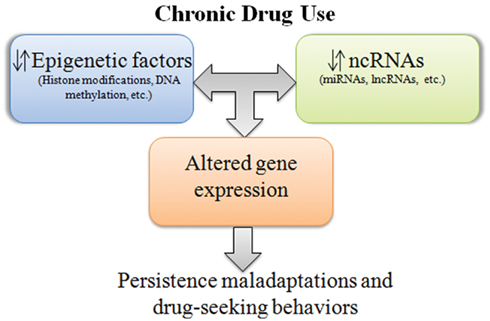
Epigenetic is a phrase used to denote the heritable alterations in gene expression which are not associated to the fundamental of DNA series; the alteration in phenotype without the alteration in genotype. Epigenetic alteration is a common and authentic happening though it may also be influenced by other factors like age, the surrounding or lifestyle, and the condition of illness. Epigenetic improvement can appear significantly like the way cells are terminally distinguish to end up as skin, liver, brain cells etc. or epigenetic alteration have more serious effects which can result in complications like cancer. By the way, we have about three systems include:

  • DNA methylation
  • Histone modification
  • Non-coding RNA (ncRNA)

These systems are related gene silencing and are currently believed to pioneer and a withstand epigenetic alteration. This is an area that needs further studies and research to uncover the role of epigenetic in variety of human disorders and lethal diseases. Because a lot more research needs to be done let us use the introduction we have given in a bid to discussing the epigenetic mechanisms of addiction to better understand how it affects substance abuser health.

Epigenetic mechanisms of addiction-Drug addiction

The scourge of drug addiction demands massive medical, economical and emotional clung on the society in the form of excess and health complications, family crumbling, loss of income and crime. The estimates according to NIDA (National Institute on Drug Abuse) indicate that in US alone the total cost of drug abuse is beyond US$600 billion yearly. The greatest concern is that of the steady increase in drug abuse by the young people and the consistent abuse of prescription drugs. It goes without saying that these statistics confirms the serious need of more research into the neuronal effects of substance abuse and the mechanisms of addiction with a view of finding the original targets for administering treatment and thwarting the addictive ailments.

Even though we are all faced with great risk of substance abuse, a hand full of us will not be strong enough to resist the temptation of drug use and coercion for pursuing drugs and eventually suffers an addiction. Being in this category is majorly swayed by ones genetic composition and the mental and communal background in which drug coverage occurs. Even though the genetic involvement to risk for addiction is approximately 50%, the precise genes which are intricate remain virtually unidentified. The addictive phenotype can continue in one’s life like forever with drug craving and relapse taking place even after decades of self-discipline signifying that drugs prompt lasting alterations in the brain fundamental addiction behaviors.

The many cells of specific organism, even though they encompass basically identical complements of DNA, differentiate to form different tissues and organs through controlled variations in the transcriptional potential of each gene, based on environmental cues, cell-to-cell signals and probably other random factors. It is becoming indistinct that many of the same processes of gene regulation which are intricate in the usual differentiation of cells and tissues during development are also tied up in the adult organism to mediate cellular adaptation to environmental stimuli.

The procedures involved in the instruction of transcriptional potential are diverse and highly complex, and include activation and inhibition of transcription factors, alteration of chromatin and DNA structure, and initiation of non-coding RNAs. Increasing evidence which supports the hypothesis that each of these mechanisms of epigenetic regulation is directly affected by substance abuse and that such adaptation is one of the main processes by which drugs bring highly stable variations in the brain that mediate the addicted phenotype. This Review summarizes the findings that support this hypothesis, and highlights areas in which future research will extend this fundamental knowledge of addiction and exploit it for new therapeutics.

Epigenetic mechanisms of addiction-Drug action and gene transcription

Apparently similar syndrome of addiction may result from acquaintance to a wide variety of chemical substances or even rewarding activities, from cocaine to gambling to sex. One collective mechanism in these various forms of addiction is thought to be activation of the brain’s reward circuitry, which centers on dopaminergic neurons in the ventral tegmental area (VTA) of the midbrain and their projections to the limbic system in particular, the nucleus accumbens (NAc; also known as the ventral striatum), dorsal striatum, amygdala, hippocampus and regions of prefrontal cortex. This reward circuitry is activated by stimuli or pursuits that encourage evolutionary fitness of the organism, such as nutrient-rich foods, sex and social stimulation. As drugs of abuse activate this circuitry far more strongly and persistently than natural rewards, and without being associated with productive behavioral results, chronic exposure to drugs modulates brain reward regions partly through a homeostatic desensitization that renders the individual unable to attain sufficient feelings of reward in the absence of drug. An alternative, but not mutually exclusive, hypothesis of addiction focuses on incentive sensitization, whereby drugs alter the reward circuitry to cause increased assignment of incentive salience to drug cues, effectively making drug-associated environmental stimuli more difficult to ignore and leading to intense drug craving and relapse. Pathological drug-induced alterations in the reward circuitry further impair behavioral control over drug taking.

Essentially all rewarding drugs escalates dopaminergic transmission from the VTA to the NAc and other target limbic regions, even though they both employ partially distinct mechanisms and in some cases involve other neurotransmitter systems as well. The activities of drugs on the NAc are further complicated by the cellular heterogeneity of this brain region. Although drugs differ in their acute mechanisms of action, the common syndrome of addiction suggests that chronic activation of these distinct, acute mechanisms induces some shared molecular adaptations in brain reward regions that mediate the lasting nature of the addictive phenotype.

Transcriptional and epigenetic mechanisms of addiction

Having discussed the dynamics of epigenetic mechanism of addiction you must have noted that it is such an interesting medical application in the effort of solving the problem of addiction. Now let us bring the whole article down a summery form and expand your desired scope of research on this particular topic of epigenetic.

  • I will suggest that alterations in the transcriptional potential of genes, through the actions of drug-regulated transcription factors, chromatin modifications and non-coding RNAs, contribute substantially to the neuroadaptations that motivate addiction. This Evaluation is to highlights key examples of such transcriptional and epigenetic mechanisms of addiction, and identifies some of the novel potential targets for therapeutic intervention during the addiction process.
  • The nucleus accumbens a region which is central to the dispensation of reward and the addicting actions of nearly all substance abuse contains a difficult milieu of cell types. It receives input from and sends signals to several brain sections. Chronic revelation to drugs of abuse alters gene expression patterns, as well as the morphology (and ultimately the functional activity) of nucleus accumbens neurons neuroadaptations which pay significantly to the addiction process.
  • Epigenetic regulation causes many adaptations of an adult organism to environmental stimuli similar to those seen in drug addiction. Post-translational improvement of histone tails and direct modification of DNA, as well as transformed levels or activity of a host of other chromatin remodeling proteins, mediate the ability of drugs of abuse, after chronic exposure, to change the expression of precise genes in the brain’s reward circuitry.
  • The current study of chromatin regulation in addiction models backs the view that epigenetic changes at individual genes do not only change the steady-state levels of their expression but also their inducibility in response to a subsequent stimulus. I will suggest that these latent epigenetic changes, termed gene ‘priming’ and ‘desensitization’, alter an individual’s adaptability and contribute substantially to the addicted state.

In conclusion because a lot of further research needs to be done I will make suggestions about some of the possible areas that need to be researched on and they include the following:

  • What controls the recruitment or expulsion of individual transcriptional and chromatin-regulatory proteins to a particular target gene?
  • What controls the formation and maintenance of distinct epigenetic states at particular genes?
  • How are the actions of drugs of abuse, all of which initially target the synapse, transduced to the neuronal nucleus to regulate the epigenetic state and transcriptional potential of individual genes?

Epigenetic mechanisms of addiction-What is Epigenetic


Facebooktwitterpinterestlinkedin

Meditation for Addiction

Meditation for Addiction-Treatment the Natural way

Meditation

Treating addiction has many methods among them is meditation

When we talk of medication normally the very first thing that comes into our mind is the natural experience of inner peace. When one is in problems they will always be restless in the mind. The application of meditation gives natural medicine and the experience of calmness. Calmness is a natural tranquility that makes us forget about our problems and with a quiet mind we have the positive will to manage our emotions and being able to effectively deliver on our assignments. To help us understand this discussion well it will be very important that we define certain terms as we progress.

Meditation for Addiction-What is Meditation

Meditation is a practice which has been associated with the eastern tradition for a long time but is currently present in almost every world culture in some form. Traditionally it was linked to the spiritual practices of some communities in India, China, Japan, and other Eastern cultures. Nonetheless currently the western version of meditation is majorly more focused on relaxation and stress reduction. Methods of meditation are wide and diversified in many ways.

  • There are thousands of specific meditation practices. Some focus on a quieting and clearing of the mind to experience a deep sense of presence in silence and connection to the spiritual world.
  • Others bring the mind’s focus to a single, specific thought or objective. This practice is self-guided and can involve the use of music, chant, breathing techniques, specific postures, or focus on a visualization or external image.

This method (meditation) of administering addiction treatment has been medically proven to be effective in reducing the rate of substance abuse and relapse in many settings. In addition to this the changes in thought processes and brain function which come with meditation is convincing scientists of the biological addiction process.

Why use Meditation to Treat Addiction?

While appreciating the use of conventional treatment for addiction it important to take into account that meditations like methadone also has a significant role in reducing withdrawal effects and craving for some individuals though this may sometimes cause undesirable side effects. Anyway depending on the individual needs and personality, conventional treatments might be limited in their short- and long-term effectiveness, beyond one’s available financial resources, inconvenient or inaccessible, in opposition to personal beliefs or values, or otherwise dissatisfying. For these individuals, meditation may offer either an alternative or complementary approach to improve the odds of success in treating addiction.

How Can Meditation Help Treat Addiction?

The spiritual and self-directed aspects of meditation may be appealing to certain individuals, increasing the effectiveness of this approach to addiction treatment. One 2003 study of drug users noted that meditation and other complementary therapies were used more often and considered effective by individuals with higher education, lower self-perceptions of their health, and access to a regular doctor.

In addition, the mindfulness that accompanies meditation has shown to be more effective than behavioral strategies that encouraged avoiding thoughts of substance use. Such thoughts inevitably surface in recovery, and meditation may offer a method for awareness and acceptance of these thoughts. This, in turn, may limit the transformation of these thoughts into the action of substance use.

While studying the use of meditation in the correctional facilities it was established that prison population support this idea and there was a decrease in alcohol use among the inmates who incorporated Vipassana meditation, a mindfulness form of meditation that focuses on acceptance of unwanted thoughts.

How to Meditate to Treat Addiction

The literature on using meditation for addiction most often describes the Vipassana type of meditation. In Vipassana meditation, one remains objective and does not attempt to deny the thoughts related to addiction but instead  when a thought or craving to use arises, Vipassana meditation encourages one to observe and acknowledge the presence of the thought while trying not to associate with it much. In this way, one can accept the reality of such thoughts while learning to refocus energy elsewhere. This type of meditation is much appreciated by many because it eliminates blame and stigmatization related to the addictive thought process but still acknowledging its reality.

  • Using Vipassana meditation for addiction would require the following:
  • Finding a quiet place without distractions
  • At least 20-30 minutes of dedicated time
  • Positioning (sitting) the patient on a chair or on the floor holding the head and back straight, in a comfortable position with eyes closed.

Remember that this is a mind-full form of meditation intended to ensure the body sensations and thoughts are activated and so if arose the need of shifting or moving then it should be done with an awareness of the sensation and action of the movement. Vipassana meditation is the act of watching what your body and mind are experiencing without over identifying or reacting to that experience. This is facilitated by paying attention to one’s breath, without trying to control or judge it. The period of meditation is an exercise in watching in this way, without judging or reacting to the breath, or thoughts or feelings. Through this practice, one comes to accept that thoughts and feelings related to addictive cravings will arise and by watching, they can be acknowledged and released removing their power. Your ability to successfully maintain a mind-full state will increase with daily meditation practice.

Meditation for Addiction-Treatment

From the narratives discussed medication is one of the methods you may want to use in treating your addiction problem however before you do this, it will be important that:

  • It is always a good idea to talk to your doctor before beginning a meditation or other complementary medicine program.
  • This is especially important if you are receiving allopathic addiction treatment, or if you have a respiratory, heart or other health condition.
  • In addition, prior to beginning meditation, discuss the benefits, limitations and any possible risks with your psychologist or other mental health care provider.

Having looked at medication as possible way of treating addiction let us take a moment and look into addiction briefly to have a better understanding of this whole process. Addiction is defined as a physical and psychological dependency on a substance or behavior. Ordinarily it is believed that addiction rotated a round alcohol or drug abuse but it can also take the form of a compulsion to smoke, engagement in sexual activities or gambling. As a matter of facts nearly all behaviors can become addictive take for example internet, phone or other technology oriented devices used in today’s society. Whatever the form it take addiction can lead to profound consequences in almost all areas of life, because of the dangers it is important that treatment is sought in good time before it is too late.

Finally as we address the treatment of addiction, we have seen that medication can be very helpful but this is just one method and in all methods there will be great need of the involvement of an experienced medical expert to give the much needed medical professional advice. This is a service that you can only get at AWAREmed Health and Wellness Resource Center. A facility founded by doctor Dalal Akoury. A visit to this facility would be one of the best decision you will make because your addiction problem will be eliminated in the most efficient way and with a team of experts who will be focusing on among other treatment means Neuroendocrine Restoration (NER) to reinstate normality through realization of the oneness of Spirit, Mind, and Body, Unifying the threesome into ONE

Meditation for Addiction-Treatment the Natural way


Facebooktwitterpinterestlinkedin