Category Archives: Men’s Health

Kidney Health and Blood Sugar

Kidney Health and Blood Sugar

The connection between hypertension and blood glucose is even more insidious than it seems. When you think of hypertension the organs that come into your mind are probably the kidney, then the heart. The kidney refused to regulate the amount of blood sugar. A lot of it got deposited on the walls of blood tissue resulting in some unregulated pressure for this life fluid.

Hypertension often accompanies diabetes in the event of chronic hyperglycemia. Clearly then, the relationship between elevated blood glucose, hyperinsulinemia and kidney health is a complicated one. You probably understand how crucial the kidneys are in maintaining the balance in the body system. The organ plays an essential regulatory role in creating the body’s equilibrium through osmoregulation.

With diabetes, the kidneys are at risk. Yes they often help in releasing of glucose into the blood circulation via a process known as gluconeogenesis, lead the uptake of glucose from the circulation to satisfy the body’s energy needs, and then help reabsorb blood sugar at the point of the proximal tubule. But diabetes can often cause this vital osmoregulatory system to break down.

This happens when the high levels of blood sugar damages the kidneys rendering them dysfunctional. When the kidneys fail they are not able to filter out waste from the blood any more. This may often lead to kidney disease (nephropathy) with time.
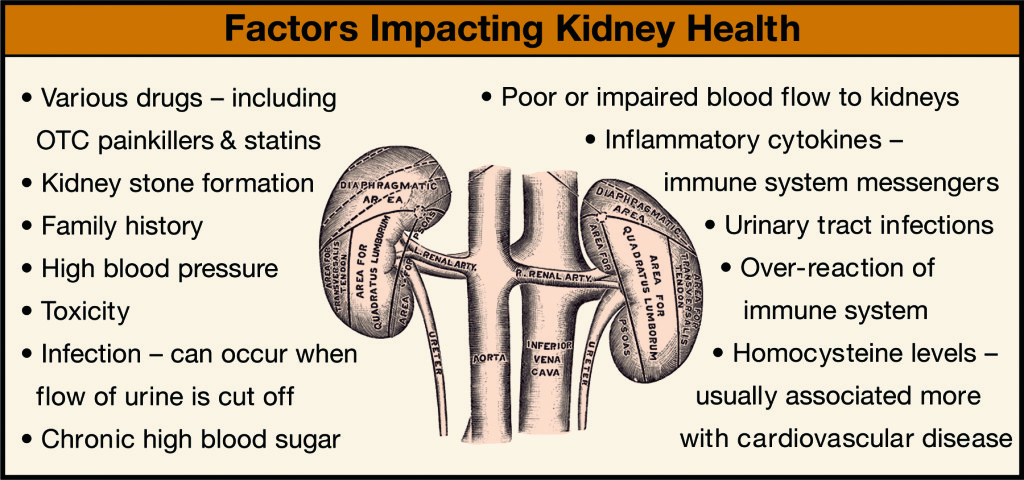
Kidney-Health

Where does the sugar come from?

The diet! Organ failure. Related disorders. Genetics. Lifestyle choices such as exercise and lack of it. All these factors bring the excess sugar into your blood. Any of these factors may be responsible for a diabetic condition. This path is however a long one. One does not simply wake up one morning and have diabetes.

Of all these factors, the diet is the major root cause of diabetes. Statistics show that the contemporary world populations take a lot of sugar in their diet. Try to imagine how much soda you take in a week, how much peanut butter you consume, yoghurt, crackers, ketchup…and the list may go on and on.

America alone was last estimated to have its population consume 156 pounds of sugar every year each person. Among these ponds of sugar consumed, soft drinks alone was found to take up 33 percent of the total sugar intake.

Depending with which type of diabetes is in question, the causes are different. Diabetes type 1, for instance is caused by the presence of insufficient insulin in the victim’s body. This involves a condition where for some reason the pancreas failed to produce insulin. Most likely this is caused by some hereditary condition. It may be a case of autoimmunity.

Insulin resistance on the other hand results into the diabetes type 2. This takes time. You take that sugar of yours over time. You are warned about it. Even the doctor tries to prescribe for you a healthier alternative but you remain adamant on the soda and ice-cream routine. So as time goes by, you develop an addiction to sugar. You sometimes see the syndromes coming but you just cannot quit the wrong path.

What happens in the end is the presence of too much sugar in your blood that the organs responsible for its regulation can no longer control it for you. Your kidneys’ nephrons get overworked by having to filter too much blood due to the presence of excess glucose in the bloodstream. So with time, this added work exerts a lot of pressure on these kidney tubules forcing them to lose that filtering ability. As a result, no reabsorption of glucose takes place at the proximal tubule resulting in a very high blood sugar level.

The endocrine mechanism

This blood sugar regulation process involves a complex system of hormone balance. Insulin and Glucagon are the two major hormones involved here. In fact diabetes can more accurately be viewed not as a sugar disease, but rather an insulin disorder. Insulin is responsible for promoting the absorption of glucose from the blood to skeletal muscles and fat tissue. The hormone also causes the fat to be stored in that form instead of being hydrolyzed for energy production. This way hormone insulin regulates the metabolism of carbohydrates and fats.

Insulin is a peptide hormone made by the pancreatic beta cells. It allows the body therefore to use sugar/glucose contained in carbohydrates in the diet to synthesize energy. Alternatively it helps to store glucose for future use in inert form. As such, Insulin helps keep the blood sugar levels from getting too high, a condition referred to as hyperglycemia, or low; a condition known as hypoglycemia.
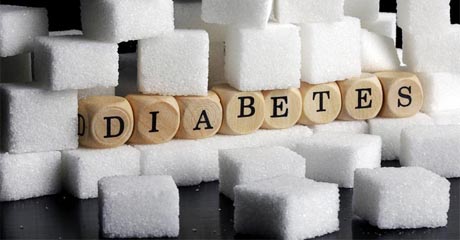
Diabetes-AwarenessBlood sugar is root-controlled by 3 major organs; pancreas, liver and the adrenal glands, given the fact that adrenaline, thyroxin and cortisol are also involved.

Hypoglycemic conditions stimulate the adrenals and the liver to produce a counter effect with the help of their respective hormones. The adrenal glands increase the production of hormone cortisol which prompts the liver to raise blood sugar levels. In this process of trying to arrest the situation, the increased cortisol eventually leads to weight gain by cortisol mobilizing fat in the body. This causes the fat to settle in the abdomen making it fatter.

Problems posed by the sugar

With the increased sugar levels, diabetes is not the only adversary you are facing. There is more than just the diabetes. Rather, you are faced with an increased cardiovascular disease, obesity, nutrient deficiencies including a reduced level of the essential B vitamins. Dysfunctions related to blood sugar dysregulation are also common. You may also encounter strokes, metabolic syndrome, oxidative stress and a possible adrenal or pancreatic dysfunction.

Physical signs for the blood sugar issue?

Rising blood pressure may be a sign of a cardiovascular problem. You may also experience adult acne, slow healing of wounds, white patches on inside of your cheek, cataracts and sometimes chronic bladder infections.

The good news is that there is a relatively simple way of improving all these conditions at the same time. AwareMed recommends that you follow a reduced-carbohydrate diet that includes plenty of fresh, potassium-rich vegetables, low-glycemic fruits and healthy fats—the latter of which have virtually no effect on glucose and insulin levels.

Kidney Health and Blood Sugar


Facebooktwitterpinterestlinkedin

Inflammation, Cancer and health

Inflammation, Cancer and health – Why your diet is important

Inflammation

Inflammation, Cancer and health. Actually inflammation can lead to several health complication more so if it is chronic inflammation.

The body defense mechanism is always under certain threats despite the measures put in place to defend it from both external and internal attacks. The body immune system and the white blood cells are such defense mechanism the body relays on for protection against diseases and infections. Whenever they are under attack the whole body organs including the skin are at risk of various infections. We are therefore going to discuss the effects of inflammation on human health generally before we can get to specific areas of the body.

What is inflammation?

There are two different kinds of inflammations and they include the following:

  • Acute inflammation
  • Chronic inflammation

Acute inflammation – this is actually your body’s natural and helpful immune response to tissue damage. Like for instance when you get a bruise or wound either from a minor accident or otherwise, the wound or the cut swells, reddens and feels inflamed. These are all signs that your immune system is busy at work sending white blood cells to the site of your injury to repair the tissue. In situation like this, inflammation is our friend and we couldn’t live without it.

Chronic inflammation – this is a situation where your body’s confused and damaging immune response to a bombardment of environmental, physical and mental invaders, which come in the form of things like poor diet, toxic chemicals and stress. Therefore this article will be focusing on the type of inflammation. Here’s chronic inflammation in a nutshell:

What does inflammation have to do with cancer?

Like I have indicated in the introduction that the body’s immune system is facing threats of being weaken by several health complications. For example the prolonged inflammation can harm your body’s healthy cells and tissue thereby causing the deterioration of your immune system. This deteriorated state can escalate your risk of diseases like cancer.

Nevertheless, it is important to note that not all inflammation is bad. Your body’s inflammatory response is essential for you to heal. This response communicates with your body’s immune system to send white blood cells and chemicals to help fight off infection or repair an injury.

But when inflammation persists, or when your body triggers a response when you don’t have an infection or injury, its cause for concern.

Other causes of chronic inflammation can include obesity, smoking and even the second hand smoking, stress, lack of exercise, exposure to secondhand smoke and diet choices. And worse, chronic inflammation often shows no signs.

The good news is you can reduce chronic inflammation and lower your cancer risks. “It starts with your diet”. An anti-inflammatory diet also can help you avoid diabetes, heart disease and Alzheimer’s.

The following are some of the anti-inflammatory diet tips.

Add more plant foods to your plate

Plant foods are the only foods that contain anti-inflammatory phytonutrients. Plus, they are high in the antioxidants and fiber your body needs to stay cancer-free. Fiber also can lower levels of C-reactive protein (CRP), a protein in the blood that signals inflammation.

The experts in nutrition recommend filling at least two-thirds of your plate with foods realized naturally from the vegetation. Like for instance:

  • It is advisable that you serve half of your plate with non-starchy vegetables and fruits of all colors.
  • Make one-quarter of your plate whole grains or starchy vegetables, like potatoes, corn and peas.
Limit processed foods

Choosing whole, fresh foods and doing your own prep maximizes nutrients and phytonutrients. These nutrients keep us healthy in many ways, while reducing inflammation.

Processed foods are lower in nutrients and higher in refined sugars, flours and fats. These foods are usually loaded with artificial ingredients that can increase CRP levels.

  • Avoid highly processed foods, like fast food, packaged and instant foods.
  • Steer clear of processed meats, like deli-meats, bacon, sausage, hotdogs and pepperoni.
  • Sodas and other sport drinks are to be no go zones.
Balance fatty acids

Omega-3 fatty acids can help protect your body from chronic inflammation. On the other hand, omega-6 fatty acids increase inflammation.

Many Americans are trying to include more omega-3 fatty acids in their diet. But, they’re still eating too much omega-6 fatty acids.

The key is balance, so you’ll take in more omega-3 and less omega-6.

  • Eat foods high in omega-3 fatty acids, such as salmon, tuna, halibut, flaxseeds, chia seeds, walnuts, pecans and avocado.
  • Use oils high in omega-3, such as olive and canola.
  • Avoid or limit oils high in omega-6, such as corn, sunflower, peanut and soybean.
  • Read the ingredients on packaged foods. Limit foods made with refined vegetable oils high in omega-6. You’ll find these oils in most snack foods, cookies, crackers and sweets.

Reduce consumption of red meat

Eating too much red meat, like pork, beef, lamb, deer and buffalo, can increase your cancer risks. Try to limit red meat to 18 oz. or less each week to keep your cancer risks low.

The experts suggest replacing red meat with these high protein foods to help reduce chronic inflammation.

  • Choose animal proteins, such as skinless chicken, turkey and fish.
  • Replace animal proteins with plant proteins, such as beans and lentils, at some meals.
  • Choose meat, milk, cheese and eggs from pasture-raised and hormone-free animals.

Eat more fermented foods

Fermented foods such as yogurt, sauerkraut and miso contain probiotics that help reduce inflammation. To get the most health perks, eat at least one small serving of a fermented food each day.

  • Choose low-fat, plain organic yogurt and kefir.
  • Try fermented vegetables, such as sauerkraut and kimchi, with a sandwich or salad.
  • Enjoy a cup of miso soup or kombucha tea.

Foods that help prevent cancer also help reduce chronic inflammation, and vice-versa. So, following these guidelines will ultimately reduce your risk of a variety of chronic diseases, and improve your quality of life.

If you’re concerned you have chronic inflammation, speaking to doctor Dalal Akoury will be very helpful to you to unlock all the problems going through your mind. Doctor Akoury is an expert of more than two decades and has transformed many people’s lives through effective treatment which is precise and direct to the last solution. Remember that inflammation may not be friendly to you at all and so scheduling for an appointment the doctor Akoury is the best you can do for yourself, your family and even to the extended family.

Inflammation, Cancer and health – Why your diet is important

Facebooktwitterpinterestlinkedin

Magnesium Depletion and Chronic Diseases

Magnesium Depletion and Chronic Diseases

The metabolism of carbohydrates and fats to produce energy (which includes ATP production) requires numerous magnesium-dependent chemical reactions. Magnesium is also required for a number of steps during DNA and RNA synthesis. Glutathione, an important antioxidant, requires magnesium for its production.

If that makes you think magnesium is such an essential metal then there is a host of more surprises for you. Magnesium is truly an essential mineral that your body requires for maintaining its normal nerve and muscles function. Magnesium helps keep the body’s immune system healthy. It is also essential in maintaining your heart rhythm and is necessary for the building of strong bones.

In addition, Magnesium is involved in a minimum of 300 biochemical reactions in the human body. This means that a deficiency in magnesium compound can lead to a wide range of disorders including muscle spasms, diabetes, heart disease, high blood pressure, migraines, anxiety disorders, cerebral infarction and even osteoporosis.

A deficit in magnesium also referred to as magnesium depletion is caused as a result of dysregulation of the state of magnesium in the body. This is the result of dysregulation of the mechanisms that control the metabolism of magnesium. These could occur in the form of a failure of these mechanisms causing magnesium homeostasis. It could also be as a result of intervention of iatrogenic or endogenous factors which eventually disturb the magnesium status.

Some studies observe that this depletion cannot be corrected simply by nutritional supplementation alone. Rather, certain specific dysregulation correction mechanisms are crucial in remedying the condition.

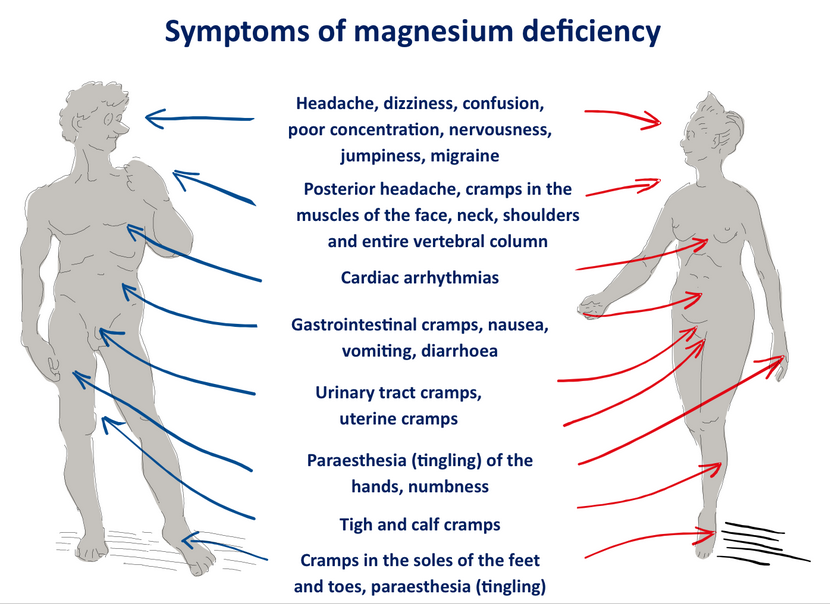
Magnessium_Deficiency

Magnesium depletion should be clearly differentiated from magnesium deficiency in the body. Deficiency is a disorder of magnesium that simply results from an inadequate intake of the mineral in the diet. An oral magnesium supplementation is recommended and is enough to correct the disorder.

High Risk Groups For The Magnesium Disorder

There are certain groups of people that are more vulnerable to the magnesium related disorders given its primacy in a number of body processes. Studies have identified long distance athletes as a potentially high risk group with regard to magnesium deficiency. These are people who conduct strenuous long distance exercise. They tend to lose electrolytes through their sweat and need to replenish their essential minerals such as sodium, phosphorus and potassium, but most particularly magnesium levels.

People who drink a lot of alcohol may also need adequate replenishing of magnesium lost during dehydration. Those who suffer diarrhea as well as others who may be dehydrated through other means also need to replenish their magnesium levels as well as the levels of sodium metal, potassium and phosphorus.

The elderly and those who have poor functioning kidneys may be subject to loss of magnesium through urine. This happens when the kidneys cannot retain the magnesium in the blood or reabsorb it through its tubules resulting in dysregulation of this essential mineral. Consequently the person’s system will not be excreting less magnesium when the mineral stores are low. In addition, the elderly naturally need the mineral since the amount of magnesium absorbed by the body decreases with old age as the amount excreted increases.

If you have any form of gastrointestinal disorders, chances are that your colon will not be able to absorb enough of the mineral. Most magnesium in the gut is often absorbed through the large intestines. This means that people with gastrointestinal disorders such as Crohn’s disease are faced with the risk a possible magnesium deficiency.

The same goes for those who consume high amounts of Fiber. The bodies’ ability to make use of magnesium has been found to be affected by taking in a lot of fiber in the diet. The ratio of this effect is yet to be established through further research. Still on the question of diet, low protein consumption is also said to have an effect on magnesium in the body.

Magnesium Sources

magnesiumMagnesium is found in a number of food products that can be found readily in the market. Foods high in magnesium include nuts, dark leafy greens, seeds, beans, fish, bananas, whole grains, dried fruit, avocados, yogurt and dark chocolate. This is however not the entire list of foods rich in magnesium. There are a lot of other products that contain magnesium in large amounts. These can be found at AwareMed. In fact, AwareMed is the best place where you can purchase magnesium.

Consuming too much magnesium may typically be dangerous and can make you diarrhea. This is why AwareMed emphasizes having the magnesium chelated.

Nuts, dark chocolate, molasses and seeds are high calorie foods and good sources of magnesium. They should thus be eaten in moderate amounts by those who have high body mass index (BMI).

Other sources of magnesium such as almonds, dark chocolate and spinach are rich in oxalates and these inhibit the absorption of some magnesium. The foods are however still good sources of the metal.

Noteworthy is, Brazil nuts are a rich source of selenium. Too much selenium may lead to unfavorable conditions like bad breath, diarrhea and even loss of hair.

The following factors may affect magnesium absorption

Absorption of the mineral may be enhanced by taking diet rich in fermentable carbohydrates such as those found in dairy, grains and fruits. Protein foods also may help with the absorption of magnesium while eating foods that are high in insoluble fiber is likely to deter magnesium absorption.

Grains, vegetables and seeds may contain phyrates that somewhat deter the absorption of magnesium. On the contrary, the soluble fiber as well as the fermentable carbohydrates that are found in the same foods are likely to counter this effect. This makes most plant foods a powerful source of magnesium.

Magnesium Depletion and Chronic Diseases


Facebooktwitterpinterestlinkedin

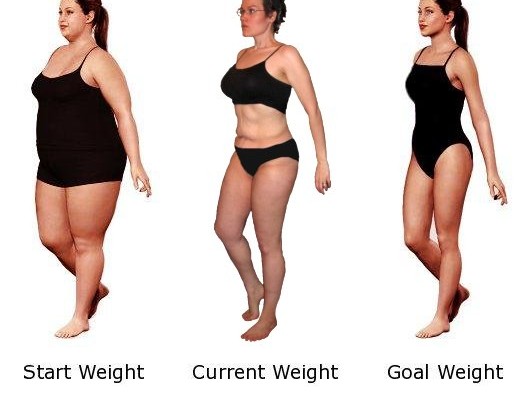
Losing Weight and the Real Gains it brings to determined people

Losing Weight and the Real Gains it brings – Celebrate your Achievements is others don’t

Losing weight

Losing Weight delivers real gains to those people who are determine to achieving their weight loss goals. You can be among the determined team.

Many people are worried of failing in the programs of weight loss and so they keep off the temptation of being in such programs. What they don’t understand is that, at what time do they start seeing the benefits of losing weight. To what degree or what amount of effort one needs to put in a weight loss program. This lack of information or do I call it knowledge is what this article want to solve. Losing weight has real life benefits, whether it is individually done or in a group. It will not matter the season whether it is during your busy work schedule time or when in holidays. The benefits are the same and have far reaching positive effects on one’s life and general wellbeing. To start you off, that is if you’re one of the worried lot, information is very important. It is said that information is power and that is why AWAREmed Health and Wellness Resource Center under the able leadership of doctor Dalal Akoury is here to offer you this asset to help you shed off the worry.

Seeing the real benefits of losing weight needs not be that intensive where you have a taxing diet plan or making a sudden drop of a large amount of weight. In fact the health benefits begin to payoff even before you start seeing the physical changes. Realistically the real benefits of losing weight are to improve and make better your health. Health actually comes first even before the physical benefits. Whereas it may be difficult to a certain the actual quantity or quality of life added or enhanced when one shed off some weight, the common denominator is that there is great improvement of health. In many instances “if not all” people often feel better and have more energy while others will experience an enhancement in their self-worth. Ordinarily any weight above of BMI 30 is not healthy and is considered overweight or obesity. Therefore a reduction in that would generate so many health benefits including:

Losing Weight and the Real Gains it brings – Your Heart and Your Life Improve

It will interest you to know that of the benefits of losing weight, the greatest beneficiary is the heart. There is almost immediate reduction of risks of heart attack and beyond. Like I was saying never get worried or get discouraged in taking part in weight loss program because the benefits are torching on the core organs of the body. Remember that even that slight weight loss which ordinarily would be seen as negligible means more energy and the ability to more activities. Taking little weight loss activities over time will boost your confidence and become an incentive to graduate from one level to another. The ultimate goal is that your general life quality is enhanced in all dimensions.  My encouragement to you is, never be discouraged. Your best asset is your health and anything affecting it should be your greatest concern. Therefore take your time and improve the quality of your health by scheduling a meeting with doctor Dalal Akoury for anything touching on losing weight for life perfection.

 Losing Weight and the Real Gains it brings – Almost Instant Gratification

The heart is one such organ whose functions are very pertinent to life. Guarding and protecting its proper functionalities is not negotiable. Just the mere fact that you’re overweight can exact pressures to your heart, which can lead to a multitude of health complications, including heart disease. Like I had said never under estimate the little weight you lose. For sure you don’t need to take off say 50 pounds to see an improvement. Losing as little as 10 pounds can lower your blood pressure and begin to ease the pressures. I know that the load of discouragement can be too heavy on you but a visit to AWAREmed Health and Wellness Resource Center will be your starting point for ultimate weight loss recovery process. At this facility, doctor Akoury will upon taking through evaluation on your health and suitability to go through the weight loss program, she will focus on Neuroendocrine Restoration (NER) to reinstate normality through realization of the oneness of Spirit, Mind, and Body, Unifying the threesome into ONE and by the end of the program you will have that perfect life you’ve ever dreamt of. Make that valuable call today to doctor Akoury for full life enjoyment.

Losing Weight and the Real Gains it brings – Losing weight Better Numbers in 30 Days

Watching what you eat will have the biggest impact on your blood pressure, but exercise is also an essential ingredient for success. Working out can lower blood pressure by as much as five to seven points. And you can see these results just one month after boosting your activity. Always prioritize some 30 minutes of simple physical activities each day. For instance light intensity exercises like walking, dancing, cycling, jogging and swimming are simple ways to develop a culture of exercising and begin seeing promising changes.

Losing Weight and the Real Gains it brings – How to Lose For Good

Remaining consistent to losing weight takes hard work and great determination and it’s worth the effort. Upholding this is the best way to cling on to the health benefits you gain from dropping some pounds. The following are some health tips to help you remain focus on your weight loss program:

  • Try practicing the DASH diet program. This was developed to help lower blood pressure without medication but has since become the favorite for many people who want to lose weight. For food, always go for less processed food, less sodium, and more fruits and vegetables. There’s also an emphasis on high fiber and less fat and sodium.
    • Set specific and realistic goals. You could probably start with walking for about thirty minutes for 3 days in a week.
    • Get your team together. Build your support network. Tell your friends, family, and doctors about your goals this will help them know how they can intervene in your program to help you realize your goals. Get them on board to cheer and encourage you.
    • Keep a food and exercise log for motivation and to track what’s working and what’s not.
    • Sometimes people may not notice your success and even when they notice, they may not take interest on it by appreciating you. Therefore always take time and celebrate your success. Compensate yourself without food by making a list of realistic treats when you hit your target even after your initial weight loss goal. Take yourself out to a show and get a massage, or pick another treat that makes you feel special.

Finally our main concern remains to be losing weight and the benefits associated with it. These benefits are up for grubs but am not promising that it will be easy. There will be challenges on the way and that is why you need to be in constant consultation with doctor Dalal Akoury for any technical issue and she will help you remain on course for the completion of this worthy assignment.

Losing Weight and the Real Gains it brings – Celebrate your Achievements is others don’t


Facebooktwitterpinterestlinkedin

Vinegar the Blood Glucose Controller

Vinegar the Blood Glucose Controller: A Secrecy Weapon in the Kitchen Pharmacy

vinegarMost of the dishes in our fast foods restaurants are often accompanied with containers of vinegar. For a long time I never considered putting it into my plate of fries. After all, why would I, if I had all the spicy Hot and Sweet tomato-chili sauce right there with me? Why would I spoil my otherwise tasty meal with what I consider a predominantly female preference-the acidic stuff: Vinegar? This attitude has since changed!

I have come to appreciate the taste of vinegar. Truly some of our sensual responses depend on the attitudes we have previously formed about them. And if you are among the folks who still share my initial attitude toward vinegar then you need to understand what it brings with regard to diabetic conditions.

What studies have found

Recent studies carried out to assess the effects of vinegar have established that taking a given amount of vinegar dosage before meals have great positive results pertaining to the levels of blood sugar. 2 tablespoon portions which amount to about 30 ml dose of vinegar before taking two meals in a day over a period of four weeks was found to help Type 2 diabetic patients to lose weight while at the same time have their blood sugar levels dropped.

The vinegar portions do this by slowing down the dumping of sugar into the bloodstream after a meal. If you have either diabetes type 1 or type 2 therefore, and you take insulin, a shot of vinegar will thus slow down the absorption of sugar from the carbohydrates long enough to give your insulin time to work. Vinegar generally delays the need of body for insulin. It does not however eliminate that need. It only helps to change the glycemic index of the foods you take. This is to say that the vinegar is not a cute for diabetes, it is just a way of dealing with the sugar levels as a control mechanism. This should help clear the air for the rumors that vinegar is a cure for diabetics.

The substance contains a rich amount of organic acids, soluble fiber which is also referred to as pectin, and acetic acid. All these components aid the slow-down of the emptying of the stomach. They delay the digestion of the carbohydrates. With this delayed process of absorbing food from the large intestines, you are assured of a delayed sugar intake by the bloodstream.

Actual vinegar has not been deprived of any of the above compounds. Though vinegar supplements usually have been pasteurized and contain less compounds in them. The substance is known to stop the digestion of carbohydrates in the stomach to a given percentage.

This makes vinegar very useful to people with type 2 diabetes, whose pancreases apparently cannot release insulin fast enough, though they do release the hormone, to take care of all the carbohydrates digested from the food after you have eaten. This involves a case of higher amounts of sugar than the insulin can handle. Vinegar therefore works side by side with the ‘weak’ insulin to ensure the hormone can take its time in dealing with the blood sugars. The message here is: your body still needs insulin whether or not you are using vinegar.

The previous studies have aided the researchers in hypothesizing that the carbohydrates might eventually ferment in the individual’s small intestines. This in effect will create by-products that send a signal to the liver to initiate a negative response by not making as much cholesterol.

It is based on this ground that a number of practitioners have always thought of vinegar as being able to reduce cholesterol from the body. These researches confirm otherwise though. The vinegar only initiates a process that in turn produces a negative response toward the secretion of cholesterol. As such, the vinegar indirectly discourages the production of cholesterol but does not affect the amounts already in circulation in the body of the individual.

Vinegar-Is-One-Of-The-Most-Powerful-Health-Tonics

Using two groups of volunteers in a study have indicated no effect of vinegar on the levels of cholesterol in the body. The volunteers subjected to a dosage of vinegar however record no increase in their weight with significant weight losses without additional exercises or dieting though. This helps shade empirical light to the above discussion.

from a vinaigrette on a salad. The Arizona State researchers are considering creating a vinegar supplement, but caution that the vinegar supplements currently on the market do not contain acetic acid, which makes the treatment work to help with weight loss and lower blood sugar levels.

The way to describe how acidic foods affect or alter the glycemic index… is to say it is unexpected. The way vinegar lowers blood sugars is by slowing the absorption of digested sugars from the large intestine. The acid in vinegar is neutralized by bicarbonate in the intestines, and without the bicarbonate, glucose does not pass into the bloodstream quickly. Eating a vinegary pickle, or even taking a little shot glass of vinegar before a meal will reduce post-prandial blood sugar increases.

All that said, this is the summary of how acidic foods work: what happens is acidic foods significantly lower the glycemic index of a carbohydrate food, or a meal, by one-third. The reason lies in how your stomach and digestive system work (see above). Acidic foods slow down the emptying of your stomach. The food slows down your digestion, which slows down how quickly your blood sugar levels rise.

Vinegar the Blood Glucose Controller: A Secrecy Weapon in the Kitchen Pharmacy

Facebooktwitterpinterestlinkedin