Category Archives: Men’s Health

Obesity in Atrial Fibrillation and Respiratory diseases

Obesity in Atrial Fibrillation and Respiratory diseases – The Experts opinion on Obesity
Obesity in Atrial Fibrillation and Respiratory diseases

Obesity in Atrial Fibrillation and Respiratory diseases are a great threat to the well being of humanity

If you have been with us for a while now we have been discussing about the connections between obesity and several chronic health implications. In our most immediate article doctor Dalal Akoury helped us to get the insight about the connection between diabetes, hypertension, heart diseases and their association with obesity and weight gain. In this article we want to continue with the discussion singling out obesity in atrial fibrillation and respiratory diseases. Like we had said before the kinds of health complications associated with obesity can be very fatal. That is why doctor Akoury founded AWAREmed Health and Wellness Resource Center to help address various health issues affecting the societies today. The decision of Dr. Akoury to create this medical center was guided by her desire to transform people’s lives through increasing awareness about health and wellness and by empowering individuals to finding their own inner healing power. Dr. Akoury’s practice focuses primarily on personalized medicine through healthy lifestyle choices tailored to primary prevention and underlying causes instead of patching up symptoms. If you need help on matters pertaining addiction, weight gain, obesity, beauty among other health complications then you can schedule for an appointment with her today for professional treatment. In the meantime, let us get into the discussion of our topic (obesity in atrial fibrillation and respiratory diseases).

Obesity in Atrial Fibrillation and Respiratory diseases: Atrial Fibrillation

Atrial fibrillation is caused by an abnormal electrical system in the heart, which makes the upper chambers of the heart beat in a rapid and disorganized way. In some cases, the exact cause of atrial fibrillation is unknown, but conditions that affect the health of the heart, along with older age, are some of the known risk factors which may include:

The consequences of being obese is that, your heart may be damaged in the process leading to atrial fibrillation by causing pressure to build up in the blood vessels of the lungs. The implication of this is that pressure will be building up on the right side of the heart a factor that is always triggered by atrial. Remember that obesity also exacts pressure on your neck when sleeping. This compresses the neck and frustrates breathing a condition known as obstructive sleep apnea. Sleep apnea causes oxygen in the blood to dip down to dangerous levels, and that may cause functional and structural changes in the heart that trigger atrial fibrillation.

Obesity in Atrial Fibrillation and Respiratory diseases: Can Losing Weight Help?

When a problem like this one sets into the body the only logical thing to do is to find not just solutions, but lasting once. Therefore for lasting solutions the place to be is AWAREmed Health and Wellness Resource Center under the able leadership of doctor Dalal Akoury. The experts at this facility understand the implications of obesity in atrial fibrillation and so they will help you in the most natural way to reduce your excess weight.  In the process of losing weight, it is important that you know that if you already have atrial fibrillation then you must not relent in the process because health complications associated with obesity like high blood pressure, heart failure, and diabetes has high potential of triggering stroke which is the primary danger of atrial fibrillation. Therefore for precautionary measures the following weight loss techniques will be very helpful for you:

  • Follow a heart-healthy diet low in saturated fats and rich in whole grains, fruits, and vegetables.
  • Be physically active for at least 30 minutes periodically on a weekly basis.
  • Ensure that your diabetes condition is put under good control.
  • Reduce your consumption of salt.
  • Sugar is not healthy so consume sparingly.
  • Quite smoking.
  • Avoid excess alcohol consumption.

Obesity in Atrial Fibrillation and Respiratory diseases: Respiratory disease

Obesity is a worldwide public health problem, and more than 50% of adults in the United States for example are believed to be overweight or obese. Like I have indicated earlier obesity is inclined with numerous medical diseases, including diabetes mellitus, hypertension, cardiovascular disease, stroke, dyslipidemia, osteoarthritis, cancer, obstructive sleep apnea, and gall bladder disease. It is also associated with several abnormalities of respiratory function. Obesity is characterized by altered respiratory system mechanics, resulting in decreased lung volumes. This is related to decreased chest wall compliance from an elastic load on the chest and abdomen as well as decreased lung compliance resulting from the closure of dependent airways. Because of these abnormalities, a greater negative pleural pressure is needed to initiate airflow. Obese patients may also have reduced respiratory muscle strength. Respiratory system resistance is increased as a result of smaller airway caliber associated with decreased lung volumes. The resistance in the larger airways is typically normal. Some people with obesity may be hypoxemic, resulting from ventilation–perfusion mismatching, especially in the poorly expanded lung bases.

Sleep-disordered breathing, including obstructive sleep apnea (OSA) and alveolar hypoventilation, is extremely common among obese people and can contribute to the development of pulmonary hypertension and cor pulmonale. Morbidly obese patients are at increased risk for developing overt respiratory failure. Obesity hypoventilation syndrome (OHS), which is usually seen in more severe obesity, is characterized by daytime hypercapnia, an impaired central respiratory drive, and nocturnal hypoventilation. Such people often develop pulmonary hypertension, cor pulmonale, and respiratory failure.

Obesity is a major cause of dyspnea, exercise intolerance, functional limitation, disability, and impaired quality of life. The following physiological conditions impair exercise tolerance:

  • Pulmonary function and gas exchange derangements
  • Increased metabolic rate relative to lean body mass
  • High metabolic (oxygen) cost to perform modest exercise
  • Exaggerated cardiorespiratory response to exercise
  • Circulatory impairment (claudication, microvascular disease, or both)
  • Cardiac impairment as a result of myocardial ischemia; pulmonary or systemic hypertension
  • Reduced respiratory muscle strength
  • Anxiety
  • Mechanical inefficiency
  • Musculoskeletal disturbances

Regular exercise is a crucial component of weight loss intervention programs. Exercise training, more so when put together with calorie restriction, can lead to decreased body weight and fat, increased fat-free mass, improved strength and endurance, and improved aerobic fitness. However, traditional weight loss programs are generally not configured to meet the needs of morbidly obese people or obese patients with gas exchange impairments or respiratory failure. Comprehensive pulmonary rehabilitation is better suited to meet these complex needs, utilizing its components of exercise training (including recommendations for long-term adherence), collaborative self-management education, nutrition counseling, and psychological support for anxiety and depression while closely monitoring the patient’s respiratory status. Pulmonary rehabilitation can lead to lower body weight and improved functional status and health status in obese patients.

Goals of pulmonary rehabilitation for obese people with respiratory impairment include the following:

  • Increased exercise tolerance
  • Weight loss
  • Increased self-efficacy
  • Decreased disability and return to ADLs, hobbies, and work
  • Acclimatization to or optimization of use of CPAP or BiPAP
  • Optimal utilization of assistive equipment (related to mobility, self-care, and hygiene), home care services, and outpatient resources

Additional special considerations apply to the rehabilitation of people with morbid obesity and people with severe obesity with concomitant lower-extremity musculoskeletal disturbances. In general, such rehabilitation requires special equipment that can accommodate people of extreme weight. Morbidly obese people may not be able to use standard exercise equipment such as cycle ergometers and treadmills. Staff members must be familiar with the weight limits of the equipment in their programs. Walking, low-impact aerobics, and water-based activities are suitable forms of aerobic exercise for these patients. Recumbent bicycles, bariatric walkers, quad canes, commodes, wheelchairs, lifts, scales, and beds specially designed for obese people are commercially available. Extra staff may be needed to assist the morbidly obese patient with ambulation, transfers, stair climbing, and bed mobility. Extra-wide chairs that can accommodate extra weight should be available.

Obesity in Atrial Fibrillation and Respiratory diseases – The Experts opinion on Obesity


Facebooktwitterpinterestlinkedin

The Relationship between Obesity and Cancer

The Relationship between Obesity and Cancer: Different types of Cancers Discussed

The Relationship between Obesity and Cancer

The Relationship between Obesity and Cancer can not be taken for granted. Both are chronic in nature and can do great harm if not addressed timely

Even though overweight or obesity doesn’t cause cancer, it is one of the major risks factors of various types of cancers. We talked with experts at AWAREmed Health and Wellness Resource Center to help us understand the relationship between obesity and cancer and that is what we want to discuss in this article. we may not exhaust all the types of cancers but we are going to share with you as much as we can and request you to schedule for an appointment with doctor Dalal Akoury who is also the founder of this facility and she will be able to take you through all your concerns. The following are some of the types of cancers we want to look at:

  • Breast cancer
  • Endometrial cancer
  • Colorectal cancer
  • Kidney cancer
  • Esophageal cancer
  • Pancreatic cancer
  • Thyroid cancer
  • Gallbladder cancer

The Relationship between Obesity and Cancer: Breast cancer

In the recent past several research findings have established that overweight and obesity are closely associated with a modest increase in risk of postmenopausal breast cancer. This higher risk is projected mainly in women who are yet to use menopausal hormone therapy (MHT) and for tumors that express both estrogen and progesterone receptors. And on the other hand overweight and obesity have, by contrast, been found to be associated with a reduced risk of premenopausal breast cancer in some research findings.

Ideally the connection between obesity and breast cancer is likely to be affected by the stage of life in which a woman gains weight and becomes obese. Efforts are being made by the epidemiologists to address this question. The victim age bracket that is mostly affected includes adults of between 18 and 60 years. The increased risk of postmenopausal breast cancer is however thought to be due to increased levels of estrogen in obese women. After menopause, when the ovaries stop producing hormones, fat tissue becomes the most important source of estrogen. Because obese women have more fat tissue, their estrogen levels are higher, potentially leading to more rapid growth of estrogen-responsive breast tumors.

The Relationship between Obesity and Cancer: Endometrial cancer

Overweight and obesity have been constantly associated with endometrial cancer. This is that type of cancer that affects the lining of the uterus. Indications are that obese and overweight women have two to four times the risk of developing this disease than women of a normal weight, regardless of menopausal status. The experts have also established that the risk of endometrial cancer goes up with weight gain increase in adulthood and more so in women who have never used MHT.

The Relationship between Obesity and Cancer: Colorectal cancer

This is particularly significant in the male gender. It has been found that being obese increases the risk of colorectal cancer. The distribution of body fat appears to be an important factor, with abdominal obesity, which can be measured by waist circumference, showing the strongest association with colon cancer risk.

An association between BMI and waist circumference with colon cancer risk is also seen in women however in relation to men, the relationship is a bit weaker. Nevertheless the use of MHT may modify the association in postmenopausal women. High BMI is also associated with rectal cancer risk, but the increase in risk is more modest.

The Relationship between Obesity and Cancer: Kidney cancer

Periodically obesity has been in many ways associated with renal cell cancer, which is the most common form of kidney cancer, in both men and women. The mechanisms by which obesity may increase renal cell cancer risk are not well understood. High blood pressure is a known risk factor for renal cell cancer, but the relationship between obesity and kidney cancer is independent of blood pressure status. However the high levels of insulin may play a role in the development of the disease.

The Relationship between Obesity and Cancer: Esophageal cancer

Overweight and obese people are about twice as likely as people of healthy weight to develop a type of esophageal cancer called esophageal adenocarcinoma. Most research findings have observed no increased risk, or even a decline in risk, with obesity for the other major type of esophageal cancer, squamous cell cancer. It must be made clear that at the moment the mechanisms by which obesity may increase risk of esophageal adenocarcinoma are not well understood. However, overweight and obese people are more likely than people of normal weight to have a history of gastroesophageal reflux disease or Barrett esophagus, which are associated with an increased risk of esophageal adenocarcinoma. It is possible that obesity exacerbates the esophageal inflammation that is associated with these conditions.

Pancreatic cancer – Many studies have reported a slight increase in risk of pancreatic cancer among overweight and obese individuals. Waist circumference may be a particularly important factor in the association of overweight and obesity with pancreatic cancer.

Thyroid cancer – Increasing weight has been found to be associated with an increase in the risk of thyroid cancer. It is unclear what the mechanism might be.

Gallbladder cancer – The risk of gallbladder cancer increases with increasing BMI. The increase in risk may be due to the higher frequency of gallstones, a strong risk factor for gallbladder cancer, in obese individuals.

The Relationship between Obesity and Cancer: Does avoiding weight gain or losing weight decrease the risk of cancer?

The most conclusive way to test whether avoiding weight gain or losing weight will decrease the risk of cancer is through a controlled clinical trial. A number of NIH-funded weight loss trials have demonstrated that people can lose weight and that losing weight reduces their risk of developing chronic diseases, such as diabetes, while improving their risk factors for cardiovascular disease.

However, previous trials and the results of an NCI workshop have demonstrated that it would not be feasible to conduct a weight loss trial of cancer prevention. The reason is that the effect of weight loss on the prevention of other chronic diseases would be demonstrated and the trial consequently stopped so that the public could be informed of the benefits before the effect on the prevention of cancer would become evident. Nevertheless, many observational studies have shown that people who have a lower weight gain during adulthood have a lower risk of:

  • Colon cancer
  • Breast cancer (after menopause)
  • Endometrial cancer

Finally dear reader, from the discussion it is obvious that there are some great truth about the relationship between obesity and cancer. If you understand the tow conditions, then you will want to distances your life with these chronic conditions. We have a duty as experts at AWAREmed Health and Wellness Resource Center to help you get out of this problem in the most professional way. This facility is under the able leadership of doctor Dalal Akoury’s care and talking to her will be the starting point towards your total recovery from all these unpleasant chronic conditions. You can schedule for that very important appointment with her today for the commencement of your journey to total recovery.

The Relationship between Obesity and Cancer: Different types of Cancers Discussed


Facebooktwitterpinterestlinkedin

Natural Approaches to Diabetes, Obesity and Metabolic Syndrome

Natural Approaches to Diabetes, Obesity and Metabolic Syndrome

Diabetes

Diabetes is a medical condition that continues to affect a number of people in the world. It claims millions of lives around the globe and costs countries billions in treatments. Studies show that one in every four Americans today aged above 65 suffers from diabetes. It affects the quality of your life as well as that of people around you.

So what exactly is diabetes? The condition also referred to as diabetes mellitus is a health conditions that arises when the body’s blood sugar levels are too high. The food we eat contributes to the glucose we need. Insulin is a hormone that is used in the body to assist the glucose into getting into our cells. Cells require this energy to perform different body functions.

Diabetes arises when something goes wrong with either the production or utilization of insulin in the body. For one, the body may be producing inadequate levels of insulin, which means that glucose absorption is inefficient. This leaves too much glucose in the blood resulting in diabetes.

On the other hand, the cells in the body may not be responding as they should to the insulin produced. This condition is known as insulin resistance. Insulin resistance results in the body not making use of the insulin produced. No matter how much is produced by the pancreas, it is not able to perform its functions because the body is sort of rejecting it. This results in accumulation of glucose as we continue eating resulting in high glucose levels or simply diabetes.

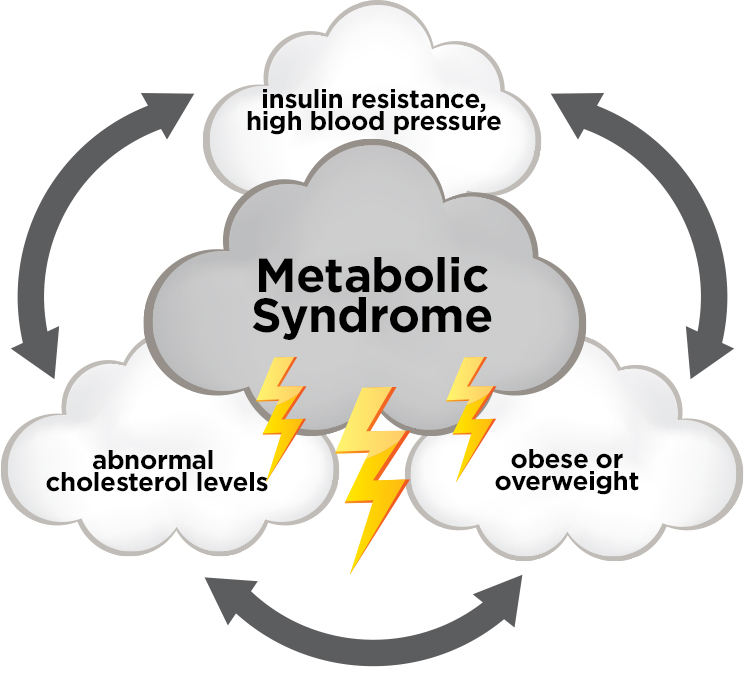
metabolic_syndrome

This leaves us with different forms of diabetes. In type 1 diabetes, the body is unable to produce insulin which means that glucose is not absorbed into the cells. Type 2 diabetes is the most common type of diabetes affecting a majority of people today. In this case the pancreas is able to produce insulin but the body does not make use of it. This results in more insulin production and less utilization leading to increases glucose levels. Prediabetes is a health condition where your blood glucose level seems higher than usual but it is not high enough to be termed as diabetes. Normally, prediabetes is a risk factor of type 2 diabetes. The most common symptoms of diabetes are increased thirst and hunger as well as frequent urination.

Metabolic Syndrome

Metabolic syndrome can be said to be a combination of diabetes, obesity and high blood pressure. It is a common condition that continues to affect many people today. It comes by due to insulin resistance by the body. Naturally diabetes is caused by either insulin resistance or the body not being able to utilize the insulin produced. On the other side, studies show that insulin resistance is a risk factor for obesity while blood pressure may arise for high levels of glucose.

Metabolic syndrome puts you at risk of diseases like heart attack, diabetes, several types of cancers and excess fat in the liver. The disease has been connected to low grade inflammation a kind of inflammation that results in loss of bones.

Metabolic syndrome can be caused by either inheritance of a gene responsible for insulin resistance or excess weight gain and failure to exercise. Some of the symptoms that are exhibited by people suffering from metabolic syndrome include hypertension, abnormal obesity, hyperglycemia, reduced lipoprotein, shortness of breath, and chest pains among others.

Obesity

Most people believe that obesity means being overweight. On the contrary obesity is a condition that arises from having excessive fat in the body.  Over weight on the other hand is simply weighing too much.  Obesity is a real menace that knows no age limit. It affects both the young to the old.

The condition may build up over time depending on your calories intake. There should be a balance between the calories you consume and those you lose. When the amount of calories you consume is higher than what you lose, then obesity is likely to arise.

Insulin resistance is major concern for a number of people and one stands a chance of being obese. Naturally the pancreas is supposed to produce insulin which is then used by the body to enhance absorption of sugars in the body. Insulin resistance occurs when the body does not utilize the insulin produced. When this happens it means than glucose is not absorbed into the cell to be used for various functions like energy production.

This leaves an excess of glucose in the blood. Because the glucose is not being used as it should, it is converted into fat which is stored in the tissue. More insulin resistance means more fat deposits which translate into obesity. The same scenario happens when the pancreas does not produce enough insulin.

Natural Approaches to Diabetes, Metabolic Syndrome and Obesity

Usually most dieses are caused by the kind of lifestyle we chose to lead. Maintaining a healthy diet is one way of preventing such diseases. Most of the foods we eat contain chemical compounds that may inhibit the production or utilization of insulin leading to obesity and diabetes. Also a reduction of polished grains prevents the three diseases by regulating the blood sugars.

metabolic_syndrome

Exercise is an essential part and parcel of healthy living. Without exercise we are prone to disease like obesity. Taking regular exercise is one of the ways of ensuring your boy remains healthy and strong. Also avoiding smoking can prove to be real helpful. Smoking messes up with your body system making it prone to such things as insulin resistance or blood glucose increase.

Grape seed extract has also been shown to reduce blood pressure in patients suffering from metabolic syndrome. Kudzu is also a herb that is used by patients with metabolic syndrome or obesity to help in weight loss. The herb facilitates shedding off of weight which leads to a healthy you.

To find out more about diabetes, metabolic syndrome and obesity visit AwareMed. The expert advice of Dr. Dalal Akoury has helped many patients. She will treat insulin resistance and utilization in order to correct obesity, metabolic syndrome and diabetes.  Join this network of healing at www.awaremednetwork.com today.

Natural Approaches to Diabetes, Obesity and Metabolic Syndrome


Facebooktwitterpinterestlinkedin

Bio-Identical Hormone Replacement Therapy (BHRT) for Men

Bio-Identical Hormone Replacement Therapy (BHRT) for Men

Are you a man and you are feeling depressed, tired or overweight? You may be a victim of this condition called male hormone imbalance or hormone deficiency.  Hormones are an essential part of us that we cannot do without. They play critical roles in the normal functioning of our bodies.

When the hormones are balanced and in the right levels, they are said to be in harmony. This harmony is very critical in maintaining a healthy body, body shape as well as the general well-being.

Aging is a normal physiological process that we cannot evade. As a man continues aging, the effectiveness of the body to produce critical hormones reduces. The hormone levels fall critically creating a situation of hormonal imbalance. In women this drop in hormones is referred to as menopause while in men the same condition is called andropause.

The common hormone deficiency that occurs in men is the decline testosterone hormone, a condition referred to as low T.  However, this is not the only hormone that declines as a man ages, other hormones include thyroid hormone, human growth hormone, progesterone, cortisol, estradiol and DHEA. This reduced the effectiveness of the hormones to remain balanced.

Bioidentical-Hormones

Symptoms of hormone deficiency in adult males

Hormone deficiency occurs to almost every man as they start aging. They say that aging is a natural biological process that everybody must go through. Hormone deficiency and hormone imbalances lead to a number of conditions in men as they age. The following symptoms are evident in men experiencing hormone deficiency:

  • inability to focus
  • low stamina
  • lack of skin elasticity
  • poor memory
  • loss of bone density
  • low levels of immunity
  • joint pain

In the past these conditions were considered inevitable since they were seen as part of a normal aging process. Contrary to this belief studies now show that some of these conditions can be treated as they are a result of unbalanced levels of the male hormones. When the male hormones begin to decline, it creates a situation of imbalance.

Medical practitioners have spent years trying to understand the condition of hormonal imbalances. This has led to the development of a therapy that can be used to restore male hormone balance. Referred to as Bio-Identical Hormone Replacement Therapy, the treatment has seen a lot of men recover from some of the conditions that arise from unbalanced levels of hormones.

Restoring Male Hormone Harmony with BHRT

Contrary to what people believed that the conditions men experience as they age are normal and inevitable, some of these conditions only arise as a result of imbalance in the levels of hormones in the body.  Harmony that exists in the body is very crucial in the normal body functioning. When this harmony is offset conditions such as muscle ache, memory loss, depression, weight gain, impaired memory and reduced concentration arise. This affects not only men but also women.

Bio-Identical Hormone Replacement Therapy in men is used to replace hormones that have in the process of aging reduced in levels creating an imbalance. The therapy uses hormones that are similar in molecular properties with the ones that are found naturally in the body. The goal of this procedure is to try restoring the vital balance in hormones that is needed for the body to function well. Hormones such as testosterone, progesterone, cortisol, DHEA among there are supplemented with artificial hormones.

This hormone restoration has been shown to ease some of the conditions that arise with hormonal imbalances such as joint aches, depression among others. The procedure takes about 15 minutes and requires you to do exercises at least three times in a week in order to enhance the process of hormone replacement in the body.

Benefits of BHRT for Men

With Bio-Identical Hormone Replacement Therapy some of the conditions associated with aging and hormone imbalances are restored. Men who undergo this therapy benefit from things like, improvements in their moods, improved sex drive, restoration of muscle tone and mass, improvement in memory, reduced depression, high levels of energy, and great stamina among others. This restoration enables a man to go back to their normal life.

Bioidentical-Hormones

Medical treatment

Always Bio-identical Hormone Replacement Therapy must be performed by an experienced doctor. He or she will evaluate your condition and then run tests to determine the levels of hormones in your body. The hormonal levels as are also checked during and also after the treatment so as to ensure that your health is normal and side effects of the therapy are minimal.

Holistic Approach

The hormone replacement therapy should go hand in hand with modifications of your lifestyle. Change your diet and increase your rates of exercises so as not only to improve your life quality but it will help you look better as well as fell young. A medical approach that is comprehensive is always necessary for optimum health and renewed levels of energy. If you want to slow the aging process down, live longer and remain healthy, combine hormone replacement therapy with a holistic approach.

At AwareMed we believe that your healthy is your greatest treasure. Visit www.awaremednetwork.com  to learn more about hormone replacement therapy and other wellness and awareness tips. Dr. Akoury has experience in health matters and will provide the necessary assistance to various health issues.

Bio-Identical Hormone Replacement Therapy (BHRT) for Men


Facebooktwitterpinterestlinkedin

Chronic Fatigue and Mitochondrial Imbalances

Chronic Fatigue and Mitochondrial Imbalances

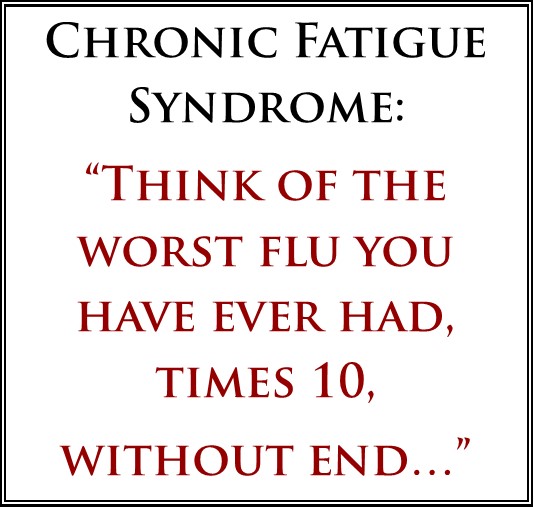
Chronic fatigue is a condition that affects 2.6% of the American population. It involves fatigue that tends to affect more than one part in the body and is worsened by mental or physical activity. Many people believe that chronic fatigue can be treated by bed rest but this is not the case. As you put yourself through physical and mental stress, fatigue becomes more severe leading to a condition known as chronic fatigue syndrome.

There has not been an official explanation as to what causes the disease. However several theories revolve around it which tends to explain its causes. Such include toxics, mitochondrial dysfunction, stress, hormonal imbalances, pathogens, allergens and many more.

Chronic fatigue not only affects your health but also the quality of your life. It can be a real issue to deal with when you find out that you are unable to carry out your duties because you feel tired all the time. Chronic fatigue can thereby be a risk factor for obesity. Since fatigue comes about because your body does not produce the necessary energy for normal body functions like breathing and blood circulation, you are unable to exercise.

Now we all understand that exercise is necessary for normal body functioning and general wellness. When we do not exercise, we are likely to start gaining weight a risk factor of obesity and other chronic illnesses. This is what chronic fatigue does. It renders you inactive and most of your time is spent in bed rest because you don’t have any energy to do anything not to talk about the muscle pains experienced.

Symptoms of chronic fatigue include depression, muscle aches and tenderness, anxiety, impaired mental ability, insomnia and general body weakness. Mitochondrial imbalances are among the factors that can cause chronic fatigue syndrome.

Chronic Fatigue

What are mitochondria?

To understand how chronic fatigue comes about, there is need to understand mitochondria and the role they play in the production of energy. Each and every cell in our body has mitochondria components that play the role of converting nutrients into energy. The foods we take consist of different nutrients which must be broken down to produce energy.

The mitochondria are present in each cell and they are responsible for giving cells the energy they require to carry out their functions. They supply the cells with energy in form of ATP. When the mitochondria are not functioning, this means that the cells are deprived of energy. Due to lack of ATP the cells are not able to function with the same speed they are used to. This translates then to slowing down of normal body functions.

Mitochondrial Imbalances

Since cells require ATP to function normally any factor that interferes with this process leads to fatigue of the body organs and muscle pains. When the mitochondria are not functioning properly the body ends up relying on anaerobic respiration in order to produce energy. This kind of respiration mostly causes fatigue, decline in concentration ability, muscle pains, gastrointestinal dysfunction, headaches and inability to recover energy lost during exercises.

Studies show that mitochondrial dysfunction is responsible for chronic fatigue syndrome as well as fibromyalgia. Studies have shown that this dysfunction is present in the leukocytes of patients suffering from chronic fatigue which explains the muscle aches experienced by such patients. The damage of the mitochondria can either be genetic or as a result of environmental changes. Studies show that mitochondrial dysfunction can be as a result of medications which inhibit the normal functioning of mitochondria, oxidation stress, toxic compounds, lack of enough nutrients and inheritance of genes that interfere with mitochondrial functioning.

Chronic_fatigue

Al these factors affect the ability of the mitochondria to produce ATP required by the cells. This then leads to a number of health problems such as chronic fatigue. Mitochondrial dysfunction not only leads to chronic fatigue but can cause tissue damage. A tissue is a mass of cell. When cells do not get the energy they require to function, the whole tissue can end up being destroyed and finally leading to organ dysfunction. This results in health disorders such as cardiovascular, metabolic, neurologic and immunologic problems.

The mitochondria are necessary for normal cellular activities. Basically our health depends highly on our diet and lifestyle. Adjusting these may prove a helpful way of treating mitochondrial dysfunction. This information can be found freely at www.awaremednetwork.com.  Dr. Dalal Akoury restores the mitochondria to cure chronic fatigue. Many people who have been her patients bear witness to her good works. You too can be part of this by visiting AwareMed today.

Chronic Fatigue and Mitochondrial Imbalances


Facebooktwitterpinterestlinkedin