Category Archives: Men’s Health

The connection between Stresses and losing weight

The connection between Stresses and losing weight: Water and Stress Reduction
The connection between Stresses and losing weight

The connection between Stresses and losing weight is one point we can not wish away.

If there is one thing we really have to acknowledge in our lives, it is the daily presence of stress. We cannot shy away from this reality that being stressful is a daily occurrence in everyone’s life. Ordinarily a bit of stress every now and again is normal, however living with continual stress can have a major impact on your health, well-being and weigh more so when it is all about chronic stress. Stress normally adversely affects your weight. Wait a minute I don’t mean to scare you, worry less because short-term stresses are normal and usually help us lose weight anyway. However the problem comes when the short term turn into long term stresses, such as a negative job or relationship problems these can escalate your weight from the ground up. Therefore we want to take some time and try to understand the connection between stresses and losing weight. Being overweight and being stressful are two major elements that affect lives quite negatively. If there is any connection between the two then we must find solutions to this problem emanating from the connection.

The connection between Stresses and losing weight: Cortisol connection

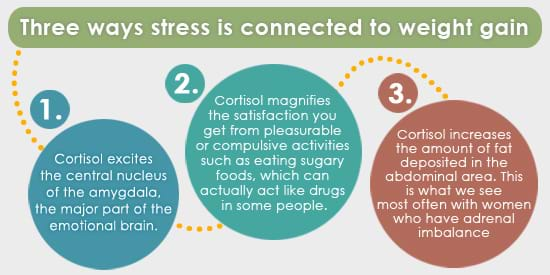
One of the things that stress does is release stress hormones cortisol and neuropeptide Y. remember that cortisol acts directly on your fat deposits, causing you to gain fat around the belly. When we experience stress our adrenal glands trigger the fight or flight response, which sends messages to the cortisol receptors in our abdomen. This is like a red alert for the body and all functions are put on standby to prepare for danger: fat is then stored around our abdomen to ensure there’s enough food in case of famine or another life-threatening situation. Did you get that? Now when it comes to the cravings we experience when stressed, it is these hormones working. It must be noted that cortisol influences certain addictive behaviors and by so doing necessitating the desire for high-fat and high-sugar foods more attractive and luring. Besides that cortisol will also acts on the hypothalamus in your brain to trigger your level of hunger thereby propelling you to eat heavily when stressed. You can now begin to understand the connection between stresses and losing weight. Nevertheless while our lineages had a clearly defined beginning and end to their stressful periods, many of us don’t, and that is why our bodies can react in such an extreme manner. Some of us are living in a constant state of stress and our bodies just aren’t coping.

The connection between Stresses and losing weight: Water and Stress Reduction

When I first made this comment “sipping stress away” the question which followed was, what’s the link between water and stress reduction? And the response was equally easy, simply “drink a glass of water”. Therefore if you’re looking for a simple way to relax from your stress-filled life, the solution lies in drinking water. How is this possible doctor Akoury explains? The association between water and stress reduction is actually well illustrated. Take for instance all human organs, including our brains, need water to function correctly. If you’re dehydrated, your body isn’t running well and that can trigger stress. Studies have shown that being just half a liter dehydrated can increase your cortisol levels which are stress hormones. Remember that when your body is well hydrated the stress levels are minimized. And the opposite of this is also true that when you don’t give your body the fluids it needs, you’re inviting stress in your body and the body is going to react to it (stress). That doesn’t mean that drinking plenty of water throughout the day will magically cause your stressors (money problems, your kids’ troubles at school, and your deadlines at work) to disappear that is not so. But if you’re already stressed by coping with all of these things, you don’t need the additional stress of dehydration to add to your burden. Simply drink water and save yourself this additional burden of stress. Remember that failing to drink water is likely to cause you more stress because your heart rate is up and you’re breathing more heavily which then result in losing more fluid. And during times of stress, you’re more likely to forget to drink and eat well.

The connection between Stresses and losing weight: Stress and Dehydration

Stress can cause dehydration, and dehydration can cause stress. This is a vicious cycle we must break by all means. You can break it by building more water consumption into your day. Stress can result in many of the same responses as dehydration increased heart rate, nausea, fatigue, headache so if you can remain hydrated you can reduce the magnitude of the physiological responses we have to stress.

The connection between Stresses and losing weight: How do you know if you’re dehydrated?

First, are you thirsty? If you are, you’re already dehydrated. Second, take a look at the bowl the next time you go to the bathroom. If the urine is dark in color and has a pungent smell, you’re dehydrated. The darker the urine and the stronger the smell, the more dehydrated you are. Does that communicate something to you?

The connection between Stresses and losing weight: Tips for Drinking Enough Water Each Day

How can you build more water consumption into your day? Try these tips:

  • Carry an insulated sports bottle with you and fill it up periodically.
  • Keep a glass of water on your desk at work.
  • Keep another glass next to your bed. Many of us wake up dehydrated first thing in the morning.
  • Switch one glass of soda or cup of coffee for a glass of water.
  • Drink small amounts of water throughout the day. Six glasses all at once isn’t good for you!

Finally if there are certain places and times in your life when you know you’re under extra stress say at work, at carpool pickup or during a particular class ensure that you have a bottle of water with you to sip during those high-stress times. Now that you know of the connection between stresses and losing weight, you don’t need to strain much. The simplest solution is drinking of water. You can do this for yourself. However if your condition is wanting and you think that an extra effort is needed, then you can schedule for an appointment with the experts at AWAREmed Health and Wellness Resource Center under the able leadership of Doctor Akoury’s care. On receipt of your case doctor Akoury will carry out an evaluation before putting you on the right treatment that will leave you lighter, hydrated and full of life again.

The connection between Stresses and losing weight: Water and Stress Reduction


Facebooktwitterpinterestlinkedin

Chronic Fatigue and NAD Treatment

Chronic Fatigue and NAD Treatment

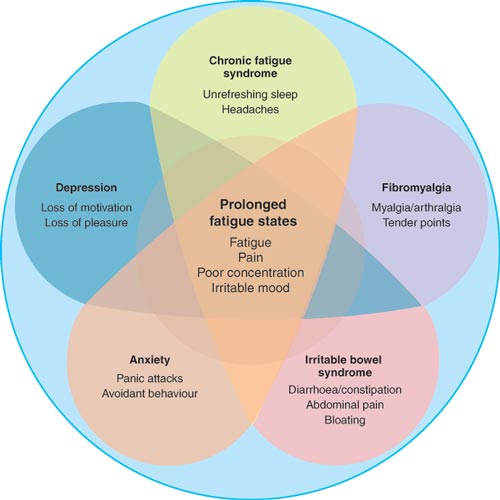
Chronic fatigue is very common among modern population. Studies have shown that over 9 million Americans today suffer from chronic fatigue. It affects people differently in that some may have a mild form of chronic fatigue while in others it may be severe. The severe form of chronic fatigue leads to a condition called chronic fatigue syndrome.

So what is chronic fatigue syndrome?

It is a debilitating disorder that affects a number of organs and is characterized by intense fatigue. This kind of fatigue worsens with mental or physical activity and does not go away easily even with bed rest. The symptoms of chronic fatigue include general body weakness, impaired memory, muscle pains, depression, anxiety and insomnia. Because chronic fatigue affects more than one body system, it ends up affecting the quality of your life.

People who suffer from chronic fatigue syndrome end up spending most of their time in bed due to the pains that accompany the condition. The condition is not easily diagnosed and some patient who exhibit similar symptoms end up being diagnosed with other conditions. Fibromyalgia (FMG) is one condition that tends to be every similar with chronic fatigues syndrome.

Fibromyalgia is characterized by symptoms such as prolonged muscle pains and tenderness. Fatigue, sleep disorders and impaired memory are also conditions that accompany FMG. The two conditions are however treated along the same line. The only difference is that in case of FMG, muscle pains prevail over other symptoms.

Chronic Fatigue

Causes of Chronic Fatigue

The official cause of the condition is still unknown. However, several studies point to certain factors that may indeed cause the symptoms associated with chronic fatigue syndrome.

Hormonal Imbalances: most patients with chronic fatigue syndrome in one way or another suffer from hypothyroidism and adrenal fatigue. The thyroid and adrenal hormone are responsible metabolism regulation. In this case, low levels of these hormones in the body cause energy levels to decline thus causing fatigue.

Toxics: compounds such as pesticides, herbicides contain toxics that poison the mitochondria and thereby affecting the production of energy that leads to symptoms of fatigue.

Mitochondrial dysfunction: the mitochondria are very vital in the body for the production of energy. When the mitochondria are not functioning as they should, energy production for the cells is affected. The body thereby ends up exhibiting symptoms of fatigue.

Food allergies: food allergens cause several symptoms one of them including fatigue. Some allergies manifest physically e.g. through swelling while others do no show. Most patients with chronic fatigue may not realize that it is being caused by the foods they eat because the allergies are not physically manifested.

Nicotinamide Adenine Dinucleotide (NAD) Treatment

The fatigue experienced in chronic fatigue syndrome is as a result of declined energy levels in the body. NAD treatment is one the several ways of treating chronic fatigue as it is shown to boost energy levels in an individual. Nicotinamide adenine dinucleotide (NAD) is usually a molecule whose work is to react with the mitochondrial oxygen in order to produce energy required for body functions such as breathing, digestion and blood circulation among others. When the body lacks this essential energy, it means that energy production is affected leading to fatigue, anxiety, depression, muscle pains, memory impairment, insomnia, decreased concentration levels as well as other chronic conditions.

NAD is usually an active form of the B3 vitamin. When combined with hydrogen it becomes a coenzyme called NADH. The body uses hydrogen in combination with oxygen to generate energy. The carbohydrates, fats and proteins we take in our diets, have chemicals that are necessary for energy production. The NAD is then loaded with hydrogen and when it enters the mitochondria, it reacts with the oxygen present producing energy. Conditions such as stress and toxins end up inhibiting this process and energy is not produced resulting in fatigue.

Patients with chronic fatigue syndrome undergo NAD therapy in order for the body to actively generate energy. Research studies show that NAD is present in almost every type of food we consume. However, most of it is lost during preparation and cooking of food. The little that is left is broken down in the digestive system by acids present. The body therefore ends up not having enough of the molecule which is why a large number of the population suffers from chronic fatigue.

To learn more about chronic fatigue and its treatment, just visit www.awaremednetwork.com. Dr. Dalal Akoury will also provide you with more health and awareness tips. She has treated many patients suffering from chronic fatigue syndrome by use of NAD Therapy. You too can be part of this healing at AwareMed.

Chronic Fatigue and NAD Treatment


Facebooktwitterpinterestlinkedin

Importance of Family meals and mindful eating

Importance of Family meals and mindful eating: why do they matter?

Importance of Family meals and mindful eating

Importance of Family meals and mindful eating is one of the best ways of training children to adapt on healthy feeding habits.

Have you heard the wise saying that a family that eats together stays together? This is a virtue which is losing popularity in this time and age. Because of various reasons getting the whole family to sit down on around table for a meal can be very difficult sometimes next to impossible owing to the various activities like engagement in sport practice, working late to meet certain tight deadlines and homework taking up most of your evening hours. This culture has made many family members living in one house to take their meals at whatever time best suits them. Even though this may be fine to others it may not really impact positively to the children and even grownups who are struggling with certain health conditions relating to weight gain. Some studies have established that families who eat together have demonstrated positive outcomes when it comes to health, family relationships and social development. As we progress in this discussion, we are going to look at the importance of family meals and mindful eating in relation to keeping a healthy family.

According to the experts at AWAREmed Health and Wellness Resource Center, it is the family meal time where children learn manners and healthy feeding habits share and interact freely with their parents; discuss what’s happening in their lives and experiences in new food stuff. It is important to note that it is not only about meal times but it includes even the preparation of food and the table setting process. The family involvement in all these roles will go a long way in shaping the mindset and feelings about the food taken. Doctor Akoury says that it is at the dinner table where your commitment to modeling your children is demonstrated. When you don’t eat together you may not be able to cultivate that culture of healthy feeding habits in your children. The consequences of this is not just about being obese but includes all the futility that comes with being overweight and obese. I encourage you to take the meal time at a family level seriously and be a role model for your children.

Importance of Family meals and mindful eating: Social changes affecting family meal times

  • Increased working hours and work load in places of work
  • The increase in population of people living alone
  • Number of women (particularly mothers) in office employment
  • Number of single parent households and/or family displacement
  • Use of technological gadgets in the household
  • The portion of income we spend on food and drink away from the home

Importance of Family meals and mindful eating: Benefits associated with frequent family meal times

  • Improved relationships between family members
  • Increased intake of healthy foods and healthier eating habits
  • Increased understanding of social behaviors
  • Improved speech for children
  • Better mental health outcomes
  • Decreased risk of children taking up smoking, drugs or having problems with the law.

Importance of Family meals and mindful eating: What you can do

  • If you’re not already eating together regularly, aim to do so just one night a week for a start.
  • If dinnertime is too hard to get everyone together, try to have a special family breakfast on the weekends or a family lunch.
  • During the week, don’t worry if everyone can make it. Sit with whoever is at home to enjoy a meal.
  • Ignore all phones, turn off the TV and ban texting at the table.
  • At a loss for conversation? Ask each family member to share one good thing and one bad thing that happened during their day.
  • Take turns talking so no one is left out. Use an egg timer for little kids if they tend to ramble!
  • Get your children involved in the meal preparation. Older kids can take charge of the whole meal, while younger ones can help set the table.
Importance of Family meals and mindful eating: Mindful eating

It is not uncommon these days to be constantly grazing on food without taking time to enjoy a full meal this is certainly not mindful eating. Often pre-packaged, these convenience foods are high in nutrients linked to increased risk of diet related diseases. And because many of us are poor in keeping time majority of us are eating hurriedly or in front of our computers surprisingly, such feedings are often not propelled by hunger. Instead, we should be choosing to eat mindfully; bringing our attention and focus to the present moment. Practicing mindful eating can help to bring back an appreciation and enjoyment of food.

Sit at the dinner table for your meal – It’s important to pay attention while eating, rather than grazing mindlessly. Put the phone down, log off your computer, turn off the TV and enjoy your food. That way, you’ll be less likely to overeat. Take the time to talk to family members about their lives and have a conversation. A meal should be a positive and enjoyable time for all. This way you will be avoiding certain health conditions associated with over eating.

Rate your hunger level – If your child says they’re hungry, ask them to rate their hunger level on a scale of 1-10 with one being very hungry, 5 being satisfied and 10 being so full that they feel sick. Do this throughout the meal and if they are not hungry, don’t force them to eat a whole meal. If your child is hungry, they will keep eating. Encourage them to stop eating once they rate their hunger as 5 and not to keep eating until they reach level 10.

Let kids serve themselves – If your child is old enough, allow them to serve themselves how much they would like to eat. While you can provide guidance so that they have enough veggies on their plate, allow them to decide how much will fill them up.

Encourage slow eating – Set the pace for the meal by eating slowly yourself. Take time to chew food properly and put your cutlery down before each mouthful. Aim to take at least 20 to 30 minutes to finish eating your meal. Make this a rule so your children know they will be sitting there for 30 minutes so they might as well eat their food slowly instead of rushing off to see what’s on TV or check their phones.

Discuss the food – At the dinner table, discuss how much you like or dislike a certain food. Ask your child to describe the taste or texture and if they don’t like it, encourage them to explain why that’s the case.

Make nutritious snacks easy to access – By having fruits in bowls on your kitchen bench or vegetable sticks cut up and in the fridge, your child is more likely to eat these foods. Stock your pantry and fridge with nutritious snacks.

Importance of Family meals and mindful eating: why do they matter?


Facebooktwitterpinterestlinkedin

Remedies for Children fussy eating and Hydration

Remedies for Children fussy eating and Hydration: The Risk of Children being Underweight

Remedies for Children fussy eating and Hydration

Remedies for Children fussy eating and Hydration. this should be the concern for all parents if we are to bring up healthy children

We have been discussing issues touching on weight again and obesity for some time now. All that we have said are actually very useful if we desire to remain in good health. In this article however, we want to change the flow of weight gain and look at the direct opposite. In other words when children grow they tend to respond to the environment differently. Many children up on reaching a given age may without notice show signs of dislike for food. In fact statistics has it that four out of five parents are very concern about the feeding habits of their children. Ordinarily it is not very usual for a child to like a given food today and wake up tomorrow disliking the same. Nonetheless children often rejects taste of certain food mainly because of behavioral issues, the child had eaten somewhere or just being honest that particular food is not their favorite. Whichever the child’s reason, food is very important in the general growth and development of our children. To avoid instances where instead of dealing with obesity, we are going to deal with instance of underweight, we want to address the issues surrounding the possible remedies for children fussy eating and hydration. Doctor Dalal Akoury is speaking to us about the possible working ways through which we can address this concern.  While it may be true that a child who refuses food may be trying to assert independence to see how you will react, this kind of behavior must be dealt with professionally less we end up with health conditions which are associated to underweight. Doctor Akoury shares the following heath tips to help you keep fit and healthy.

Remedies for Children fussy eating and Hydration: Here are some tips to cope with fussy eating behaviors

  • To ensure that your child feeds well, it is very important that everyone who feeds your child agrees on how to deal with your child’s requests and refusals. For instance, you may opt for a 20 minute time limit on mealtimes to prevent them dragging on, or you may decide that any requests for a different meal will be not met. The same guidelines should also be adopted by those who help your child at mealtimes so it’s persistently reinforced.
  • Staying composed in dealing with your child’s food fussiness is very ideal. The more fuss that is made in return and the more emotional you get, the more charged meal time will become and your child will realize their behavior is getting the attention they desire. By remaining calm, you will help to diffuse the situation and your child will realize their behavior isn’t getting them any extra attention.
  • As the children grow up to teenage shift the plan a bit and serve them equal portions as the rest of the family. Remember that it’s best to avoid getting stuck in the habit of taking special requests.
  • Spending some time with your children while eating can be very splendid in many ways. Therefore it is important to make meal times a happy time for the family. Noting that when it becomes stressful the child may not enjoy it and neither will you do.
  • Be consistent even if the child rejects certain food stuff. Ordinarily children will take up to ten trials before they can start enjoying the new food.
  • A little trick can work well for you when introducing new menu. Do this when the child is hungry, at this time it is possible that they will make effort to eat something new on an empty stomach.
  • Remain firm and do not offer a replacement food if what you offer is rejected. However when the child is sick don’t starve the child because they won’t starve themselves either.

Remedies for Children fussy eating and Hydration: Children & hydration

Having looked at certain reasons why children may refuse to eat and what needs to be done. We want to look at another segment that can cause real health problems if not addressed in children. Water is life for real and the human body is 70% water. This priceless commodity has many important functions in the body, including;

  • Regulating your body’s temperature
  • Digesting food and
  • Excreting waste

Your body loses water throughout the day when you sweat, breathe and urinate. These lose needs to be replaced from time to time to prevent you from becoming dehydrated. Did you know that children are at a greater risk of dehydration than adults? This is because in relation to their size, children have a larger proportion of their skin available to lose sweat and be exposed to heat. Additionally, children don’t always recognize that they’re thirsty, and if they’re not encouraged and reminded may forget to drink. Luckily, there are a few ways to tell if your child is hydrated. Remember that a dehydrated child will most likely suffer the consequences associated with weight health conditions.

Remedies for Children fussy eating and Hydration: How do I know if my child is hydrated?

Frequent bathroom breaks or wet nappies are the easiest way to tell if your child is hydrated. You can also look out for these common symptoms of dehydration:

  • Headaches
  • Poor concentration
  • Thirst
  • Cracked lips
  • Dry mouth
  • Constipation
  • Lethargy
  • Dark urine
Remedies for Children fussy eating and Hydration: How much water does my child need?

Like I had mention water is life, therefore the amount your child needs will depend on their age, size and level of activity. For children under 8 years of age, at least 4-6 glasses of water are recommended. For children older than 8 years of age a minimum of 6-8 glasses is recommended.

If your child is playing sports or is very active they will need extra fluid, see our section on hydration for active kids. Kids will also need more fluid on hot days or when unwell.

Remedies for Children fussy eating and Hydration: Tips to help your kids stay hydrated!
  • Pack a water bottle for school and when you go out. Try a frozen water bottle in summer.
  • Encourage your child to drink water before, after and during physical activity
  • Always offer water with meals and snacks
  • Encourage your child to drink water, even if they don’t like it!

Remedies for Children fussy eating and Hydration: Tips for kids who don’t like water

  • Try adding slices of fruits such as lemon or orange to water, for variety and flavor.
  • Let your kids choose their own drink bottle or serve water in colorful glasses or jugs.
  • Be a role model! Make a point of drinking water with your kids.
  • Experiment with temperature; try having a jug of water in the fridge, adding ice-cubes, or even warm water in winter.

Water is the best choice to keep your kids hydrated throughout the day. It contains no extra energy and can quench your thirst. Other fluids such as milk, juice and sweetened drinks can also contribute to your child’s fluid intake. Remember to schedule for an appointment with doctor Akoury for professional input in case of underweight or overweight in your children as a result of their feeding habits.

Remedies for Children fussy eating and Hydration: The Risk of Children being Underweight


Facebooktwitterpinterestlinkedin

Estrogen Dominance and Hormonal Imbalances

Estrogen Dominance and Hormonal Imbalances

Estrogen dominance describes a state in which a woman can have insufficient, normal or too much estrogen, but has little or no progesterone to match or balance its effects in the body.

Hormones are very important in the normal body functioning. When the hormones are not working as they should then a hormonal imbalance occurs. Hormonal imbalance is very common especially among women and it’s the leading causes of weight loss difficulties. Hormonal imbalance also increases obesity risks in females especially.

Women more than men, are likely to experience an imbalance in their hormones. In women menopause is the leading causes of hormonal imbalances. However, contrary to popular belief, there are other factors that may throw your hormones off balance. Such include things like medication, lifestyle as well as pregnancy. Stress also among the causes of hormonal imbalances in both men and women.

Underneath this hormonal imbalances are healthy problems that occur as a result. Such imbalances lead to things like moods swings, hot flashes, depression, weight gain, heavy breeding, migraines, and fibroids among others. Weight loss is very difficult when your hormones are not balanced for example, estrogen.

estrogen-dominance

Estrogen Balance

It is an important factor while trying to maintain weight as well also in losing some. It is often associated with belly fat when its levels are not balanced. Estrogen imbalance is common in men and women who are experiencing premenopause. It leads to bloating, water retention, fat gain and other health issues. In women, age and stress lead to the progesterone and testosterone levels decline and this leaves the body with too much estrogen.

Women and men who have an excess of estrogen hormone end up gaining weight with the concentration being around the abdomen and hip. This is generally what leads to belly fat. When the levels of estrogen are not restored back to normal, weight loss is very difficult no matter how much effort you put into it.

You have probably come across people who no matter how much of good diet and exercise they take they just can’t seem to shed off those extra pounds.  This can be a real issue and it ends up affecting the quality of your life. Just like poor diet and lack of enough exercises, high levels of estrogen in the body are a risk factor of obesity. It is common knowledge that obesity leads to health conditions such as heart attack and high blood pressure.

Estrogen Dominance

Estrogen dominance is a sad state for a woman to find herself medically speaking. When estrogen is in excess in the body it will in most cases lead to considerable weight gain. So what brings about excess estrogen in the body? Most often excess estrogen will often arise when the body produces too much of it, when levels of other hormones such as progesterone and testosterone reduce and also through our diets and lifestyles.

Most of the foods we eat contain compounds such as herbicides and pesticides which are toxic and contain growth hormones. Such compounds take the nature of estrogen and when ingested into the body, the result is an increased level of the hormone creating an offset in the balance that normally exists. Most of these toxics have been shown to lead weight gain and promote estrogen dominance to a certain degree.

Age and stress are also factors that lead to an increase in the levels of hormone estrogen. What happens is that as we age especially women the level of other hormones like progesterone decreases but the levels of estrogen do not decline. This leads to an increased level of the estrogen dominance which leads to an imbalance that translates into health issues like obesity. As you gain weight, insulin resistance occurs whereby the body resists the insulin that is produced by the body. Thereby, with insulin resistance, the risk of estrogen dominance increases.

hormonal-imbalance

How to Correct Hormonal Imbalance

As seen, hormonal imbalance is often caused by medications, toxics, poor eating habits and lifestyle choices. So how do we correct this hormonal imbalance?

Avoid Toxics: compounds such as pesticides and herbicides contain toxics and growth hormones. These mess up the hormonal balance that usually exists leading to an increase in the levels of estrogen hormone in the body. To avoid this, always wash vegetables and fruits well before consumption.

Change your lifestyle: almost every medical expert will tell you that the lifestyle you lead may either improve or destroy your health. Change your eating habits by starting to take a well-balanced diet. Also find time to regularly exercise because, weigh gain is a risk factor for estrogen dominance.

Supplements: there are hormone supplements that contain hormones that are meant to restore the balance again. Visit your doctor for more information on the kind of hormones you should take.

Avoid stress:  sometimes you may find yourself going through a stressful situation. Always try to avoid such situations by focusing on the positive side of life. Stress is a factor that can wreak havoc to your hormones throwing them completely out of balance.

Dr. Akoury has years and years of experience in the medical arena. Many patients bear witness to her good work in wellness and awareness tips she offers them. Become a part of this successful journey and join the community at www.awaremednetwork.com today. Both Estrogen dominance and hormonal imbalance are well taken care of at Awaremed Health and Wellness Centre.

Estrogen Dominance and Hormonal Imbalances


Facebooktwitterpinterestlinkedin