Category Archives: Men’s Health

treadmill

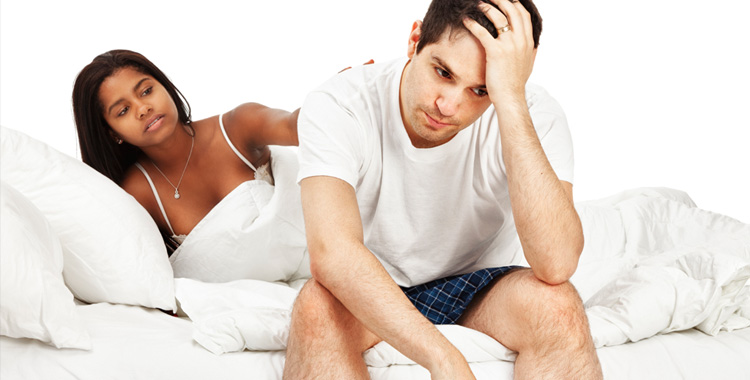
Sexual impediments associated with being overweight
Sexual impediments

Sexual impediments associated with being overweight can break relationships if not treated timely

Sexual impediments associated with being overweight: infertility

Besides erectile dysfunctions and hormonal imbalances discussed in the previous articles, infertility is another sexual impediments associated with being overweight. And according to doctor Dalal Akoury MD, President and founder of AWAREmed Health and Wellness Resource Center, being obese can be a serious factor in your sexual impediments. The following are some of the facts you can take note of and even as you do that, overweight is comes with a host of other health complications you certainly don’t want to be associated with. That means if you’re struggling with overweight, then you may want to schedule for an appointment with doctor Akoury to have this problems addressed in good time.

  • Obesity can cause certain abnormalities in women’s eggs which may leads to infertility.
  • Obesity also causes excess insulin production and PCOD (a condition where the periods are irregular and ovaries produce small, immature eggs instead of healthy mature ones).
  • Obese women are also likely to suffer from failed pregnancies and miscarriages than regular weighing ones.
  • Obesity is directly associated with infertility in men due to its effects on the sperms.

Sexual impediments associated with being overweight: Obesity, Sex and host of other disease

Being obese, and more so if when there is an accumulation of fat around the central abdomen will most likely experience a host of health conditions which can impact negatively on their sexual lives. The experience can arise due to physiological or psychological reasons or due to medicines taken for the disease. Diabetes, heart disease, cancer, hypertension, depression, dementia and other ailments all affect your sexual functioning. In fact, one of the most tell-tale symptoms of diabetes is erectile dysfunction.

Medicines too, ranging from anti-depressants to those used to treat heart conditions, high blood pressure and cholesterol can lead to sexual issues like impotence, decreased sex drive, ejaculation problems and even delayed or no orgasms.

Less sex positions

Sadly, the absolute logistics of sex can change when one or both partners are fat and can make coitus in some positions particularly hard. The popular missionary position is out-of-bounds if the male partner is too heavy. And if both partners are obese, then the central abdominal area can prevent proper penetration. The rear entry style which is more popular among the obese can also cause problems because the woman usually has to spend a long amount of time on her knees. Spooning, a sex position where partners lie side by side is also hard for fat people. However, fat people shouldn’t fret and there are multitudes of positions that they can try with their partners.

Lack of stamina

Obesity is often associated with laziness and a sedentary lifestyle. And this may often percolate into their sex lives as well. In men, it will also significantly decrease the time they can maintain an erection. Now that you are enlighten of the possible sexual complications arising from being obese or overweight, it would be very important that corrective measures are taken on your part if you are obese. The good news about this condition is that it can be fixed if only you could schedule for an appointment with doctor Dalal Akoury today for treatment. Do this and you will never regret it because the outcome will not only deliver back your sexual life but also your whole life?

Sexual impediments associated with being overweight: infertility

http://www.awaremednetwork.com/


Facebooktwitterpinterestlinkedin
how-to-rebuild-your-life-after-you-stop-drinking

Popular soft drinks that increases risk of osteoporosis

Popular soft drinks

Popular soft drinks that increases risk of osteoporosis needs to be avoided

Popular soft drinks that increases risk of osteoporosis: Diet danger

It is a fact that many popular soft drinks and certain other carbonated soft drinks are very rich in phosphoric acid, which can increase calcium excretion in the urine. And nearly all soft drinks lack calcium. Looking at that, doctor Dalal Akoury MD and founder of AWAREmed Health and Wellness Resource Center registers that combination spells trouble for women at risk of osteoporosis. Besides that it is also worth noting that the excess phosphorus promotes calcium loss from the body when calcium intake is low. Even though these drinks (popular soft drinks) do increase osteoporosis, it is worth noting that occasional soda is fine, nonetheless many people, mainly women, consume more than an occasional can or glass. And as that was not enough, soft drink consumers may also avoid calcium-laden beverages that bolster bones, such as milk, yogurt-based drinks, and calcium and vitamin D fortified orange juice. Therefore for the prevention of osteoporosis, the following drinks are essential:

  • A mixture of fortified orange juice and seltzer or club soda that’s free of phosphoric acid
  • Eight ounces of orange juice fortified with calcium and vitamin D
  • Fat-free plain or chocolate milk
  • Fruit smoothie: Combine 8 ounces fat-free yogurt, one medium banana or a cup of fresh or frozen berries and 2 ice cubes in a blender or food processor

Popular drinks that increases risk of osteoporosis: The cost of caffeine

Caffeine leaches calcium from bones, sapping their strength. You lose about 6 milligrams of calcium for every 100 milligrams of caffeine ingested. That’s not as much of a loss as salt, but it’s worrisome, nonetheless. Caffeine is a particular problem when a woman doesn’t get enough calcium each day to begin with.

The good news is that limiting caffeine intake to 300 milligrams a day while getting adequate calcium probably offsets any losses caffeine causes.

Coffee is a major caffeine source. For example, a 16-ounce cup of coffee can provide 320 milligrams. High-caffeine sodas can contain up to 80 milligrams per can or more.

Although tea also contains caffeine, studies suggest it does not harm, and probably helps, bone density in older women, regardless of whether they add milk to the beverage. Researchers think that tea contains plant compounds that protect bone and so if you are ready to curb caffeine? The following are some of the tips that you may want to consider:

  • Avoid caffeine-laden drinks
  • Reach for decaffeinated iced tea or hot tea
  • Splurge on a decaf, fat-free latte drink and get 450 milligrams of calcium in the bargain
  • Wean yourself from coffee by drinking half regular and half-decaf drinks to start

Popular drinks that increases risk of osteoporosis: The best diet to beat osteoporosis

Finally feeling the occurrence of osteoporosis, and because of that, it’s not always easy to imagine that what you’re eating, or not, is harming your bones, doctor Akoury says. But your diet is really important on a daily basis. If you string together a bunch of bad eating days, it’s dangerous in the long run. , The safest strategy is eating a diet that’s low in salt and rich in fresh and minimally processed whole grains, fruits, and vegetables. Include enough calcium and vitamin D from foods, and supplements if necessary, and be sure to limit caffeine and carbonated drinks and for further direction on this, you can call on doctor Akoury and it will be well with you.

Popular drinks that increases risk of osteoporosis: Diet danger

http://www.awaremednetwork.com/


Facebooktwitterpinterestlinkedin
Obesity and exercise

Osteoporosis risks in old age

Osteoporosis risks

Osteoporosis risks in old age can be reduced with good nutrition and medication

Osteoporosis risks in old age: When the bone loss harts the most

There is no doubt that osteoporosis risks is more/higher in old age. But is it true to make an assumption that the world is generally at greater risk as we approach old age. Experts from AWAREmed Health and Wellness Resource Center under the able leadership of doctor Dalal Akoury registers that, currently from the available statistics, it is estimated that in America alone about 54 million people have osteoporosis and low bone mass, placing them at increased risk for osteoporosis. Studies further suggest that approximately one in two women and up to one in four men age 50 and older will break a bone due to osteoporosis subsequently which further explains why osteoporosis risks in old age is higher but let’s find out the seriousness of osteoporosis as we move along.

Osteoporosis risks in old age: The seriousness of osteoporosis

Besides the pain that comes with a broken bone, one could also have a permanent deformity. Therefore the breaking of a bone is a serious complication of osteoporosis, especially when you’re older. In many cases broken bones due to osteoporosis normally occur in very sensitive sections of the body like the hip, spine and wrist thereby adding to the complications more pain and fatality. Nonetheless it must not be assumed that these are the only sections that will suffer osteoporosis because the other bones can also break. The other consequences of osteoporosis may include:

  • Broken bones can cause severe pain that may not go away
  • Osteoporosis also causes some people to lose height. When osteoporosis causes the bones of the spine, called vertebrae, to break or collapse, it affects your posture and causes you to become stooped or hunched.
  • Osteoporosis may even keep you from getting around easily and doing the things you enjoy, which may bring feelings of isolation or depression.
  • It can also lead to other health problems. Twenty percent of seniors who break a hip die within one year from problems related to the broken bone itself or surgery to repair it. Many of those who survive need long-term nursing home care.

The cost of osteoporosis

The estimated cost of the effects of osteoporosis will surprise you greatly if these statistics is anything to go by. It is estimated that Osteoporosis is responsible for two million broken bones and $19 billion in related costs every year. By 2025, experts predict that osteoporosis will be responsible for approximately three million fractures and $25.3 billion in costs each year. What does this communicates to you? It means that you and I are being called up on to pool together and prevent this in the future generation.

Osteoporosis risks in old age: Osteoporosis can sneak up on you

Finally this is not something to look at from afar. Doctor Akoury refers to osteoporosis as a silent disease because you can’t feel your bones getting weaker. The very first time you may realize this is when you break a bone or when it done on you that you are getting shorter or your upper back is curving forward. We want to help and if this description suits you and you are experiencing height loss or your spine is curving, you can schedule for an appointment with doctor Akoury today to prevent any further advancement of the disease.

Osteoporosis risks in old age: When the bone loss harts the most

http://www.awaremednetwork.com/
Facebooktwitterpinterestlinkedin
faster weight loss

Defeating osteoporosis using nutrition

Defeating osteoporosis

Defeating osteoporosis using nutrition is one way of keeping health

Defeating osteoporosis using nutrition: Foods to be careful about

The body needs energy to operate effectively and to be healthy. However with many health challenges around us, some of this food may not be ideal particularly if you are experiencesing some health complications like osteoporosis. When we talk about osteoporosis and nutrition does foods like salt, soda and caffeine advisable? Could it be that your daily diet is not working well for you and instead damaging your bones even to the point that it is resulting to osteoporosis? These are some of the questions we want to answer as we learn from the experts at AWAREmed Health and Wellness Resource Center under the able leadership of doctor Dalal Akoury in this article. Ideally getting adequate calcium and vitamin D is essential for warding off osteoporosis. Doctor Dalal Akoury says that your life is the most valuable asset you can ever possess on earth meaning that it must be guarded by all means. Therefore, for stronger bones, defeating osteoporosis becomes a priority and you can do that by avoid these everyday osteoporosis diet dangers:

  1. Some Popular Drinks
  2. The Cost of Caffeine
  3. Certain Problematic Protein
  4. Soy
  5. Salt

Defeating osteoporosis using nutrition: Some popular drinks

Many soft drinks and certain other carbonated soft drinks contain phosphoric acid, which can increase calcium excretion in your urine. And nearly all soft drinks lack calcium. That combination spells trouble for women at risk of osteoporosis. Excess phosphorus promotes calcium loss from the body when calcium intake is low.

The occasional soda is fine, but many people, particularly women, consume more than an occasional can or glass. To make matters worse, soft drink consumers may also avoid calcium-laden beverages that bolster bones, such as milk, yogurt-based drinks, and calcium and vitamin D fortified orange juice. To prevent osteoporosis, instead desire to use the following drinks:

  • Eight ounces of orange juice fortified with calcium and vitamin D
  • A mixture of fortified orange juice and seltzer or club soda that’s free of phosphoric acid
  • Fruit smoothie: Combine 8 ounces fat-free yogurt, one medium banana or a cup of fresh or frozen berries and 2 ice cubes in a blender or food processor
  • Fat-free plain or chocolate milk

We have just mentioned a very important point about certain habits. Many people go beyond the occasional consumption of these unhealthy drinks. Worse still is that such people will not be comfortable taking calcium rich beverages further complicating the health equation. This is one of the reasons why osteoporosis is nagging in most people’s lives. Does that communicates anything to you? We are actually vulnerable to osteoporosis and therefore regular consultation with the experts will be the best option we have. At AWAREmed Health and Wellness Resource Center under the able leadership of doctor Akoury we are aware of your needs and will be able to help you get over it. All you need to do is to schedule for an appointment with doctor Akoury for professional guidance today. In the meantime we are going to continue with the discussion on the remaining everyday osteoporosis diet dangers in our next article, so don’t go too far.

Defeating osteoporosis using nutrition: Foods to be careful about

http://regenerativepotential.com/wp-admin


Facebooktwitterpinterestlinkedin
Autoimmune diseases no more

Salt is very bad for the health of bones

Salt

Salt is very bad for the health of bones and engaging in physical activities will help in reducing the salt content in the body

Salt is very bad for the health of bones: Osteoporosis

Ordinarily salt is needed to add taste to the food we consume. And to many people food without salt is not anything to consider. However it can pose a great obstacle to a study skeleton. According to some studies, it has been established that postmenopausal women with a high salty diet lose more bone minerals than their counterparts of the same age. The saltines of the typical American diet is one of the reasons why calcium requirements are so high. The experts at AWAREmed Health and Wellness Resource Center under the able leadership of doctor Dalal Akoury MD, are in agreement that regular table salt and simply sodium causes calcium loss and with time weakens the bones

Statistics on salt consumption

According to the 2005 Dietary Guidelines for Americans advise limiting sodium to 2,300 milligrams a day which is an equivalent of a teaspoon of salt. Despite this advice many people are still consuming up to least 4,000 milligrams daily. Generally speaking, for every 2,300 milligrams of sodium you take in, about 40 milligrams of calcium is lost in the urine. For stability it is important for people to get the right units of calcium and vitamin D daily to help in offsetting bone loss from the consumption of salt. The following are the recommended units of calcium and vitamin D:

  • Adults up to age 50 require 1,000 milligrams of calcium daily — the equivalent of three 8-ounce glasses of milk.
  • Older adults need 1,200 milligrams of daily calcium – about half a glass more of milk.
  • People need 200 International Units (IU) of vitamin D a day until age 50.
  • Adults need 400 IU of vitamin D from the ages of 51 to 70 years.
  • Seniors need 600 IU of vitamin D a day after age 70.

The best sources of vitamin D should be from natural origins like natural sunlight and from fortified milk, egg yolks, saltwater fish, liver, and supplements.

We may succeed in eliminating salt shakers from our tables and even prepare meals without salt. But this is just a reduction of very negligible portion. It is no wonder that of all the dangers to the bone, salt is one which may be the hardest to eliminate. This is so because all the processed foods including whole grain breads, breakfast cereals, and fast foods are very rich in salt. As a matter of fact these constitute up to 75% of salt we consume. Therefore if you want to reduce the diet danger, take note of some of the highest-salty foods to limit or avoid. Choose no-added salt versions whenever possible.

  • Processed meats, such as deli turkey and ham, and hot dogs
  • Fast food, such as pizza, burgers, tacos, and fries
  • Processed foods, including regular and reduced-calorie frozen meals
  • Regular canned soups and vegetables and vegetable juices
  • Baked products, including breads and breakfast cereals

Finally doctor Akoury advices that you need to scan food labels for sodium content to ensure that you only go for those with the lowest units of sodium for better bones. We appreciate that this may not be very easy which is why going for plenty of potassium-rich foods like bananas, tomatoes, and orange juice can work for you. Potassium may be helpful in decreasing the loss of calcium and for more information you can contact doctor Akoury now.

Osteoporosis

http://regenerativepotential.com/wp-admin

Facebooktwitterpinterestlinkedin