Category Archives: Men’s Health

Lack of certain amino acids causes weight gain

Lack of certain amino acids causes weight gain-Narrated
Amino acid

excess amounts of amino acids can cause dehydration, gout, kidney problems, calcium loss and an increase in urea production

Amino acids are promoted and advertised in health food stores, the back of magazines, and in some gyms as necessary for greater athletic performance. Race walkers who want to excel, might be curious as to whether they should try these products.

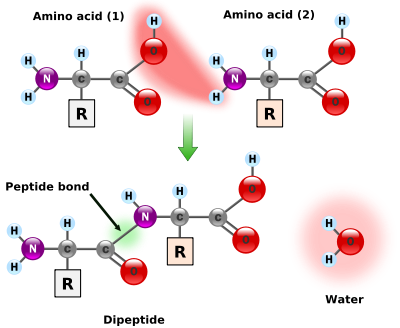
Amino acids are the building blocks of protein, similar to the way glucose makes up carbohydrates, and fatty acids make up fat. Amino acids are also crucial for the synthesis (building and maintenance) of muscle tissue.  Protein also is essential for growing hair and new skin tissue.

According to Page Love, a registered and licensed dietitian, and President of Nutri-Fit Consulting in Atlanta, some endurance race walkers (20-50K distance competitors) may have an increased need for protein. She says that “endurance sports, especially very high intensity, long duration activities, decrease carbohydrate availability, thus forcing amino acid oxidation to increase which could possibly increase overall protein needs.”

Yet, Love says that even endurance race walkers can meet their protein needs with a slight increase in the RDA, rather than supplementation.  The RDA for protein is .8 grams per kilogram of body weight.  Love recommends 1.2 – 1.5 grams per kilogram of body weight for endurance race walkers.

When you take in extra amino acids or consume extra protein which your body can’t use, the excess is converted to fat for future use. The result is a weight gain comprised of fat, not muscle. Unfortunately, protein converted to fat cannot be used as protein in the future. Once converted to fat, it remains as fat until it is utilized for fuel during aerobic exercise.  Race walkers who are not endurance athletes (less than 20K distance), will receive no benefit from an increase in protein intake, and may even gain weight as a result.

Additionally, excess amounts of amino acids can cause dehydration, gout, kidney problems, calcium loss and an increase in urea production. Substituting amino acid supplements for food may also result in suboptimal intakes of other nutrients such as iron, zinc, thiamin and niacin found in protein rich food?

If single amino acids are consumed in large quantities, imbalances and toxicities of amino acids are possible. Long term risks are not conclusive; however, preliminary rat studies done recently at Cornell University and Washington State University have linked a high protein diet to an increased risk of cancer.  Page Love Johnson cites a Tufts University Diet and Nutrition Letter which reported a case of psychosis and hallucinations resulting from single amino acid supplementation.

While protein is an important and necessary component of a healthy eating plan, most Americans already eat too much protein. It’s recommended by the American Dietetic Association that our protein intake be 10-15% of our daily caloric intake. That translates to about 50 grams for the average woman and 63 grams a day for the average man.

It is important to eat a small amount of protein with each meal. Good choices are lean meat, fish, or poultry. You can also choose non-fat or low fat dairy products such as skim milk, yogurt, or low-fat cheese. A premier protein food would be beans which are the only protein choice low in fat and high in fiber. No meat or milk products have any fiber.

For most race walkers, amino acid supplements provide nothing more than an unnecessary expense. A better idea would be to maintain a healthy, balanced, low-fat eating plan and save your money for a new race walking outfit.

Lack of certain amino acids causes weight gain-Amino Acid Supplements

Amino acids can be found in the foods you eat, this includes vegetables and also meat sources, they all have a different make up of amino’s in them and also different strengths, but the most common source of amino acids these days comes in the form of amino acid supplements, these come in many different forms too, amino acid powders, tablets, capsules and liquids to name a few, they also come in many forms of categories of supplements, they generally form part of the ingredient profile of pre workout, intra workout, post workout supplements and also get added into protein powder supplements and the like too to boost their effectiveness and also they are sold as individual amino’s  just by themselves, so if you are lacking a certain amino acid in your diet you can boost the levels up easily with single amino’s.

There are 20 amino acids which can be grouped together to become proteins, these 20 amino acids are made up of essential and non-essential amino acids. Nine of these 20 amino’s are considered essential amino acids, to mean that your body must consume them as part of your diet since they cannot be synthesized in the body. The remaining 11 amino acids are called non-essential amino acids; the non-essential amino acids are amino’s formed by your body itself.

Lack of certain amino acids causes weight gain-benefits of Amino Acids
• They aid in muscle repair.
• Help with muscle recovery.
• Promote muscle growth.
• Help boost metabolic function.
• Have high antioxidant properties.
• Everyday wellbeing.
• Help with daily and muscle energy.
• Are easily absorbed into your system.
• Help boost your immune function.
• Assist in wound healing and injury rehabilitation.
• Helps with digestion.

So there you have a short explanation on amino acids, how they work and the benefits of them, also with dosage of amino acids and when to take them, this narrows down to a few things, what you do (i.e.; Sports or activity) and what your goals are as well as your body weight and whether you are a male or female is also taken to account with dosage and timings, generally they should be taken across the day and probably the most effective timing is around your training or weights session, pre, during and post workout is when you will see the best benefits.

Ultimately amino acid supplements are great and easy way to improve your recovery and make sure you can turn up to your next work out recovered and rearing to go, you’ll only know by trying yourself and adding them into your daily nutrition routine.

If for whatever reason the deficiency of amino acid causes you uncomfortable weight gain, Doctor Dalal Akoury owill help you achieve optimal weight loss. A visit to AWAREmed Health and Wellness Resource Center under Doctor Akoury’s care is all you need; they focus on Neuroendocrine Restoration (NER) to reinstate normality through realization of the oneness of Spirit, Mind, and Body, Unifying the threesome into ONE

 Lack of certain amino acids causes weight gain-Narrated


Facebooktwitterpinterestlinkedin

Relapse prevention and healthy nutrition

Relapse Prevention

relapse occurs when the addict resumes his or her addictive behavior after a period of abstinence.


Relapse prevention and healthy nutrition

Relapse prevention and healthy nutrition-what is relapse

Relapse is the deterioration in someone’s state of health after a temporary improvement. However, in the context of addictive behaviors, a relapse occurs when the addict resumes his or her addictive behavior after a period of abstinence. For people trying to control their behavior rather than trying to quit entirely, a relapse is a period of uncontrolled behavior. For example, for someone trying to control their drinking, a relapse could result in a session of binge drinking. For a shopaholic who is trying to follow a spending plan, a relapse could be going on a shopping spree.

Relapse prevention and healthy nutrition-Relapse Prevention

The way to prevent a relapse is to recognize and deal with some of the things that could get in the way of recovery. If you learn how to overcome these challenges, you will be more likely to keep up the changes you’ve made during treatment. There are several things that a person can do to prevent relapse. Below are some strategies that you may find helpful: Develop a support system – and use it! It is very important to surround yourself with people who love, support and encourage you. These people can be members of your family, your friends, or your care providers. They will be there to help you when you are struggling with a difficult situation or experience. It’s not always easy to reach out, but you should feel comfortable asking for help when you need it. Some people find it useful to make a list of names and phone numbers to call if they start to slip back into old thought patterns or unhealthy eating behaviors. Reduce negative influences Try to get rid of any negative influences in your life. That includes people who make you feel bad about yourself or who constantly obsess about their own weight and appearance. Your own thoughts can also be a bad influence. Learn to question any destructive thoughts you have about yourself. Make a list of all of your good qualities and use it when you feel critical or pessimistic. Identify your “triggers” A “trigger” is anything that can cause you to return to disordered eating or thoughts about disordered eating. Each person has their own triggers. They can include feeling stressed, anxious, depressed or lonely. Sometimes a traumatic experience, such as the death of a loved one can be a trigger. Some people are more likely to relapse at certain times of the year, such as during holidays or exams. To identify your triggers, think of times when you were tempted to relapse. Try to figure out what made you feel that way. Make a personal coping plan Make a list of different triggers that could cause you to relapse. Then, come up with a plan for dealing with each of these triggers in a healthier, more constructive way. Your coping plan might include calling a friend, taking a walk, or writing in a journal. Eat meals regularly A meal and snack schedule can prevent you from going back to disordered eating. Plan your meals and snacks ahead of time, and don’t skip any!  Eat three meals a day, plus snacks, at regular times (about every 3 hours). A consistent schedule will be good for both your emotional and physical health. Your family may be able to help by making sure that you eat meals together as often as possible. Keep busy and stay involved Get involved in a hobby or activity that you enjoy and that makes you happy. It can be anything from arts & crafts, to volunteering, to nature walks, to joining a club. If you make time to do the things you enjoy, or to do nice things for others, your focus will shift away from your eating disorder. It can also help to keep you motivated to recover and to stay connected to your surroundings and the people in your community. Make time for yourself It is important to take time to do something good for yourself every day. Some people find it helpful to use this time to relax or reflect. Some do yoga or meditation, some draw, paint, write, or listen to music. No matter what you choose, remind yourself that you are important. You deserve to take this time to do something that is just for you!

Relapse prevention and healthy nutrition-Quick tips for healthy living

Nutrition is the process of breaking down food and substances taken in by the mouth to use for energy in the body or it is the process of obtaining and consuming food. By practicing a healthy diet, many of the known health issues can be avoided. With good nutrition comes healthy living. Therefore, healthy living is all about moderation, balance and flexibility. Attaining this may be difficult because there will be some days when you don’t eat healthy foods and some days when you don’t do enough exercise. This is totally normal in your busy, sometimes stressful, life. You get a more accurate picture of how you’ve been doing if you look back over the past month or so. For the month ahead, aim to make small changes that will improve your health, both mental and physical. Here are some ideas:

  • Nourish your body throughout the day—avoid skipping meals
  • Eat a variety of foods and aim for a balance over the month
  • Rather than worry about ‘good’ versus ‘bad’ foods, remember that moderation is the key
  • Try to eat more fruits and vegetables
  • Drink lots of water. It helps reduce fatigue and replenishes the body
  • Use caffeine in moderation, particularly if you are prone to anxiety or sleep problems
  • Listen to your body’s signals—it will let you know when you are full or hungry. Become more conscious of why you eat when you are not really hungry. Try to find other ways to cope with feelings of boredom, unhappiness, loneliness or social pressure
  • Use exercise as a way to deal with stress
  • Slowly increase your physical activity level
  • Consider joining a gym or other formal exercise program
  • Check out your local community centre for a range of fun options and programs people of all ages
  • Try adding in extra activity throughout your normal day, such as parking a block from work and walking the rest of the way or using the stairs instead of the elevator. Even getting up to change TV channels can make a difference!
  • Remind yourself that weight and shape are not the only way to evaluate your self-worth—think of at least one other way that shows you are a worthwhile, loveable, talented person who has something to offer the world
Relapse prevention and healthy nutrition


Enhanced by Zemanta
Facebooktwitterpinterestlinkedin

High fat diet and weight loss

High fat diet and weight loss-eat fat lose fat

The Skinny on Fat

Fats

body needs it in order to function, they are helpful absorbing vitamins A, D, and E, and they are vital for your nervous system

You’ve shield away from eating it and worked on the treadmill to burn it off. But fat, it turns out, can be your friend. “Your body needs it in order to function,” says Barbara Roberts, MD, director of the Women’s Cardiac Center at the Miriam Hospital in Providence and author of How to Keep from Breaking Your Heart. “Fats help you absorb vitamins A, D, and E, and they are vital for your nervous system.” Not only that, women who ate a Mediterranean diet filled with healthy monounsaturated fat lowered their risk of heart disease by 29 percent, according to a new study in Circulation.

Dietary fats, or lipids, are essential for maintaining the health of your skin and preventing chronic disease, but consuming too much of the wrong type of fat can lead to weight gain or heart disease. When comparing the advantages and disadvantages of eating fat, consider your weight, caloric intake and health goals and concerns. Eating the recommended amount of fat from a variety of healthy sources will meet your body’s need for the essential nutrient.

Of your total daily calories 25 to 30 percent should come from fat. The keys: Pick good-for-you fats, and limit the bad kinds. Don’t know a saturated from a poly? Here’s the skinny on which fats to eat and which to avoid.

High fat diet and weight loss -Monounsaturated Fats
What they do: These fats (mono unsaturated fats) are also known as MUFAs, they rise good HDL cholesterol, lower bad LDL cholesterol, and protect against the buildup of plaque in your arteries. They also help prevent belly fat, according to research.
Where you’ll find them: These fats are normally found In olive oil and olives, canola oil, almonds, cashews, peanuts, peanut butter, sesame seeds, and avocados.
How much quantity do you need: Most of the fat you to eat should be the unsaturated once, like MUFAs. What is recommended would be “just two to three tablespoons of olive oil in a day, this will and can raise HDL levels and protect against heart disease,” according to experts in the medical profession.

High fat diet and weight loss-Polyunsaturated Fats

Functions of polyunsaturated fats

In addition to lowering your LDL, these fats contain essential omega-3 fatty acids which boost brain function and may help strengthen your immune system and improve your mood, and omega-6 fatty acids, which in small amounts can keep skin and eyes healthy.
Where you’ll find them: Omega-3s are primarily found in fish species like salmon, mackerel, and herring, as well as canola oil, flaxseed, walnuts, and tofu. While Omega-6s are available in corn and safflower oil, corn-fed chicken and beef, and farmed fish.
How much quantity do you need: Most of the polys you eat should be omega-3s. Too much omega-6 can lead to inflammation, which is linked to heart disease. Trade vegetable oil for olive and canola oils, and eat grass-fed beef and wild-caught fish.

The Bad: Saturated Fats

What they do: They raise cholesterol levels and increase your risk of heart disease.
Where you’ll find them: In meat and poultry, in dairy products like cream, butter, and whole and 2 percent milk, and in some plant foods like coconut and palm oil.
How much you need: Limit saturated fat to less than 10 percent of your total daily calories. One easy way to cut back: “Remove any hard fat you can see, such as the skin on chicken,” says Christine Gerbstadt, MD, RD, a spokesperson for the American Dietetic Association.

The Ugly: Trans Fats

What they do: Made from unsaturated fat that’s been chemically altered to prolong the shelf life of packaged foods, trans fats raise bad LDL and lower good HDL, increasing inflammation throughout the body. “They 100 percent promote heart disease,” says Dr. Gerbstadt.
Where you’ll find them: In shortening, margarine, doughnuts, French fries, and processed foods such as crackers, cookies, chips, and cakes.
How much you need: Zero. But know this: The FDA allows food manufacturers to claim that a product contains “zero trans fats” if one serving of it has 0.5 grams of trans fats or less. “That means if you eat more than one serving, you could be getting a gram or more,” warns Dr. Gerbstadt. Before buying foods, check the ingredient labels for “partially hydrogenated vegetable oil” — trans fats’ sneaky pseudonym.

High fat diet and weight loss-Calorie Content

Fats are a concentrated source of energy, containing 9 calories per gram. In contrast, protein and carbohydrates contain only 4 calories per gram. This can be looked at as an advantage or disadvantage, depending on your current weight and weight goals. If you want to gain weight, fat provides extra calories without requiring you to eat a large volume of food. Just adding 1 tablespoon of most oils will give you an additional 120 calories. However, if weight loss is your goal, high-calorie fat can make reaching your goals more difficult. Any time you eat excess calories from fat or other nutrients, they are stored in fat cells to supply future energy needs, according to “Contemporary Nutrition Issues and Insights.”

High fat diet and weight loss-Health Benefits

While too much fat can be detrimental to your health, some dietary fat is essential. The American Heart Association recommends that 25 to 35 percent of your daily caloric intake come from fat. For a 2,000-calorie diet, that’s 56 to 78 grams of fat per day. You need this fat in your intestines to help absorb the fat-soluble vitamins A, D, E and K from food. These vitamins play a role in maintaining healthy skin, bones, teeth and eyes and are needed for proper blood clotting. In addition, your body uses fat to provide protection to your internal organs and act as insulation to help regulate your body temperature.

High fat diet and weight loss-eat fat lose fat


Facebooktwitterpinterestlinkedin

Outpatient addiction treatment naturally

Outpatient addiction treatment naturally

Outpatient Addiction Treatment

Outpatient addiction Treatment

addiction must be fought hard and addiction outpatient treatment in one way

There are many types of addiction treatments available in the market, outpatient addiction treatment being one of them. It must be noted that for one to realize positive recovery the problem of addiction must be fought as hard as is practically, some type of treatment are absolutely crucial. There are certain people of whom outpatient treatment can be the best choice, but there are others who run the risk of relapsing if they try this type of treatment.  I will therefore throughout this article, take a keen look not only just at the fundamentals of outpatient treatment, but also the kinds of people who will be the most successful with this particular method of treatment.

Outpatient Addiction Treatment-Natural treatments

Users who are thinking about an outpatient course of treatment absolutely should have a strong sense of absolute commitment. There are levels of freedom and independence attached to this type of treatment, and it requires a certain amount of self-discipline. However, any person thinking about outpatient care has to be able to remain abstinent for an absolute minimum of seventy two hours, or three days. Having a lot of support from friends, family members, and so on, is also necessary. If you have a lot of responsibilities in your day to day life, this type of treatment may also be the best choice for you.

Patients who are considering this type of treatment will have to be extensively evaluated. Their condition must be studied to make sure that this treatment will help them and that they will be able to be successful at it. No matter how much you might want to take advantage of outpatient care, it may not be right to you. An evaluation might determine that you will do better with inpatient care, which is often more intense and offers less independence. However, depending on your circumstances, that might be a good thing.

Naturally, when you are an outpatient, you get to stay at home. However, you have to realize that a lot of things will still be expected of you. Outpatients still have to go to rehabilitation programs, meetings, and so on, and they have to do some of their treatments within a facility. Not everything can be done at home, and even outpatients will be required to do some things at a facility. Also – it’s sometimes extra tough to fight your addiction at home. Can you imagine an alcohol addict looking for alcohol rehab treatment, staying at home, alone, with beer in the fridge? Outpatient treatment means surrounding the patient with people, and making sure he’s in a position where he can FIGHT his temptations.

Outpatient Addiction Treatment

There are many advantages associated with outpatient addiction treatment centers. For one thing, no break from work or schooling will be required. As well, outpatient care tends to be significantly less expensive than inpatient care. As well, patients will be surrounded by their support network of supportive friends and family members, which can make all the difference during treatment.

As mentioned, however, not every patient will be able to benefit from this type of care. If you need more than counseling, then this might not be the right kind of care. It really all depends on personal needs, addictions, will power, and so on. That is why an examination and evaluation is so important, to make sure that the right patients go to the right places. This increases every patient’s chances of success.

Outpatient Addiction Treatment-Drug Addiction

Drug addiction is a scourge which has taken hold of the entire world and certainly something that a lot of people are dealing with right here and now. It affects millions upon millions of people and it might come as a surprise that teenagers are typically the ones that fall into drug addiction. There are many questions about treatment options when someone is dealing with someone they know who is addicted to drugs or even if they are addicted to drugs themselves. That is what we are to explore and discuss in this article.

Firstly, understanding exactly what triggered the drug addiction is a very important step in the treatment process and it is something that a lot of treatment centers actually focus on.

What causes someone to get hooked on drugs, why would they choose that path versus another? These are just a few questions that doctors ask in treatment centers.

Speaking of treatment centers, there are many different options to choose from in the way of a treatment center.

There are inpatient treatment centers as well as outpatient and it all depends on how severely the addiction runs and what types of drugs the patient might have been addicted to.

The outpatient addiction treatment centers

In outpatient treatment centers, both adult drug treatment and teen drugs rehabilitation is administered. This is where addicts can go to gain support, however they do not live there. Typically, these types of treatment centers are designed to give the addict support in the form of meetings and a support buddy.

Recovering from an addiction is a very long process especially for someone who has never been through it, this can be very difficult to understand, however there are many ways through which you can support someone suffering from addiction. Being there for the addict and certainly allowing them to talk about their experience is just a milestone and will make a great difference in their treatment process. These patients’ needs to be full accommodated and feel the sense of belonging to the society during and after the treatment period.
Curing an addict is something that is never going to happen, as the old saying goes, ‘Once an addict, always an addict’, however with the many different treatment options out there to assist you in managing your addiction. It takes more than just support; it takes a complete overhaul of your mind and body. Going through addiction treatment is going to be difficult in the beginning, as there are many different withdraws which their  bodies will goes through when they are in treatment for drugs. However, once the withdraws are finished, the therapy starts and the support system is in place, the addiction will slowly but surely decrease and life will take its place.

Outpatient addiction treatment naturally


Enhanced by Zemanta
Facebooktwitterpinterestlinkedin

A good blend of Probiotics and Prebiotic could help you lose and be sexy this summer

A good blend of Probiotics and Prebiotic could help you lose and be sexy this summer- Did You Know?

Probiotics

probiotics

Probiotics are generally safe for children; however you should speak with your pediatrician before giving them to your kids

They are live bacteria in yogurt, other dairy products and pills. Even though probiotics have shown effectiveness in managing certain gastrointestinal conditions, they do not have the same power that prebiotics do. They’re delicate, heat and stomach acid can easily kill them rendering them ineffective even before they are digested. Again, those who don’t eat dairy foods for taste or dietary reasons may find ingesting adequate amounts of probiotics difficult, if not impossible.

What is a prebiotic?

Prebiotic is a specialized plant fiber that beneficially nourishes the good bacteria already in the large bowel or colon. The body itself does not digest these plant fibers; instead, the fibers act as a fertilizer to promote the growth of many of the good bacteria in the gut. These, in turn, provide many digestive and general health benefits.

Probiotics and Children

Probiotics are generally safe for children; however you should speak with your pediatrician before giving them to your kids. They may be beneficial for digestive complaints and diarrhea, but research hasn’t clearly indicated any benefits beyond that.

Kara a researcher says probiotics are live microorganisms found within particular foods that help promote good gut health. Consuming probiotics is thought to increase the “good” bacteria within your gut and assist in maintaining an optimal balance between the good and the bad bacteria that are present.”

Several studies have been carried out and according one published in Bravo 2011, it states that mice that were fed on a particular strain of probiotics showed significantly fewer stress levels, anxiety and depression-related behaviors than those who were not given any probiotics. Besides, they also had lower levels of the stress induced hormone corticosterone.

If you want to lower stress and boost your gut health, with probiotics, then you need to try foods rich in probiotics like yoghurt with live active cultures, kefir (which is often found commercially as a yoghurt style drink), buttermilk, some blue and aged cheeses, as well as non-dairy products such as fermented foods i.e., sauerkraut (fermented cabbage), kimchi (Korean spicy cabbage), tempeh (a fermented soybean product), miso and soy sauce.

The process of manufacturing the food can kill the probiotics strains, which help in improving your gut health, thus, it is important to look out for words like “live” “active” “raw” “unheated” or “unpasteurized”, if you are planning to buy commercial brands from the market.

If you don’t like market products, you can make your own gut boosting products at home yourself, by utilizing simple processes.

On the other hand, Prebiotics are non-digestible, or selectively digestible, carbohydrates that fuel the growth of healthy bacteria in your gut. For this reason, consuming both, foods rich in probiotics, as well as those rich in prebiotics, can be beneficial to your gut health.

Many prebiotics are soluble fibers that are fermented by the bacteria in your gut to produce short chain, fatty acids, which have a range of beneficial effects on your body. These short chain fatty acids are known to reduce inflammation and play a role in digestive health and reduce the incidence of bowel cancer.

Prebiotics have been shown to improve insulin sensitivity, slow glucose absorption, and thereby aid with blood glucose control. They can also improve blood lipid (fat) profiles by increasing HDL, your healthy (heart protective) cholesterol, and reduce LDL, your bad cholesterol, and triglycerides (Cani & Delzenne, 2009).

Who needs extra prebiotics and probiotics?
Antibiotics work well at killing off the bad bacteria that make us ill, but they also kill off good bacteria needed for digestion: acidophilus and bifidus, which are both types of probiotics. If you have taken antibiotics in the past, or will need to take them in the future, be sure to supplement with probiotic supplements that contain acidophilus. Other medications, such as the birth control pill and cortisone (used to treat inflammation), may affect gut bacterial balance. In women, recurrent yeast infections may be an indication that the healthy bacterial balance in the large intestine has become compromised.

Supplementing the diet with beneficial bacteria like probiotics and prebiotics stimulates immunity through increased activity of cells (macrophages) that consume invading organisms, as well as through increased production of other white blood cells and cytokines — this could lead to stronger resistance to bacterial and viral infections. In fact, studies have also shown that children attending daycare catch fewer colds and the flu if they are given probiotic supplements containing acidophilus, bifidus or both. Adults have been found to experience the same beneficial effect on immune system function. With benefits ranging from reduced cholesterol and inflammation to improved digestion and weight loss, the right type of bacteria should be a staple in your supplement cupboard (or in this case, fridge).

Getting the healthy bacteria your body needs

Yogurt naturally contains probiotics, but supplements may be more effective if you are looking for a concentrated source. Some prebiotics are naturally found in foods like chicory root, Jerusalem artichoke, onions, asparagus, garlic, bananas, barley, wheat, rye, and tomatoes.

Probiotic supplements should be refrigerated to maintain the viability of the microorganisms, in the same way yogurt, milk and other refrigerated cultures need to be stored. Without proper storage, probiotic supplements may spoil and or lose potency.

 Suggestion for those who have trouble digesting some probiotics and prebiotics: 

  • Purchase a coconut milk kefir product to get your probiotics in without the lactose.
  • Consume a small amount of Greek yoghurt (which typically has most of the lactose pre-digested anyway) but don’t consume it along with other foods.

A good blend of Probiotics and Prebiotic could help you lose and be sexy this summer- Did You Know?


Enhanced by Zemanta
Facebooktwitterpinterestlinkedin