Category Archives: Men’s Health

Watch out for elements of an addiction

Watch out for elements of an addiction-Drug Addiction

Addiction

Drug addiction is the number one enemy of relationships. It may not be long before you land in problems. Get to know the causes of addiction and act positively.

It is an open secret that the global world is under undue pressure of the effects of substance abuse and addiction. Effort is being made by all like-minded people to bring normalcy back to the society and live in an addiction free society. We are not left out either and because of that we want to discuss some of the elements that you need to look into to be able to distance yourself and family from the problems caused by addiction. If you have been on this link for some time before you must have noted that we have made effort informing the globe of the risk involved when addiction set foot into the family. This article is going to be a continuation of what we had started and we shall continue with unlimitedly because we are passionate about our resolve to eliminate the scourge of addiction. All we ask of you is to keep on the link and invite your friend on to get this honorable information about addiction.

There are many ways in which addiction finds its way into our society. The following causes of an addiction are just but a few we want to share with you briefly:

  • Genetic
  • Peer influence
  • Stress
  • Exploration
  • Addictive personality
  • Surrounding

Like I said these are just a small portion of what causes addiction and the do so differently. Some of these may be considered to be more provocative than others.

Watch out for elements of an addiction-Genetic  

There is indication to propose that some people are more vulnerable to developing an addiction looking at the history of their lives and relationships. The hereditary cause is not conclusive but gives all the indicators. This doesn’t suggest that the addiction is flowing in their family blood stream and so it is passed from one to the other that is not the case but that their biological make up is rooted in such a way that makes them more vulnerable to dependency.

Watch out for elements of an addiction-Peer influence

This is leaning much on young people than adults due to their vulnerability to the influence of their surroundings. The youth would generally want to be identified with the new and current happenings and celebrities. For instance if one is keeping friends who are into drugs, alcohol or smokes then this individual is likely to give in to the pressure from their friends into their habits. We have discussed this in our addiction and peer pressure segment and you may have a look for more.

Watch out for elements of an addiction-Stress

Stress can be very dangerous in one’s life. It is true that our ways of doing things is becoming increasingly demanding in nearly all sectors like we work longer hours trying to provide the best for our families and in the process fail to create time for relaxing and when we do we choose to relax the wrong way like going for a few drinks after work. This may look nice in the beginning as a way of coping with stress but if it graduates to being a habit then you will be in danger of being addicted and suffers an addiction. You can read for more in our article on the stress management segment.

Watch out for elements of an addiction-Exploration

This is an element generally associated with the young people and particularly the teenagers. Teenagers in their desire to fit in would want to explore and be seen to be belonging to a given set up. If the teenagers are associated with a given group good or bad they would want to fit in and adopt the behavior of that group by doing what they do without proper judgment whether their actions is good or bad. The teenagers will want to experiment and in the process may become addicted to that practice. The sad fact is that this might happen with a different group of friends and in different circumstances and all for the wrong things.

Watch out for elements of an addiction-Addictive personality

We have witnessed certain traits in some people that points towards addiction. Looking at the traits of these people it may be concluded that they have addictive personality meaning that they are more vulnerable to drugs, cigarettes or alcohol than other group of people. This may not be conclusive but there are all the indications of possibility though open for discussion.

Watch out for elements of an addiction-Surrounding

The environment in which we reside and brought up in has a significant factor in addiction. Take for example if you were brought up in a family where all your grandparents, parents and senior siblings are all alcoholics, you may not have who to give you’re the right guidance that alcohol consumption is bad. You may believe that alcohol is a healthy drink after all it is all alcohol that you have been seeing all your life and the people to guide you are so much in it. In the holy book (Bible) it is written that “show a child the right way to go and when they grow up they will not depart from it” and so this kind of environment may not be good and anyone brought up this way is likely to be addicted. This may not be automatic since one can make a good choice not to mimic what they see and be free from addiction.

Like I had indicated above drug addiction is such a complex and devastating situation and involves more than one factor. The few we have discussed in this article are not conclusive we have discussed them in greater details in our previous individual addiction causes and you may want to read more from those detailed articles but for now I want to introduce you to the experts who will help you and your friends on the best ways of handing any matter related to addiction. Meet Dr. Dalal Akoury the best in addiction and all problems related to addiction. She is also the Founder of AWAREmed Health and Wellness Resource Center a facility whose objective is to offer exclusive NER Recovery Treatment to everyone including other physicians and health care professionals through training, clinical apprenticeships, webinars and seminars. We welcome you to this facility and meet doctor Akoury together with her team of experts and get the best treatment ever on matters addiction.

Watch out for elements of an addiction-Drug Addiction


Facebooktwitterpinterestlinkedin

Detoxification for Addiction Treatment

Detoxification for Addiction treatment-Drug Addiction

Detoxitication

Detoxification is a proper way of removing toxins from the body of addicts. We can be free from drug addiction

Having seen people suffering from addiction and addiction related problems for several years I took it upon myself and made it to be a burden on my shoulder to offer help through written articles that are very informative and educative to the suffering societies. Drug addiction has been a thorn in many peoples flesh and the sooner we get the corrective measures the better for everyone. This is going to be one of the many articles of this nature I will be posting to help us live in an addiction free environment. We will concentrate on detoxification as a method of addiction treatment in this article and staying on the link to read more will be worth it. Detoxification or just detox is a method of addiction treatment which removes the physical effects of drug addiction from the body.

This word detox is normally very popular moments after Christmas when everyone is rushing to undo the effects of excess consumption of alcohol. This usually involves abstaining or following a very strict diet in order to cleanse the body of toxins. The detox of drug or alcohol is done in the same way to flush out toxins present in the body as a result of addiction. Toxins are responsible for the cravings experienced by many addicts and must be removed before the process of recovery begins.

Detoxification for Addiction treatment-Alcohol detox

During alcohol detox the alcoholics will receive medication only when they have stop drinking and are relatively sober this is done purposely to prevent or bring the possible side effects to manageable levels. The medications are prescribed by the GP who have a duty to help the patient go through the entire process of treatment and detox period. However in the absence of the GP’s then prescription may be done by a practicing nurse. The whole treatment process may involve the following;

  • The prescription of medication is only done once you have stopped drinking. This medication will be a chlordiazepoxide. The patient is advised to take a high dose the first day they stop drinking and then gradually reduce this dose over the next 7 days. This will help to ease any withdrawal symptoms.
  • The patient must NOT drink any alcohol at all during this process. They may be required to undertake a breathalyzer test to confirm this.
  • The patient is then put under observation of either the GP or practice nurse during this time. He/she will also prescribe vitamins to boost the patient’s health as many alcoholics tend to follow a poor diet or not eat at all which can cause a vitamin deficiency.
  • Further prescribed may be necessary for further medication after the detox to prevent a relapse. This is very important because quite often some people do go back to drinking after a detox and so medication can prevent this from happening.

During this period of detoxification it is important that the patient get all the support they need from their family members, friends and relatives. In addition to this the patient should enroll in a support group or a self-help group like AA and also be attending counseling sessions consistently.

It must be noted that detoxification is not a ‘magic bullet’ and does not mean that with this the addict will stop you drinking automatically. Much as we may want this it is not always the case and so the individual patient must take the lead role in deciding to stop. They must have greater determination and willpower as they will still experience some cravings even after this period.

A detox removes the toxins which have accumulated in your body as a result of your drinking. This enables your body to become used to not having alcohol which will improve your health and well-being.

Detoxification for Addiction treatment-Drug detox

The process of drug detox is the same to that one of alcohol as has been discussed above in that the addict is given medication to control withdrawal symptoms, e.g. methadone, once they stop taking drugs. The idea is that body will flush out the toxins which have built up over time as a result of drug use. During this time they will be offered counseling and other forms of support.

There are residential centers which offer treatment for drug addiction which includes detox, counseling and group meetings. They may also offer complimentary therapies such as massages or acupuncture, or advice on diet and exercise.

A detox can form part of your treatment plan. Once it has been completed you will still experience a few cravings so you will need to remain focused upon your goal of beating your addiction. That is why a support network is important as they will be able to help you go through this and prevent you from relapsing once the detox is over.

Cravings and withdrawal symptoms are an unpleasant but inevitable side effect of the addiction recovery process. These can be dealt with via medication but it is important for you to recognize what they are and what triggers them so that you can deal with them when this arises.

Detoxification for Addiction treatment-Cravings

These are strong urges for something, for example a cup of coffee or a cigarette which come on suddenly. They are extremely powerful emotions which can affect the way someone thinks or feels but they are also short lived.

A craving only lasts for a few minutes and then passes. If you can adopt a mindset in which you will not give in to the urge then this will get easier as time passes.

Once you know what to expect then you can prepare yourself for when a craving arises and deal with this. This can mean occupying yourself so that it takes your mind off it, telling yourself that it will pass and repeating this or using relaxation exercises.

Whatever strategy you use, you will find that your cravings reduce over time and will become less important in your life. If you do give in then don’t beat yourself up over this. Recognize that it has happened, make a note of how and why and carry on with your treatment plan. Proceeding may be an uphill task on your own and so you need help to move, you can and will always get this with Dr. Dalal Akoury the founder of AWAREmed Health and Wellness Resource Center. Together with her team of experts you will get treatment tailored just for you, and the focus will be exclusively Neuroendocrine Restoration (NER) to reinstate normality through realization of the oneness of Spirit, Mind, and Body, Unifying the threesome into ONE

Detoxification for Addiction treatment-Drug Addiction


Facebooktwitterpinterestlinkedin

Low Dose Chemo and Cancer Treatment

 Low dose chemo is an effective alternative cancer treatment approach

cancer treatmentInsulin potentiation therapy (IPT) is the utilization of low doses of chemotherapy and insulin in treatment of cancer. The insulin potentiation therapy may also be used in treatment of other chronic diseases. The use of low dose chemotherapy is safer as compared to conventional chemotherapy that leave patients with many life threatening side effects. The conventional chemotherapy does not only kill the cancerous cells but also kill the healthy cells in the patient’s body leading to a period of intense pain, loss of appetite, loss of hair, weakness, fatigue and even weight loss. The ability of coping with the side effects of conventional chemotherapy varies from patient to patient but generally the experience is not for those faint at heart. These inconveniences have led the patients to look for other safer alternatives in cancer treatment and doctors as well as other medical researchers have been looking for alternatives that can help the cancer patients to be treated more effectively with less severe side effects.

The history of Insulin potentiation therapy (IPT) can be traced back to the early 1920s when insulin was first used in the attempt to treat patients with schizophrenia. Dr. Donato Perez Garcia, Sr. developed IPT and used it to put cancer patients to coma in an attempt to treat them of cancer. His sons took the practice a head and today very many doctors now recommend the use of IPT in treatment of cancer, Needless to mention several publications have been made to avail information in support of this approach to cancer treatment.

Insulin and Cancer

Insulin is the hormone charged with the responsibility of transporting glucose through the bloodstream to the cells to provide energy. This glucose is needed by  both healthy cells and the cancerous cells to survive.

One of the notable difference between cancer cells and healthy cells is that cancer cells depend entirely on sugar and glutamine which is a form of amino acids found in highly concentrated animal proteins. The cancer cells will therefore use all the sugar (glucose) that is found in the bloodstream leaving the healthy cells with inadequate sources of energy to survive on. The healthy cells having no glucose left to utilize become starved and this explains why most cancer patients are always weak and rapidly lose weight.

The amount of insulin used to transport the glucose into the cancer cells is much higher as compared to the amount of insulin hormone used to transport glucose into the healthy cells. Averagely the cancer cells need 16 times more insulin hormones to feed its cells with the glucose.

The cancer cells are very fast in grabbing the glucose available in the blood and that is the basis through which PET scan works. During PET scan a radioactive agent is introduced into the bloodstream within a glucose molecule and since the cancerous cells are the first to race for sugar, they become visible through the scan.

IPT works in the same way as the PET scan, the low doses of chemotherapy drugs are administered in the bloodstream within the glucose molecules and so the cancer cells come scrambling as they are faster in response to glucose than the healthy cells. They utilize the ‘poisoned’ glucose and get killed sparing the healthy cells. In IPT healthy cells are not killed as it happens in the conventional chemotherapy where both the cancerous and the healthy cells are killed. This explains why patients on low dose chemotherapy do not suffer severe side effects as common with patients undergoing conventional chemotherapy.

Potentiation in the IPT is an English word derived from a verb ‘potentiate’ which means to give more power or other to make more potent. In this therapy insulin is used to make conventional chemotherapy more powerful and effective in killing the cancerous cells.

A study that was done at the George Washington University in 1981 revealed that when insulin is mixed with a chemotherapy drug, methotrexate, its strength in killing the cancerous cells improved greatly. With that high potency, patients no longer needed to be given so many drugs to kill the cancerous cells. This combination not only made cancer treatment more effective but also gave convenience to patients as they did not have to use too many drugs to keep healthy.

In numerous ways insulin can help in treatment of cancer patients. Being a hormone that encourages growth, it will trigger cell multiplication by dividing. This allows healthy cells to be more while it puts the cancer cells in a more vulnerable state to be killed by the poisoned glucose molecule in that as the cell divides, it becomes more exposed to the chemotherapy drug in the glucose molecules speeding their death frequency.

Low Dose Chemo

IPT is surely a clever way to kill the cancer cells. You see, Insulin is also known to promote detoxification process as it makes the cells more permeable. This makes it easy for the toxins to be removed from the cells. Detoxification is a crucial procedure in cancer treatment and can be highly achieved through IPT as opposed to the conventional chemotherapy.

The use of low dose chemotherapy has gained popularity over a time and doctors have endorsed this alternative cancer treatment. Going by the simple physiology discussed herein you can see how effective the IPT approach to cancer treatment is. Other advantages that the patient enjoys are that the whole procedure does not leave the patients with life threatening side effects as common in conventional chemotherapy. The drugs given to patients are also manageable as they are more potent. Healthy cells are safe and the patients do not become bald.

Cancer treatment is subject to new inventions and that gives you a reason to find a reliable source of information that will update on the latest medical inventions geared towards making cancer treatment more effective. Contact Dr. Dalal Akoury (MD) who is more experienced in cancer treatment so that you can learn more on cancer treatment and management.

 Low dose chemo is an effective alternative cancer treatment approach

Facebooktwitterpinterestlinkedin

Prescription Drug Abuse

Prescription Drug Abuse-Fueled by Ease of Access

Prescription

Prescription drug abuse can be challenging because one may not clearly know who is abusing and genuinely looking for painkiller to relieve pain

It is almost becoming common knowledge that when you talk of an addiction many will think of alcohol, cigarettes and drugs because of their addictive nature. What may not be in the public domain is that legal drugs prescribed by the medical doctors can also be addictive. This is what this article is going to discuss so that we can have better understanding of how prescription drugs affects those who may be addicted to them.

Many people would wonder just how they became addicted to whatever substance they are taking, the realization normally occurs during the addiction recovery process. It is during this process that addicts discover that the journey to addiction recovery is not an easy one and takes very long time and while tracing their steps backwards with a view of trying to comprehend the genesis of their addiction they can trace it to accessibility and affordability of the drugs. When these two factors are the case then an addiction very possible because there will be little hindrances to people using these addictive substances. We know that accessibility is easy and especially for those users of street drugs or alcohol what we are left pondering about is how easy it can be for addicts to access prescription drugs addictions because these drugs (opioids) can only be accessed from the pharmaceutical companies. How then is it possible for one to be addicted from these drugs? The assumption is that the legitimacy of prescription drugs makes them hard to be abused because for one to use so many prescription drugs they must be authorized by a medical doctor or pharmacies.

This in many cases is not so because those addicted to prescription painkillers and other medications get them much easier than what the general society believe. Addicts are becoming smarter daily to defeat the systems and take advantage of what friends, family members, and medical professionals have to offer. How then do they achieve this? According to a recent CDC findings, just about 15 percent of prescription drug abusers claim getting their substances from a dealer or a stranger. Since these substances do not always come from a “dealer,” it is important to identify what sources can help fuel prescription drug addiction:

Prescription Drug Abuse-Family and Friends

It may interest you to know that probably you may have willingly and with great caring concern given to your addicted friend or loved one a painkiller hoping that you are helping then get rid of their pain. Out of this good deed you may have facilitated an addiction to prescription drugs. According to an article from New York Daily News close relatives may not only be the easiest supplies of prescription drugs but also the most affordable. The article continues most people who abuse addictive prescription painkillers get them for free from friends or relatives, while drug dealers are a relatively uncommon source for those at highest risk for deadly overdoses, a government study found.

In an effort to reduce instances where relatives become the easiest and cheapest supplies it is advisable that medications should only come from qualified medical doctors and so anyone seeking for prescription drugs should get it from the authorized medical personnel. This is necessary because as a friend or a relative you may have the good intension to help but in the process your desire to help turn out to be harmful. The harm can be that intense in severe cases it may result in addiction or an overdose. Knowing the consequences of an addiction, we all ore one another the duty of care to ensure that we are all safe from this addiction problem, therefore since addicts may sometimes resolve to steal if all access is denied we must ensure that all drugs are kept to safety and out of their reach.

Prescription Drug Abuse-Doctors

When the habit graduates into addiction the victim will be very desperate and can choose to do anything so long as they get the substance. The doctors will normally give prescriptions to their patients to help them recover from their respective illnesses but when a given patient becomes addicted to the prescribed drugs then careful attention should be taken to the return patients less you become their source and consistent supply. The doctors must not administer treatment in haste without running test to positively identify the problem before giving a prescription. This is necessary because some of these cases may not be genuine but are only meant to dupe the doctor to advance supply.

Healthcare professionals must be on the spot light to those individuals who would want to use them to get the drugs often some of the use may not be legitimate. In many occasions people believe that a prescription from a medical doctor will guarantee them from addiction or misuse, this is not always the case. Some of the prescription abusers both beginners and high users will relay on their trusted physicians to continue getting their supply. Trust or not all healthcare professionals must live to their calling and only give prescription upon confirmation from the test result.

Prescription Drug Abuse-Subscription Drugs

We have discussed the effects, supply and certain remedies of these prescription painkillers and we are getting well informed of their negative effects but are they really? Prescription drugs are many and I will just let you know of the most commonly used for example Oxycodone. This is an opiate, a narcotic used to reduce severe pain. This drug is very addictive because it has close relationship with heroin as they extracted from the same ingredient, this is in fact common with most painkillers prescriptions and they have almost the same kinds of ingredients.

Prescription Drug Abuse-What Makes Them Addictive

As is already discussed all painkillers medication drugs has the element of narcotics in their contents/ingredients. Narcotics work by obstructing the pain receptors in the brain creating a comfortable feeling devoid of pain and relaxation. The problem is that this can only last for a while and when the intensity of the painkillers subsides the patients will not only get the pain back in full but will also have to deal with the withdrawal effects which normally come in the form of headaches, pains and nausea. This will be an incentive for such persons to even take the double portions of the painkillers to again confuse the pain and to avoid dealing with the withdrawal problems and the cycle continues. As the intensity of drugs develops in the body the more one become tolerant to the drug and will take even longer to get the same effect.

Prescription Drug Abuse-Help for Loved Ones asking for Prescription Drugs

Like I had said we all ore each other the duty of care and in particular when it comes to prescription addiction. If someone you know is desperate for prescription drugs, you may want to consider the possibility that they may be facing serious problem with addiction but before that you will need to understand the sources of prescription drug abuse, this way it will be possible for you to take action early enough to prevent serious health consequences or even fatality in a loved one. You can further be of help by recommending the services of an expert who will be able to medically examine the patient for proper medication. Dr. Dalal Akoury who is also the Founder of AWAREmed Health and Wellness Resource Center is not just an expert in this line but has had a long experience of more than two decades in offering her exclusive NER Recovery Treatment patients globally as well to other physicians and health care professionals through training, clinical apprenticeships, webinars and seminars. You will not just be treated of your addiction but will also be cared for professionally and with dignity. Any qualified professional or anyone for that matter can now be a part of this truly successful and fast addiction recovery treatment.

Prescription Drug Abuse-Fueled by Ease of Access


Facebooktwitterpinterestlinkedin

Epigenetic Mechanisms of Addiction

Epigenetic mechanisms of addiction-What is Epigenetic

Epigenetic

Epigenetic is used to denote the heritable alterations in gene expression which are not associated to the fundamental of DNA series

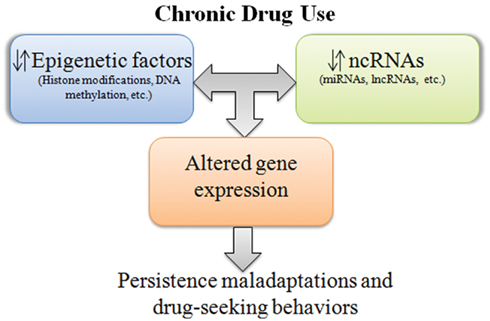
Epigenetic is a phrase used to denote the heritable alterations in gene expression which are not associated to the fundamental of DNA series; the alteration in phenotype without the alteration in genotype. Epigenetic alteration is a common and authentic happening though it may also be influenced by other factors like age, the surrounding or lifestyle, and the condition of illness. Epigenetic improvement can appear significantly like the way cells are terminally distinguish to end up as skin, liver, brain cells etc. or epigenetic alteration have more serious effects which can result in complications like cancer. By the way, we have about three systems include:

  • DNA methylation
  • Histone modification
  • Non-coding RNA (ncRNA)

These systems are related gene silencing and are currently believed to pioneer and a withstand epigenetic alteration. This is an area that needs further studies and research to uncover the role of epigenetic in variety of human disorders and lethal diseases. Because a lot more research needs to be done let us use the introduction we have given in a bid to discussing the epigenetic mechanisms of addiction to better understand how it affects substance abuser health.

Epigenetic mechanisms of addiction-Drug addiction

The scourge of drug addiction demands massive medical, economical and emotional clung on the society in the form of excess and health complications, family crumbling, loss of income and crime. The estimates according to NIDA (National Institute on Drug Abuse) indicate that in US alone the total cost of drug abuse is beyond US$600 billion yearly. The greatest concern is that of the steady increase in drug abuse by the young people and the consistent abuse of prescription drugs. It goes without saying that these statistics confirms the serious need of more research into the neuronal effects of substance abuse and the mechanisms of addiction with a view of finding the original targets for administering treatment and thwarting the addictive ailments.

Even though we are all faced with great risk of substance abuse, a hand full of us will not be strong enough to resist the temptation of drug use and coercion for pursuing drugs and eventually suffers an addiction. Being in this category is majorly swayed by ones genetic composition and the mental and communal background in which drug coverage occurs. Even though the genetic involvement to risk for addiction is approximately 50%, the precise genes which are intricate remain virtually unidentified. The addictive phenotype can continue in one’s life like forever with drug craving and relapse taking place even after decades of self-discipline signifying that drugs prompt lasting alterations in the brain fundamental addiction behaviors.

The many cells of specific organism, even though they encompass basically identical complements of DNA, differentiate to form different tissues and organs through controlled variations in the transcriptional potential of each gene, based on environmental cues, cell-to-cell signals and probably other random factors. It is becoming indistinct that many of the same processes of gene regulation which are intricate in the usual differentiation of cells and tissues during development are also tied up in the adult organism to mediate cellular adaptation to environmental stimuli.

The procedures involved in the instruction of transcriptional potential are diverse and highly complex, and include activation and inhibition of transcription factors, alteration of chromatin and DNA structure, and initiation of non-coding RNAs. Increasing evidence which supports the hypothesis that each of these mechanisms of epigenetic regulation is directly affected by substance abuse and that such adaptation is one of the main processes by which drugs bring highly stable variations in the brain that mediate the addicted phenotype. This Review summarizes the findings that support this hypothesis, and highlights areas in which future research will extend this fundamental knowledge of addiction and exploit it for new therapeutics.

Epigenetic mechanisms of addiction-Drug action and gene transcription

Apparently similar syndrome of addiction may result from acquaintance to a wide variety of chemical substances or even rewarding activities, from cocaine to gambling to sex. One collective mechanism in these various forms of addiction is thought to be activation of the brain’s reward circuitry, which centers on dopaminergic neurons in the ventral tegmental area (VTA) of the midbrain and their projections to the limbic system in particular, the nucleus accumbens (NAc; also known as the ventral striatum), dorsal striatum, amygdala, hippocampus and regions of prefrontal cortex. This reward circuitry is activated by stimuli or pursuits that encourage evolutionary fitness of the organism, such as nutrient-rich foods, sex and social stimulation. As drugs of abuse activate this circuitry far more strongly and persistently than natural rewards, and without being associated with productive behavioral results, chronic exposure to drugs modulates brain reward regions partly through a homeostatic desensitization that renders the individual unable to attain sufficient feelings of reward in the absence of drug. An alternative, but not mutually exclusive, hypothesis of addiction focuses on incentive sensitization, whereby drugs alter the reward circuitry to cause increased assignment of incentive salience to drug cues, effectively making drug-associated environmental stimuli more difficult to ignore and leading to intense drug craving and relapse. Pathological drug-induced alterations in the reward circuitry further impair behavioral control over drug taking.

Essentially all rewarding drugs escalates dopaminergic transmission from the VTA to the NAc and other target limbic regions, even though they both employ partially distinct mechanisms and in some cases involve other neurotransmitter systems as well. The activities of drugs on the NAc are further complicated by the cellular heterogeneity of this brain region. Although drugs differ in their acute mechanisms of action, the common syndrome of addiction suggests that chronic activation of these distinct, acute mechanisms induces some shared molecular adaptations in brain reward regions that mediate the lasting nature of the addictive phenotype.

Transcriptional and epigenetic mechanisms of addiction

Having discussed the dynamics of epigenetic mechanism of addiction you must have noted that it is such an interesting medical application in the effort of solving the problem of addiction. Now let us bring the whole article down a summery form and expand your desired scope of research on this particular topic of epigenetic.

  • I will suggest that alterations in the transcriptional potential of genes, through the actions of drug-regulated transcription factors, chromatin modifications and non-coding RNAs, contribute substantially to the neuroadaptations that motivate addiction. This Evaluation is to highlights key examples of such transcriptional and epigenetic mechanisms of addiction, and identifies some of the novel potential targets for therapeutic intervention during the addiction process.
  • The nucleus accumbens a region which is central to the dispensation of reward and the addicting actions of nearly all substance abuse contains a difficult milieu of cell types. It receives input from and sends signals to several brain sections. Chronic revelation to drugs of abuse alters gene expression patterns, as well as the morphology (and ultimately the functional activity) of nucleus accumbens neurons neuroadaptations which pay significantly to the addiction process.
  • Epigenetic regulation causes many adaptations of an adult organism to environmental stimuli similar to those seen in drug addiction. Post-translational improvement of histone tails and direct modification of DNA, as well as transformed levels or activity of a host of other chromatin remodeling proteins, mediate the ability of drugs of abuse, after chronic exposure, to change the expression of precise genes in the brain’s reward circuitry.
  • The current study of chromatin regulation in addiction models backs the view that epigenetic changes at individual genes do not only change the steady-state levels of their expression but also their inducibility in response to a subsequent stimulus. I will suggest that these latent epigenetic changes, termed gene ‘priming’ and ‘desensitization’, alter an individual’s adaptability and contribute substantially to the addicted state.

In conclusion because a lot of further research needs to be done I will make suggestions about some of the possible areas that need to be researched on and they include the following:

  • What controls the recruitment or expulsion of individual transcriptional and chromatin-regulatory proteins to a particular target gene?
  • What controls the formation and maintenance of distinct epigenetic states at particular genes?
  • How are the actions of drugs of abuse, all of which initially target the synapse, transduced to the neuronal nucleus to regulate the epigenetic state and transcriptional potential of individual genes?

Epigenetic mechanisms of addiction-What is Epigenetic


Facebooktwitterpinterestlinkedin