Category Archives: Men’s Health

over the counter weight loss pills

Female hormone changes

Female hormone changes

Female hormone changes quantifying weight loss benefits essentially to ensure that nothing is left unattended.

Female hormone changes: Age, lifestyle, and the environment

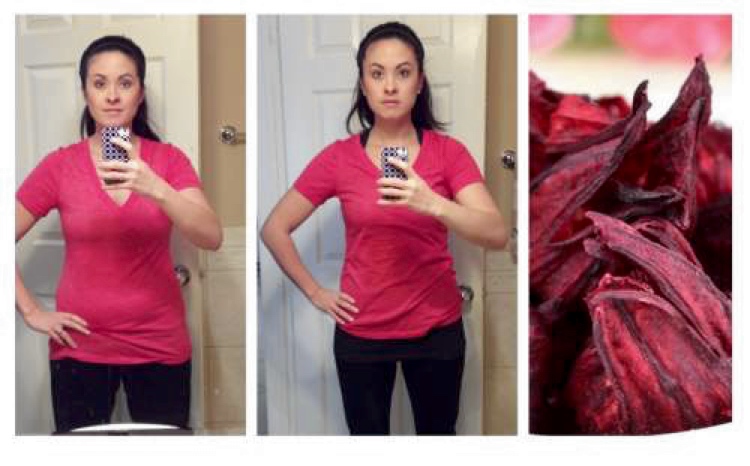
The demand for losing weight in the female gender is increasingly competing for the female hormones changes which are also a key factor in female weight loss. There are a lot of misleading information out in the market in relations to weight management and many women have been duped into believing in many such theories including the application of low-calorie diet and aerobic exercise myth. Professionally, doctor Dalal Akoury MD, President, and founder of AWAREmed health and wellness resource center, reiterates that this approach of weight loss rarely works and often creates damage to their (women) body as a consequence. As a woman ages, as a consequence of stress, or because of environmental estrogen mimicking compounds several things begin to occur. The ovaries decrease their production of estrogen and progesterone. This exacerbates estrogen and progesterone balance, further pushing the body more towards estrogen dominance.

There are also many estrogen mimickers in our food and environment. At the same time, fat cells continue to produce estrogen through an enzyme called aromatase present in fat cells. This also leads the estrogen/progesterone balance to shift more towards estrogen. At the same time slimming and muscle building hormones, like human growth hormone (HGH) and DHEA, decline. Together this creates the perfect storm for female related fat gain and most of it occurs in the mid-section.

DHEA, HGH, and progesterone are all hormones that act to keep a woman lean and block the storage of fat in the middle of her body. The tricky part is that a low-calorie diet and a focus on aerobic exercise makes this worse because they do nothing to restore these powerful hormones and may actually worsen the estrogen-progesterone imbalance in the long run.

Female hormone changes: Lasting solutions to the problem

Women should be focused on eating more of the right things and exercising smarter. This means eating higher amounts of vegetables and “estrogen-free protein as well as engaging in weight training over cardio. There are only three ways to reliably restore HGH in the body: sleep, adequate protein, and intense exercise using weights. Finally, women training is perhaps the most important aspect of this and is critical for female health especially to stop the belly fat that accumulates during aging. HGH is to women what testosterone is to men. It keeps them looking young, lean, and firm. Once progesterone levels fall due to stress, menopause, or other factors, HGH is all that is left to keep belly fat in check

The other are of concern is the fact that women falsely believe less intense exercise like walking and yoga will give them the desired “look” of their younger years. I don’t have anything against these activities because for sure they are exceedingly healthy, however, they are and will not be adequate to generate the hormonal effect needed to raise HGH, meaning that, they will work synergistically with more intense exercise to lower the negative impact of cortisol. That is why you need to have professionals from time to time to help you through your weight loss journey. And to help you with that, you can always schedule an appointment with doctor Akoury now for the commencement of your recovery program.

Female hormone changes: Age, lifestyle, and the environment

http://regenerativepotential.com/wp-admin


Facebooktwitterpinterestlinkedin
Obesity-medical-poster-design-37231081

Cellular body inflammation causes obesity

Cellular body inflammation

Cellular body inflammation causes obesity can all be addressed beginning with change of life style

Cellular body inflammation causes obesity: Health complications attached

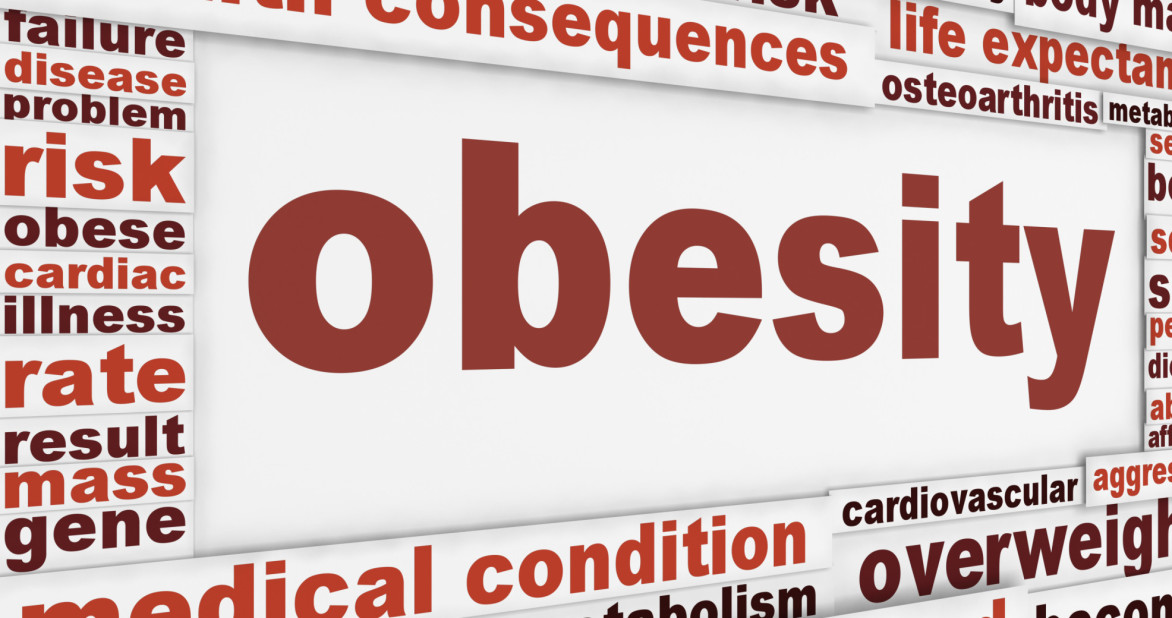
A common theme that links many diseases and chronic illness is uncontrolled cellular body inflammation. It is a factor with most diseases including cardiovascular disease, diabetes, cancer, arthritis and many autoimmune-related conditions. And from the expert desk at AWAREmed health and wellness resource center under the leadership of doctor Dalal Akoury MD, it will interest you to note that recently obesity has recently been added to this group of diseases because it is equally presenting a low grade inflammatory response within many of the body’s tissues, which cause deleterious effects leading to the development of cardiovascular and metabolic disease.

It is well known that being overweight is detrimental to one’s health, but until recently the known mechanisms were limited. Scientists over the last decade have started to unravel the mystery of why obesity leads to premature death. Although there is still much to learn, it is valuable to comprehend the known effects of chronic inflammation, as the prevalence of obesity continues to be a rising problem among the American population, particularly in children.

Cellular body inflammation causes obesity: Chronic Inflammation

Inflammation is, by design, a protective response leading to the repair of tissue. When inflammation becomes chronic, as is the case with obesity, chemical mediators, derived from different cellular activities, change in dynamics causing a progressive state of decline. Fat cells are now considered an immune organ that secretes numerous immune modulating chemicals. Visceral fat, in particular, is associated with the low grade inflammation that seems to be a contributing pathologic feature for metabolic disease through insulin resistance and the promotion of atherosclerotic build-up in circulatory vessels.

When high levels of visceral fat are combined with physical inactivity, over nutrition, and advancement in age, the effect becomes more pronounced. Visceral fat is highly metabolic and contributes to cytokine hyperactivity. Adipokines secreted from fat tissue influence the metabolic process and contribute to proper function. The consequent low grade inflammation associated with obesity causes disturbance in the secretion and function of adipokines. Research has identified changes in adiponectin, leptin, and resisting that exhibit harmful effects upon the body in obese individuals.  Adiponectin is an antiatherogenic agent, meaning it helps prevent the development of atheroschlerotic plaque in blood vessels and slows the progression of atherosclerosis in coronary vessels. It does this by acting directly upon the vessel wall, inhibiting adhesive molecules from contributing to plaque formation and acts as a blocking agent to the formation of foam cells.

Finally, take note that in the skeletal muscle and the liver, adiponectin serves to promote insulin sensitivity and a positive blood lipid profile. Visceral adiposity reduces adiponectin concentrations. Lowering the adiponectin concentrations lessens the cardio protective effect, leading to increased cardiovascular risk. You may have realized that in this discussion of cellular body inflammation and how it causes obesity, a lot of medical terminologies are applied which may not make sense to many lay people. In appreciating that fact and to help you take good precautions about obesity and overweight, we want to encourage you to schedule an appointment with doctor Dalal Akoury not for a one on one simplicity discussions that will address all your concerns and have then addressed professionally.

Cellular body inflammation causes obesity: Health complications attached

http://www.awaremednetwork.com/

Facebooktwitterpinterestlinkedin
Obesity addiction

Hypothalamic pituitary adrenal axis

Hypothalamic pituitary adrenal

Hypothalamic pituitary adrenal axis a weight loss motivating factor

Hypothalamic pituitary adrenal axis: Upper body obesity

The HPA (Hypothalamic Pituitary Adrenal axis) axis is one of two major neuroendocrine systems associated with the stress response. Corticotrophin-releasing hormone (CRH), secreted from the Para-ventricular nucleus (PVN) of the hypothalamus, stimulates the synthesis of adrenocorticotropic (ACTH) from the anterior pituitary gland. Other hypothalamic ACTH secretagogues are arginine vasopressin and oxytocin, also produced in the PVN. Physical stressors such as hypoglycemia, hemorrhage, and immune stimuli activate PVN neurons expressing arginine vasopressin and CRH. ACTH stimulates cortisol production from the adrenal cortex. And according to the experts at AWAREmed health and wellness resource center under the leadership of doctor Dalal Akoury MD, There is clear evidence that cortisol levels may be related to obesity and metabolic disease and that is based on clinical observations of Cushing’s syndrome; the pathological hypercortisolemia in Cushing’s syndrome is associated with UBO, glucose intolerance [impaired glucose tolerance (IGT)], and hypertension. Adrenalectomy in Cushing’s syndrome patients reverses IGT and obesity. Research findings in the last decade has demonstrated that obesity and metabolic syndrome are characterized by chronic inflammation.

Fetal programming, stress, and obesity

Stress experienced in early life may also be a risk factor in the development of obesity and metabolic syndrome. A study on nonhuman primates reported that juvenile bonnet macaque monkeys exhibit greater weight, BMI, waist circumference, and insulin resistance if their mothers are exposed to food insecurity when the monkeys are young (age 3–5 months) further explaining why stress is a serious factor.

Sleep deprivation and obesity

In the past 30 years, the average nightly sleep duration has decreased from 8–9 to 7 h per night. Currently, 30% of all adults in the USA sleep less than 6 h per night. Sleep deprivation has been linked to both increased risk for obesity. Epidemiological studies have reported a negative association between BMI and sleep duration in adults and, children. Sleep deprivation is suggested to be a chronic stressor that may contribute to increased risk for obesity and metabolic diseases, possibly in part through HPA axis dysregulation, although the data are inconsistent. Sleep deprivation resulted in decreased night-time and morning plasma cortisol levels, or increased night-time plasma cortisol levels in other studies.

Finally, from the professional desk at AWAREmed health center, the current review provides basic support for the relationship between chronic stress, alterations in HPA activity, and obesity. Although animal models provide evidence of the association of stress, HPA axis, and metabolic diseases, human studies have proven to be more challenging, with more understated changes in the HPA axis. Therefore, for us to be safe from all these research findings, we have a duty to place both individually and collectively. And because of this, doctor Akoury established this health center to help in the transformation of people’s lives through increasing awareness about health and wellness and by empowering individuals to find their own inner healing power. Besides that, it will interest you to note that doctor Akoury’s practice focuses on personalized medicine through healthy lifestyle choices that deal with primary prevention and underlying causes instead of patching up symptoms making her the best for you and your loved ones. You can schedule an appointment with her on telephone number 843 213 1480 for the commencement of your recovery process.

Hypothalamic pituitary adrenal axis: Upper body obesity

http://www.integrativeaddictionconference.com/wp-admin


Facebooktwitterpinterestlinkedin
Obesity an addiction

Upper body obesity and health complications

Upper body obesity

Upper body obesity and health complications can be addressed by simple physical activities and change of lifestyle

Upper body obesity and health: Stress response

There is no doubt that the prevalence of obesity has increased dramatically over the past decades. This is now a global concern and more so the upper body obesity (UBO), which is associated with type 2 diabetes (T2DM), dyslipidemia, and hypertension. According to doctor Dalal Akoury MD, President and founder of AWAREmed health and wellness resource center, the associations describe the metabolic syndrome, a clustering of symptoms with insulin resistance as a core cause. Regrettably, the prevalence of obesity and metabolic syndrome is now above average deeming both conditions serious public health issues, requiring immediate professional redress. Now that I have set your mind thinking, if you are considering taking timely action, schedule an appointment with doctor Akoury today for the commencement of your recovery process. And as you make that consideration, let us now focus on the roles of HPA (Hypothalamic Pituitary Adrenal axis).

Upper body obesity and health: The role of hypothalamic pituitary adrenal axis

Speaking to the experts at AWAREmed health center, it is obvious that stress is a serious challenge to the natural homeostasis of an organism. Animals react to stress by producing a physiological stress response to regain equilibrium lost by the stressor. The stress response is characterized by acute behavioral and physical adaptations, including increased cognition, analgesia, gluconeogenesis, lipolysis, and inhibition of reproduction. Digging deeper, there are two major components of the stress response: the autonomic nervous system (ANS), which encompasses the sympathetic and parasympathetic nervous system, and the HPA axis. These systems work centrally and peripherally to produce several responses. The ‘fight or flight response’ is an active reaction to either confront the stressor or escape confrontation.

The ‘defeat response’ is when the individual does not engage in either the fight or flight response and ultimately ‘loses’ the confrontation; this is the primary stress response in modern society and is associated with HPA axis changes. Although the ANS is a key element of the stress response, the purpose of this article is to discuss the role of the HPA axis in obesity and metabolic disease. Having said that, doctor Akoury reiterates that stress can be caused by external stressors such as employment or social strains or by intrinsic stressors such as sleep deprivation. Although an acute short-term stress response is necessary for homeostasis recovery, chronic or prolonged stress responses can be harmful and may cause several diseases stated above. A study on women reported that history of depression was associated with hyperactivity of the HPA axis and decreased bone mineral density. In the past 30 years, numerous studies have shown that obesity and other metabolic risk factors are associated with lower socioeconomic status, job strain, sleep deprivation, and depression.

Finally, and because of these factors, we can’t sit without doing something towards containing the prevalence of obesity and overweight. Guided by that great need, doctor Akoury made a passionate decision of creating this medical center primarily help in the transformation of each individual’s life through increasing awareness about health and wellness and by empowering individuals to find their own inner healing power. Out of this many have benefited and you too can if only you can let us know of your problems by calling us on telephone number 843 213 1480 and we will address all your concerns professionally.

Upper body obesity and health: Stress response

http://regenerativepotential.com/wp-admin

Facebooktwitterpinterestlinkedin
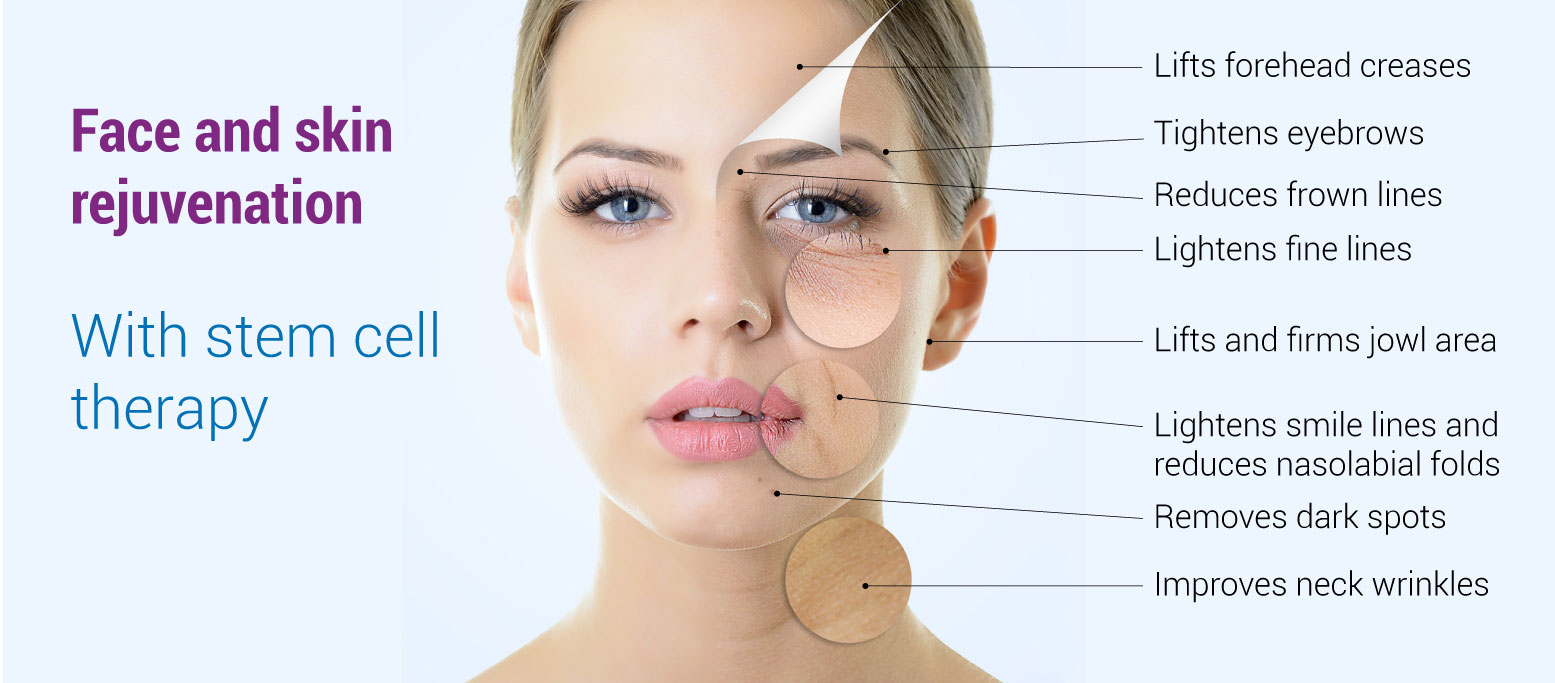
stem cell therapy

Reviving skin beauty using essential foods

Reviving skin beauty

Reviving skin beauty using essential foods by consuming more lycopene (the carotenoid that makes tomatoes red) may protect your skin from sunburn which is a perfect element in reviving skin

Reviving skin beauty using essential foods: Tomatoes for wrinkle free skin

Consuming more lycopene (the carotenoid that makes tomatoes red) may protect your skin from sunburn which is a perfect element in reviving skin beauty. In one study, participants who were exposed to UV light had almost 50 percent less skin reddening after they ate 2 1⁄2 tablespoons of tomato paste or drank about 1 2⁄3 cups of carrot juice daily, in addition to their regular diet, for 10 to 12 weeks. Supplements, however, weren’t as effective: in the same study, those who received a lycopene supplement or synthetic lycopene weren’t significantly protected against sunburn.

Reviving skin beauty using essential foods: Salmon and Papaya

The omega-3 fatty acids DHA and EPA (docosahexaenoic and eicosapentaenoic acids, respectively) found in salmon may shield cell walls from free-radical damage caused by UV rays, according to a 2009 study in the American Journal of Clinical Nutrition. Researchers followed the eating habits of more than 1,100 Australian adults for approximately five years and found that for those who ate a little more than 5 ounces of omega-3-rich fish—such as salmon—each week the development of precancerous skin lesions decreased by almost 30 percent. Aim to eat two servings of fatty fish each week: not only are the omega-3s good for your skin, they’re good for your heart too.

Papaya is an excellent source of vitamin C and research suggests that vitamin C may help protect skin cells against sun damage by promoting the repair of DNA which has been harmed by UV rays. UV rays break the chemical bonds of skin cells, killing them and damaging their DNA which may eventually cause cancerous growth. You can find vitamin C in a multitude of cosmetics—of which some have been shown to be effective in protecting skin—but why not go straight to the source for a tasty boost of vitamin C.

Reviving skin beauty using essential foods: Corn and Egg yolk

Corn is an excellent source of lutein, a type of carotenoid. Just like lycopene, lutein also shields your skin from UV damage therefore, in the event that corns are off season then you may opt for alternatives like frozen vegetables which are equally full of health compared to some of the fresh produce available groceries. This is because fruits and vegetables chosen for freezing tend to be processed at their peak ripeness, a time when as a general rule they are most nutrient-packed.

The yolk part of eggs comprises of carotenoid lutein, which like lycopene protects skin from UV damage. Lutein also helps to keep eyes healthy. Multiple studies have associated lutein with reduced risk for age-related macular degeneration which is the leading cause of blindness in people over 50.

All these are effective ingredients in reviving your skin beauty and for consistency, you will need to always seek professional input from time to time by scheduling an appointment with doctor Dalal Akoury MD, President, and founder of AWAREmed health and wellness resource center and all your beauty concerns will be addressed professionally.

Reviving skin beauty using essential foods: Tomatoes for wrinkle free skin

http://www.awaremednetwork.com/

Facebooktwitterpinterestlinkedin