Category Archives: alcoholism and addiction

alcoholismlsd_main_03091

Tolerating drug use during holidays
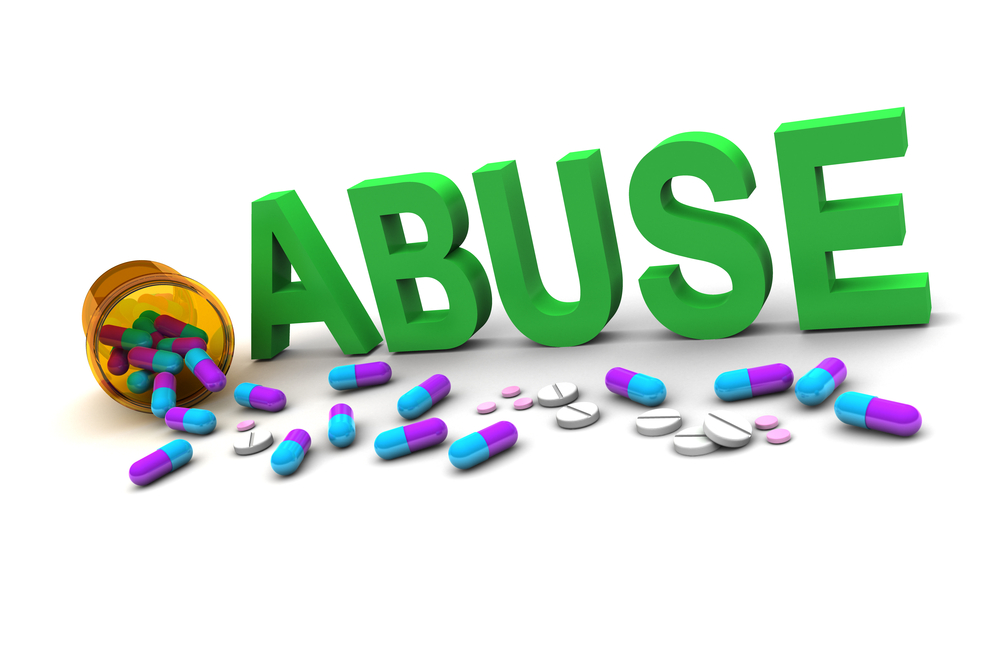
Tolerating drug use

Tolerating drug use during holidays is becoming one of the major entry points for teens into drug abuse

Tolerating drug use during holidays: Taking precautions when drinking

Today we have problems with our teens who are struggling with their life transformations from teens to adulthood. Because of this, there is a lot of consistency in tolerating drug use during this stage of life. Things often go bad during school vacations and family holidays when out celebrating. During this time, many young people often want to explore and fit in with their peers and the end product is the misuse of alcohol and drugs. It is because of the dangers that are associated with this habit that young people must take extra precautions when they are enjoying drinking in the company of their friends. From the expert’s point of view, doctor Dalal Akoury MD, President, and founder of AWAREmed health center make the following precautions for consideration by the teens:

  • Never accept drinks from strangers.
  • Always have you drink openly before you.
  • When using drinking glasses never leave your glass or bottle half way when visiting the bathrooms and if you do an order for fresh drink and dispose of whatever you left halfway.
  • Drink responsively less you intoxicate yourself for your prey to have a field day.
  • Better still do not drink.

Stress is a big impediment to a drug-free society and our young people are very delicate during the holiday period. Parents and guardians must not exact unnecessary pressures to the youths during the holiday season. Personal issues, family conflicts, and financial matters may impact negatively on the health and well-being of an individual and because of these pressures youths tend to turn to drugs and alcohol to let loose and forget their problems. The temptation to go to parties, where alcohol and drugs are frequently offered, is high. When an individual is stressed it is important that they get a healthy amount of rest and sleep and take part in activities that can help decrease stress levels like exercise, yoga, meditation, listening to music or getting a massage.

Tolerating drug use during holidays: What to do when faced with drugs

Finally, I want to address the young people passionately on what to do when face with the discussed circumstances.

  • Youths should understand that there are fun alternatives to using drugs over the holidays.
  • Instead of resorting to drugs they can use friendly non-alcoholic drinks, such as smoothies or non-alcoholic cocktails.
  • When they are invited to a party they should go with a friend who does not drink.
  • At the party, they should engage in healthy conversation, dancing and enjoy the music.
  • Eating is always a good way to distract the need of having a drink in your hand.
  • Food can also make you full, thereby avoiding the need to drink.
  • Most importantly, if they feel overwhelmed, they should ask for help.
  • They should take the time to connect with other people who are willing to support them positively.

With all these information you will still need professional along the way. Doctor Dalal Akoury and her team of experts at AWAREmed Health and Wellness Resource Center will always be there to care for you and administer treatment to you while focusing on Neuroendocrine Restoration (NER) to reinstate normality through the realization of the Oneness of Spirit, Mind, and Body, Unifying the threesome into ONE. Passing through doctor Akoury will give you an opportunity to get your life back in record time and live it to the fullest.

Drug addiction tolerance during holidays: The biggest cause of injuries

http://www.I-AM-I.com/wp-admin


Facebooktwitterpinterestlinkedin
hypnotherapy

Drug addiction indulgence during Seasons

Drug addiction indulgence

Drug addiction indulgence during Seasons is becoming alarming and we all need to protect ourselves even as we celebrate

Drug addiction indulgence during Seasons: Celebrations times

People all over the world have one single common denominator, everywhere you go people of all life status like to have moments of celebrations and spend some time enjoying the plenty life can offer. This undisputed interest, however, comes at a cost and many revelers have open specific accounts to save money to finance this season of celebration which normally comes during Christmas and new year eve. I am in total agreement with everyone that some free time away from the hectic and busy schedules of life is necessary for once life because I am equally doing the same. My purpose of this article will dwell on some of the negative things which do happen during this season branded celebration times. In particular, we will be discussing the drug addiction indulgence when marry making.

As indicate holiday season is a time where school going students are out, shopping malls are packed to capacity, entertainment joints entrepreneurs are doing good business because of the increasing number of clients visiting their joints. Today the celebration time (Christmas and New Year eve) are around the corner and everyone is looking forward to presents, parties, food, and booze. For many, the holiday season is a time of enjoyment and happiness, but for some, the holiday brings out a lot of stress. We spoke to the experts at AWAREmed Health and Wellness Resource Center under the able leadership of doctor Dalal Akoury over this and professionally, she agrees that a lot of things happens during partying and letting loose. Stress for example:

Drug addiction indulgence during Seasons: Stress and celebrations

  • The holiday season triggers both good and bad forms of stress and emotions almost in equal measure.
  • Some people will cope with stress by turning to food. They will indulge in large amounts of food that can result in weight gain and eventually obesity.
  • Stress can also trigger negative behaviors like alcohol consumption and drug use. For sure alcohol and drug use are often exacerbated during the holidays, especially on Christmas and New Year eve.
  • Stress is also one of the leading causes of alcohol and drug relapse.

Now that we have some common understanding about stress, we can look at our theme topic of drug addiction indulgence during seasons. Much as it is a time of relaxation, the holiday season may be a distraction and overwhelming for individuals who are recently recovering from addiction. Take for example the transport sector of any nation, the rate of automobile accidents, drug overdoses, suicides and violence causing death increases tremendously during the holidays. Nearly all these incidents are connected to alcohol and drug abuse, typically by those who are trying to cope with the holiday stress. A study conducted by the Centers for Disease Control found that suicide victims commonly tested positive for alcohol or illicit drugs and about 33% of the suicide victims tested positive for alcohol, 16% tested positive for opiates, 9% tested positive for cocaine and 8% tested positive for marijuana, worrying statistics indeed.

These statistics are real and you and I must choose to do something. On our part, I with a lot of passion established this facility to primarily transform each individual’s life through increasing awareness about health and wellness and by empowering individuals to find their own inner healing power. Dr. Akoury’s practice focuses on personalized medicine through healthy lifestyle choices that deal with primary prevention and underlying causes instead of patching up symptoms. Speak to us on telephone number 843 213 1480 and let us win this war.

Drug addiction indulgence during Seasons: Celebrations times

http://regenerativepotential.com/wp-admin

Facebooktwitterpinterestlinkedin
Glutamate-Homeostasis-Hypothesis-Addiction

Addictive biochemistry and the HPA axis

Addictive biochemistry

Addictive biochemistry and the HPA axis that focuses on the real action points

Addictive biochemistry and the HPA axis: Ending alcohol abuse using alternative treatment

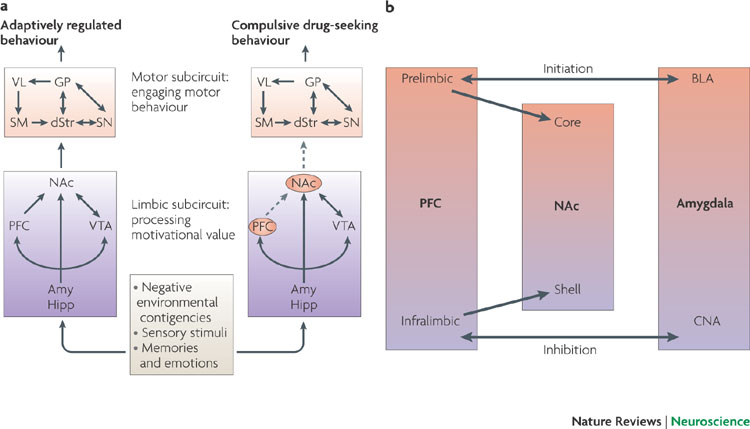
The door to addictive biochemistry opens when either the hypothalamus or one of the organs which serve the hypothalamus in accomplishing this job is injured, or if the nutrients required are not available. In any one of these conditions, the entire system will fall off the “point zero” (homeostasis) that the HPA system tries to maintain opening the door for addictive biochemistry. According to the experts at AWAREmed Health center under the leadership of doctor Dalal Akoury MD, we can’t change the fact that addictive biochemistry and full out alcoholism are associated with overexpression of the sympathetic nervous system; low serotonin, GABA, dopamine, endorphins and enkephalins and it is in the hypothalamus where the delicate job of balancing this network of hormones and neurotransmitters to achieve physical and mental health is supposed to be done whether it be directly from the hypothalamus or via the pituitary and adrenals under the control of the hypothalamus.

Differences between biochemistry and alcoholism

The only difference between addictive biochemistry and full out alcoholism is that addictive biochemistry becomes aggravated, meaning that the deficient condition within the hypothalamus, pituitary or adrenals is made more profound by the damaging effects of alcohol toxicity and the medicating effects which, while drinking, overexpress serotonin, endorphins and dopamine which magnifies the negative impact of an already up-regulated brain chemistry. The symptoms the problem drinker experiences intensify in direct relationship to the diminishing health of the neuroendocrine system which further encourages the person to drink more thus causing further damages. This cycle progressively intensifies until intervention which discontinues and heals the damage is required to stop it.

The pituitary gland is located below the hypothalamus and is directly connected to it via nerve and circulatory pathways. The hypothalamus regulates the function of the pituitary gland which in turn controls hormonal secretions of all other glands; however, specific to alcoholism we are concerned with the function of the adrenals and the secretion of cortisol which is under control of ACTH (adrenocorticotrophin) secreted by the pituitary, and epinephrine and norepinephrine which is also released by the adrenals due to a rise in CRH and/or signals from the sympathetic nervous system.  In the case of cortisol release, when the hypothalamus registers low blood sugar it will send CRH (corticotrophin releasing hormone) to the pituitary which then releases ACTH which will cause cortisol to be secreted from the adrenals.  This chain of events will also cause the release of epinephrine and to a lesser degree norepinephrine.  Prolonged increased levels of epinephrine will block insulin receptors which lead to insulin resistance and lowered serotonin, endorphin, enkephalin and GABA levels which impair HPA functions and increases compulsive/addictive behavior.

The adrenals sit on top of the kidneys and are directly controlled by the pituitary gland. The adrenals are comprised of two sections; one is the medulla which is the inner core and the second is the adrenal cortex which is the outer layer. The medulla relates to the sympathetic nervous system and produces the catecholamine’s epinephrine and norepinephrine. The adrenal cortex produces sex hormones, aldosterone, and what we’re most concerned with cortisol.

Although it is hard to imagine because they are docked on our kidneys, adrenal health is fundamental to our mental health. Proper levels of cortisol, epinephrine and norepinephrine are crucial to our mental well-being so the concentrated focus needs to be applied to their health when healing addictive biochemistry and alcoholism. As you consider breaking way from addictive biochemistry and alcoholism, you can always consult with doctor Dalal Akoury an expert in this discipline for over two decades and has been helping many get their life back globally by emphasizing on Neuroendocrine Restoration (NER) to reinstate normality through realization of the oneness of Spirit, Mind, and Body, Unifying the threesome into ONE.

Addictive biochemistry and the HPA axis: Ending alcohol abuse using alternative treatment

http://www.integrativeaddictionconference.com/wp-admin


Facebooktwitterpinterestlinkedin
time-to-quit-drinking-alcohol-s

Real compulsive drinking effects

Real compulsive drinking

Real compulsive drinking effects must be identified and treated professionally

Real compulsive drinking effects: Denial

When making reference to the real compulsive drinking effects, many at times concentration is much on the physical health without looking at the social consequences attached to alcoholism and substance abuse. There are quite of very devastating social consequences which doctor Dalal Akoury MD, President and founder of AWAREmed Health and Resource Center are going to share with us in this article. And as you continue unlocking your addiction problems and coming to terms with the realities of the dangers you’re putting yourself in, you can always start today by scheduling an appointment with the home of experts at AWAREmed Health Center for the commencement of your recovery process. Remember that early treatment is always preferred, however, if you have been in addiction for a long time, there is still hope and you can do the same now professionally with doctor Akoury. Now to the real compulsive drinking effects:

Real compulsive drinking effects: The effects of alcoholism and alcohol abuse on the people you love

Despite the potentially lethal damage that heavy drinking does to the body including cancer, heart problems, and liver disease the social consequences can be just as devastating. Alcoholics and alcohol abusers are much more likely to get divorced, have problems with domestic violence, struggle with unemployment, and live in poverty.

But even if you’re able to succeed at work or hold your marriage together, you can’t escape the effects that alcoholism and alcohol abuse has on your personal relationships. Drinking problems put an enormous strain on the people closest to you.

Often, family members and close friends feel obligated to cover for the person with the drinking problem. So they take on the burden of cleaning up your messes, lying for you, or working more to make ends meet. Pretending that nothing is wrong and hiding away all of their fears and resentments can take an enormous toll. Children are especially sensitive and can suffer long-lasting emotional trauma when a parent or caretaker is an alcoholic or heavy drinker.

Getting help for alcoholism or alcohol abuse

If you’re ready to admit you have a drinking problem, you’ve already taken the first step. It takes tremendous strength and courage to face alcohol abuse and alcoholism head on. Reaching out for support is the second step.

Whether you choose to go to rehab, rely on self-help programs, get therapy, or take a self-directed treatment approach, support is essential. Recovering from alcohol addiction is much easier when you have people you can lean on for encouragement, comfort, and guidance. Without support, it’s easy to fall back into old patterns when things get tough.

Your continued recovery depends on continuing mental health treatment, learning healthier coping strategies, and making better decisions when dealing with life’s challenges. In order to stay alcohol-free for the long term, you’ll also have to face the underlying problems that led to your alcoholism or alcohol abuse in the first place.

Those problems could be depression, an inability to manage stress, an unresolved trauma from your childhood, or any number of mental health issues. Such problems may become more prominent when you’re no longer using alcohol to cover them up. But you will be in a healthier position to finally address them and seek the help you need.

Real compulsive drinking effects: Denial

http://regenerativepotential.com/wp-admin


Facebooktwitterpinterestlinkedin
Alcohol kills

Compulsive drinking effects and denial

Compulsive drinking effects

Compulsive drinking effects and denial

Compulsive drinking effects and denial: Myths about alcohol dependence

Many people have failed in dealing with their alcoholism and drug abuse problems because of the wrong information they get from their suppliers and fellow users of their substances. Because of this, the compulsive drinking effects have continually increased each passing year. As experts from AWAREmed Health center under the able leadership of its founder doctor Dalal Akoury MD, we want to highlight some of the myths that have contributed in rooting denial in the lives of addicts even when they are fully aware of the consequences involved.

I can stop drinking anytime I want toMaybe you can; more likely, you can’t. Either way, it’s just an excuse to keep drinking. The truth is, you don’t want to stop. Telling yourself you can quit makes you feel in control, despite all evidence to the contrary and no matter the damage it’s doing.

My drinking is my problem. I’m the one it hurts, so no one has the right to tell me to stopIt’s true that the decision to quit drinking is up to you. But you are deceiving yourself if you think that your drinking hurts no one else but you. Alcoholism affects everyone around you—especially the people closest to you. Your problem is their problem.

I don’t drink every day, so I can’t be an alcoholic OR I only drink wine or beer, so I can’t be an alcoholic – Alcoholism is NOT defined by what you drink, when you drink it, or even how much you drink. It’s the EFFECTS of your drinking that define a problem. If your drinking is causing problems in your home or work life, you have a drinking problem—whether you drink daily or only on the weekends, down shots of tequila or stick to wine, drink three bottles of beers a day or three bottles of whiskey.

I’m not an alcoholic because I have a job and I’m doing okay – You don’t have to be homeless and drinking out of a brown paper bag to be an alcoholic. Many alcoholics are able to hold down jobs, get through school, and provide for their families. Some are even able to excel. But just because you’re a high-functioning alcoholic doesn’t mean you’re not putting yourself or others in danger. Over time, the effects will catch up with you.

Drinking is not a “real” addiction like drug abuse – Alcohol is a drug, and alcoholism is every bit as damaging as drug addiction. Alcohol addiction causes changes in the body and brain, and long-term alcohol abuse can have devastating effects on your health, your career, and your relationships. Alcoholics go through physical withdrawal when they stop drinking, just like drug users do when they quit. All these and much more are just but hindrances which you can overcome by scheduling an appointment with doctor Dalal Akoury today for the commencement of your recovery process.

Compulsive drinking effects and denial: Effects of alcoholism and alcohol abuse

Finally, it is true that alcoholism and alcohol abuse can affect all aspects of your life. Long-term alcohol use can cause serious health complications, affecting virtually every organ in your body, including your brain. Problem drinking can also damage your emotional stability, finances, career, and your ability to build and sustain satisfying relationships. Alcoholism and alcohol abuse can also have an impact on your family, friends and the people you work with. We will be discussing this in details progressively in our next postings which you don’t want to miss. Stay with us on the link and learn with the best.

Compulsive drinking effects and denial: Myths about alcohol dependence  

http://regenerativepotential.com/wp-admin

Facebooktwitterpinterestlinkedin