Category Archives: outpatient addiction treatment

Crashing addiction

Seeking support in dealing with addiction

Seeking support

Seeking support in dealing with addiction will help you even in the treatment of multiple drug addiction cases.

Seeking support in dealing with addiction: The necessities of professional help

The journey of addiction recovery will not be an easy one and therefore when adding nutrition to your list of elements and tools of fighting addiction, it will be very important for you to find and collaborate with a trained nutritionist who can tailor your diet to your specific needs in recovery. Remember that no matter where you live, seeking support in dealing with addiction is not optional and for sure it will not be difficult for you finding a trained nutritionist within your locality. The good news to you is that when you reach out for experts at AWAREmed Health and Wellness Resource Center under the able leadership of doctor Dalal Akoury, you will not only find nutritionist but also highly qualified addiction experts who will be able to holistically address all your nutritional and addiction needs professionally and timely leaving you to enjoy your life to the fullest thereafter.

Dr. Akoury is fellowship trained and certified in anti-aging functional and regenerative medicine, as well as having more than twenty years of accumulated experience in emergency medicine, pediatrics, and a master’s degree in public health. She has also served fellowships in pediatric hematology/oncology and has performed research in leukemia and the effects of smoking. Besides that her decision to create a medical center whose main objective is to transform each individual’s life through increasing awareness about health and wellness and by empowering individuals to find their own inner healing power was guided by the enormous struggle that she saw in the faces of those struggling with addiction problems. It will also interest you to note that Dr. Akoury’s practice focuses on personalized medicine through healthy lifestyle choices that deal with primary prevention and underlying causes instead of patching up symptoms. Therefore if you or any of your loved ones is struggling with any kind of addiction, you can reach out for her on telephone number 843 213 1480 and schedule for an appointment with her to have all your addiction needs professionally addressed today.

Seeking support in dealing with addiction: The sugar saboteur and food as a substitute addiction

In her practice, doctor Akoury strongly emphasizes on sugar regulation because of its addictive nature. It is not uncommon, she says, for people recovering from drug and alcohol addiction to become addicted to sugar. Alcoholics are especially prone to sugar addiction and to the energy rollercoaster that accompanies it, nonetheless that is not all because sugar addiction also affects other addicts too. Akoury believes that eating in a way that promotes blood sugar spikes and crashes is a recipe for disaster when it comes to maintaining your sobriety. She says that when you get that blood sugar crash, your body craves for more sugar. In an alcoholic’s mind, and it works this way in a drug addict’s mind too, when you crave sugar it immediately translates in your brain to alcohol and you get a really strong craving for alcohol. It may be a craving that you can’t control. By regulating their blood sugar, recovering alcoholics can avoid the sugar highs and lows that often send them running for a drink. According to her, in many cases, an addict’s overwhelming urge for his or her next fix is actually a sugar craving in disguise.

The tendency for recovering addicts to develop sugar addiction as they withdraw from alcohol or drugs is an example of a very common phenomenon in addiction recovery. It is not uncommon for those recovering from addiction to turn to food as a replacement. According to a study published in the international research journal Appetite, men in the early stages of recovery often practice dysfunctional eating habits, including substituting food for their drug of choice.

Seeking support in dealing with addiction: The necessities of professional help

http://www.integrativeaddictionconference.com/wp-admin

Facebooktwitterpinterestlinkedin
Addiction consequences

Professional support in dealing with addiction

Professional support

Professional support in dealing with addiction will help you overcome instances of relapse

Professional support in dealing with addiction: The role of amino acids

Professional support in dealing with drug addiction is very essential and that is why professionals at AWAREmed Health and Wellness Resource Center agrees that one of the most promising areas of nutritional therapy for recovering addicts relates to neurotransmitters, amino acids, and how they all affect the brain. Research has also demonstrated that the substantial role neurotransmitters, the chemicals that transmit messages between neurons and other cells in the body, play in addiction.

The connection between neurotransmitters and addiction results from the ability of drugs and alcohol to impact the brain’s output of certain neurotransmitters. For example, cocaine causes the brain to increase its production of the neurotransmitter dopamine which impacts mood and stimulates the feeling of pleasure. A problem arises, however, when the brain has been artificially stimulated to produce a neurotransmitter so often that it no longer produces this neurotransmitter on its own. Essentially, what this means is those recovering from addiction are dealing with a brain that no longer creates neurotransmitters, like dopamine, which play an integral role in their well-being.

Professional support in dealing with addiction: The true health building blocks

According to doctor Akoury, amino acids, which are the building blocks of protein, are precursors to neurotransmitters including those most related to addiction like serotonin, dopamine, and norepinephrine. This connection indicates the potential to treat addiction through the targeted consumption of amino acids, which can be done through the intake of certain foods or supplements. Since dopamine is the key neurotransmitter involved with addiction and is associated with ‘reward,’ it is critical to restore depleted dopamine levels through a higher protein intake. Phenylalanine is an essential amino acid which is widespread in food that becomes tyrosine, which is converted to dopamine.

An example of how amino acid supplementation works for addiction can be found in the instance of alcohol withdrawal. Alcoholics going through withdrawal experience an increased turnover of the neurotransmitter norepinephrine. The amino acid phenylalanine, however, is a precursor to norepinephrine. If an individual recovering from alcohol addiction eats foods high in phenylalanine, like meat and fish, he will be helping to fulfill the need for this neurotransmitter during withdrawal.

Professional support in dealing with addiction: Dietary recommendations

Finally says doctor Akoury, it is important to note that dietary recommendations do vary mostly depending on the substance you are withdrawing from. Alcohol and opiates, for example, negatively impact the stomach it therefore means that people recovering from these substances should work to restore gut health through increased intake of probiotics. Cocaine however is associated with essential fatty acid deficiency, so those recovering from cocaine addiction would benefit from increased consumption of Omega 3. Because of these nuances in each recovering addict’s dietary needs, it is important to collaborate with a trained nutritionist to determine what nutritional approach will help you most on your road to recovery.

Professional support in dealing with addiction: The role of amino acids

http://www.awaremednetwork.com/


Facebooktwitterpinterestlinkedin
Alcohol and work

Remaining sober by ensuring healthy eating habits

Remaining sober

Remaining sober by ensuring healthy eating habits will help you escape instances of black out

Remaining sober by ensuring healthy eating habits: Nutrition and recovery

Did you know that the food you eat could either help you out of your addiction situation? On the other hand the same food can also make you to sink further into addiction. These are two conflicting statements yet they are pregnant with a lot of truth in them. If you are wondering how, then you are just right in time for the commencement of this healthy discussion whose main focus is based on remaining sober by ensuring healthy eating habits. Now to begin with, there is the general concern that the escalation of substance abuse is ruining the young, the old and even the unborn children. This is not something to be taken lightly because lives are being lost, manpower in our work stations is reducing and the cost of maintaining the victims in the rehabilitations centers is chocking the economies of our states down to the local villages and to the smallest unit of our families. Doctor Akoury a veteran addiction expert is not left out in this matter and she is saying that as things stand right now, there is mounting evidence which suggests that some of these sweet and appealing food stuff may be the reason why we are ever struggling with all manner of addictions. If this is the prevailing circumstance, the question that begs for an answer is what is the best solution to the problem? This is the one million questions that we want to respond to in this discussion.

Remaining sober by ensuring healthy eating habits: The nutritional double whammy

From the professional point of view, the nutritional dilemma faced by recovering addicts is coming in two different categories. The first one being the very act of ingesting drugs or alcohol which is no doubt wreaking havoc on the body of users. Like for instance alcohol is one of the greatest impediments to nutrient breakdown and assimilation resulting in nutritional deficiencies. Opiates on the other hand tend to cause gastrointestinal issues, and more so during opiate withdrawal, severe vomiting and diarrhea can lead to nutrient depletion while stimulants will be suppressing appetite which can ultimately lead to an insufficient intake of calories and nutrients.

In addition to the purely physiological implications of drug and alcohol abuse, there is another factor that results in a less than stellar nutritional report card for addicts and that is change in lifestyle. Professionally doctor Akoury reports that when a person is lost in an addiction, he/she is less likely to eat in a very unhealthy manner. This is so because some of these drugs will cause you to eat too much while on the other hand the others will do the opposite thereby causing you to eat too little. At the height of their drinking, alcoholics often derive as much as 50 percent of their daily calorie allowance from alcohol itself.  In most cases, the need for the addictive substance is prioritized over the need for, say, a whole-grain turkey sandwich or other high-quality nutrient-dense food says doctor Akoury. If this trend is allowed to continue, danger awaits us ahead and that it why remaining sober is a priority. You may not know how, but that is why you need to call doctor Dalal Akoury today for a much more professional direction.

Remaining sober by ensuring healthy eating habits: Nutrition and recovery

http://www.awaremednetwork.com/

Facebooktwitterpinterestlinkedin
Autoimmune diseases no more

Facilitating addiction healing using nutrition

Facilitating addiction healing

Did you know that facilitating addiction healing using nutrition and being physically active are possible even without seeing a professional?

Facilitating addiction healing using nutrition: Healthy eating habits

We spoke to the professionals at AWAREmed Health and Wellness Resource Center under the able leadership of doctor Dalal Akoury about this great concern of facilitating addiction healing using nutrition and they are in agreement that given the nutritional standing of most recovering addicts, it’s surprising that proper nutrition is not emphasized more in recovery programs. And besides that there are mounting evidence pointing to one emerging consensus and that is the significance of nutritional therapy in helping those individuals who are recovering from addiction. It is ideally in order that proper nutrition has the potential to make those in recovery feel much better both mentally and physically. Moreover, various researches have suggested that the inclusion of nutrition education in substance abuse treatment programs can increase participants’ success in achieving recovery and these needs to be embraced by all standards if we are to see any meaningful changes in the fight against substance abuse.

Facilitating addiction healing using nutrition: Good nutrition supplies sufficient energy

Proper nutrition helps recovering addicts (and everyone else) feel better because nutrients give the body energy, help build and repair organ tissue, and strengthen the immune system. Because recovering addicts have usually damaged vital organs during the course of their drug or alcohol abuse, good nutrition provides them with the nutritional building blocks they need to begin restoring these damaged tissues. Besides that various studies have established that nutrition also plays an important role in mood. Research suggests that changes in your diet can alter brain structure both chemically and physiologically, and influence your behavior. Furthermore, the consumption of certain foods has been tied to increased production of key neurotransmitters like serotonin, which enhances mood.

This means recovering addicts can use food to feel better physically (as their bodies receive the nutrients they need to repair prior damage and operate on a more optimal level) and mentally (as they eat foods that enhance their mood and overall well-being). In many cases, feeling better will reduce the risk of relapse, as demonstrated conversely by the fact that recovering addicts with poor dietary habits are more likely to relapse. Additionally as we had mentioned before that in some cases, addicts may be so unfamiliar with the feelings of hunger, they misinterpret hunger as a drug craving and fall face-first into relapse. This is potentially a very disastrous mistake which can easily be remedied by frequent feeding on healthy meals.

Finally staying sober is the best thing you can do to yourself and to your loved ones. It will not only facilitate your recovery from all sorts of addictions you may have, but it will also bring a lot of comfort, piece and satisfaction in your whole life as a responsible bread winner of your family. We appreciate that doing this may not be very easy, and that is why doctor Dalal Akoury established this facility (AWAREmed Health and Wellness Resource Center) to help you go about any challenges you may be feeling in your struggle with addiction. Therefore if you are struggling with any kind of addiction, you can call doctor Akoury today and schedule for an appointment with her so that all your addiction concerns can be addressed professionally.

Facilitating addiction healing using nutrition: Healthy eating habits

http://www.I-AM-I.com/wp-admin


Facebooktwitterpinterestlinkedin
relapse-prevention

Containing triggers and cravings in patients life

Containing triggers

Containing triggers and cravings in patients life involves very many activities including being physically active

Containing triggers and cravings in patients life: The quest of finding addiction solution

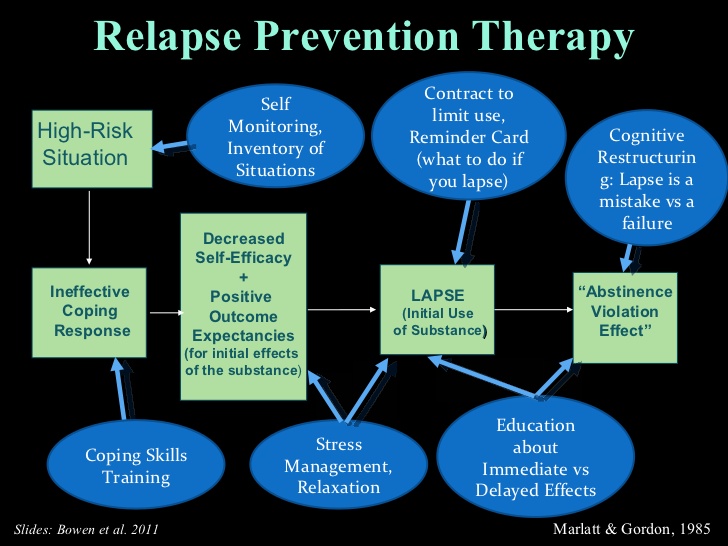
From the several studies professionally done on the subject addiction, it has been established that in the quest of finding solutions to drug addiction, two problems are the most outstanding obstacles. At the initial stages the first obstacle is that of denial. Many people are living in denial and they are not willing to acknowledge that they have a problem that needs to be fixed. In the process the intensity of their addiction to the substances increases such that by the time treatment commences, it becomes sometimes become very difficult to help. Besides the hurdles faced at the initial stages, the other technicality comes at the end of the process when the patient is either progressing well with their recovery program or are fully recovered from their addiction. That is why containing triggers and cravings is very important and must be included as part of the treatment process.

In this discipline, doctor Akoury registers that “while getting sober from drugs is an important first step, it’s only the beginning of the recovery process.” She says that once sobriety is achieved, the next step is to allow the brain to recover and rebuild connections that have changed while addicted. This is likely to take some time and it is during this time that the drug cravings can be so intense to the point of getting out of hand overwhelmingly. Doctor Akoury gives several measures that an individual can take to contain the situation and she advises that at this point you can support your continued sobriety by making a conscious effort to avoid people, places, and situations that trigger the urge to use as follows:

Containing triggers and cravings in patients life: Seek to find new friends and make a break from old drug friends

For you to see the fruits of your recovery it is important that you don’t make the mistake of hanging out with old friends who are still doing drugs. They will cause you a lot of harm and before you know it you will be back to your old habits. Therefore it is necessary that you surround yourself with people who support your sobriety, not those who tempt and tice you to slip back into old, destructive habits.

Avoid bars and clubs

Alcohol is very addictive and therefore even if you don’t have a problem with alcohol any more, don’t feel that you are strong and can resist the temptation to sip when meeting friends, in other words keep serious distance to social places like bars and clubs where alcoholic beverages are sold. Remember that drinking lowers inhibitions and impairs judgment, which can easily lead to relapse. Drugs are often readily available and the temptation to use can be overpowering. And besides that it is also important that you avoid any other environments and situations that you associate with drug use.

Be up front about your history of drug use when seeking medical treatment 

This is very important says doctor Akoury that anytime you are due or you are in need of a medical or dental procedure done on you, be open and discuss freely with your physician all you know about your history and most importantly find a provider who will work with you in either prescribing alternatives or the absolute minimum medication necessary. Take note of this that this is not the time for you to be ashamed or feel humiliated about your previous drug use. The more you open up to your health provider the better help you will get from them. So don’t withhold open up and allow yourself to be helped.

Use caution with prescription drugs  

Finally stay away from prescription drugs with the potential for abuse or use only when necessary and with extreme caution. Drugs with a high abuse potential include painkillers, sleeping pills, and anti-anxiety medication. For more information about containing triggers and cravings you can call doctor Akoury on telephone number 843 213 1480 today.

Containing triggers and cravings in patients life: The quest of finding addiction solution

http://www.awaremednetwork.com/


Facebooktwitterpinterestlinkedin