Category Archives: outpatient addiction treatment

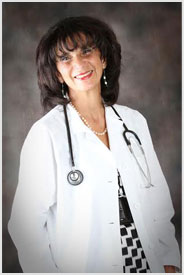
dr-pic

Treatment systems tailored for dual diagnosis
Treatment systems

Treatment systems tailored for dual diagnosis can be effective when timely treatment solution is sought

Treatment systems tailored for dual diagnosis: Mental health treatment solutions

People with dual disorders who want to engage in the treatment systems tailored towards addressing the real problem often have serious challenges and so quite frequently encounter several treatment systems with each having its own strengths and weaknesses. These treatment systems have different clinical approaches.

Treatment systems tailored for dual diagnosis: The mental health system

Actually, there is no single mental health system, although most States have a set of public mental health centers. Rather, mental health services are provided by a variety of mental health professionals including psychiatrists; psychologists; clinical social workers; clinical nurse specialists; other therapists and counselors including marriage, family, and child counselors (MFCCs); and paraprofessionals.

These mental health personnel work in a variety of settings, using a variety of theories about the treatment of specific psychiatric disorders. Different types of mental health professionals for example, social workers and MFCCs have differing perspectives; moreover, practitioners within a given group often use different approaches.

A major strength of the mental health system is the comprehensive array of services offered, including counseling, case management, partial hospitalization, inpatient treatment, vocational rehabilitation, and a variety of residential programs. The mental health system has a relatively large variety of treatment settings. These settings are designed to provide treatment services for patients with acute, sub-acute, and long-term symptoms.

  • Acute services are provided by personnel in emergency rooms and hospital units of several types and by crisis-line personnel, outreach teams, and mental health law commitment specialists.
  • Sub-acute services are provided by hospitals, day treatment programs, mental health center programs, and several types of individual practitioners.
  • Long-term settings include mental health centers, residential units, and practitioners’ offices.
  • Clinicians vary with regard to academic degrees, styles, expertise, and training.
  • Strength of the mental health system is the growing recognition at all system levels of the role of case management as a means to individualize and coordinate services and secures entitlements.

Medication is more often used in psychiatric treatment than in addiction treatment, especially for severe disorders. Medications used to treat psychiatric symptoms include psychoactive and non-psychoactive medications. Psychoactive medications cause an acute change in mood, thinking, or behavior, such as sedation, stimulation, or euphoria.

Psychoactive medications (such as benzodiazepines) prescribed to the average patient with psychiatric problems are generally taken in an appropriate fashion and pose little or no risk of abuse or addiction. In contrast, the use of psychoactive medications by patients with a personal or family history of alcohol and other drugs (AOD) use disorder is associated with a high risk of abuse or addiction.

Some medications used in psychiatry that have mild psychoactive effects (such as some tricyclic antidepressants with mild sedative effects) appear to be misused more by patients with an AOD disorder than by others. Thus, a potential pitfall is prescribing psychoactive medications to a patient with psychiatric problems without first determining whether the individual also has an AOD use disorder.

While most clinicians in the mental health system generally have expertise in a bio-psychosocial approach to the identification, diagnosis, and treatment of psychiatric disorders, some lack similar skills and knowledge about the specific drugs of abuse, the bio-psychosocial processes of abuse and addiction, and AOD treatment, recovery, and relapse. Similarly, AOD treatment professionals may have a thorough understanding of AOD abuse treatment but not psychiatric treatment. That is why doctor Dalal Akoury made a decision to create a medical center (AWAREmed Health and Wellness Resource Center) whose main objective is to transform each individual’s life through increasing awareness about health and wellness and by empowering individuals to find their own inner healing power. Dr. Akoury’s practice focuses on personalized medicine through healthy lifestyle choices that deal with primary prevention and underlying causes instead of patching up symptoms. You can call her on telephone number 843 213 1480 for the completeness of your treatment.

Treatment systems tailored for dual diagnosis: Mental health treatment solutions

http://www.awaremednetwork.com/


Facebooktwitterpinterestlinkedin
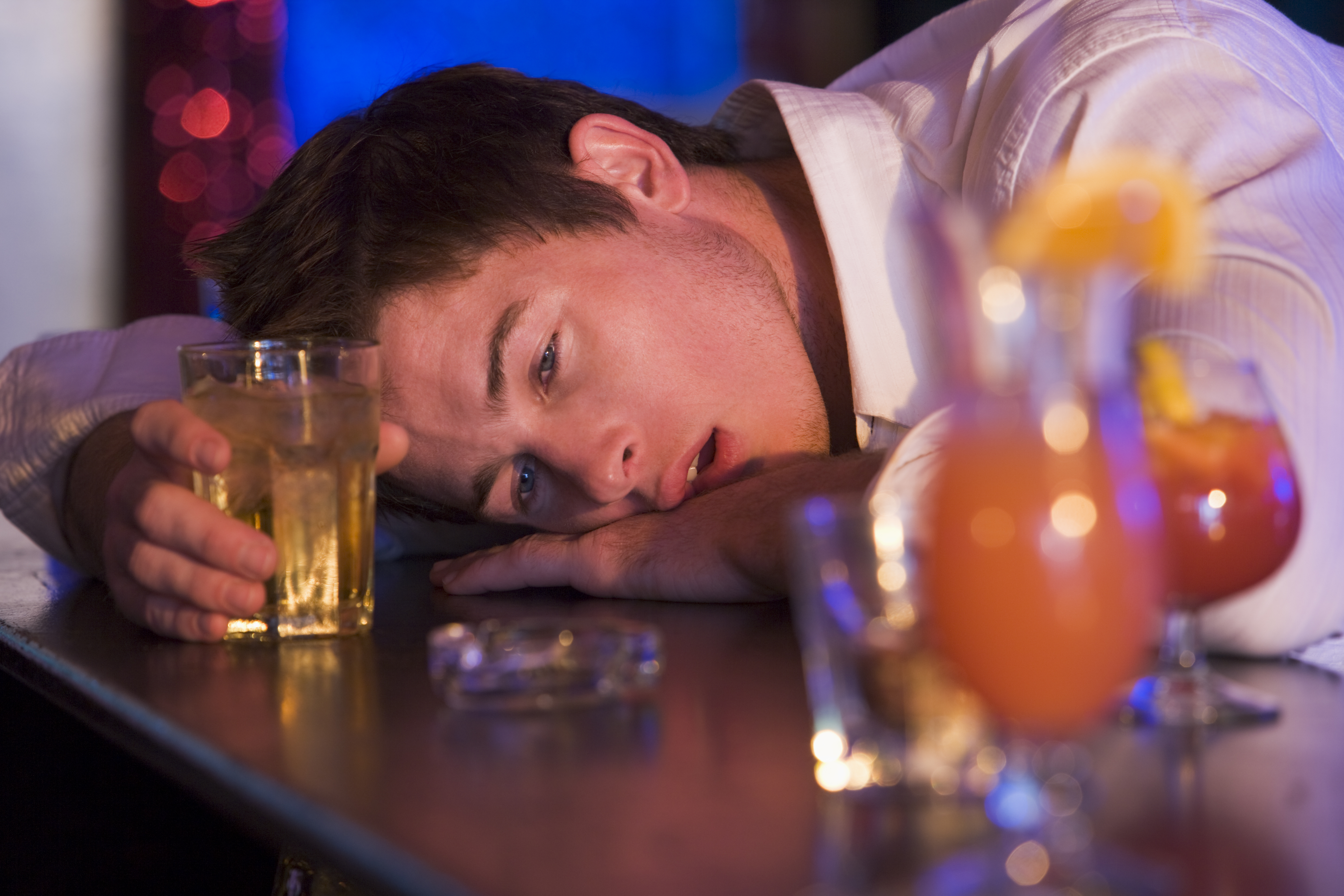
Drunk young man resting head on bar counter

Drug addiction roots and triggers

Drug addiction roots

Drug addiction roots and triggers must be crushed if we have to kick out the scourge out of our communities

Drug addiction roots and triggers: The hurdles of stopping addiction

There is nothing that happens without it roots, for example we all have our roots where we came from, who our parents, grandparents etc. are and so when we want to talk about us we are able to identify with our roots and get into the story, in the same way the problem of addiction can also be understood from its known roots before we can talk of administering treatment. Understanding drug addiction roots will include looking at various triggers and why some people appear to be more susceptible than others. In spite of what people say stopping addiction is not easy and many people do not understand why or how other people become addicted to drugs. Erroneously it’s assumed that those who abuse drugs lack moral principles or willpower and they could stop using drugs if they want to simply by choosing to change their behavior.

According to the experts at AWAREmed Health and Wellness Resource Center headed by doctor Dalal Akoury MD, the truth is that drug addiction is a complex and complicated condition. Stopping any substance abuse is such an uphill task that takes more than good intentions or strong will. It is important to know that drugs changes the brain in ways that foster compulsive drug abuse. However, with the advancement in technology much ground has been covered hence, drug addiction can successfully be treated to help people stop abusing drugs and lead productive lives. And that brings us to the true definition of drug addiction.

Drug addiction roots and triggers: What is drug addiction?

Professionally doctor Akoury defines addiction as a chronic problem, and a relapsing brain disease that causes compulsive drug seeking and use despite all the known harmful consequences to the addicted persons and to people around them. When we are opting for drugs in most cases it is never done forcefully. The new user get in drugs on a willing basis, the problem that follows could be devastating in the sense that the alterations that take place in the brain over a period of time influences the addicts ability to practice self-control and hinder their will to resist intense impulses to take drugs.

Like has been mentioned, we’re much informed today of the availability of treatment procedures tailored to help people counter addiction’s powerful disruptive effects. Several studies have also established that mixing addiction treatment medications with behavioral therapy is one of the best ways to ensure success for most patients. Treatment methods that are tailored to each patient’s drug abuse patterns and any co-occurring medical, psychiatric, and social problems can lead to sustained recovery and a life free of drug abuse. All these treatment options are available with the experts at AWAREmed Health and Wellness Resource Center and upon scheduling an appointment with doctor Akoury, your life will never be the same again.

Finally, as you consider making that appointment, It is important to note that during treatment process just like any other chronic disease patients can relapse and begin abusing drugs again, when this happen, it does not indicate failure of treatment but rather it indicates that treatment should be:

  • Reinstated
  • Adjusted or
  • An alternative treatment is needed to help the individual regain control and recover.

This should not bring you down, pick up the pieces and remain focus to the said objective of recovering from the scourge of addiction

Drug addiction roots and triggers: The hurdles of stopping addiction

http://regenerativepotential.com/wp-admin

Facebooktwitterpinterestlinkedin

Drug contents and how it affects the brain

Drug contents

Drug contents and how it affects the brain. that is to say, drug addiction stages in the brain includes pleasurable principle and that explains why the brain needs to be protected the most

Drug contents and how it affects the brain: What happens to the brain when one takes drugs?

The dangers of drug contents is significantly based on the chemicals they have  that tap into the brain’s communication system and disrupt the way nerve cells normally send, receive, and process information. And according to the experts from AWAREmed Health and Wellness Resource Center under the able leadership of doctor Dalal Akoury MD, we have at least two ways that drugs cause this disruption it can either happen by:

  • Imitating the brain’s natural chemical messengers and
  • Over-stimulating the “reward circuit” of the brain

Effects of substance on the brain

Some drugs (e.g., marijuana and heroin) have a similar structure to chemical messengers called neurotransmitters, which are naturally produced by the brain. This similarity allows the drugs to confuse the brain’s receptors and activate nerve cells to send abnormal messages.

Other drugs, such as cocaine or methamphetamine, can cause the nerve cells to release abnormally large amounts of natural neurotransmitters (mainly dopamine) or to prevent the normal recycling of these brain chemicals, which is needed to shut off the signaling between neurons. The result is a brain awash in dopamine, a neurotransmitter present in brain regions that control movement, emotion, motivation, and feelings of pleasure.

The overstimulation of this reward system, which normally responds to natural behaviors linked to survival (eating, spending time with loved ones, etc.), produces euphoric effects in response to psychoactive drugs. This reaction sets in motion a reinforcing pattern that “teaches” people to repeat the rewarding behavior of abusing drugs.

As a person continues to abuse drugs, the brain get used to the irresistible surges in dopamine by producing less dopamine or by reducing the number of dopamine receptors in the reward circuit. The result is a lessening of dopamine’s impact on the reward circuit, which reduces the abuser’s ability to enjoy not only the drugs but also other events in life that previously brought pleasure. This decrease compels the addicted person to keep abusing drugs in an attempt to bring the dopamine function back to normal, but now larger amounts of the drug are required to achieve the same dopamine high an effect known as tolerance.

Long-term abuse causes changes in other brain chemical systems and circuits as well. Glutamate is a neurotransmitter that influences the reward circuit and the ability to learn. When the optimal concentration of glutamate is altered by drug abuse, the brain attempts to compensate, which can impair cognitive function. Brain imaging studies of drug-addicted individuals show changes in areas of the brain that are critical to judgment, decision making, learning and memory, and behavior control. Together, these changes can drive an abuser to seek out and take drugs compulsively despite adverse, even devastating consequences that is the nature of addiction. All these are not good for human health and that is why it is important that you seek expert’s opinion with the professionals from AWAREmed Health and Wellness Resource Center today.

Drug contents and how it affects the brain: What happens to the brain when one takes drugs?

http://regenerativepotential.com/wp-admin


Facebooktwitterpinterestlinkedin
Alcohol kills

Direct alcoholism treatment solutions

Direct alcoholism treatment

Direct alcoholism treatment solutions becomes effective when consumption is stopped

Direct alcoholism treatment solutions: Drug addiction

There is no doubt that today alcohol is one of the most addictive and abused substance across the globe. What is worrying with these facts is that, as dangerous as it is to human life, it is not listed among the illegal drugs. It is because of this legality bestowed on this substance that has been singled out as a motivating factor for its consumption and abuse. All the efforts the authorities are putting in place to put control to the usage of alcohol has not yielded much because today alcohol still remains the number one abused drug globally. Because of the magnitude of health complications associated with alcohol consumption, we will be discussing in our subsequent articles about various effects of alcohol to human life but for the purpose of this article we will look at the possible direct alcoholism treatment solutions available to those who have been considered to be alcoholics. There are many medical options for treating alcohol use disorders which generally depends partly on the intensity and the duration of the patient has been drinking. The treatment options may include:

  • Behavioral therapy like individual sessions with a health professional and support groups
  • Medications

In administering treatment for alcoholism your doctor will do a brief intervention to help the patient to reduce or stop their drinking. During this process your doctor will give you an action plan for working on your drinking. The action plan may include:

  • Keeping a daily diary of how much alcohol you consume
  • Setting targeted goals for your drinking
  • If you’ve reached alcoholism stage then anti-craving or aversion medication may be recommended.

Direct alcoholism treatment solutions: Overall treatment goals

The ultimate goal for direct alcoholism treatment is to secure patients total abstinence. When this is achieved it offers a better survival rates, mental health and sound marriages. Patients who attain this often become good and responsible parents, employees or employers compared to those who keeps relapsing. Achieving this may not be an easy task and therefore the patient will need to avoid high-risk situations and interchange the addictive patterns with much more useful and satisfying activities and behaviors. Many professionals may choose to treat alcoholism as chronic disease where patients will be expected to accept relapse even as they purpose for a long remission period as possible. Every step taken is an achievement because even very small reduction of alcohol intake is significant enough to lower the risk for alcohol-related medical problems. That is why calling doctor Akoury now to schedule an appointment would be very important for you and your loved ones.

Finally, it is highly regarded that achieving total abstinence and a voiding high risk situations are the optimal goals for alcoholics. This should also be supplemented by involving family members and friends by way of educating them on how to offer social support to the addicts. When it is approached from different directions like that then some level of success will be achieved.

Direct alcoholism treatment solutions: Drug addiction

http://www.integrativeaddictionconference.com/wp-admin

Facebooktwitterpinterestlinkedin
alcoholism

Severe symptoms of alcoholism

Severe symptoms

Severe symptoms of alcoholism and other substance abuse that ruins people’s lives

Severe symptoms of alcoholism: Specific alcoholism treatment for quick recovery

Alcoholism and drug addiction are now an international problem. So many organizations and medical professionals are working round the clock with one objective of eliminating all the severe symptoms of alcoholism and other substances. AA’s 12-step approach to recovery includes a spiritual component that might deter people who lack religious convictions. AA emphasizes that the “higher power” component of its program need not refer to any specific belief system. Associated membership programs also offer help for family members and friends of alcoholics. Having established AWAREmed Health and Wellness Resource Center for the same purpose of eliminating addiction. Doctor Dalal Akoury is in agreement that the application of AA’s 12 steps provides relevant support network involving group meetings periodically across the world. The following are the magic steps according to AA.

Severe symptoms of alcoholism: The 12 steps of alcoholics anonymous

  • We admit we were powerless over alcohol — that our lives have become unmanageable.
  • We have come to believe that a Power greater than ourselves could restore us to sanity.
  • We have made a decision to turn our will and our lives over to the care of God, as we understand what this Power is.
  • We have made a searching and fearless moral inventory of ourselves.
  • We have admitted to God, to ourselves and to another human being the exact nature of our wrongs.
  • We are entirely ready to have God remove all these defects of character.
  • We have humbly asked God to remove our shortcomings.
  • We have made a list of all persons we had harmed and have become willing to make amends to them all.
  • We have made direct amends to such people wherever possible, except when to do so would injure them or others.
  • We have continued to take personal inventory and when we were wrong promptly admitted it.
  • We have sought through prayer and meditation to improve our conscious contact with God as we understand what this higher Power is, praying only for knowledge of God’s will for us and the power to carry that out.
  • Having had a spiritual awakening as the result of these steps, we have tried to carry this message to alcoholics and to practice these principles in all our affairs.

Cognitive-Behavioral Therapy

This method is based on structured skills and be suitable for people with severe alcoholism. Under this method patients are given assignments meant to help them advance their willpower to cope with basic living situations including controlling their behaviors and changing their way of thinking about drinking. These can be done in the following approaches:

  • Patients will be encouraged to write a brief history of their drinking experiences and illustrate what they consider to be risky situations.
  • They are then assigned activities to help them cope when exposed to “cues” (places or circumstances that trigger their desire to drink).
  • Patients may also be given tasks that are designed to replace drinking. An interesting and successful example of such a program was one that enlisted patients in a softball team. This gave them the opportunity to practice coping skills, develop supportive relationships, and engage in healthy alternative activities.

CBT may be especially effective when used in combination with opioid antagonists, such as naltrexone. CBT that addresses alcoholism and depression also may be an important treatment for patients with both conditions.

Severe symptoms of alcoholism: Specific alcoholism treatment for quick recovery

http://regenerativepotential.com/wp-admin

Facebooktwitterpinterestlinkedin