Category Archives: outpatient addiction treatment

Drug Rehab Certification – Making a Difference in Patients’ Lives

Alcoholism early death trap and substance abuse

Alcoholism early death

Alcoholism early death trap and substance abuse receive more publicity in the media yet many are still not quitting.

Alcoholism early death trap and substance abuse: Drug Addiction

The title of this article should not scare you in any way because it is not a fiction in any way. Alcohol is not only the number one addictive substance but also number one killer. It is leading because it does not only kill its abusers but also very innocent people who have never tasted the alcohol in their entire lifetime. The magnitude of alcohol effects are so real and many that researchers have had a difficult time determining exactly what are the consequences of drinking this substance which has been associated with earlier death. The health complications associated with alcohol consumption include heart attack, diabetes, heart failure and stroke or lung disease hence the phrase alcoholism early death trap. Experts at AWAREmed health and wellness resource center under the leadership of doctor Dalal Akoury MD reiterates that those who drink regularly are subjecting their life into several risks including:

  • People who drink regularly have a higher rate of death from injury, accidents or violence triggered by alcohol consumption.
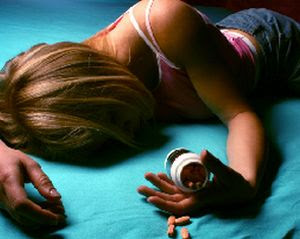
  • Alcohol overdose may lead to death. The danger is so particular with young people in the adolescence stage of life. Young people may want to impress their peers with their ability to drink alcohol, the feelings of belonging motivates them into taking alcohol even though they may not be able to gauge its effects. However, it is important to note that alcohol overdose doesn’t only occur from any one heavy drinking incident, but may also occur from a constant infusion of alcohol in the bloodstream.
  • Severe withdrawal and delirium tremens. Delirium tremens occurs in about 5% of alcoholics. It includes progressively severe withdrawal symptoms and altered mental states and in some cases, it can be fatal.
  • Frequent, heavy alcohol use directly harms many areas in the body and produce dangerous health conditions like liver damage, pancreatitis, anemia, upper gastrointestinal bleeding, nerve damage, and erectile dysfunction.
  • Alcohol abusers who need surgery have an increased risk of postoperative complications, including infections, bleeding, insufficient heart and lung functions, and problems with wound healing. Alcohol withdrawal symptoms after surgery may impose further stress on the patient and hinder recuperation.

The Effects of Hangover

Although not traditionally thought of as a medical problem, hangovers have significant consequences including changes in liver function, hormonal balance, and mental functioning and an increased risk for depression and cardiac events. It can impair job performance, increasing the risk for mistakes and accidents and are generally common in light-to-moderate drinkers than heavy and chronic drinkers, suggesting that binge drinking can be as threatening as chronic drinking.

Alcoholism early death trap and substance abuse: Accidents, Suicide, and Murder

Finally, the majority of deaths on our roads are facilitated by drink driving giving alcohol lead role in accidents, suicide, and crime because:

  • Alcohol plays a major role in more than half of all automobile fatalities across the globe.
  • Alcohol-related automobile accidents are the leading causes of death in young people.
  • When it comes to alcohol we do not have favorable limits for safe drinking because two drinks can impair the ability to drive and even one drink may double the risk of injury, and more than four drinks increase the risk by 11 times, therefore, the only safe way is not drinking at all.
  • Alcoholism is the primary diagnosis in a quarter of all people who commit suicide.
  • Alcohol is implicated in over half of all murder cases, with this ratio of one to the one you can only desire to stop drinking.

We can pool together in defeating this scourge by scheduling an appointment with doctor Akoury for the commencement of your recovery process.

Alcoholism early death trap and substance abuse: Drug Addiction

http://www.I-AM-I.com/wp-admin

Facebooktwitterpinterestlinkedin
stop drinking

Alcoholism facts and pathways to addiction

Alcoholism facts

Alcoholism facts and pathways to addiction that causes many to fall prey to the consequences of abuse of alcohol

Alcoholism facts and pathways to addiction: Who uses alcohol?

It may be true that most adults drink alcohol responsibly, however, this doesn’t elude alcoholism facts and that whatever is seen as responsible is actually a highway to addiction. All current addicts began this way and today they are serious alcoholics. Now, because alcohol is a drug, doctor Dalal Akoury MD, President, and founder of AWAREmed health and wellness resource center reiterates that it carries with it a lot of risks just by drink any amount of alcohol. According to studies conducted in 2005 in Canada, about two-thirds (62%) of all Ontario students (grade 7—12) reported drinking at least once in the past year translating to about 603,400 students. One in 10 students (10%) drank alcohol once a week.

  • One in four male students (25%) and one in five females (20%) reported binge drinking (five or more drinks at one time) in the past month.
  • More than half of the alcohol consumed in Canada is beer, the most popular alcoholic drink followed by other liquor rum and vodka at 26 per cent and wine at 21 per cent.
  • Canadians spend about $12.4 billion a year on alcohol.
  • About 10 per cent of Canadians is dependent on alcohol at some time in their lives.

Alcoholism facts and pathways to addiction: Alcohol and its effects

Is alcohol addictive? Yes, alcohol is addictive. For every 20 who drinks, one is dependent on alcohol. People with an addiction may have difficulty stopping by themselves, even if they want to, and even if other negative effects (such as financial or other personal problems) begin to outweigh the positive effects. Alcohol dependence can also cause major problems with friends, family, school, work, emotional and mental health, the law and money!

What is a standard drink? Each of these drinks contains the same amount of alcohol (a “standard drink” or 13.6 grams of alcohol):

  • A 1.5 oz/43 mL shot of liquor (sometimes known as spirits; e.g., rye, rum, whiskey, vodka).
  • A 3-oz/85 mL glass of fortified wine (e.g., sherry, port, vermouth)
  • A 12-oz/341 mL can or bottle of regular strength beer
  • A 5 oz/142 mL glass of table wine

Alcohol is found in different amounts in different kinds of drinks. For example:

  • Regular strength beer contains five per cent alcohol (some beers contain higher or lower percentages)
  • Table wine contains about 12 per cent alcohol
  • Fortified wine contains 16 to 18 percent alcohol
  • Most liquor contains 40 percent alcohol.

An average adult can discharge alcohol from the body mostly by passing urine about two-thirds of one standard drink per hour which is 10 grams of alcohol. If such a person consumes two standard drinks, it will take about three hours for his/her body to be free of alcohol again indicating that if you were to get drunk then it is the only passage of time can make you sober again. We will continue discussing this topic in our subsequent articles but for now, I want to draw your attention to solutions. For all your addiction needs, doctor Akoury founded this facility primarily to help in the transformation of each individual’s life through increasing awareness about health and wellness and by empowering individuals to find their own inner healing power. You can find more by scheduling an appointment with her today.

Alcoholism facts and pathways to addiction: Who uses alcohol?

http://regenerativepotential.com/wp-admin


Facebooktwitterpinterestlinkedin
Ruins of addiction

Buprenorphine addiction treatment

Buprenorphine addiction treatment

Buprenorphine addiction treatment is only effective with strict professional guidance.

Buprenorphine addiction treatment: Regulating usage of buprenorphine

The prevalence of drug abuse is at an alarming rate on our streets, households and the sooner action is taken the better. Speaking to the experts at AWAREmed health and wellness resource center under the leadership of doctor Dalal Akoury MD, besides rehab centers we can also use medications as solutions to the scourge. That is why in this article we’re looking at buprenorphine addiction treatment avenues, which is helpful in keeping off drugs like heroin from the streets by reducing bad withdrawal symptoms when one quits. Ordinarily, this drug lasts longer in the body system and to regulate its use, users may be required to take it in the presence of a supervisor normally the pharmacist dispensing the drug to the user. The supervision is to ensure that only the right dose is taken and with time the user can be allowed to be taking it all by themselves after ascertaining regular dose maintenance.

Buprenorphine addiction treatment: Side effects

Just in like all other medications buprenorphine equally has side effects. When you start using buprenorphine you may not get it out of your system with ease irrespective of what option you went for be it inpatient or outpatient in a rehab program. As with all medications, Buprenorphine (Suboxone) drug treatment also has some disadvantages. It is still a medication and if you prefer to break free from any kind of addiction immediately, then Buprenorphine may not be the way to go. Also, you may not be completely Buprenorphine-free by the time you leave drug treatment, even if you opt for an inpatient drug rehab program. Much as this may offer treatment for addiction, in itself, it is addictive and should not be encouraged. Its shortcomings far much out ways the advantages and that is why we want to encourage you that though it is helpful, you need to be in constant touch with the experts from time to time to help you address any side effects, you may want to call doctor Akoury for this assignment today.

Buprenorphine addiction treatment: Before using buprenorphine

Certain medications are so reactive to people and especially to those with certain health conditions. Buprenorphine is such medicine that needs to be used with extra care. Therefore before this medication is administered, your doctor must be aware of the following to help them make a decision whether to allow or not.

  • Do you or have you ever had liver or kidney problems.
  • Do you or have you ever had prostate problems or any difficulties passing urine.
  • Do you have any breathing problems like asthma or chronic obstructive pulmonary disease (COPD)
  • Have you ever been told that you have low blood pressure
  • Do you have any problems with your thyroid or adrenal glands
  • Are you epileptic?
  • Do you have any problem with your bile duct
  • Are you pregnant or breastfeeding
  • If you have been constipated for more than a week or have an inflammatory bowel problem.
  • Do you have a condition causing muscle weakness, called myasthenia gravis?
  • Have you in the recent past had a severe head injury
  • Have you ever had an allergic reaction to any medicine
  • Are currently taking any street drugs or medicines including any medicines you are taking which are available over the counter without a prescription like herbal and complementary medicines.

Make sure that you’re very honest with your doctor. This is very important for him/her to advise you appropriately and professionally.

Buprenorphine addiction treatment: Regulating usage of buprenorphine

http://regenerativepotential.com/wp-admin

Facebooktwitterpinterestlinkedin
over the counter drug abuse

Administering buprenorphine treatment

Administering buprenorphine

Administering buprenorphine treatment can be very effective when done professionally

Administering buprenorphine treatment: Regulating Achieving the best from treatment

Even though buprenorphine medication may have some side effects, doctor Dalal Akoury MD, President, and founder of AWAREmed health and wellness resource center register that when administering buprenorphine treatment having taken into consideration of the possible effects, the result is almost guaranteed. Therefore patients should expect nothing but the best while taking into consideration some of the following:

  • Occasionally when using buprenorphine you may experience some discomfort during the first 3 days, this is a normal reaction and you must not attempt taking heroin on top, and again do not take more than what the doctor instructed.
  • Periodically keep regular consultations with your doctor or clinic for a proper review of how you’re progressing. During these meetings, you are likely to be requested to give the specimen of urine from time to time for the evaluation exercise.
  • You cannot get Buprenorphine without a doctor’s prescription and you will not be able to ask for any changes to be made to your supply because your pharmacist can only dispense the prescription exactly as per the instructions of your doctor.
  • There are several different brands and strengths of buprenorphine tablets, so each time you collect a supply, check to make sure it contains what you are expecting.
  • You are more likely to succeed in staying off heroin if you have support and counseling in addition to taking buprenorphine. Local drug community teams, self-help groups, and other agencies may be of help.
  • You must refrain from any street drugs or drink too much alcohol while using buprenorphine because other street drugs such as benzodiazepines (benzos) and alcohol can affect buprenorphine and increase the chance of unwanted effects.
  • You should tell the DVLA that you are taking buprenorphine if you are a driver. You are likely to be banned from driving at first, although you may be allowed to drive again later, subject to an annual medical review. Your doctor will tell you when you can resume driving.
  • When there is the need to stopping using buprenorphine discuss this with your doctor before stopping. It is important that buprenorphine should be taken regularly to reduce the risk of withdrawal symptoms occurring. When you are ready to consider becoming drug-free, your doctor will be able to help you decide on the best way to do this in order to keep withdrawal effects to the minimum and manageable levels.
  • If you are planning any visit abroad, you should carry a letter with you from your doctor to explain that you have been prescribed buprenorphine. This is because buprenorphine is classed as a ‘controlled drug’ and is subject to certain restrictions.
  • If you buy any medicines, check with a pharmacist that they are suitable for you to take with buprenorphine. Many other medicines have similar side-effects to buprenorphine and taking them together will increase the risk of unwanted effects.
  • If you are having an operation or dental treatment, tell the person carrying out the treatment that you are taking buprenorphine.

Administering buprenorphine treatment: Why use buprenorphine

Finally, having heard all the attached effects and conditions while using this drug, you may wonder why use such medicine with so many conditions? If this describes you, we want to help you understand. You need not be worried, all you need is to schedule an appointment with doctor Akoury today to professionally advise you in all your worries. Remember that she founded this facility to primarily help in transforming every individual’s life through increasing awareness about health and wellness and by empowering individuals to find their own inner healing power. You will not go wrong with her because her practice focuses on personalized medicine through healthy lifestyle choices that deal with primary prevention and underlying causes instead of patching up symptoms.

Administering buprenorphine treatment: Regulating Achieving the best from treatment

http://www.I-AM-I.com/wp-admin


Facebooktwitterpinterestlinkedin
consequences of alcohol

Alcohol abuse kills many people globally

Alcohol abuse kills

Alcohol abuse kills many people globally and the time of helping alcoholism victims is now

Alcohol abuse kills many people globally: If this is so why legalize it?

If we say that alcohol is friendly and does not kill we are cheating ourselves because the truth is, alcohol abuse kills. Many people have fallen due to their abuse of this substance and that makes us wonder why this killer substance is not illegal like other illicit drugs. We may not understand why, but we are going to continue highlighting the bad sides so that you can make very informed decisions for yourself. Speaking to the experts at AWAREmed health and wellness resource center, doctor Dalal Akoury MD, agrees with the findings of the World Health organization, that alcohol is killing more than 3 million people globally each year translating to one person every 10 seconds. Does that scare you? The picture illustrated by these statistics is that more than the population of people losing their lives due to AIDS, tuberculosis, and violence put together die as a result of alcohol. It must be made clear that these statistics includes alcohol-related driving fatalities, violence, and health issues arising from excessive alcohol consumption.

Alcohol abuse kills many people globally: Understanding how alcohol kills

Because alcohol is legal in most countries, and because especially in the US and western culture, in general, it is promoted in advertising and glamorized in the film, its dangers are often minimized or disregarded by young people, and the warnings about problem drinking and its consequences are viewed as the admonitions of uptight grown-ups. Unfortunately, the facts support the admonitions. So, how can alcohol kill you? Here are a few ways it can and does end lives:

  • Drink driving accounted for ten thousand deaths in 2010 that was over thirty percent of all traffic fatalities. For how long will we be losing lives because somebody is sitting on their jobs, the authority, the drivers, passengers and the other general public must work and pool together to reduce deaths on our roads.
  • It is estimated that an acute alcohol poisoning kills over one thousand people each year.
  • The available findings from a study done about some years ago indicated that sixteen thousand people died in 2010 from an alcohol-induced liver disease.
  • Over fifty percent of people who die in fires have high blood-alcohol levels.
  • One-quarter of all emergency room admissions, one-third of all suicides and more than half of all homicides and incidents of domestic violence are alcohol-related.
  • Unintentional injuries related to alcohol consumption cause over eighteen hundred deaths each year among college students.
  • Health problems, including increased likelihood of stroke, diabetes, cirrhosis of the liver, esophageal cancer, and compromised immune system can lead, if untreated, to premature death.
  • Alcohol in combination with other drugs, especially pain medications, tranquilizers, and sleep medications, can cause death by slowing down respiration as well as by causing the aspiration of vomit.

Finally, addicts may not understand what is at stake, because to them alcohol is all they know as solutions to their problems. Nevertheless, though there are some temporal benefits of using alcohol, the bigger picture is evident that alcohol is a killer. That is why we need to pool together and health our people from wasting their lives to this scourge. Therefore, if you are struggling with this problem, you can schedule an appointment with doctor Akoury today for the commencement of your recovery process.

Alcohol abuse kills many people globally: If this is so why legalize it?

http://www.integrativeaddictionconference.com/wp-admin


Facebooktwitterpinterestlinkedin