Category Archives: outpatient addiction treatment

Misuse of alcohol

Blood alcohol contents irregularities
Blood alcohol contents

Blood alcohol contents irregularities in the body is very dangerous in many ways

Blood alcohol contents irregularities: Alcohol affects people differently

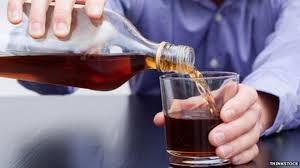
Did you know that alcohol consumption is now a global catastrophe affecting people in discriminatively? If this concerns you, join us as an expert from AWAREmed Health and Wellness Resource Center under the leadership of Doctor Dalal Akoury MD in a journey of finding out how alcohol affects people differently in the current societies. Like for instance, if a woman and a man of the same weight drink the same amount of alcohol under the exact same circumstances, the woman will on average have a higher Blood Alcohol Contents (BAC) than the man. This is because women have much less of the enzyme alcohol dehydrogenase in their stomachs than men do. If the same man and woman are given an injection of alcohol instead of drinking it they will tend to have the same BAC. This is because when the alcohol is injected it bypasses the alcohol dehydrogenase in the stomach.

Older Males – As men age they tend to produce less alcohol dehydrogenase and are likely to become more intoxicated on smaller amounts of alcohol than younger men. Ironically alcohol dehydrogenase in women is not affected by age.

Menopausal Women – Apparently hormone changes which occur at menopause can cause menopausal women to become more intoxicated on smaller doses of alcohol.

People with Liver Damage – People with liver damage produce less alcohol dehydrogenase than do those with healthy livers and thus can become more intoxicated on smaller doses of alcohol a phenomenon referred to as Reverse Tolerance.

Frequent Heavy Drinkers – produce more alcohol dehydrogenase than other people thus become less intoxicated on larger quantities of alcohol. These people can metabolize up to 38 ml of alcohol per hour whereas the average person metabolizes only around 13 ml per hour.

Blood alcohol contents irregularities: How ant-abuse works

Ant-abuse is the drug that makes people sick if they drink alcohol. The drug ant-abuse binds to the enzyme acetaldehyde dehydrogenase and prevents it from breaking down the acetaldehyde produced by the metabolism of alcohol. Since acetaldehyde is a poison, as it builds up it produces very unpleasant symptoms including facial flushing, headaches, nausea, vomiting, heart palpitations and other extreme physical unpleasantness. Large quantities of alcohol mixed with ant-abuse can lead to death.

Finally, the surface area of the human stomach is only a couple of square feet, but because the small intestine has protrusions called villi, the surface area of the small intestine is thousands and thousands of square feet. Because of this fact, the small intestine is many times more efficient than the stomach at absorbing alcohol. If you want the alcohol to be absorbed into the bloodstream slowly so that your BAC will only rise slowly, your best bet is to keep the alcohol in the stomach for as long as possible. This can be done. There is a valve between the stomach and the small intestine called the pyloric valve when it’s closed, alcohol will stay in the stomach. This valve stays closed when the stomach is full of food and that is why eating a full meal helps keep you from becoming rapidly intoxicated. And for more information on blood alcohol content irregularities, you can always call on doctor Akoury for help.

Blood alcohol contents irregularities: Alcohol affects people differently


Facebooktwitterpinterestlinkedin
Addiction consequences

Drug dependence signs and Symptoms

Drug dependence signs

Drug dependence Signs and Symptoms is universal and include the prescription drugs too

Drug dependence Signs and Symptoms: Drug addiction commencement

The particular signs and symptoms of drug use and dependence vary depending on the type of drug. You might be able to tell that a family member or a friend is struggling with some of the drug dependence signs and symptoms quite easily based on the physical and behavioral signs associated with the drug. We spoke to Doctor Dalal Akoury MD, President, and founder of AWAREmed health center over this and it was very evident that the link is in the type of drug in question, like for instance:

Drug dependence Signs and Symptoms: Marijuana and hashish

It’s possible to develop a psychological addiction to cannabis compounds including tetrahydrocannabinol (THC) found in marijuana and hashish. People who have a marijuana addiction generally use the drug on a daily basis. They don’t actually have a chemical dependence on the drug but rather feel the need to regularly use the drug. According to the expert opinion, doctor Akoury reiterates that this is a disaster in waiting and if nothing is done in good time, the patient could pay the ultimate price. But before we get there, it can be very sad if we allow things to get there. The starting point, in this case, would be overcoming any resistance of seeking for treatment like denial and fear of withdrawal symptoms.

Once this is dealt with, only then can we approach treatment meaningfully. And before we get there, it may interest you to note that, professionalism is very key in addressing matters relating to substance abuse. And for your situation, we are privileged to have with us doctor Dalal Akoury who is a veteran addiction professional, besides being an expert in the area of Healthy Aging, Regenerative, and Functional Medicine. She (Dr. Akoury) also specializes in advanced bio-identical hormone replacement and nutritional therapies. And currently, she is a member of the American Academy of Anti-Aging Medicine and the fellowship program in Anti-Aging, Regenerative, Functional and Metabolic Medicine. With over two decades of experience, your condition will be addressed professionally to the advantage of all your loved ones. As you consider making that very important phone call for an appointment, the following are some of the signs of use and dependence on drugs:

  • A heightened sense of visual, auditory and taste perception
  • Poor memory
  • Increased blood pressure and heart rate
  • Red eyes
  • Decreased coordination
  • Difficulty concentrating
  • Increased appetite
  • Slowed reaction time
  • Paranoid thinking

Drug dependence Signs and Symptoms: Barbiturates and benzodiazepines

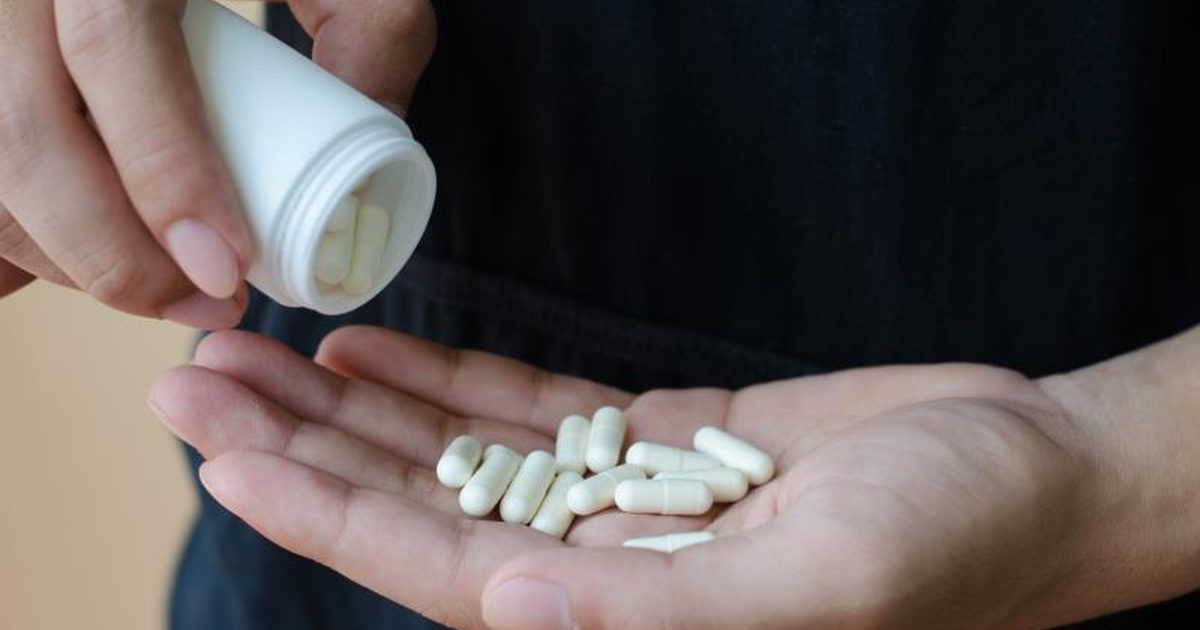
Barbiturates and benzodiazepines are prescription central nervous system depressants. Phenobarbital, amobarbital (Amytal) and secobarbital (Seconal) are examples of barbiturates. Benzodiazepines include tranquilizers, such as diazepam (Valium), alprazolam (Xanax), lorazepam (Ativan), clonazepam (Klonopin) and chlordiazepoxide (Librium). If you’re prescribed these drugs, take them exactly as ordered. If you feel your need for these medications is increasing, talk to your doctor about it including the signs of use and dependence listed below:

  • Drowsiness
  • Slurred speech
  • Lack of coordination
  • Memory problems
  • Confusion
  • Slowed breathing and decreased blood pressure
  • Dizziness
  • Depression

Drug dependence Signs and Symptoms: Drug addiction commencement


Facebooktwitterpinterestlinkedin
time-to-quit-drinking-alcohol-s

Biochemistry addictiveness and HPA axis

Biochemistry addictiveness

Biochemistry addictiveness and HPA axis are very instrumental in solving the drug addiction problem

Biochemistry addictiveness and HPA axis: Ending alcohol abuse using alternative treatment

The door to biochemistry addictiveness opens when either the hypothalamus or one of the organs which serve the hypothalamus in accomplishing this job is injured, or if the nutrients required are not available. In any one of these conditions, the entire system will fall off the “point zero” (homeostasis) that the HPA system tries to maintain opening the door for addictive biochemistry. According to the experts at AWAREmed Health Center under the leadership of Doctor Dalal Akoury MD, we can’t change the fact that addictive biochemistry and full out alcoholism are associated with overexpression of the sympathetic nervous system; low serotonin, GABA, dopamine, endorphins and enkephalins and it is in the hypothalamus where the delicate job of balancing this network of hormones and neurotransmitters to achieve physical and mental health is supposed to be done whether it be directly from the hypothalamus or via the pituitary and adrenals under the control of the hypothalamus.

Biochemistry addictiveness and HPA axis: Differences between biochemistry and alcoholism

The only difference between addictive biochemistry and full out alcoholism is that addictive biochemistry becomes aggravated, meaning that the deficient condition within the hypothalamus, pituitary or adrenals is made more profound by the damaging effects of alcohol toxicity and the medicating effects which, while drinking, overexpress serotonin, endorphins, and dopamine which magnifies the negative impact of an already up-regulated brain chemistry. The symptoms the problem drinker experiences intensify in direct relationship to the diminishing health of the neuroendocrine system which further encourages the person to drink more thus causing further damages. This cycle progressively intensifies until intervention which discontinues and heals the damage is required to stop it.

The pituitary gland is located below the hypothalamus and is directly connected to it via nerve and circulatory pathways. The hypothalamus regulates the function of the pituitary gland which in turn controls hormonal secretions of all other glands; however, specific to alcoholism we are concerned with the function of the adrenals and the secretion of cortisol which is under control of ACTH (adrenocorticotrophin) secreted by the pituitary, and epinephrine and norepinephrine which is also released by the adrenals due to a rise in CRH and/or signals from the sympathetic nervous system.  In the case of cortisol release, when the hypothalamus registers low blood sugar it will send CRH (corticotrophin releasing hormone) to the pituitary which then releases ACTH which will cause cortisol to be secreted from the adrenals.  This chain of events will also cause the release of epinephrine and to a lesser degree norepinephrine.  Prolonged increased levels of epinephrine will block insulin receptors which lead to insulin resistance and lowered serotonin, endorphin, enkephalin and GABA levels which impair HPA functions and increases compulsive/addictive behavior.

The adrenals sit on top of the kidneys and are directly controlled by the pituitary gland. The adrenals are comprised of two sections; one is the medulla which is the inner core and the second is the adrenal cortex which is the outer layer. The medulla relates to the sympathetic nervous system and produces the catecholamine’s epinephrine and norepinephrine. The adrenal cortex produces sex hormones, aldosterone, and what we’re most concerned with cortisol.

Although it is hard to imagine because they are docked on our kidneys, adrenal health is fundamental to our mental health. Proper levels of cortisol, epinephrine and norepinephrine are crucial to our mental well-being so the concentrated focus needs to be applied to their health when healing addictive biochemistry and alcoholism. As you consider breaking way from addictive biochemistry and alcoholism, you can always consult with doctor Dalal Akoury an expert in this discipline for over two decades and has been helping many get their life back globally by emphasizing on Neuroendocrine Restoration (NER) to reinstate normality through realization of the oneness of Spirit, Mind, and Body, Unifying the threesome into ONE.

Biochemistry addictiveness and HPA axis: Ending alcohol abuse using alternative treatment


Facebooktwitterpinterestlinkedin
NEW-Navigation-2e

Alcohol consumption acceptability and the dangers

Alcohol consumption acceptability

Alcohol consumption acceptability and the dangers are real. Choose wisely and be healthy

Alcohol consumption acceptability and the dangers: Long-term effects of heavy drinking

There is no question about alcohol consumption acceptability globally. Each nation has rules guiding the consumption of this substance. But away from all those rules, it does not delete the dangers that come with alcohol use. What is worrying is that before the formulation of the rules, the dangers are known. And so it is quite unfortunate that alcohol is legal in as much as we are revealing its dangerous effects to human health. One of the control measures put by the authorities is the introduction of age limit. Currently, in many nations across the globe, the recommended age for drinking is 18 years though in some countries this limit can be up to 19 years or even more. According to the experts at AWAREmed Health and Wellness Resource Center under the able leadership of doctor Dalal Akoury MD, this is one of the most ineffective control as many under age easily get access to this substance. Young people drink at home, in the streets and pubs despite this rule further complicating the dangers attached. Despite all these challenges, we can still do something to be safe from this scourge of alcoholism. If you are struggling with alcohol addiction, you can seek professional assistance from doctor Akoury by calling her today for the commencement of your recovery program.

Alcohol consumption acceptability and the dangers: The law about drinking and driving

Many lives are unnecessarily lost on the roads globally due to drink driving. Studies have also established that alcohol is the major cause of many of these deaths and because of these nearly all states across the globe are taking this seriously by enforcing stringent laws to protect and save lives. Drink driving has become a serious criminal offence and driving with blood alcohol content of 0.08 % and above will land you in the wrong books with the authorities. Other general illegalities and penalties include:

  • To drive while impaired even if your BAC is less than 0.08 per cent.
  • Declining to provide a breath sample when asked by the police is also illegal.
  • Suspension of your driver’s license on the spot for 90 days
  • Separate criminal charges to face in court.
  • Also, if you are learning to drive and have a Graduated Driver’s License, you are not allowed to drive after drinking ANY alcohol.

These are just but a few rules and penalties applicable in most countries in an effort to bringing order on our roads. The same penalties and more are also applicable where one mixes alcohol with other drugs. To demonstrate the seriousness of this problem the authorities in Ontario have made even much harsher penalties to offenders. For instance if you are convicted of impaired driving more than once the penalties is as follows:

  • First conviction – your driver’s license is suspended for one year and a further $600 fine.
  • Second conviction – your driver’s license is suspended for three years and 14 days in jail.
  • Third conviction – your license is suspended for 10 years or for life plus 90 days in jail
  • Fourth conviction: such offenders will never own a driver’s license in Ontario soil again and they will still be sentenced to jail for another 90 days.

It look harsh but if this is what will bring serenity on our roads then it is worth it.

Alcohol consumption acceptability and the dangers: Long-term effects of heavy drinking


Facebooktwitterpinterestlinkedin
Addiction Recovery-happy

Marijuana sales implications

Marijuana sales implications

Marijuana sales implications will be felt not only in the back streets but also in well-respected homes and offices

Marijuana sales implications: The mixture of dried leaves and seeds

Marijuana is one of the most abused drugs the world over. This drug has become the subject of discussion in many states as to whether is safe for consumption or not. As a matter of facts, some countries have legalized its usage. This has widened the gap between the scientific findings and beliefs about marijuana and the myths surrounding the same. Doctor Dalal Akoury MD and founder of AWAREmed Health and Wellness Resource Center says that because of this many people think that since the drug is accepted in other states, it must be safe for use even if their states has criminalized it. Just as we want to respect people’s opinions, it is important notating that your body doesn’t have the distinction between a legal drug and an illegal one. It only understands the dangerous effects it has when used. Therefore the objective of this article is to put the facts right and clear any misunderstanding about marijuana sales implications.

Marijuana sales implications: Indian hemp plant

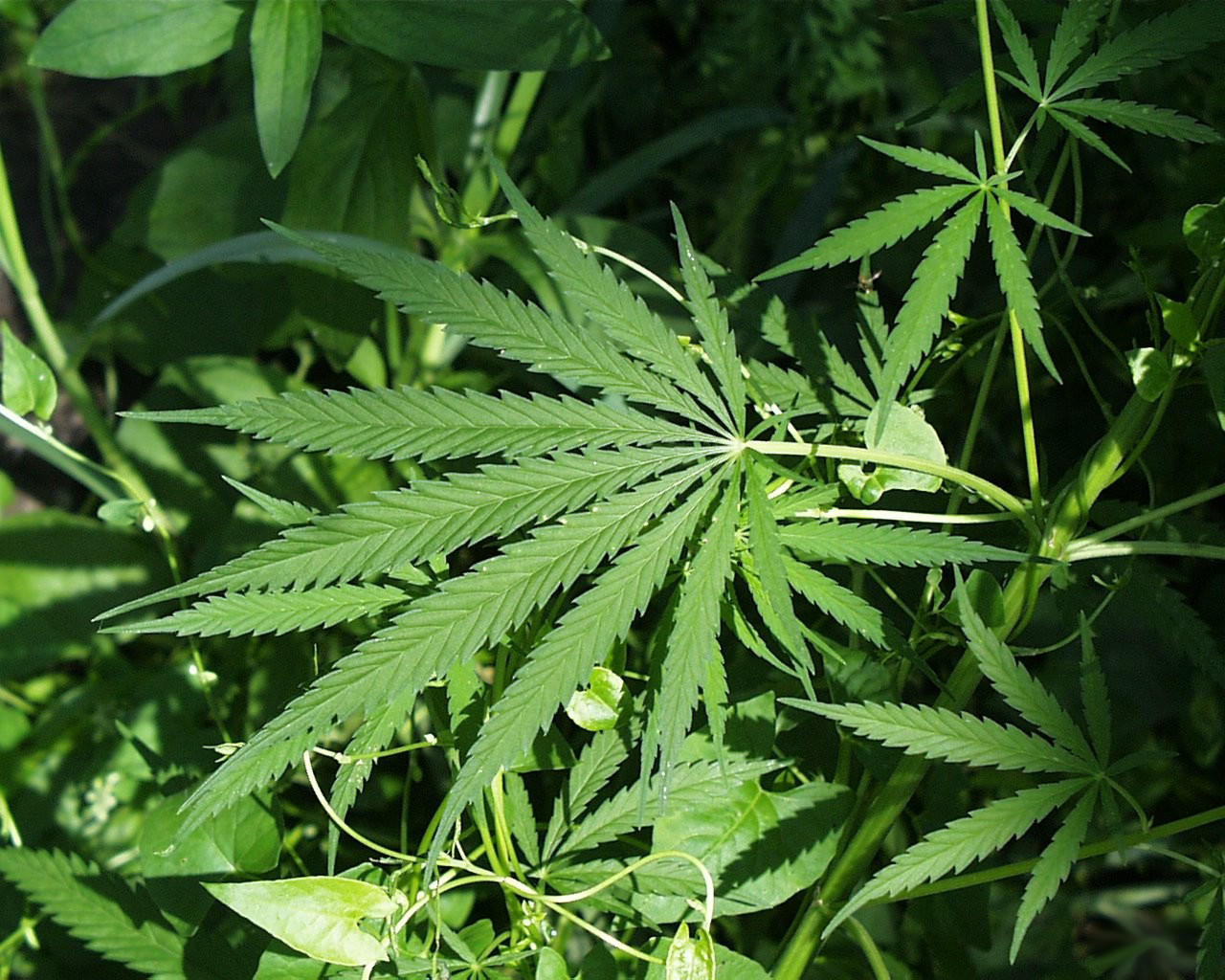
This is the plant that bears this drug. Ordinarily, this drug is generated from the plant flowers buds and focused it is mixed with the seeds, leaves, and stems of the plant and so marijuana sold as a mixture of the four elements. It’s close associate known as hashish is a tan, brown or black resin that is dried and pressed into bars, sticks or balls and when smoked, both marijuana and hashish give off a distinctive, sweet odor. Nonetheless, it must be noted that the content of these substances includes over 400 chemicals. The chemical that causes intoxication or the “high” in users is called THC (short for tetrahydrocannabinol). THC creates the mind-altering effects that classify marijuana as a “drug.”

Marijuana sales implications: Intoxication

Intoxication literally means “to poison by taking a toxic substance into your body.” Any substance that intoxicates causes changes in the body and the mind. It can create addiction or dependence, causing a person to want to take that drug even if it harms them. Another myth about marijuana is that being a plant many often say that it is natural and harmless. This is not true like for instance, hemlock is very poisonous despite being a natural plant. The other thing to know is that burning dried leaves and buds and inhaling the smoke into your lungs is absolutely not “natural” and like smoking cigarettes can be harmful to your body.

Finally, as for the medical uses of marijuana, it contains another chemical called CBD (short for cannabidiol). This is the substance most often associated with creating medical benefits. Unlike THC, CBD does not cause a high. Its medical benefits are still being studied, as are methods to breed marijuana plants with high CBD and low THC for medical use. But as things stand now, marijuana is a drug just like alcohol, cocaine, or ecstasy. And like these other drugs, it has side effects that can be harmful, so take the best decision of keeping off from marijuana and seek for professional solutions from doctor Dalal Akoury today.

Marijuana sales implications: The mixture of dried leaves and seeds


Facebooktwitterpinterestlinkedin