Category Archives: outpatient addiction treatment

addiction treatment

Drug addiction intervention services
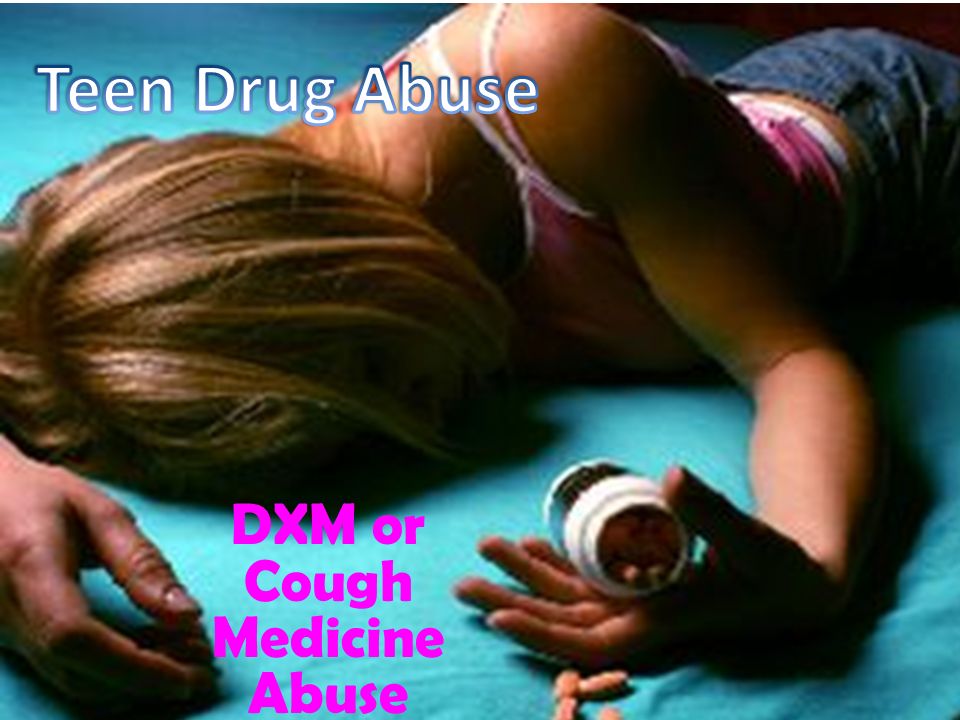
Drug addiction intervention

Drug addiction intervention services are essential in helping loved ones come out of their addiction

Drug addiction intervention services: Interventionist options

Drug addiction intervention services are tailored to help the families of an addict persuade their loved one of the damage their addictive behavior is causing and that they could get help from members outside their family unit. The problem of denial often makes addicted people cling to the belief that they will be able to overcome addiction on their own and when it is appropriate for them. Unfortunately this is often not the case. They often continues to abuse drugs/alcohol not being able to keep their promises of remaining sober and taking control of their addiction. In order to save a loved one’s life, an intervention may be necessary.

Drug addiction intervention services: Getting the treatment breakthrough

Getting high is central to the lives of people addicted to alcohol and drugs their primary motivation often becomes when and how to get high again. In some instances, behavioral addictions, and mental health issues such as eating disorders, may additionally complicate and consume a person’s life. Compulsive, damaging behaviors may ultimately overshadow everything else that is of value to the person, and in these cases it may be critical to seek the help of an interventionist before the addiction worsens. Interventions may stand the best chance of being successful when conducted under the guidance of an outside professional. An interventionist’s assistance may mean the difference between life and death.

Drug addiction intervention services: Why is it necessary?

If you have not been there you may not understand what drug addiction does to people. The pain that come with substance abuse in the family affects everybody both the victims and the loved ones. To avoid that pain, you will do everything within your reach and beyond to escape the wrath of drug addiction. Experts at AWAREmed Health and Wellness Resource Center under the able leadership of doctor Dalal Akoury; we are not leaving anything to chance. Dr. Akoury is the MD and also the founder of this facility besides being a veteran expert in addiction, in her over two decades of practice, she has enabled patients make the best results by receiving a combination of medications, natural therapeutic approaches and psychosocial therapies to synergistically align the body, mind and spirit that ultimately provide a long-term life change.

Therefore if you or any member of your family is suffering from drug addiction, and you are wondering what to do and how to go about it, I have good news for you. By the time we are through with discussing the drug addiction intervention services and interventionist option you will realize how close help is to you. In that same spirit, if you have tried in vain to recover in the past, I want to encourage you not to give up because time has come for you to seek for more professional help through a drug intervention program. Remember that even the most loving approaches are often unsuccessful when trying to convince an addict to get help. However with the help of a professional drug interventionist, it is possible to put an end to addiction. And that is what we want to offer to you at AWAREmed Health and Wellness Resource Center, if only you could schedule for an appointment with doctor Dalal Akoury today.

Drug addiction intervention services: Interventionist options


Facebooktwitterpinterestlinkedin
Career and drugs

Polysubstance Abuse detox and Addiction

Polysubstance Abuse detox

Polysubstance Abuse detox and Addiction and parental duties in controlling drug addiction inspires and motivates users to agree to medication

Polysubstance Abuse detox and Addiction: Treatment procedures

It must be noted that before the administration of any treatment that addresses the underlying causes of polysubstance addiction, detoxification must first be done. Polysubstance abuse detox is more complex and problematic for several reasons. Accurate history of total substances abused must be obtained, and the patient may not be able or willing to provide complete details. Determination of the actual substance being used has to be made using screens for breath, urine, and blood.

Some patients can be treated on an outpatient basis, but others, particularly those with alcohol, sedative, hypnotic, opioid, and anxiolytic abuse may require hospitalization or inpatient detox. Repeated abstinence failures or severe anxiety, depression, or psychotic symptoms lasting 1 to 3 days after abstinence may also require inpatient substance abuse treatment. On admission of the patient, detoxification for opioids will began to show classic alcohol withdrawal symptoms, some professionals will administer treatment routinely to their detox patients with thiamine until a determination could be made that there was no history of alcohol use. Experts are confirming that diagnosis and treatment of patients who have been on psychotropic medications while they were already addicted is more difficult. Therefore if a patient doesn’t know, or is unable to discuss, use of opioid drugs and it’s been days since their last drug use, opiate withdrawal symptoms can lag and urine screens my not be able to detect the drug.

Treatment for mixed addiction that also includes alcohol use may include benzodiazepines during the acute phase of alcohol withdrawal. Benzodiazepines can help decrease tremors and prevent or reduce increases in heart rate and blood pressure.

Polysubstance Abuse detox and Addiction: Evaluation Factors

If you are concern of the duration treatment will take, then it is important to note that the length of the treatment program can only be determined by how long and what type of substance dependence the patient has, whether or not organ damage exists, any underlying mental illness, the patient’s desire to change and willingness to undergo treatment, adequacy of the patient’s social support system, treatment choice, and plans for ongoing care.

Polysubstance Abuse detox and Addiction: Polysubstance Addiction is there hope?

Finally it is worth noting that fighting polysubstance abuse is not easy owing to the multiple of substances involved. It is very much different in relation to cases where a single substance is in question however it can still be done successfully. The success depends on the individual’s determination and discipline to follow through on the requirements to abstain completely from substance abuse. Such determination and discipline does not come easily, especially for hard-core or long-term abusers and addicts. There may be repeated relapses before stability becomes a part of the recovering addict’s life. And that explains why doctor Akoury founded AWAREmed Health and Wellness Resource Center to help in the treatment of all kinds of addiction problems. With her team of experts all your addiction related complications will be addressed professionally if only you can schedule for an appointment with her today.

Polysubstance Abuse detox and Addiction: Treatment procedures


Save

Facebooktwitterpinterestlinkedin
alcohol-addiction

Detecting alcoholism presence in life

Detecting alcoholism presence

In detecting alcoholism presence in life, the challenge may look bigger but overcoming addiction recovery must remain the ultimate objective

Detecting alcoholism presence in life: Self-Testing

Am I an alcoholic? This is a very good question tailored towards preventing, treating and detecting alcoholism presence in one’s life. It is by asking such question and getting the right responses that will help in finding permanent solution to the scourge of alcoholism. Speaking to the experts from AWAREmed Health and Wellness Resource Center under the leadership of doctor Dalal Akoury MD, it is evident that sometimes it can be hard to draw the line between safe alcohol use and alcohol abuse or dependence. Professionally doctor Akoury registers that there are several ways of detecting alcoholism presence in life. She suggests that you can carry out a self-testing method to ascertain whether you are alcoholic or not. Professionally, you may have a problem with alcohol if you answer “yes” to some of the following questions:

  • Do you need to drink a lot more for you to feel the effects of alcohol?
  • Do you suffer guilty about your drinking?
  • Do you become short-tempered or violent when you’re drinking?
  • Do you have problems at school or work because of drinking?
  • Do you think it might be better if you cut back on your drinking?

Depending on how you respond to the above, a yes answer could point to the direction of alcoholism. Besides the self-testing, the National Council on Alcoholism and Drug Dependence also offers more comprehensive self-tests which can help you assess whether you have a problem with alcohol. Away from the test doctor Akoury advices that you can also consult with your physician in very many ways for a professional diagnosis.

Detecting alcoholism presence in life: Professional diagnosis

Your doctor or healthcare provider can diagnose alcoholism by carrying out a physical exam and ask you questions about your drinking habits. Like for instance your doctor may ask if you:

  • Drive when you’re drunk
  • Have experienced blackouts as a result of your drinking
  • Have missed work or have lost a job as a result of your drinking
  • Have tried to cut back on your drinking but could not
  • Need more alcohol to feel “drunk” when you drink

Typically, a diagnosis of alcoholism does not require any other type of diagnostic test. Chance are that your doctor may order for blood test to check your liver function if you show signs or symptoms of liver disease. This is because alcohol abuse can cause serious and lasting damage to your liver. Remember that it is your liver which is responsible for removing toxins from your blood and so when you drink too much, your liver will have difficulties in filtering the alcohol and other toxins from your bloodstream which can lead to liver disease and other complications.

Detecting alcoholism presence in life: How is alcoholism treated?

Treatment for alcoholism varies, but each method is meant to help you stop drinking altogether (abstinence). Treatment may occur in stages and can include the following:

  • Counseling to solve emotional complications
  • Detoxification or withdrawal for the elimination of alcohol in the body
  • Medical treatment for alcoholism related health complications
  • Medications to help control addiction
  • Rehabilitation to learn new coping skills and behaviors
  • Support groups, including 12-step programs such as Alcoholics Anonymous (AA)

Finally you can prevent alcoholism by limiting your alcohol intake. This may not be easy (detecting alcoholism presence) but consulting with doctor Dalal Akoury will make it much easier for you. Your health is more important than anything else and therefore scheduling for that appointment will be a good start towards your recovery process.

Detecting alcoholism presence in life: Self-Testing


Facebooktwitterpinterestlinkedin
Alcohol and work

Addressing alcoholic risk factors

Addressing alcoholic risk

Addressing alcoholic risk factors by defeating alcohol addiction mechanism

Addressing alcoholic risk factors: Getting the facts of alcoholism right

It is amazing that even with obvious health risk of alcohol people are still very much into drinking. It has become a global problem with the west taking the lead in alcohol abuse. America for example is struggling with this problem of alcohol abuse with most under age getting into drinking habit. Most American adults drink at levels that put them at risk for alcohol dependence and alcohol-related problems. To help our societies from the scourge of this addiction and with the help of experts from AWAREmed Health and Wellness Resource Center under the leadership of doctor Dalal Akoury MD, we want to focus on addressing alcoholic risk factors progressively as we continue with this discussion:

Addressing alcoholic risk factors: Age

Drinking in Adolescence – we all know that alcohol consumption is very unhealthy in all dimensions, the risks of alcohol use gets more complicated depending on when one begins taking alcohol and the duration of usage. People who begins drinking in adolescence is at risk for developing alcoholism. The earlier a person begins drinking, the greater the risk and so young people are at highest risk for early drinking are those with a history of abuse, family violence, depression, and stressful life events.

Drinking in the Elderly Population – Although alcoholism usually develops in early adulthood, the elderly are not safe either. They are also affected though in a different way for example those who maintain the same drinking patterns as they age can easily develop alcohol dependency without realizing it. It will take a fewer drinks to become intoxicated, and older organs can be damaged by smaller amounts of alcohol than those of younger people. Besides all these, many medications prescribed for older people interact adversely with alcohol.

Addressing alcoholic risk factors: Gender

There is no doubt that majority of alcohol users are men though the women population drinking is also rising by the day. Studies suggest that women are more vulnerable than men to many of the long-term consequences of alcoholism. For example, women are more likely than men to develop alcoholic hepatitis and to die from cirrhosis, and again they are more vulnerable to the brain cell damage caused by alcohol.

Addressing alcoholic risk factors: Psychiatric and Behavioral Disorders

Psychiatric Disorders – Severely depressed or anxious people are at high risk for alcoholism, smoking, and other forms of addiction. Likewise, a large proportion of alcohol-dependent people suffer from an accompanying psychiatric or substance abuse disorder. Either anxiety or depression may increase the risk for self-medication with alcohol. Depression is the most common psychiatric problem in people with alcoholism or substance abuse. Alcohol abuse is very common in patients with bipolar disorder and schizophrenia.

Long-term alcoholism itself may cause chemical changes that produce anxiety and depression. It is not always clear, then, whether people with emotional disorders are self-medicating with alcohol, or whether alcohol itself is producing mood swings.

Finally, I believe you’re up to date with the social aspects of alcohol use. In our introduction we illustrated how relapse is a common happening in addiction treatment and probably this is your area of concern. If that describes your situation then you are the person am looking for because am offering an opportunity to get over it in the most professional way. It is important to appreciate that you cannot go through it your own, you will need the opinion of experts in this line and Dr. Dalal Akoury who is also the founder of AWAREmed Health and Wellness Resource Center is the person you need right now. She made a decision to create a medical center whose main objective is to transform each individual’s life through increasing awareness about health and wellness and by empowering individuals to find their own inner healing power. Dr. Akoury’s practice focuses on personalized medicine through healthy lifestyle choices that deal with primary prevention and underlying causes instead of patching up symptoms. I beseech you to take the first step of scheduling for an appointment with this great professional for the commencement of your treatment today.

Addressing alcoholic risk factors: Getting the facts of alcoholism right


Facebooktwitterpinterestlinkedin
addiction-treatment

Outpatient treatment programs for drug addiction

Outpatient treatment programs

Outpatient treatment programs for drug addiction helps in containing the problem

Outpatient treatment programs for drug addiction: Critical factors that are not necessarily treatment related

The journey of establishing the right outpatient treatment program for your addiction should be broad and wide. Besides the treatment factors, there are many other critical factors that can determine whether or not a given rehab facility is a wiser choice than alternatives says doctor Dalal Akoury MD. She reiterates that the types of treatments offered matters a lot and must never be overlooked when making that very crucial decision for the treatment facility of choice. But even as you take keen consideration on the treatment elements, when looking for the best outpatient drug rehab centers to give you the help you need, there are other justifying factors that are not necessarily treatment related but still very important. Such may include the following:

  • Distance
  • Flexibility
  • Support
  • Cost

Outpatient treatment programs for drug addiction: Distance

Depending on where you live, distance from home or work can be a huge obstacle to getting proper treatment. It’s important to take the big picture into account when planning a solid addiction rehabilitation strategy. The drive time impacts how effective the treatment can be. Not only does the amount of time you spend getting to and from the necessary treatment matter, but the availability of transportation and the route taken to get there should also be considered. It’s never a good idea to have old stomping grounds between an addict and his or her closest access to addiction help. In other words, distance isn’t limited to physical and literal miles. It can also relate to a psychological distance that must be traveled in order to get from home or work to the treatment facility. Make sure you’re close enough to your outpatient drug rehab center to make a real difference when it matters most.

Outpatient treatment programs for drug addiction: Flexibility

Flexibility is important because flexible programs are able to evolve as treatment needs change. If someone in outpatient treatment isn’t responding to one particular type of treatment, these facilities can quickly change to a different type of treatment in order to maximize the odds of success. With outpatient treatment, specifically, flexibility is a requirement in other ways as well. Many people seeking treatment for addiction want no part of the stigma attached to addiction and rehabilitation. They want to have lives that are as close to normal as possible so that no one needs to know they’re getting help. This means that the outpatient drug treatment facilities in question need to have treatment available when it’s most convenient and needed by the person seeking help.

Outpatient treatment programs for drug addiction: Support

Support is one of the most compelling requirements to look for in the best outpatient drug rehab centers. Without support, you’re left on your own to deal with temptation, withdrawals, and countless other pitfalls you may face as you struggle with addiction. Support is not a luxury and it certainly isn’t an option. The clinic in question needs to offer around-the-clock support for all patients seeking treatment.

Outpatient treatment programs for drug addiction: Cost

Finally the cost of the treatment program, as unpleasant as it may be to consider, is also very important when deciding on a treatment facility. There are certain triggers that can send someone back into addiction. Financial trouble is one of those triggers. There is no price too high to pay for sobriety, but it only works if you’re able to remain sober once the bills start rolling in. The good news is that outpatient treatment often costs considerably less than residential addiction treatment programs and more insurance companies are beginning to cover these costs.

Outpatient treatment programs for drug addiction: Deciding factors that are not expressly treatment related


Facebooktwitterpinterestlinkedin