Category Archives: outpatient addiction treatment

milk tea addiction

Understanding depression pain complications

Understanding depression pain

Understanding depression pain complications in totality alongside being mindful about the solution for stress will go along way in finding lasting solution

Understanding depression pain complications: What happens with chronic pain and depression?

Understanding depression pain complications is a worthy concern for anyone struggling with both chronic pain and depression. From an expert point of view, it will interest you to note that depression is one of the most common psychological issues facing people who are suffering from chronic pain. This problem if not addressed timely can really complicates the patient’s conditions and treatment. The most worrying thing is that prevalence of these problems is escalating on a daily basis. Like for instance according to the American Pain Foundation, they have registered that about 32 million people in the U.S. alone have had pain lasting longer than one year. And about one quarter to more than half of all the population that complain to their doctors registering depression. And on average up to 65% of those depressed individuals are also complaining of pain and yet again those people whose pain limits their independence are especially likely to get depressed. These statistics are a reflection of how depression and pain are a serious threat globally. It has now become an epidemic that must be addressed from all quarters if we want to enjoy comfort in life says doctor Akoury.

Understanding depression pain complications: Is there a cycle of depression and pain?

One would not be punished for saying that pain is a trigger of depression. In fact it has been established from various studies that pain can provoke an emotional response in everyone. Like for instance if you are struggling with some pain, you may also have high anxiety, irritability, and agitation. These are very normal accompaniment feelings when you are hurting. Even though this is so, the good news about all this process or relations is that under normal circumstances, as pain subsides, so does the stressful response. However with chronic pain, you are likely to constantly feel tense and stressed. That is to say, with time, the constant stress can result in different emotional problems associated with depression. Doctor Akoury MD, who is a veteran addiction expert and founder of AWAREmed Health and Wellness Resource Center says that if you are suffering from these chronic pains and depression then you are likely to experience some of the problems: Altered mood, work issues, fatigue, physical deconditioning, financial concerns, chronic anxiety, weigh gain or weight loss, anger, social sleep disturbances, isolation, legal issues, confused thinking, family stress, reduced sexual activities, fear of injury, decreased self-esteem and irritability.

Finally looking at the list above, it is obvious these are not health experiences one should go through. You can therefore make wise decisions today to be safe from all these by scheduling for an appointment with doctor Dalal Akoury for a one on one professional advice and treatment that will help you have your life reinstated to normalcy.

Understanding depression pain complications: What happens with chronic pain and depression?

http://www.integrativeaddictionconference.com/wp-admin


Facebooktwitterpinterestlinkedin
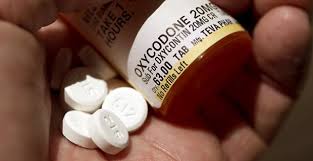
Oxycontin

Explaining depression overlap and chronic pain

Explaining depression overlap

Explaining depression overlap and chronic pain ca be very distressful if not corrected

Explaining depression overlap and chronic pain: Neurotransmitters

Scientifically explaining depression overlap and chronic pain is possible and for sure some of the overlap between depression and chronic pain can be explained. According to the experts from AWAREmed Health and Wellness Resource Center under the able leadership of doctor Dalal Akoury MD, it has been established scientifically that depression and chronic pain have a common denominator and that is, they both share some of the same neurotransmitters brain chemicals that act as messengers traveling between nerves. Depression and chronic pain also share some of the same nerve pathways.

Explaining depression overlap and chronic pain: Pressures exacted by pain

Besides that it is important to note that the impact of chronic pain on an individual’s life can also contribute to depression. In fact chronic pain can exact pressure and force you to struggle with tremendous losses, such as the loss of exercise, sleep, social network, relationships, sexual relationships, even a job and income. These losses can make you feel depressed and bring a total change in your life and even to that of your loved ones. With this depression will then magnify the pain and reduces your coping skills. It therefore means that when you used to exercise and be active when you felt stressed, with chronic pain you can no longer deal with stress in this manner.

Finally experts while carrying out research had put into comparison people with chronic pain and depression to those who only suffer chronic pain. After the study, it was established from that those who suffer from both depression and chronic pain report more intense pain, less control of their lives and more unhealthy coping strategies. That therefore means that since chronic pain and depression are so intertwined, they are often treated together. In fact, some medications can improve both chronic pain and depression. That is why you need to seek for a more professional input if any of these discussions suits your situation. And before we come to a conclusion of this article, if you are wondering on where to begin in terms of finding solutions about explaining depression overlap and chronic pain, you need not to wonder anymore because we are here to help you do the right thing and with the right people. Remember that Dr. Akoury made a decision to create a medical center whose main objective is to transform each individual’s life through increasing awareness about health and wellness and by empowering individuals to find their own inner healing power. Dr. Akoury’s practice focuses on personalized medicine through healthy lifestyle choices that deal with primary prevention and underlying causes instead of patching up symptoms. This is what doctor Akoury intends to achieve if only you can schedule for an appointment with her today.

Explaining depression overlap and chronic pain: Neurotransmitters


Facebooktwitterpinterestlinkedin
drug abuse

Pursuing drug usage and cravings to the brain

Pursuing drug usage

Pursuing drug usage and cravings to the brain

Pursuing drug usage and cravings to the brain: Addictions effect on the brain’s reward system

Pursuing drug usage and craving to the brain can be very interesting more so when considering how the brain functions. It is true that the brain has evolved over time in a way that ensures human survival. And in fact our brain’s reward system is part of that survival system. In many instances we often experience an urgent need for food whenever we are starving and generally have a powerful desire for sex too. According to doctor Dalal Akoury MD and founder of AWAREmed Health and Wellness Resource Center, the brain’s reward system rewards food and sex because they ensure our survival. Unfortunately, drugs of abuse operate within these reward systems which leads people to experience an urgent need or powerful desire for drugs or addictive activities.

The brain’s reward system has ensured our species survival. You may have not known but food, water, and sex are some of the elements that activate the reward system. Therefore when the brain’s reward center is activated, it releases dopamine. Dopamine then creates a pleasing, enjoyable sensation which then motivates us into repeating these behaviors which are necessary for our survival. The reason why this is happening is because dopamine has rewarded us with a pleasurable feeling. Doctor Akoury recommends that from an evolutionary standpoint of view, it is very helpful to have a reward system that works. Like for instance, imagine that there is very little food and you’re wandering about looking for food. When you finally find something to eat, this triggers your reward system. This pleasing feeling (dopamine “reward”) will become associated with whatever behavior that led you to that food. This causes you to want to repeat that behavior. Moreover, the reward system is closely tied to emotional and subjective memories. If you were successful and found food in a particular place for instance, in the future you will want to look for food in the same location. This reward system increases the likelihood that you will be successful in finding food there the next time. This is because your brain chemicals are rewarding you with a pleasing sensation. It also helps you to remember how and where this pleasant feeling occurred.

Pursuing drug usage and cravings to the brain: The negative dopamine reward sensation

It will come to you as a surprise that the element that motives your survival is the very same reward system that ensures your survival and also rewards drug use. Doctor Akoury reiterates that all addictive substances and activities will trigger the release of dopamine which rewards us with a pleasant sensation thereby succeeding in motivating us to continuously indulge in these harmful behaviors. It is nowadays common knowledge that peoples with addiction problems will all it takes to get their drug of choice and in the same way, they continue with their addiction despite the harm it causes to themselves or their loved ones. It is therefore very important to note that all these characteristic of addictive behaviors arise from the brain’s pleasure and rewards centers. Therefore seeking for lasting solutions becomes a must to do for all victims. This may not be a very popular thing owing to the addictiveness of some of these drugs, but nonetheless it is the best option if you want to have a healthy life that is free from all sorts of addiction. You can schedule for an appointment with doctor Dalal Akoury for the commencement of your journey to recovery.

Pursuing drug usage and cravings to the brain: Addictions effect on the brain’s reward system

http://www.I-AM-I.com/wp-admin

Facebooktwitterpinterestlinkedin
milk tea addiction

Addiction chemical structural and molecular changes

Addiction chemical

Addiction chemical structural and molecular changes. Addictions stress risk and anxiety. Handling addiction crisis

Addiction chemical structural and molecular changes: The brain that reverse addiction

There’s no doubt that addiction is wreaking havoc on the brain. The naked truth is that addiction chemical structural and molecular changes is very significant and has taken over quite literally the brains of most addicts. However, treatment can reverse or counteract these effects. Besides, as the recovery process proceeds, the brain continues to heal. And even though it is true that many changes do occur in the brain after addiction takes hold. Nonetheless, we must also remember that the brain is a dynamic and ever-changing system. Changes to the brain’s neuronal circuits, chemistry, and structures powerfully drive the addiction forward. However, a strong motivation to change, can just as powerfully counter these changes. People can learn new coping skills. They can practice behavioral modification techniques. These efforts will counter those damaging changes.

Abstinence from addictive substances or activities can lead to a reversal of many physical changes that occurred during addiction. Combination therapies (medications plus psychotherapy) help the recovery process by managing the physiological effects of addiction and withdrawal. Cognitive-behavioral treatments work to mend and repair the psychological impact of addiction. Doctor Akoury says that from this discussion, it should come out clearly that the brain is quite amazing. Like for instance it has the capacity to control its own physiology and is highly adaptive. Each behavioral step we make forward has a beneficial physiological effect on the brain. Therefore a sincere effort to change behavior is a powerful tool that mends the damaged brain. It therefore means that when we change our behaviors by finding new healthy outlets for satisfying cravings, we succeed in correcting the damaged brain functions. These positive changes form new memory and behavioral circuits in the brain that strengthen and reinforce recovery efforts. Yes, the brain has changed because of the addictive process. Nevertheless, even people with severe addiction problems succeed in overcoming their addictions. Many do so without any outside help. Motivation is one of the key.

Addiction chemical structural and molecular changes: The psychology of addiction and recovery

We have introduced the Bio-Psycho-Social-Spiritual (BPSS) model of addiction and will use this model to answer the question “How do people get addicted?” Having reviewed the biological reasons, it is true people can get addicted. The biological portion of the BPSS model considers addiction a brain disease with biological, chemical, and genetic roots. We now turn our attention to the psychological portion of the BPSS model. The psychological portion of the BPSS model views addiction in different ways. It is important to note that people may get addicted to whatever they are addicted to through various means including the following:

  • Addiction could also develop because of a personality defect or mental disorder.
  • Addiction may be due to developmental immaturity.
  • Addiction may occur as a means of coping with uncomfortable feelings.
  • It could be as a result of learning the habit from others
  • People may find recovery difficult because of the way they think about things.
  • They may also lack good problem-solving skills.

Finally it real doesn’t matter whether addiction originated because of some biological process, it is important to note that recovery from addiction requires people to become motivated to make significant changes. People can benefit from increasing their maturity, and improving their copings skills and to get these full benefits, you can consult with the experts at AWAREmed Health and Wellness Resource Center under the leadership of doctor Dalal Akoury today to free yourself from all the effects of addiction on the hypothalamus area of your brain and all other organs of your body today.

Addiction chemical structural and molecular changes: The brain that reverse addiction

http://www.integrativeaddictionconference.com/wp-admin



Facebooktwitterpinterestlinkedin
porn addiction

Amygdala effects on emotions and memories

Amygdala effects

Amygdala effects on emotions and memories that may facilitate addiction

Amygdala effects on emotions and memories: The formation of drug abuse

All of us have memories about various events in our lives which can either be bad or good memories and these memories and emotions can be affected by amygdala. The amygdala effects on emotions and memories can be can be categorized as good or bad depending on the emotional states that happen during those events we are remembering. It is therefore very important to appreciate that these memories are formed from the brain and up on their formation, they are kept still within the brain along with the emotional attachment that occurred during those events. Let’s use an illustration to bring it closer to our understanding take for example when you smell the sea air or feel the ocean breeze and hear the seagulls, you will have a pleasant memory and emotional experience alongside. This is because these things have been repeatedly associated with relaxing and enjoyable times. The memory of the sea is stored along with a pleasant emotional state.

It therefore means that you can merely visualize the sea in your mind without necessarily being there and you will experience a pleasant emotional state. In the same way an addicted person may only need to visualize about engaging in his addiction and that will be enough for him to experience pleasure. In that case, the memory of engaging in the addiction is stored with a pleasant emotional state and hence the pleasing memories of engaging with an addiction can lead to repeating those behaviors and eventually forms a habit. This is what we must deal with owing to the enormous consequences that come with the formation of an addiction. When you realize that such experiences are happening in your life, you must seek for an immediate treatment from the experts. Doctor Dalal Akoury a veteran addiction experts and her team of experts at AWAREmed Health and Wellness Resource Center will be of great help to you if only you can schedule for your appointment with her today and your life will never be the same again.

Amygdala effects on emotions and memories: Cue anticipation

Besides that, emotional memory also has another role in the development of addiction known as cue anticipation. This is the environmental cues that can initiate or elevate craving. And because cravings often lead to relapse they are often called relapse. The environmental cues (relapse triggers) can be anything that is associated with the addiction. It could be a certain time of day, a place, a person, or an activity.

Finally, the brain may also form an association between unpleasant emotions and a memory thereby forming a “bad” memory. For your information, these negative emotional memories play an important role in withdrawal. The negative emotional memory of anxiety becomes associated with the physical signs of withdrawal. And as withdrawal begins, the symptoms trigger an unpleasant emotional memory. This increases the negative experience of withdrawal. What we have discussed here may not be conclusive and therefore you may want to schedule for an appointment with doctor Dalal Akoury for more health insight about addiction and the brain.

Amygdala effects on emotions and memories: The formation of drug abuse

http://www.awaremednetwork.com/


Facebooktwitterpinterestlinkedin