Category Archives: Alcohol recovery

awaremed-favicon

Significant health problems and marijuana
Significant health problems

Significant health problems and marijuana’s impact is a wrong combination

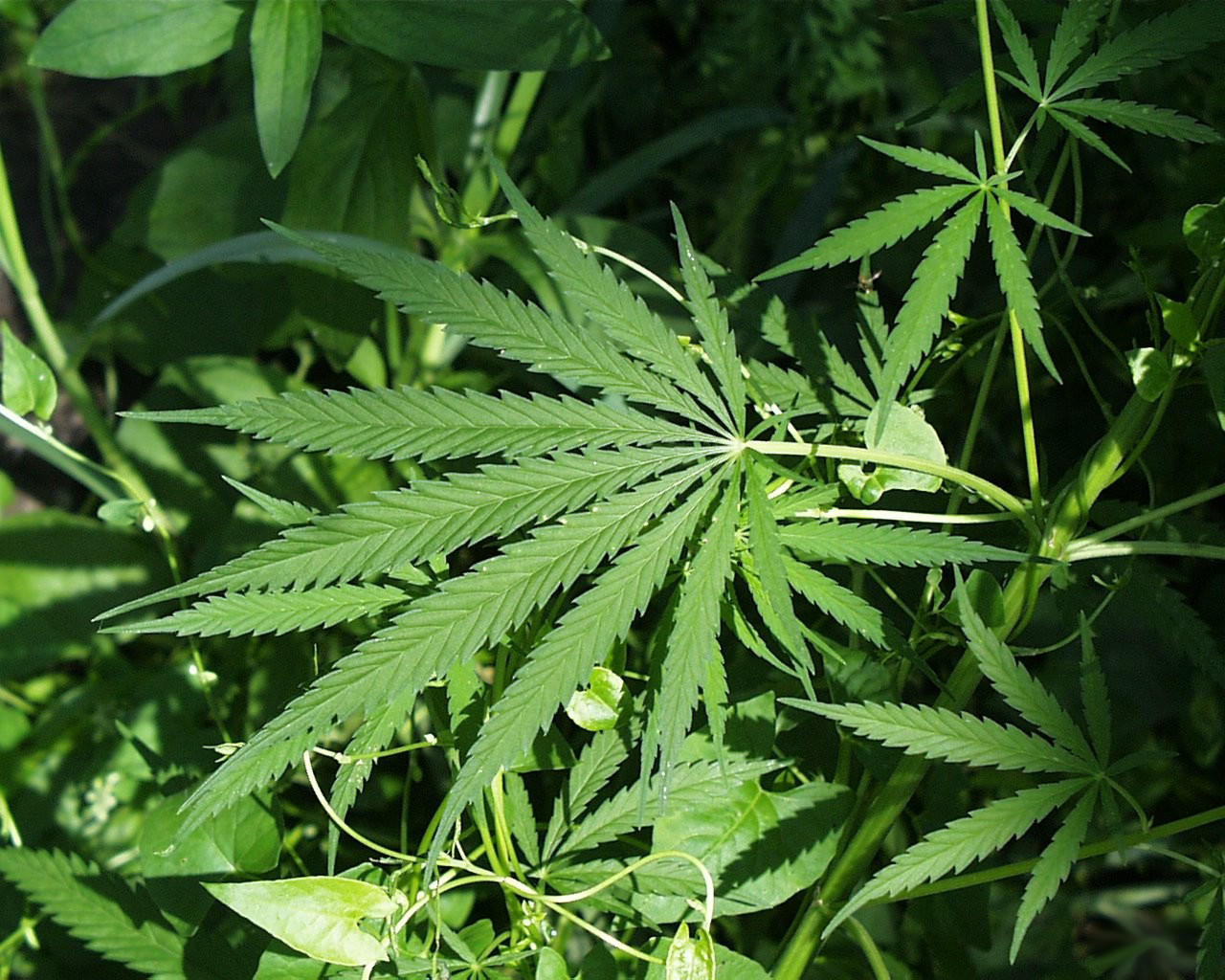
Significant health problems and marijuana: The dried shredded flowers

The significant health problems caused by marijuana is a long one and certainly it did not start yesterday and it’s not going to end anytime soon if the trend of its usage continues. Experts across the globe are concerned with the way addictive substances are treated or are embraces in some parts of the world. Like for instance marijuana is one of the major cash crops in Afghanistan and is legally allowed for trade. While we are struggling to have its usage reduced, the other side of the coin is promoting it for economic benefits even with the knowledge that marijuana addiction and consequences attached to it are real. These among other things are what we want to discuss in this article primarily to give you the insight of the dangers of marijuana addiction.

To help us understand more about this substance, we are going to be talking to doctor Dalal Akoury the MD and founder of AWAREmed Health and Wellness Resource Center. To start us off doctor Akoury defines marijuana as a green or gray mixture of dried, shredded flowers and leaves of the hemp plant Cannabis sativa. There are over 200 slang terms for marijuana including “pot,” “herb,” “weed,” “boom,” “Mary Jane,” “gangster,” and “chronic.” The mode of administration into the body is usually through smoking in the same way as a cigarette (called a joint or a nail) or in a pipe or bong.

Significant health problems caused by marijuana: The genetic factors in marijuana use

Scientists across the globe have found that whether an individual has positive or negative sensations after smoking, marijuana can be influenced by heredity. This drug is commonly administering into the body through smoking with the effect being felt just within minutes. The effects experienced often depend upon the experience and expectations of the individual user as well as the activity of the drug itself. Doctor Akoury says that low doses tend to induce a sense of well-being and a dreamy state of relaxation, which may be accompanied by a more vivid sense of sight, smell, taste, and hearing as well as by subtle alterations in thought formation and expression.

It is important to note that stronger doses of marijuana may intensify reactions, and because of this the individual may experience shifting sensory imagery, rapidly fluctuating emotions, a flight of fragmentary thoughts with disturbed associations, an altered sense of self-identity, impaired memory, and a dulling of attention despite an illusion of heightened insight.

Finally, recent research findings also indicate that long-term use of marijuana produces changes in the brain similar to those seen after long-term use of other major drugs of abuse. This are not just simple threats for life but enormous in nature and needs the intervention of real experts to have them eliminated from our systems. A call to the experts at AWAREmed Health and Wellness Resource Center under the able leadership of doctor Dalal Akoury is what you need to do now and schedule an appointment for the commencement of your recovery treatment today.

Significant health problems and marijuana: The dried shredded flowers


Facebooktwitterpinterestlinkedin
Addiction

Corresponding addiction solution

Corresponding addiction solution

Corresponding addiction solution necessary for the perfection in defeating the side effects of treatment

Corresponding addiction solution: Drug abuse and mental health

Having looked at some of the corresponding addiction treatment for the benefit of your health, we want to explore more in this line to equip you with relevant health information as follows:

Get therapy – Your chances of staying sober improve if you are participating in a social support group like Alcoholics Anonymous or Narcotics Anonymous or if you are getting therapy.

Follow doctor’s orders – Once you are sober and you feel better, you might think you no longer need medication or treatment. But arbitrarily stopping medication or treatment is a common reason for relapse in people with co-occurring disorders. Always talk with your doctor before making any changes to your medication or treatment routine.

Corresponding addiction solution: Make healthy lifestyle changes

Practice relaxation techniques – When practiced regularly, relaxation techniques such as mindfulness meditation, progressive muscle relaxation, and deep breathing can reduce symptoms of stress, anxiety, and depression, and increase feelings of relaxation and emotional well-being.

Healthy eating habits – Start the day right with breakfast, and continue with frequent small meals throughout the day. Going too long without eating leads to low blood sugar, which can make you feel more stressed or anxious.

Exercise regularly – Exercise is a natural way to bust stress, relieve anxiety, and improve your mood and outlook. To achieve the maximum benefit, aim for at least 30 minutes of aerobic exercise on most days.

Get enough sleep – People often ignore sleeping because of the pressures of work and economic hardship however lack of sleep can exacerbate stress, anxiety, and depression it is therefore prudent that you sleep for 7 to 9 hours of quality sleep a night.

Helping a loved one with a substance abuse and mental health problem

Doing this is difficult because resistance to treatment is common and the road to recovery can be long. You can only do what you can. You cannot force someone to remain sober, nor can you make someone take their medication or keep appointments. You can live positively by encouraging your loved one to get help in many ways like:

Seek support – Dealing with a loved one’s dual diagnosis of mental illness and substance abuse can be painful and isolating. Make sure you’re getting the emotional support you need to cope.

Set boundaries – Be realistic about the amount of care you’re able to provide without feeling overwhelmed and resentful. Set limits on disruptive behaviors, and stick to them. Letting the co-occurring disorders take over your life isn’t healthy for you or your loved one.

Educate yourself – Learn all you can about your loved one’s mental health problem, as well as substance abuse treatment and recovery. The more you understand what your loved one is going through, the better able you’ll be to support recovery.

Be patient – This is very important because recovering from a dual diagnosis doesn’t happen overnight. It is an ongoing process that can take long may be months or years, and relapse is common. Ongoing support for both you and your loved one is crucial as you work toward recovery. All these are just some guidelines to help you offer better support to your loved ones. And even as follow these guidelines it is still very important that you seek the services of the experts in this discipline. You can reach doctor Akoury on phone today to schedule an appointment and she will be of great help.

Corresponding addiction solution: Drug abuse and mental health


Facebooktwitterpinterestlinkedin
Jeff and Sharon on pier

Aiding cancer health problems

Aiding cancer health problems

Aiding cancer health problems alcohol usage

Aiding cancer health problems: The increased risk of alcohol abuse

Despite the risks that come with alcohol, it is one that is also abused globally. Surprisingly as addictive as it is, it is one of the biggest government source of revenue across the globe. Alcohol is aiding cancer health problems worse. Alcohol is the common term used or ethanol or ethyl which is a chemical substance commonly found in beer, wine, liquor, some medicines, mouthwashes, household products and other essential oils scented liquids taken from plants. There is no doubt that alcohol abuse is facilitating cancer risk as we will be discussing going forward.

Aiding cancer health problems: Alcohol content

And for value addition, we spoke to experts at AWAREmed Health and Wellness Resource Center. This facility was founded by doctor Dalal Akoury and currently, she is also the MD of the establishment. Together with her team of experts, they are going to help us put in perspective some of the concerns we have in relation to our topic of discussion today which is “facilitating cancer risk with alcohol abuse”. Besides that it will interest you to note that alcohol is produced by the fermentation of sugars and starches by yeast, it is equally important that we are aware of the main types of alcoholic drinks and their alcohol content. This is going to be very helpful to us as we explore the primary effects of alcohol to cancer and cancer patients. The alcohol content in various alcoholic beverages is as follows:

  • Beers and hard ciders: 3-7 percent alcohol
  • Wines, including sake: 9-15 percent alcohol
  • Wines fortified with liquors, such as port: 16-20 percent alcohol
  • Liquor, or distilled spirits, such as gin, rum, vodka, and whiskey, which are produced by distilling the alcohol from fermented grains, fruits, or vegetables: usually 35-40 percent alcohol (70-80 proof), but can be higher

According to the National Institute on Alcohol Abuse and Alcoholism, a standard alcoholic drink in the United States, for example, contains 14.0 grams (0.6 ounces) of pure alcohol. Generally, this unit of pure alcohol is found in

  • 12 ounces of beer
  • 8 ounces of malt liquor
  • 5 ounces of wine
  • 1.5 ounces or a “shot” of 80-proof liquor

Up to this point let me pose briefly and find out or justify why alcohol is the most abused drug globally besides facilitating cancer risks and other health problems. Take for instance according to the federal government’s Dietary Guidelines for Americans 2010 just five years ago, the federation position or definition of what should be considered to be moderate alcohol drinking is a maximum of one drink per day for women and two drinks per day for men. Heavy alcohol drinking is defined as having more than three drinks on any day or more than seven drinks per week for women and more than four drinks on any day or more than 14 drinks per week for men. With that piece of information, you are now beginning to appreciate the realities of alcohol abuse. Ideally what is considered heavy drinking per week is equivalent to what most people consume in just two hours daily. If in just two hours one would take this much, translate that into a day then to a week, a month and a year. It thus explains why this is the most abused drug in our societies and so the biggest facilitating cancer risks among other health problems. We are certainly going to continue with this discussion in the next article but in the meantime, you can call doctor Akoury for further professional direction about alcohol abuse.

Aiding cancer health problems: The increased risk of alcohol abuse


Facebooktwitterpinterestlinkedin
Gut-Brain-Skin-Microbiota Axis

Digestive health system

Digestive health system

Digestive health system that allows eaten food to be broken into useful units in the body

Digestive health system: Alcohol abuse

Alcohol consumption when abused can become dangerous to the body. Even though it is said that the use of alcohol can be beneficial to the body, this point loses meaning since this substance is addictive and the minimum level of usage is often very difficult to attain. Moreover, the said benefits are very insignificant when compared to the demerits of alcohol. For that reason, we want to explore some of the effects of alcohol addiction on the digestive health system to understand corrective measures we can take to salvage the situation.

When we talk about the benefits, it is often eluded to the moderate consumption of alcohol. Users of alcohol will tell you that when taken in moderation, it can make life a bit more enjoyable for some people. These people will tell you that it allows them to socialize more easily, and also cause them to relax after a hard day’s work. However what may not be clear to these users is that there is a dark side to alcohol consumption, and this will soon become apparent when individuals drink beyond the estimated limit. The consequences of this can lead to all sorts of physical and mental health problems. Therefore if people become addicted to alcohol it can completely destroy their life.

Digestive health system: Organs of the digestive system

Before we get to understand how alcohol addiction affects the digestive system health, it is important to appreciate that people need to consume food in order to survive, to be strong and healthy. Besides that, it is also not only needed for fuel but the body also uses elements of this nutrition for repair of the body. Now the digestive system is a group of organs in the body that is tasked with the role of removing all the needed nutrients from any food that is eaten. In other words, in order for people to live life to the fullest, they need to have a fully functional digestive system. These digestive systems are made up of several different organs including the following:

  • The mouth is where digestion begins. The food that is eaten will be partially broken down by chewing so as to make it easier to digest. At this point, the saliva can begin to break down some chemicals in food.
  • Food is then transferred to the stomach by the esophagus.
  • The stomach contains a strong acid that helps to break down food. The churning motion of the stomach turns food into a sludge-like substance called chime.
  • The liver produces bile which is stored in the gallbladder.
  • The pancreas produces enzymes that are also required for digestion.
  • The small intestine is where bile and enzymes help to extract the nutrients from the food.
  • The large intestine contains microbes that assist in breaking down food. In this organ electrolytes and water is extracted from the chime.
  • Anything in the food that is not of use to the body ends up in the rectum where it is expelled as feces and that is the process of digestion which can be literally destroyed by the abuse of alcohol.

Finally, alcohol addiction can be fatal if not addressed in good time. If you’re wondering where to run to, doctor Dalal Akoury is on stand-by to hear and listen to your individual case for a much more professional solution.

Digestive health system: Alcohol abuse


Facebooktwitterpinterestlinkedin
Addiction

Complementary addiction treatment

Complementary addiction treatment

Complementary addiction treatment for everybody

Complementary addiction treatment: Drug abuse and mental health

We have already looked at some of the complimentary addiction treatment for drug abuse previously, but for the benefit of your health, we want to explore more in this line to equip you with all the relevant health information as follows:

Get therapy or stay involved in a support group – Your chances of staying sober improve if you are participating in a social support group like Alcoholics Anonymous or Narcotics Anonymous or if you are getting therapy.

Follow doctor’s orders – Once you are sober and you feel better, you might think you no longer need medication or treatment. But arbitrarily stopping medication or treatment is a common reason for relapse in people with co-occurring disorders. Always talk with your doctor before making any changes to your medication or treatment routine.

Make healthy lifestyle changes

Practice relaxation techniques – When practiced regularly, relaxation techniques such as mindfulness meditation, progressive muscle relaxation, and deep breathing can reduce symptoms of stress, anxiety, and depression, and increase feelings of relaxation and emotional well-being.

Healthy eating habits – Start the day right with breakfast, and continue with frequent small meals throughout the day. Going too long without eating leads to low blood sugar, which can make you feel more stressed or anxious.

Exercise regularly – Exercise is a natural way to bust stress, relieve anxiety, and improve your mood and outlook. To achieve the maximum benefit, aim for at least 30 minutes of aerobic exercise on most days.

Get enough sleep – People often ignore sleeping because of the pressures of work and economic hardship however lack of sleep can exacerbate stress, anxiety, and depression it is therefore prudent that you sleep for 7 to 9 hours of quality sleep a night.

Helping a loved one with a substance abuse and mental health problem

Helping a loved one with both a substance abuse and a mental health problem can be a roller coaster. Resistance to treatment is common and the road to recovery can be long. The best way to help someone is to accept what you can and cannot do. You cannot force someone to remain sober, nor can you make someone take their medication or keep appointments. What you can do is make positive choices for yourself, encourage your loved one to get help, and offer your support while making sure you don’t lose yourself in the process. You could take either of the following in helping your loved ones:

Seek support – Dealing with a loved one’s dual diagnosis of mental illness and substance abuse can be painful and isolating. Make sure you’re getting the emotional support you need to cope. Talk to someone you trust about what you’re going through. It can also help to get your own therapy or join a support group yourself.

Set boundaries – Be realistic about the amount of care you’re able to provide without feeling overwhelmed and resentful. Set limits on disruptive behaviors, and stick to them. Letting the co-occurring disorders take over your life isn’t healthy for you or your loved one.

Be patient – This is very important because recovering from a dual diagnosis doesn’t happen overnight. It is an ongoing process that can take sometimes may be months or years, and relapse is common. Ongoing support for both you and your loved one is crucial as you work toward recovery. All these are just some guidelines to help you offer better support to your loved ones. And even as follow these guidelines it is still very important that you seek the services of the experts in this discipline. You can reach doctor Akoury on phone today to schedule an appointment with her and she will be of great help to you and your loved ones as well.

Complementary addiction treatment: Drug abuse and mental health


Facebooktwitterpinterestlinkedin